 fb2
fb2
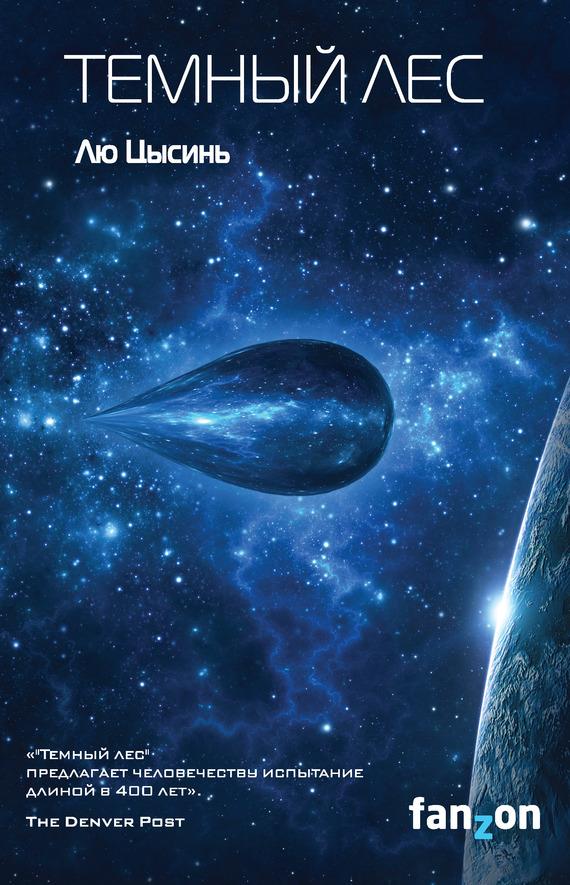
Трисолярианский кризис продолжается. У землян есть 400 лет, чтобы предотвратить инопланетное вторжение. Но угроза полного уничтожения, вопреки ожиданиям, не объединяет человечество. Сверхдержавы отстаивают свои интересы, космические флоты, становясь независимой политической силой, вовсе теряют связь с Землей. Тотальный контроль над научно-техническими разработками со стороны чужой цивилизации, во много раз превосходящей нашу в развитии, не оставляет людям шанса на победу. Исход войны решат проекты «Отвернувшихся» – лучших мыслителей планеты.
Продолжение трилогии «В память о прошлом Земли» самого популярного китайского писателя Лю Цысиня удостоилось положительных отзывов критиков и вошло в рейтинги лучших НФ-романов последних лет.
Самый популярный китайский писатель-фантаст, получивший ряд жанровых премий как в Китае, так и в США (первый иностранный писатель с премией "Хьюго"). Сборник рассказов, написанных за последние двадцать лет.
Сборник повестей великого китайского фантаста Лю Цысиня, создателя блистательной трилогии «Задача трех тел».
Лю Цысинь предлагает взглянуть на будущее человечества сквозь призму неповторимой китайской культуры. Наука переплетается с простыми человеческими жизнями.
От сельского учителя зависит выживание всей планеты.
Вселенная несется вспять, возвращая потерянных любимых.
Род людской, сталкиваясь с беспрецедентным безразличием пришельца из других миров, делает то, что у него лучше всего получается — борется за жизнь. Война или создание неповторимых произведений искусства — во всем этом видна истинная природа человека, его жертвенность, изобретательность и отвага.
«Инновационный и полный сострадания взгляд на то, как знания формируют и изменяют человечество. Лю основывает свои рассказы на современной китайской жизни и обществе, используя жанр научной фантастики для решения вопросов о месте человечества во Вселенной. Это обязательное чтение для всех поклонников твердой научной фантастики». — Publishers Weekly
«Всесторонний взгляд на творчество Лю, показывающий его работы как в стиле, знакомом читателям трилогии "ЗАДАЧИ ТРЕХ ТЕЛ", так и в других, возможно, более неожиданных стилях. Настоятельно рекомендуется». — Booklist
«Эти истории превосходно сочетают жесткую научную фантастику и мягкую эмоциональность. В произведениях Лю сохраняется спокойная, деловая стилистика, даже тогда, когда они передают изобретательную жестокость и красивые образы». — Shelf Awareness
«Это волшебство. Это машина времени; туннель, который позволяет вам вернуться назад во времени, чтобы увидеть, как выглядела китайская версия 1985, 2010, 2020 или 3000 года. Сборник дарит нам окно, из которого открывается вид на иной научно-фантастический пейзаж, отличный от того, что мы наблюдали десятилетиями». — NPR
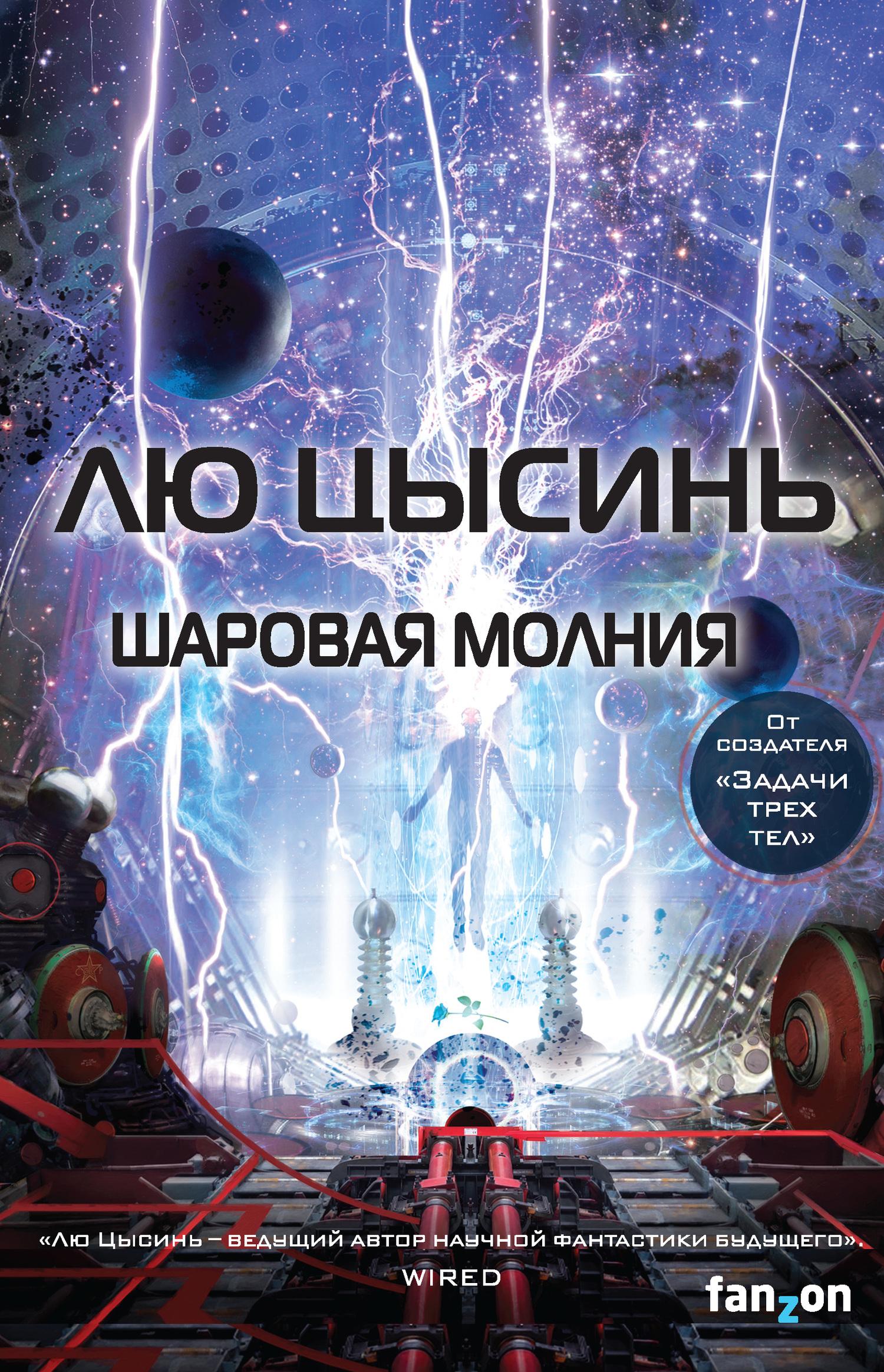
После трагедии, в детстве лишившей его родителей, доктор Чэнь посвятил свою жизнь разгадке тайны шаровой молнии. Странные феномены, связанные с ней, вынуждают доктора изыскивать все новые способы изучения этого явления. И не он один одержим этой идеей. Дочь генерала, Линь Юнь, тоже пережившая потерю, желает изобрести оружие на основе шаровой молнии. Но их поиски приводят к еще более загадочным событиям и масштабным открытиям, которые дают понять, что человек очень многого не знает о законах физики.
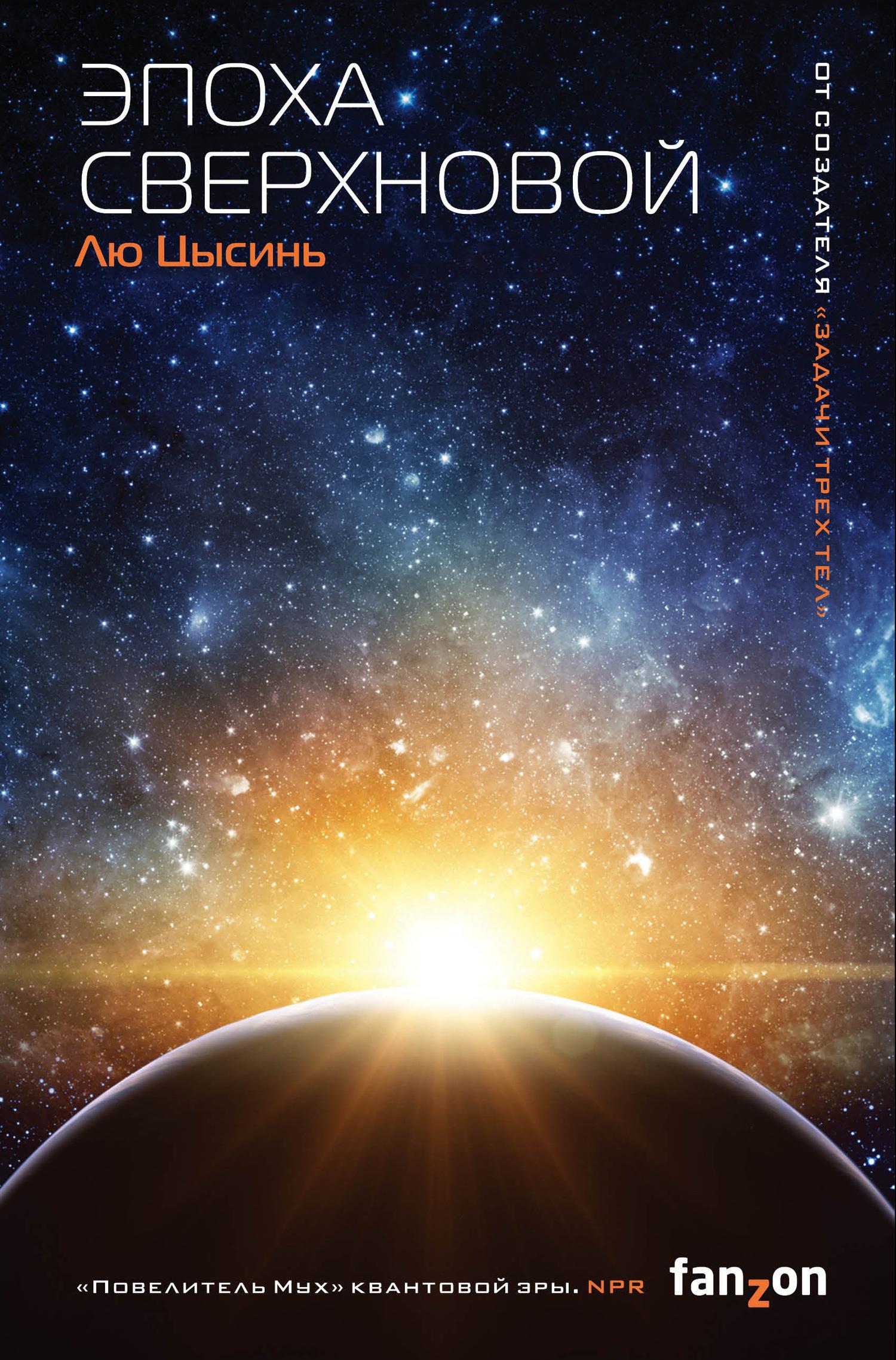
Мир больше никогда не будет прежним. Беспрецедентное и грандиозное историческое событие – вспышка Сверхновой, начало отсчета новой эпохи. Излучение звезды убьет всех взрослых старше 13 лет в течение года.
Возможно ли за такой короткий срок подготовить детей к самостоятельной жизни? Каким будет новый мир?
Взрослые всегда ассоциировали детство с добротой и миролюбивостью. Однако они даже представить себе не могли, что меньше чем через год после начала Эпохи сверхновой мир детей окажется ввергнут в пучину новой мировой войны.
On his fourteenth birthday, right before his eyes, Chen’s parents are incinerated by a blast of ball lightning. Striving to make sense of this bizarre tragedy, he dedicates his life to a single goal: to unlock the secrets of this enigmatic natural phenomenon. His pursuit of ball lightning will take him far from home, across mountain peaks chasing storms and deep into highly classified subterranean laboratories as he slowly unveils a new frontier in particle physics.
Chen’s obsession gives purpose to his lonely life, but it can’t insulate him from the real world’s interest in his discoveries. He will be pitted against scientists, soldiers and governments with motives of their own: a physicist who has no place for moral judgement in his pursuit of knowledge; a beautiful army major obsessed with new ways to wage war; a desperate nation facing certain military defeat.
Conjuring awe-inspiring new worlds of cosmology and philosophy from meticulous scientific speculation, Cixin Liu’s Ball Lightning has all the scope and imagination that so enthralled readers of his award-winning Three-Body trilogy.
On his fourteenth birthday, right before his eyes, Chen’s parents are incinerated by a blast of ball lightning. Striving to make sense of this bizarre tragedy, he dedicates his life to a single goal: to unlock the secrets of this enigmatic natural phenomenon. His pursuit of ball lightning will take him far from home, across mountain peaks chasing storms and deep into highly classified subterranean laboratories as he slowly unveils a new frontier in particle physics.
Chen’s obsession gives purpose to his lonely life, but it can’t insulate him from the real world’s interest in his discoveries. He will be pitted against scientists, soldiers and governments with motives of their own: a physicist who has no place for moral judgement in his pursuit of knowledge; a beautiful army major obsessed with new ways to wage war; a desperate nation facing certain military defeat.
Conjuring awe-inspiring new worlds of cosmology and philosophy from meticulous scientific speculation, Cixin Liu’s Ball Lightning has all the scope and imagination that so enthralled readers of his award-winning Three-Body trilogy.
From Cixin Liu, the New York Times bestselling author of The Three-Body Problem, To Hold Up the Sky is a breathtaking collection of imaginative science fiction.
Mankind comes face to face with extraterrestrial life in this short fiction reprint anthology from Clarkesworld publisher Neil Clarke.
They Are Strangers from Far Lands…
Science fiction writers have been using aliens as a metaphor for the other for over one hundred years. Superman has otherworldly origins, and his struggles to blend in on our planet are a clear metaphor for immigration. Earth’s adopted son is just one example of this “Alien Among Us” narrative.
There are stories of assimilation, or the failure to do so. Stories of resistance to the forces of naturalization. Stories told from the alien viewpoint. Stories that use aliens as a manifestation of the fears and worries of specific places and eras. Stories that transcend location and time, speaking to universal issues of group identity and its relationship to the Other.
Nearly thirty authors in this reprint anthology grapple both the best and worst aspects of human nature, and they do so in utterly compelling and entertaining ways. Not One of Us is a collection of stories that aren’t afraid to tackle thorny and often controversial issues of race, nationalism, religion, political ideology, and other ways in which humanity divides itself.
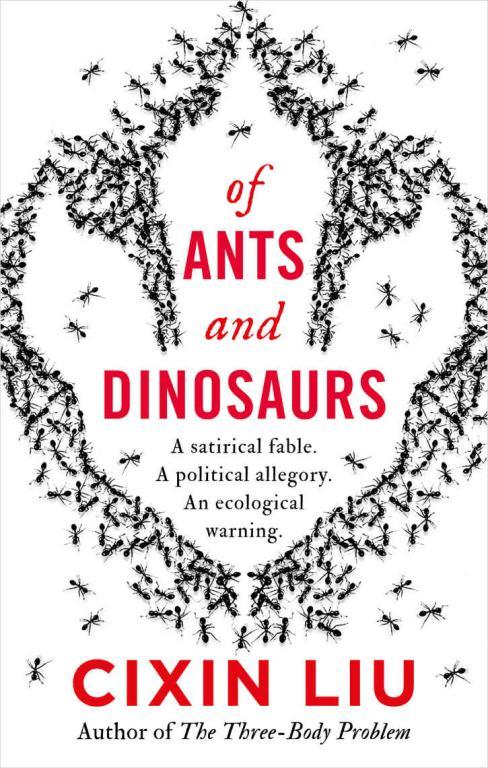
A satirical fable, a political allegory and an ecological warning from the author of The Three-Body Problem.
In a sunlit clearing in central Gondwana, on an otherwise ordinary day in the late Cretaceous, the seeds of Earth’s first and greatest civilization were sown in the grisly aftermath of a Tyrannosaurus’ lunch.
Throughout the universe, intelligence is a rare and fragile commodity – a fleeting glimmer in the long night of cosmic history. That Earth should harbour not just one but two intelligent species at the same time, defies the odds. That these species, so unalike – and yet so complementary – should forge an alliance that kindled a civilization defies logic. But time is endless and everything comes to pass eventually…
The alliance between ants and dinosaurs, was of course, based on dentistry. Yet from such humble beginnings came writing, mathematics, computers, fusion, antimatter and even space travel – a veritable Age of Wonder! But such magnificent industry comes at a price – a price paid first by Earth’s biosphere, and then by all those dependent on it.
And yet the Dinosaurs refused to heed the Ants’ warning of impending ecological collapse, leaving the Ant Federation facing a single dilemma: destroy the dinosaurs, destroy a civilization… or perish alongside them?
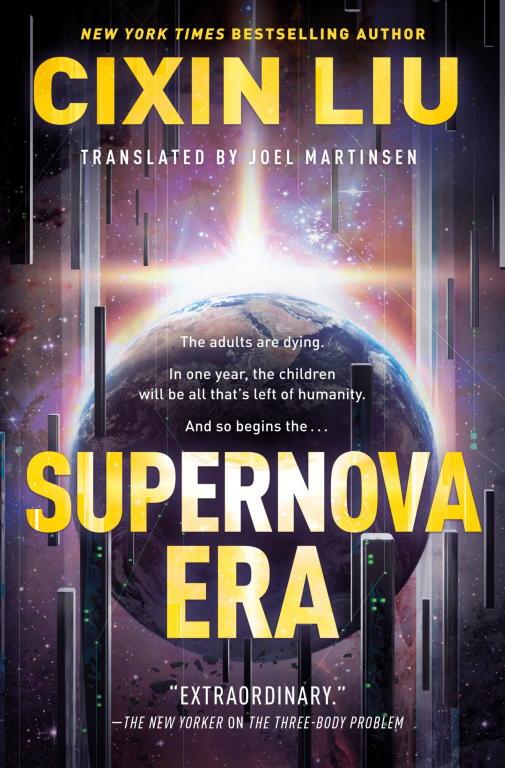
Eight years ago and eight light years away, a supermassive star died.
Tonight, a supernova tsunami of high energy will finally reach Earth. Dark skies will shine bright as a new star blooms in the heavens and within a year everyone over the age of thirteen will be dead, their chromosomes irreversibly damaged.
And so the countdown begins.
Parents apprentice their children and try to pass on the knowledge they’ll need to keep the world running.
But the last generation may not want to carry the legacy of their parents’ world. And though they imagine a better, brighter future, they may not be able to escape humanity’s dark instincts…
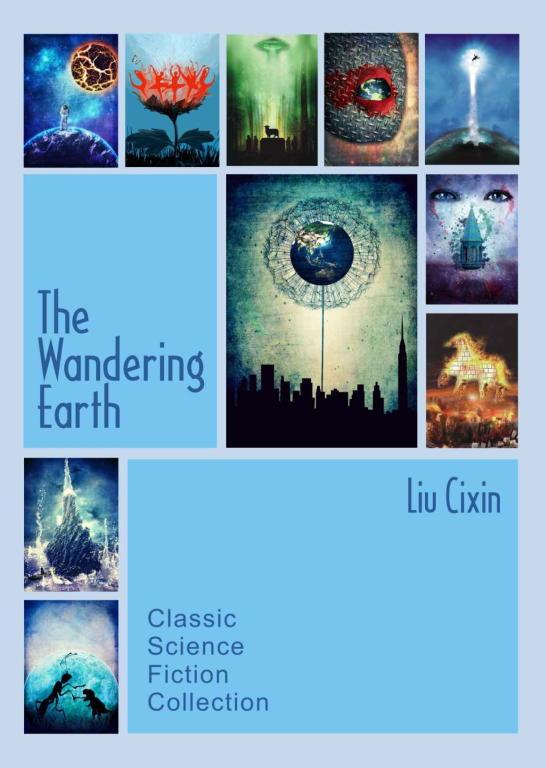
“The Wandering Earth” is a collection of short stories by Liu Cixin, China’s most acclaimed contemporary science-fiction author. Unabashedly classic in the great tradition of Asimov and Clarke, Liu Cixin’s science-fiction is firmly rooted in the cosmic.