
 fb2
fb2
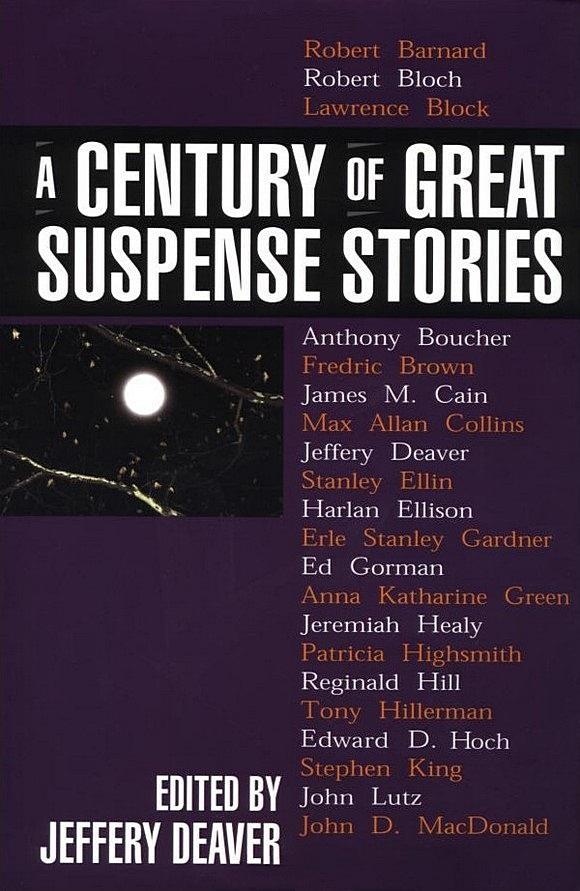
Given its extraordinary span, its international scope, and its variant styles and groundbreaking stylists, A Century of Great Suspense Stories is a singular achievement. A bestselling master of suspense himself Jeffery Deaver had the enviable task of selecting from the thousands of stories written over the past one hundred years those which best represented the classic form, as well as the justly celebrated authors whose ironic twists and stunning payoffs left a lasting, vivid, and unnerving impression. The result is a triumph.
In this ambitious anthology you’ll revel in the sardonic, overtly amoral plotting of Patricia Highsmith. You’ll rediscover the strangely poignant and surprising turns of Stanley Ellin, and the profoundly underrated Margaret Millar, a genius who mixed savage social satire with brooding horror. You’ll be treated to Stephen King at his chilling best. You’ll find yourself on the violent urban streets of Ross Macdonald and Mickey Spillane, and seeped in the ominous regional flavor of Sharyn McCrumb and Tony Hillerman. You’ll marvel at the cunning webs spun by Lawrence Block, Ruth Rendell, Anthony Boucher, and Sara Paretsky, all of whom defy expectations as they reinvent the genre. And you’ll understand the awesome reputations of those authors who set the standard, such as the legendary Harlan Ellison, Fredric Brown, the master of the twist ending, and James M. Cain, uncannily skilled at knowing what went on between men and women behind closed doors. (The darker the room the better.)
Delivering everything from the one-two punch of the detective story to the ingeniously precise trappings of the police procedural, from the disquieting corners of the criminal mind to sheer dread-inducing horror, A Century of Great Suspense Stories is a rich anthology of this popular literary genre, a stunning tribute to the art of storytelling, and to the men and women who have done it best.
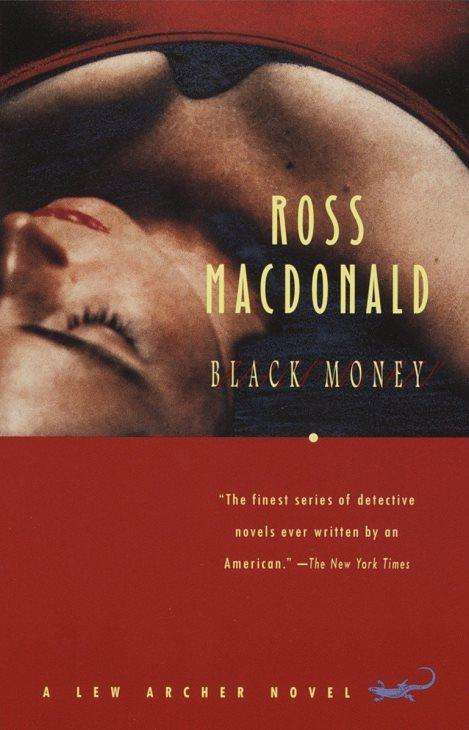
Lew Archer #13
When Lew Archer is hired to get the goods on the suspiciously suave Frenchman who’s run off with his client’s girlfriend, it looks like a simple case of alienated affections. Things look different when the mysterious foreigner turns out to be connected to a seven-year-old suicide and a mountain of gambling debts. Black Money is Ross Macdonald at his finest, baring the skull beneath the untanned skin of Southern California’s high society.
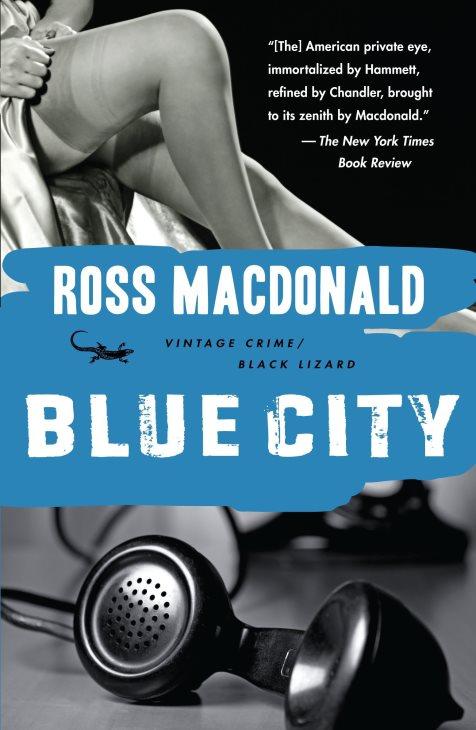
He was a son who hadn’t known his father very well. It was a town shaken by a grisly murder – his father’s murder. Johnny Weather was home from a war and wandering. When he found out that his father had been assassinated on a street corner and that his father’s seductive young wife had inherited a fortune, he started knocking on doors. The doors came open, and Johnny stepped into a world of gamblers, whores, drug-dealers, and blackmailers, a place in which his father had once moved freely. Now Johnny Weather was going to solve this murder – by pitting his rage, his courage, and his lost illusions against the brutal underworld that has overtaken his hometown.
On the home front, two wartime lovers reunite under a cloud of paranoiaIn 1937 Munich, an American must be careful when he smokes his pipe. Robert Branch, a careless academic, makes the mistake of lighting up when the Füchrer is about to begin a procession, and nearly gets pummeled for his mistake. Only the timely intervention of Ruth Esch, a flame-haired actress, saves him. So begins a month-long romance between East and West – a torrid affair that ends when the lovers make the mistake of defending a Jew, earning Branch a beating and Esch a trip to a concentration camp. Six years later, Esch escapes to Vichy and makes her way to Detroit. To her surprise, Branch is waiting for her. He is a professor, working for the war effort, and his paranoia about a spy inside the Motor City War Board sours their reunion. Once again, a dangerous net is encircling these lovers – a reminder that, in this war, love always comes second to death.
Lew Archer #5
Las Cruces wasn’t a place most travelers would think to stop. But after private investigator Lew Archer plays the good Samaritan and picks up a bloodied hitchhiker, he finds himself in town for a few days awaiting a murder inquest. A hijacked truck full of liquor and an evidence box full of marijuana, $20,000 from a big-time bank heist by a small-time crook, corruption, adultery, incest, prodigal daughters, and abused wives all make the little town seem a lot more interesting than any guide book ever could. And as the murder rate rises, Archer finds himself caught up in mystery where everyone is a suspect and everyone’s a victim.
What are the ingredients of a hard-boiled detective story? “Savagery, style, sophistication, sleuthing, and sex,” said Ellery Queen. Often a desperate blond, a jealous husband, and, of course, a tough-but-tender P.I. the likes of Sam Spade or Philip Marlowe. Perhaps Raymond Chandler summed it up best in his description of Dashiell Hammett’s style: “Hammett gave murder back to the kind of people that commit it... He put these people down on paper as they were, and he made them talk and think in the language they customarily used for these purposes.”
Hard-Boiled: An Anthology of American Crime Stories is the largest and most comprehensive collection of its kind, with over half of the stories never published before in book form. Included are thirty-six sublimely suspenseful stories that chronicle the evolution of this quintessentially American art form, from its earliest beginnings during the golden age of the legendary pulp magazine Black Mask in the 1920s, to the arrival of the tough digest Manhunt in the 1950s, and finally leading up to present-day hard-boiled stories by such writers as James Ellroy. Here are eight decades worth of the best writing about betrayal, murder, and mayhem: from Hammett’s 1925 tour de force “The Scorched Face,” in which the disappearance of two sisters leads Hammett’s never-named detective, the Continental Op, straight into a web of sexual blackmail amidst the West Coast elite, to Ed Gorman’s 1992 “The Long Silence After,” a gripping and powerful rendezvous involving a middle class insurance executive, a Chicago streetwalker, and a loaded .38. Other delectable contributions include “Brush Fire” by James M. Cain, author of The Postman Always Rings Twice, Raymond Chandler’s “I’ll Be Waiting,” where, for once, the femme fatale is not blond but a redhead, a Ross Macdonald mystery starring Macdonald’s most famous creator, the cryptic Lew Archer, and “The Screen Test of Mike Hammer” by the one and only Mickey Spillane. The hard-boiled cult has more in common with the legendary lawmen of the Wild West than with the gentleman and lady sleuths of traditional drawing room mysteries, and this direct line of descent is on brilliant display in two of the most subtle and tautly written stories in the collection, Elmore Leonard’s “3:10 to Yuma” and John D. MacDonald’s “Nor Iron Bars.” Other contributors include Evan Hunter (better known as Ed McBain), Jim Thompson, Helen Nielsen, Margaret Maron, Andrew Vachss, Faye Kellerman, and Lawrence Block.
Compellingly and compulsively readable, Hard-Boiled: An Anthology of American Crime Stories is a page-turner no mystery lover will want to be without. Containing many notable rarities, it celebrates a genre that has profoundly shaped not only American literature and film, but how we see our heroes and ourselves.
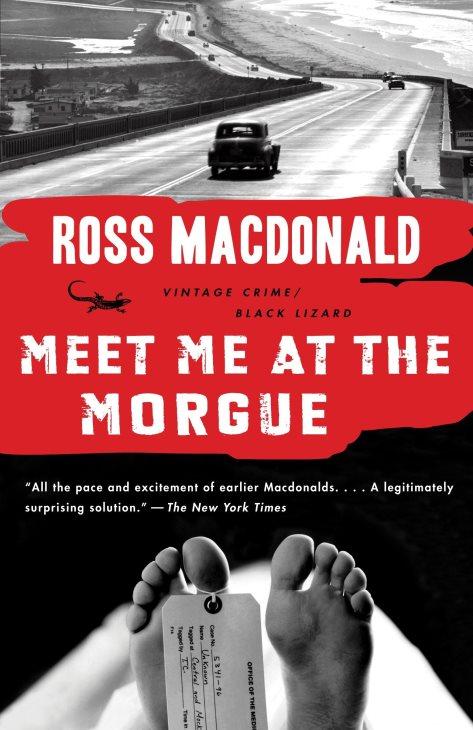
Somebody in Pacific Point is guilty of a kidnapping, but what probation officer Howard Cross wants to find most is innocence: in an ex-war hero who has taken a tough manslaughter rap, in a wealthy woman with a heart full of secrets, and in a blue-eyed beauty who has lost her way. The trouble is that the abduction has already turned to murder, and the more Cross pries into the case the further he slips into a pool of violence and evil. Somewhere in the California desert the whole scheme may come down on the wrong man. Somewhere Cross is going to find the last piece of a bloody puzzle – a mystery of blackmail, passion, and hidden identities that might be better left unsolved.
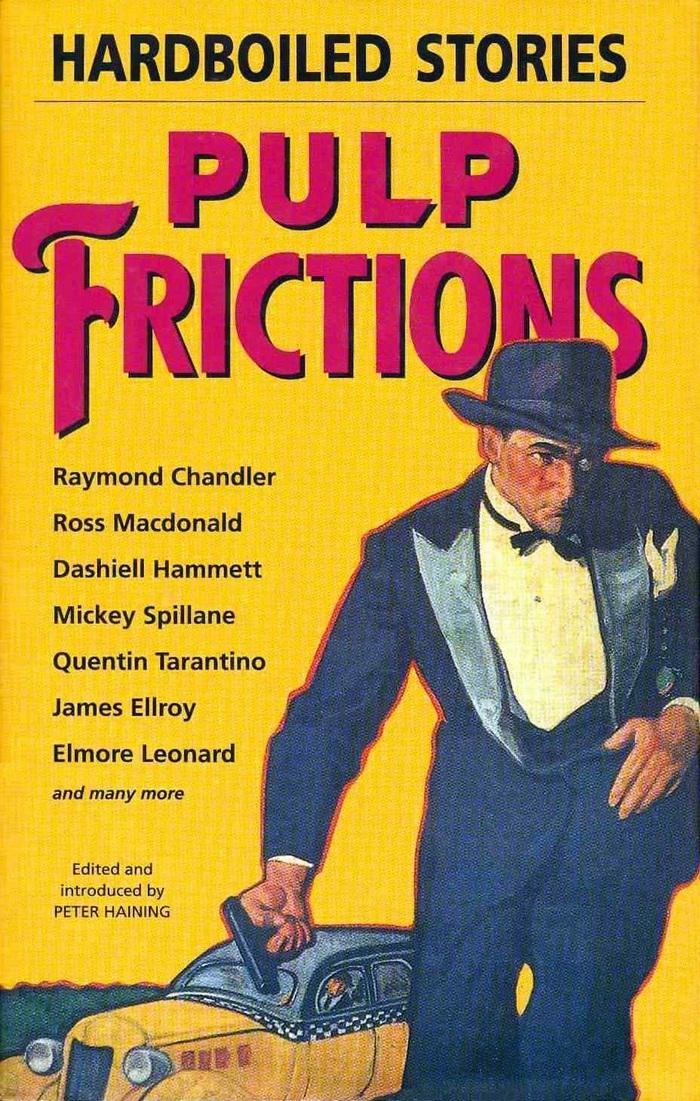
Enter a world of seedy nightclubs, dangerous, dimly-lit street and cool, wisecracking dicks pitting themselves against armies of ruthless gangsters. This is pulp fiction, a genre spawned amid the disillusionment of post-World War I America — and now reaching new heights of popularity.
Writers like Raymond Chandler and Dashiell Hammett turned that unique blend of rapid-fire action, violence and cynical humour into an art form that is being recreated by a fresh wave of young writers whose stories have all the drama and atmosphere of their predecessors’.
This page-turning collection, brought together by a true aficionado of the hardboiled story, includes, of course, Chandler and Hammett, but also Mickey Spillane, Ross MacDonald, Ed McBain and James Hadley Chase from the vintage years and from the current generation James Ellroy, Elmore Leonard and Quentin Tarantino, to name just a few of the twenty great writers featured here. Even Stephen King, doyen of the world of horror, has turned his hand to pulp fiction and is represented in this book.
The world of the hard-drinking, fast-action, apparently indestructible private eye, personified by Chandler’s creation, Philip Marlowe, was never more vibrant. It’s all here, and more, in a book that no fan of the genre can afford to miss.
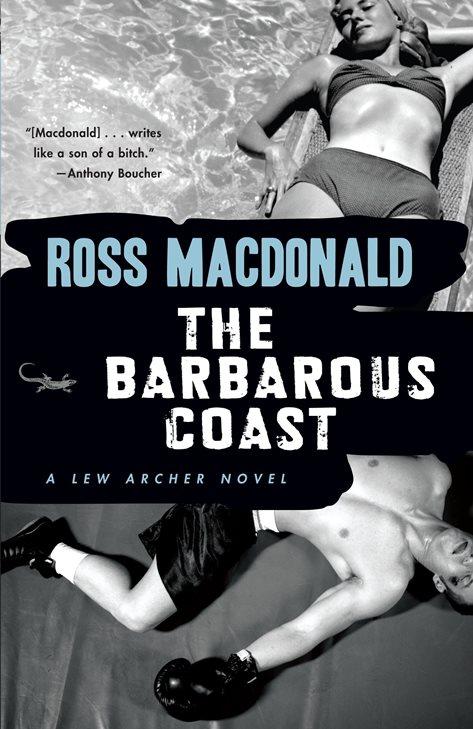
Lew Archer #6
The beautiful, high-diving blonde had Hollywood dreams and stars in her eyes but now she seems to have disappeared without a trace. Hired by her hotheaded husband and her rummy “uncle,” Lew Archer sniffs around Malibu and finds the stink of blackmail, blood-money, and murder on every pricey silk shirt. Beset by dirty cops, a bumptious boxer turned silver screen pretty boy and a Hollywood mogul with a dark past, Archer discovers the secret of a grisly murder that just won’t stay hidden. Lew Archer navigates through the watery, violent world of wealth and privilege, in this electrifying story of obsession gone mad.
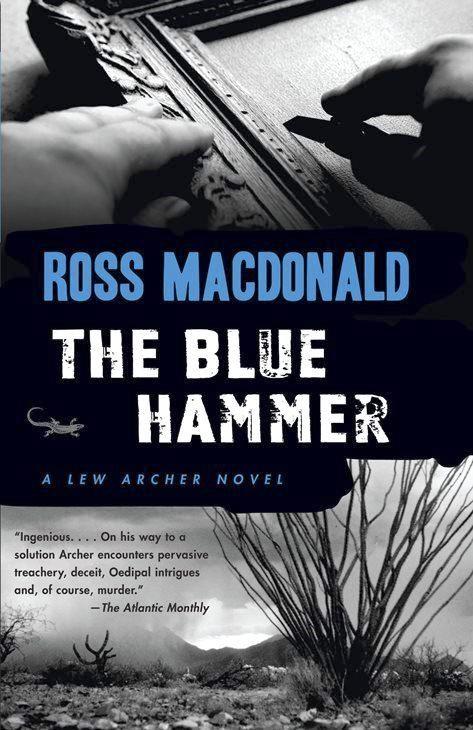
Lew Archer #18
The desert air is hot with sex and betrayal, death and madness and only Detective Lew Archer can make sense of a killer who makes murder a work of art.
Finding a purloined portrait of a leggy blonde was supposed to be an easy paycheck for Archer, but that was before the bodies began piling up. Suddenly, Archer find himself smack in the middle of a decades-long mystery of a brilliant artist who walked into the desert and simply disappeared. He left behind a bevy of muses, molls, dolls, and dames – each one scrambling for what they thought was rightfully theirs.
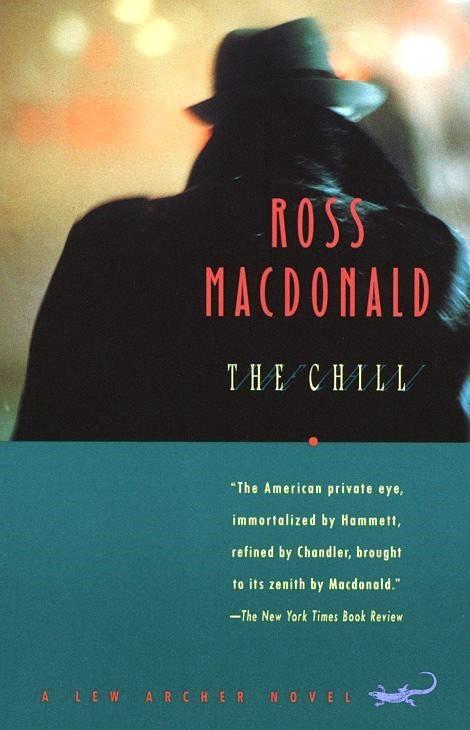
Lew Archer #11
Private detective Lew Archer has better things to do than take on an investigation for Alex Kincaid, a young man claiming that his new bride, Dolly, has gone missing. Snapped by a hotel photographer on the day of their wedding, the beautiful girl vanished only hours after and Alex has heard nothing since. But when Archer begins digging, he finds evidence that links Dolly to brutal murders that span two decades, and a terrible secret.
In this byzantine and compelling tale, Ross Macdonald explores the darkest experiences that can bind a family together – and tear it apart.
Ross Macdonald’s Lew Archer mysteries rewrote the conventions of the detective novel with their credible, humane hero, and with Macdonald’s insight and moral complexity won new literary respectability for the hardboiled genre previously pioneered by Dashiell Hammett and Raymond Chandler. They have also received praise from such celebrated writers as William Goldman, Jonathan Kellerman, Eudora Welty and Elmore Leonard.
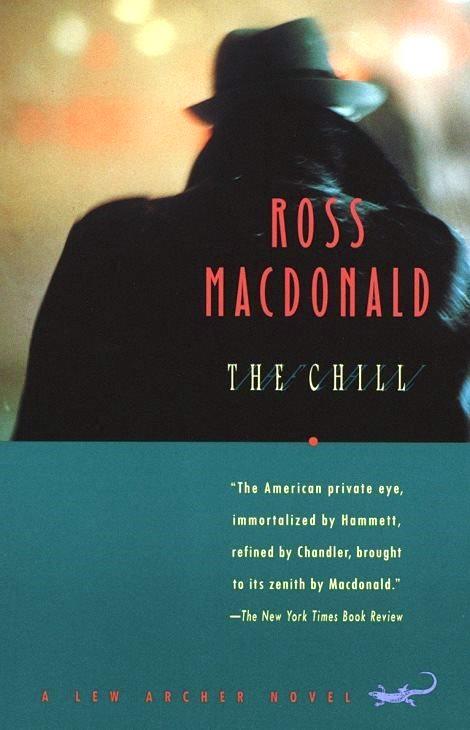
Lew Archer #11
Private detective Lew Archer has better things to do than take on an investigation for Alex Kincaid, a young man claiming that his new bride, Dolly, has gone missing. Snapped by a hotel photographer on the day of their wedding, the beautiful girl vanished only hours after and Alex has heard nothing since. But when Archer begins digging, he finds evidence that links Dolly to brutal murders that span two decades, and a terrible secret.
In this byzantine and compelling tale, Ross Macdonald explores the darkest experiences that can bind a family together – and tear it apart.
Ross Macdonald’s Lew Archer mysteries rewrote the conventions of the detective novel with their credible, humane hero, and with Macdonald’s insight and moral complexity won new literary respectability for the hardboiled genre previously pioneered by Dashiell Hammett and Raymond Chandler. They have also received praise from such celebrated writers as William Goldman, Jonathan Kellerman, Eudora Welty and Elmore Leonard.
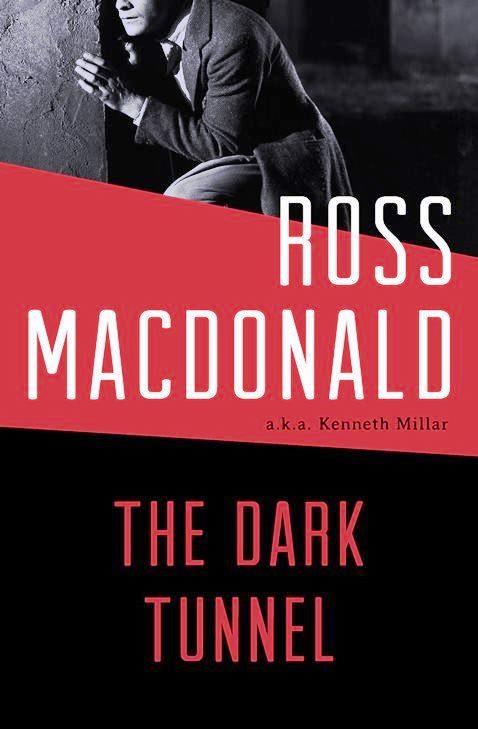
On the home front, two wartime lovers reunite under a cloud of paranoiaIn 1937 Munich, an American must be careful when he smokes his pipe. Robert Branch, a careless academic, makes the mistake of lighting up when the Füchrer is about to begin a procession, and nearly gets pummeled for his mistake. Only the timely intervention of Ruth Esch, a flame-haired actress, saves him. So begins a month-long romance between East and West – a torrid affair that ends when the lovers make the mistake of defending a Jew, earning Branch a beating and Esch a trip to a concentration camp. Six years later, Esch escapes to Vichy and makes her way to Detroit. To her surprise, Branch is waiting for her. He is a professor, working for the war effort, and his paranoia about a spy inside the Motor City War Board sours their reunion. Once again, a dangerous net is encircling these lovers – a reminder that, in this war, love always comes second to death.
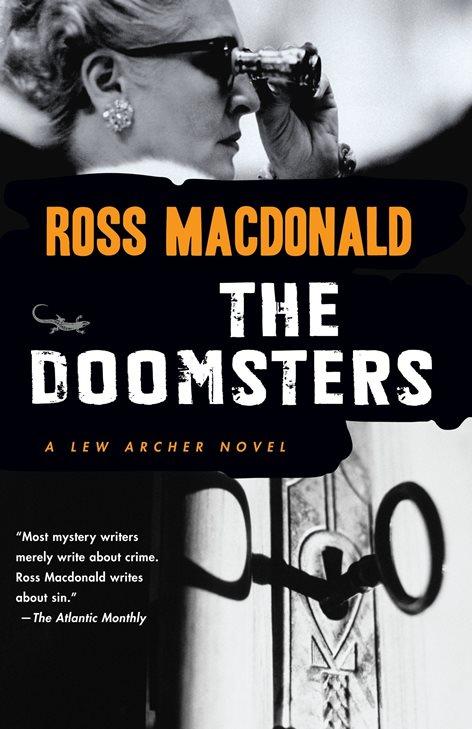
Lew Archer #7
Hired by Carl Hallman, the desperate-eyed junkie scion of an obscenely wealthy political dynasty, detective Lew Archer investigates the suspicious deaths of his parents, Senator Hallman and his wife Alicia. Arriving in the sleepy town of Purissima, Archer discovers that orange groves may be where the Hallmans made their mint, but they’ve has been investing heavily in political intimidation and police brutality to shore up their rancid wealth. However, after years of dastardly double-crossing and low down dirty-dealing, the family seem to be on the receiving end of a karmic death-blow. With two dead already and another consigned to the nuthouse, Archer races to crack the secret before another Hallman lands on the slab. Murder, madness and greed grace The Doomsters, where a tony façade masks the rot and corruption within.
Lew Archer #12
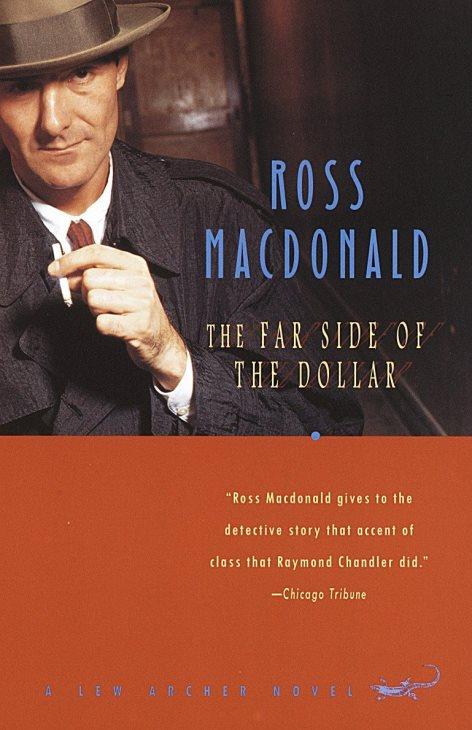
In The Far Side of the Dollar, private investigator Lew Archer is looking for an unstable rich kid who has run away from an exclusive reform school – and into the arms of kidnappers. Why are his desperate parents so loath to give Archer the information he needs to find him? And why do all trails lead to a derelict Hollywood hotel where starlets and sailors once rubbed elbows with two-bit grifters – and where the present clientele includes a brand-new corpse? The result is Ross Macdonald at his most exciting, delivering 1,000-volt shocks to the nervous system while uncovering the venality and depravity at the heart of the case.
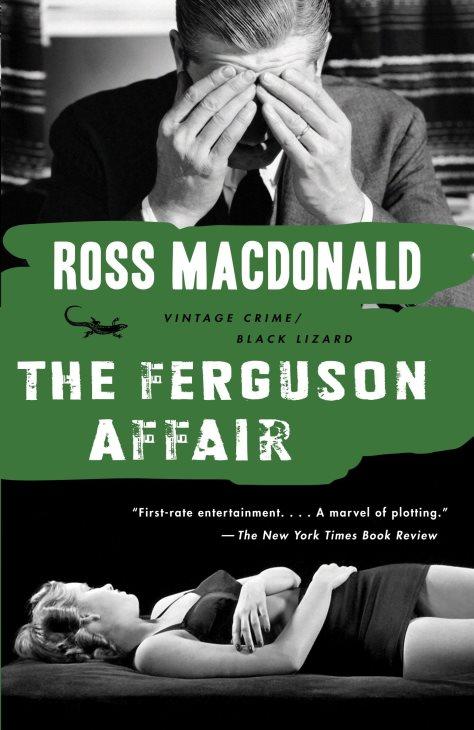
It was a long way from the million-dollar Foothill Club to Pelly Street, where grudges were settled in blood and Spanish and a stolen diamond ring landed a girl in jail. Defense lawyer Bill Gunnarson was making the trip – fast. He already knew a kidnapping at the club was tied to the girl’s hot rock, and he suspected that a missing Hollywood starlet was the key to a busy crime ring. But while Gunnarson made his way through a storm of deception, money, drugs, and passions, he couldn’t guess how some big shots and small-timers would all end up with murder in common...