
 fb2
fb2Earth maintained an important garrison on Asteroid Y-3. Now suddenly it was imperiled with a biological impossibility—men becoming plants!

Intelligent parents readily understand why they must not try to educate and train their children. Robots do it much better; they do not confuse them with complexes or emotions or petty impulses. Even tired old Ed Doyle could tell you that much ...
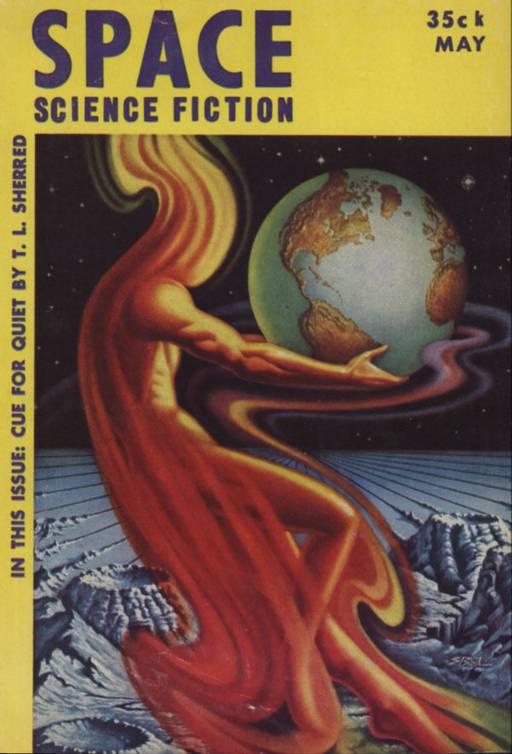
It was the dawn of a golden age of transportation. Terran Development was ready to market a fourth dimension “vehicle” which afforded almost instantaneous travel. For instance, Henry Ellis commuted 160 miles to work in five steps and a few seconds. Thens one morning, he met some people on the way ...

The claws were bad enough in the first place—nasty, crawling little death-robots. But when they began to imitate their creators, it was time for the human race to make peace—if it could!
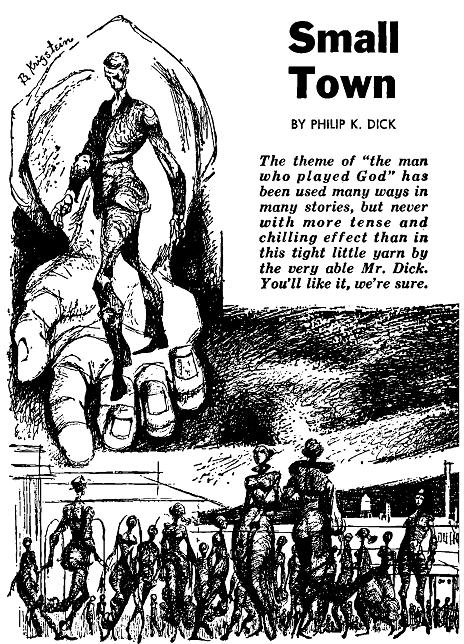
The theme of “the man who played God” has been used many ways in many stories, but never with more tense and chilling effect than in this tight little yarn by the very able Mr. Dick. You'll like it, we're sure.

A hideous nightmare seemed the culture of Williamson’s world—to men who knew nothing of beauty.

Everybody hated the mutant children born near the radiation lab. Hush it up, Washington had directed. So Gretry was sent to dispose of—
Stark terror ruled the Inner-Flight ship on that last Mars-Terra run. For the black-clad Leiters were on the prowl ... and the grim red planet was not far behind.

No weapon has ever been frightful enough to put a stop to war
—perhaps because we never before had any that thought for themselves!
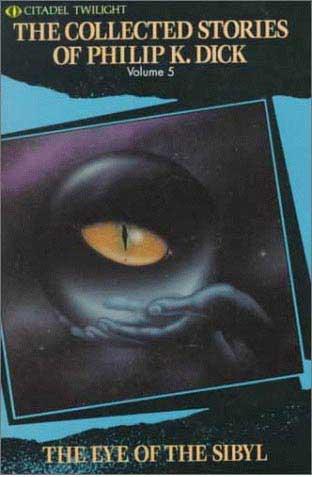
Since his untimely death in 1982, interest in Philip K. Dick’s works has continued to grow, and his reputation has been enhanced by an expanding body of critical appreciation. This fifth and final volume of Dick’s collected works includes 25 short stories, some previously unpublished.
A little whimsy, now and then, makes for good balance. Theoretically, you could find this type of humor anywhere. But only a topflight science-fictionist, we thought, could have written this story, in just this way….

Nothing moved or stirred. Everything was silent, dead. Only the gun showed signs of life ... and the trespassers had wrecked that for all time. The return journey to pick up the treasure would be a cinch ... they smiled.
“Yes,” the calm, inflexible thought came. “You are right. We are the hamsters from the laboratory. The pigs carried for your experiments and tests.” There was almost a note of humor in the thought. “However, we hold nothing against you, I assure you. In fact, we have very little interest in your race, one way or another. We owe you a slight debt for helping us along our path, bringing our destiny onto us in a few short minutes instead of another fifty million years. For that we are thankful…”
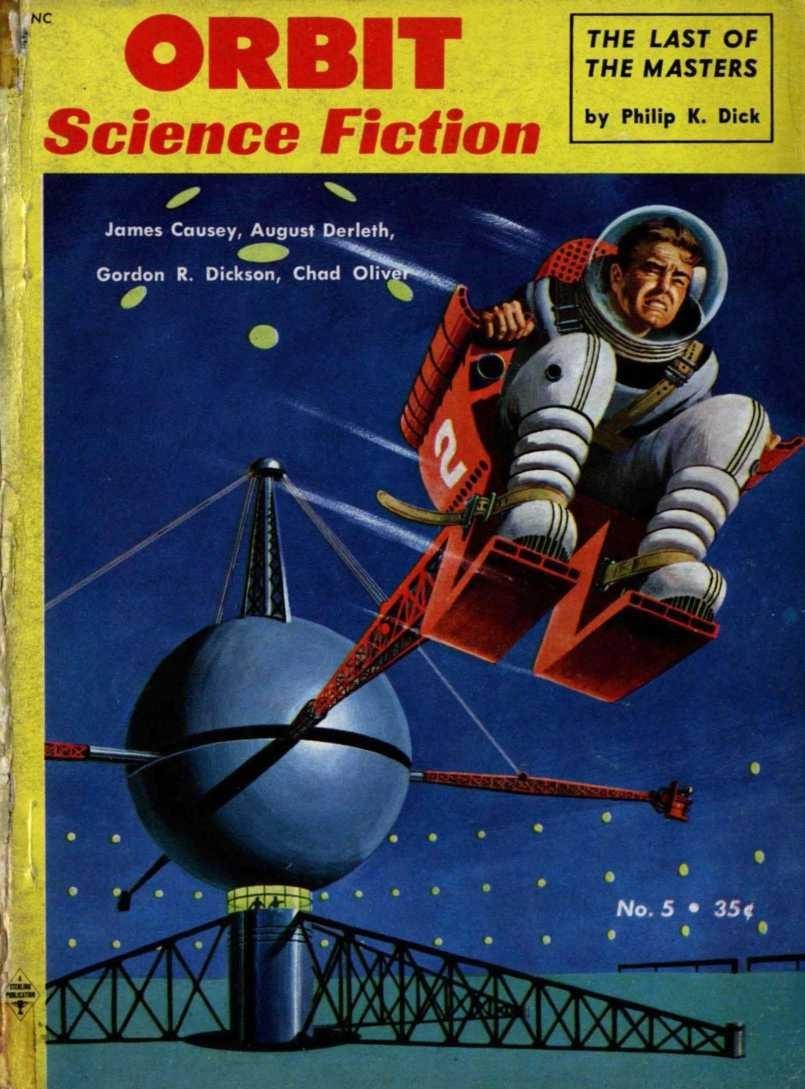
A strange remnant of the world that was hid out in a mountain valley, ruled by the mind out of the past
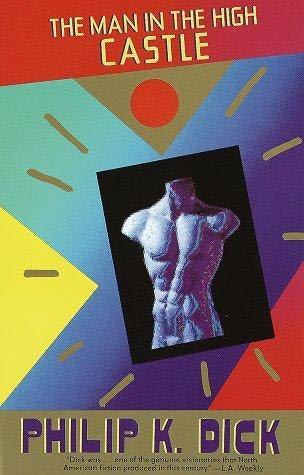
The Hugo Award Winner-1963
It’s America in 1962. Slavery is legal once again. The few Jews who still survive hide under assumed names. In San Francisco the I Ching is as common as the Yellow Pages. All because some 20 years earlier the United States lost a war—and is now occupied jointly by Nazi Germany and Japan.
This harrowing, Hugo Award-winning novel is the work that established Philip K. Dick as an innovator in science fiction while breaking the barrier between science fiction and the serious novel of ideas. In it Dick offers a haunting vision of history as a nightmare from which it may just be possible to awake.
Many thousands of readers consider Philip K. Dick the greatest science fiction mind on any planet. Since his untimely death in 1982, interest in Dick’s works has continued to mount and his reputation has been further enhanced by a growing body of critical attention. The Philip K. Dick Award is now given annually to a distinguished work of science fiction, and the Philip K. Dick Society is devoted to the study and promulgation of his works.
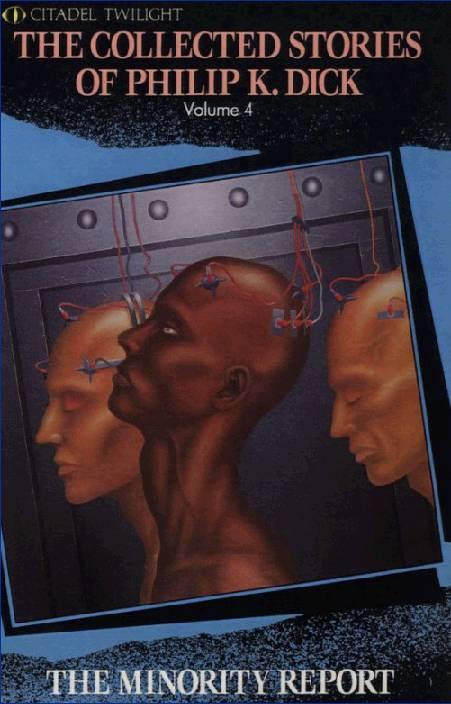
This collection includes all of the writer’s earliest short and medium-length fiction (including some previously unpublished stories) covering the years 1954-1964. These fascinating stories include “Service Call”, “Stand By”, “The Days of Perky Pat”, and many others.
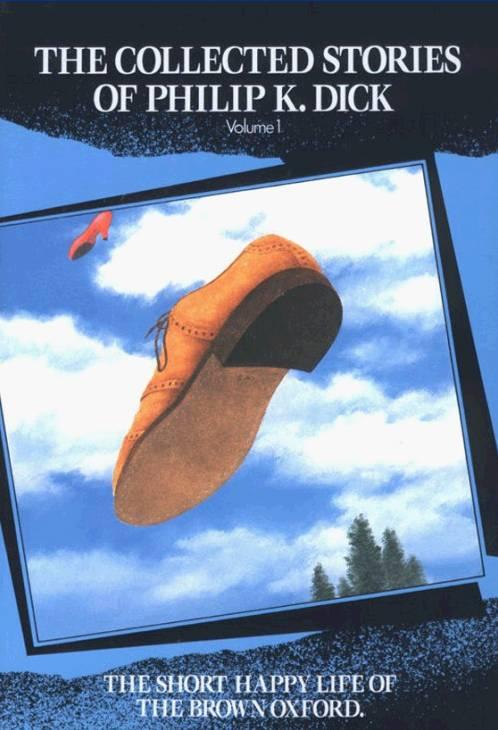
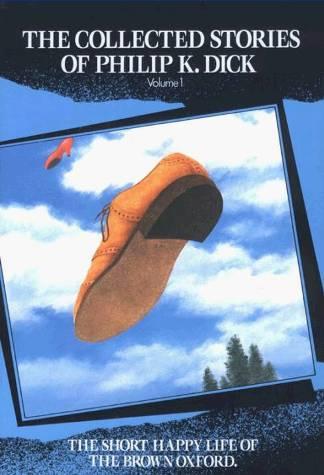
This collection includes all of the writer’s earliest short and medium-length fiction (including some previously unpublished stories) covering the years 1952-1955. These fascinating stories include “Beyond Lies the Wub”, “The Short Happy Life of the Brown Oxford”, “The Variable Man”, and 22 others.