 fb2
fb2IT’S THE END OF THE WORLD AS WE KNOW IT…
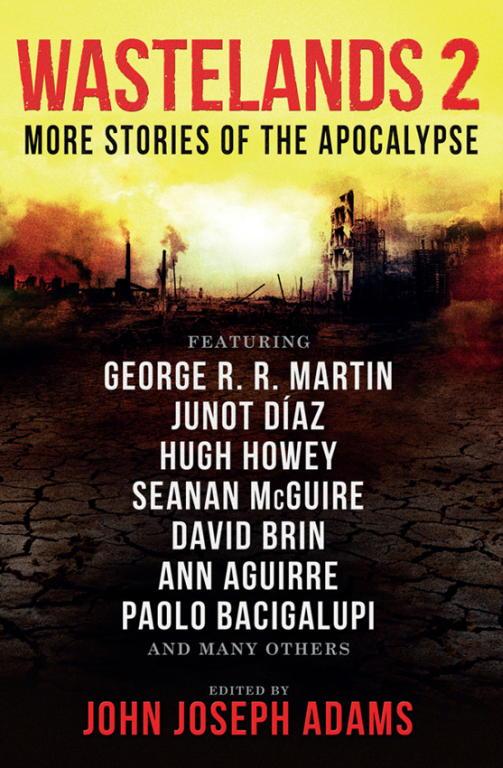
For decades, the apocalypse and its aftermath have yielded some of the most exciting short stories of all time. From David Brin’s seminal “The Postman” to Hugh Howey’s “Deep Blood Kettle” and Tananarive Due’s prescient “Patient Zero,” the end of the world continues to thrill.
This companion volume to the critically acclaimed WASTELANDS offers thirty of the finest examples of post-apocalyptic short fiction, with works by:
Ann Aguirre
Megan Arkenberg
Paolo Bacigalupi
Christopher Barzak
Lauren Beukes
David Brin
Orson Scott Card
Junot Díaz
Cory Doctorow
Tananarive Due
Toiya Kristen Finley
Milo James Fowler
Maria Dahvana Headley
Hugh Howey
Keffy R. M. Kehrli
Jake Kerr
Nancy Kress
Joe R. Lansdale
George R. R. Martin
Jack McDevitt
Seanan McGuire
Maureen F. McHugh
D. Thomas Minton
Rudy Rucker & Bruce Sterling
Ramsey Shehadeh
Robert Silverberg
Rachel Swirsky
Genevieve Valentine
James Van Pelt
Christie Yant
Award-winning editor John Joseph Adams has once again assembled a who’s who of short fiction, and the result is nothing short of mind-blowing.
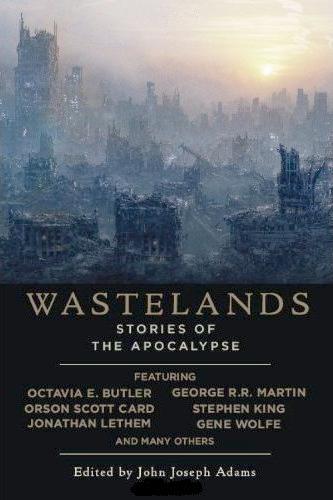
Famine, Death, War, and Pestilence: The Four Horsemen of the Apocalypse, the harbingers of Armageddon — these are our guides through the Wastelands…
From the Book of Revelation to The Road Warrior; from A Canticle for Leibowitz to The Road, storytellers have long imagined the end of the world, weaving eschatological tales of catastrophe, chaos, and calamity. In doing so, these visionary authors have addressed one of the most challenging and enduring themes of imaginative fiction: the nature of life in the aftermath of total societal collapse.
Gathering together the best post-apocalyptic literature of the last two decades from many of today’s most renowned authors of speculative fiction — including George R.R. Martin, Gene Wolfe, Orson Scott Card, Carol Emshwiller, Jonathan Lethem, Octavia E. Butler, and Stephen King — Wastelands explores the scientific, psychological, and philosophical questions of what it means to remain human in the wake of Armageddon. Whether the end of the world comes through nuclear war, ecological disaster, or cosmological cataclysm, these are tales of survivors, in some cases struggling to rebuild the society that was, in others, merely surviving, scrounging for food in depopulated ruins and defending themselves against monsters, mutants, and marauders.
Complete with introductions and an indispensable appendix of recommendations for further reading, Wastelands delves into this bleak landscape, uncovering the raw human emotion and heart-pounding thrills at the genre’s core.
John Joseph Adams is the assistant editor of The Magazine of Fantasy & Science Fiction and a freelance writer. His website is www.johnjosephadams.com.
Wastelands: Stories of the Apocalypse is available now. Look for it wherever books are sold, or order online from Amazon.com, Barnes & Noble, Books-a-Million, Powell’s Books, or directly from the publisher, Night Shade Books.
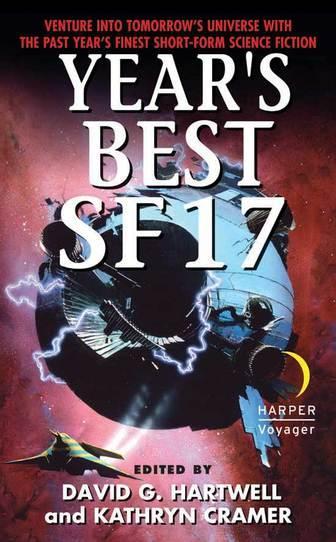
Once again, the finest short-form sf offerings of the year have been collected in a single volume. With Year's Best SF 17, acclaimed, award-winning editors and anthologists David G. Hartwell and Kathryn Cramer demonstrate the amazing depth and power of contemporary speculative fiction, showcasing astonishing stories from some of the genre's most respected names as well as exciting new writers to watch. Prepare to travel light years from the ordinary into a tomorrow at once breathtaking, frightening, and possible, with tales of wonder from: Elizabeth Bear
Gregory Benford
Neil Gaiman
Nancy Kress
Michael Swanwick
and others.
Nancy Kress, jedna z czołowych współczesnych pisarek science fiction, stworzyła jak dotąd cały szereg prowokujących i nagradzanych opowiadań oraz powieści. Na wyżyny sukcesu wspięła się dzięki trylogii Żebracy. Pierwsza jej część, nagrodzona Hugo i Nebulą to Hiszpańscy żebracy. Ich kontynuacją jest książka Żebracy nie mają wyboru. Obie części przyjęto z entuzjazmem i obsypywano pochwałami. Locus pisał: „…radość czytania dzieła SF, które emanuje oryginalnością”. A także: „Znakomitym osiągnięciem Kress jest to, że postęp naukowy i ludzki idealizm, które są od zawsze siłą napędową najlepszych dzieł SF, pozostają w ścisłym związku z pełnym namiętności bałaganem, jakim jest życie…” Trylogię kończy powieść Żebracy na koniach. Autorka zajmuje się w niej problemami sił napędowych ewolucji, inżynierią genetyczną, konfliktami społecznymi i klasowymi oraz przedstawia nam problemy, z którymi ludzkość będzie borykać się w tym i w przyszłym stuleciu.
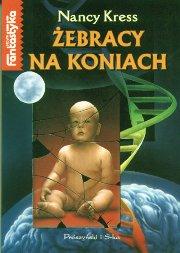
Nancy Kress, jedna z czołowych współczesnych pisarek science fiction, stworzyła jak dotąd cały szereg prowokujących i nagradzanych opowiadań oraz powieści. Na wyżyny sukcesu wspięła się dzięki trylogii Żebracy. Pierwsza jej część, nagrodzona Hugo i Nebulą to Hiszpańscy żebracy. Ich kontynuacją jest książka Żebracy nie mają wyboru. Obie części przyjęto z entuzjazmem i obsypywano pochwałami. Locus pisał: „…radość czytania dzieła SF, które emanuje oryginalnością”. A także: „Znakomitym osiągnięciem Kress jest to, że postęp naukowy i ludzki idealizm, które są od zawsze siłą napędową najlepszych dzieł SF, pozostają w ścisłym związku z pełnym namiętności bałaganem, jakim jest życie…” Trylogię kończy powieść Żebracy na koniach. Autorka zajmuje się w niej problemami sił napędowych ewolucji, inżynierią genetyczną, konfliktami społecznymi i klasowymi oraz przedstawia nam problemy, z którymi ludzkość będzie borykać się w tym i w przyszłym stuleciu.
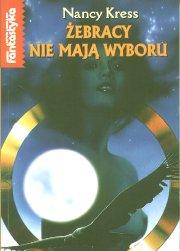
Żebracy nie mają wyboru to dalszy ciąg Hiszpańskich żebraków. Nancy Kress powraca do stworzonego przez siebie świata — do Stanów Zjednoczonych odmienionych przez powszechne stosowanie modyfikacji genetycznych. Genomodyfikowani utrzymują zwykłych ludzi w zamian za przyzwolenie na swoje rządy.
W zaciszu stworzonej przez siebie wyspy opracowują własny porządek świata, od czasu do czasu zadziwiając ludzkość wynalazkami. Ameryka, przytłoczona ciężarem wielomilionowej populacji bezczynnych trutni, wstrząsana nieodpowiedzialnymi eksperymentami genetyków i nanotechników, pogrąża się w chaosie i chyli ku upadkowi.