
 fb2
fb2Raimundo Silva, corrector de pruebas de una editorial, introduce en el texto que está revisando -un libro de historia titulado Historia del cerco de Lisboa- un error voluntario, una partícula pequeñísima, un «no»: los cruzados no ayudaron a los portugueses a conquistar Lisboa.
Es un no que subvierte la Historia, que la niega como conjunto de hechos objetivos, al mismo tiempo que exalta el papel del escritor, demiurgo capaz de modificar lo que ha sido fijado y consagrado. El acto de insubordinación del corrector significa la rebelión contra lo que se define como verdad absoluta y no censurable. No es la Lisboa mora la que está cercada, sino la propia Historia.
El no de Raimundo Silva genera una propuesta de reflexión y un texto nuevo porque, como ha escrito el propio Saramago, «todo puede ser contado de otra manera», o «todo lo que no sea vida es literatura». Historia del cerco de Lisboa es también una hermosa historia de amor entre Raimundo Silva y María Sara, personajes contemporáneos sitiados y sitiadores, que acaban derribando los muros que los separan en el proceso de humanización de la historia oficial.
Es, en definitiva, una novela apasionante de un escritor que al novelar busca respuesta para las grandes cuestiones que atañen a los seres humanos. Y de la rebeldía de Saramago surgen obras maestras. Como esta Historia del cerco de Lisboa, definida por la crítica internacional como el más acabado ejemplo de posmodernismo literario.

Słowo nie wstawione przez redaktora w miejscu, gdzie nie umieścił go autor HISTORII OBLĘŻENIA LIZBONY, nie ma żadnego wpływu na dzieje miasta i jego mieszkańców, nie odwróci biegu historii, może jednak całkowicie odmienić życie pojedynczego człowieka. Raimundo Silva, redaktor pracujący w domu, którego życie ubogie było dotąd w drobne choćby sukcesy i niespodzianki, napisze alternatywną HISTORIĘ OBLĘŻENIA LIZBONY, w wazonie w jego kawalerskim mieszkaniu pojawi się biała róża, a w sercu nieznane mu dotąd uczucie. Czytelnik zaś przeniesie się w czasy, gdy w mieście otoczonym przez wojska Alfonsa Henriquesa – późniejszego pierwszego króla Portugalii – po raz ostatni rozbrzmiał śpiew almuadema z wieży głównego meczetu. Napisana z dużą dozą ironii i autoironii HISTORIA OBLĘŻENIA LIZBONY, w której podwójny wątek miłosny splata się z historycznym i metapowieściowym, to książka godna plecenia nie tylko miłośnikom prozy José Saramago. José Saramago, laureat literackiej Nagrody Nobla i najpopularniejszy na świecie prozaik portugalski, sławę zdobył dopiero w sześćdziesiątym roku życia swoją trzecią powieścią BALTAZAR I BLIMUNDA, nagrodzoną prestiżową nagrodą portugalskiego PEN Clubu oraz Nagrodą Literacką Miasta Lizbona.

Novela alegórica o parábola de largo aliento, La balsa de piedra (1986) cuenta lo que podría suceder si la península Ibérica se separara del continente europeo para convertirse en una isla flotante. Tan extraordinarios acontecimientos son narrados a partir de un grupo de personajes comunes y corrientes cuyas vidas han sido tocadas por lo misterioso: Pedro Orce es el único que siente la tierra temblar, Joaquim Sassa en algún momento tuvo una fuerza sobrenatural, Joana Carda trazó sobre la tierra una línea imposible de borrar, José Anaico es seguido a todas partes por una multitud de pájaros. Todos ellos viajan juntos por la península convencidos de ser los elegidos para solucionar el problema, aunque no saben cómo lo harán.
Con un epígrafe del cubano Alejo Carpentier (“Todo futuro es fabuloso”), Saramago parece reconocer las múltiples coincidencias de este relato con lo real-maravilloso latinoamericano. No sólo por lo inverosímil de los sucesos narrados, también por el empleo de un lenguaje barroco, lleno de oraciones subordinadas y elementos explicativos. Y hasta por un cierto carácter autoreferencial del texto, pues el narrador está constantemente cuestionando su discurso, al punto de llegar a corregirse a sí mismo: “Pasando lo escrito a palabras menos barrocas y construcciones más ventiladas…”
Esta aproximación a la literatura y a la cultura latinoamericana es un elemento central en esta novela escrita en el contexto de los debates que hubo, tanto en Portugal como en España, con motivo de la integración de estos países a la Comunidad Económica Europea. En propias palabras del autor, se trata de “una novela profundamente ibérica relativa a Portugal y al conjunto de los pueblos españoles que comparten una cultura común, una cultura que no es rigurosamente europea”. En la narración la península se aleja de Europa hasta llegar a la mitad del Atlántico, para después dirigirse al sur, hacia algún punto entre Sudamérica y África, cerca de las antiguas colonias españolas y portuguesas.
A pesar de lo polémico y coyuntural del tema, Saramago no descuida la calidad literaria. En lo formal podemos encontrar su conocido estilo, deslumbrante y sumamente musical; el personalísimo empleo de los adjetivos y de los diálogos (sin guiones ni comas para señalarlos); la destreza en el manejo de las técnicas narrativas. También están presentes su irónico sentido del humor, el interés por los pobres y desvalidos (aquí representados por esa masa que toma por asalto los hoteles vacíos), y su preocupación por temas como el amor, la muerte o el destino.
Son estos últimos aspectos los que terminan imponiéndose en el relato. No hay una solución mágica a los problemas, y el peregrinar de los protagonistas concluye cuando las relaciones entre ellos (vínculos de pareja, rencores y rivalidades) se hacen imposibles de manejar. Lo personal y lo colectivo se unen en el extraño final del libro: “La península se detuvo, los viajeros descansarán aquí este día… Los hombres y las mujeres seguirán su camino, qué futuro, qué tiempo, qué destino”

"La Caverna" es la nueva novela del escritor portugués José Saramago. En ella el escritor critica la sociedad consumista de nuestros tiempos. La novela cuenta la historia de una familia de artesanos que fabrica objetos de barro y se da cuenta de que su trabajo ha dejado de ser necesario para el mundo. El pequeño negocio de la familia corre peligro debido a la creación de un gran centro. El protagonista, Cipriano Alvor de 64 años, no entiende como las industrias de cerámica y sus robots pueden sustituir a los barros amasados, principal crítica del autor.El tema de la novela es el análisis que hace Saramago de la sociedad de hoy en día a la que considera "una realidad injusta y vergonzante". Saramago realiza una metáfora en la que el gran centro del que habla es el Occidente de hoy en día. Saramago afirma que "en los centros comerciales, los estadios y las discotecas es donde las personas aprenden las normas de vida y todos esos lugares son cavernas cerradas". Saramago intenta con su novela implicarnos en el mundo e informarnos de "la conciencia autista que crean los grandes centros comerciales"."La Caverna" está basada en el mito que Platón mostraba en el libro VII de "La República" y forma parte de una "trilogía involuntaria" integrada por "Ensayo sobre la ceguera" y "Todos los nombres". En la primera se perdía la vista, en la segunda el nombre y en esta última Saramago retrata la pérdida del empleo, "una neurosis a la orden del día". Sin lugar a dudas Saramago conquistará de nuevo a los lectores intentándoles demostrar que "vivimos observando sombras que se mueven y creemos que eso es la realidad, esa realidad que hoy llamamos virtual".
En un país cuyo nombre no será mencionado se produce algo nunca visto desde el principio del mundo: la muerte decide suspender su trabajo letal, la gente deja de morir. La euforia colectiva se desata, pero muy pronto dará paso a la desesperación y al caos. Sobran los motivos. Si es cierto que las personas ya no mueren, eso no significa que el tiempo haya parado. El destino de los humanos será una vejez eterna. Se buscarán maneras de forzar a la muerte a matar aunque no lo quiera, se corromperán las conciencias en los «acuerdos de caballeros» explícitos o tácitos entre el poder político, las mafias y las familias, los ancianos serán detestados por haberse convertido en estorbos irremovibles. Hasta el día en que la muerte decide volver… Arrancando una vez más de una proposición contraria a la evidencia de los hechos corrientes, José Saramago desarrolla una narrativa de gran fecundidad literaria, social y filosófica que sitúa en el centro la perplejidad del hombre ante la impostergable finitud de la existencia. Parábola de la corta distancia que separa lo efímero y lo eterno, Las intermitencias de la muerte bien podría terminar tal como empieza: «Al día siguiente no murió nadie».

Un escritor es un hombre como otros: sueña. Y mi sueño fue el de poder decir de este libro, cuando lo terminase: «Esto es el Alentejo». De los sueños, sin embargo, nos despertamos todos, y ahora heme aquí, no delante del sueño realizado, sino de la concreta y posible forma del sueño. Por eso me limitaré a escribir: «Esto es un libro sobre el Alentejo». Un libro, una simple novela, gente, conflictos, algunos amores, muchos sacrificios y grandes hambres, las victorias y los desastres, el aprendizaje de la transformación, muertes. Es un libro que quiso aproximarse a la vida, y ésa sería su más merecida explicación. Lleva como título y nombre, para buscar y ser buscado, estas palabras sin ninguna gloria: Levantado del suelo. Del suelo sabemos que se levantan las cosechas y los árboles, se levantan los animales que corren por los campos o vuelan sobre ellos, se levantan los hombres y sus esperanzas. También del suelo puede levantarse un libro, como una espiga de trigo o una flor brava. O un ave. O una bandera. En fin, ya estoy otra vez soñando. Como los hombres a los que me dirijo.
JOSÉ SARAMAGO

Pintor mediocre, dolorosamente consciente de sus limitaciones, H. recurre a las páginas de un diario como medio para comprender sus debilidades estéticas y para comprenderse a sí mismo, cuando acepta el encargo de retratar a S., administrador de una compañía. Enmarañado en una red de banales relaciones humanas y de casuales y previsibles aventuras, H. siente la necesidad de pintar un segundo retrato de S., comenzando a interrogarse sobre e1 sentido de su arte, de las relaciones con sus amigos y su mante, sobre el sentido de su propia vida sin historia.


W mieście wybucha epidemia ślepoty pogrążając ludzi w mlecznej otchłani. Powstają miejsca zesłania ociemniałych nieszczęśników, ale my obserwujemy tylko jeden szpital. Wkrótce jego społecznością zaczynają rządzić mechanizmy odtwarzające odwieczne schematy: walka o przetrwanie, o władzę, podział ról na ofiary i oprawców. Przekroczone są wszelkie granice upodlenia, jakby ociemniały świat pozbył się nagle hamulców ukształtowanych przez tradycję, wiarę i kulturę.

Tertuliano Máximo Afonso é professor de História. Ao visionar um filme banal que um colega de matemática lhe recomendara descobre que um dos actores é um seu sósia. O argumento do livro é a sua demanda, e depois confronto com o actor que é seu duplicado. Uma história que se lê de um fôlego e na qual Saramago se revela mestre do suspense. Romance que nos faz lembrar um thriller onde o autor aborda questões ligadas à identidade (e a falta dela).
Na contracapa: "O caos é uma ordem por decifrar" Livro dos contrários

Pewien mężczyzna, rozwodnik i nauczyciel historii, jest znudzony życiem. Sam o sobie mówi, że cierpi na depresję, że nauczanie to dla niego marsz w miejscu, że nie pamięta, dlaczego się ożenił, i że woli nie pamiętać, dlaczego się rozwiódł. Pewnej bezsennej nocy rozpoznaje siebie w jednym z aktorów grających w oglądanym właśnie filmie. Jego depresja pogłębia się, a życie zaczyna się toczyć podwójnym torem. Dzieją się coraz dziwniejsze, coraz bardziej zaskakujące rzeczy, szara jeszcze niedawno egzystencja dostarcza nauczycielowi nadmiaru wrażeń.
On election day in the capital, it is raining so hard that no one has bothered to come out to vote. The politicians are growing jittery. What's going on? Should they reschedule the elections for another day? Around three o'clock, the rain finally stops. Promptly at four, voters rush to the polling stations, as if they had been ordered to appear.
But when the ballots are counted, more than 70 percent are blank. The citizens are rebellious. A state of emergency is declared. The president proposes that a wall be built around the city to contain the revolution. But are the authorities acting too precipitously? Or even blindly? The word evokes terrible memories of the plague of blindness that had hit the city four years before, and of the one woman who kept her sight. Could she be behind the blank ballots? Is she the organizer of a conspiracy against the state? A police superintendent is put on the case.
What begins as a satire on governments and the sometimes dubious efficacy of the democratic system turns into something far more sinister. A singular novel from the author of Blindness.
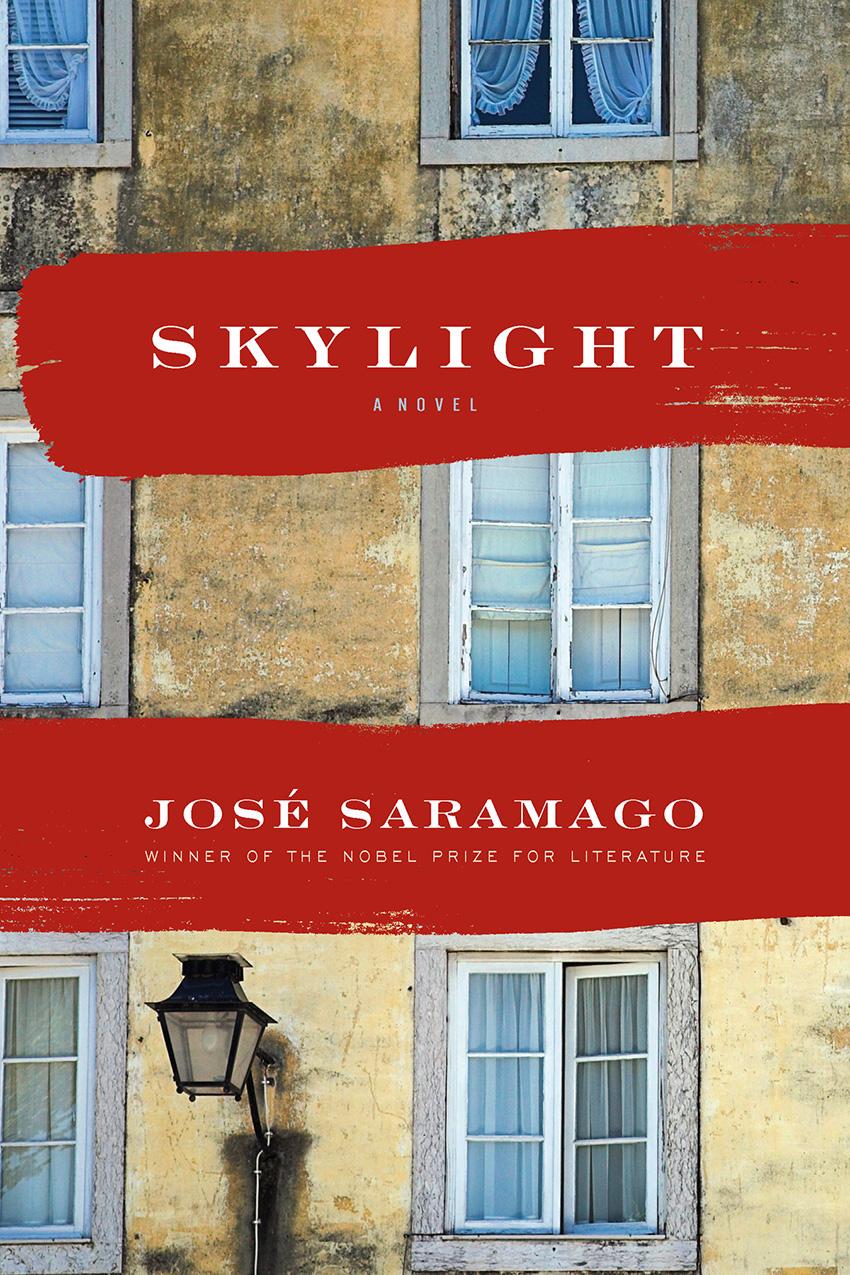
A previously unpublished novel by a literary master, Skylight tells the intertwined stories of the residents of a faded apartment building in 1940s Lisbon.
Silvestre and Mariana, a happily married elderly couple, take in a young nomad, Abel, and soon discover their many differences. Adriana loves Beethoven more than any man, but her budding sexuality brings new feelings to the surface. Carmen left Galicia to marry humble Emilio, but hates Lisbon and longs for her first love, Manolo. Lidia used to work the streets, but now she’s kept by Paulo, a wealthy man with a wandering eye.
These are just some of the characters in this early work, completed by Saramago in 1953 but never published until now. With his characteristic compassion, depth, and wit, Saramago shows us the quiet contentment of a happy family and the infectious poison of an unhappy one. We see his characters’ most intimate moments as well as the casual encounters particular to neighbors living in close proximity. Skylight is a portrait of ordinary people, painted by a master of the quotidian, a great observer of the immense beauty and profound hardships of the modern world.
José Saramago was eighteen months old when he moved from the village of Azinhaga with his father and mother to live in Lisbon. But he would return to the village throughout his childhood and adolescence to stay with his maternal grandparents, illiterate peasants in the eyes of the outside world, but a fount of knowledge, affection, and authority to young José.
Shifting back and forth between childhood and his teenage years, between Azinhaga and Lisbon, this is a mosaic of memories, a simply told, affecting look back into the author's boyhood: the tragic death of his older brother at the age of four; his mother pawning the family's blankets every spring and buying them back in time for winter; his beloved grandparents bringing the weaker piglets into their bed on cold nights; and Saramago's early encounters with literature, from teaching himself to read by deciphering articles in the daily newspaper, to poring over an entertaining dialogue in a Portuguese-French conversation guide, not realizing that he was in fact reading a play by Molière.
Written with Saramago's characteristic wit and honesty, Small Memories traces the formation of an artist fascinated by words and stories from an early age and who emerged, against all odds, as one of the world's most respected writers.
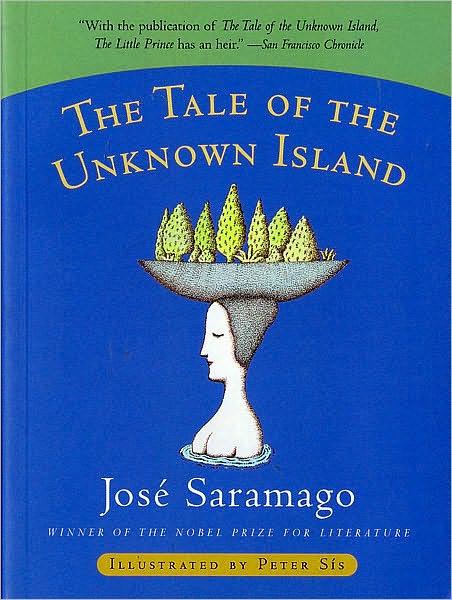
A man went to knock at the king's door and said to him, Give me a boat. The king's house had many other doors, but this was the door for petitions. Since the king spent all his time sitting by the door for favors (favors being done to the king, you understand), whenever he heard someone knocking on the door for petitions, he would pretend not to hear . . ." Why the petitioner required a boat, where he was bound for, and who volunteered to crew for him the reader will discover as this short narrative unfolds. And at the end it will be clear that if we thought we were reading a children's fable we were wrong-we have been reading a love story and a philosophical tale worthy of Voltaire or Swift.
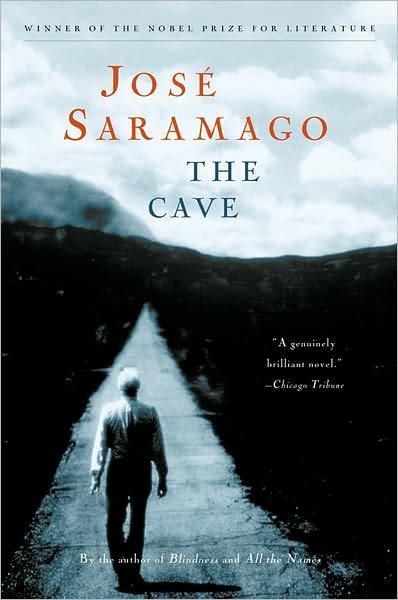
Cipriano Algor, an elderly potter, lives with his daughter Marta and her husband Marçal in a small village on the outskirts of The Center, an imposing complex of shops, apartments, and offices to which Cipriano delivers his pots and jugs every month. On one such trip, he is told not to make any more deliveries. Unwilling to give up his craft, Cipriano tries his hand at making ceramic dolls. Astonishingly, The Center places an order for hundreds, and Cipriano and Marta set to work-until the order is cancelled and the three have to move from the village into The Center. When mysterious sounds of digging emerge from beneath their apartment, Cipriano and Marçal investigate, and what they find transforms the family's life. Filled with the depth, humor, and the extraordinary philosophical richness that marks each of Saramago's novels, The Cave is one of the essential books of our time.
This collection, available exclusively in e-book form, brings together the twelve novels (and one novella) of the great Portuguese writer José Saramago, with an introductory essay by Ursula Le Guin.
From Saramago’s early work, like the enchanting Baltasar & Blimunda and the controversial Gospel According to Jesus Christ, through his masterpiece Blindness and its sequel Seeing, to his later fables of politics, chance, history, and love, like All the Names and Death with Interruptions, this volume showcases the range and depth of Saramago’s career, his inimitable narrative voice, and his vast reserves of invention, humor, and understanding.
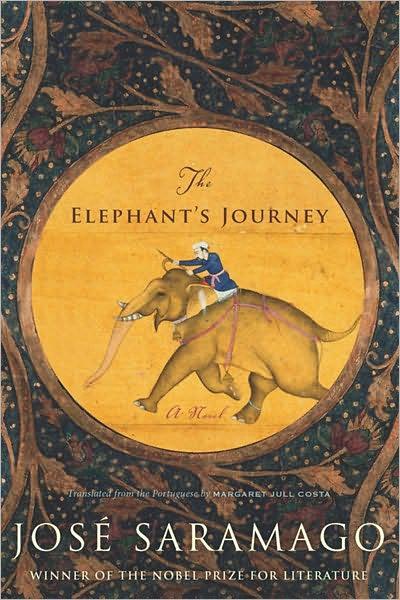
In 1551, King João III of Portugal gave Archduke Maximilian an unusual wedding present: an elephant named Solomon. The elephant’s journey from Lisbon to Vienna was witnessed and remarked upon by scholars, historians, and ordinary people. Out of this material, José Saramago has spun a novel already heralded as “a triumph of language, imagination, and humor” (El País).
Solomon and his keeper, Subhro, begin in dismal conditions, forgotten in a corner of the palace grounds. When it occurs to the king and queen that an elephant would be an appropriate wedding gift, everyone rushes to get them ready: Subhro is given two new suits of clothes and Solomon a long overdue scrub.
Accompanied by the Archduke, his new wife, and the royal guard, our unlikely heroes traverse a continent riven by the Reformation and civil wars. They make their way through the storied cities of northern Italy: Genoa, Piacenza, Mantua, Verona, Venice, and Trento, where the Council of Trent is in session. They brave the Alps and the terrifying Isarco and Brenner Passes; they sail across the Mediterranean Sea and up the Inn River (elephants, it turns out, are natural sailors). At last they make their grand entry into the imperial city.The Elephant’s Journey is a delightful, witty tale of friendship and adventure.
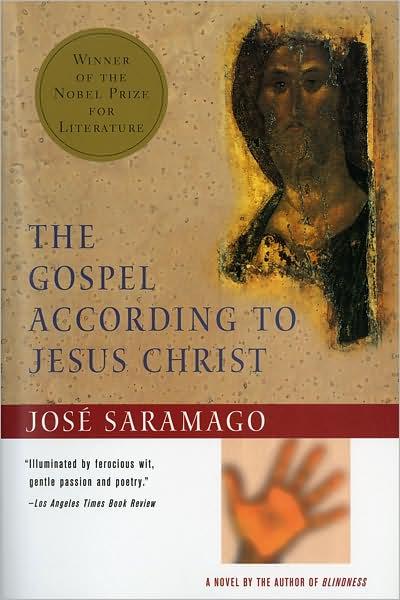
This is a skeptic’s journey into the meaning of God and of human existence. At once an ironic rendering of the life of Christ and a beautiful novel, Saramago’s tale has sparked intense discussion about the meaning of Christianity and the Church as an institution. Translated by Giovanni Pontiero.
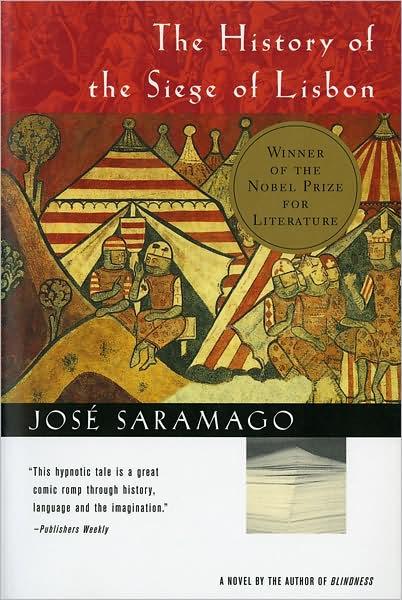
In this “ingenious” novel (New York Times) by “one of Europe’s most original and remarkable writers” (Los Angeles Times), a proofreader’s deliberate slip opens the door to romance-and confounds the facts of Portugal’s past.