 fb2
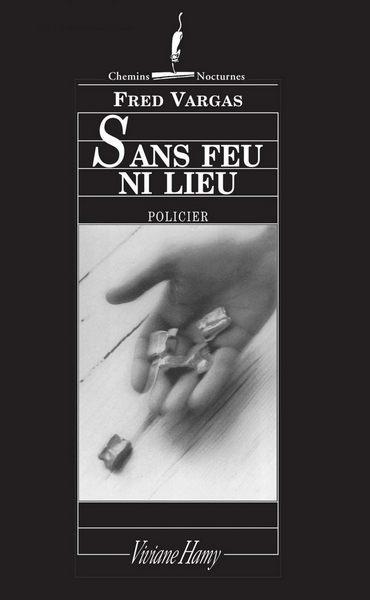
fb2Pourquoi Louis Kehlweiler dit l’Allemand, Marc, Lucien et Mathias — retranchés dans leur baraque pourrie de la rue Chasle à Paris —, s’intéressent-ils à un simplet à tête d’imbécile pas franchement sympathique, dont la culpabilité ne fait de doute pour personne, pas même pour eux ? Pourquoi tiennent-ils à sauver ce Clément Vauquer, un détraqué recherché par toutes les polices de Nevers et de Paris pour les assassinats effroyables d’au moins deux jeunes femmes ?
Avec un humour et une légèreté virtuoses, Fred Vargas fait rebondir les situations, réinvente la manière de parler de ses personnages, cisèle leur portrait, et fait pouffer de rire le lecteur qui n’en peut mais…
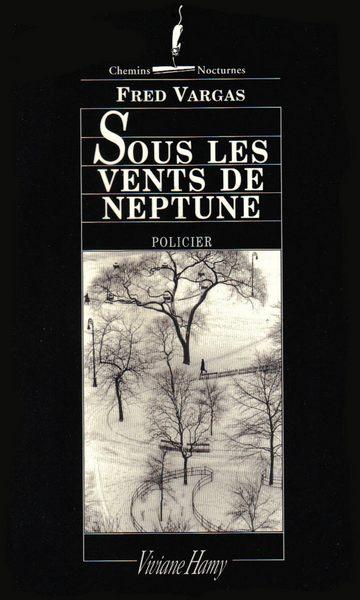
Cette formation sur les empreintes génétiques au Québec, Jean-Baptiste Adamsberg l’accueille avec soulagement. Deux semaines sans subir l'inexplicable hostilité de son adjoint Danglard, le paradis ! Mais une coupure de presse ravive de pesants souvenirs sur un meurtre commis durant sa jeunesse qui mettait en cause son frère Raphaël, disparu depuis. Le tueur au Trident serait-il de retour ? Un malaise et un coma éthylique plus tard, Adamsberg perd le contrôle. Seules la mansuétude d’un Danglard et l’ingéniosité de sa collaboratrice Violette Retancourt pourront le sortir, presque indemne, des affres du passé.
FRED VARGAS, archéologue de métier, a créé le rompol, genre littéraire à part entière, où la narration est empreinte d'humour, de liberté, et de poésie. Ses romans ont fait l'objet d'adaptations cinématographiques et télévisuelles et son œuvre est désormais traduite dans plus de trente pays.
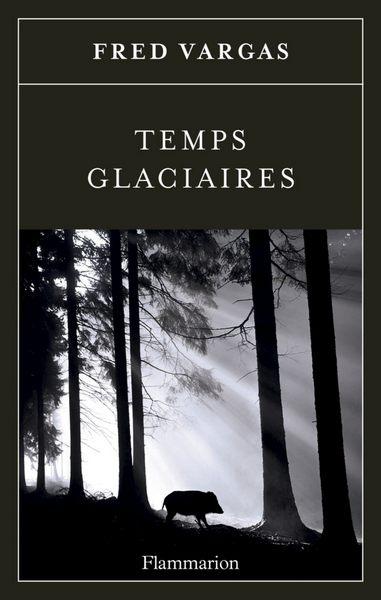
« Adamsberg attrapa son téléphone, écarta une pile de dossiers et posa les pieds sur sa table, s’inclinant dans son fauteuil. Il avait à peine fermé l’œil cette nuit, une de ses sœurs ayant contracté une pneumonie, dieu sait comment.
— La femme du 33 bis ? demanda-t-il. Veines ouvertes dans la baignoire ? Pourquoi tu m’emmerdes avec ça à 9 heures du matin, Bourlin ? D’après les rapports internes, il s’agit d’un suicide avéré. Tu as des doutes ?
Adamsberg aimait bien le commissaire Bourlin. Grand mangeur grand fumeur grand buveur, en éruption perpétuelle, vivant à plein régime en rasant les gouffres, dur comme pierre et bouclé comme un jeune agneau, c’était un résistant à respecter, qui serait encore à son poste à cent ans.
— Le juge Vermillon, le nouveau magistrat zélé, est sur moi comme une tique, dit Bourlin. Tu sais ce que ça fait, les tiques »

DAGGER AWARD
‘Quirky, bizarre, riveting, irresistible, utterly French… Vargas is perhaps the best mystery writer on the planet.’ – Winnipeg Free Press
‘Like legions of other devoted readers, I’ve become addicted to the adventures of Commissaire Jean-Baptiste Adamsberg… If you’ve already discovered Adamsberg, this novel is essential reading. If you haven’t, this is the perfect place to begin.’ – Margaret Cannon, The Globe and Mail
‘ The Chalk Circle Man… is everything [that] Grisham is not: witty, intriguing, disconcerting and, being French, seductively romantic.’ – The Daily Telegraph
‘Detective Adamsberg is not only unusual but irresistible as a character… Ms. Vargas’s approach to the macabre is formidably funny.’ – The Washington Times
***
Jean-Baptiste Adamsberg is not like other policemen. His methods appear unorthodox in the extreme: he doesn't search for clues; he ignores obvious suspects and arrests people with cast-iron alibis; he appears permanently distracted. In spite of all this his colleagues are forced to admit that he is highly successful – a born cop.When strange blue chalk circles start appearing overnight on the pavements of Paris, the press take up the story with amusement and psychiatrists trot out their theories. Adamsberg is alone in thinking this is not a game and far from amusing. He insists on being kept informed of new circles and the increasingly bizarre objects which they contain: a pigeon's foot, four cigarette lighters, a badge proclaiming 'I Love Elvis', a hat, a doll's head. Adamsberg senses the cruelty that lies behind these seemingly random occurrences. Soon a circle with decidedly less banal contents is discovered: the body of a woman with her throat savagely cut. Adamsberg knows that other murders will follow. "The Chalk Circle Man" is the first book featuring Jean-Baptiste Adamsberg, one of the most engaging characters in contemporary detective fiction.

The Three Evangelists is an enormously entertaining departure from Vargas's Commissaire Adamsberg series. Sophia Simeonidis, a Greek opera singer, wakes up one morning to discover that a tree has appeared overnight in the garden of her Paris house. As her husband doesn't give a damn, she asks her new neighbours to dig around the tree to find out if something has been buried. Her neighbours are eccentric: Vandoosler, an ex-cop fired from the police for having helped a murderer to escape, and sharing the house are three impecunious historians: Mathias, Marc and Lucien – the three evangelists, as Vandoosler calls them. They accept the job because they are desperate for money and rather curious. When they find nothing and Sophia's dead body turns up weeks later, they decide to investigate.
Finalist for the Duncan Lawrie International Dagger
“If you haven’t cottoned on to Vargas’s brilliant Adamsberg detective series, then you’re missing a treat.” – Scotland on Sunday
“Irresistibly gripping, powerfully written and quite often frightening.” – Marcel Berlins, The Times
“Beautifully paced and elegantly written, Vargas’s fifth novel is a joy… As elegantly stylized as a tango, and just as sexy… The characters are memorable and beautifully made… I wanted this novel to go on and on and on.” – Margaret Cannon, The Globe and Mail
“Vargas’s detective stories are so complex, yet simple, so cleverly nuanced, yet basic, so peopled with misfits, eccentrics and ne’er-do-wells that they grab the attention of any reader… Just as the various threads start coming together, the guilty becoming apparent, the whole case unravels wonderfully, again and again.” – Ottawa Citizen
“This Night’s Foul Work goes beyond the suspense and plot twists expected of detective fiction as Vargas has created enthralling characters with very real emotions.” – French Magazine
“The narrative pace and the conglomeration of oddities and details make for a high level of entertainment and mystery.” – Bookbag.co.uk
“Vargas sees the novel, and the detective story in particular, as fulfilling some of the same functions as Greek tragedy. In This Night’s Foul Work, Adamsberg travels out to a Normandy village where the locals’ caustic observations on his investigation resemble nothing so much as a Greek chorus.” – The Guardian
***
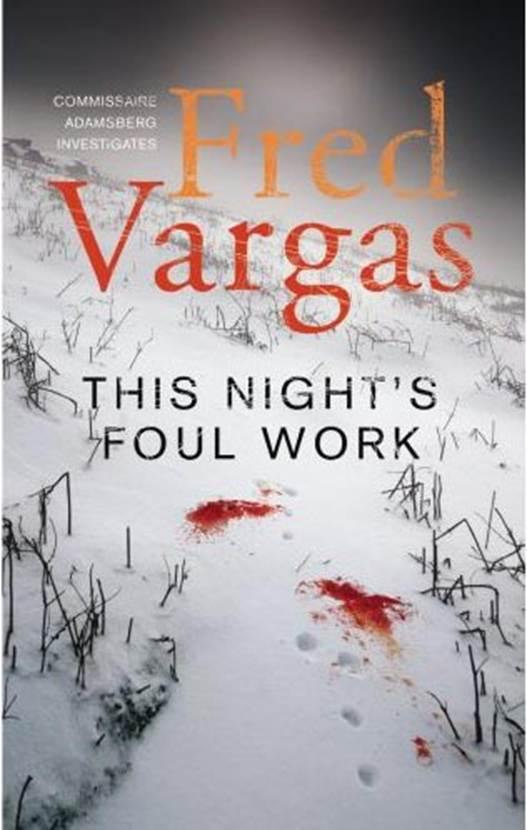
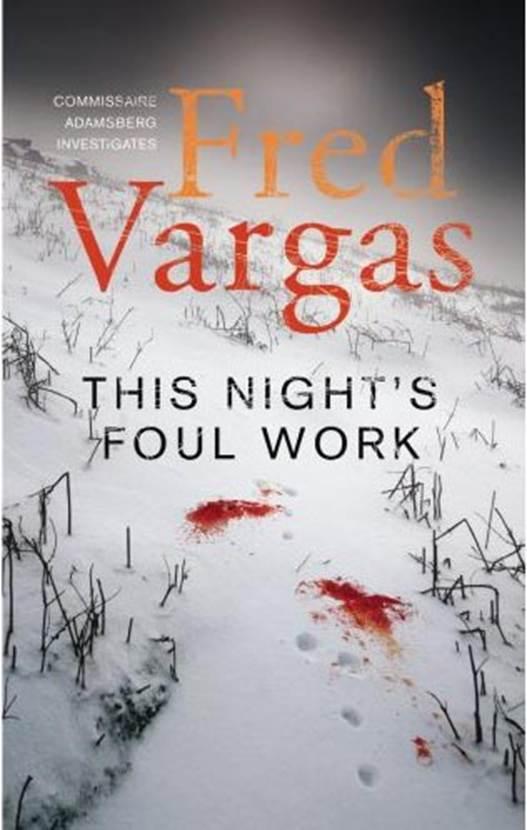
A phenomenal bestseller in France, This Night's Foul Work is another irresistible installment in the internationally acclaimed Commissaire Adamsberg series.
On the edge of Paris two small-time drug dealers have had their throats cut in a peculiar fashion. Setting out on the trail of the shadowy killer, Commissaire Adamsberg and his detectives travel between Paris and the Normandy countryside. Adamsberg's investigation into these horrible deaths brings him into contact with the attractive Ariane Lagarde – a pathologist who caused him professional grief some twenty-five years ago. There's also a new lieutenant on the scene, whose ties to Adamsberg's past create tension and hostility in his present. Vargas has given us another multi-layered, deliciously-paced and thrilling addition to her acclaimed series.
This Night's Foul Work is the finest novel yet from the wonderful Fred Vargas.
Finalist for the Duncan Lawrie International Dagger
“If you haven’t cottoned on to Vargas’s brilliant Adamsberg detective series, then you’re missing a treat.” – Scotland on Sunday
“Irresistibly gripping, powerfully written and quite often frightening.” – Marcel Berlins, The Times
“Beautifully paced and elegantly written, Vargas’s fifth novel is a joy… As elegantly stylized as a tango, and just as sexy… The characters are memorable and beautifully made… I wanted this novel to go on and on and on.” – Margaret Cannon, The Globe and Mail
“Vargas’s detective stories are so complex, yet simple, so cleverly nuanced, yet basic, so peopled with misfits, eccentrics and ne’er-do-wells that they grab the attention of any reader… Just as the various threads start coming together, the guilty becoming apparent, the whole case unravels wonderfully, again and again.” – Ottawa Citizen
“This Night’s Foul Work goes beyond the suspense and plot twists expected of detective fiction as Vargas has created enthralling characters with very real emotions.” – French Magazine
“The narrative pace and the conglomeration of oddities and details make for a high level of entertainment and mystery.” – Bookbag.co.uk
“Vargas sees the novel, and the detective story in particular, as fulfilling some of the same functions as Greek tragedy. In This Night’s Foul Work, Adamsberg travels out to a Normandy village where the locals’ caustic observations on his investigation resemble nothing so much as a Greek chorus.” – The Guardian
***
A phenomenal bestseller in France, This Night's Foul Work is another irresistible installment in the internationally acclaimed Commissaire Adamsberg series.
On the edge of Paris two small-time drug dealers have had their throats cut in a peculiar fashion. Setting out on the trail of the shadowy killer, Commissaire Adamsberg and his detectives travel between Paris and the Normandy countryside. Adamsberg's investigation into these horrible deaths brings him into contact with the attractive Ariane Lagarde – a pathologist who caused him professional grief some twenty-five years ago. There's also a new lieutenant on the scene, whose ties to Adamsberg's past create tension and hostility in his present. Vargas has given us another multi-layered, deliciously-paced and thrilling addition to her acclaimed series.
This Night's Foul Work is the finest novel yet from the wonderful Fred Vargas.
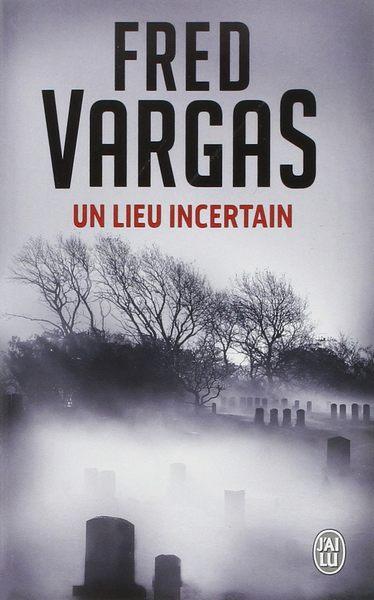
Le commissaire Adamsberg pensait que ces trois jours à Londres se résumeraient à ce colloque de flics auquel on l'avait convié. Il se trompait. Dix-huit chaussures sont retrouvées soigneusement alignées en face des portes du cimetière de Highgate. À l’intérieur, dix-huit pieds coupés. Une question demeure : à qui appartiennent-ils ? De retour en France, un terrible massacre ébranle la banlieue parisienne et fait travailler les méninges d’Adamsberg. Il ne se doutait pas que ces deux affaires l’emmèneraient si loin…
FRED VARGAS, archéologue de métier, a créé le rompol genre littéraire à part entière, où la narration est empreinte d’humour, de liberté, et de poésie. Ses romans ont fait l'objet d’adaptations cinématographiques et télévisuelles et son œuvre est désormais traduite dans plus de trente pays.
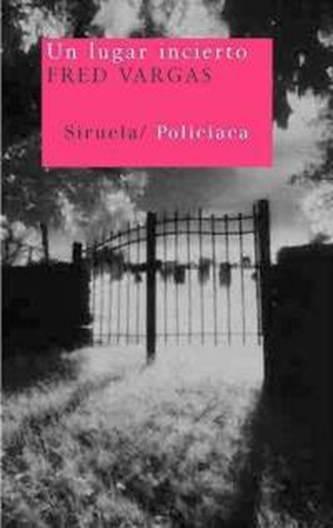
El comisario Adamsberg se halla en Londres invitado por Scotland Yard para asistir a un congreso de tres días. Todo debería transcurrir de manera tranquila, distendida, pero un hecho macabro alertará a su colega inglés: frente al antiguo cementerio de Highgate han aparecido diecisiete zapatos con sus respectivos pies dentro, cercenados. Mientras comienza la investigación, la delegación francesa regresa a su país. Allí descubren un horrible crimen en un chalet en las afueras de París: un anciano periodista especializado en temas judiciales ha sido, a primera vista, triturado. El comisario, con la ayuda de Danglard, relacionará los dos casos, que le harán seguir una pista de vampiros y cazadores de vampiros que le conducirá hasta un pequeño pueblo de Serbia.
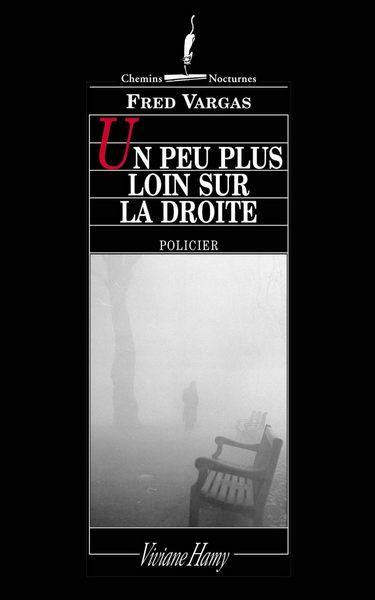
Embusqué sur le banc 102, celui de la Contrescarpe, alors qu'il sur-veille la fenêtre d'un fils de député bien peu sympathique, Kehlweiler, « l'Allemand », avise une drôle de « bricole » blanchâtre égarée sur une grille d'arbre…
Ce petit bout d'os humain — car il s'agit de cela — l'obsède jusqu'à ce qu'il abandonne ses filatures parisiennes pour rallier Port-Nicolas, un village perdu au bout de la Bretagne.
Et l'attente reprend au Café de la Halle. Depuis la salle enfumée du vieux bar, il écoute et surveille, de bière en bière, de visage en visage, et fait courir sans trêve, par les routes humides et les grèves désertes, son jeune assistant, Marc Vandoosler, le médiéviste de Debout les morts.
Qui tue ?
Un peu plus loin sur la droite est le quatrième roman de Fred Vargas publié par les éditions Viviane Hamy. Debout les morts a obtenu le Prix du Polar 1995.
“Eccentric characters, complex but gripping plots and a nice wit… Vargas weaves her story expertly.” – Toronto Sun
“Bizarre and fascinating.” – Edmonton Journal
“Vargas has a wonderfully offbeat imagination that makes each of her novels a refreshing delight.” – The Observer
“A gripping chase thriller.” – The Economist
“There is a haunting quality to Vargas’s writing.” – Scotland on Sunday
***
Internationally acclaimed and bestselling crime writer Fred Vargas will be published for the first time in Canada in hardcover by Knopf Canada.
In this remarkable addition to the Commissaire Adamsberg series, has a serial killer followed Adamsberg to Canada on his training mission?
Between 1943 and 2003, nine people have been stabbed to death with a most unusual weapon: a trident. In each case, arrests were made, suspects confessed their crime and were sentenced to life. One slightly worrying detail: all the presumed murderers lost consciousness during the night of the crime and cannot remember whether they actually did it or not. Commissaire Adamsberg is convinced all the murders are the work of one person: the terrifying Judge Fulgence. Years before, Adamsberg's own brother had been the principal suspect in a similar case and avoided prison only thanks to Adamsberg's help. History now repeats itself when Adamsberg, who is temporarily based in Quebec for a training mission, is accused of having savagely murdered his young lover. In order to prove his innocence, Adamsberg must go on the run from the Canadian police and find Judge Fulgence. The heir to Maigret, Commissaire Adamsberg is back in a new investigation that will keep the reader spellbound until the very last word.