 fb2
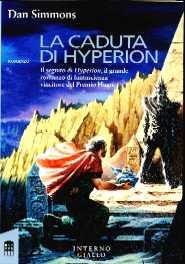
fb2In un lontano futuro di straordinaria complessità fantastica, la maggior parte dei pianeti della galassia è collegata da una Rete che permette di trasferirsi in pochi secondi da un mondo all’altro. Ma anche in questo universo, apparentemente perfetto, l’umanità è minacciata da pericoli di sconvolgente portata. Ai margini dell’Egemonia si stanno infatti radunando gli Sciami di migrazione degli alieni Ouster, mentre gruppi dotati di sofisticatissimi strumenti tecnologici e strane sette esoteriche premono per conquistare un potere divino. Paradossalmente, per gli uomini, l’unica speranza di salvezza è un piccolo gruppo di pellegrini sperduti su Hyperion, il mondo nei cui insondabili recessi si nasconde il crudele, onnipotente e misterioso Shrike. Dopo Hyperion, dalla magistrale penna di Dan Simmons un altro grande classico della fantascienza moderna, un romanzo affascinante in cui si fondono l’avventura classica e i temi più inquietanti del cyberspazio.
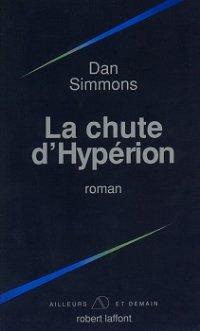
L'Hégémonie gouverne plus de trois cents mondes. Quant aux Extros, ils ont pris le large après l'Hégire. Reviendront-ils ?
Un de leurs essaims, depuis trois cents ans, se rapproche d'Hypérion. Les habitants de cette planète ont fini par devenir nerveux, ils réclament l'évacuation. Pour l'Hégémonie, le jeu n'en vaut pas la chandelle.
Mais, sur la même planète, on annonce l'ouverture prochaine des Tombeaux du Temps. Le Techno-Centre n'arrive pas à produire des prévisions fiables à ce sujet. Alors, l'Hégémonie agit : elle envoie sept pèlerins sur Hypérion.
Drôles de pèlerins ! Celui-ci n'arrive pas à se débarrasser d'un parasite de résurrection ; celui-là écrit un poème qui, selon lui, infléchira le cours des événements. Deux d'entre eux veulent tuer le gritche ; un autre hésite à lui sacrifier sa propre fille, qui naîtra dans trois jours.
Et le dernier semble trahir tout le monde, ce qui étrangement ne trouble personne. Bref, l'Hégémonie en fait le minimum ; qu'est-ce qui se cache là-dessous ?
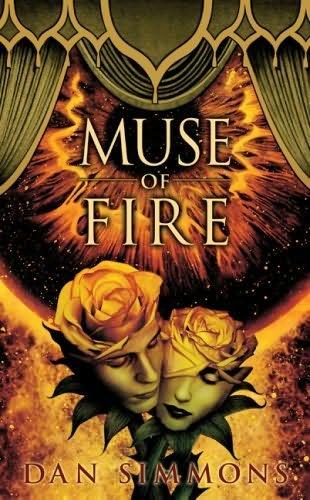
Muse of Fire is a science fiction novella by Dan Simmons. It is about a group of Shakespearean actors in the far future where humans are an interstellar but insignificant race.
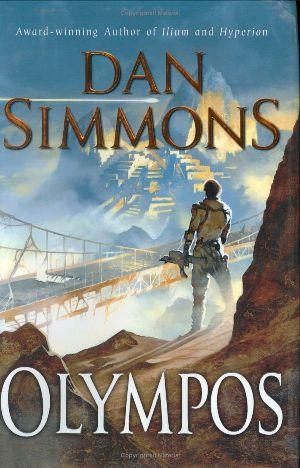
Helen of Troy is in mourning for her dead husband, Paris. Killed in single combat with the merciless Apollo. His body a scorched and blasted thing. Hockenberry, her lover, still sneaks from her bed after their nights of lovemaking. And the Gods still strike out from the besieged Olympos. Their single-molecule bomb casings quantum phase-shifting through the moravecs' force shield and laying waste to Ilium. Or so Hockenberry and the amusing little metal creature, Mahnmut, have tried to explain to her. Helen of Troy does not give a fig about machines. She must dress for the funeral. And man and the gods and the unknown players in this tragedy must prepare for the final act. And a battle that will decide the future of the universe itself.

Jak wszystko, co napisał Simmons, tak i Ostrze Darwina jest powieścią ponadgatunkową, tym razem mamy do czynienia ze skrzyżowaniem thrillera, powieści detektywistycznej, prawniczej i kryminału. Bohater, Darwin "Dar" Minor, jest byłym oficerem śledczy NTSB (Narodowej Rady Bezpieczeństwa Transportu) i doktorem fizyki, a obecnie pracuje w prywatnej kalifornijskiej firmie jako specjalista od rekonstrukcji wypadków.
Pewnego dnia cudem unika śmierci, gdy strzelają do niego mężczyźni z podrasowanego mercedesa. Śledztwo w tej sprawie prowadzi prokurator Sydney Olson oraz sam Dar, który dobiera sobie współpracowników z Departamentu Policji San Diego, LAPD, kalifornijskiej policji drogowej i FBI. Szybko okazuje się, że do Minora strzelali zabójcy rosyjskiej mafii. Czym zdenerwował ich pracodawców? Ostatnimi czasy oceniał jedynie "dziwne" wypadki samochodowe. Zaczyna badać sprawy głębiej i zaczynają ginąć ludzie…
Powieść obfituje w nieprawdopodobne zwroty akcji, bogate tło obyczajowe i historyczne (Darwin walczył kiedyś w Wietnamie, badał też sprawę wybuchu "Challengera"), a także w strzelaniny, ucieczki i pościgi samochodowe.
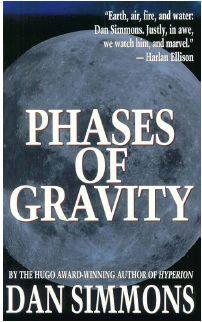
Ex-astronaut Richard Baedecker sees everything he has ever done as merely preparation for something bigger and his quest for higher meaning leads him to a mysterious young woman who shows him the "places of power" in his own past.
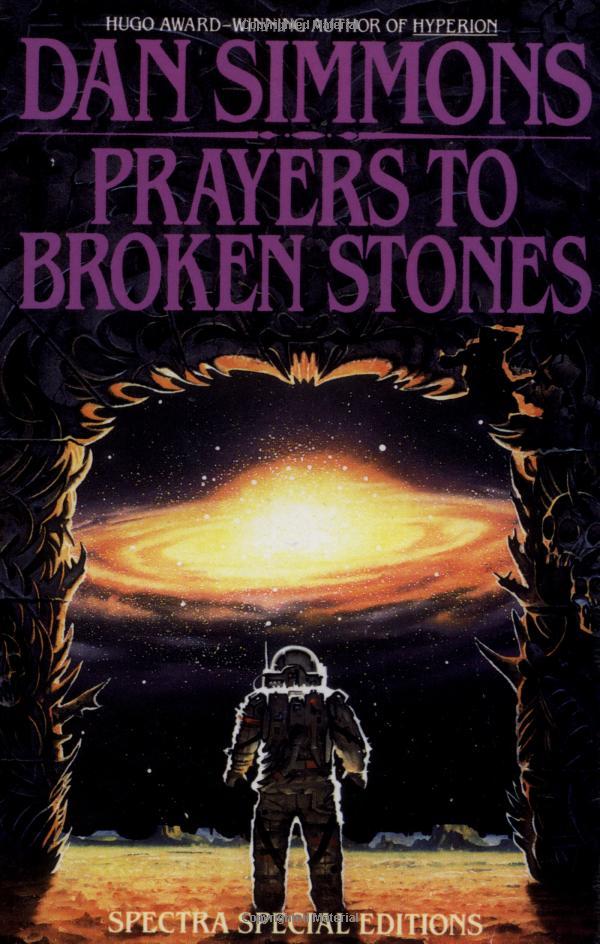
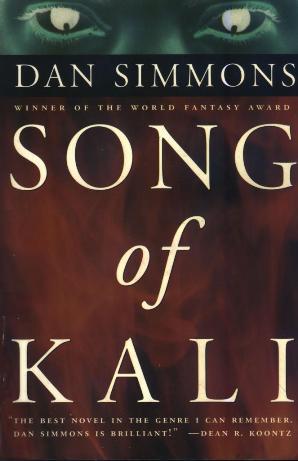
When Song of Kali was published in 1985, Dan Simmons was virtually unknown, having published only a few short stories. But this sharp, vivid novel struck a raw nerve. A startled and amazed readership could only gasp in wonder and horror at the apparent ease with which the author made readers feel that they were living the nightmarish reality he so potently conveyed in the pages of this blood-curdling novel.
Here is Calcutta, perhaps the foulest and most crime-ridden city in the world: filthy, stench-ridden, crawling with vermin both human and otherwise, possessed of evils so vile that they beggar description.
In this steaming, fetid cradle of chaos, the ordeal of an American man and his family plays out, moment by moment, page by page, in a novel so truly frightening that otherwise jaded readers will quail in fear at its gut-wrenching finale.
One of the great masterpieces of horror of this century, Song of Kali will leave an indelible imprint on your soul. Once you read it, you'll never forget it. . . . Never.
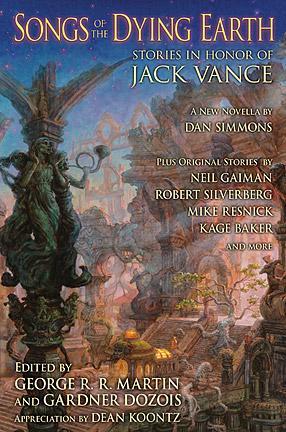
Today, in order to honor the magnificent career of Jack Vance, one unparalleled in achievement and impact, GEORGE R.R. MARTIN and GARDNER DOZOIS, with the full cooperation of Jack Vance, his family, and his agents, suggest a Jack Vance tribute anthology called Songs of the Dying Earth, to encourage the best of today's fantasy writers to return to the unique and evocative milieu of The Dying Earth, from which they and so many others have drawn so much inspiration, to create their own brand-new adventures in the world of Jack Vance s greatest novel.
Half a century ago, Jack Vance created the world of the Dying Earth, and fantasy has never been the same. Now, for the first time ever, Jack has agreed to open this bizarre and darkly beautiful world to other fantasists, to play in as their very own. To say that other fantasy writers are excited by this prospect is a gross understatement; one has told us that he'd crawl through broken glass for the chance to write for the anthology, another that he'd gladly give up his right arm for the privilege that's the kind of regard in which Jack Vance and The Dying Earth are held by generations of his peers.
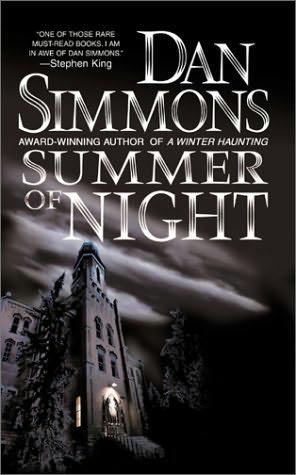
In the summer of 1960 in Elm Haven, Illinois, a sinister being is stalking the town's children, and when a long-silent bell peals in the middle of the night, the townfolk know it marks the end of innocence.
Bram Stoker (nominee)
"An American nightmare with scares, suspense, and a sweet, surprising nostalgia, one of those rare must-read books. I am in awe of Dan Simmons."
Stephen King
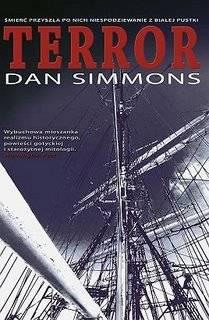
Śmierć przyszła po nich niespodziewanie z białej pustki.
Maj roku 1845. Kierowana przez sir Johna Franklina ekspedycja wyrusza na statkach Erebus i Terror ku północnym wybrzeżom Kanady na poszukiwanie Przejścia Północno-Zachodniego. 129 oficerów i marynarzy wie, że czeka ich wiele miesięcy trudów, siarczystego mrozu, głodu, walki z lodem, śniegiem, huraganowymi wiatrami, zwątpieniem i chorobami. Nie mylą się. Spotyka ich to wszystko, a także coś jeszcze. Coś niewyobrażalnie gorszego. Coś, co czai się w arktycznej pustce, śledzi każdy ich ruch, karmi się lękiem i przerażeniem. Coś, przed czym uciec można tylko w objęcia śmierci.
Dan Simmons, autor m.in. bestsellerowej powieści "Hyperion", szczegółowo odtwarza przebieg jednej z najbardziej zagadkowych i tragicznych wypraw w historii badań polarnych. "Terror" to fascynująca opowieść o determinacji, bohaterstwie i pragnieniu sławy, o heroizmie i podłości, o grozie czyhającej na każdym kroku, narastającej z każdym oddechem i uderzeniem serca.
Wybuchowa mieszanka realizmu historycznego, powieści gotyckiej i starożytnej mitologii. – Washington Post
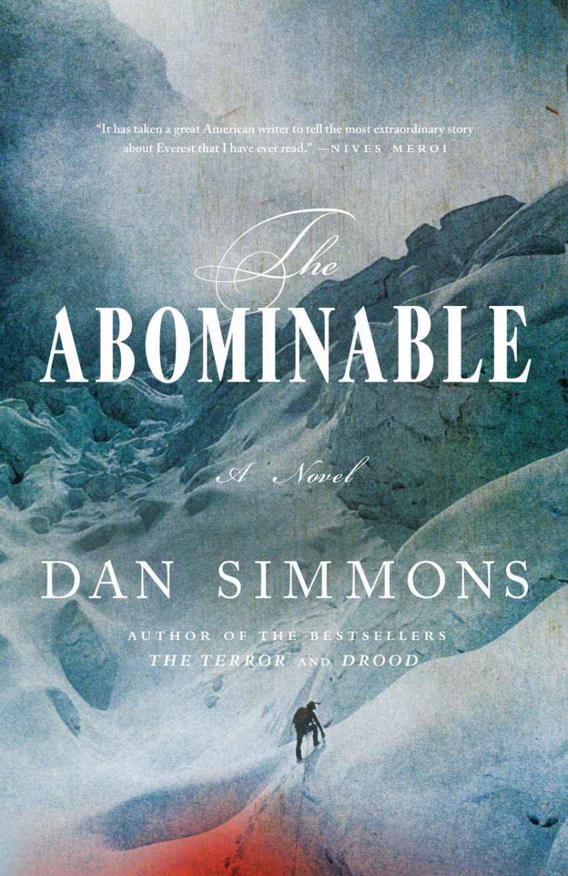
A thrilling tale of high-altitude death and survival set on the snowy summits of Mount Everest, from the bestselling author of *The Terror*
It's 1924 and the race to summit the world's highest mountain has been brought to a terrified pause by the shocking disappearance of George Mallory and Sandy Irvine high on the shoulder of Mt. Everest. By the following year, three climbers -- a British poet and veteran of the Great War, a young French Chamonix guide, and an idealistic young American -- find a way to take their shot at the top. They arrange funding from the grieving Lady Bromley, whose son also disappeared on Mt. Everest in 1924. Young Bromley must be dead, but his mother refuses to believe it and pays the trio to bring him home.
Deep in Tibet and high on Everest, the three climbers -- joined by the missing boy's female cousin -- find themselves being pursued through the night by someone . . . or something. This nightmare becomes a matter of life and death at 28,000 feet - but what is pursuing them? And what is the truth behind the 1924 disappearances on Everest? As they fight their way to the top of the world, the friends uncover a secret far more abominable than any mythical creature could ever be. A pulse-pounding story of adventure and suspense, The Abominable is Dan Simmons at his spine-chilling best.
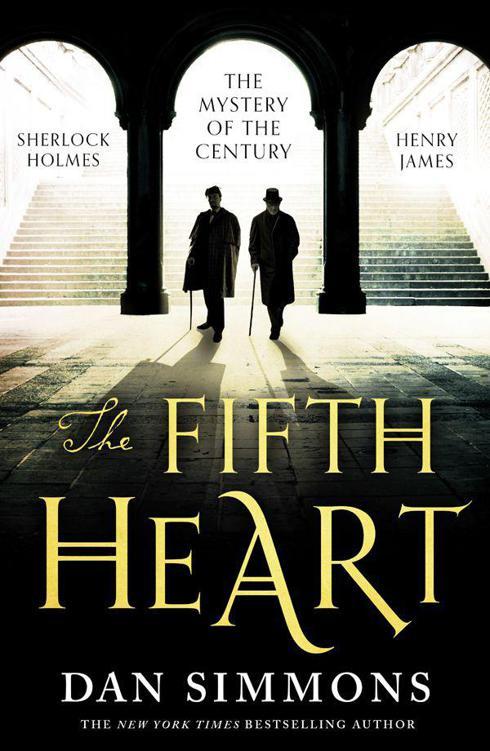
In 1893, Sherlock Holmes and Henry James come to America together to investigate the suicide of Clover Adams, wife of the esteemed historian Henry Adams — a member of the family that has given the United States two Presidents. Quickly, the investigators deduce that there’s more to Clover’s death than meets the eye — with issues of national importance at stake.
Holmes is currently on his Great Hiatus — his three-year absence after Reichenbach Falls during which time the people of London believe him to be deceased. The disturbed Holmes has faked his own death and now, as he meets James, is questioning what is real and what is not.
Holmes’ theories shake James to the core. What can this master storyteller do to fight against the sinister power — possibly Moriarty — that may or may not be controlling them from the shadows? And what was Holmes’ role in Moriarty’s rise?
Conspiracy, action and mystery meet in this superb literary hall of mirrors from the author of Drood.
Dan Simmons was born in Peoria, Illinois, in 1948, and grew up in various cities and small towns in the Midwest. He received his Masters in Education from Washington University in St. Louis in 1971. He worked in elementary education for eighteen years, winning awards for his innovative teaching, and became a full-time writer in 1987. Dan lives in Colorado with his wife, Karen, and has a daughter in her twenties. His books are published in twenty-nine counties and many of them have been optioned for film.
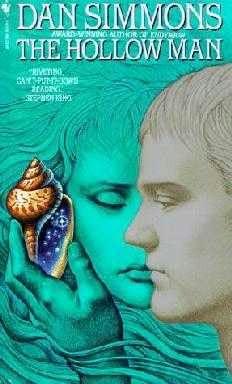
Jeremy Bremen has a secret. All his life he's been cursed with the ability to read minds. He knows the secret thoughts, fears, and desires of others as if they were his own. For years, his wife, Gail, has served as a shield between Jeremy and the burden of this terrible knowledge. But Gail is dying, her mind ebbing slowly away, leaving him vulnerable to the chaotic flood of thought that threatens to sweep away his sanity. Now Jeremy is on the run—from his mind, from his past, from himself—hoping to find peace in isolation. Instead he witnesses an act of brutality that propels him on a treacherous trek across a dark and dangerous America. From a fantasy theme park to the lair of a killer to a sterile hospital room in St. Louis, he follows a voice that is calling him to witness the stunning mystery at the heart of mortality.
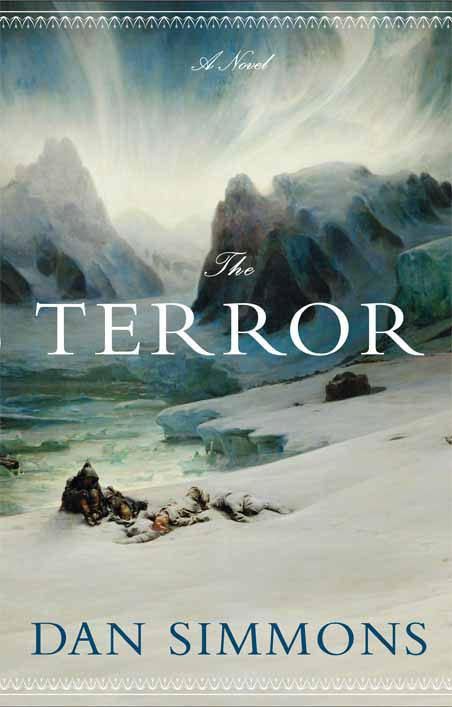
The bestselling author of Ilium and Olympos transforms the true story of a legendary Arctic expedition into a thriller worthy of Stephen King or Patrick O’Brian. Their captain’s insane vision of a Northwest Passage has kept the crewmen of The Terror trapped in Arctic ice for two years without a thaw. But the real threat to their survival isn’t the ever-shifting landscape of white, the provisions that have turned to poison before they open them, or the ship slowly buckling in the grip of the frozen ocean. The real threat is whatever is out in the frigid darkness, stalking their ship, snatching one seaman at a time or whole crews, leaving bodies mangled horribly or missing forever. Captain Crozier takes over the expedition after the creature kills its original leader, Sir John Franklin. Drawing equally on his own strengths as a seaman and the mystical beliefs of the Eskimo woman he’s rescued, Crozier sets a course on foot out of the Arctic and away from the insatiable beast. But every day the dwindling crew becomes more deranged and mutinous, until Crozier begins to fear there is no escape from an ever-more-inconceivable nightmare.

Confieso mi debilidad por Dan Simmons, un escritor que se mueve entre lo sublime (Hyperion) y lo ridículo (Los fuegos del Edén), con poco lugar para las medias tintas. Un verano tenebroso, ay, además de reforzar la manía ésa de que los relatos que antes tenían 300 páginas hoy deben tener 800 (799, para ser precisos), se acerca más a lo segundo que a lo primero. Una pena.
Una pena porque el comienzo es más que prometedor, y hace presagiar uno de esos relatos neblinosos en los que nada se dice y todo se cuenta (al estilo Ramsey Campbell, escritor que narra siempre entre líneas, para regocijo de algunos y enfado de otros): un prólogo de pocas páginas nos revela la historia de un caserón que sirve como escuela a Elm Haven, Illinois. A continuación, la trama deriva hacia uno de esos cuentos de iniciación sexual/vital de niños/camaradas en bicicleta al estilo Stephen King. Nada que objetar a que Dan Simmons, harto de obtener el aplauso de la crítica, pero no la aceptación masiva del público, se lanzara en su momento al mercadeo del terror estereotipado, pero tampoco es cuestión de pasarse. Hay que cumplir unos mínimos. Para empezar, una base creíble, cosa de la que carece esta novela. Porque, vamos a ver: ¿quién se cree que una campana que perteneció a los Borgia y que fue construida con el metal fundido de una ancestral reliquia egipcia (¡relacionada con Osiris, oh… ah…!) acabe en un pueblecito del Illinois profundo, por mucho que se hable de excéntricos millonarios? ¿Quién se cree que un niño de once años (y estadounidense, y del medio rural, y de los años 60…) sea todo un experto en latín, interprete los textos de Aleister Crowley mejor que el gurú de una logia y deduzca de ello en un pispás que la clave está en exorcizar el mal a tiro limpio? Y, sobre todo: ¿por qué Simmnons se empeña en destrozar un ambiente ominoso, que elabora con un estilo sencillo y preciso, en un desarrollo insulso y mecánico y en un clímax pirotécnico de más de cien páginas que remite a pequeñas joyas del cine pulp, como Temblores (gusanos gigantes y dentudos incluidos), pero que es indigno de alguien con su categoría profesional? La traducción, por cierto, no ayuda: parece que hay gente que no se ha percatado de que `doceavo` no es lo mismo que `duodécimo` y de que el gerundio en castellano no se suele usar para describir acciones consecutivas, sino simultáneas, por citar sólo algunos ejemplos.
Además, a pesar de que la novela es larga, muy larga, como decía más arriba, hay un buen montón de cabos sueltos. Se dan un garbeo unos cuantos zombies que no se sabe muy bien de dónde salen, aunque se sospeche. Hay unos malvados sectarios a los que se alude durante toda la novela, pero que apenas aparecen hasta el desenlace (Elm Haven cuenta con unos pocos centenares de habitantes, así que, teniendo en cuenta que los protagonistas se pasan páginas y páginas corriendo de aquí para allá, en algún momento tendrían que encontrarse con ellos). Por continuar con incoherencias varias, a lo largo de la trama el malhadado pueblo queda sembrado de cadáveres desmembrados, se desencadenan varios tiroteos, un camión sacado de El diablo sobre ruedas, con un remolque cargado de animales muertos y hediondos, se dedica a perseguir a niños por la carretera, los gusanos que protagonizan el clímax se pasean por galerías subterráneas abriendo agujeros de paredes legamosas por todas partes… y el sheriff no se entera. Y la gente apenas se alarma. ¿Por qué?
¿Por qué ha escrito semejante despropósito Dan Simmons?
Alberto Cairo
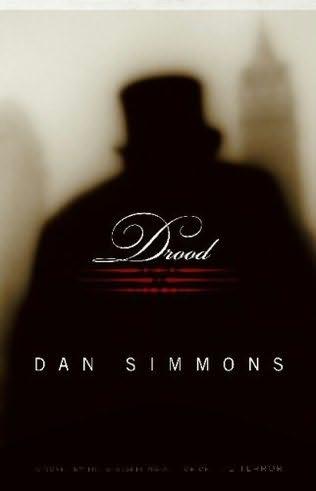
On June 9, 1865, while traveling by train to London with his secret mistress, 53-year-old Charles Dickens — at the height of his powers and popularity, the most famous and successful novelist in the world and perhaps in the history of the world — hurtled into a disaster that changed his life forever.
Did Dickens begin living a dark double life after the accident? Were his nightly forays into the worst slums of London and his deepening obsession with corpses, crypts, murder, opium dens, the use of lime pits to dissolve bodies, and a hidden subterranean London mere research… or something more terrifying?
Just as he did in The Terror, Dan Simmons draws impeccably from history to create a gloriously engaging and terrifying narrative. Based on the historical details of Charles Dickens's life and narrated by Wilkie Collins (Dickens's friend, frequent collaborator, and Salieri-style secret rival), DROOD explores the still-unsolved mysteries of the famous author's last years and may provide the key to Dickens's final, unfinished work: The Mystery of Edwin Drood. Chilling, haunting, and utterly original, DROOD is Dan Simmons at his powerful best.