 fb2
fb2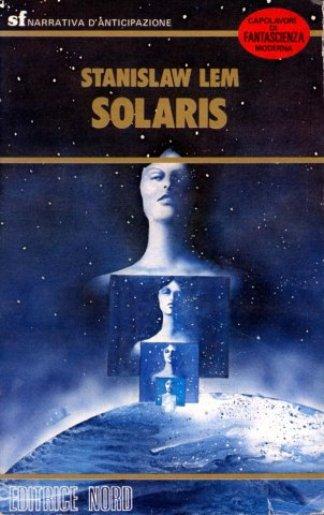
Il pianeta Solaris, ad anni luce dalla Terra, è formato da un unico immenso oceano e sembra possedere strani poteri.
E’ capace, infatti, di penetrare nella mente degli astronauti che lo stanno studiando ed evocare immagini del loro passato. Immagini che si trasformano in veri e propri esseri viventi, in grado di ragionare e provare sentimenti. Il pianeta è forse abitato da un’intelligenza superiore? Ed è possibile una comunicazione mentale tra l’uomo e il pianeta senziente? Sono questi i tormentosi interrogativi che si pongono i protagonisti della missione, le cui vite risulteranno sconvolte.
Capolavoro di Stanislaw Lem, «Solaris» è un romanzo fondamentale nella fantascienza di tutti i tempi. Ed è soprattutto un’opera che con uno stile magistrale si sofferma non tanto sui misteri dell’universo quanto sui temi dell’identità, sull’ignoto che è in noi, come sfida ai limiti della conoscenza umana. Dopo aver ispirato nel 1972 il regista russo Tarkovskij, «Solaris» è ora un film dell’americano Steven Soderbergh.
Nella parte di Kelvin, l’astronauta che indaga su quanto accade nella stazione spaziale, uno degli attori più amati di Hollywood: George Clooney.
Stanislaw Lem, polacco di Leopoli, trascorre la sua giovinezza conoscendo la terribile dominazione nazista.
I suoi romanzi, tra cui «Pianeta del silenzio», «Eden», Pace al mondo», sono opere originali che affrontano soprattutto il tema etico del progresso tecnologico e la responsabilità delle scelte esistenziali dell’uomo. Lem è probabilmente il più importante scrittore di fantascienza non di lingua inglese. I suoi libri sono stati tradotti in trenta paesi e hanno venduto più di venti milioni di copie.
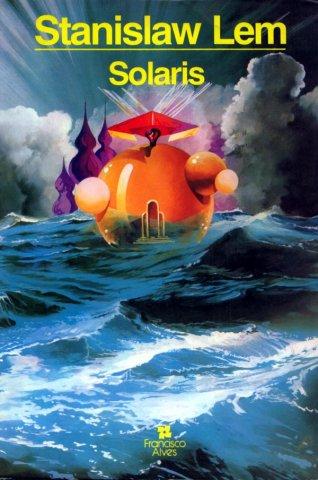
As dezenove horas, hora da nave, fui para a área de lançamento. Em volta dos poços, os homens ficaram em filas para me deixar passar. Desci uma escada e entrei na cápsula.
No interior da estreita cabine, eu mal podia afastar os braços do corpo. Fixei o tubo da bomba à válvula do meu escafandro, que se encheu rapidamente. A partir desse instante, fiquei impossibilitado de fazer qualquer movimento. Lá estava eu de pé, ou melhor, suspenso, envolto no meu macacão espacial integrado na carapaça metálica.
Olhei para cima. Vi, através do globo transparente, uma parede lisa e, bem no alto, a cabeça de Moddard inclinada sobre a abertura do poço. Moddard desapareceu e, bruscamente, fezse noite. O pesado cone protetor havia sido colocado no lugar. Ouvi oito vezes seguidas o zumbir dos motores elétricos que apertavam as porcas e depois o chiado do ar comprimido nos amortecedores. Meus olhos começaram a se habituar à escuridão. Divisei a moldura fosforescente do único medidor…
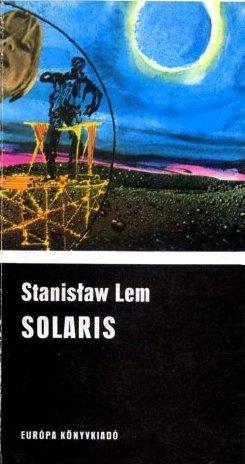
Fedélzeti idő szerint tizenkilenc órakor búcsút intettem az akna körül állóknak, és lemásztam a fémlétrán a fülkébe. Éppen annyi hely volt benne, hogy a könyökömet fölemelhessem. Űrruhám csatlakozóját a falból kiálló vezetékbe illesztettem, a szkafander felfúvódott, és moccanni sem engedett többé. A fémburokkal egy testté válva álltam — vagyis inkább lógtam — a levegőágyban.
Felpillantottam: a domború ablakon át az akna fala látszott, még feljebb pedig az akna fölé hajló Moddard arca. De rögtön el is tünt, és sötét lett, mert leeresztették a súlyos védőkupolát. Nyolcszor egymás után felbúgtak a csavarokat meghúzó villanymotorok. Aztán sziszegő hang jelezte, hogy levegőt bocsátanak a rezgéscsillapítókba. Szemem lassan hozzászokott a sötétséghez. Már láttam az egyetlen mérőóra halványzöld körvonalát...
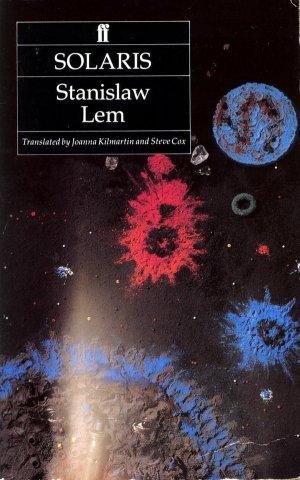

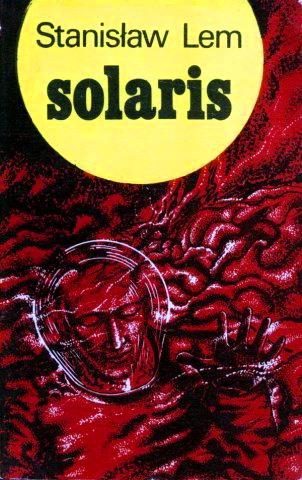
Staņislavs Lems dzimis 1921. gadā Ļvovā. Tur viņš pabeidza vidusskolu un sāka studēt medicīnu. Karš pārtrauca S. Lema studiju gaitas. Pēc Polijas atbrīvošanas Lems Krakovā pabeidza medicīnas studijas un pievērsās rakstniecībai.
Staņislava Lema pirmais solis zinātniskās fantastikas jomā bija grāmata «Astronauti». Šajā virzienā gāja viņa daiļrades tālākais attīstības ceļš. Viņš sarakstījis ap 20 grāmatu, kurās dziļa zinātniska doma savijas ar neparastu iztēles bagātību. S. Lema grāmatas tulkotas vairāk nekā divdesmit pasaules valodās. Lūk, daži S. Lema daiļdarbi, kuru slava aizskanējusi tālu aiz Polijas robežām: «Astronauti», «Magelāna mākonis», «Solāris», «Atgriešanās no zvaigznēm», «Edena», «Robotu pasakas», «Neuzvaramais», «Zvaigžņu dienasgrāmatas».
S. Lemu interesē ne vien zinātniskā fantastika, bet arī mūsdienu tematika. Viņš ir uzrakstījis romānu «Laiks, kas nav bijis veltīgs», autobiogrāfisko stāstu «Augstā pils», kā arī filozofiskās esejas «Dialogi» un «Summa Technologiae».
Par panākumiem rakstniecībā Staņislavs Lems 1957. gadā iepelnījās Krakovas pilsētas balvu, bet 1965. gadā saņēma Polijas Kultūras un mākslas ministra prēmiju.
Stāstā «Solāris» grupa zinātnieku, kas ieradušies no Zemes, cenšas nodibināt kontaktu ar planētas Solāris saprātīgo matēriju. Uz Solāris šī saprātīgā matērija ir okeāns — gigantisks augsti organizētas plazmas receklis. Okeāns spēj iedzīvināt materiālos tēlos spilgtākos iespaidus, kas glabājas cilvēka apziņā.
S. Lems savā darbā centies parādīt, ar kādām neparedzētām grūtībām jāsastopas pētniekiem, saskaroties ar citu pasauļu saprātīgajām būtnēm.
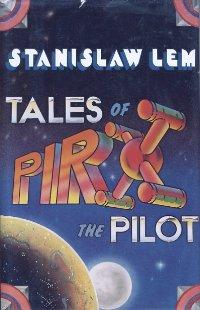
Pilot Pirx is an astronaut, a fresh-faced physical powerhouse, but no genius. His superiors send him on the most dangerous missions, either because he is expendable, or because they trust his bumbling ability to survive in almost any habitat or dilemma. Follow Pirx now through a world of hyper-technology and super-psychology from his early days as a hopelessly inept cadet soloing with a pair of sex-crazed horseflies… to a farside moon station built by bickering madmen… to a chase through space after a deadly sphere of light… to an encounter with a mossy old robot whose programming has slipped.
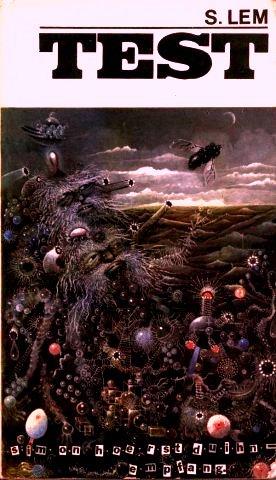
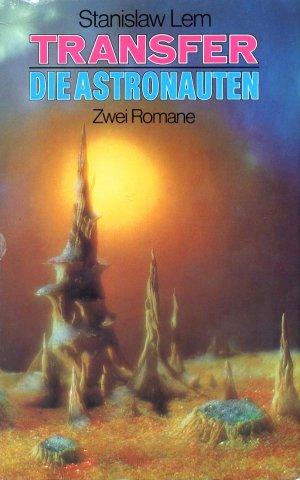
Stanislaw Lem, Pole, Jahrgang 1921, ist heute einer der beliebtesten Autoren im Ostblock. Nach einem Debüt mit Lyrik, Kurzgeschichten und einem preisgekrönten Roman führte ihn sein Interesse an der Kybernetik in ein neues literarisches Genre: das der Science-fiction. Für Lem ist die Utopie mehr als ein Spiel der Phantasie. Sie wird für ihn zu einem Spiegel der gegenwärtigen Gesellschaft, in dem die Chancen künftiger Entwicklungen mitreflektiert werden, und damit zum Medium der Kritik an den bestehenden Verhältnissen. Nicht immer finden die skurrilen Einfälle des überzeugten, dabei von Parteiideologie freien Marxisten den Beifall orthodoxer offizieller Stellen. Aber allein in der Sowjetunion beträgt die Gesamtauflage seiner Bücher weit über drei Millionen.
Die Geschichten sind im 21. bis 22. Jahrhundert in der westlichen Welt angesiedelt, in der die Menschheit das komplette Sonnensystem und umliegende Systeme zu besiedeln beginnt und bereits einige Kolonien auf Mond und Mars gegründet hat.
In den Geschichten geht es um den Piloten Pirx, der im Weltall oder auf extraterrestrischen Stationen beschäftigt ist. Er wird dabei eher als Antiheld dargestellt, an dem wenig Heroisches der „klassischen“ Weltraumhelden zu finden ist. Die immer wieder auftretenden Extremsituationen löst er durch gesunden Menschenverstand und etwas Glück. Der Gegenpart zu Pirx ist häufig ein Roboter oder eine andere Maschine (z. B. sein Raumschiff).
Die vorliegende Sammlung utopischer Geschichten zeigt die reiche Skala Lem’scher Phantasie. Geht es hier um die oft gespenstischen Abenteuer, die Weltraumnavigator Pirx mit detektivischem Verstand zu meistern hat, so entwikkeln dort überperfektionierte Küchenmaschinen eine beunruhigende Eigenaktivität. In Unterschmudorf schließlich scheitern ehrgeizige Pläne der Aldebaraner, und in Kybera entdeckt ein von der Kybernetik faszinierter König das Parkinsonsche Gesetz der Kriegsmaschinerie und läßt von da an das Kriegführen lieber sein.
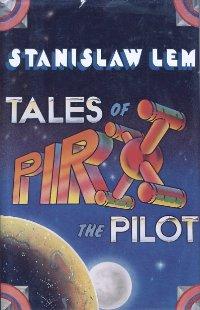
Pilot Pirx is an astronaut, a fresh-faced physical powerhouse, but no genius. His superiors send him on the most dangerous missions, either because he is expendable, or because they trust his bumbling ability to survive in almost any habitat or dilemma. Follow Pirx now through a world of hyper-technology and super-psychology from his early days as a hopelessly inept cadet soloing with a pair of sex-crazed horseflies… to a farside moon station built by bickering madmen… to a chase through space after a deadly sphere of light… to an encounter with a mossy old robot whose programming has slipped.
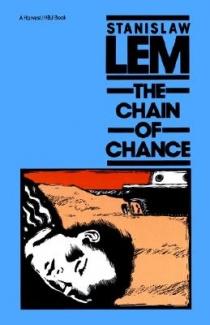
A former astronaut turned private detective is dispatched to Naples to discover the pattern in a mysterious series of deaths and disappearances occurring at a seaside spa.
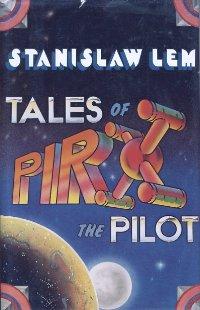
Pilot Pirx is an astronaut, a fresh-faced physical powerhouse, but no genius. His superiors send him on the most dangerous missions, either because he is expendable, or because they trust his bumbling ability to survive in almost any habitat or dilemma. Follow Pirx now through a world of hyper-technology and super-psychology from his early days as a hopelessly inept cadet soloing with a pair of sex-crazed horseflies… to a farside moon station built by bickering madmen… to a chase through space after a deadly sphere of light… to an encounter with a mossy old robot whose programming has slipped.
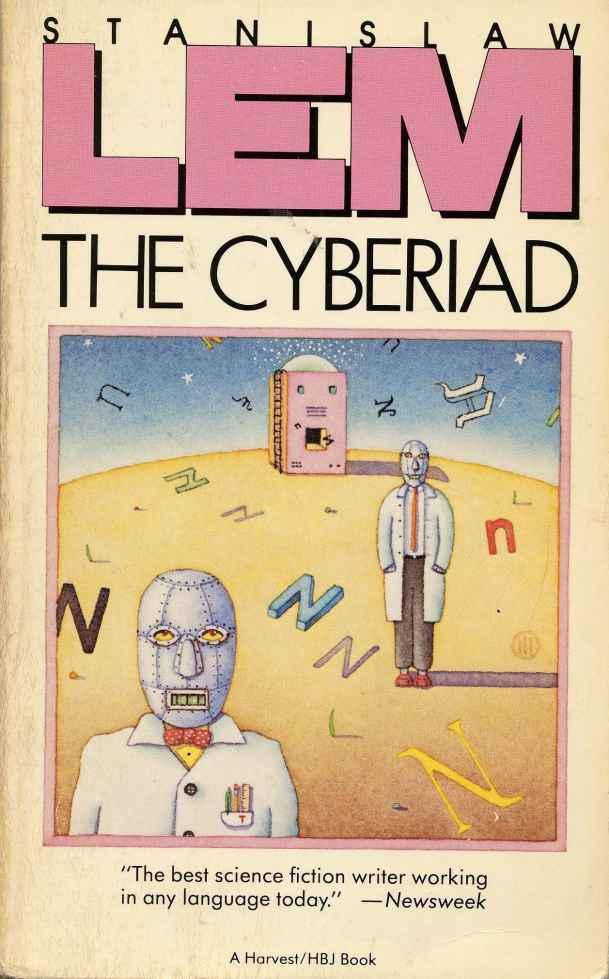
Trurl and Klaupacius are constructor robots who try to out-invent each other. Over the course of their adventures in The Cyberiad, they travel to the far corners of the cosmos to take on freelance problem-solving jobs, with dire consequences for their unsuspecting employers. Playfully written, and ranging from the prophetic to the surreal, these stories demonstrate Stanislaw Lem’s vast talent and remarkable ability to blend meaning and magic into a wholly entertaining and captivating work.


A young officer at Scotland Yard is assigned to investigate a puzzling and eerie case of missing — and apparently resurrected — bodies. To unravel the mystery Lieutenant Gregory consults scientific, philosophical, and theological experts, who supply him with a host of theories and clues. The plethora of rival technical and metaphysical solutions to the crime baffle the investigator but delight the intellect in Lem’s unique contribution to the mystery genre.
Born in Lvov, Poland (now part of the Soviet Union), Stanislaw Lem is an internationally acclaimed master of speculative science fantasy whose worldwide book sales number in the millions. His works have earned him a special, honorary Nebula Award. He lives in Vienna.
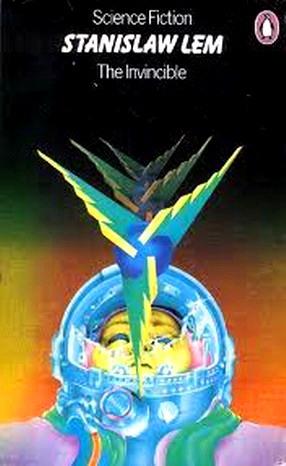
A powerful sublight interstellar space ship, a “class two cruiser” called Invincible, lands on the planet Regis III which seems uninhabited and bleak, to investigate the loss of sister ship, Condor. During the investigation, the crew finds evidence of a form of quasi-life, born through evolution of autonomous, self-replicating machines, apparently left behind by an alien civilization that visited the planet a very long time ago. The evolution was controlled by “robot wars”, and the only form that survived were swarms of minuscule, insect-like micromachines. Individually, or in small groups, they are quite harmless to humans and capable of only very simple behavior. However, when bothered, they can assemble into huge swarms displaying complex behavior arising from self-organization, and are able to defeat an intruder by a powerful surge of EMI. Some members of the spacecraft crew suffered a complete memory erasure as a consequence. Big clouds of “insects” are also able to travel at a high speed and even to climb to the top of troposphere. The angered crew attempts to fight the perceived enemy, but eventually recognizes the meaninglessness of their efforts in the most direct sense of the word. The robotic “fauna” has become part of the planets ecology, and would require a disruption on planetary scale (such as a nuclear winter) to be destroyed.
The novel turns into an analysis of the relationship between different life domains, and their place in the universe. In particular, it is an imaginary experiment to demonstrate that evolution may not necessarily lead to dominance by intellectually superior life forms. The plot also involves a Conrad-like dilemma, juxtaposing the values of humanity and the efficiency of mechanical insects. In the face of defeat and imminent withdrawal of The Invincible, Rohan, the spaceship's navigator, undertakes a trip into the 'enemy area' in search of 4 crew members who went missing in action — an attempt which he and captain Horpach see as probably futile, but necessary for moral reasons. Rohan struck into mountains covered by metallic “shrubs” and “insects” and found these crewmen dead. He gathers some evidence and returns to the ship unharmed because of successful operation of the anti-detection device they managed to create for that purpose.
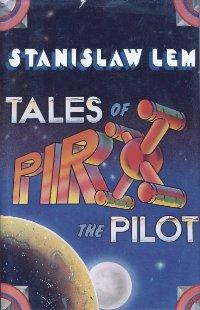
Pilot Pirx is an astronaut, a fresh-faced physical powerhouse, but no genius. His superiors send him on the most dangerous missions, either because he is expendable, or because they trust his bumbling ability to survive in almost any habitat or dilemma. Follow Pirx now through a world of hyper-technology and super-psychology from his early days as a hopelessly inept cadet soloing with a pair of sex-crazed horseflies… to a farside moon station built by bickering madmen… to a chase through space after a deadly sphere of light… to an encounter with a mossy old robot whose programming has slipped.