 fb2
fb2
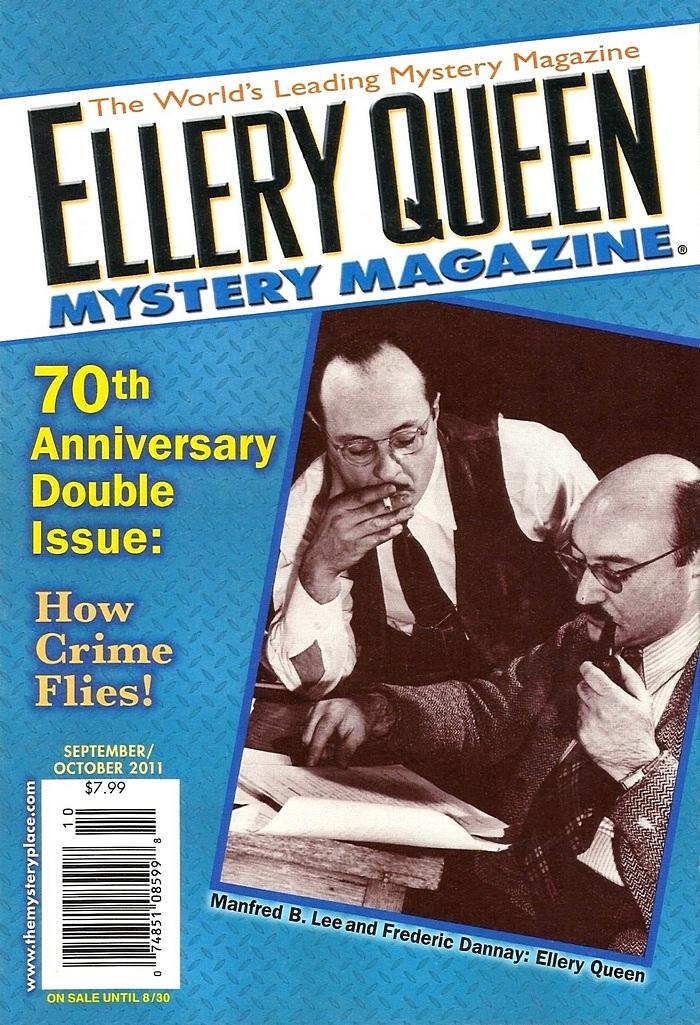
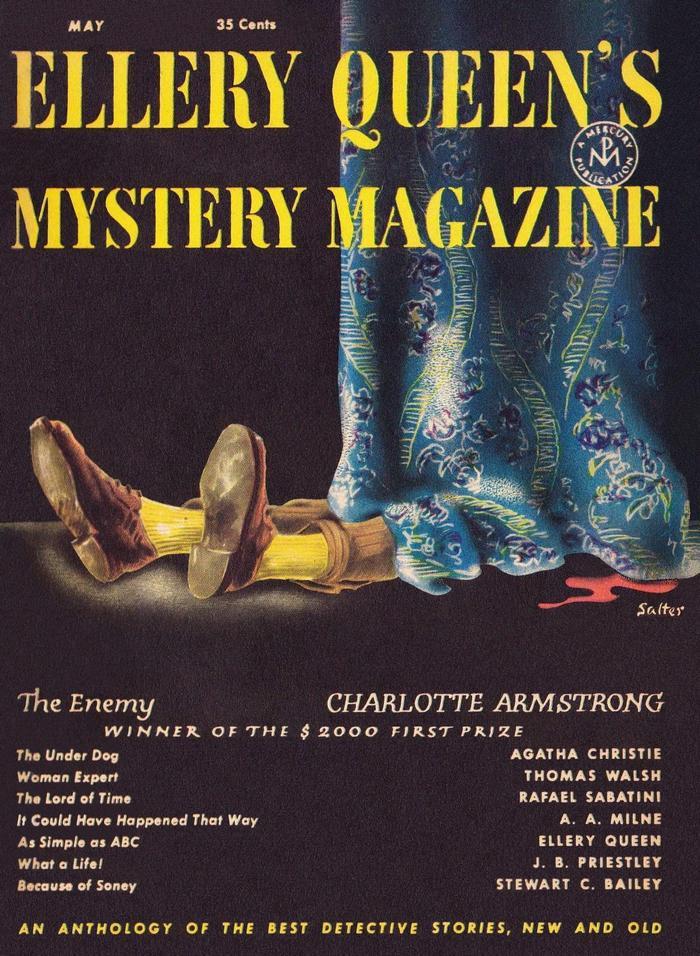
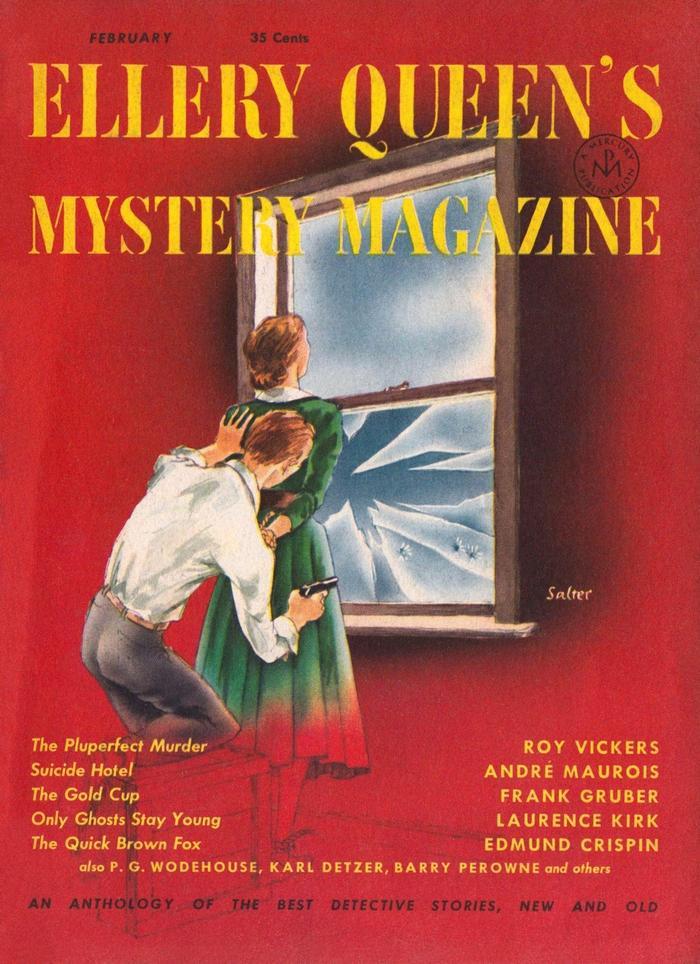
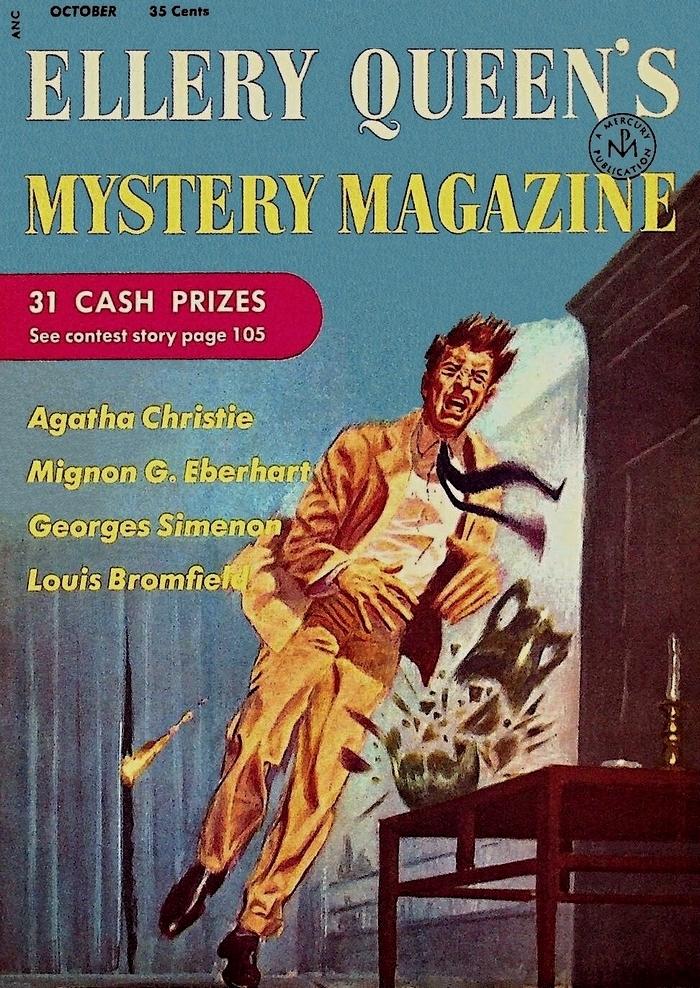
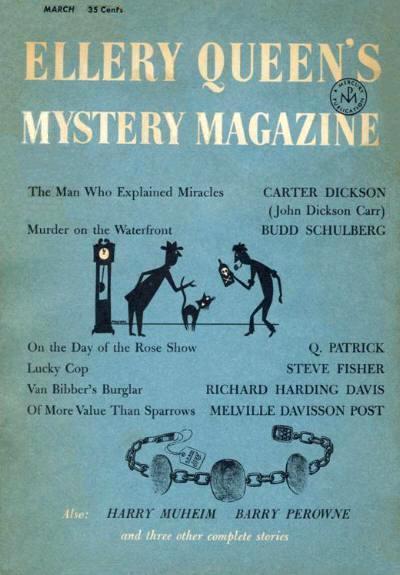
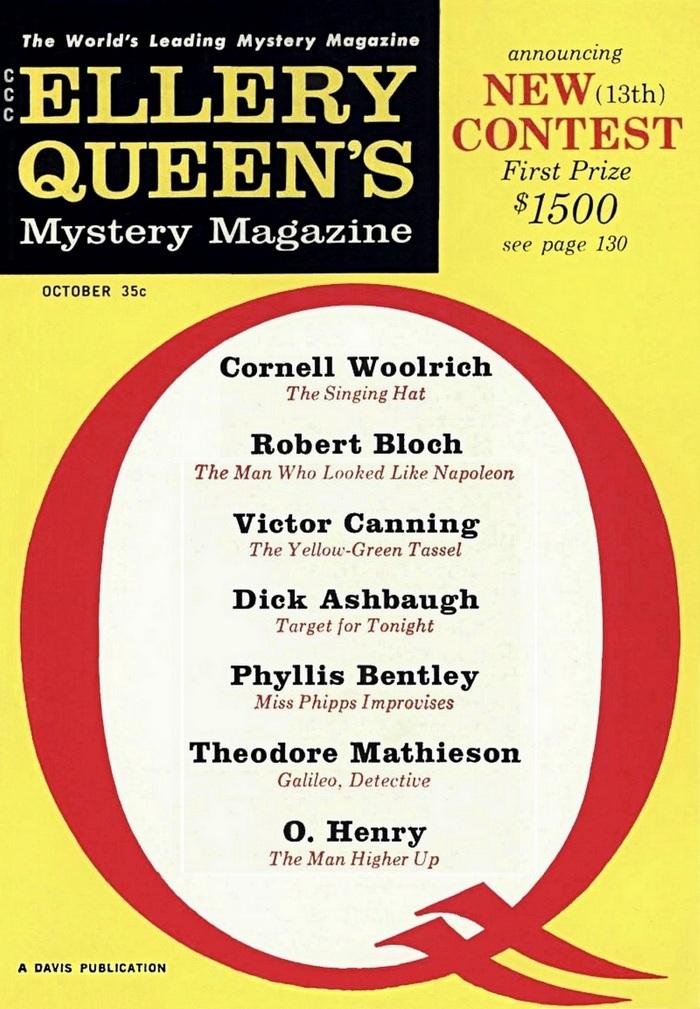
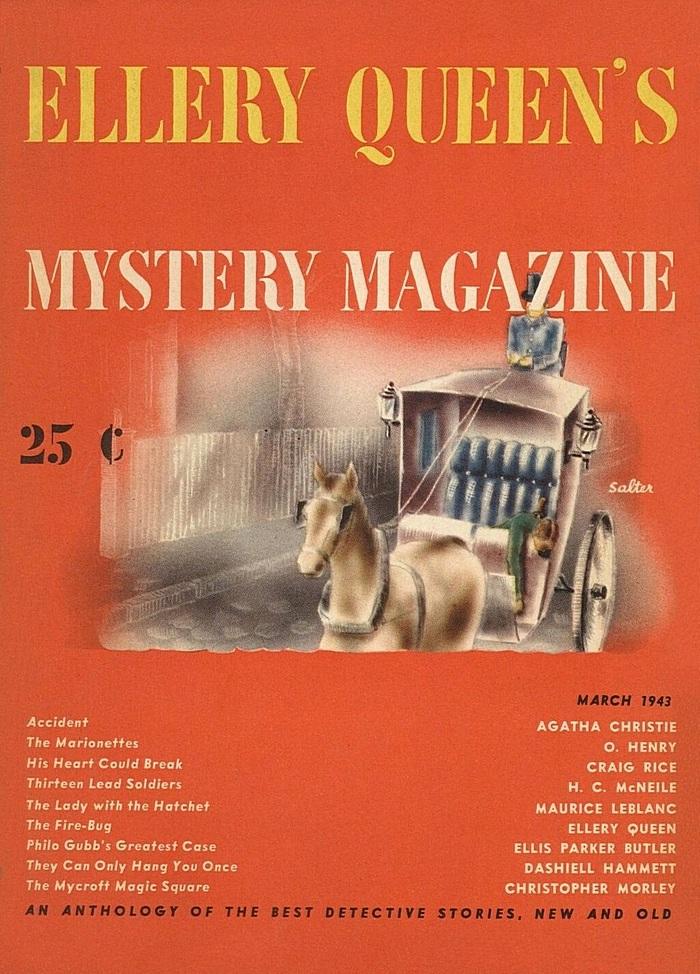
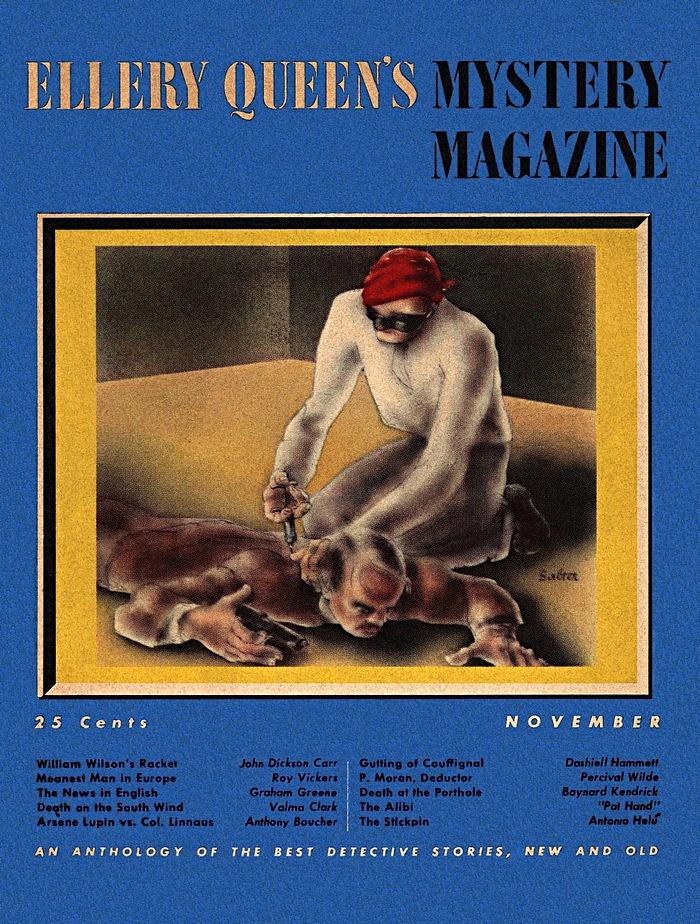
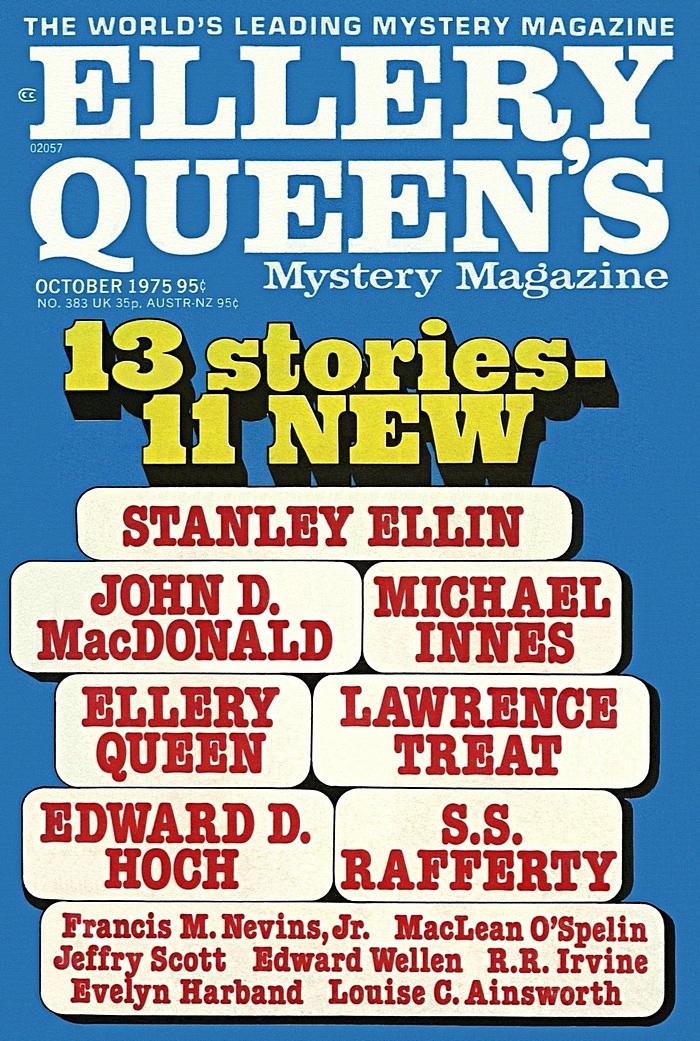
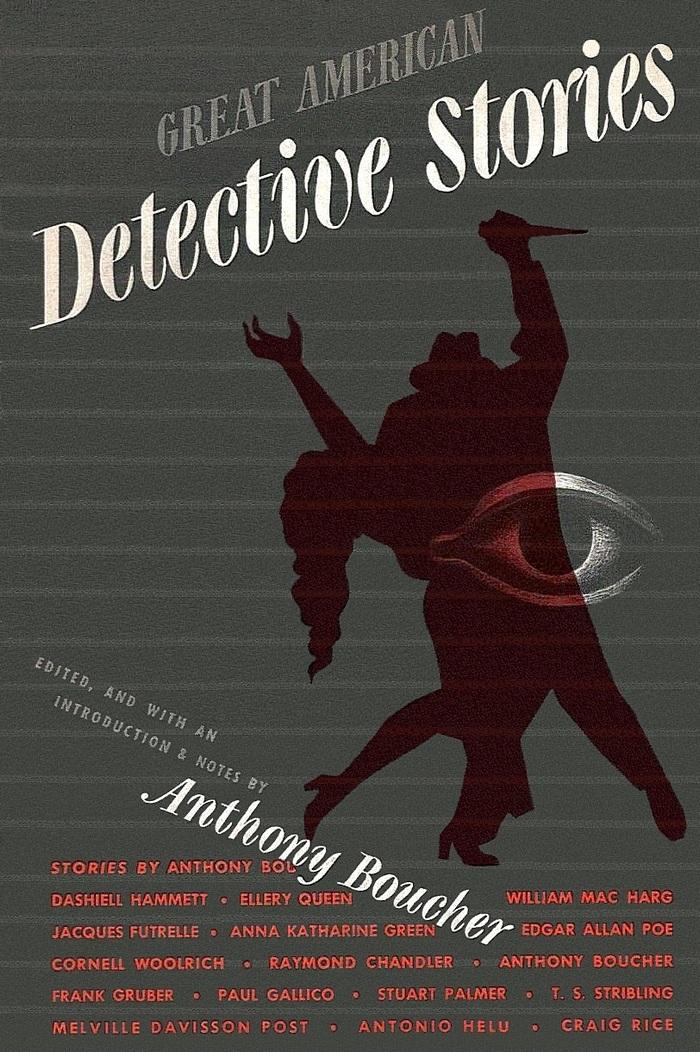
In his spirited Introduction to a topnotch collection of Great American Detective Stories, Anthony Boucher says: “The detective short story belongs to us. It started in America and it started off magnificently. In five stories, Edgar Allan Poe created the form and almost all its possible variants... There are as many kinds of detective short stories as there are of detective novels — and you’ll find most of them here, from the ethical poetry of Melville Davisson Post to the brash foolery of Frank Gruber.”
A glance at some of the titles of the stories included confirms Boucher’s modest words and guarantees that you’ll find plenty of good reading here.
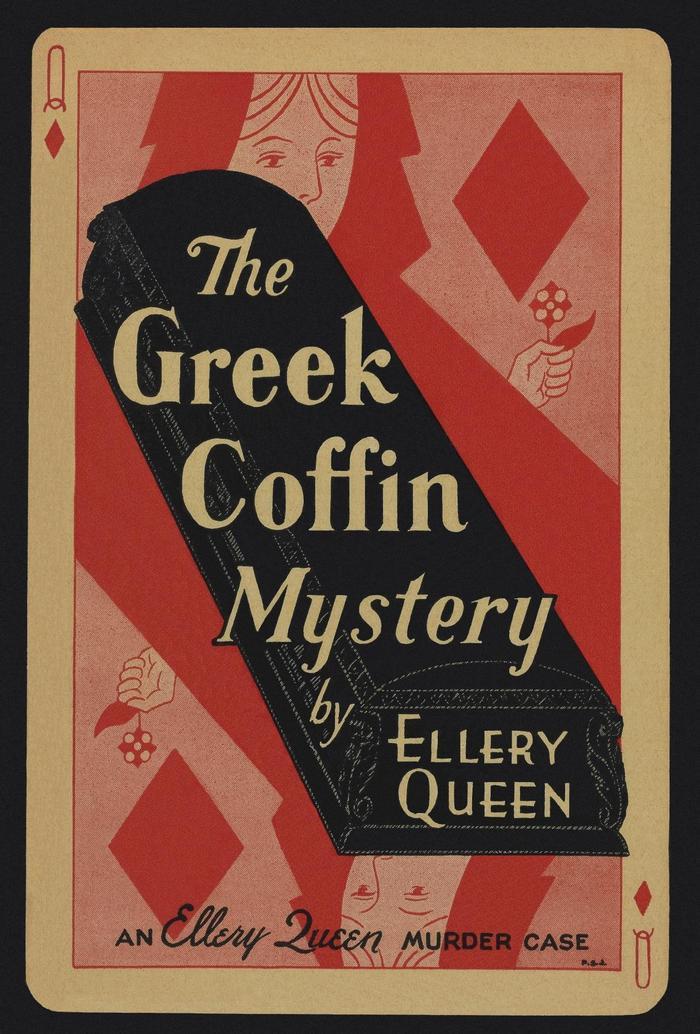
From the very beginning, the Khalkis case struck a somber note. It began, as was peculiarly harmonious in the light of what was to come, with the death of an old man. Georg Khalkis, internationally famous art dealer and collector, died of heart failure. After his funeral, his attorney found that the will was missing and immediately called in the district attorney.
When Inspector Queen and his son, Ellery, are brought in to solve the mystery of the missing will, Ellery mentions the one place they have not searched for the will... the coffin! Upon exhumation of the Khalkis coffin they find that it contained not one body — but two!
Ellery Queen, il famoso giallista-detective, decide di trasferirsi nella pacifica cittadina di Wrightsville in cerca di tranquillità e colore locale per il suo prossimo romanzo; il posto sembra ideale, quieto fino alla noia, e gli abitanti sono una splendida fonte di ispirazione, con i loro tic e i piccoli vizi da provincia americana. Ellery passa il tempo leggendo e passeggiando, ma ama anche ascoltare le chiacchiere dei cittadini del piccolo centro. I pettegolezzi più gustosi ruotano intorno al matrimonio, improvviso quanto imprevedibile, tra la ricca Nora Wright e Jim, il giovane che anni prima l’aveva abbandonata a due passi dall’altare. Quando Nora inizia a soffrire di un male misterioso, l’intera città si trasforma in un covo di vipere e tutti sono pronti ad accusare l’uomo di avere avvelenato la moglie. Ma è possibile che Jim abbia sposato il suo antico amore solo per ucciderla? Naturalmente Ellery non riuscirà a scrivere una sola riga, impegnato come sarà a scoprire l’insospettabile verità nascosta dietro il primo delitto che la sonnacchiosa Wrightsville abbia conosciuto da molto tempo.
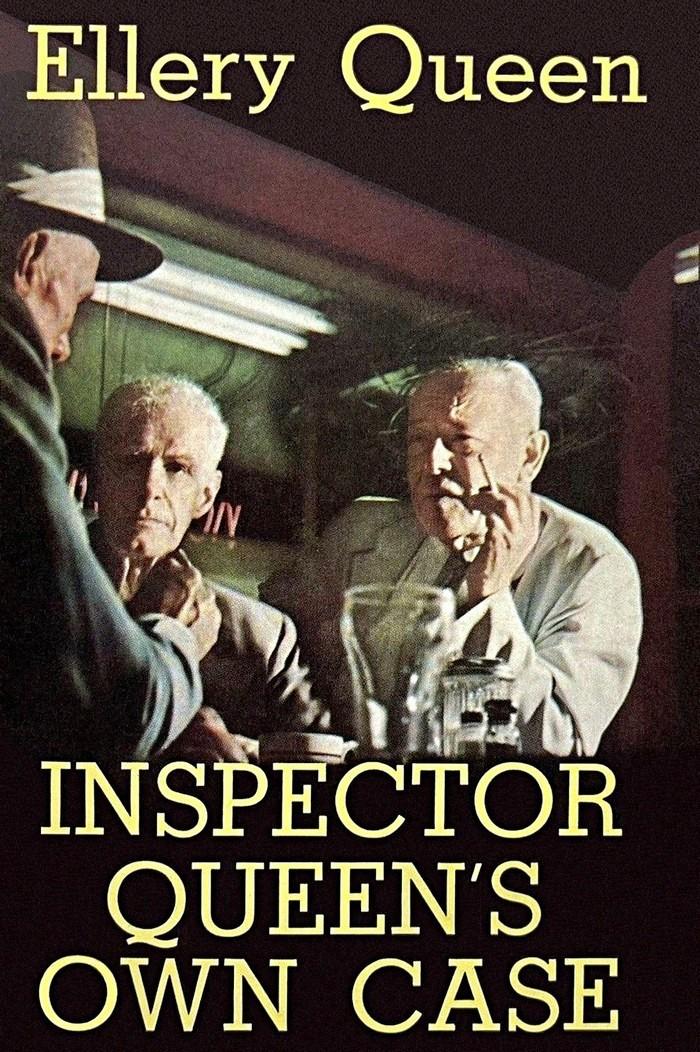
A quarter of a century’s requests from many thousands of Ellery Queen fans all over the world have finally borne fruit. At long last, here is a full-fledged murder mystery investigated and solved by Inspector Richard Queen without so much as a single deduction’s help from his celebrated son.
But Inspector Queen’s Own Case is far more than a baffling murder mystery. It is also a tender, understanding story of middle-aged people everywhere who find themselves put out to pasture on a pension to face an empty old age.
Ellery’s father was spending the summer with friends at their beach house on the Connecticut shore. It should have been a golden summer, but all the Inspector could think about was his enforced uselessness. The old pro had been retired — the Administrative Code made no exceptions when a New York police officer reached the age of 63. How was he to occupy the endless days? He was still vigorous, still useful. A man needed more than security. He needed something to do.
Richard Queen found one man’s answer on Nair Island, and he was soon plunged into the most challenging and dangerous case of his long career. And he found something else, too — that life can even be sweet at 63. Her name was Jessie Sherwood, a registered nurse in her late 40s, lonely, still pretty, and all woman. Jessie had been hired by the blueblood Humffreys to take charge of their newborn infant. When queer, frightening things began to happen in that multimillionaire home...
A helpless baby, a unique romance, and a tensely plotted tale of multiple murder mounting to a shocking climax make Inspector Queen’s Own Case one of the most superb novels to come from Ellery Queen’s typewriter.
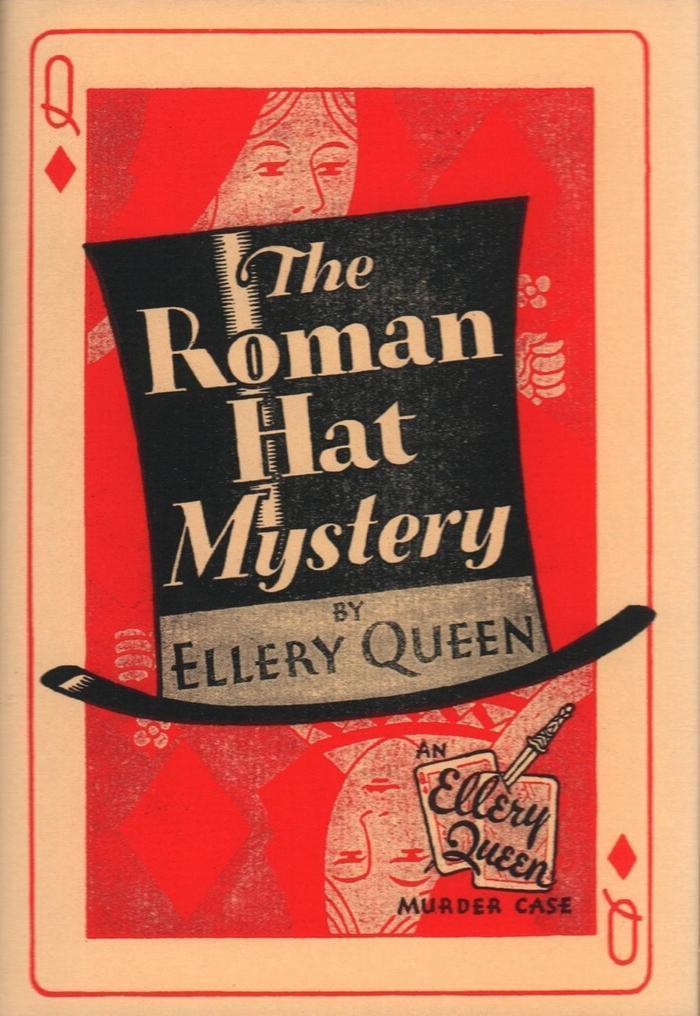
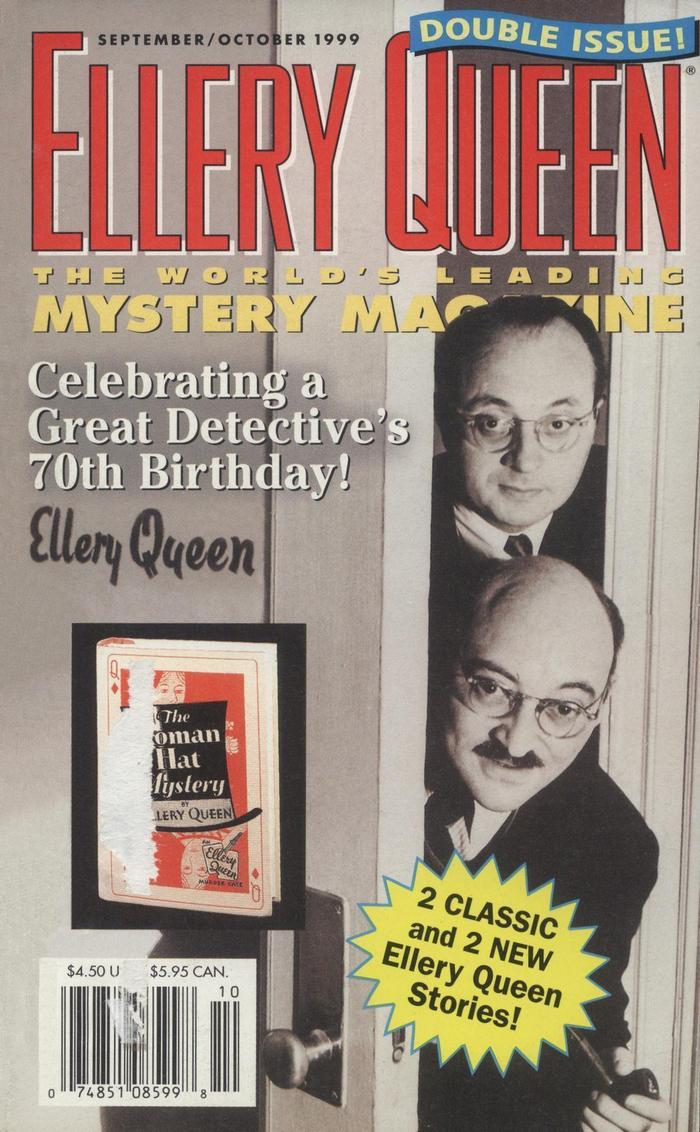
The Roman Hat Mystery has been chosen from more than 100 selected manuscripts to represent the Stokes contribution to the mysterio-detective literature of 1929. Because we believe it to be in a class by itself we are publishing no other detective novel this season.
Following no hackneyed formula, conveying to the public an entirely new experience in this popular type of fiction, The Roman Hat Mystery offers a foolproof plot of fascinating complexity, a theatrically romantic setting and a most ingenious deductive pattern that is plausible, gripping throughout and wholly original in weave.
The essential clue is a missing silk tophat. On the surface it appears to be of minor significance, yet about this elusive thread the entire amazing tale revolves. The reader is given every fact necessary to the solution; and yet we challenge your most ardent amateur criminologists to deduce the startling dénouement.
Not only in plot but in protagonist does this novel offer something “different.” You will like the old snuff-taking Inspector, Richard Queen, a shrewd and human manhunter; you will more than like his son Ellery, whose keen intellect dominates every situation. A brilliant analyst, a convincing maker of miracles, Ellery Queen bids fair to join that immortal group to which Sherlock Holmes, Lupin and few others belong.
Dane McKell, millionaire socialite, was planning an exhilarating summer when he discovered to his horror that his father was having an affair with another woman. The McKells were not only very, very rich, they were also very, very respectable, and Dane’s mother was a gentle and lovely lady.
Dane forced a meeting with the woman in the case with the full intent of breaking up his father’s relationship. Then, helplessly, he himself fell in love with her. After that — murder.
This is the basic situation, a brilliantly plotted detective story that only the old master, Queen, could devise, and that only Ellery, working with his father, Inspector Queen, could solve.
As always with classic Queens, the reader will have it solved three times before he discovers that he has been outwitted as usual.
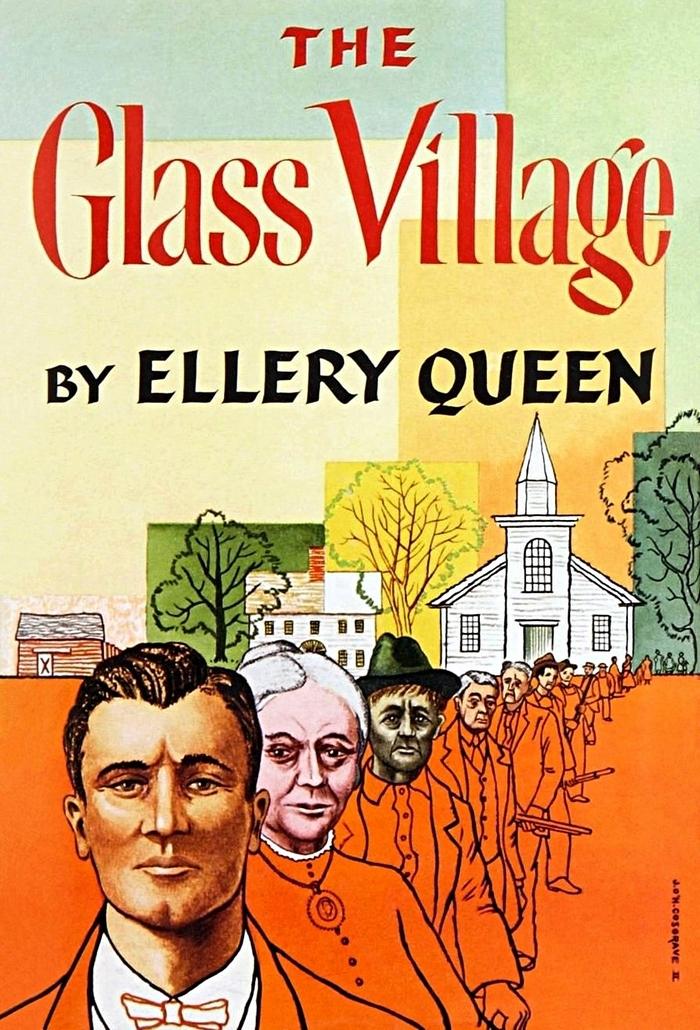
On the twenty-fifth anniversary of the publication of his first book, Ellery Queen takes a long step forward. He has written a novel expressed only incidentally in terms of mystery, a novel whose theme is uppermost in the minds of all thoughtful Americans today.
For thirty years old Judge Shinn has delivered the Fourth of July oration on the little village green. He has said again and again: “There is no liberty without justice,” and “Let one man be deprived of his liberty, or his property, or his life without due process of law, and the liberty and property and lives of all of us are in danger.” When mere accusation takes the place of evidence, freedom is in peril.
To Shinn Corners, the “outside” has always been suspect. Only a few years back, a “furriner” killed a Shinn Corners man and “got away with it,” thanks to a jury over in Cudbury who, with fancy talk about Justice and A Fair Trial, let him off on a plea of self-defense. Shinn Corners has never gotten over that; resentment lies in the streets like dynamite, ready to explode at a touch. And now murder strikes, claiming as its victim the best-loved citizen of the village.
For Johnny Shinn, late of Army Intelligence, veteran of two wars, the grim events that follow are profoundly disturbing. Johnny, “all scattered to hell and gone,” has been through too much to worry about “ideals of justice.” Like so many young Americans today, Johnny is hung up between the recent past and the dark future. He can only say in response to Judge Shinn’s attempts to revitalize him, “Oh, I believe, I believe it all — but what can I do about it?”
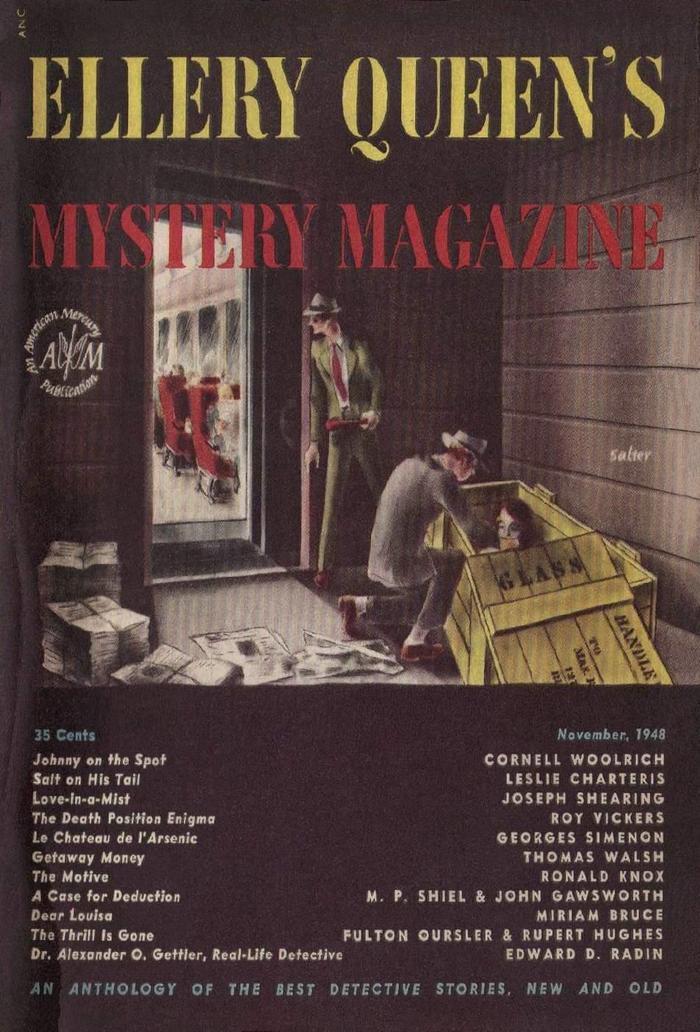
What happens after the murder is the story of what Johnny, in spite of himself, does about it. The tense lynch trial that is the focus of the action is really the trial of Johnny Shinn as an American. Against an atmosphere of frightening contemporary reality, THE GLASS VILLAGE raises pointed problems that all the Johnny Shinns of the free democracies, and their uncles and their aunts, must wrestle with and solve if our way of life is to survive.