 fb2
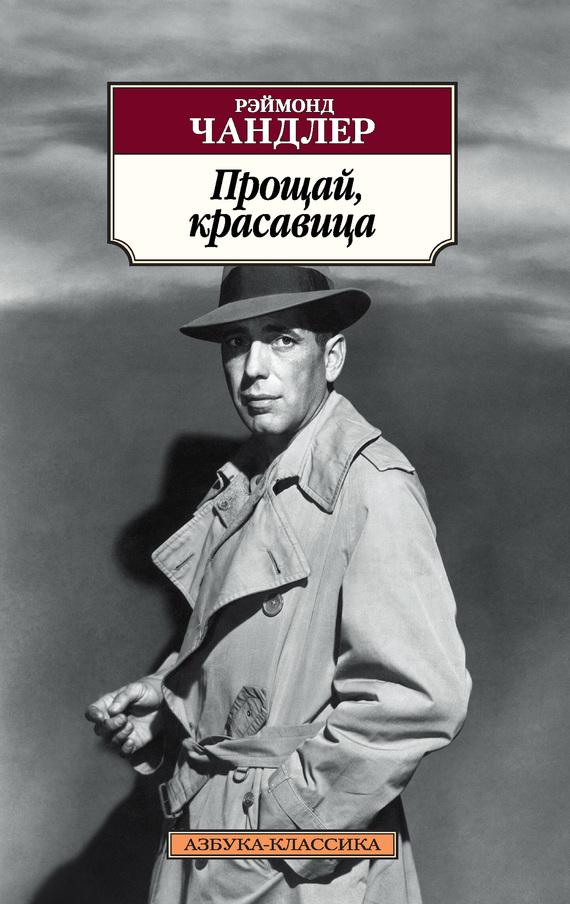
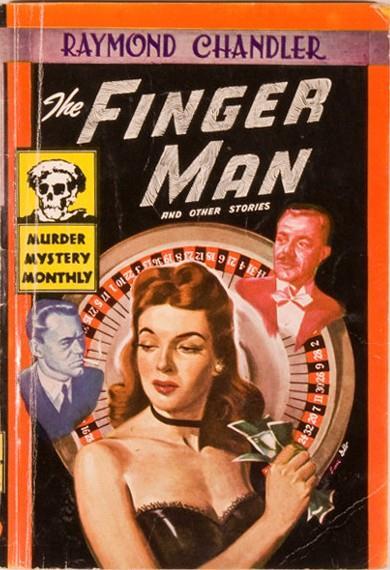
fb2Знаменитый роман Рэймонда Чандлера, чьи книги о частном сыщике Филипе Марлоу не только заложили основы жанра «крутого» детектива, но и стали современной классикой в самом широком смысле. На сюжеты Чандлера сняты несколько эталонных фильмов-нуар, и для многих образ Марлоу прочно ассоциируется с личностью Хамфри Богарта, несколько раз снимавшегося в этой роли. Но Богарт не был первым: еще до его «Долгого сна» были сделаны две экранизации романа «Прощай, любимая» – с Джорджем Сандерсом в 1942 году и с Диком Пауэллом в 1944-м; третья экранизация появилась уже в 1975 году, и в этом фильме Филипа Марлоу сыграл Роберт Митчем. Марлоу представляет собой новый тип детективного героя: он романтик, сентиментальный рыцарь, всегда сохраняющий свою индивидуальность и соблюдающий кодекс чести. Он не ищет приключений – они сами его находят. Как в тот мартовский день, когда он всего лишь напомнил одному верзиле, что за выпивку надо платить. Их пути еще пересекутся – ведь оба ищут одну и ту же красотку…
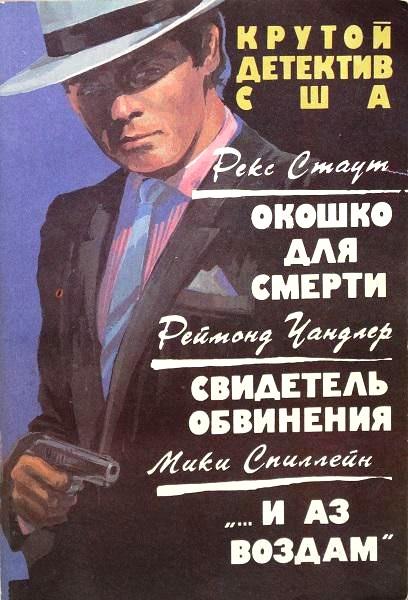
Частный детектив Филип Марло нанят в качестве телохранителя игроком в рулетку. Наниматель уверен, что под защитой Марло ему повезет не только выиграть крупную сумму, но и уйти с ней невредимым. Уверенность не оправдалась…

Читателя очередного сборника «Bestseller» ждет новая встреча с загадочным, волнующим миром — миром тайны. Но не всегда этот мир бывает привлекательным и не всякая тайна — приятна, а стремление скрыть ее — любой ценой, не считаясь даже с самыми близкими людьми,— чаще всего ведет к... преступлению. Нечто подобное происходит с главными героями трех остросюжетных романов известных мастеров детективного жанра: Э. Квина «Тайна сиамских близнецов», X. Пентикоста «Смерть в театре» и Р. Чандлера «В горах преступлений не бывает».

Популярного мастера «крутого» детектива, обладающего к тому же незаурядными литературными способностями, Раймонда Чандлера представлять не нужно. Но известный австрийский писатель, драматург Фридрих Дюрренматт мало знаком нашему читателю, а ведь представленное в сборнике произведение имеет подзаголовок «Отходная детективному жанру». Имя Брета Хэллидея пока новое в книжном мире, но обещает много интересного. Открытием будет и Шарль Эксбрейя, имеющий свой голос в мире детективов.
Книга рассчитана на массового читателя.
Чандлер родился в Чикаго в 1888, но переехал в Англию в 1895 со своей матерью-ирландкой после того, как она рассталась с мужем, инженером-алкоголиком из американской железнодорожной компании. Их семью стал поддерживать дядя Чандлера, успешный юрист. В 1900 Чандлер получает классическое образование в Далидж-Колледже в Лондоне. В 1907 он принимает английское гражданство для того, чтобы поступить на государственную службу. Вскоре после этого он поступает на работу в Британское Адмиралтейство. Однако ему не нравится профессия госслужащего, Чандлер увольняется и работает журналистом в газетах «Daily Express» и «Western Gazette». Он не добивается особого успеха ни как журналист, ни как поэт (Чандлер в то время пробовал себя в романтической поэзии). Для того чтобы как-то зарабатывать на жизнь, Чандлер вновь берётся за перо — но пишет уже не поэзию, а детективные рассказы для дешёвых журналов. Первый рассказ, «Шантажисты не стреляют», опубликован в журнале «Чёрная маска» в 1933; первый роман, «Большой сон», увидел свет в 1939. После этого выходят романы «Прощай, любимая» (1940), «Высокое окно» (1942), «Девушка в озере» (1943). На волне успеха Чандлера приглашают сценаристом в Голливуд, где он в соавторстве с Билли Уайлдером создаёт сценарий для фильма «Двойная страховка» (1944). Позже он, уже самостоятельно, пишет сценарий для фильма «Синий георгин» (1946). Чандлер также принимал участие в создании сценария к фильму «Незнакомцы в поезде» (1951) Альфреда Хичкока. В 1954 умирает Сисси Чандлер-жена автора. Во время болезни, предшествующей её смерти, Чандлер пишет роман «Долгое прощание» (1954). Последовавшее за смертью жены одиночество приводит его к клинической депрессии, он снова начинает сильно пить, что сказывается на качестве его произведений. В 1955 он предпринимает попытку самоубийства. В 1956 он вновь берёт гражданство США, после чего едет путешествовать в Европу. Вернувшись домой, в 1959 он заболевает пневмонией и умирает в госпитале. Похоронен на кладбище Сан-Диего.
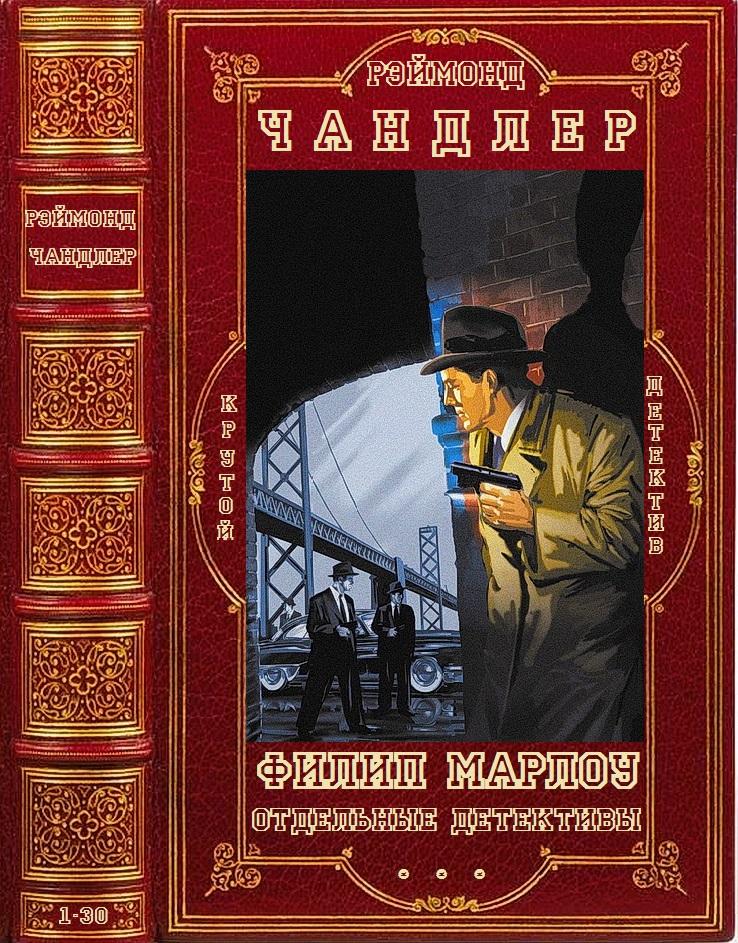
Содержание:
Филип Марлоу:
1. Реймонд Чандлер: Вечный сон (Перевод: А. Ливергант)
2. Рэймонд Чандлер: Прощай, моя красотка
3. Реймонд Чандлер: Высокое окно (Перевод: Александр Ливергант)
4. Реймонд Чандлер: Блондинка в озере (Перевод: Михаил Зинде)
5. Рэймонд Торнторн Чандлер: Младшая сестра
6. Рэймонд Чандлер: Долгое прощание
7. Рэймонд Чандлер: На том стою
8. Рэймонд Чандлер: Свидетель
9. Рэймонд Чандлер: Золотые рыбки
10. Рэймонд Чандлер: Горячий ветер
11. Рэймонд Чандлер: Опасность – моя профессия
12. Рэймонд Чандлер: Карандаш (Перевод: А. Липатов)
13. Раймонд Чэндлеp: Детектив Филип Марлоу-роман.
Отдельные детективы:
1. Раймонд Чэндлер: Неприятности – мое ремесло-Рассказы(перевод коллективный)
2. Рэймонд Чандлер: Блюзы Бэй-Сити
3. Рэймонд Чандлер: В горах не бывает преступлений
4. Рэймонд Чандлер: Испанская кровь (Перевод: В. Постников)
5. Рэймонд Чандлер: Китайский жадеит
6. Реймонд Чандлеp: Мишень в шляпе
7. Рэймонд Чандлер: Выстрел у 'Сирано'
8. Раймонд Чандлер: Засада на Ноон-стрит
9. Раймонд Чандлер: Исчезновение (= Мишень в шляпе, = Цена молчания)
10. Рэймонд Чандлер: Король в желтом
11. Раймонд Чэндлеp: Невадский газ
12. Рэймонд Чандлер: Суета с жемчугом
13. Рэймонд Чандлер: Убийство во время дождя
14. Раймонд Чэндлеp: Френсин Лэй
15. Рэймонд Чандлер: Человек, который любил собак
16. Рэймонд Чандлер: Чистая работа
17. Рэймонд Чандлер: Я буду ждать

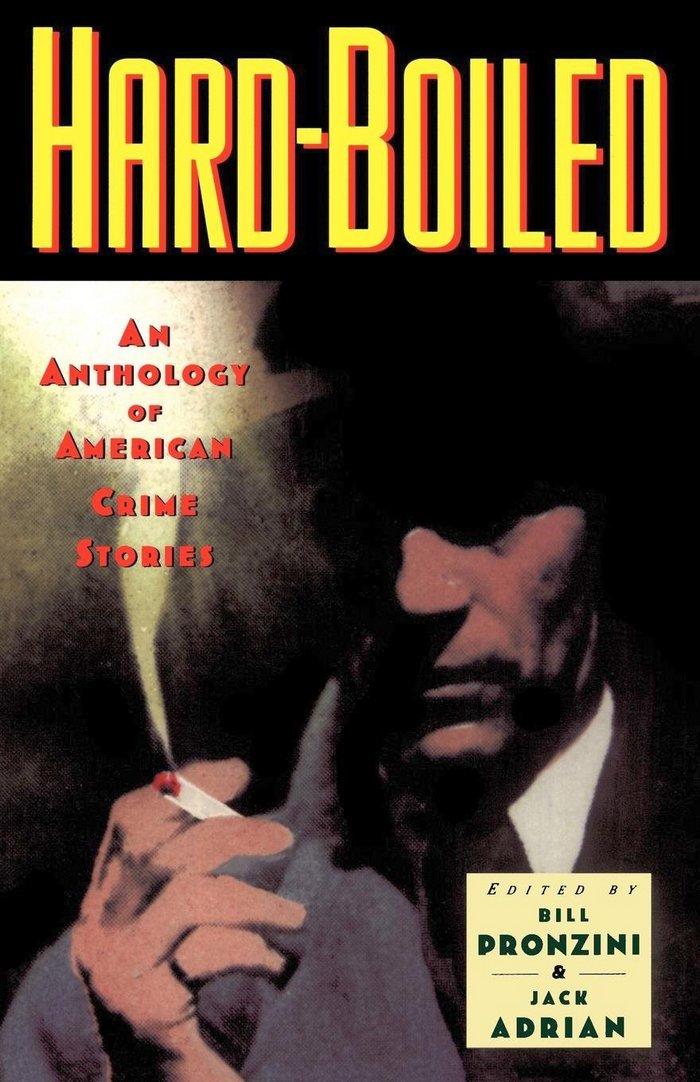
What are the ingredients of a hard-boiled detective story? “Savagery, style, sophistication, sleuthing, and sex,” said Ellery Queen. Often a desperate blond, a jealous husband, and, of course, a tough-but-tender P.I. the likes of Sam Spade or Philip Marlowe. Perhaps Raymond Chandler summed it up best in his description of Dashiell Hammett’s style: “Hammett gave murder back to the kind of people that commit it... He put these people down on paper as they were, and he made them talk and think in the language they customarily used for these purposes.”
Hard-Boiled: An Anthology of American Crime Stories is the largest and most comprehensive collection of its kind, with over half of the stories never published before in book form. Included are thirty-six sublimely suspenseful stories that chronicle the evolution of this quintessentially American art form, from its earliest beginnings during the golden age of the legendary pulp magazine Black Mask in the 1920s, to the arrival of the tough digest Manhunt in the 1950s, and finally leading up to present-day hard-boiled stories by such writers as James Ellroy. Here are eight decades worth of the best writing about betrayal, murder, and mayhem: from Hammett’s 1925 tour de force “The Scorched Face,” in which the disappearance of two sisters leads Hammett’s never-named detective, the Continental Op, straight into a web of sexual blackmail amidst the West Coast elite, to Ed Gorman’s 1992 “The Long Silence After,” a gripping and powerful rendezvous involving a middle class insurance executive, a Chicago streetwalker, and a loaded .38. Other delectable contributions include “Brush Fire” by James M. Cain, author of The Postman Always Rings Twice, Raymond Chandler’s “I’ll Be Waiting,” where, for once, the femme fatale is not blond but a redhead, a Ross Macdonald mystery starring Macdonald’s most famous creator, the cryptic Lew Archer, and “The Screen Test of Mike Hammer” by the one and only Mickey Spillane. The hard-boiled cult has more in common with the legendary lawmen of the Wild West than with the gentleman and lady sleuths of traditional drawing room mysteries, and this direct line of descent is on brilliant display in two of the most subtle and tautly written stories in the collection, Elmore Leonard’s “3:10 to Yuma” and John D. MacDonald’s “Nor Iron Bars.” Other contributors include Evan Hunter (better known as Ed McBain), Jim Thompson, Helen Nielsen, Margaret Maron, Andrew Vachss, Faye Kellerman, and Lawrence Block.
Compellingly and compulsively readable, Hard-Boiled: An Anthology of American Crime Stories is a page-turner no mystery lover will want to be without. Containing many notable rarities, it celebrates a genre that has profoundly shaped not only American literature and film, but how we see our heroes and ourselves.
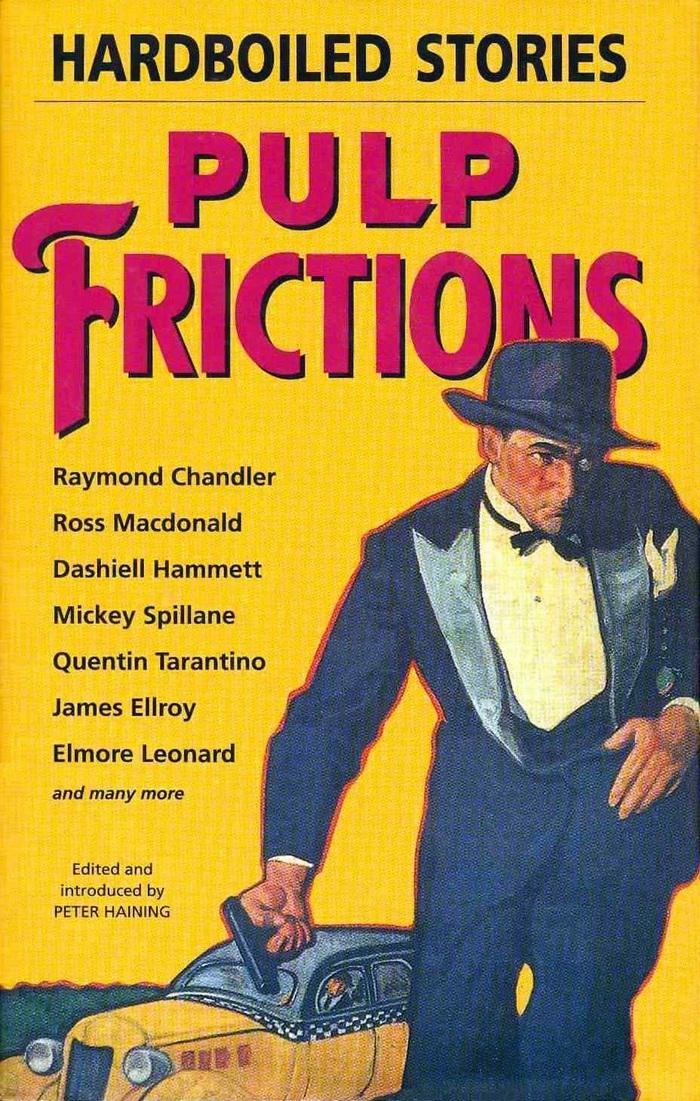
Enter a world of seedy nightclubs, dangerous, dimly-lit street and cool, wisecracking dicks pitting themselves against armies of ruthless gangsters. This is pulp fiction, a genre spawned amid the disillusionment of post-World War I America — and now reaching new heights of popularity.
Writers like Raymond Chandler and Dashiell Hammett turned that unique blend of rapid-fire action, violence and cynical humour into an art form that is being recreated by a fresh wave of young writers whose stories have all the drama and atmosphere of their predecessors’.
This page-turning collection, brought together by a true aficionado of the hardboiled story, includes, of course, Chandler and Hammett, but also Mickey Spillane, Ross MacDonald, Ed McBain and James Hadley Chase from the vintage years and from the current generation James Ellroy, Elmore Leonard and Quentin Tarantino, to name just a few of the twenty great writers featured here. Even Stephen King, doyen of the world of horror, has turned his hand to pulp fiction and is represented in this book.
The world of the hard-drinking, fast-action, apparently indestructible private eye, personified by Chandler’s creation, Philip Marlowe, was never more vibrant. It’s all here, and more, in a book that no fan of the genre can afford to miss.
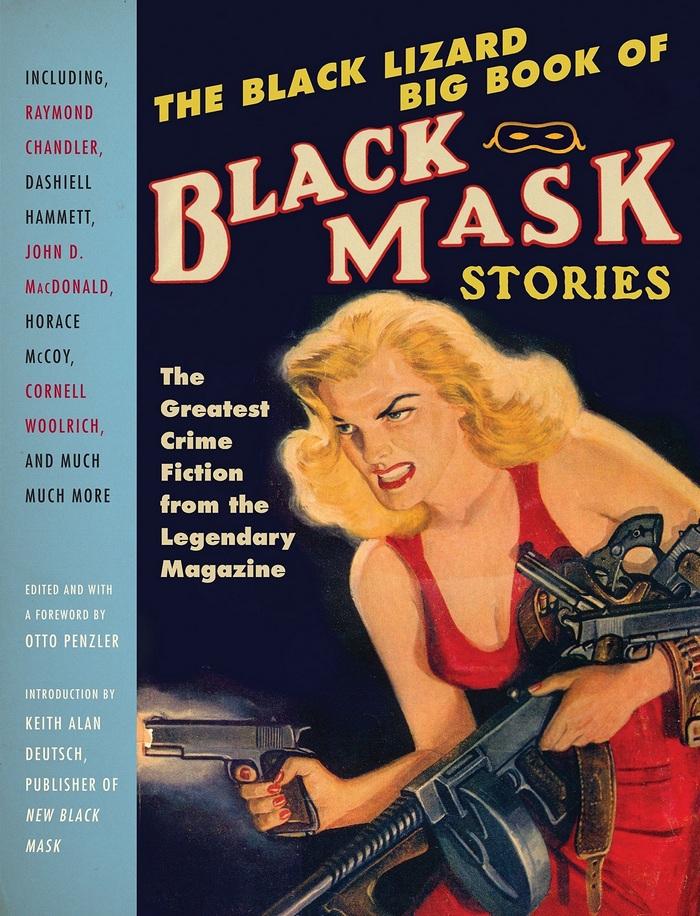
An unstoppable anthology of crime stories culled from Black Mask magazine the legendary publication that turned a pulp phenomenon into literary mainstream.
Black Mask was the apotheosis of noir. It was the magazine where the first hardboiled detective story, which was written by Carroll John Daly appeared. It was the slum in which such American literary titans like Dashiell Hammett and Raymond Chandler got their start, and it was the home of stories with titles like “Murder Is Bad Luck,” “Ten Carets of Lead,” and “Drop Dead Twice.” Collected here is best of the best, the hardest of the hardboiled, and the darkest of the dark of America’s finest crime fiction. This masterpiece collection represents a high watermark of America’s underbelly. Crime writing gets no better than this.
Featuring
• Deadly Diamonds
• Dancing Rats
• A Prize Fighter Fighting for His Life
• A Parrot that Wouldn’t Talk
Including
• Dashiell Hammett’s The Maltese Falcon as it was originally published
• Lester Dent’s Luck in print for the first time
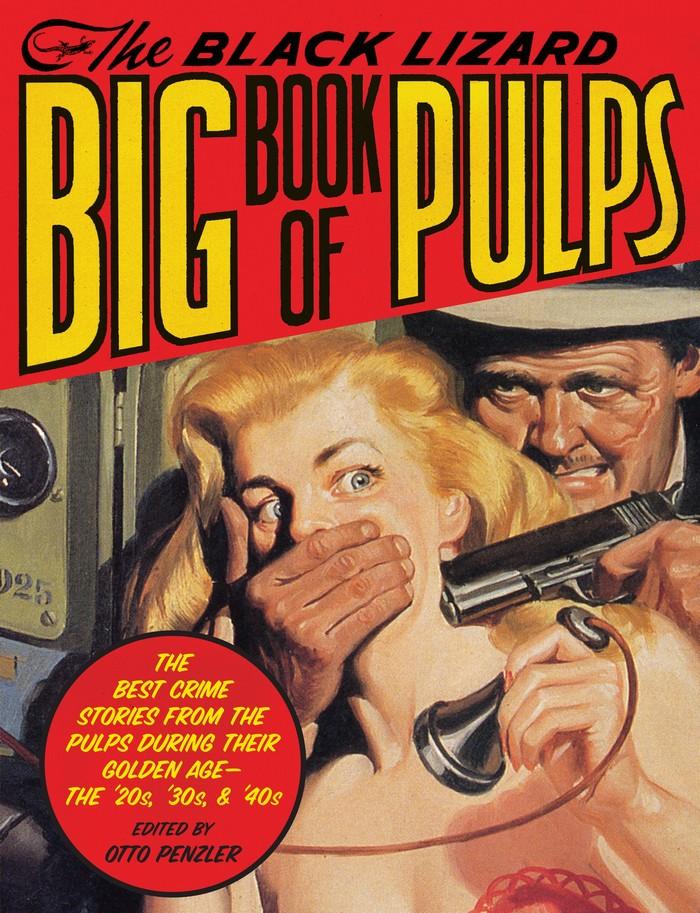
The BIGGEST, the BOLDEST, the MOST COMPREHENSIVE collection of PULP WRITING ever assembled!
Weighing in at over a thousand pages, containing over forty-seven stories and two novels, this book is big baby, bigger and more powerful than a freight train — a bullet couldn’t pass through it. Here are the best stories and every major writer who ever appeared in celebrated Pulps like Black Mask, Dime Detective, Detective Fiction Weekly, and more. These are the classic tales that created the genre and gave birth to hard-hitting detectives who smoke criminals like packs of cigarettes; sultry dames whose looks are as lethal as a dagger to the chest; and gin-soaked hideouts where conversations are just preludes to murder. This is crime fiction at its gritty best.
Including:
• Three stories by Raymond Chandler, Cornell Woolrich, Erle Stanley Gardner, and Dashiell Hammett.
• Complete novels from Carroll John Daly, the man who invented the hard-boiled detective, and Fredrick Nebel, one of the masters of the form.
• A never before published Dashiell Hammett story.
• Every other major pulp writer of the time, including Paul Cain, Steve Fisher, James M. Cain, Horace McCoy, and many, many more of whom you’ve probably never heard.
• Three deadly sections — The Crimefighters, The Villains, and The Dames — with three unstoppable introductions by Harlan Coben, Harlan Ellison, and Laura Lippman.
Featuring:
• Plenty of reasons for murder, all of them good.
• A kid so smart — he’ll die of it.
• A soft-hearted loan shark’s legman learning — the hard way — never to buy a strange blonde a hamburger.
• The uncanny “Moon Man” and his mad-money victims.