 fb2
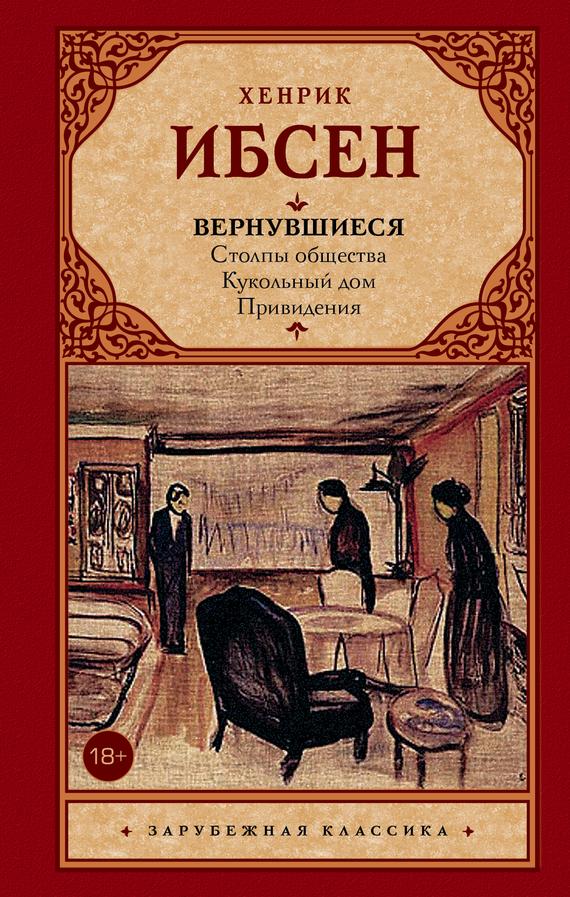
fb2В сборник «Вернувшиеся» вошли три пьесы Хенрика (Генрика) Ибсена: «Столпы общества» (1877 г.), «Кукольный дом» (1879 г.) и «Привидения» (1881 г.) в новом, великолепном переводе Ольги Дробот.

В этом странном доме мало солнца. Жизнь здесь тянется медленно, а его обитателям остается только мечтать. Их тесный мирок рушится…
Смогут ли они спасти себя, как спасли когда-то раненую птицу?.. Сможет ли кто-нибудь их спасти?

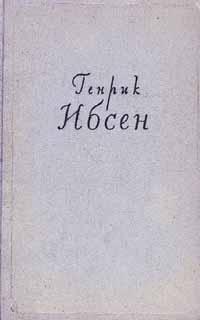
В книгу вошли стихотворения Генрика Ибсена и драмы: "Пер Гюнт", "Кукольный дом", "Привидения", "Враг народа", "Дикая утка", "Гедда Габлер", "Строитель Сольнес" и "Йун Габриэль Боркман".
Перевод с норвежского П. Карпа, А. и П. Ганзен, Вс. Рождественского, Т. Сильман, Т. Гнедич, В. Адмони, А. Ахматовой.
Вступительная статья и составление В. Адмони.
Примечания В. Беркова и М. Янковского.
Иллюстрации Е. Ракузина.



«Второй после Шекспира», великий драматург Генрик Ибсен был также замечательным и проникновенным поэтом. Сборник знакомит русского читателя со стихотворениями и поэмами Ибсена как с единым целым. Ядром книги является уникальный стихотворный перевод драматической поэмы «Пер Гюнт», ставшей для норвежцев таким же национальным произведением, как «Евгений Онегин» Пушкина для русских, а «Фауст» Гёте для немцев.

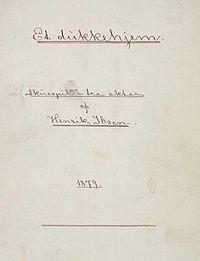
Пьеса Генрика Ибсена «Привидения», наряду с «Кукольным домом», чаще всего ставилась на советских сценах.




Dr. Stockmann attempts to expose a water pollution scandal in his home town which is about to establish itself as a spa. When his brother, the mayor, conspires with local politicians and the newspaper to suppress the story, Stockmann appeals to the public meeting - only to be shouted down and reviled as ‘an enemy of the people’. Ibsen’s explosive play reveals his distrust of politicians and the blindly held prejudices of the ‘solid majority’

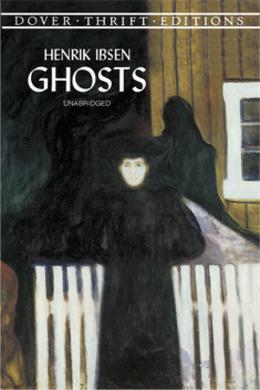
In this drama Ibsen has touched issues that were severely sensitive. The characters drawn in detail are deeply embedded in the plot. The themes of infidelity, illegitimate children and incest have been touched upon that were taboo topics of the time. He proved his mettle as a brilliant and bold writer as he delves into the psychology of the main characters and discusses their troubles.
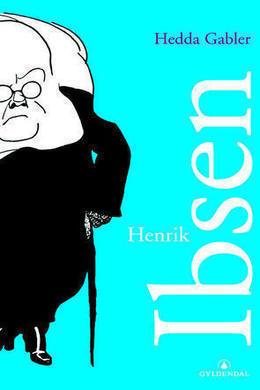
Despite premiering the next year to negative reviews, the play since been hailed as a classic work of realism, with the character Hedda being considered by some critics as one of the great dramatic roles; a female Hamlet. Gabler is actually the character’s maiden name rather than her name by marriage (which is Hedda Tesman); on entitling it this Ibsen wrote: ‘My intention in giving it this name was to indicate that Hedda as a personality is to be regarded rather as her father’s daughter than her husband’s wife.’
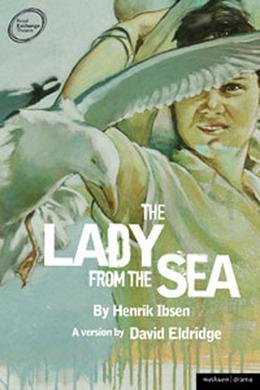
When the lighthouse keeper’s daughter Ellida meets the widower Dr Wangel, she tries to put her long-lost first love far behind her and begin a new life as a wife and stepmother. But the tide is turning, an English ship is coming down the fjord, and the undercurrents threaten to drag a whole family beneath the surface in this passionate and sweeping drama. Ellida must choose between the values of the land: solidity and reliability against those of the sea: mystery and fluidity.
Ibsen’s lyrical and still startlingly modern masterpiece, anticipated the emergence of psychoanalysis and talking cures. Similar to Hedda Gabler and A Doll’s House, The Lady from the Sea vibrantly explores the constrained social position of women, exploring themes of choice, marriage, responsibility and freedom.