 fb2
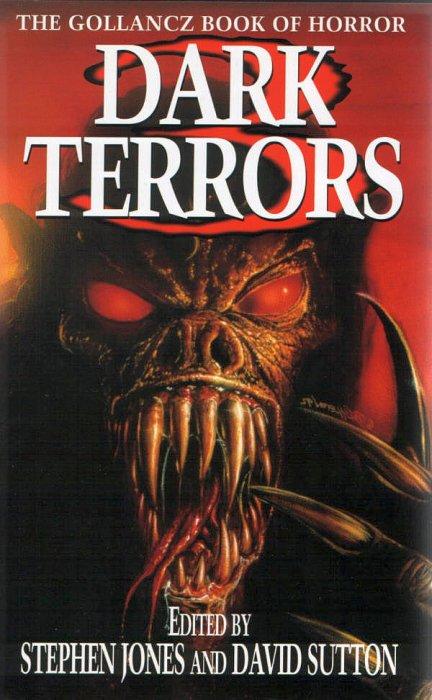
fb2The award-winning team of Jones and Sutton once again push the boundaries of fear in this new collection of horror and dark fantasy. Drawing from both sides of the Atlantic, Dark Terrors 3 features stories by some of the genres' biggest names as well as their rising stars, including Ray Bradbury, Poppy Z. Brite, Pat Cadigan, Ramsey Campbell, Christopher Fowler, Neil Gaiman, Julian Rathbone, Mark Timlin, and Michael Marshall Smith. An anthology that will take you to the furthest reaches of your imagination — and beyond.
British Fantasy Award winner 1998, World Fantasy Award nominee 1998.
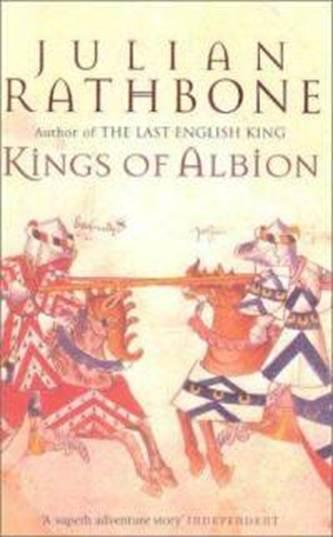
'There are moments in this novel when one could be watching an episode of Blackadder. Frivolity abounds… Hut beneath the gags,.I serious historical novel is lurking. Julian Rathbone has had the excellent idea of viewing the Wars of the Roses from the perspective of some visitors from India. Their reactions to what they see. ranging from disgust to bemusement, shed unexpected light on fifteenth-century England' Sally Cousins, Sunday Telegraph
'Set in 1460, this hugely enjoyable romp is narrated by Mah-Lo from Mandalay – a wink at Joseph Conrad and the sort of sly joke with which the book abounds. The heart of darkness is not Africa, however, but England in the grip of the Wars of the Roses. The novel tells of a group of men who travel from Goa to trace a kinsman. Rathbone vividly describes the "Inglysshe, the least civilised and most barbaric people on earth", and brings to life the sounds, sights and, above all. smells of fifteenth-century England' Sunday Times
'Rathbone's novel is excellent, both as a fictional adventure story and as a detailed and enlightening description of an ancient land' The Times
Kirkus Reviews
No doubt hoping to extend the extravagant sweep-of-history-on-the-road theme of his previous novel (The Last English King, 1999), but falling short, Rathbone shifts to the Wars of the Roses, and a group of travelers from India who arrive just in time to be in the thick of the intrigue. In 1459, the disfigured but widely traveled Arab trader Ali, already pushing 60, agrees to deliver a packet from a mysterious, soon-dead stranger he meets in an English inn to the royal family of Vijayanagara in southern India. Ali's success earns him a return to the cold and rain of Albion, but this time with a prince of the family and his retinue in tow. The mission now: to track down the prince's brother, long estranged and believed to be practicing a secret, forbidden religion somewhere in the north. As they head west, Ali discovers that the monk in their party is actually a sensuous young woman he met briefly before leaving India. Later, Uma seduces him in a Cairo bathhouse, and adds a teenaged English nobleman to her list of conquests as they prepare to cross the English Channel. The boy, Eddie, is one of those plotting to overthrow the king of England; finding a hostile reception when Ali and company make it to London, he is forced to flee. Ali and the others get caught up in the civil war as well, with the prince shut up in the Tower of London and Ali and Uma leaving town without him. When Ali falls ill and stops in a monastery to recuperate, Uma keeps going, looking for Eddie, but she's thrown in prison, too, just as the two sides begin their series of bloody battles. Eventually, she finds her hot-blooded boy, and the prince finds his brother-but these reunions aren't what they've been expecting.The rambling seems more travelogue than novel, including, as it does, everything from theology to weather reports, and the notion of strangers in a strange land never quite catches fire.
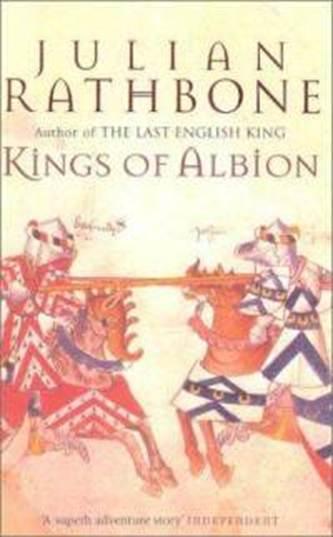
'There are moments in this novel when one could be watching an episode of Blackadder. Frivolity abounds… Hut beneath the gags,.I serious historical novel is lurking. Julian Rathbone has had the excellent idea of viewing the Wars of the Roses from the perspective of some visitors from India. Their reactions to what they see. ranging from disgust to bemusement, shed unexpected light on fifteenth-century England' Sally Cousins, Sunday Telegraph
'Set in 1460, this hugely enjoyable romp is narrated by Mah-Lo from Mandalay – a wink at Joseph Conrad and the sort of sly joke with which the book abounds. The heart of darkness is not Africa, however, but England in the grip of the Wars of the Roses. The novel tells of a group of men who travel from Goa to trace a kinsman. Rathbone vividly describes the "Inglysshe, the least civilised and most barbaric people on earth", and brings to life the sounds, sights and, above all. smells of fifteenth-century England' Sunday Times
'Rathbone's novel is excellent, both as a fictional adventure story and as a detailed and enlightening description of an ancient land' The Times
Kirkus Reviews
No doubt hoping to extend the extravagant sweep-of-history-on-the-road theme of his previous novel (The Last English King, 1999), but falling short, Rathbone shifts to the Wars of the Roses, and a group of travelers from India who arrive just in time to be in the thick of the intrigue. In 1459, the disfigured but widely traveled Arab trader Ali, already pushing 60, agrees to deliver a packet from a mysterious, soon-dead stranger he meets in an English inn to the royal family of Vijayanagara in southern India. Ali's success earns him a return to the cold and rain of Albion, but this time with a prince of the family and his retinue in tow. The mission now: to track down the prince's brother, long estranged and believed to be practicing a secret, forbidden religion somewhere in the north. As they head west, Ali discovers that the monk in their party is actually a sensuous young woman he met briefly before leaving India. Later, Uma seduces him in a Cairo bathhouse, and adds a teenaged English nobleman to her list of conquests as they prepare to cross the English Channel. The boy, Eddie, is one of those plotting to overthrow the king of England; finding a hostile reception when Ali and company make it to London, he is forced to flee. Ali and the others get caught up in the civil war as well, with the prince shut up in the Tower of London and Ali and Uma leaving town without him. When Ali falls ill and stops in a monastery to recuperate, Uma keeps going, looking for Eddie, but she's thrown in prison, too, just as the two sides begin their series of bloody battles. Eventually, she finds her hot-blooded boy, and the prince finds his brother-but these reunions aren't what they've been expecting.The rambling seems more travelogue than novel, including, as it does, everything from theology to weather reports, and the notion of strangers in a strange land never quite catches fire.
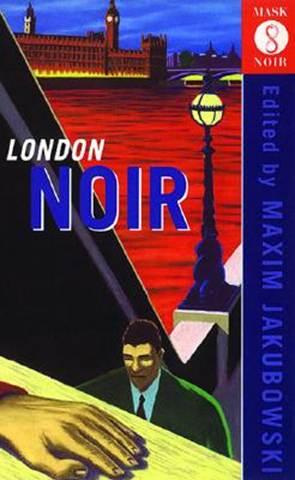
An anthology of stories
The city is at the centre of all good crime writing: Los Angeles has Raymond Chandler, Chicago has Sara Paretsky and Mexico City has Paco Taibo. London has the contributors to London Noir who explore the dark underbelly of London and celebrate the triple by-passed heart of England's capital city. They reveal London to be a city of mayhem and depravity not to be recommended to tourists from Miami!