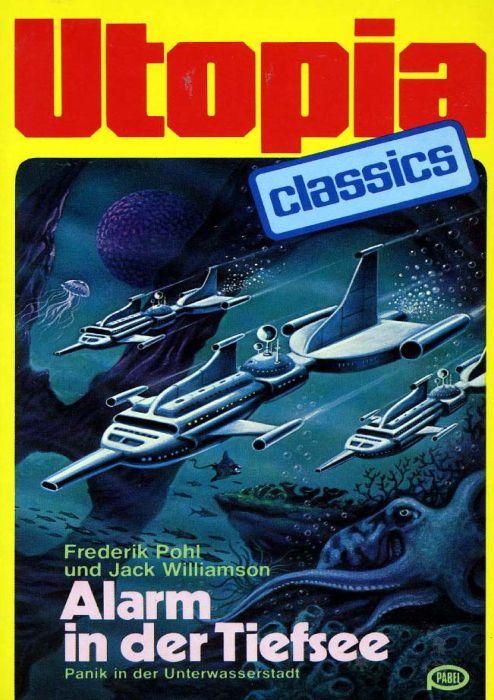
 fb2
fb2Aus der Reihe »Utopia-Classics«
Band 8
Frederik Pohl und Jack Williamson
Alarm in der Tiefsee
Gefahr für Krakatau Dome, die Tiefseestadt
Jim Eden, Kadett der US-Tiefsee-Akademie, wird überraschend nach Krakatau Dome abkommandiert. Dort, tief innerhalb der Erdrinde unter der Tiefseestadt, läuft ein geheimes Projekt an.
Es gilt, Seebeben vorherzusagen und die permanente Bedrohung der Unterwasserstädte durch seismische Einwirkungen in Grenzen zu halten. Und es geht darum, den Elementen auf die Spur zu kommen, die durch künstlich erzeugte Beben Angst und Schrecken unter den Bewohnern Marinias verbreiten.
Nach DUELL IN DER TIEFE und STÄDTE UNTER DEM OZEAN (UTOPIA-CLASSICS-Bände 4 und 6) legen wir hiermit den Abschlußband der TIEFSEE-TRILOGIE der beiden amerikanischen Autoren vor.
Titel des Originals: UNDERSEA CITY
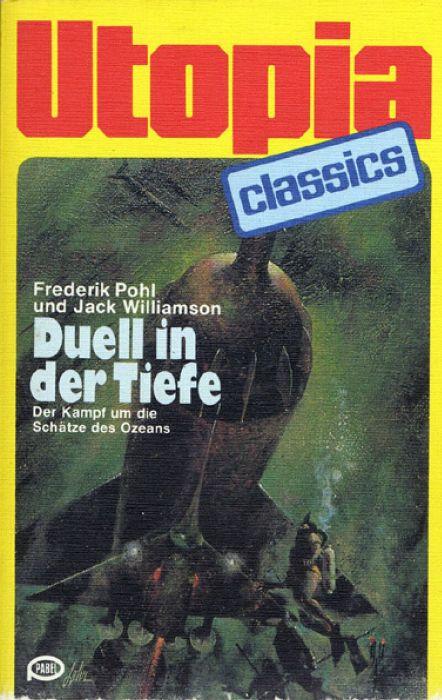
Aus der Reihe »Utopia-Classics«
Band 4
Frederik Pohl und Jack Williamson
Duell in der Tiefe
Abenteuer in Thetis, der Tiefsee-Metropole.
Marinia, das unter großen Opfern geschaffene Reich im Pazifik, mit seinen subozeanischen Kuppelstädten, seinen Tang-und Fischfarmen und Erzabbauanlagen, ist lebenswichtig für den Erhalt der technischen Zivilisation der Menschheit geworden. Kein Wunder daher, daß skrupellose Elemente versuchen, die Schätze der Tiefe zur Förderung ihrer machtpolitischen Ziele einzusetzen. Kadett Jim Eden - er absolviert gerade seine Ausbildung in der US-Tiefsee-Akademie - wird unversehens zum Spielball im Machtkampf von Marinia, als er daß Erbe seines Onkels antreten will. Jim gerät in einen Strudel tödlicher Ereignisse, die nur mit großer Tatkraft und einer noch größeren Portion Glück zu meistern sind.
Amerikanischer Originaltitel: UNDERSEA QUEST
Aus dem Amerikanischen übertragen von Leni Sobez
Il ritorno dalla Mongolia della spedizione del celebre professor Mondrick segnerà forse l’inizio di un’era nuova nella storia dell’umanità. Perchè in una certa cassa che gli esploratori portano dal deserto di Gobi sono contenute le prove di una guerra spietata e segreta, che si combatte da innumeri millenni. E il campo di battaglie è il subcosciente stesso della razza umana, dove il Maligno sembra sferrare i suoi colpi più mortali e insidiosi. Perchè il genere umano, ha scoperto Mondrick, è un ibrido: il sangue dell’Homo sapiens è, ormai, contaminato da quello dell’Homo lycanthropus, l’antichissima razza caina… Ma la scoperta di Mondrick esige le sue vittime e un orrendo pericolo minaccia di nuovo l’umanità. Le forze del male sono scatenate e gli angeli ribelli tentano ancora una volta di rialzare il capo. Metapsichica e psicocinesi sono le strane scienze a cui questo romanzo senza precedenti nella letteratura del “soprannaturale” sembra ispirarsi. E’ un romanzo che non si dimentica!
Forse i nostri lontani antenati erano venuti dallo spazio cosmico; forse, agli albori della storia, la terribile magia che dominava il mondo, fino alle Colonne d’Ercole e al lontano Catai, era un segreto venuto dall’infinito. Da mille anni Minosse, sovrano di Creta, dominava il mondo, con l’aiuto di Dedalo l’artificiere e di Talos, il gigante di bronzo. Solo Teseo, l’eroe greco che impugnava una spada fatta di metallo piovuto dal cielo, poteva sfidare l’impero di Cnosso e il cupo Labirinto! Jack Williamson, docente universitario di letteratura inglese, titolare di cattedra all’Università di New Mexico, e ha istituito un corso universitario dedicato alla letteratura fantascientifica. I suoi romanzi di fantascienza e di fantasy sono considerati pietre miliari nella storia della science-fiction moderna: «L’impero dell’Oscuro» è, con «La Legione del tempo», «Il figlio delta notte», «Gli Umanoidi» e «The legion of space», uno dei più famosi capolavori.
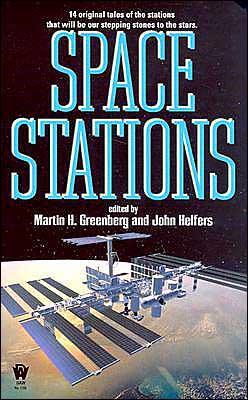
The challenge and lure of space exploration has long been fertile ground for some of the finest science fiction stories. Here, fifteen of the best chroniclers of the day after tomorrow present unique tales of space stations both in our own solar system and far beyond.
The challenge and lure of space exploration has long been fertile ground for some of the finest science fiction stories. Here, fifteen of the best chroniclers of the day after tomorrow present unique tales of space stations both in our own solar system and far beyond.
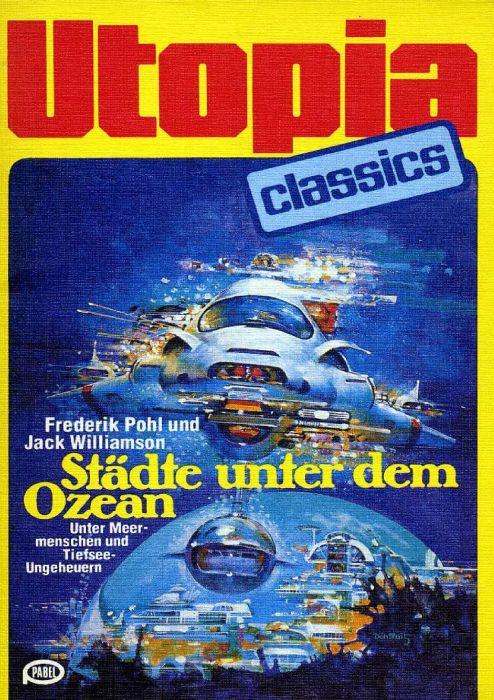
Aus der Reihe »Utopia-Classics« Band 6
Frederik Pohl und Jack Williamson
Städte unter dem Ozean
Der Kampf um die Tiefsee-Festung
Die Menschheit ist längst darangegangen, die Tief see zu erschließen und die Schätze des Meeresgrundes, die zunehmend wichtiger für den Erhalt der technischen Zivilisation werden, systematisch abzubauen. Dennoch gibt es in der Tiefsee Bereiche, die ihre Geheimnisse nicht preisgeben. Monströse Geschöpfe wachen darüber, daß ihr Herrschaftsgebiet unangetastet bleibt.
Nach DUELL IN DER TIEFE (UTOPIA-CLASSICS Band 4) ist dies der zweite, völlig in sich abgeschlossene Band der berühmten Tiefsee-Trilogie der Autoren. Der dritte Roman erscheint unter dem Titel ALARM IN DER TIEFSEE als Band 8 in der UTOPIA-CLASSICS-Reihe.
Titel des Originals: UNDERSEA FLEET
Aus dem Amerikanischen übertragen von Lern Sobez
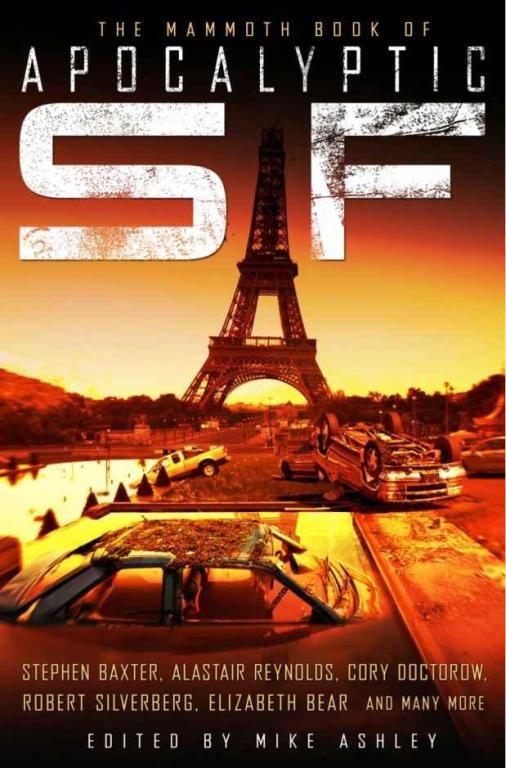
Stories of the fall of civilisation, the destruction of the Earth and the end of the Universe itself
The last sixty years have been full of stories of one or other possible Armageddon, whether by nuclear war, plague, cosmic catastrophe or, more recently, global warming, terrorism, genetic engineering, AIDS and other pandemics. These stories, both pre- and post-apocalyptic, describe the fall of civilization, the destruction of the entire Earth, or the end of the Universe itself. Many of the stories reflect on humankind’s infinite capacity for self-destruction, but the stories are by no means all downbeat or depressing — one key theme explores what the aftermath of a cataclysm might be and how humans strive to survive.
Everything your rulers never wanted you to know and you were afraid to ask…
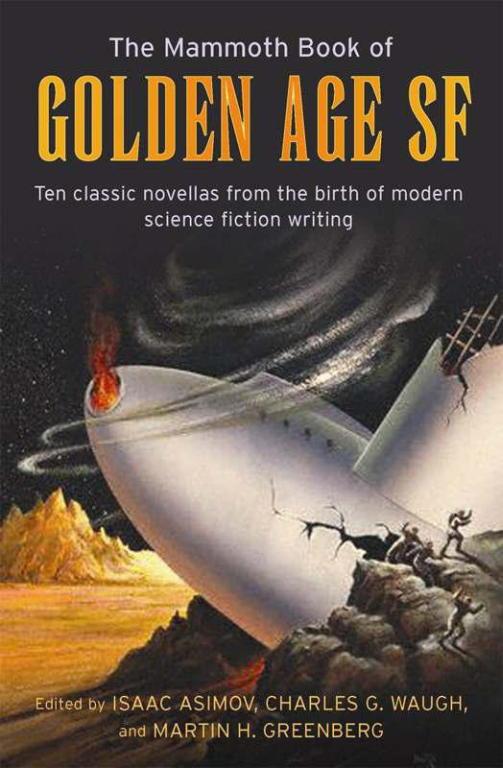
Ten classic stories from the birth of modern science fiction writing
The Golden Age of Science Fiction, from the early 1940s through the 1950s, saw an explosion of talent in SF writing including authors such as Isaac Asimov, Robert A. Heinlein, and Arthur C. Clarke.
Their writing helped science fiction gained wide public attention, and left a lasting impression upon society. The same writers formed the mould for the next three decades of science fiction, and much of their writing remains as fresh today as it was then.
Collected in one giant volume, here is the very best of the golden era. The stories include:
• A.E. van Vogt, ‘The Weapons Shop’
• Isaac Asimov, ‘The Big and the Little’
• Lester del Rey, ‘Nerves’
• Fredric Brown, ‘Daymare’
• Theodore Sturgeon, ‘Killdozer!’
• C.L. Moore, ‘No Woman Born’
• A. Bertram Chandler, ‘Giant Killer’.
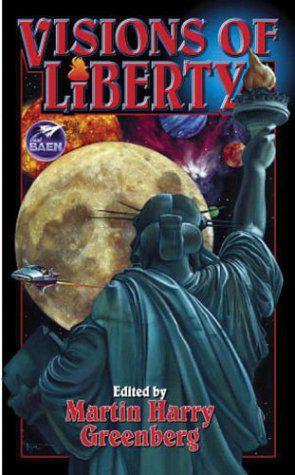
In Visions of Liberty, ten top science fiction writers, several of them Hugo or Nebula awardwinners, create ten very different futures in which Government does not exist and explore the possibilities of a truly free society. Among the roster: Hugo winner and Grand Master Jack Williamson; Michael Resnick, winner of four Hugos and a Nebula, and author of the international best seller, Santi-Ago; Michael A. Stackpole, author of eight New York Times best sellers; best-selling novelist Jane Undskold, New York Times best-selling author James P. Hogan, Robert J. Sawyer, winner of the Nebula Award for best novel of the year; and more.
As threats to liberty arise in our own time, so it will be in the future. In this volume, a stellar cast of Science Fiction luminaries consider how the future might be different—and how freedom might truly triumph.