 fb2
fb2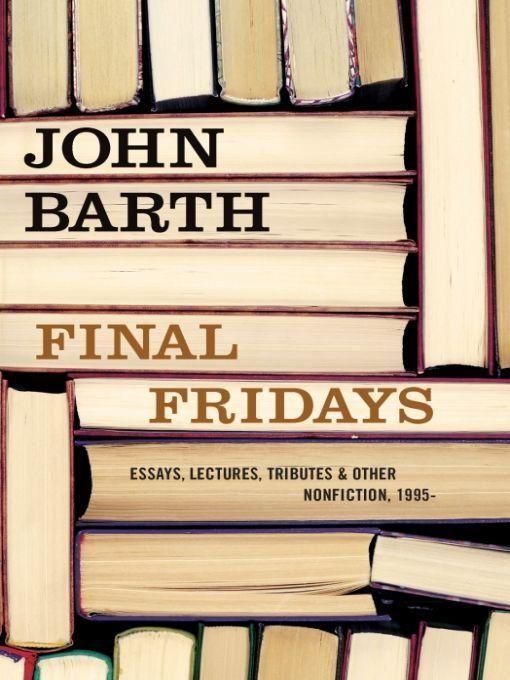
For decades, acclaimed author John Barth has strayed from his Monday-through-Thursday-morning routine of fiction-writing and dedicated Friday mornings to the muse of nonfiction. The result is Final Fridays, his third essay collection, following The Friday Book (1984) and Further Fridays (1995). Sixteen years and six novels since his last volume of non-fiction, Barth delivers yet another remarkable work comprised of 27 insightful essays.
With pieces covering everything from reading, writing, and the state of the art, to tributes to writer-friends and family members, this collection is witty and engaging throughout. Barth’s “unaffected love of learning” (San Francisco Examiner & Chronicle) and “joy in thinking that becomes contagious” (Washington Post), shine through in this third, and, with an implied question mark, final essay collection.
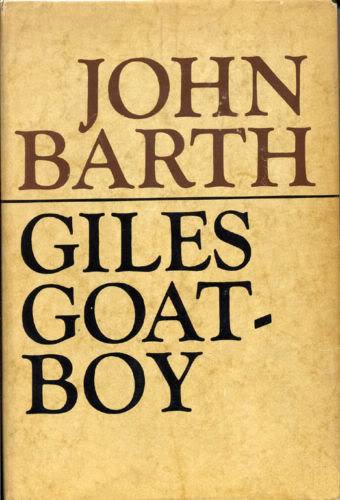
Giles Goat-Boy (1966) is the 4th novel by American writer John Barth. It's metafictional comic novel in which the world is portrayed as a university campus in an elaborate allegory of the Cold War. Its title character is a human boy raised as a goat, who comes to believe he is the Grand Tutor, the predicted Messiah. The book was a surprise bestseller for the previously obscure Barth, & in the 1960s had a cult status. It marks Barth's leap into American postmodern Fabulism. In this outrageously farcical adventure, hero George Giles sets out to conquer the terrible Wescac computer system that threatens to destroy his community in this brilliant "fantasy of theology, sociology & sex"--Time
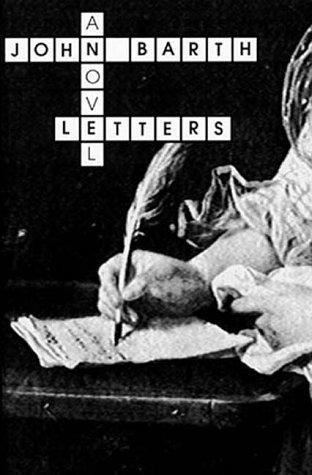
A landmark of postmodern American fiction, Letters is (as the subtitle genially informs us) "an old time epistolary novel by seven fictitious drolls & dreamers each of which imagines himself factual." Seven characters (including the Author himself) exchange a novel's worth of letters during a 7-month period in 1969, a time of revolution that recalls the U.S.'s first revolution in the 18th century — the heyday of the epistolary novel. Recapitulating American history as well as the plots of his first six novels, Barth's seventh novel is a witty and profound exploration of the nature of revolution and renewal, rebellion and reenactment, at both the private and public levels. It is also an ingenious meditation on the genre of the novel itself, recycling an older form to explore new directions, new possibilities for the novel.
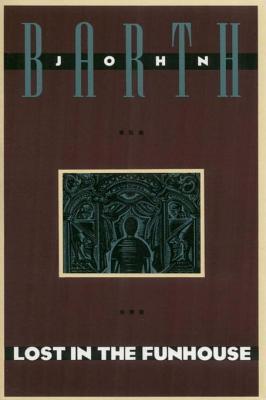
Barth's lively, highly original collection of short pieces is a major landmark of experimental fiction. Though many of the stories gathered here were published separately, there are several themes common to them all, giving them new meaning in the context of this collection.
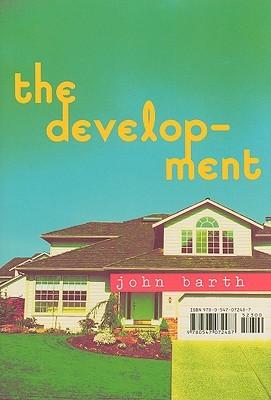
From one of our most celebrated masters, a touching, comic, deeply humane collection of linked stories about surprising developments in a gated community.
“I find myself inclined to set down for whomever, before my memory goes kaput altogether, some account of our little community, in particular of what Margie and I consider to have been its most interesting hour: the summer of the Peeping Tom.” Something has disturbed the comfortably retired denizens of a pristine Florida-style gated community in Chesapeake Bay country. In the dawn of the new millennium and the evening of their lives, these empty nesters discover that their tidy enclave can be as colorful, shocking, and surreal as any of John Barth’s fictional locales. From the high jinks of a toga party to marital infidelities, a baffling suicide pact, and the sudden, apocalyptic destruction of the short-lived development, Barth brings mordant humor and compassion to the lives of characters we all know well. From “one of the most prodigally gifted comic novelists writing in English today” (Newsweek), The Development is John Barth at his most accessible and sympathetic best.
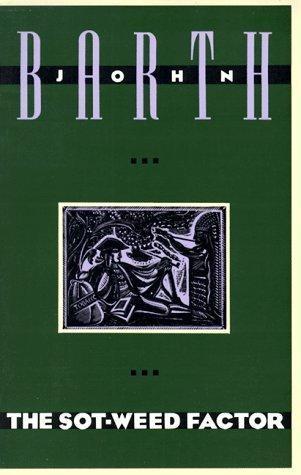
Considered by critics to be Barth's most distinguished masterpiece, The Sot-Weed Factor has acquired the status of a modern classic. Set in the late 1600s, it recounts the wildly chaotic odyssey of hapless, ungainly Ebenezer Cooke, sent to the New World to look after his father's tobacco business and to record the struggles of the Maryland colony in an epic poem.
On his mission, Cooke experiences capture by pirates and Indians; the loss of his father's estate to roguish impostors; love for a farmer prostitute; stealthy efforts to rob him of his virginity, which he is (almost) determined to protect; and an extraordinary gallery of treacherous characters who continually switch identities. A hilarious, bawdy tribute to all the most insidious human vices, The Sot-Weed Factor has lasting relevance for readers of all times.
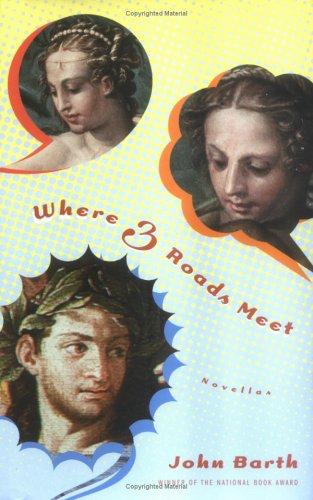
From the acclaimed John Barth, "one of the greatest novelists of our time" (Washington Post Book World) and "a master of language" (Chicago Sun-Times), comes a lively triad of tales that delight in the many possibilities of language and its users.
The first novella, "Tell Me," explores a callow undergraduate's initiation into the mysteries of sex, death, and the Heroic Cycle. The second novella, "I've Been Told," traces no less than the history of storytelling and examines innocence and modernity, ignorance and self-consciousness. And the three elderly sisters of the third novella, "As I Was Saying. .," record an oral history of their youthful muse-like services to (and servicings of) a subsequently notorious and now mysteriously vanished novelist.
Sexy, humorous, and brimming with Barth's deep intelligence and playful irreverence, Where Three Roads Meet will surely delight loyal fans and draw new ones.
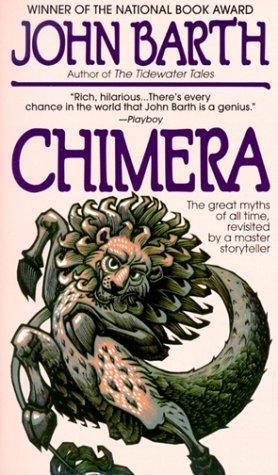
John Barth is the author of numerous works of fiction, including The Sot-Weed Factor, The Tidewater Tales, Lost in the Funhouse, The Last Voyage of Somebody the Sailor, the National Book Award winner Chimera, and most recently The Book of Ten Nights and a Night. He taught for many years in the writing program at Johns Hopkins University.
"Teller, tale, torrid. . inspiration: Barth's seventeenth book brings these three narrative 'roads' together inimitably, and thrice. [Where Three Roads Meet] employs all of his familiar devices — alliteration, shifts in diction and time, puns — to tease and titillate, while at the same time articulate — obliquely, sadly, angrily, gloriously — a farewell to language and its objects: us." — Publishers Weekly, starred review