 fb2
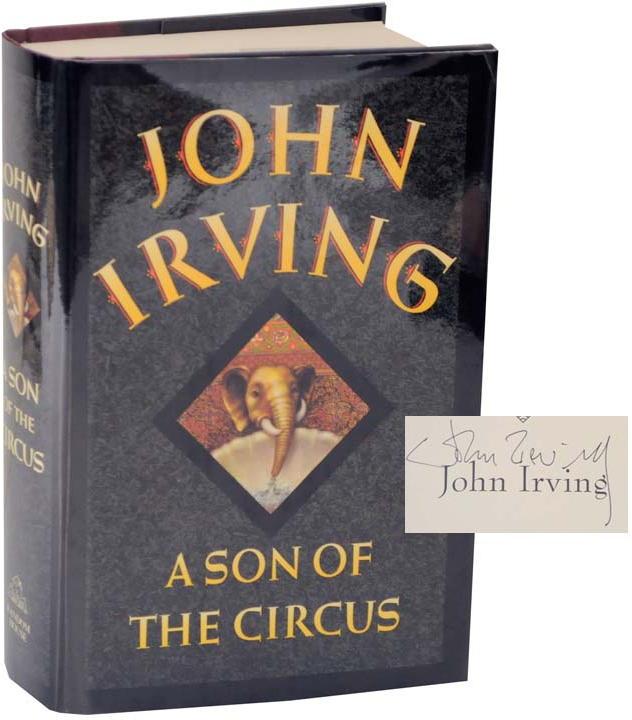
fb2A Hindi film star… an American missionary… twins separated at birth… a dwarf chauffeur… a serial killer… all are on a collision course. In the tradition of A Prayer for Owen Meany, Irving’s characters transcend nationality. They are misfits—coming from everywhere, belonging nowhere. Set almost entirely in India, this is John Irving’s most ambitious novel and a major publishing event.
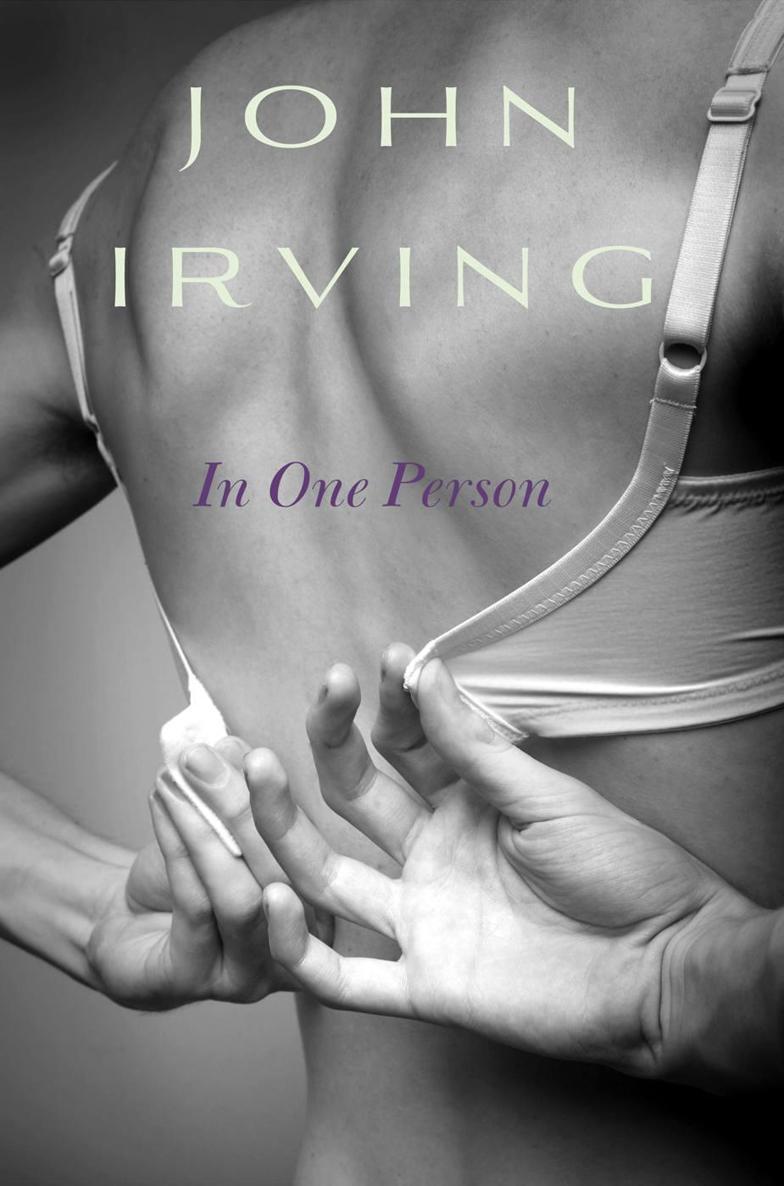
A compelling novel of desire, secrecy, and sexual identity, In One Person is a story of unfulfilled love—tormented, funny, and affecting—and an impassioned embrace of our sexual differences. Billy, the bisexual narrator and main character of In One Person, tells the tragicomic story (lasting more than half a century) of his life as a “sexual suspect,” a phrase first used by John Irving in 1978 in his landmark novel of “terminal cases,” The World According to Garp.
His most political novel since The Cider House Rules and A Prayer for Owen Meany, John Irving’s In One Person is a poignant tribute to Billy’s friends and lovers—a theatrical cast of characters who defy category and convention. Not least, In One Person is an intimate and unforgettable portrait of the solitariness of a bisexual man who is dedicated to making himself “worthwhile.”
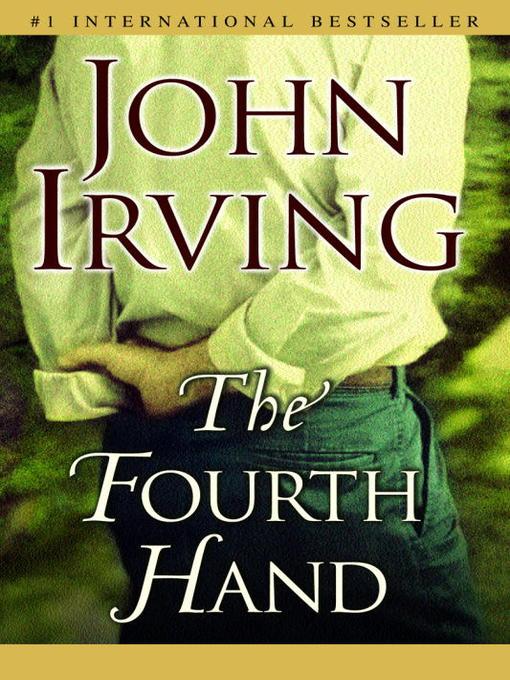
The Fourth Hand asks an interesting question: “How can anyone identify a dream of the future?” The answer: “Destiny is not imaginable, except in dreams or to those in love.”
While reporting a story from India, a New York television journalist has his left hand eaten by a lion; millions of TV viewers witness the accident. In Boston, a renowned hand surgeon awaits the opportunity to perform the nation’s first hand transplant; meanwhile, in the distracting aftermath of an acrimonious divorce, the surgeon is seduced by his housekeeper. A married woman in Wisconsin wants to give the one-handed reporter her husband's left hand-that is, after her husband dies. But the husband is alive, relatively young, and healthy.
This is how John Irving’s tenth novel begins; it seems, at first, to be a comedy, perhaps a satire, almost certainly a sexual farce. Yet, in the end, The Fourth Hand is as realistic and emotionally moving as any of Mr. Irving’s previous novels-including The World According to Garp,A Prayer for Owen Meany, and A Widow for One Year—or his Oscar-winning screenplay of The Cider House Rules.
The Fourth Hand is characteristic of John Irving’s seamless storytelling and further explores some of the author’s recurring themes—loss, grief, love as redemption. But this novel also breaks new ground; it offers a penetrating look at the power of second chances and the will to change.
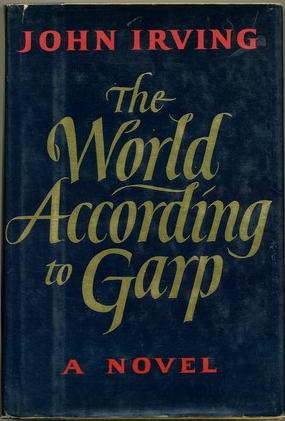
This is the life and times of T. S. Garp, the bastard son of Jenny Fields—a feminist leader ahead of her times This is the life and death of a famous mother and her almost-famous son; theirs is a world of sexual extremes—even of sexual assassinations. It is a novel rich with “lunacy and sorrow”; yet the dark, violent events of the story do not undermine a comedy both ribald and robust. In more than thirty languages, in more than forty countries—with more than ten million copies in print—this novel provides almost cheerful, even hilarious evidence of its famous last line: “In the world according to Garp, we are all terminal cases.”