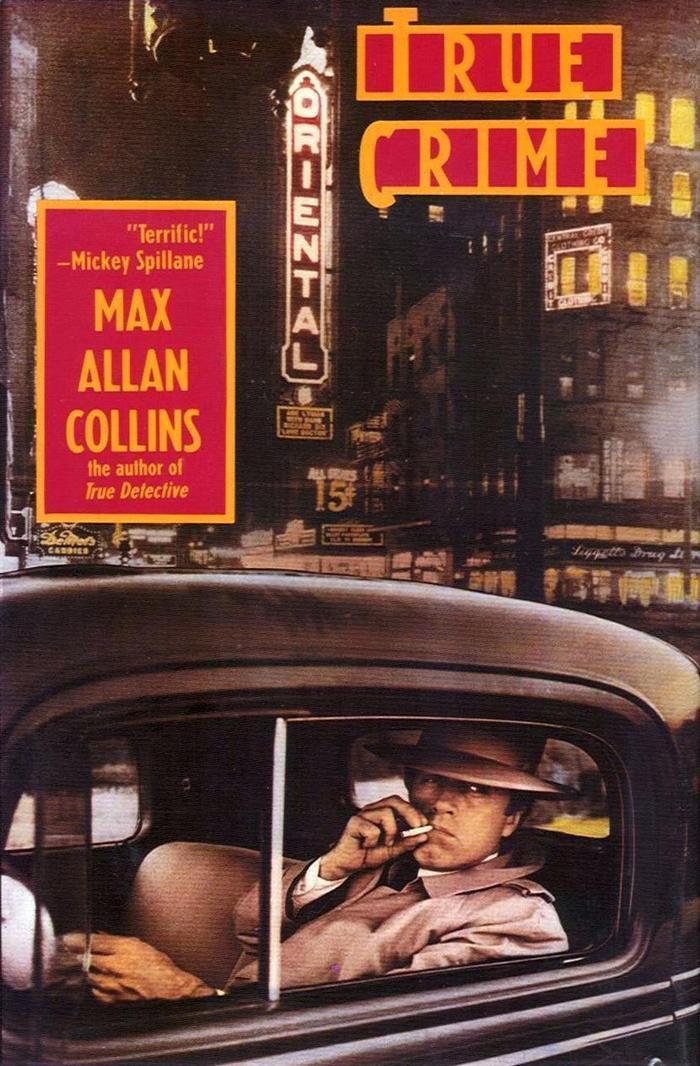
True Crime (Nathan Heller[2])
Chicago, 1934. Corruption and intrigue run rampant among the cops and the politicians, who vie for power with organized crime. Sally Rand dances at the World’s Fair, gangster Frank Nitti holds court in a posh hotel suite, Baby Face Nelson and Ma Barker and her boys terrorize the countryside, and G-man Melvin Purvis makes J. Edgar Hoover’s reputation while the street in front of the Biograph Theater runs red with blood. Into this turbulent and dangerous world steps Nathan Heller, a tough but honest private eye trying to make a living in hard times. But his search for a farmer’s-daughter-turned-gun-moll catapults him into the midst of a daring assault on Hoover’s empire and a police plot against the elusive John Dillinger that leaves some crucial questions unanswered. Heller’s investigations send him undercover into the bucolic world of farmhouse hideouts and dusty back roads — until, back in Chicago’s Loop, the sound of machine-gun fire brings the curtain down suddenly on an entire outlaw era. |
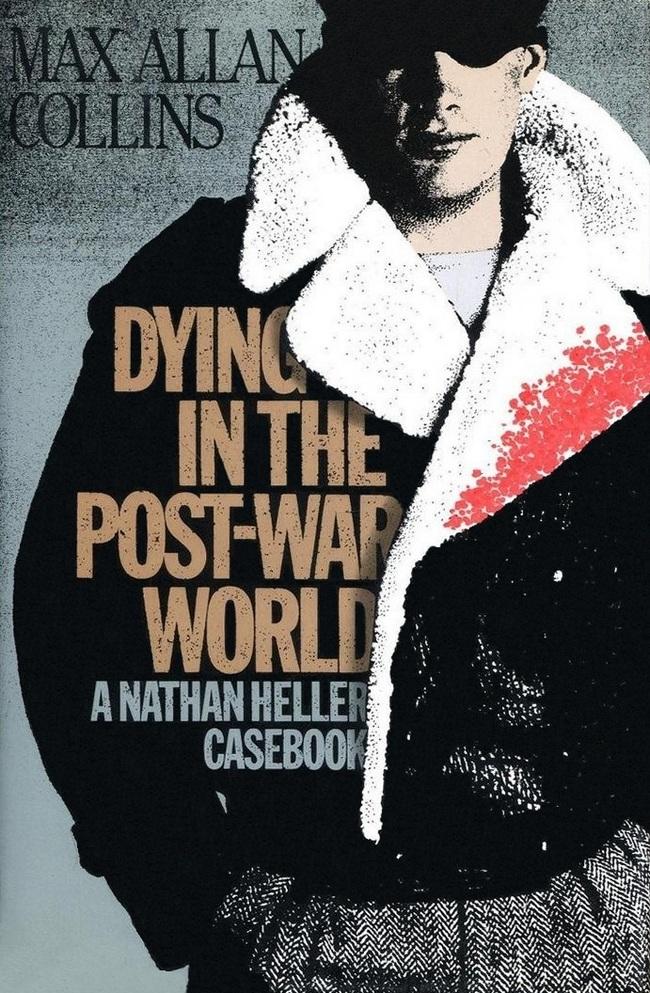
Dying in the Post-War World [novella] (Nathan Heller[6])
Chicago, 1947. Nathan Heller, formerly of the United States Marines, currently head of the A-1 Detective Agency, is settling happily into post-war suburban prosperity in the company of his lovely, pregnant wife. But when a client’s child turns up murdered, a detective who thinks he’s seen it all finds he hasn’t. The dead little girl is apparently the handiwork of a serial murderer whose lipstick-scrawled cry for help — “Catch Me Before I Kill More” — is a pledge Heller intends to help the killer keep. In the novella “Dying in the Post-War World,” Max Allan Collins — who, says best-selling suspense author Andrew Vachss, “blends fact and fiction like no other writer” — presents a fresh and powerful look at one of Chicago’s most famous crimes. In Dying in the Post-War World, Max Allan Collins ably demonstrates why Chicago Magazine has dubbed him “the master of true-crime fiction.” And Nathan Heller shows himself to be not only a classic private detective in the Hammett/Chandler tradition, but a man as well-flesh and blood, flaws and all. |
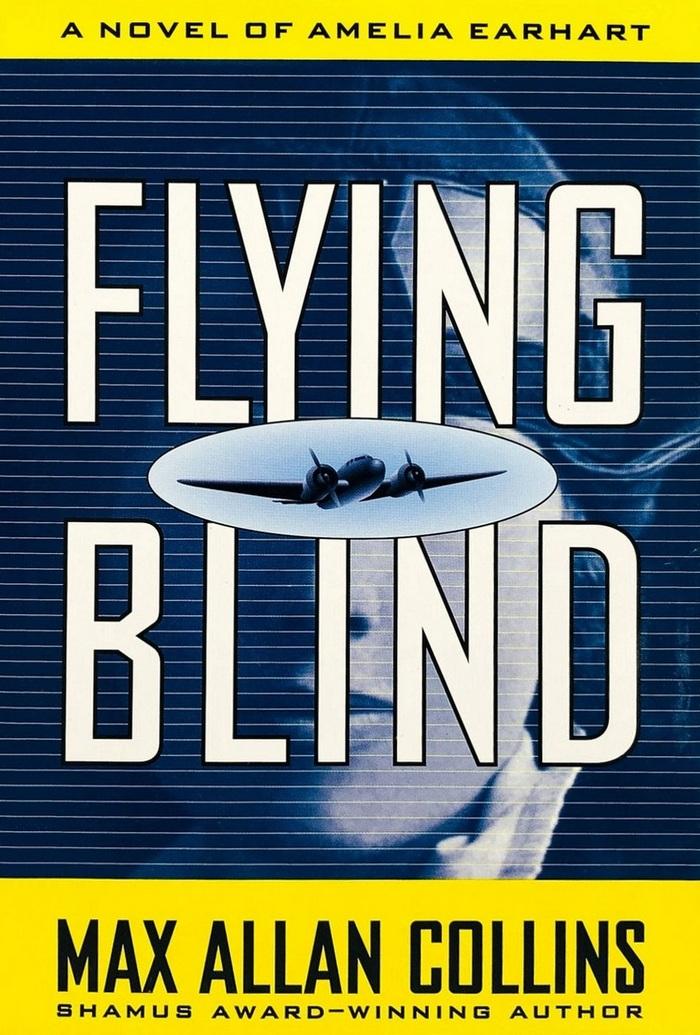
Flying Blind (Nathan Heller[10])
“To the world, she was Amelia Earhart, but to me, and only me, she was Amy.” Detective Nathan Heller has taken on some of the most sensational crimes of the twentieth century. In Flying Blind, he returns to the one unsolved case of his career: the disappearance of America’s most famous aviatrix. The year is 1970. Nathan Heller has retired from his distinguished career as a private investigator. But now a stranger has come knocking at his door. He wants Heller to travel to Saipan, the last place Amelia Earhart may have been seen alive. For Heller, it is an offer he can t resist — the chance to find out what really happened to the woman he once loved... It was a scene right out of a 1930s movie script: Amelia Earhart arriving in Heller’s hometown of Chicago to receive the key to the city in a gala tribute to her upcoming flight around the world. The champagne is flowing, the Cole Porter music is playing, and Nathan Heller has just been hired by Amelia’s publicity-hungry husband to uncover who has been sending Amelia threatening letters. Yet not even Nathan Heller can protect Amelia once she boards the plane that will carry her toward the horizon... only to vanish into the night and into history. Now, decades later, Heller is determined to discover what really happened on that final, fateful flight. It is a journey that will take him to distant, deadly shores, into a world of international intrigue, espionage, betrayal, and finally, to a stunning secret buried at the bottom of the sea, locked away in the vaults of time. A suspenseful novel of dazzling invention that sweeps from the star-studded nightclubs of Hollywood to the exotic tropical islands of the South Pacific, Flying Blind offers a brilliantly realized conclusion to one of history’s most spellbinding puzzles. |
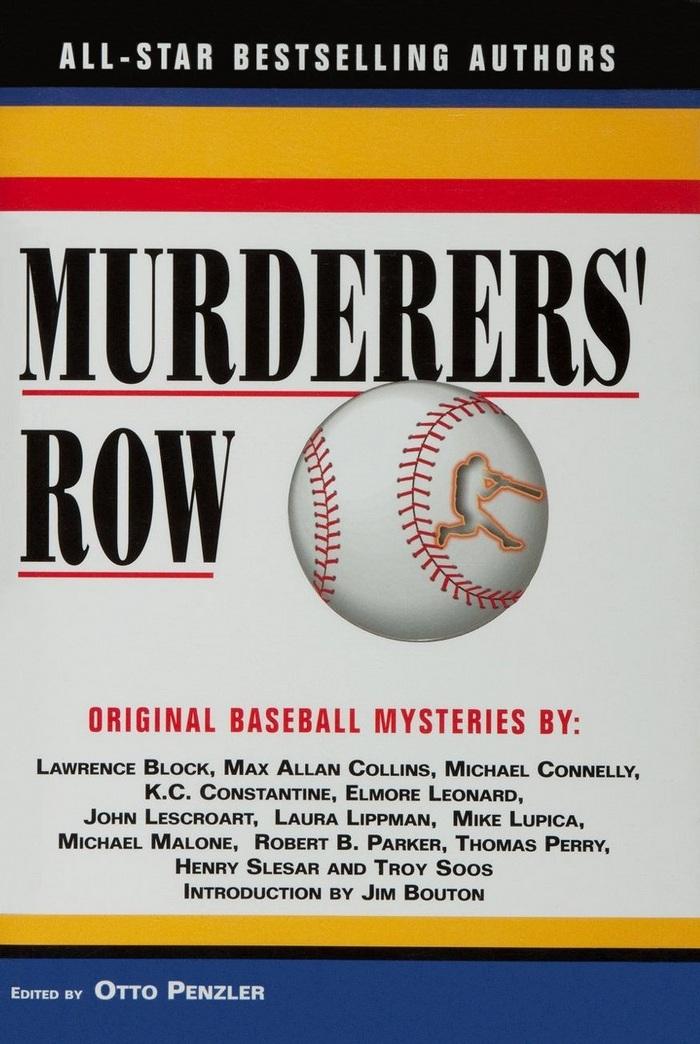
Strike Zone (Nathan Heller[14])
In “Strike Zone,” tells the story of a particularly peculiar crime — the murder of the most famous pinch hitter in history, who happened to be a midget — and also explores the colorful legend of baseball Bill Veeck.
|