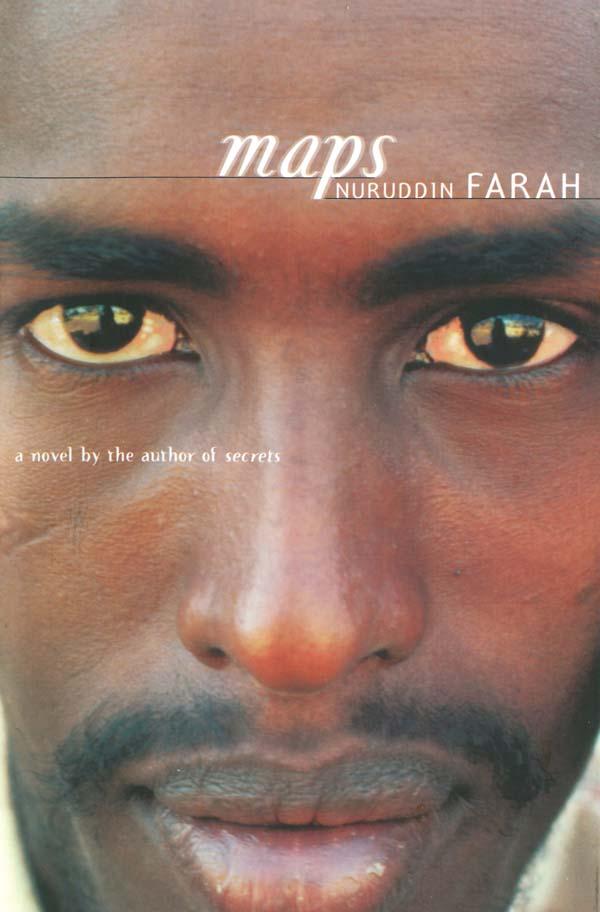
Maps (Blood in the Sun[1])
This first novel in Nuruddin Farah's Blood in the Sun trilogy tells the story of Askar, a man coming of age in the turmoil of modern Africa. With his father a victim of the bloody Ethiopian civil war and his mother dying the day of his birth, Askar is taken in and raised by a woman named Misra amid the scandal, gossip, and ritual of a small African village. As an adolescent, Askar goes to live in Somalia's capital, where he strives to find himself just as Somalia struggles for national identity.
|
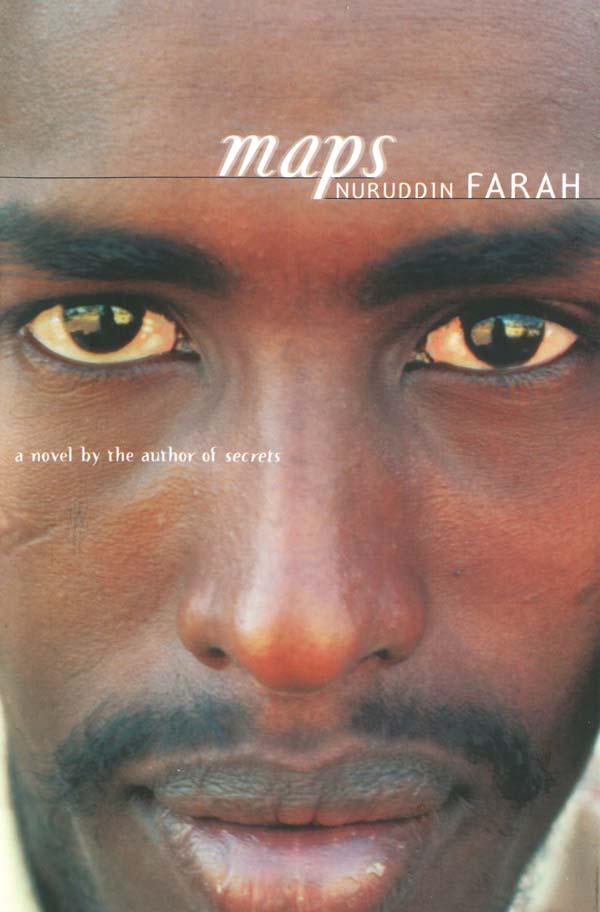
Maps (Blood in the Sun[1])
In this novel, Farah tells the story of the orphan Askar. Before he is born, Askar has lost his father to the bloody war dividing Somalia and Ethiopia, and his mother dies giving birth to him. It is only thanks to Misra, a kindhearted woman who discovers him next to his mother's corpse and takes him into her home, that he survives. But Askar is a true child of his times, and as he matures he begins to feel suffocated by life in Misra's small village. As a young adolescent seeking perspective on both his country and himself, Askar goes to live with his cosmopolitan aunt and uncle in the capital, Mogadiscio.. "It is a turbulent and dangerous time in Mogadiscio, as Somalis struggle to re-create a national identity that has been destroyed by the upheavals of modernity and the betrayals of their never-ending civil war. Each day is punctuated by renewed outbreaks of violence. Askar throws himself into radical political activity that continually challenges the murky boundaries of his own being just as each "revolution" redefines Somalia's own borders. In the turmoil of coming events, as allegations of murder and treason are leveled at Misra, those personal and political boundaries will be challenged with a ferocity Askar had never imagined.
|
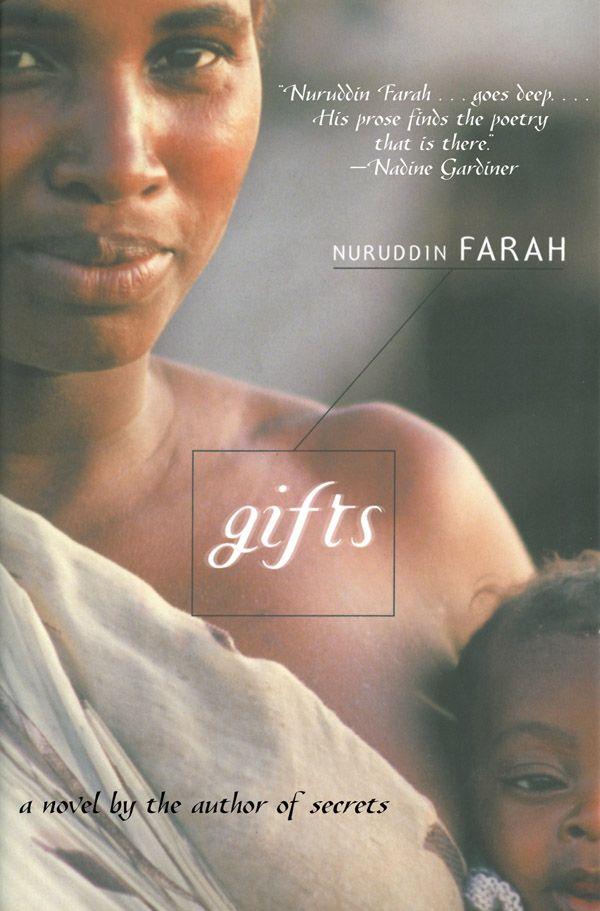
Gifts (Blood in the Sun[2])
Gifts is a beguiling tale of a Somali family, its strong matriarch, Duniya, and its past wounds that refuse to heal. As the story unfolds, Somalia is ravaged by war, drought, disease, and famine, prompting industrialized nations to offer monetary aid — gifts to the so-called Third World. Farah weaves these threads together into a tapestry of dreams, memories, family lore, folktales, and journalistic accounts.
|