HomeLib
Books without sequence (Nabokov Vladimir)
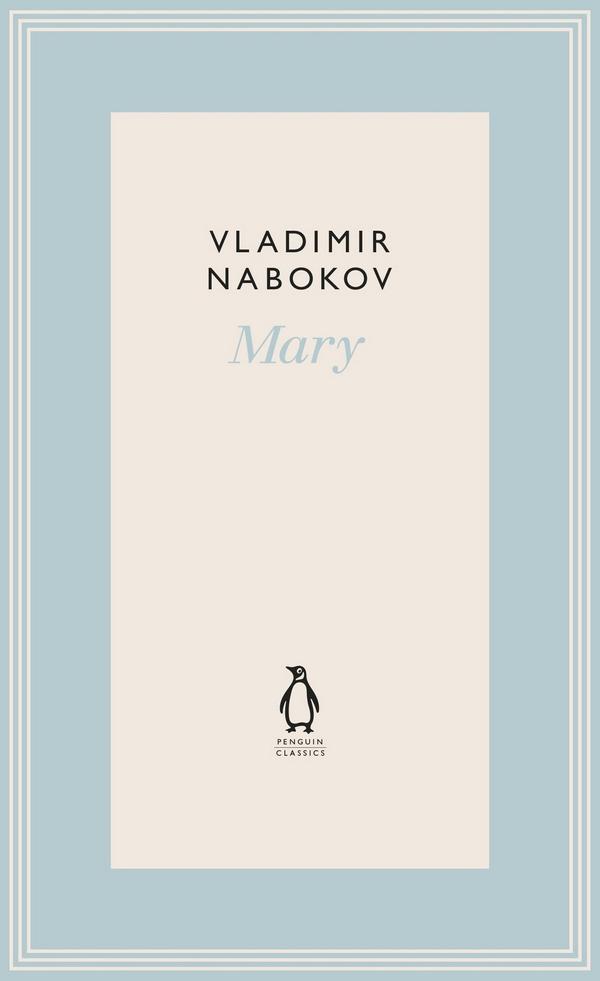
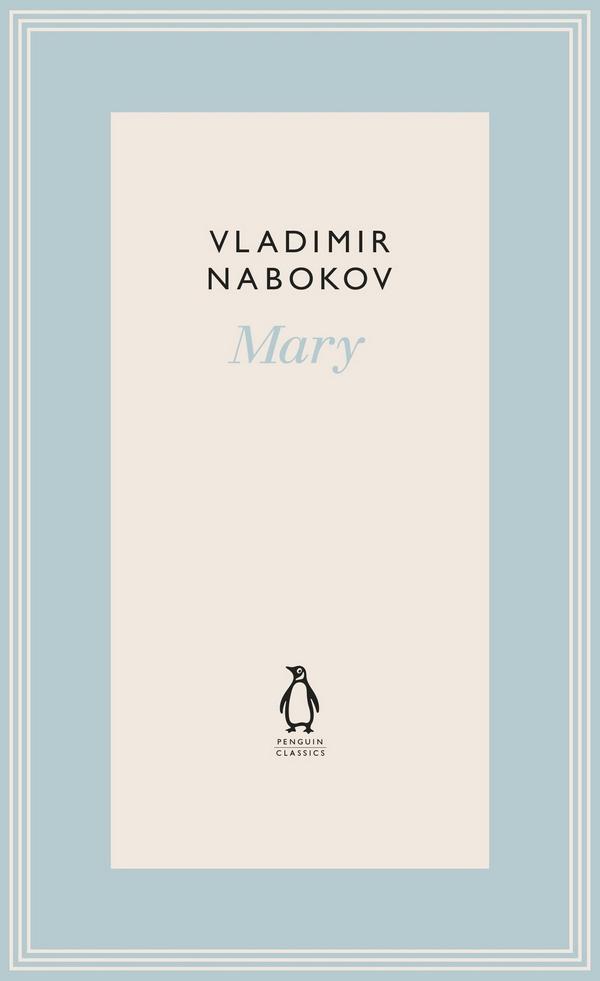
Mary

fb2
Mary is a gripping tale of youth, first love, and nostalgia—Nabokov's first novel. In a Berlin rooming house filled with an assortment of seriocomic Russian émigrés, Lev Ganin, a vigorous young officer poised between his past and his future, relives his first love affair. His memories of Mary are suffused with the freshness of youth and the idyllic ambience of pre-revolutionary Russia. In stark contrast is the decidedly unappealing boarder living in the room next to Ganin's, who, he discovers, is Mary's husband, temporarily separated from her by the Revolution but expecting her imminent arrival from Russia.
Mary

fb2
Введите сюда краткую аннотацию
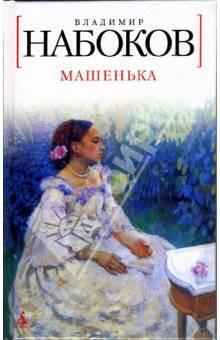
Mashenka

fb2
`…Mashenka fue mi primera novela. Comencé a trabajar en ella en Berlín, poco después de haber contraído matrimonio, en la primavera de 1925. La terminé a principios del año siguiente, y fue publicada por una editorial regida por emigrados rusos (Slovo, Berlín, 1926). Dos años después, aparecía una versión alemana que no he leído (Ullstein, Berlín, 1928). Con esta sola excepción, la novela no ha sido traducida a lo largo del impresionante período de cuarenta y cinco años.`
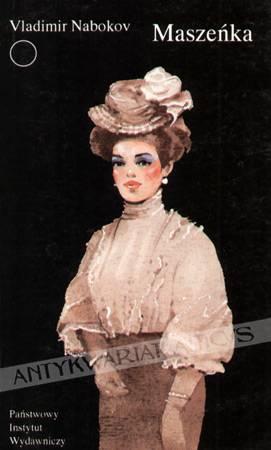
Maszeńka

fb2
"Maszeńka", napisana na emigracji, uchodzi za najbardziej rosyjską powieść Nabokova. Specyficzny klimat książki, pełen niedopowiedzeń, dwuznaczności, mistyfikacji, fascynuje i urzeka czytelnika, który wraz z bohaterem utworu przeżywa jego duchowe rozterki. Ganinowi – bo tak nazywa się ów bohater – ojczyzna z perspektywy ubożuchnego berlińskiego pensjonatu dla rosyjskich emigrantów jawi się jako nostalgiczny sen, mit, niezatarte wspomnienie. Jednocześnie zaś przeżyta t a m, w Rosji, miłość młodzieńcza i romantyczna, jest dla niego droższa i realniejsza niż szara, nieprzyjazna teraźniejszość. I nagle okazuje się, że dziwnym zrządzeniem losu bliskie jest spotkanie z ukochaną. Ganin przeczuwa, że pojawienie się prawdziwej Maszeńki – nie tej z wyidealizowanych wspomnień młodości – unicestwi kruchą przeszłość…
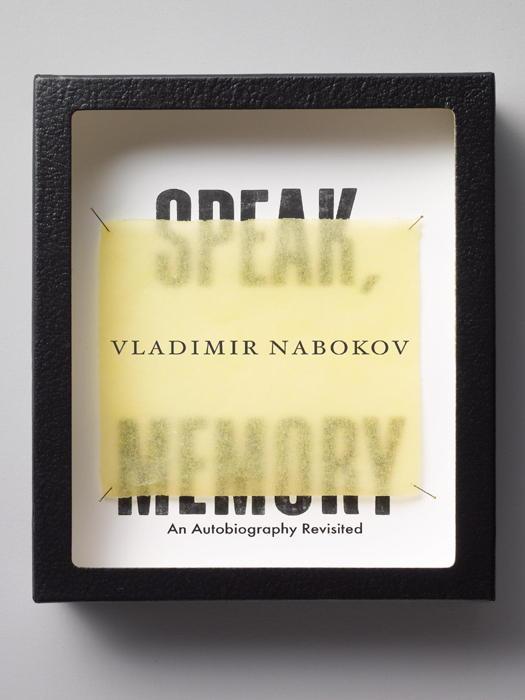
Speak, Memory

fb2
Speak, Memory, first published in 1951 as Conclusive Evidence and then assiduously revised in 1966, is an elegant and rich evocation of Nabokov’s life and times, even as it offers incisive insights into his major works, including Lolita, Pnin, Despair, The Gift, The Real Life of Sebastian Knight, and The Defense.
Strong opinions

fb2
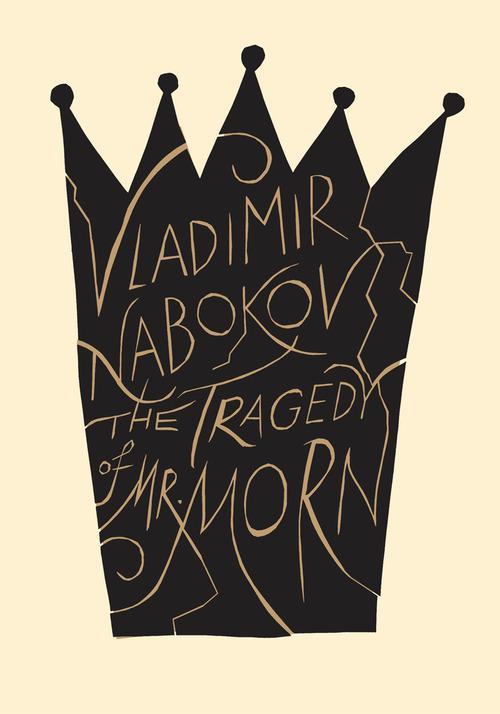
The Tragedy of Mister Morn

fb2
For the first time in English, Vladimir Nabokov’s earliest major work, written when he was only twenty-four: his only full-length play, introduced by Thomas Karshan and beautifully translated by Karshan and Anastasia Tolstoy.The Tragedy of Mister Morn was written in the winter of 1923­­–1924, when Nabokov was completely unknown. The five-act play—the story of an incognito king whose love for the wife of a banished revolutionary brings on the chaos the king has fought to prevent—was never published in Nabokov’s lifetime and lay in manuscript until it appeared in a Russian literary journal in 1997. It is an astonishingly precocious work, in exquisite verse, touching for the first time on what would become this great writer’s major themes: intense sexual desire and jealousy, the elusiveness of happiness, the power of the imagination, and the eternal battle between truth and fantasy. The play is Nabokov’s major response to the Russian Revolution, which he had lived through, but it approaches the events of 1917 above all through the prism of Shakespearean tragedy.ReviewThe variety, force and richness of Nabokov’s perceptions have not even the palest rival in modern fiction. To read him in full flight is to experience stimulation that is at once intellectual, imaginative and aesthetic, the nearest thing to pure sensual pleasure that prose can offer.—Martin AmisHe did us all an honour by electing to use, and transform, our language.—Anthony BurgessThe power of the imagination is not apt soon to find another champion of such vigour.—John Updike
Transparent things

fb2