HomeLib
Books without sequence (Harris Robert)
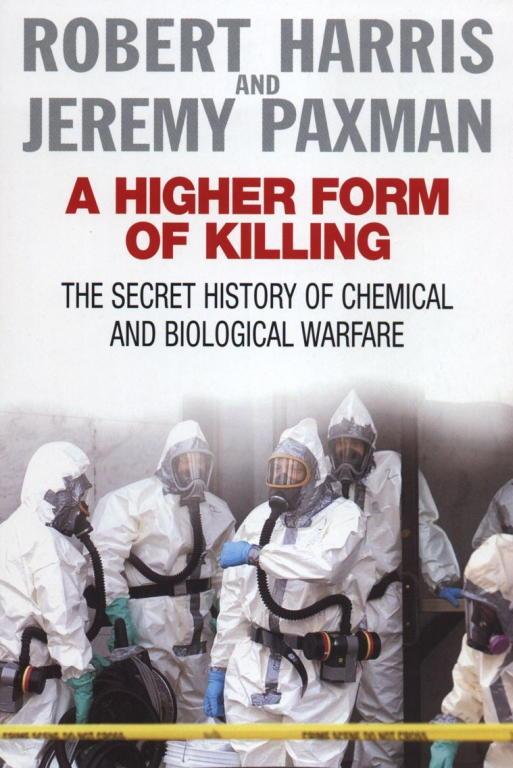
A Higher form of Killing

fb2
The proliferation of chemical and biological weapons is the greatest threat the world faces today. Far easier to make than nuclear bombs, their effects are scarcely less devastating. And many of the world’s most dangerous regimes – Iraq, Iran, Syria, Libya and North Korea – either possess them, or are trying to get hold of them. In the hands of terrorists, they could kill thousands, or even millions.Updated in the aftermath of the September 11 attacks, this classic account of the history of chemical and biological warfare, by two of Britain’s leading journalists, spans almost a century of horror, from the mustard gas of the First World War to the germ weapons built up by Saddam Hussein.
An Officer and a Spy

fb2
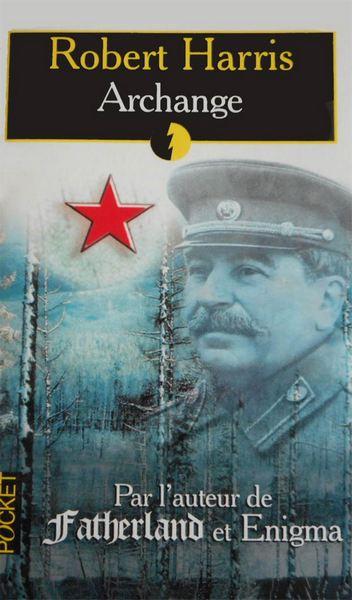
Archange

fb2
Archange raconte l'histoire de quatre jours de la vie de Fluke Kelso, ancien professeur d'histoire à Oxford, venu assister à Moscou à une conférence sur les archives soviétiques récemment ouvertes.Une nuit, Kelso reçoit à son hôtel la visite d'un ancien officier du NKVD, ancien garde du corps de Beria, chef de la police secrète. L'homme prétend avoir été dans la datcha de Staline la nuit où celui-ci eut son attaque fatale, et avoir aidé Beria à subtiliser les documents secrets du dictateur, en particulier un carnet.Kelso décide de consacrer sa dernière matinée à Moscou à vérifier les dires de cet homme. Mais ce qui débute comme une simple enquête à la bibliothèque Lénine se transforme très vite en une chasse à l'homme meurtrière jusqu'à Archangelsk au nord de la Russie, jusqu'aux vastes forêts au bord de la mer Blanche, où l'ultime, terrible secret de Joseph Staline est resté caché depuis près d'un demi-siècle.Sur l’auteurRobert Harris est né en 1957 à Nottingham, en Grande-Bretagne. Après des études à l’université de Cambridge, il entre en 1978 à la BBC en tant que reporter et réalisateur pour des émissions prestigieuses comme « Panorama ». Il quitte la télévision en 1987 pour devenir éditorialiste politique à l’Observer, puis au Sunday Times ; il est élu « éditorialiste de l’année » en 1992.Depuis 1984, il a publié trois essais, dont Selling Hitler (1986), sur les carnets intimes d’Hitler, et deux biographies de personnalités politiques britanniques. Il s’oriente ensuite vers la fiction avec Fatherland (1992) et Enigma (1995), qui sont rapidement reconnus comme des modèles du thriller historique. Ses romans ont été traduits dans une trentaine de langues et se sont vendus à plus de six millions d’exemplaires dans le monde.Robert Harris vit actuellement dans le Berkshire, en Grande-Bretagne, avec son épouse et leurs trois enfants.
Archangel

fb2
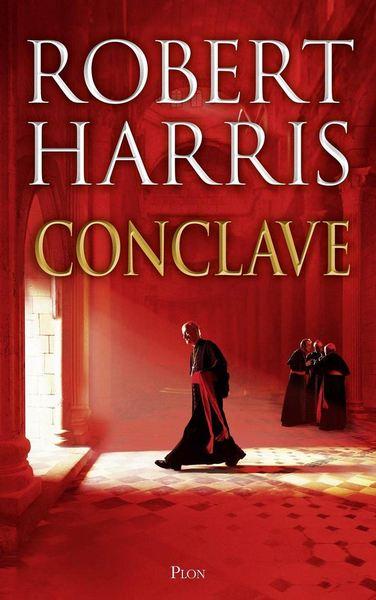
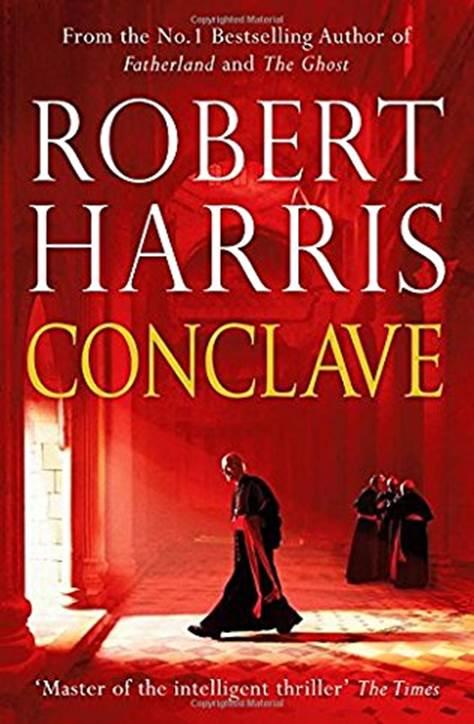
Conclave

fb2
Un suspense haletant qui nous ouvre les portes de l'élection la plus secrète du monde.Le pape est mort.Derrière les portes closes de la chapelle Sixtine, cent dix-huit cardinaux venus des quatre continents vont participer à l'élection la plus secrète qui soit.Ce sont tous des hommes de foi. Mais ils ont des ambitions. Et ils ont des rivaux.En secret, les alliances se préparent.Ce n'est plus qu'une question d'heures… L'un de ces cardinaux va devenir la figure spirituelle la plus puissante au monde. Sur la place Saint-Pierre, deux cent cinquante mille chrétiens attendent de voir la fumée blanche apparaître…Biographie de l'auteurRobert Harris est né à Nottingham en 1957. Il a été journaliste à la BBC, puis à l'Observer et au Sunday Times, activité pour laquelle il a reçu, en 1992, le titre d' « éditorialiste de l'année ». Il a publié cinq essais dont deux biographies politiques, puis s'est tourné vers la fiction. Il est l'auteur des déjà célèbres Imperium, Pompéi, Archange, Enigma et Dictator. Ses romans se sont vendus à plus de dix millions d'exemplaires et ont été traduits en trente-trois langues.
Conclave

fb2
The Pope is dead.Behind the locked doors of the Sistine Chapel, one hundred and eighteen cardinals from all over the globe will cast their votes in the world’s most secretive election.They are holy men. But they have ambition. And they have rivals.Over the next seventy-two hours one of them will become the most powerful spiritual figure on earth.
D.

fb2
Ils ont menti pour protéger leur pays. Il a dit la vérité pour le sauver. Un roman historique captivant dans le Paris dé la Belle Époque par l’auteur de Fatherland.Paris, janvier 1895. Par un matin glacial, un officier de l’armée, Georges Picquart, assiste devant vingt mille personnes hurlant A mort le juif ! à l’humiliation publique d’un capitaine accusé d’espionnage : Alired Dreyfus.Picquart est promu : il devient le plus jeune colonel de l’armée française et prend la tête de la section de statistique — le service de renseignements qui a traqué Dreyfus.Dreyfus, lui, est condamné au bagne à perpétuité sur l’île du Diable, il n’a le droit de parler à personne, pas même à ses gardiens, et son affaire semble classée pour toujours.Mais, peu à peu, Picquart commence à relever des éléments troublants dans l’enquête, tout en lisant les lettres de Dreyfus à sa femme dans lesquelles celui-ci ne cesse de clamer son innocence. Et quand le colonel découvre un espion allemand opérant sur le sol français, ses supérieurs refusent de l'écouter. En dépit des avertissements officiels, Picquart persiste et va se retrouver lui aussi dans une situation délicate.Robert Harris est né à Nottinglmm en 1957. Journaliste politique et romancier, il est l’auteur de plusieurs romans traduits en 37 langues dans le monde entier, dont L’Homme de l’ombre adapté au cinéma par Roman Polanski sous le titre The Ghost Writer.Un récit captivant sur le pouvoir, les dissimulations et l'idéalisme.The TelegraphTraduit de l'anglais par Natalie Zimmermann
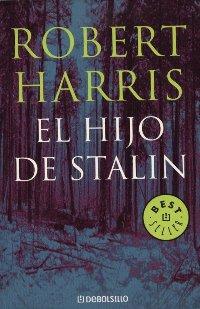
El hijo de Stalin

fb2
Rusia zozobra en el caos y muchos añoran un nuevo Stalin, alguien capaz de poner orden con mano dura e implacable. ¿Puede existir en la actualidad un personaje así? ¿Tal vez alguien por cuyas venas corra la misma sangre del dictador? Esta espeluznante hipótesis parece cobrar consistencia cuando Kelso, un profesor de Oxford, visita Moscú invitado a un congreso del gobierno y tiene noticia de dos hechos que podrían cambiar el curso de la historia: en algún lugar se oculta su hijo bastardo. Kelso emprende una peligrosa investigación a lo largo de cuatro días de pesadilla que le llevarán al centro de una verdad casi inimaginable… Obra maestra de su género, El hijo de Stalin es un vibrante y descarnado thriller político. Su inquietante trama da lugar a la reflexión y su fuerza narrativa cautiva desde la primera página.
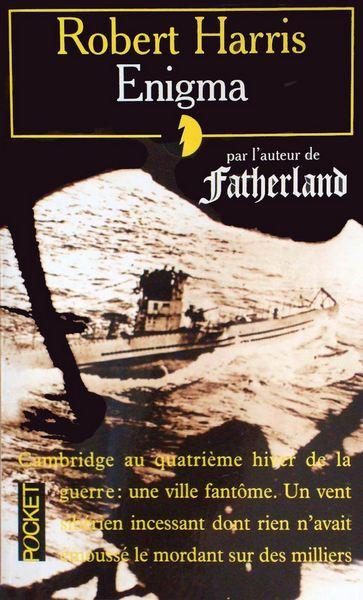
Enigma

fb2
Dans le secret de Bletchley Park, où des centaines de mathématiciens anglais cherchent à paralyser le système nerveux du IIIe Reich, Tom Jéricho, le plus doué d'entre eux, est parvenu à décrypter « Enigma », le codé des U-Boote allemands. Pour lui, mission accomplie, la guerre est terminée.Un tout autre combat l'attend maintenant retrouver Claire Romilly, la femme de sa vie, inexplicablement disparue au milieu d'un nid d'espions. Mais, en ce printemps 1943, le code d'« Enigma » change soudain de fréquence et de chiffre. Privés d'informations, les convois maritimes alliés se dirigent tout droit vers les sous-marins de l'amiral Dönitz.
Enigma

fb2
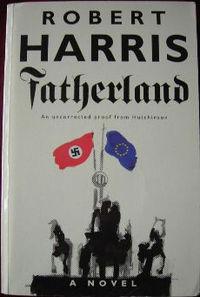
Fatherland

fb2
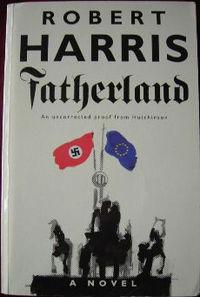
The year is 1964. The setting is Berlin. JFK’s father, Joe Kennedy, is president. Edward VIII is king, Wallis his queen. Adolf Hitler is about to celebrate his 75th birthday. In this thriller with a twist, the stalemate which ended World War II has evolved into a cold war, not between the Soviet Union and the United States, but between the Third Reich and America. Police investigator Xavier March handles a case involving the death of a prominent Nazi, an apparent suicide. The trail leads to other suicides, accidental deaths, a numbered vault in Zurich, and a beautiful American reporter. March discovers the pattern behind the deaths and locates incriminating papers exposing the Holocaust, which, because Germany didn’t lose the war, has been kept secret for 20 years.
Fatherland

fb2
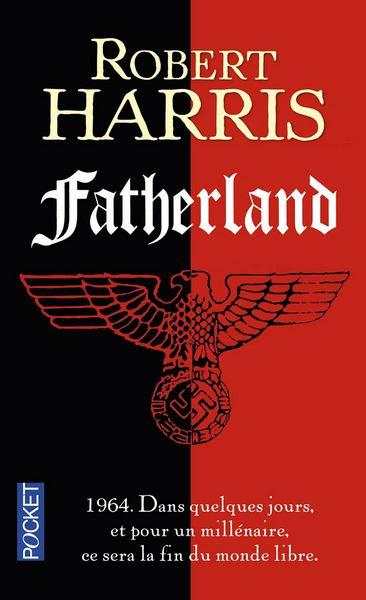
Berlin, 1964. Les forces de l'Axe ont gagné la guerre, la paix nazie règne sur l'Europe. L'Amérique a refusé le joug. Mais, dans quelques jours, le président Kennedy viendra conclure une alliance avec le Reich. Ce sera la fin du monde libre.Deux meurtres viennent perturber les préparatifs. Les victimes sont d'anciens S.S. de haut rang jouissant d'une paisible retraite. Chargé de l'affaire, l'inspecteur March s'interroge. S'agit-il d'un règlement de comptes entre dignitaires ? Pourquoi la Gestapo s'intéresse-t-elle à l'enquête ? Quelle est cette vérité indicible qui semble menacer les fondations du régime ? Dans Berlin pavoisé, les bourreaux guettent, prêts à tout pour étouffer les dernières lueurs de la liberté.« Le passé réinventé ! Une histoire à faire frémir. Des personnages et une intrigue totalement convaincants. »The Telegraph« À donner la chair de poule ! »The Sunday Times
Fatherland

fb2
The year is 1964. The setting is Berlin. JFK’s father, Joe Kennedy, is president. Edward VIII is king, Wallis his queen. Adolf Hitler is about to celebrate his 75th birthday. In this thriller with a twist, the stalemate which ended World War II has evolved into a cold war, not between the Soviet Union and the United States, but between the Third Reich and America. Police investigator Xavier March handles a case involving the death of a prominent Nazi, an apparent suicide. The trail leads to other suicides, accidental deaths, a numbered vault in Zurich, and a beautiful American reporter. March discovers the pattern behind the deaths and locates incriminating papers exposing the Holocaust, which, because Germany didn’t lose the war, has been kept secret for 20 years.
Imperium

fb2
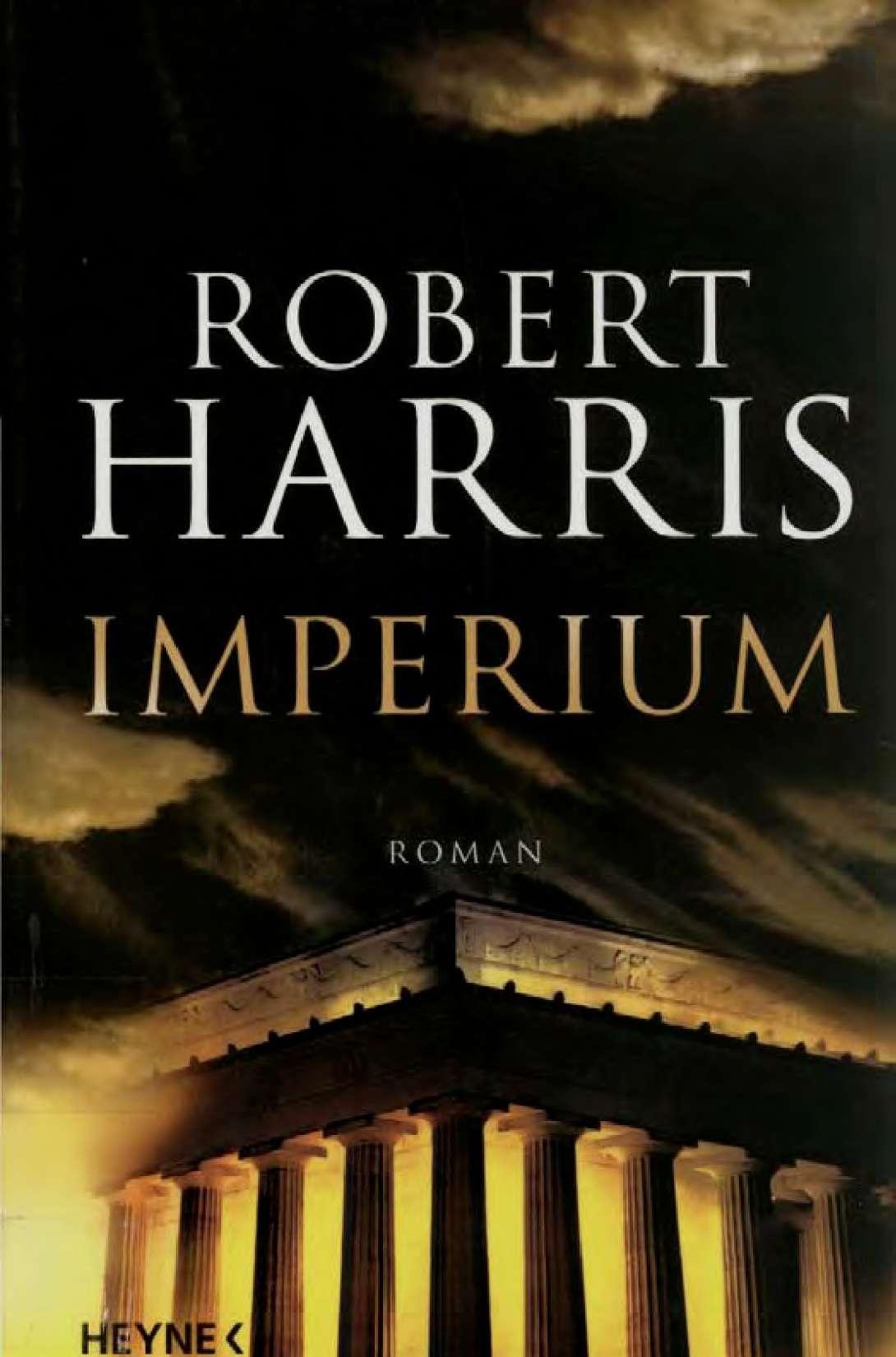
From the bestselling author of Pompeii comes the first volume in an exciting new trilogy set in ancient Rome – an imaginary biography of Cicero, Rome 's first and greatest politician. Of all the great figures of Roman times, none was more fascinating or attractive than Marcus Cicero. A brilliant lawyer and orator, a famous wit and philosopher, he launched himself at the age of twenty-seven into the violent, treacherous world of Roman politics. Cicero was determined to attain imperium, the supreme power in the state. Beside him at all times in his struggle to reach the top – the office of Consul – was his confidential secretary, Tiro. An accomplished man, Tiro was the inventor of shorthand and the author of numerous books, including a famous life of Cicero, unfortunately lost in the Dark Ages. In Imperium, Robert Harris recreates Tiro's vanished masterpiece, recounting in vivid detail the story of Cicero 's rise to power, from radical young lawyer to first citizen of Rome, competing with men such as Pompey, Caesar, Crassus and Cato. Harris's Cicero is an immensely sympathetic figure. In his introduction to this imaginary memoir, Tato states: “Cicero was unique in the history of the Roman republic in that he pursued supreme power with no resources to help him apart from his own talent… All he had was his voice, and by sheer effort of will, he turned it into the most famous voice in the world.”Ever since Walter Scott wrote Waverley, the dominant tradition of the historical novel has been one of obsessive realism. Why this should be so is no great mystery. By and large, only novelists who take drug culture as their theme, or perhaps a poverty-stricken upbringing in Ireland, feel under greater pressure to demonstrate the authenticity of their material. This, for historical novelists who do not push their settings too far back in time, can often prove a positive inspiration. Robert Harris, writing about Bletchley Park in his thriller Enigma, was evoking a period when the fashion in English fiction had itself been broadly realist. Not only did this provide him with a ready supply of juicy period detail, it also justified the recycling of it. A genre, after all, is as much a product of its time as anything else. A novel set in 1940s England has every right to be as realist as it likes.But what about fiction set in the more distant past? We have plenty of literature from the pre-modern era, but it is often of limited value to writers working in the realist tradition. Indeed, in most periods of ancient history, there isn't much of a reality to be realist about. The most surefire solution to this problem, because also the most brutal, is simply to embrace anachronism – what might be termed the Up Pompeii approach. The modern exemplar of this is Lindsey Davis, and her hugely entertaining Falco novels. Flavian Rome may provide the backdrop, but there is never any doubt that Falco himself, for all his togas, is a thoroughly modern private eye. Indeed, since the genre of the detective novel is a modern one, it is hard to imagine what a credibly ancient private eye might be like.Harris, whose first three novels were set in the 20th century, played things similarly safe when he too moved back in time to Flavian Rome. Pompeii, a thriller about the eruption of Mount Vesuvius, was essentially a blending of Chinatown and any number of disaster movies. As a page-turner, it was predictably gripping; but as a recreation of the 1st century AD it had inevitable limitations. How, after all, was a contemporary genre supposed to offer an authentic vision of a period to which it was profoundly alien? This is a question to which Harris has evidently been giving much thought; and in his new novel, Imperium, he presents us with his solution.The setting, like that of Pompeii, is classical. A century and a half before the eruption of Vesuvius, the Roman world was administered not by an emperor but as a republic. Rival players competed for the fruits of power: the "imperium" of the title. Since Rome was by this stage the undisputed mistress of the Mediterranean, the potential pickings were mouth-watering. As ambitions turned ever more carnivorous, so politics took on an increasingly lurid and epic hue. Two thousand years on, those who emerged from the power struggle still cast a lengthy shadow over the imagination: Pompey, Crassus, Caesar, Cicero.Rich material for any writer – but there is a further reason, I suspect, why Harris has chosen the mid-1st century BC as his setting. It is, by a wide margin, the best documented period in ancient history, with what is, for the classicist, a whole wealth of evidence: orations, memoirs, even personal correspondence. Harris, like an excavator restoring a shattered mosaic, uses material native to the Romans whenever he can, fitting the fragments of real speeches and letters into the patterns of his own reconstruction. The result is an experiment as bold as it is unexpected: a novel that draws so scrupulously on the Roman source material that it forgoes much of what are traditionally regarded as the prime features of the thriller. Although there is detective work, there is no detective; although there are twists and turns, there is rarely any artificial ratcheting up of suspense. Instead, Harris trusts to the rhythm of the republic's politics to generate his trademark readability, a rhythm that the Romans themselves enshrined in their literature as something relentlessly exciting: in short, a thriller. Genres ancient and modern have rarely been so skilfully synthesised.Like I Claudius, a novel that similarly exploited the resources of classical literature, Imperium takes the form of a memoir. Tiro, the shy and bookish slave who writes it, was celebrated in ancient times as the inventor of shorthand: Harris has him transcribing key conversations and speeches with a flawless accuracy, and even, on one occasion, when he is secreted into a conference, serving as a human bug. But that is not the limit of Tiro's value as a literary device, for he was also the slave of the most prolific author in ancient history, the Roman who more than any other reveals himself to us in all his manifold contradictions, his brilliance and his blindness, his ambition and his vulnerability: Marcus Tullius Cicero.Tiro's master, unlike the aristocrats who customarily secured power in the republic, was a parvenu, with no family tradition of imperium to draw upon, and few other resources save for the spell-binding power of his oratory. It was this that made his rise to the consulship, the supreme office in Rome, all the more extraordinary; and it is the story of this rise that Harris uses to structure his narrative. Cicero, who was as vain as he was insecure, would have been delighted by the result. Once, in a letter to a friend, he anxiously wondered what people would be saying about him in a thousand years' time. To know, more than two millennia after his death, that he is the hero of such a gripping and accomplished novel must be giving his shade the most exquisite delight.
Imperium

fb2
L'homme de l'ombre

fb2
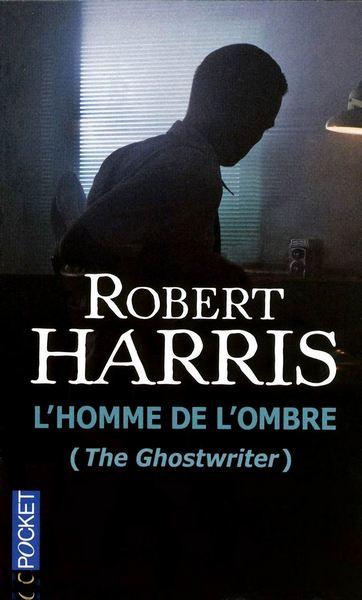
Un écrivain professionnel est engagé pour rédiger les mémoires d'Adam Lang, le Premier ministre britannique resté le plus longtemps en exercice, et le plus controversé, de ces cinquante dernières années. Un projet périlleux sur lequel planent de nombreuses zones d'ombre et notamment la mort curieuse du précédent rédacteur…A peine mis au travail, l'écrivain découvre des secrets que Lang n'a guère l'intention de révéler.Des secrets explosifs susceptibles de bouleverser la politique mondiale… Des secrets susceptibles de tuer. Danger, oppression, panique : la tension monte.« Pas étonnant que Polanski se soit jeté dessus. Il y a là tout pour réaliser un grand film. »François Vey — Le Parisien / Aujourd’hui en France« Robert Harris (…) est un maître du suspense doublé d’un humoriste pince-sans-rire, et son livre se lit d’une traite. »B. de C. — Valeurs Actuelles
L’indice de la peur

fb2
Alexander Hoffmann, patron d'un fonds d’investissement à Genève et génie de la finance, a trouvé un algorithme qui permet de multiplier les gains à l'infini : l’indice de la peur. Mais le scénario idéal bascule, Alexander est espionné. Ou paranoïaque ?La folie le guette et pendant ce temps l'indice de la peur s’emballe, le système devient incontrôlable, est sur le point de provoquer un krach boursier sans précédent. La panique s’empare des marchés et l'étau se referme : Alexander ne pourra peut-être plus détruire le monstre qu’il a créé, un monstre numérique et immortel.Thriller psychologique de haute voltige, trépidant et terrifiant, L'Indice de la peur prouve une fois encore l'incroyable talent de Robert Harris, son goût de l’intrigue et du complot, sa fascinante maîtrise du suspens.Robert Harris est l'auteur de L’Homme de l'ombre (Pion, 2010, disponible en Pocket), adapté au cinéma par Roman Polanski sous le titre The Ghost Writer et pour lequel Polanski et Harris ont reçu le César du meilleur scénario.Paul Greengrass, réalisateur de La Vengeance dans la peau, adaptera L'Indice de la peur en 2012.Traduit de l'anglais par Natalie Zimmermann
Pompeii

fb2
Selling Hitler

fb2
APRIL 1945: From the ruins of Berlin, a Luftwaffe transport plane takes off carrying secret papers belonging to Adolf Hitler. Half an hour later, it crashes in flames…APRIL 1983: In a bank vault in Switzerland, a German magazine offers to sell more than 50 volumes of Hitler’s secret diaries. The asking price is $4 million…Written with the pace and verve of a thriller and hailed on publication as a classic, Selling Hitler tells the story of the biggest fraud in publishing history.
The Fear Index

fb2
< 1 2 >