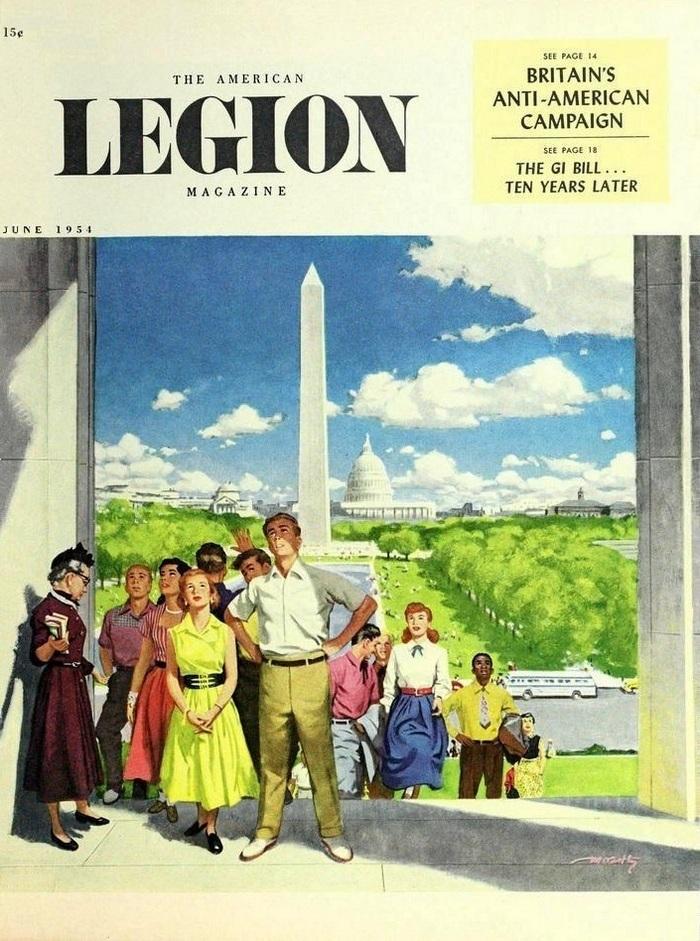
Kids on Wheels
 fb2 fb2
To a young boy there is nothing more tragic than to be left out of things — even the wrong things.
|
|
Kids on Wheels
fb2
To a young boy there is nothing more tragic than to be left out of things — even the wrong things.
|
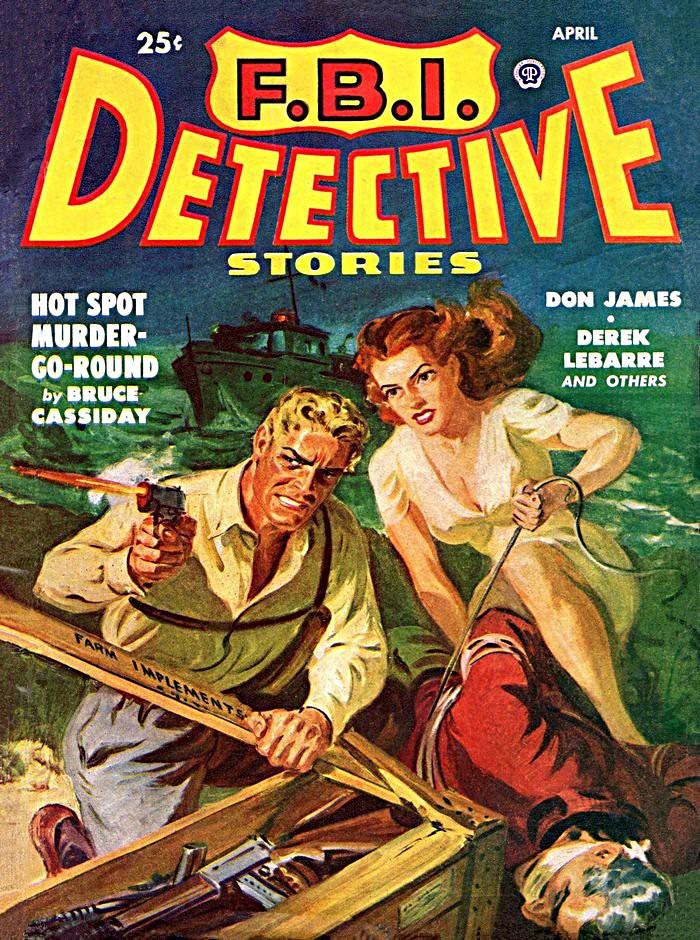
Loot for the Unlucky Lady
fb2
Steve Harris, private-eying for a notorious gambler, had to make a play for a wild killer’s loyal sweetheart — to unearth ninety grand in bloody gold.
|
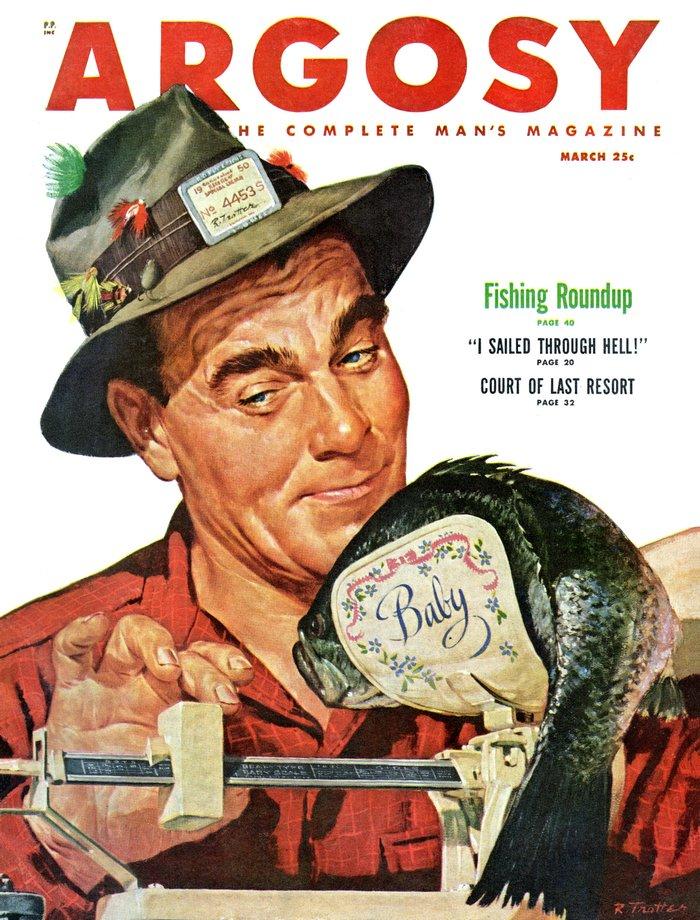
Man-Stalk
fb2
He could take him alive with a bullet in the shoulder — but four inches and four thousand dollars to the left was the throat.
|

Salute to Courage
fb2
His feet would run, while his heart stood still — until he remembered: “Death is a victory — if it comes at the hands of a coward!”
|
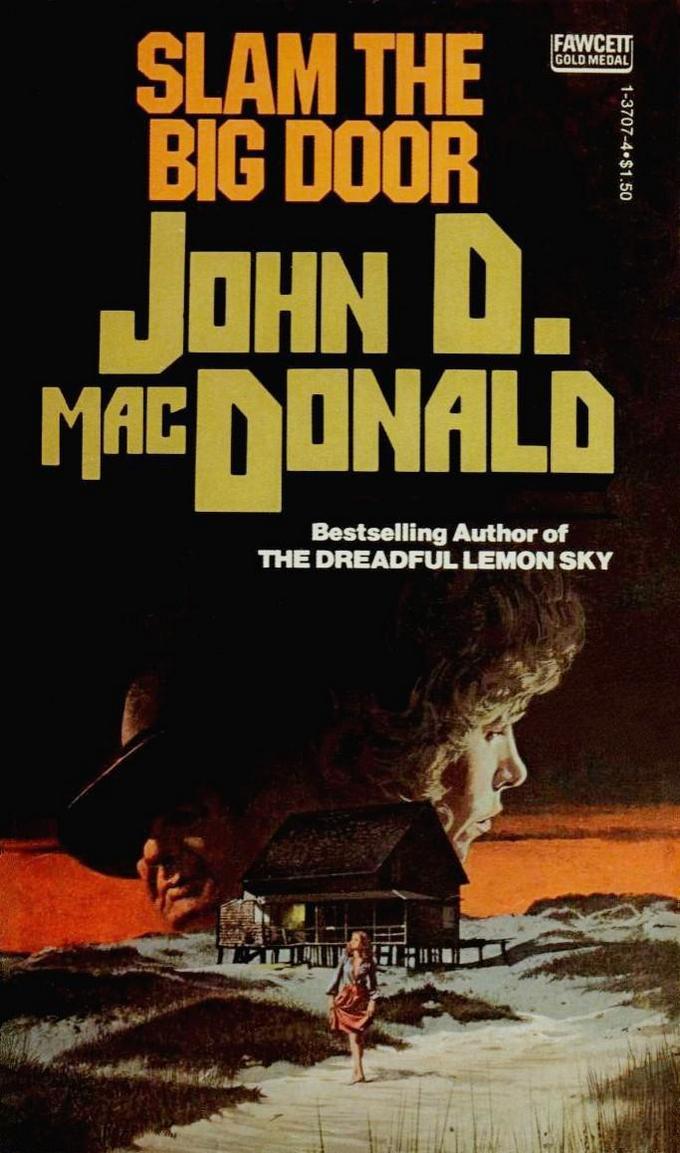
Slam the Big Door
fb2
Beneath the relaxed exterior of their lush beach life — the year-round sun tans, the unmeasured cocktails, the casual embraces — there pulses an insistent, blood-warm note of violence, of unspeakable desire...Before the story is done, the pulse has run wild...
|
That Old Grey Train
fb2
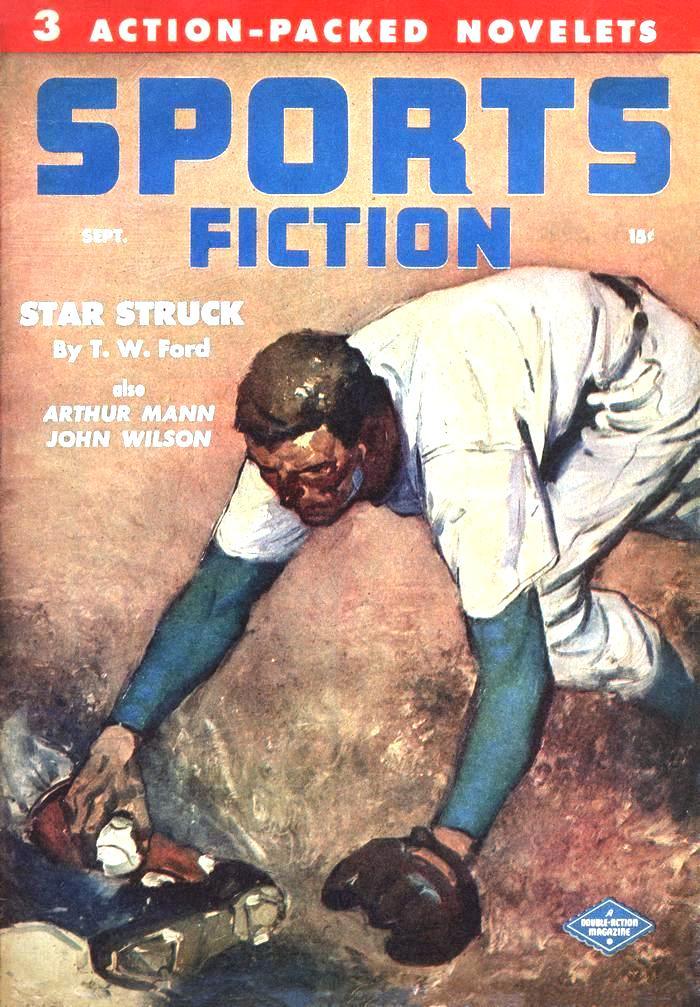
No one remembered Singer Washburn now; the years had chugged by, and the old grey train had carried him far past the time when he’d be champ, past the time when he’d be retiring. Then he saw this kid Joe, with a mean streak in him, and knew that Singer Washburn wasn’t useless yet — there were a few things he could do, and maybe doing them would somehow make up for what he’d lost...
|
The Anonymous Letter
fb2
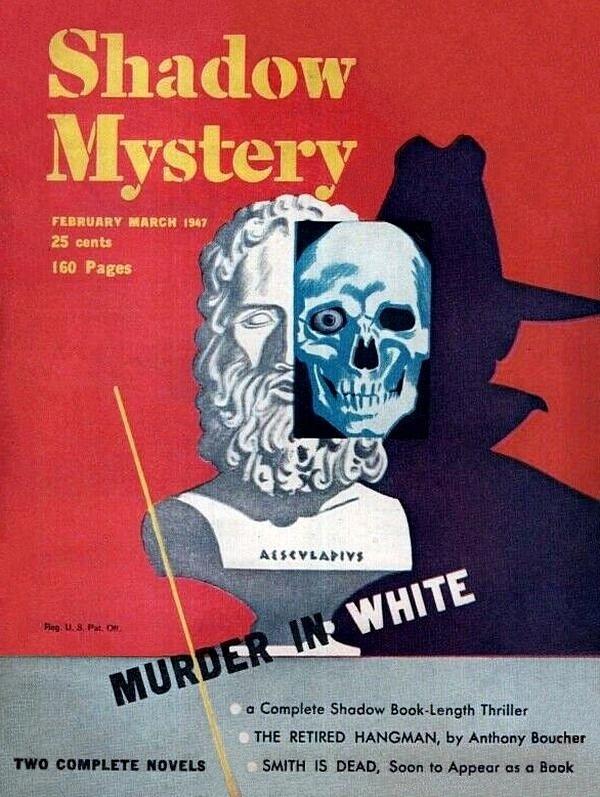
When an author turns out several stories a month — and they’re all first-rate, which is unusual — you’d think, rightly, that he’d been in the game a long time. But that’s not the case with John D. MacDonald. Even though he falls into the first category, he definitely doesn’t fall into the second, because he’s only been writing about a year. Never even wanted to be a writer.
|
The Big Gun
fb2
|
The Dead Dream
fb2
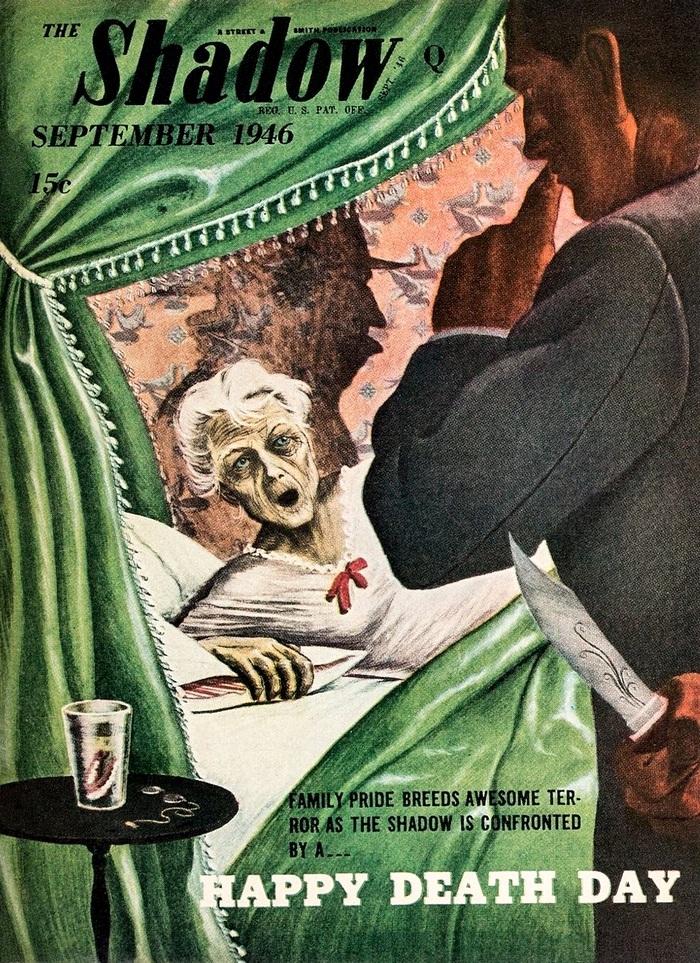
Sonia needed help and Bill was just the guy for a lady in distress. Then came the boomerang...
|
The Deep Blue Good-Bye
fb2
When I first arrived at Ballantine, where I am the mass market managing editor, we were just undergoing a daunting task: repackaging all of John D. MacDonald's Travis McGee novels. We were giving him a brand-new, beautiful look; ingeniously, we used a deep blue color for THE DEEP BLUE GOOD-BY, a gold color for A DEADLY SHADE OF GOLD, a lavender hue for THE LONG LAVENDER LOOK, etc. But as I worked on the actual stories themselves, I realized that as colorful as these books now are on the outside, they're even more colorful on the inside. In order to prepare these books, we had to have them retyped from scratch; some of these books are so old that the plates had died, so we had nothing to print from. So all the books had to be proofread as if they were new books, and what a joy it was working on them. I unexpectedly rediscovered an author and character I knew very little about. Travis McGee is one of the great characters in crime fiction, and John D. MacDonald a fascinating storyteller. You never know what either is going to do next, or say next; what is going on in their minds is as important, if not more so, then what is going on outside Travis's boat. All of which add up to a heckuva fun series.Mark Rifkin, Managing Editorial
|
The Good Old Stuff
fb2
The Good Old Stuff is a selection of thirteen of John D. MacDonald’s best mystery stories written between 1947 and 1952, at the beginning of his career. While many readers know about MacDonald’s success from recent books such as Cinnamon Skin, Free Fall in Crimson and The Empty Copper Sea, few but the hardcore mystery addicts remember when MacDonald wrote for magazines.The Good Old Stuff has been chosen carefully to give readers a taste of his early best and to show the range of his abilities in the mystery genre. “The Simplest Poison” is a straight detective story, “Miranda” psychological suspense, “Noose for a Tigress” a real thriller. “Murder for Money” gives us an early glance at the Travis McGee prototype. In “Breathe No More” and “From Some Hidden Grave” you will see an even more recognizable Travis McGee hero in Park Falkner.Contemporary MacDonald readers and Travis McGee fans will delight in recognizing these precursors to Travis McGee; and mystery readers who remember them when they first appeared will remark on that extraordinary talent for storytelling, which is as apparent in his early stories as it is in his recent novels.
|
The Hands of an Artist
fb2
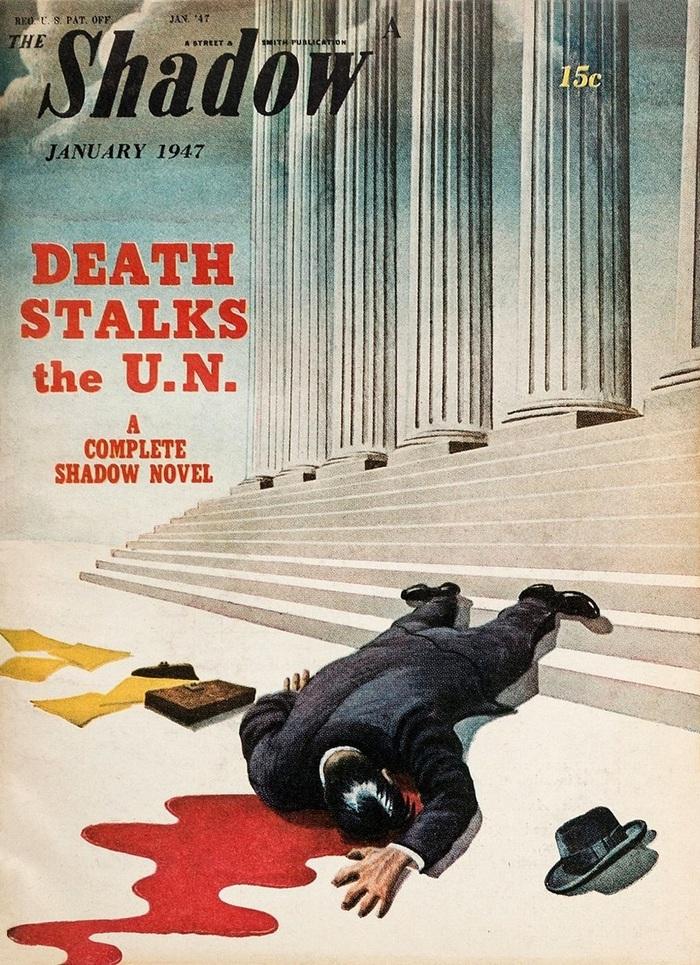
Painting, foreign climes, girls who were fresh, tweet and young... all could be his; now to get rid of Myra!
|
The House Guests
fb2
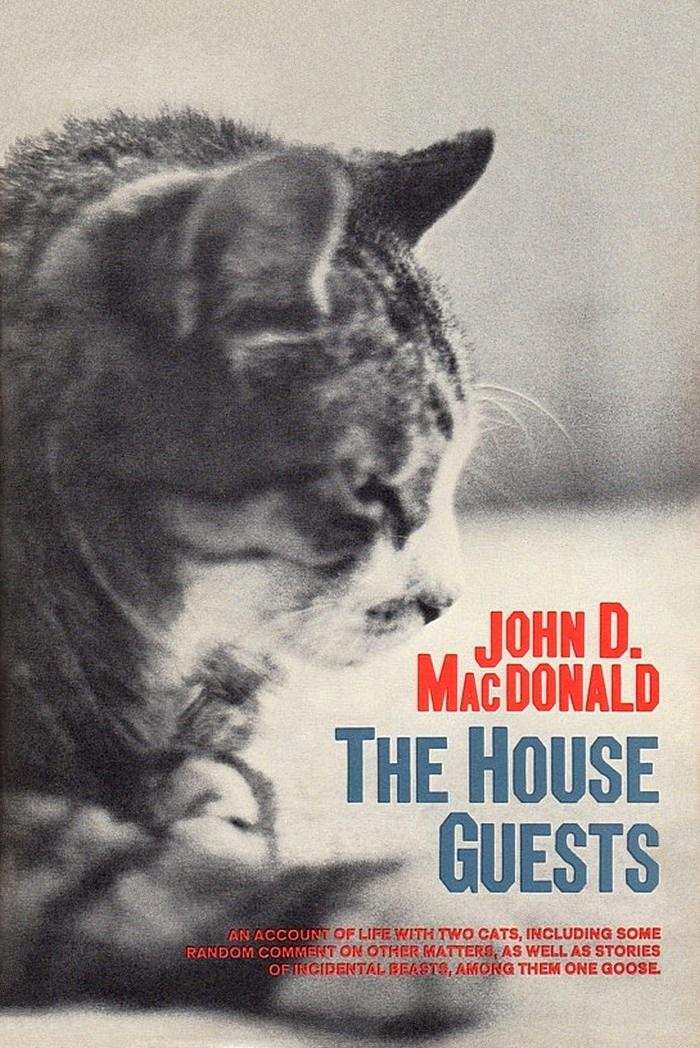
At rare intervals we find ourselves in the odd position of publishing a book we cannot describe on the jacket flap. This is a baffling sample of the genre. On the most obvious level, it is a wry, unsentimental, perceptive account of how to co-exist with two cats of astonishing longevity. On another level, it is an illuminating portion of informal autobiography of one of the more successful writers of fiction of our times. Additionally, it is a careful, authentic observation of the domesticated feline, of Roger and Geoffrey, gentleman cats of humor, intelligence, protocol, and delicately savage heritage. Perhaps most interesting of all is this backstage glimpse of the writer at home, his perceptions and prejudices, his use of the materials of life, in homes in Texas, New York, Mexico, and Florida, while he was publishing six hundred pieces of magazine fiction and forty-seven novels. Wondering how to classify this intriguing work, we asked Mr. MacDonald’s advice, and he wrote to us saying, “Your guess will be better than mine. All I know is that some years back I decided to do a book about cats, and related matters. Roger is pushing twenty. I think it would be nice to award him a little neighborhood adulation while he is still one of the group.”All we know is that those who never make the acquaintance of one house guest, a goose named Knees, are impoverishing themselves. And we predict Ol’ Rog is due for more than “a little neighborhood adulation.”
|

The Knife, the Chain and the Schoolyard
fb2
Once Brud had been certain there were thinas nothing in the world could make him do. But in this new world were the Black Dukes and the Sportsters.
|
The New Mammoth Book of Pulp Fiction
fb2
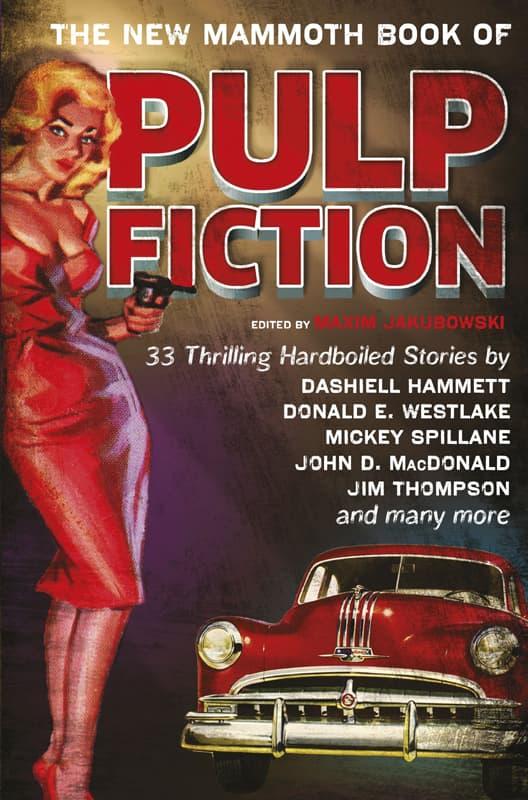
Pulp fiction has been looked down on as a guilty pleasure, but it offers the perfect form of entertainment: the very best storytelling filled with action, surprises, sound and fury. In short, all the exhiliration of a roller-coaster ride. The 1920s in America saw the proliferation of hundreds of dubiously named but thrillingly entertaining pulp magazines in America: Black Mask, Amazing, Astounding, Spicy Stories, Ace-High, Detective Magazine, Dare-Devil Aces. It was in these luridly-coloured publications, printed on the cheapest pulp paper, that the first gems began to appear. The one golden rule for writers of pulp fiction was to adhere to the art of storytelling. Each story had to have a beginning, an end, economically-etched characters, but plenty going on, both in terms of action and emotions. Pulp magazines were the TV of their day, plucking readers from drab lives and planting them firmly in thrilling make-believe, successors...
|
The Paw of the Cat
fb2
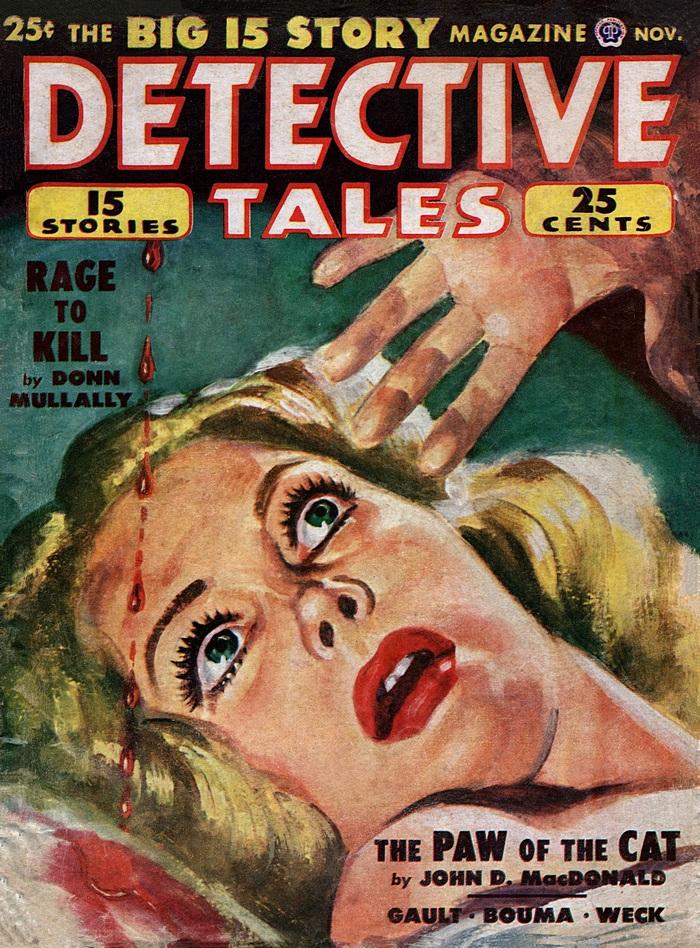
The paw of the cat — reached out for the killer of that lovely doomed blonde and closed — on nothing!
|
The Whispering Knives
fb2
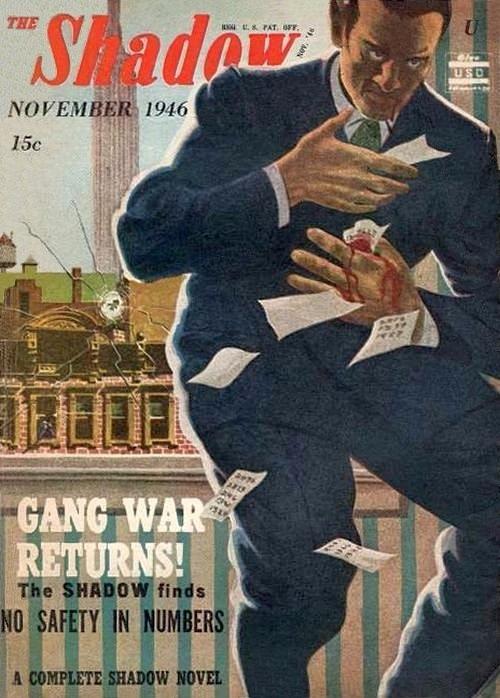
His thirsty, home-made knives and his savage, warped soul made men hate — and fear!
|

The White Lie
fb2
Adam saw they were a beautiful couple, and the boy was just like his father — except for one quality Adam has discovered years before...
|

Triangle
fb2
A geometric figure is sometimes more complicated than it looks.
|
Trojan Horse Laugh
fb2
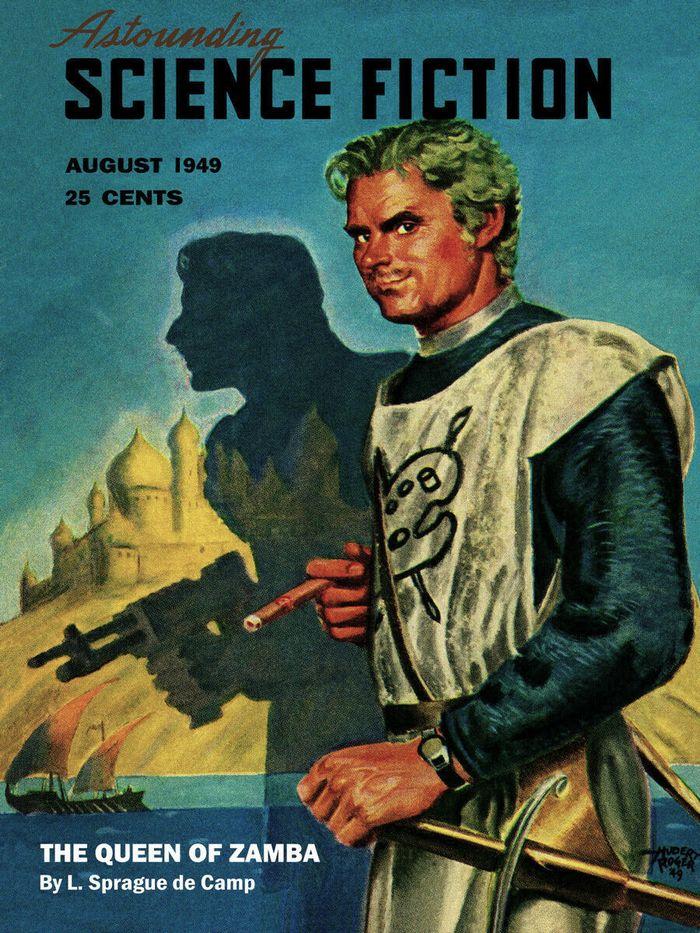
They say laughter’s injections, and psychologists recently have found evidence of rhythm patterns in human emotions. But MacDonald’s proposing a nasty combination—
|