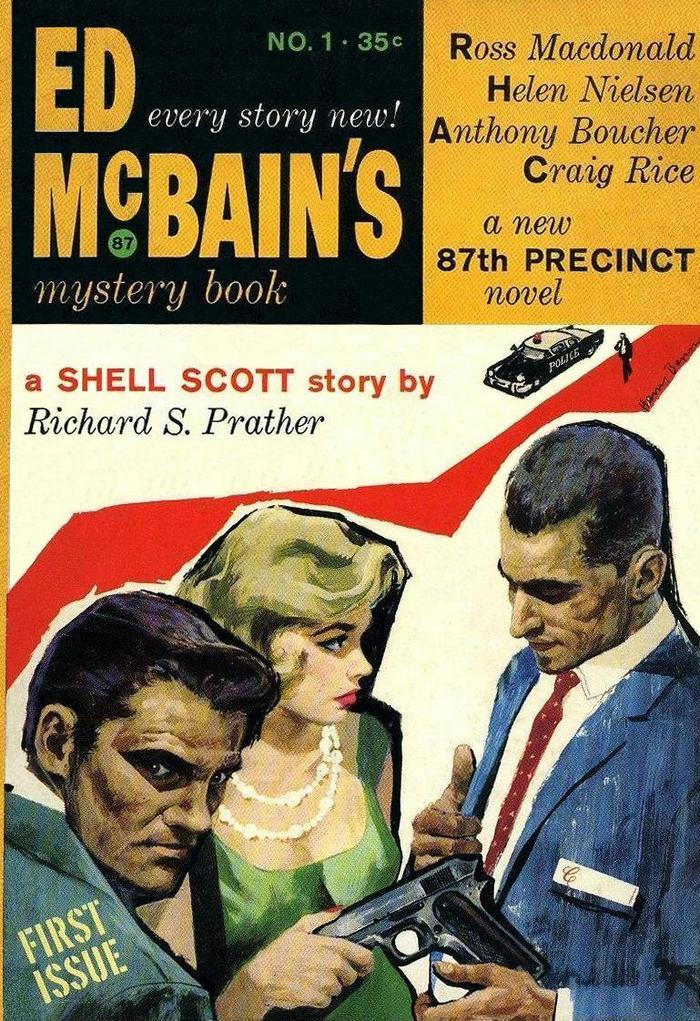
Ed McBain’s Mystery Book, No. 1, 1960
 fb2 fb2
|
|
Ed McBain’s Mystery Book, No. 1, 1960
fb2
|
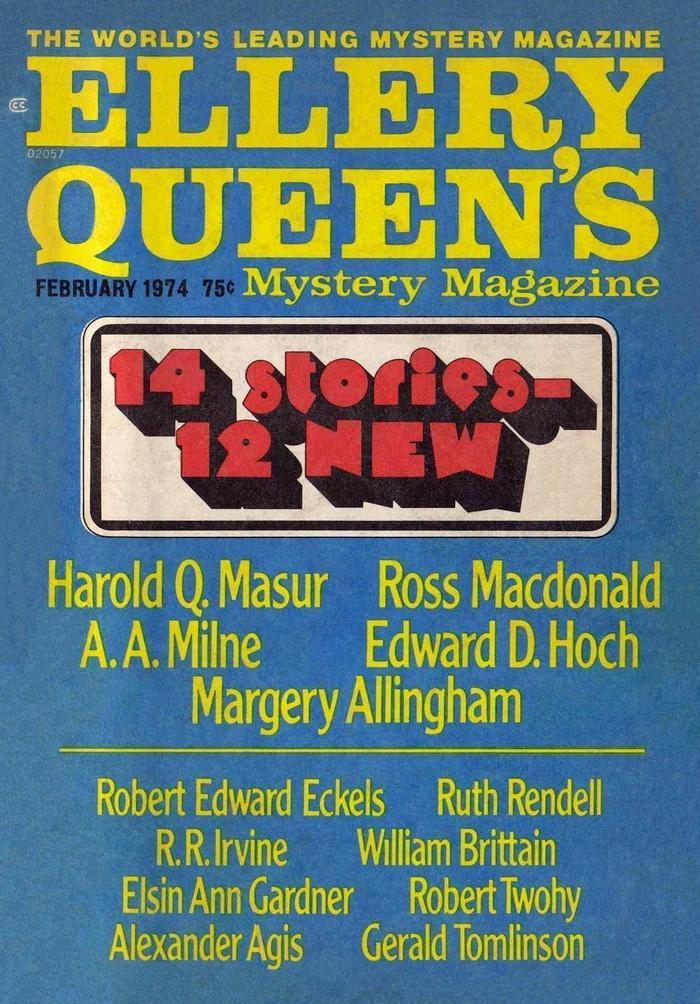
Ellery Queen’s Mystery Magazine, Vol. 63, No. 2. Whole No. 363, February 1974
fb2
|
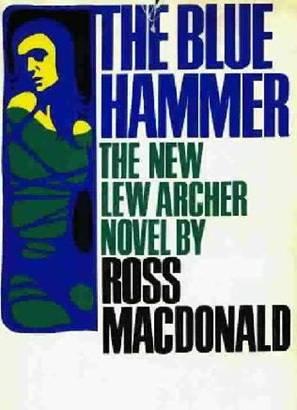
The Blue Hammer
fb2
The desert air is hot with sex and betrayal, death and madness and only Archer can make sense of a killer who makes murder a work of art.Finding a purloined portrait of a leggy blonde was supposed to be an easy paycheck for Detective Lew Archer, but that was before the bodies began piling up. Suddenly, Archer find himself smack in the middle of a decades-long mystery of a brilliant artist who walked into the desert and simply disappeared. He left behind a bevy of muses, molls, dolls, and dames-each one scrambling for what they thought was rightfully theirs.
|
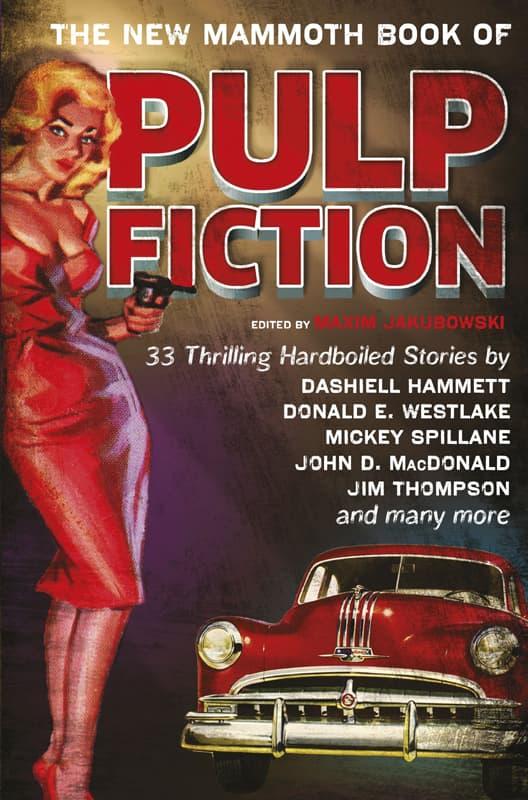
The New Mammoth Book of Pulp Fiction
fb2
Pulp fiction has been looked down on as a guilty pleasure, but it offers the perfect form of entertainment: the very best storytelling filled with action, surprises, sound and fury. In short, all the exhiliration of a roller-coaster ride. The 1920s in America saw the proliferation of hundreds of dubiously named but thrillingly entertaining pulp magazines in America: Black Mask, Amazing, Astounding, Spicy Stories, Ace-High, Detective Magazine, Dare-Devil Aces. It was in these luridly-coloured publications, printed on the cheapest pulp paper, that the first gems began to appear. The one golden rule for writers of pulp fiction was to adhere to the art of storytelling. Each story had to have a beginning, an end, economically-etched characters, but plenty going on, both in terms of action and emotions. Pulp magazines were the TV of their day, plucking readers from drab lives and planting them firmly in thrilling make-believe, successors...
|
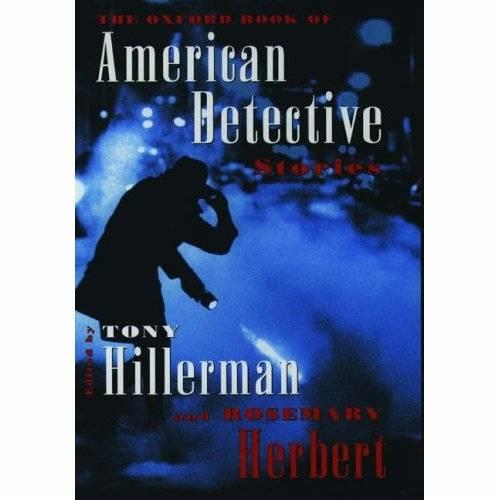
The Oxford Book of American Detective Stories
fb2
Hillerman, author of the Joe Leaphorn mysteries, and Herbert, editor of The Oxford Companion to Crime and Mystery Writing, trace this short-story genre from its beginnings in the hands of Edgar Allen Poe through its development by the likes of Erle Stanley Gardner, Mary Roberts Rinehart and Anthony Boucher to its current practice by such masters as Marcia Muller. Poe's "The Murders in the Rue Morgue," which established a great many of the whodunit conventions, is indispensable to such an overview. Raymond Chandler's "I'll be Waiting" emits a doom-laden atmosphere right from the first line; William Faulkner shows unexpected economy of language?and a transparent plot?in "An Error in Chemistry." Ed McBain scores high marks in "Small Homicide," in which the tiny details of a baby's untimely death resonate uncomfortably. As represented in this competent, unstartling collection, Linda Barnes ("Lucky Penny") easily outsasses Sue Grafton ("The Parker Shotgun"). Hillerman makes a solid appearance with "Chee's Witch," and in "Benny's Space" Muller captures the full subtle force of her novel-length vision.
|