HomeLib
Books without sequence (Ле Гуин Урсула К)
Dangerous People

fb2

When it was first published in 1985, Ursula K. Le Guin’s ambitious and experimental novel Always Coming Home, a tapestry of interwoven stories, poems, histories, myths, and anthropological reports from the fictional Kesh society, included one chapter from a novel called Dangerous People by Arravna, or Wordriver, which Le Guin had “translated” from the Kesh, the invented language of an invented people who “might be going to have lived a long, long time from now” in a post-apocalyptic Napa Valley, California.

Now Library of America presents, for the first time, the full text of the short, innovative, and perceptive novella Dangerous People, which Le Guin completed shortly before her death, making this Le Guin’s final new work.

The story of one missing woman and the people around her who may or may not be implicated in her death or disappearance, Dangerous People explores larger questions about what—in relationships, in relationships, in society—make a person “dangerous”; and in giving us the Kesh perspective, Le Guin ultimately shines a light on our own society’s perceptions of truth, gender, and relationships.

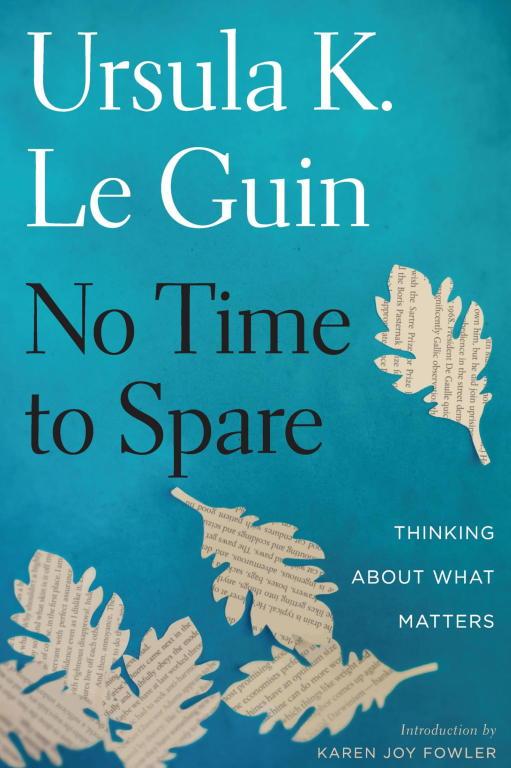
No Time to Spare: Thinking About What Matters

fb2

From acclaimed author Ursula K. Le Guin, and with an introduction by Karen Joy Fowler, a collection of thoughts—always adroit, often acerbic—on aging, belief, the state of literature, and the state of the nation.

Ursula K. Le Guin has taken readers to imaginary worlds for decades. Now she’s in the last great frontier of life, old age, and exploring new literary territory: the blog, a forum where her voice—sharp, witty, as compassionate as it is critical—shines. No Time to Spare collects the best of Ursula’s blog, presenting perfectly crystallized dispatches on what matters to her now, her concerns with this world, and her wonder at it.

On the absurdity of denying your age, she says, If I’m ninety and believe I’m forty-five, I’m headed for a very bad time trying to get out of the bathtub. On cultural perceptions of fantasy: The direction of escape is toward freedom. So what is ‘escapism’ an accusation of? On her new cat: He still won’t sit on a lap… I don’t know if he ever will. He just doesn’t accept the lap hypothesis. On breakfast: Eating an egg from the shell takes not only practice, but resolution, even courage, possibly willingness to commit crime. And on all that is unknown, all that we discover as we muddle through life: How rich we are in knowledge, and in all that lies around us yet to learn. Billionaires, all of us.Amazon.com Review

An Amazon Best Book of December 2017: Ursula K. Le Guin is comfortable with her age. Or at least she’s comfortable with the fact that it’s not a completely comfortable arrangement. In the opener to this collection of personal essays, Le Guin notes that, now that she’s in her eighties, all her time is occupied by the activities of life—she has no spare time and no time to spare. Le Guin is a thoughtful and careful writer, and so her opinions are thoughtfully and carefully organized. She knows what she thinks, and she writes so well that you’ll want to return to these candid essays—the product of a blog she started when she was 81 years old—like returning to an older, wiser friend.—Chris Schluep, The Amazon Book Review

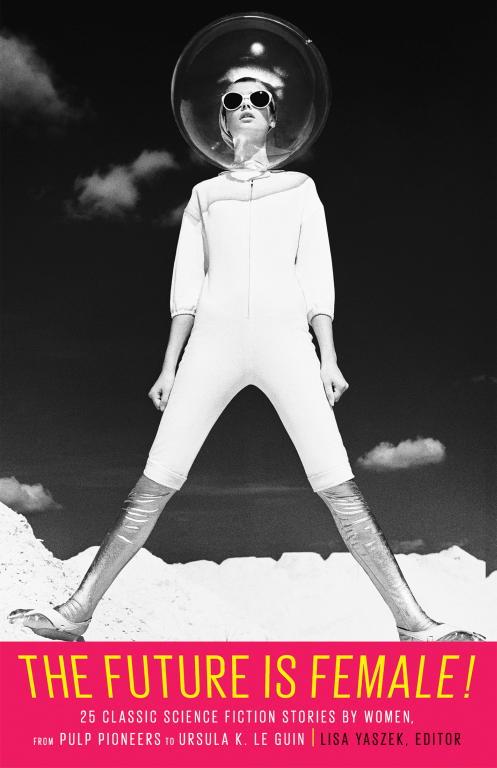
The Future Is Female!: 25 Classic Science Fiction Stories by Women, from Pulp Pioneers to Ursula K. Le Guin

fb2

Space-opera heroines, gender-bending aliens, post-apocalyptic pregnancies, changeling children, interplanetary battles of the sexes, and much more: a groundbreaking new collection of classic American science fiction by women from the 1920s to the 1960s

SF-expert Lisa Yaszek presents the biggest and best survey of the female tradition in American science fiction ever published, a thrilling collection of twenty-five classic tales. From Pulp Era pioneers to New Wave experimentalists, here are over two dozen brilliant writers ripe for discovery and rediscovery, including Leslie F. Stone, Judith Merril, Leigh Brackett, Kit Reed, Joanna Russ, James Tiptree Jr., and Ursula K. Le Guin. Imagining strange worlds and unexpected futures, looking into and beyond new technologies and scientific discoveries, in utopian fantasies and tales of cosmic horror, these women created and shaped speculative fiction as surely as their male counterparts. Their provocative, mind-blowing stories combine to form a thrilling multidimensional voyage of literary-feminist exploration and recovery.

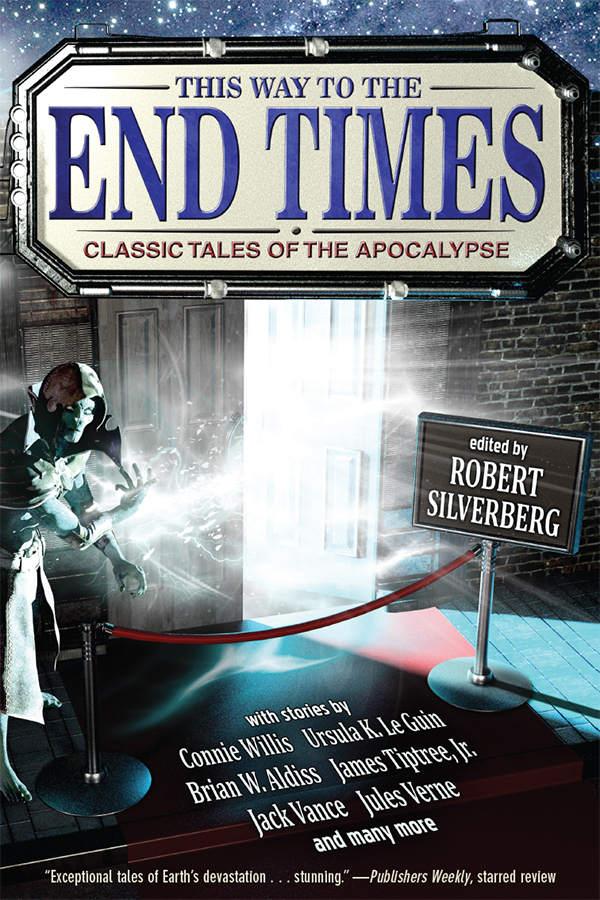
This Way to the End Times

fb2
THIS WAY TO THE END TIMES: Classic Tales of the Apocalypse, gathers 21 compelling, gripping stories of the not-too-distant demise of the earth as we know it. And what a collection. From little-known, brilliant tales by sci-fi legends Jules Vernes and Olaf Stapledon, to intense short works by sci-fi masters Ursula K. Le Guin, Connie Willis, Jack Vance, and Brian W. Aldiss, to haunting works by contemporary authors Dale Bailey, Alvaro Zinos-Amaro, Karen Haber and Megan Arkenberg, THIS WAY TO THE END TIMES paves the road to the fantastical future, alternating humor with grit, and hope with ghastly post apocalyptic visions. Guest editor Robert Silverberg—beloved sci-fi master—hand-picked each story, and offers an introduction to each, as well as an introduction to the anthology as a whole. A unique collection for longtime and new fans of speculative fiction, THIS WAY TO THE END TIMES roars into the future wide-eyed and full speed ahead. Complete list of...
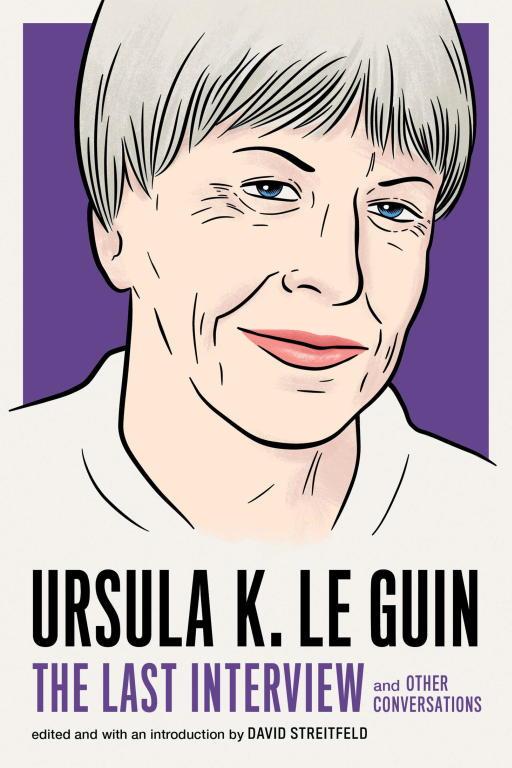
Ursula K. Le Guin: The Last Interview and Other Conversations

fb2

“Resistance and change often begin in art. Very often in our art, the art of words.”

—Ursula K. Le Guin

When she began writing in the 1960s, Ursula K. Le Guin was as much of a literary outsider as one can be: a woman writing in a landscape dominated by men, a science fiction and fantasy author in an era that dismissed “genre” literature as unserious, and a westerner living far from fashionable East Coast publishing circles. The interviews collected here—spanning a remarkable forty years of productivity, and covering everything from her Berkeley childhood to Le Guin envisioning the end of capitalism—highlight that unique perspective, which conjured some of the most prescient and lasting books in modern literature.

< 1 2 3 >