Placet è una gabbia di matti
 fb2 fb2
|
|
Placet è una gabbia di matti
fb2
|
Placet es un mundo de locos
fb2
|
Placet Is a Crazy Place
fb2
|
Puppet Show
fb2
|
Questione di scala
fb2
Anche pubblicato come “L'insetticida di Miss Macy”, “Schema mentale” e “Il D.D.T. sta agli insetti come…”.
|
Rebound
fb2
Also published as The Power.
|
Reconciliation
fb2
|
Sentinella
fb2
|
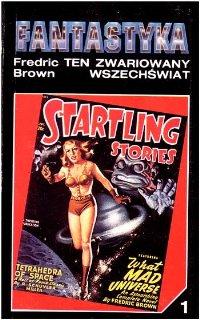
Ten zwariowany Wszechświat
fb2
|
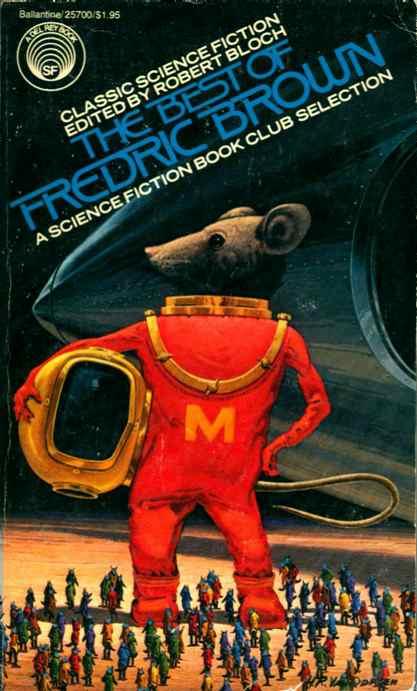
The Best of Fredric Brown
fb2
|
The End
fb2
Also published as Nightmare in Time.
|
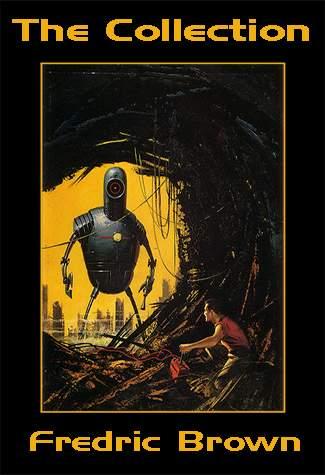
The Fredric Brown Collection
fb2
|
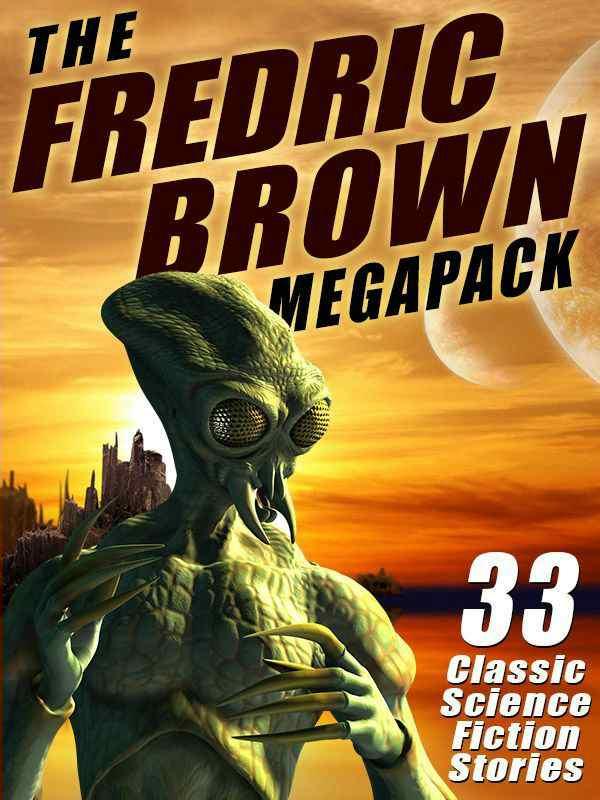
The Fredric Brown Megapack
fb2
Fredric Brown (1906-1972), one of science fiction’s greatest masters from the Golden Age, is famous for his many classic short stories -- quite a few of which are presented here, including "Arena," "Knock," "Earthmen Bearing Gifts," "The Star Mouse," and many more.
|
The Geezenstacks
fb2
|
The Hat Trick
fb2
|
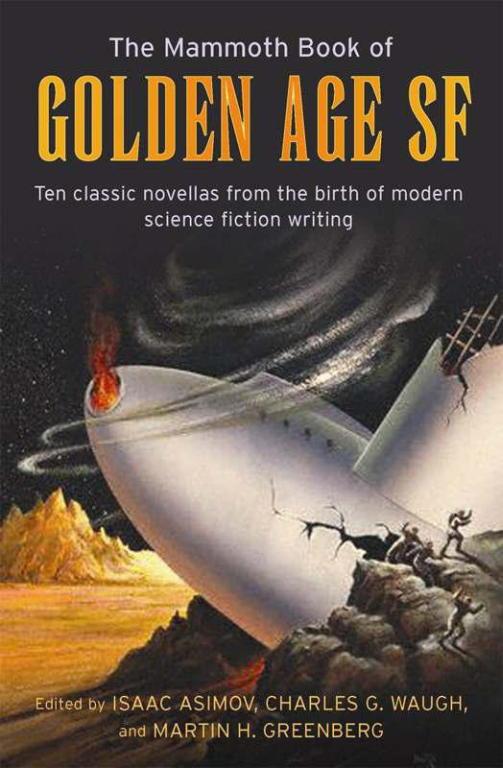
The Mammoth Book of Golden Age SF
fb2
Everything your rulers never wanted you to know and you were afraid to ask…Ten classic stories from the birth of modern science fiction writingThe Golden Age of Science Fiction, from the early 1940s through the 1950s, saw an explosion of talent in SF writing including authors such as Isaac Asimov, Robert A. Heinlein, and Arthur C. Clarke.Their writing helped science fiction gained wide public attention, and left a lasting impression upon society. The same writers formed the mould for the next three decades of science fiction, and much of their writing remains as fresh today as it was then.Collected in one giant volume, here is the very best of the golden era. The stories include:• A.E. van Vogt, ‘The Weapons Shop’• Isaac Asimov, ‘The Big and the Little’• Lester del Rey, ‘Nerves’• Fredric Brown, ‘Daymare’• Theodore Sturgeon, ‘Killdozer!’• C.L. Moore, ‘No Woman Born’• A. Bertram Chandler, ‘Giant Killer’.
|
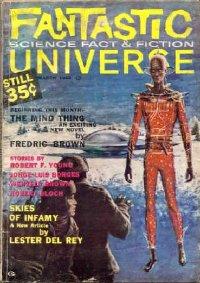
The Mind Thing
fb2
He was incapable of love or mercy.. or hate. And he certainly never felt the lack. He was almost pure thought. He was just doing what he had to do—looking for the right body to play host to him. Once he found it and moved in, he would execute one of the most incredible plans ever conceived. He would be hailed as a hero on his own planet and Earth would never know what hit it!
|
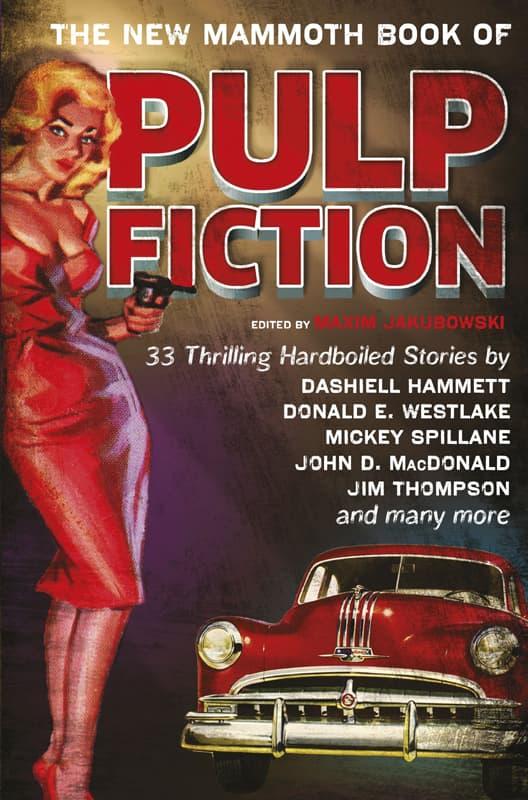
The New Mammoth Book of Pulp Fiction
fb2
Pulp fiction has been looked down on as a guilty pleasure, but it offers the perfect form of entertainment: the very best storytelling filled with action, surprises, sound and fury. In short, all the exhiliration of a roller-coaster ride. The 1920s in America saw the proliferation of hundreds of dubiously named but thrillingly entertaining pulp magazines in America: Black Mask, Amazing, Astounding, Spicy Stories, Ace-High, Detective Magazine, Dare-Devil Aces. It was in these luridly-coloured publications, printed on the cheapest pulp paper, that the first gems began to appear. The one golden rule for writers of pulp fiction was to adhere to the art of storytelling. Each story had to have a beginning, an end, economically-etched characters, but plenty going on, both in terms of action and emotions. Pulp magazines were the TV of their day, plucking readers from drab lives and planting them firmly in thrilling make-believe, successors...
|
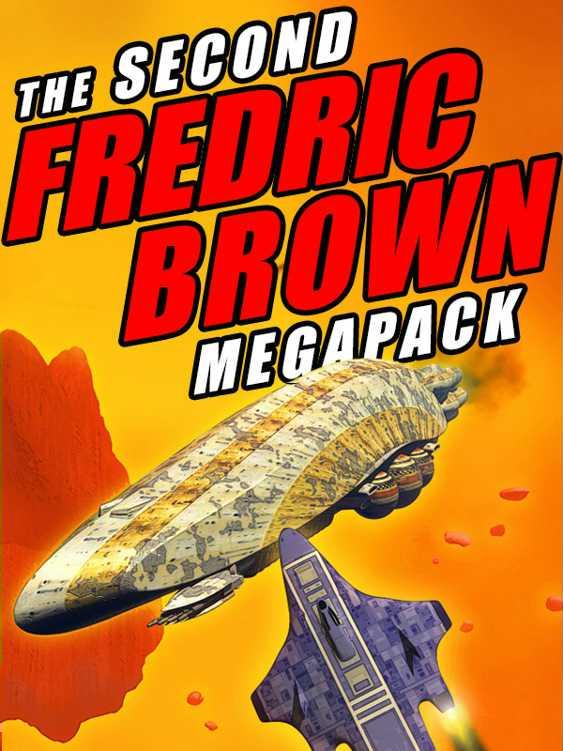
The Second Fredric Brown Megapack
fb2
Fredric Brown (1906-1972) is perhaps best remembered for his use of humor and his mastery of the "short-short" form (these days called flash fiction) — stories of one to three pages, often with ingenious plotting devices and surprise endings. (He also wrote excellent short stories and novels.) This volume contains 27 of his stories, including the classics "The Waveries," "Honeymoon in Hell," "Cartoonist," and many more!
|
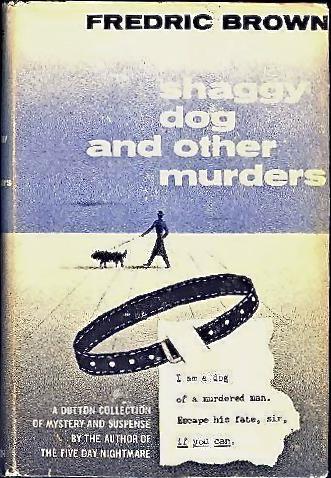
The Shaggy Dog and Other Murders
fb2
|