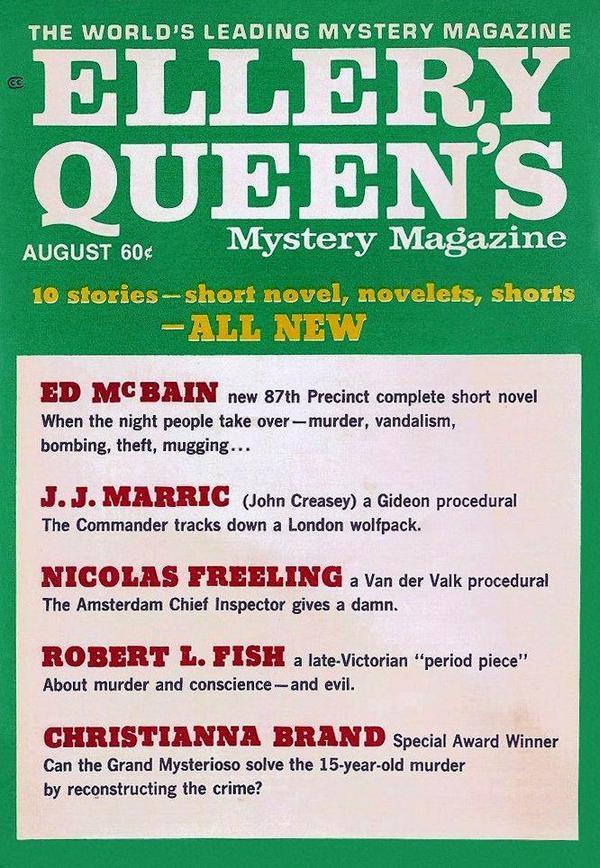
Ellery Queen’s Mystery Magazine. Vol. 56, No. 2. Whole No. 321, August 1970
 fb2 fb2
|
|
Ellery Queen’s Mystery Magazine. Vol. 56, No. 2. Whole No. 321, August 1970
fb2
|

Guns
fb2
GUNS: A crime novel unlike any you’ve ever read by Ed McBain, a story of fear and obsession — tougher, grittier, even more suspenseful than his famous 87th Precinct series. GUNS: For months Colley Donato and his partners have been robbing liquor stores in New York — quick cash, easy pickings. But today something is very wrong. The weather is suffocatingly hot, tempers are short — and it is their thirteenth job. Colley doesn’t like it when the others decide to go ahead anyway. He likes it even less when two cops come charging down the aisle with guns in their hands. As if in slow motion, Colley sees his finger pull the trigger — and the back of a cop’s head comes off. Colley Donato, twenty-nine, has just been promoted. He used to be a small-time robber, hardly worth the trouble. Now he has killed a policeman — and all hell is about to break loose. GUNS is the story of the next twenty-four hours in Colley’s life as he scrambles for safety — dodging, improvising cons (for which he has surprising talent), using and being used by a bizarre variety of friends and strangers: like Benny, the broad, smiling, benign man who makes a living hooking girls on dope and turning them onto the streets; Jeanine, Colley’s ex-partner’s wife, who shows a terrifyingly unexpected gift for savagery; his brother, Albert, a Buick dealer in Larchmont, who lectures him: “Nick, a man who has to commit robberies is a man with a serious personality disorder.” With a razor-sharp eye for detail, McBain draws us into the codes and rhythms of Colley’s world, into the flickering scenes inside Colley’s head — the art of growing up in East Harlem; the Orioles “Social and Athletic Club,” where he first makes his mark as “sergeant at arms”; the jobs he pulls; the prisons; above all the exhilaration and glory of holding that first gun at age fifteen, feeling its beauty, its wonderful power... GUNS: Ed McBain’s abilities for characterization, tight suspense, and hard, clear detail have always been first-rate, but this new novel gives them room to stretch as they never have before. From the opening page to the stunning climax, the result is a superb thriller and a brilliant exploration into the criminal mind. |
Happy New Year, Herbie and other stories
fb2
It has been almost ten years since Evan Hunter burst upon the literary scene with his first book, The Blackboard Jungle. That best-selling novel, with its important sociological implications, established Hunter immediately as a most exciting topical writer. In the ensuing decade his reputation has grown enormously and become solidified as a result of four other major novels, the most recent of which is Mothers and Daughters. During this same period, Hunter wrote a number of short stories for magazine publication. This collection presents the best of them and displays the stunning range of the author’s interests and talents. There are gay stories and grim stories; realistic stories and wildly fantastic stories; stories of character and stories of action. Only one thing about the collection is uniform: the intense quality that Hunter puts into everything he writes, which holds the reader spellbound to the page. Evan Hunter fans will find the two very long stories in the volume of particular interest, for each is a substantial work on its own and represents the author at top form. These are the title story, Happy New Year, Herbie, and the lead-off story, Uncle Jimbo’s Marbles. |
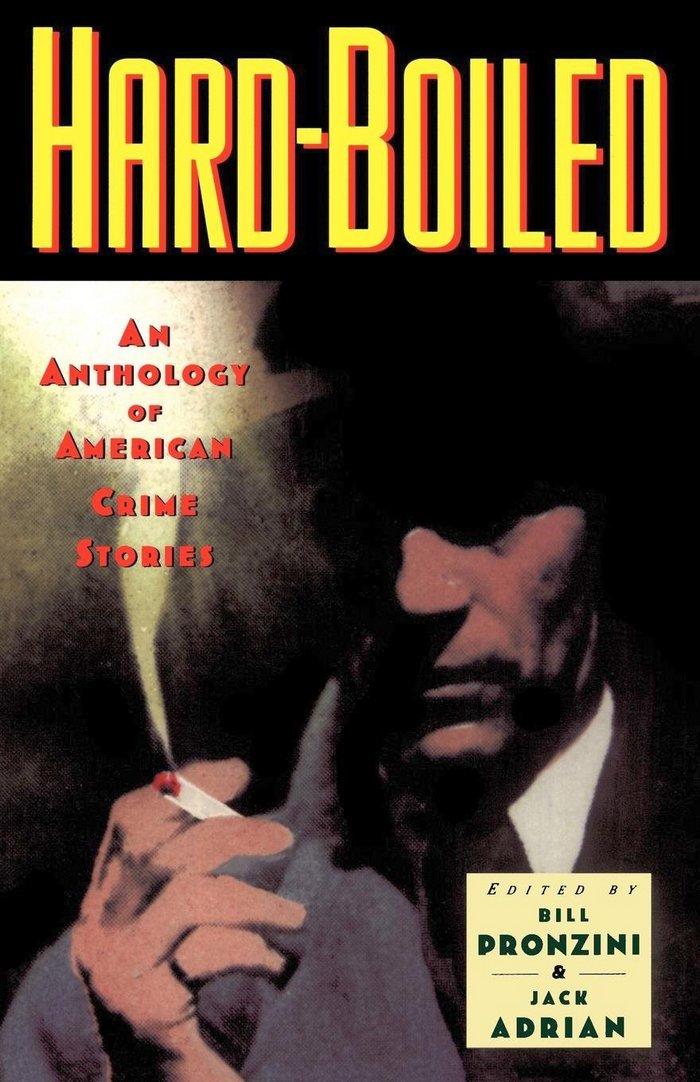
Hard-Boiled: An Anthology of American Crime Stories
fb2
What are the ingredients of a hard-boiled detective story? “Savagery, style, sophistication, sleuthing, and sex,” said Ellery Queen. Often a desperate blond, a jealous husband, and, of course, a tough-but-tender P.I. the likes of Sam Spade or Philip Marlowe. Perhaps Raymond Chandler summed it up best in his description of Dashiell Hammett’s style: “Hammett gave murder back to the kind of people that commit it... He put these people down on paper as they were, and he made them talk and think in the language they customarily used for these purposes.” Hard-Boiled: An Anthology of American Crime Stories is the largest and most comprehensive collection of its kind, with over half of the stories never published before in book form. Included are thirty-six sublimely suspenseful stories that chronicle the evolution of this quintessentially American art form, from its earliest beginnings during the golden age of the legendary pulp magazine Black Mask in the 1920s, to the arrival of the tough digest Manhunt in the 1950s, and finally leading up to present-day hard-boiled stories by such writers as James Ellroy. Here are eight decades worth of the best writing about betrayal, murder, and mayhem: from Hammett’s 1925 tour de force “The Scorched Face,” in which the disappearance of two sisters leads Hammett’s never-named detective, the Continental Op, straight into a web of sexual blackmail amidst the West Coast elite, to Ed Gorman’s 1992 “The Long Silence After,” a gripping and powerful rendezvous involving a middle class insurance executive, a Chicago streetwalker, and a loaded .38. Other delectable contributions include “Brush Fire” by James M. Cain, author of The Postman Always Rings Twice, Raymond Chandler’s “I’ll Be Waiting,” where, for once, the femme fatale is not blond but a redhead, a Ross Macdonald mystery starring Macdonald’s most famous creator, the cryptic Lew Archer, and “The Screen Test of Mike Hammer” by the one and only Mickey Spillane. The hard-boiled cult has more in common with the legendary lawmen of the Wild West than with the gentleman and lady sleuths of traditional drawing room mysteries, and this direct line of descent is on brilliant display in two of the most subtle and tautly written stories in the collection, Elmore Leonard’s “3:10 to Yuma” and John D. MacDonald’s “Nor Iron Bars.” Other contributors include Evan Hunter (better known as Ed McBain), Jim Thompson, Helen Nielsen, Margaret Maron, Andrew Vachss, Faye Kellerman, and Lawrence Block. Compellingly and compulsively readable, Hard-Boiled: An Anthology of American Crime Stories is a page-turner no mystery lover will want to be without. Containing many notable rarities, it celebrates a genre that has profoundly shaped not only American literature and film, but how we see our heroes and ourselves. |

Last Summer
fb2
Last summer was a vacation island, beachgrass and plum, sunshine and sand... Last summer was a million laughs... Last summer a pretty blonde girl and two carefree, suntanned youths nursed an injured seagull back to health... Last summer, too, they befriended Rhoda, a shy young girl with trusting eyes... Let the reader beware. This is a shocking book — not for its candor and daring but for its cruelty and scorn, its shattering impact, and its terrifying vision of reality. What begins as a vacation idyll gradually turns into a dark parable of modem society, revealing the insensate barbarity of man. The opening is as bright as summer, as calm as a cobra dozing in the sun. But, as summer and compassion wane, the author strips away the pretense of youth and lays bare the blunt, primeval urge to crush, defile, betray. The tragic, inevitable outcome exposes the depths of moral corruption and the violation of the soul. In this tale of depravity, Evan Hunter has written a novel that is a work of art. Its theme and portent are inescapable, its insolence cauterizing, its humor outrageous — a brilliant stabbing, altogether unforgettable book. |
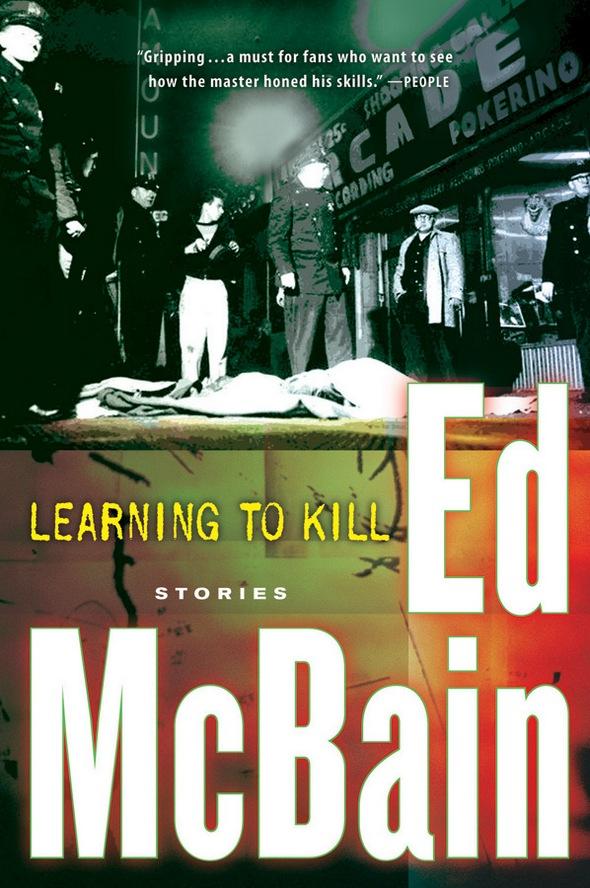
Learning to Kill: Stories
fb2
Ed McBain made his debut in 1956. In 2004, more than a hundred books later, he personally collected twenty-five of his stories written before he was Ed McBain. All but five of them were first published in the detective magazine Manhunt and none of them appeared under the Ed McBain byline. They were written by Evan Hunter (McBain’s legal name as of 1952), Richard Marsten (a pseudonym derived from the names of his three sons), or Hunt Collins (in honor of his alma mater, Hunter College). Here are kids in trouble and women in jeopardy. Here are private eyes and gangs. Here are loose cannons and innocent bystanders. Here, too, are cops and robbers. These are the stories that prepared Evan Hunter to become Ed McBain, and that prepared Ed McBain to write the beloved 87th Precinct novels. In individual introductions, McBain tells how and why he wrote these stories that were the start of his legendary career. |
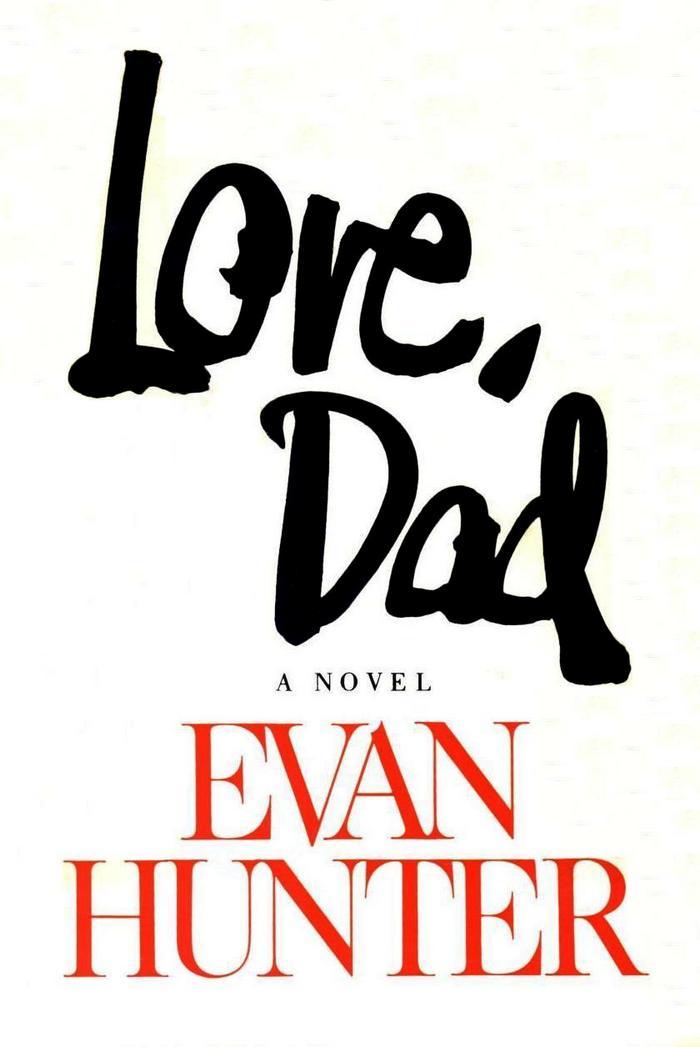
Love, Dad
fb2
The Crofts live with their blond, teenage daughter, Lissie, in a converted sawmill in Rutledge, Connecticut, an exclusive community of achievers. Lissie’s mother, Connie, is a Vassar graduate; her father, Jamie, a successful photographer. But these were the sixties — the time of Nixon and moon walks, prosperity and war, Woodstock and Chappaquiddick — and the Crofts are caught in a time slot that not only caused alienation but in fact encouraged it. Lissie, in her rush to independence and self-identity, along with others of her generation, goes her own way. She leaves school, skips to London and begins a journey across Europe to India. Breaking all the rules, flouting her parents’ values, she causes in Jamie a deep concern that frequently turns to impotent rage. When Lissie returns, she is surprised and angry to find that things are not the same. While she was out living her own life, her dad was falling in love with the woman he would eventually marry. Hurt and confused over her parents’ divorce, Lissie is not ready to accept for them what she sees as clear-cut rights for herself. And try as he will, her father cannot comprehend the new Lissie. More than a novel about the dissolution of a family in a turbulent decade, Love, Dad is an incredibly perceptive story of father and daughter and their special love — a love that endures even though understanding has been swept away in the whirlwind of change. |
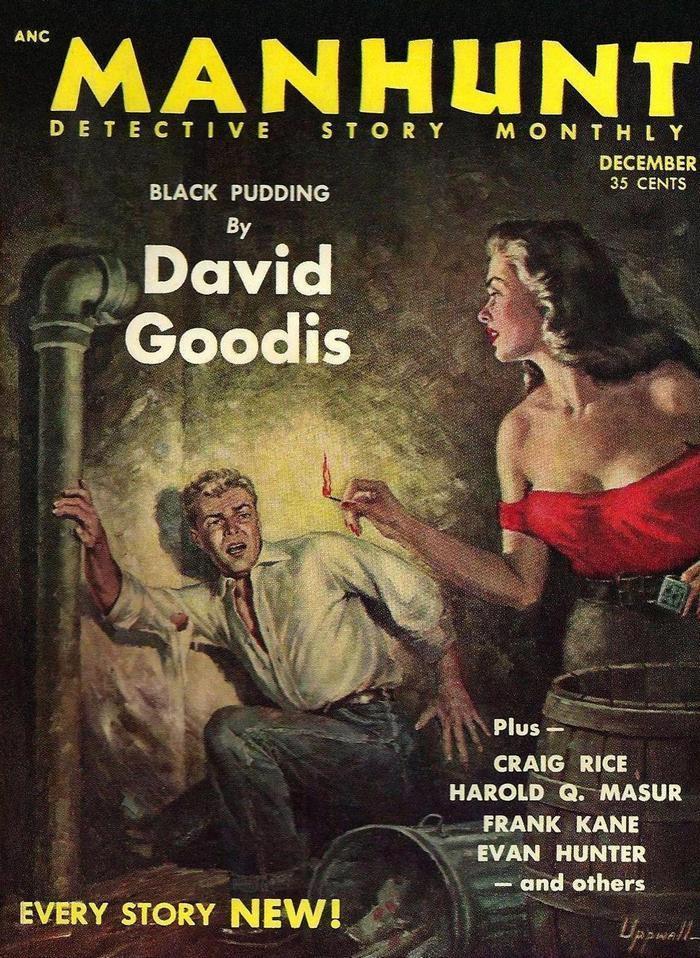
Manhunt. Volume 1, Number 12, December, 1953
fb2
|
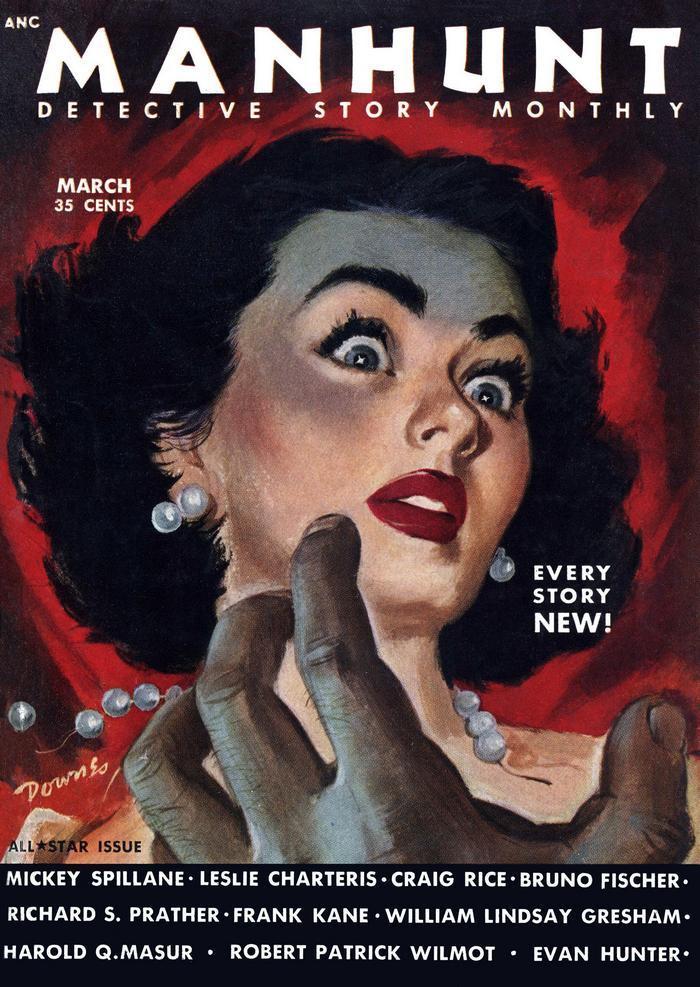
Manhunt. Volume 1, Number 3, March, 1953
fb2
|
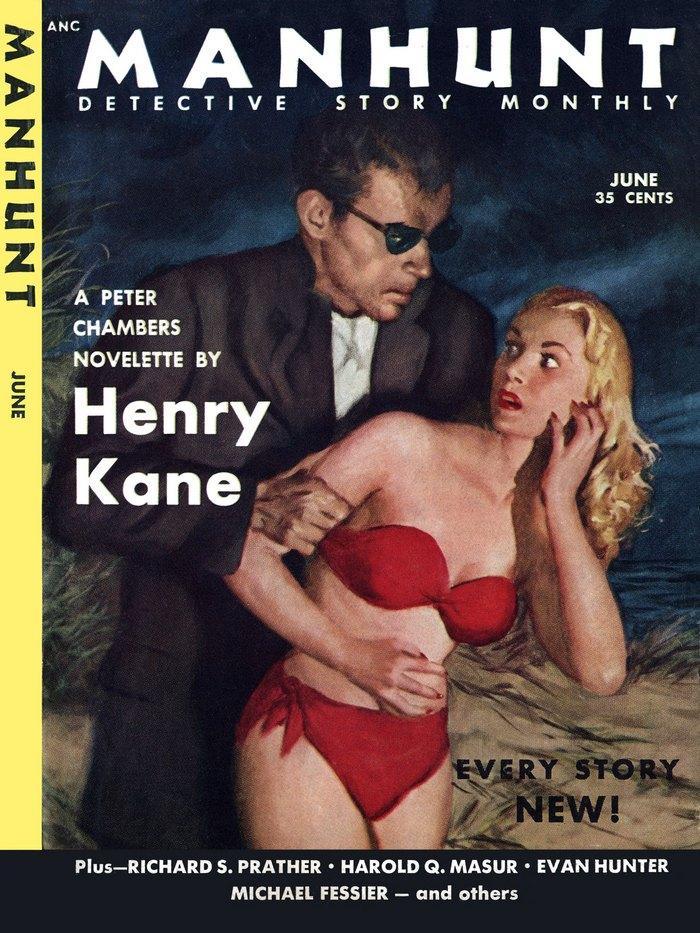
Manhunt. Volume 1, Number 6, June, 1953
fb2
|
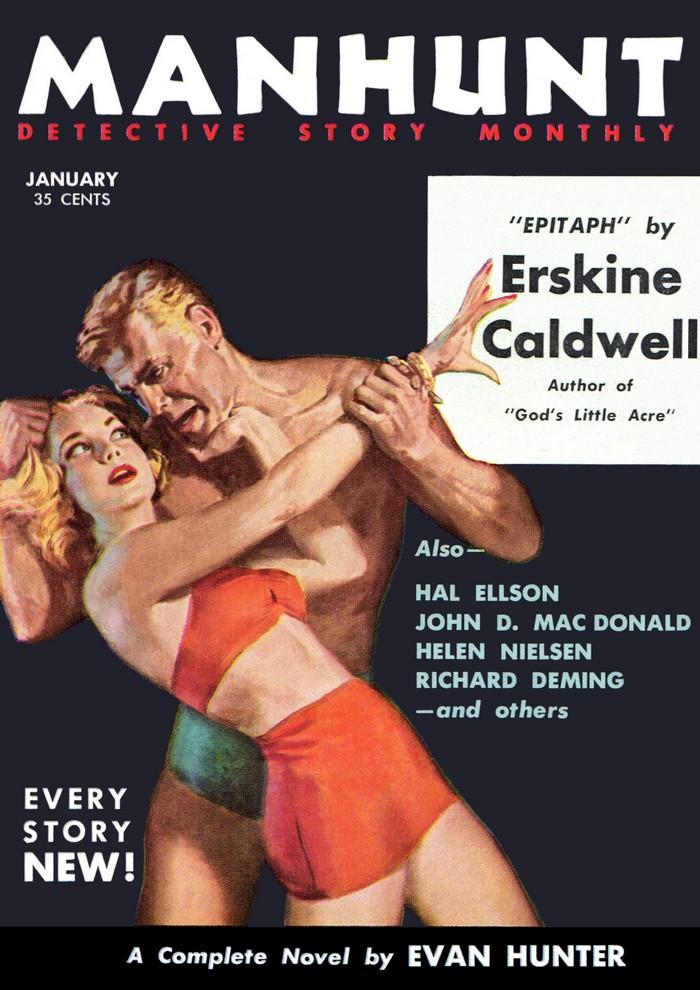
Manhunt. Volume 3, Number 1, January, 1955
fb2
|
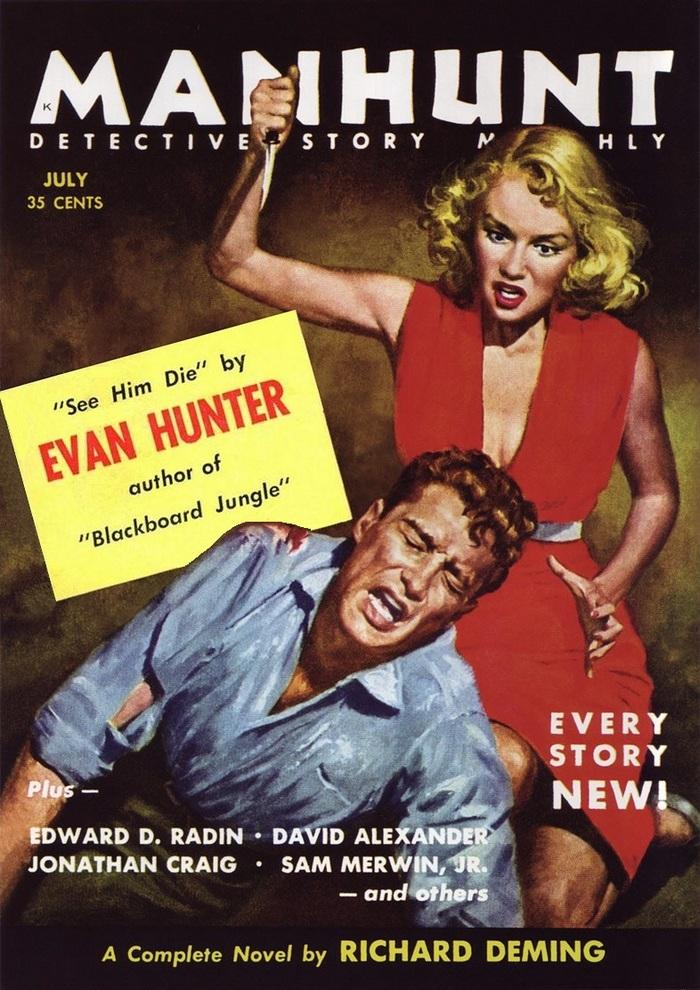
Manhunt. Volume 3, Number 7, July, 1955
fb2
|
Masters of Noir: Volume 3
fb2
This anthology features some of the most famous authors writing at the peak of their careers!
|
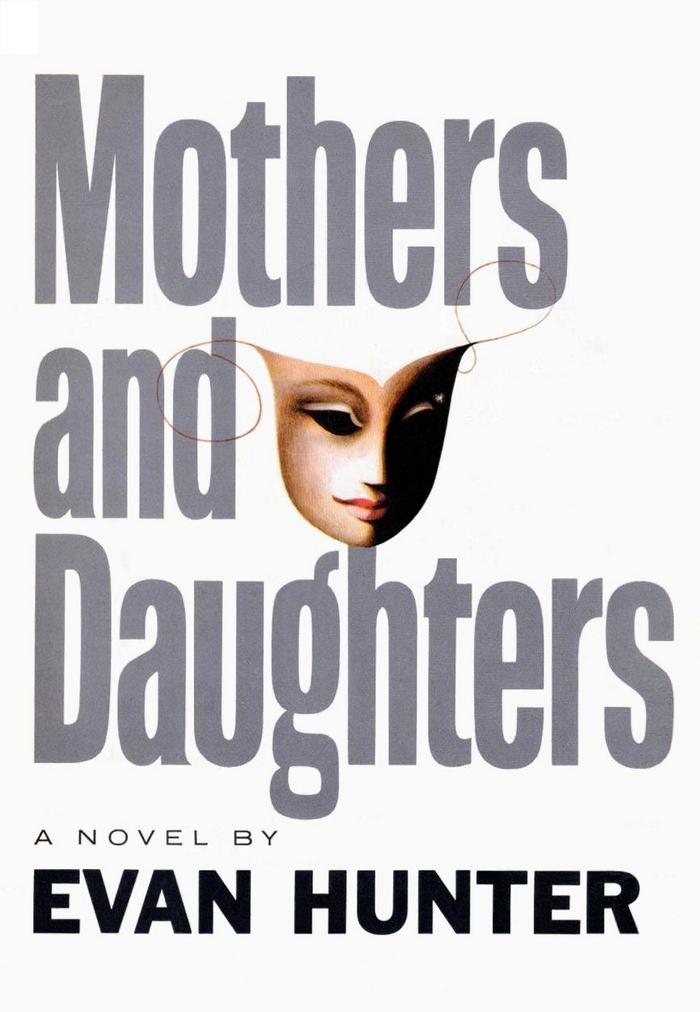
Mothers and Daughters
fb2
The four books that make up this novel — Amanda, Gillian, Julia and Kate — span three generations and nearly thirty years of time. Except that Kate is Amanda’s niece, none of these women is related, but their lives cross and recross, linked by Julia’s son David. Julia Regan belongs to the “older” generation in the sense that her son David was old enough to fight in the war. That he ended the war in the stockade was due more to his mother than to himself, and the book devoted to Julia shows what sort of woman she was — why, having gone to Italy before the war with an ailing sister, she constantly put off her return to her family — and why, therefore, David is the man he is. Unsure of himself and bitter (for good reason) David finds solace in Gillian, who had been Amanda’s room-mate in college during the war. He loses her because he does not know what he wants from life. Gillian is an enchanting character who knows very well what she wants: she is determined to become an actress. In spite of the extreme tenderness and beauty of her love affair with David (and Evan Hunter has caught exactly the gaieties and misunderstandings of two young people very much in love, when a heightened awareness lifts the ordinary into the extraordinary and the beautiful into the sublime) she is not prepared to continue indefinitely an unmarried liaison, and she leaves him. When, eleven years later and still unmarried, she finally tastes success, the taste is of ashes, and she wonders whether the price has not been too high. Amanda is considerably less sure of herself than Gillian, though foe a time it looks as if her music will bring her achievement. But she has in her too much of her sexually cold mother to be passionate in love or in her music. She marries Matthew who is a lawyer, and, without children of their own, they bring up her sister’s child, Kate, who, in the last book, is growing up out of childhood into womanhood — with a crop of difficulties of her own. Unlike all his earlies novels (except in extreme readability) Mothers and Daughters is not an exposure of social evils, but a searching and sympathetic study of people. |
Privileged Conversation
fb2
She is a Broadway dancer, exquisite and mercurial. He is a dedicated psychiatrist, happily married to a beautiful woman, the father of two lovely children vacationing with their mother on Martha’s Vineyard. “Good morning, sir”, she said, as she passed David Chapman on a sunny June day in Central Park. Moments later, she was locked in mortal combat with a mugger, and David came to her rescue... They tell each other some truths, but only some. They know each other’s mysteries, but only some. They slip into a realm of sensual deception and imminent danger... For who is Kate Duggan really, the woman who makes sexual fantasies come true? And who is David Chapman, the doctor who spends his day with other people’s neuroses, guilt, and lies? Now, in the heat of a New York City summer, they will learn everything — when a stalker turns their mad lust into a murderous affair. |
Pulp Frictions
fb2
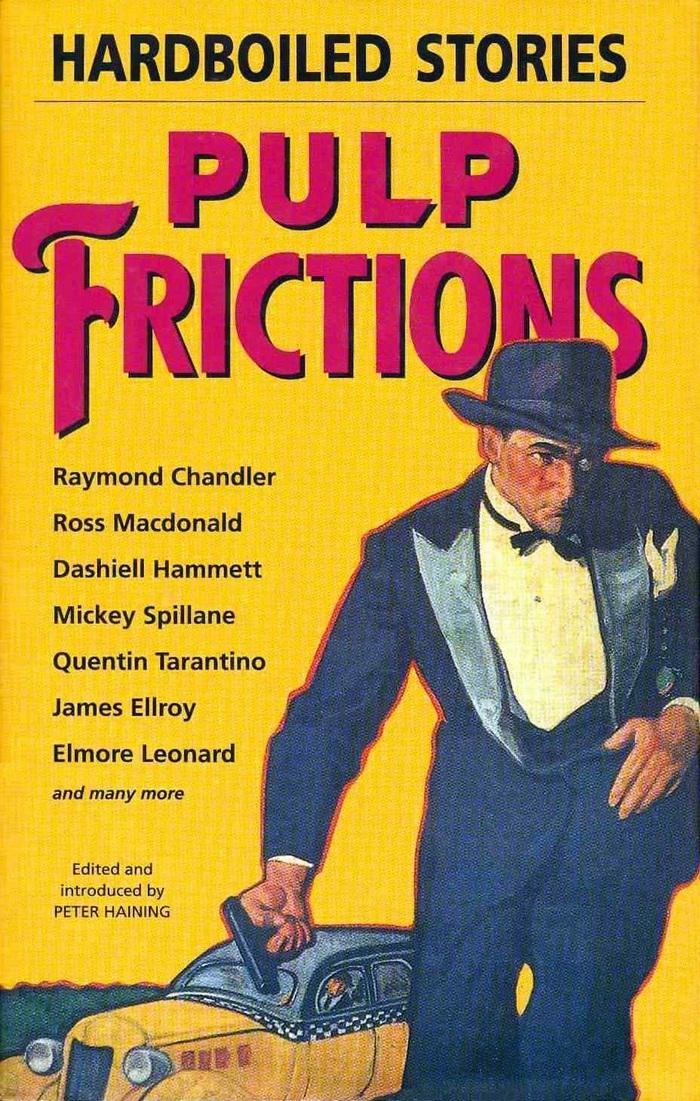
Enter a world of seedy nightclubs, dangerous, dimly-lit street and cool, wisecracking dicks pitting themselves against armies of ruthless gangsters. This is pulp fiction, a genre spawned amid the disillusionment of post-World War I America — and now reaching new heights of popularity. Writers like Raymond Chandler and Dashiell Hammett turned that unique blend of rapid-fire action, violence and cynical humour into an art form that is being recreated by a fresh wave of young writers whose stories have all the drama and atmosphere of their predecessors’. This page-turning collection, brought together by a true aficionado of the hardboiled story, includes, of course, Chandler and Hammett, but also Mickey Spillane, Ross MacDonald, Ed McBain and James Hadley Chase from the vintage years and from the current generation James Ellroy, Elmore Leonard and Quentin Tarantino, to name just a few of the twenty great writers featured here. Even Stephen King, doyen of the world of horror, has turned his hand to pulp fiction and is represented in this book. The world of the hard-drinking, fast-action, apparently indestructible private eye, personified by Chandler’s creation, Philip Marlowe, was never more vibrant. It’s all here, and more, in a book that no fan of the genre can afford to miss. |
Robert
fb2
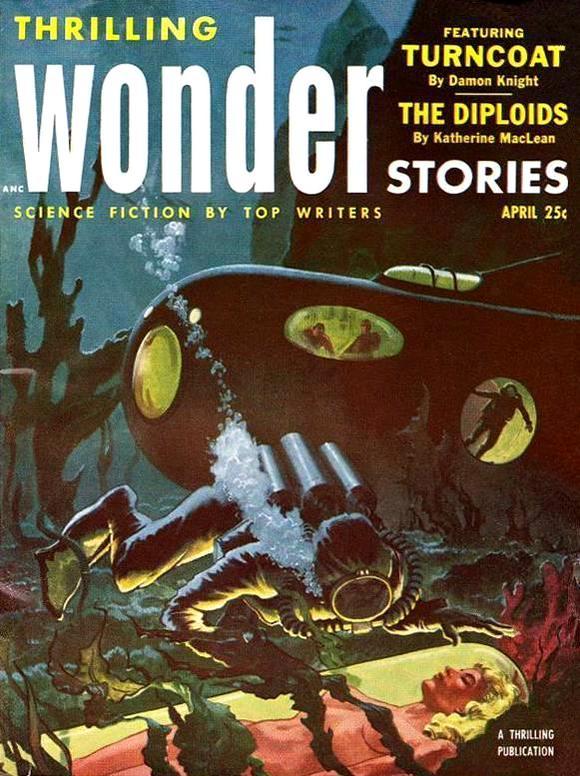
He was a model child. In fact, he’d been made to order...
|
Strangers When We Meet
fb2
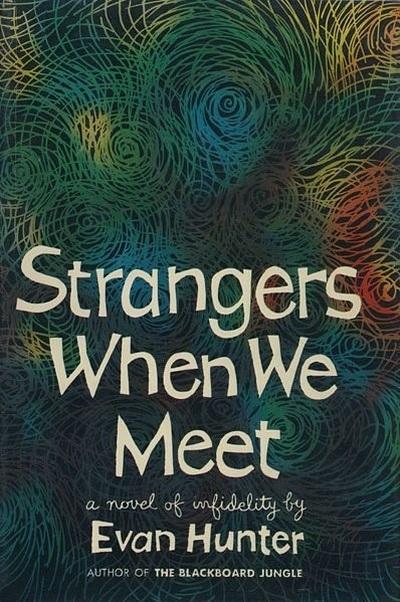
This is the history of an unfaithful husband — his illusions, his stratagems, his fears, his entrapment. The young husband in Evan Hunter’s new novel is not a philanderer, not a disturbed personality. He has been a responsible family man. He loves his wife. But at a moment when his ego is slightly bruised, he meets a woman, a neighbor, who gives him a dangerous new image of himself — the image of a man who is not fully alive. He is convinced, and he is caught. In Strangers When We Meet, Evan Hunter charts the progress of infidelity: the beginning of the affair — stage fright and an illusion of romance; the first small deceptions that multiply into a nightmarish entanglement of lies; the panic when the phone rings at home; the endless, tortuous arrangements for hurried meetings; the strained chance encounters in public (“Did I give myself away?”); the rising guilt and desperation. And in the background — the person who knows, the confidant who should never have been told, who might some evening drink too much and bring the walls crashing down. |
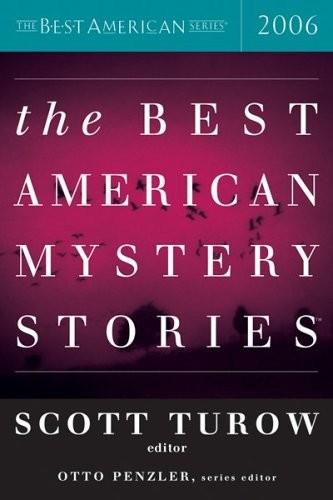
The Best American Mystery Stories 2006
fb2
Best-selling author Scott Turow takes the helm for the tenth edition of this annual, featuring twenty-one of the past year’s most distinguished tales of mystery, crime, and suspense. Elmore Leonard tells the tale of a young woman who’s fled home with a convicted bank robber. Walter Mosley describes an over-the-hill private detective and his new client, a woman named Karma. C. J. Box explores the fate of two Czech immigrants stranded by the side of the road in Yellowstone Park. Ed McBain begins his story on role-playing with the line “ ‘Why don’t we kill somebody?’ she suggested.” Wendy Hornsby tells of a wild motorcycle chase through the canyons outside Las Vegas. Laura Lippman describes the “Crack Cocaine Diet.” And James Lee Burke writes of a young boy who may have been a close friend of Bugsy Siegel. As Scott Turow notes in his introduction, these stories are “about crime — its commission, its aftermath, its anxieties, its effect on character.” The Best American Mystery Stories 2006 is a powerful collection for all readers who enjoy fiction that deals with the extremes of human passion and its dark consequences. |
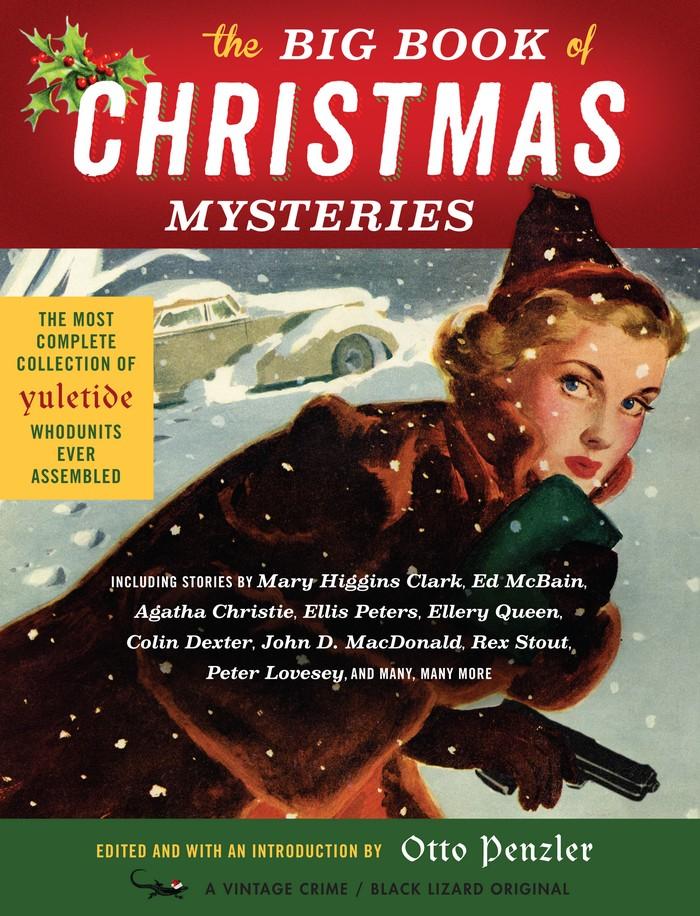
The Big Book of Christmas Mysteries
fb2
Have yourself a crooked little Christmas with The Big Book of Christmas Mysteries. Edgar Award-winning editor Otto Penzler collects sixty of his all-time favorite holiday crime stories — many of which are difficult or nearly impossible to find anywhere else. From classic Victorian tales by Arthur Conan Doyle, Robert Louis Stevenson, and Thomas Hardy, to contemporary stories by Sara Paretsky and Ed McBain, this collection touches on all aspects of the holiday season, and all types of mysteries. They are suspenseful, funny, frightening, and poignant. Included are puzzles by Mary Higgins Clark, Isaac Asimov, and Ngaio Marsh; uncanny tales in the tradition of A Christmas Carol by Peter Lovesey and Max Allan Collins; O. Henry-like stories by Stanley Ellin and Joseph Shearing, stories by pulp icons John D. MacDonald and Damon Runyon; comic gems from Donald E. Westlake and John Mortimer; and many, many more. Almost any kind of mystery you’re in the mood for — suspense, pure detection, humor, cozy, private eye, or police procedural — can be found in these pages. FEATURING: — Unscrupulous Santas — Crimes of Christmases Past and Present — Festive felonies — Deadly puddings — Misdemeanors under the mistletoe — Christmas cases for classic characters including Sherlock Holmes, Brother Cadfael, Miss Marple, Hercule Poirot, Ellery Queen, Rumpole of the Bailey, Inspector Morse, Inspector Ghote, A.J. Raffles, and Nero Wolfe. |