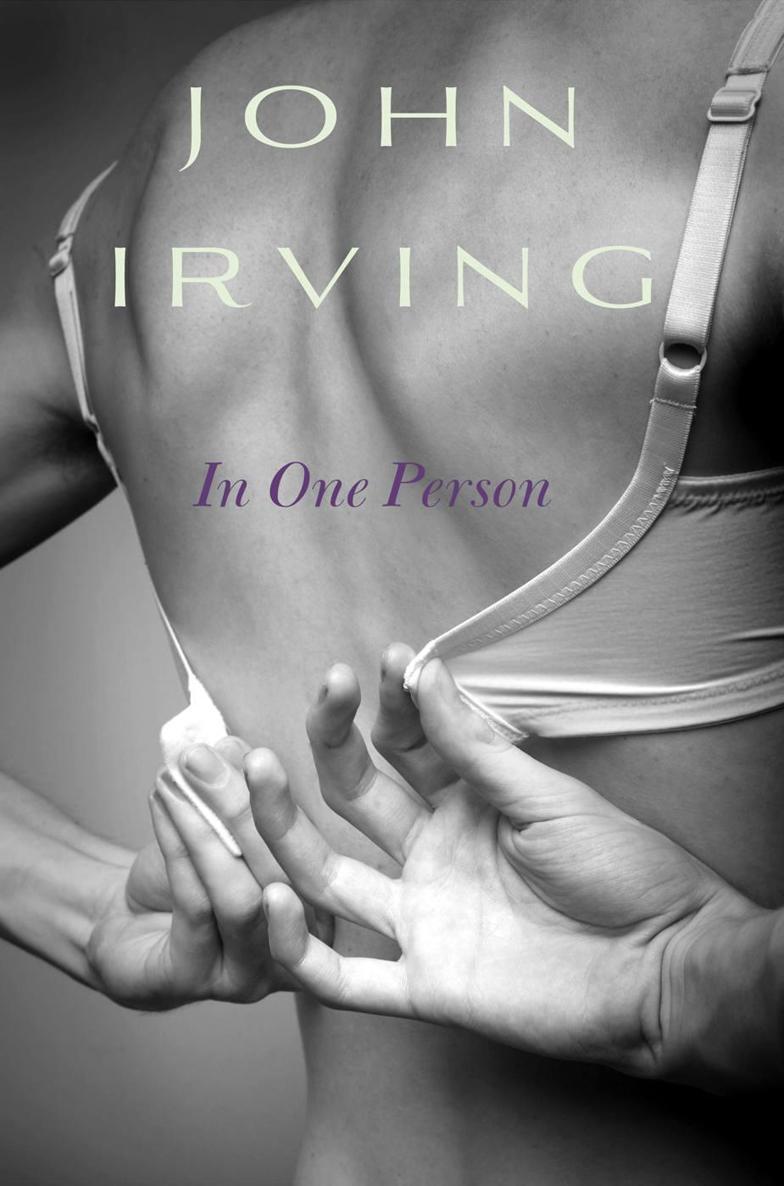
In One Person
 fb2 fb2
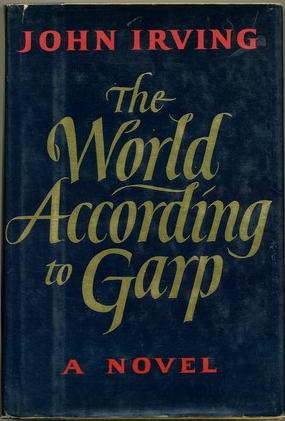
A compelling novel of desire, secrecy, and sexual identity, In One Person is a story of unfulfilled love—tormented, funny, and affecting—and an impassioned embrace of our sexual differences. Billy, the bisexual narrator and main character of In One Person, tells the tragicomic story (lasting more than half a century) of his life as a “sexual suspect,” a phrase first used by John Irving in 1978 in his landmark novel of “terminal cases,” The World According to Garp.His most political novel since The Cider House Rules and A Prayer for Owen Meany, John Irving’s In One Person is a poignant tribute to Billy’s friends and lovers—a theatrical cast of characters who defy category and convention. Not least, In One Person is an intimate and unforgettable portrait of the solitariness of a bisexual man who is dedicated to making himself “worthwhile.”* * *“This tender exploration of nascent desire, of love and loss, manages to be sweeping, brilliant, political, provocative, tragic, and funny—it is precisely the kind of astonishing alchemy we associate with a John Irving novel. The unfolding of the AIDS epidemic in the United States in the ’80s was the defining moment for me as a physician. With my patients’ deaths, almost always occurring in the prime of life, I would find myself cataloging the other losses—namely, what these people might have offered society had they lived the full measure of their days: their art, their literature, the children they might have raised. In One Person is the novel that for me will define that era. A profound truth is arrived at in these pages. It is Irving at his most daring, at his most ambitious. It is America and American writing, both at their very best.”— ABRAHAM VERGHESE“In One Person is a novel that makes you proud to be human. It is a book that not only accepts but also loves our differences. From the beginning of his career, Irving has always cherished our peculiarities—in a fierce, not a saccharine, way. Now he has extended his sympathies—and ours—still further into areas that even the misfits eschew. Anthropologists say that the interstitial—whatever lies between two familiar opposites—is usually declared either taboo or sacred. John Irving in this magnificent novel—his best and most passionate since The World According to Garp—has sacralized what lies between polarizing genders and orientations. And have I mentioned it is also a gripping page-turner and a beautifully constructed work of art?”— EDMUND WHITE
|