Spies and Commissars
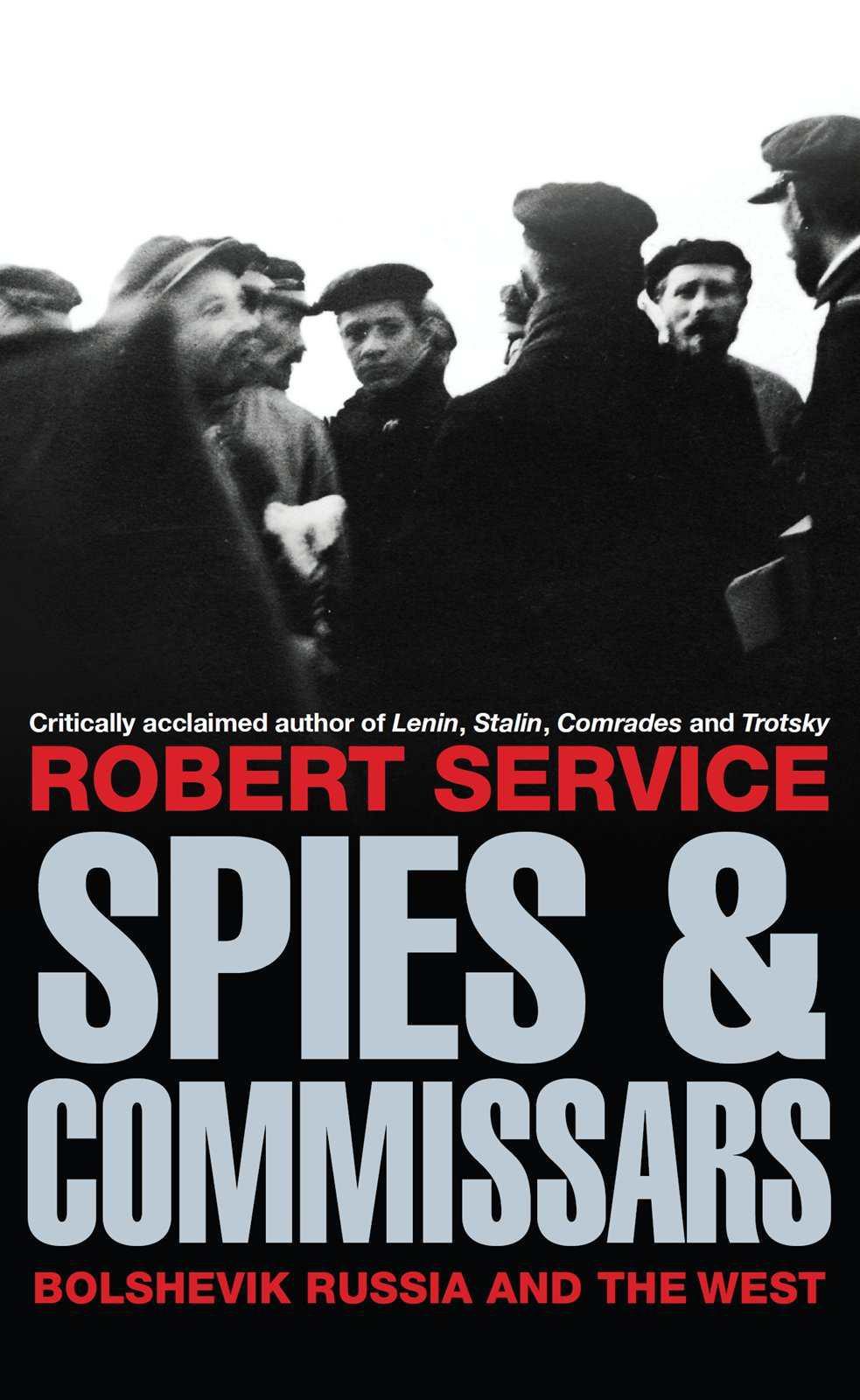
The early years of Bolshevik rule were marked by dynamic interaction between Russia and the West. These years of civil war in Russia were years when the West strove to understand the new communist regime while also seeking to undermine it. Meanwhile, the Bolsheviks tried to spread their revolution across Europe at the same time they were seeking trade agreements that might revive their collapsing economy. This book tells the story of these complex interactions in detail, revealing that revolutionary Russia was shaped not only by Lenin and Trotsky, but by an extraordinary miscellany of people: spies and commissars, certainly, but also diplomats, reporters, and dissidents, as well as intellectuals, opportunistic businessmen, and casual travelers. This is the story of these characters: everyone from the ineffectual but perfectly positioned Somerset Maugham to vain writers and revolutionary sympathizers whose love affairs were as dangerous as their politics. Through this sharply observed exposé of conflicting loyalties, we get a very vivid sense of how diverse the shades of Western and Eastern political opinion were during these years
|
Stalin: A Biography
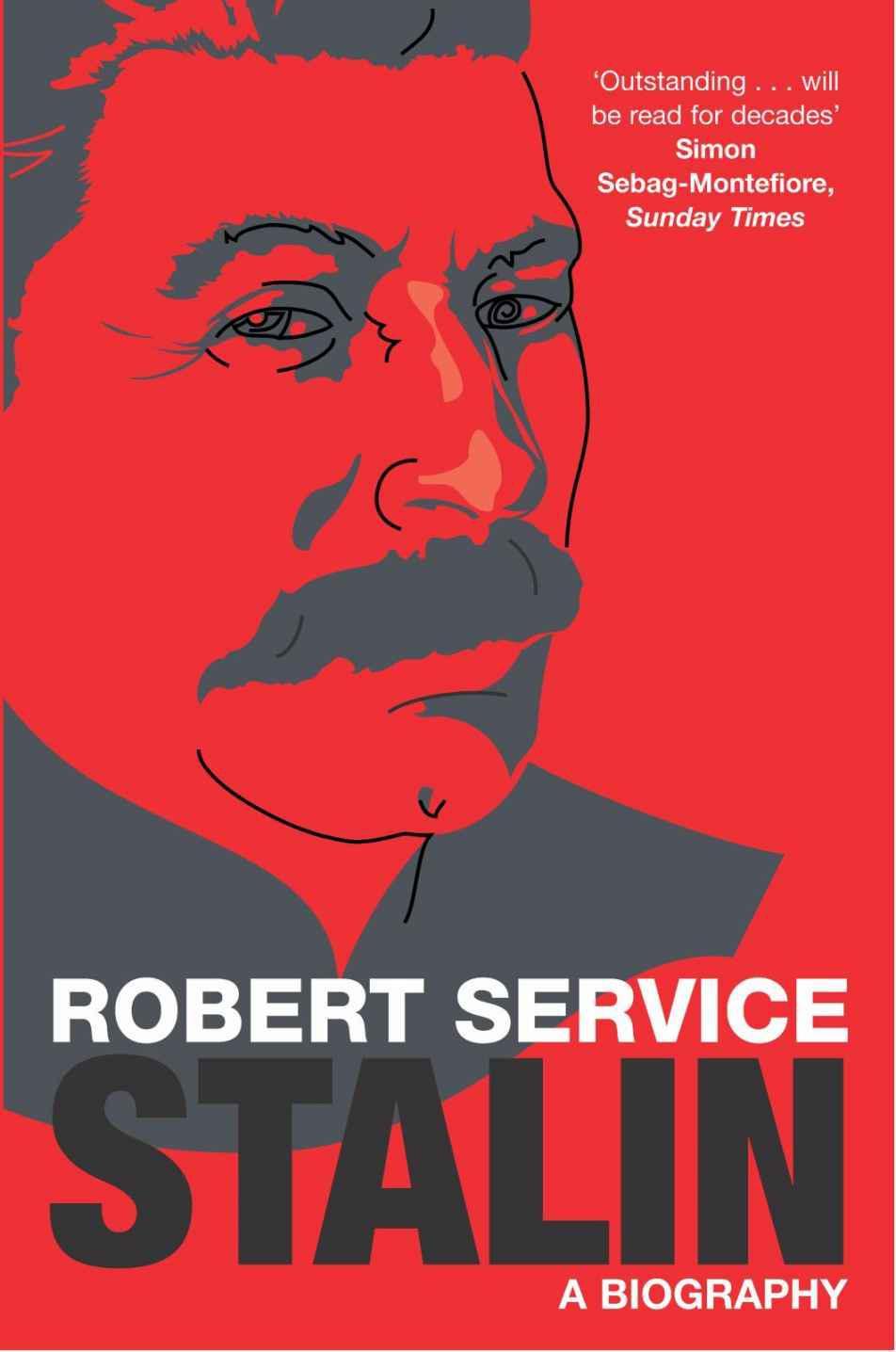
Overthrowing the conventional image of Stalin as an uneducated political administrator inexplicably transformed into a pathological killer, Robert Service reveals a more complex and fascinating story behind this notorious twentieth-century figure. Drawing on unexplored archives and personal testimonies gathered from across Russia and Georgia, this is the first full-scale biography of the Soviet dictator in twenty years. Service describes in unprecedented detail the first half of Stalin’s life—his childhood in Georgia as the son of a violent, drunkard father and a devoted mother; his education and religious training; and his political activity as a young revolutionary. No mere messenger for Lenin, Stalin was a prominent activist long before the Russian Revolution. Equally compelling is the depiction of Stalin as Soviet leader. Service recasts the image of Stalin as unimpeded despot; his control was not limitless. And his conviction that enemies surrounded him was not entirely unfounded. Stalin was not just a vengeful dictator but also a man fascinated by ideas and a voracious reader of Marxist doctrine and Russian and Georgian literature as well as an internationalist committed to seeing Russia assume a powerful role on the world stage. In examining the multidimensional legacy of Stalin, Service helps explain why later would-be reformers—such as Khrushchev and Gorbachev—found the Stalinist legacy surprisingly hard to dislodge. Rather than diminishing the horrors of Stalinism, this is an account all the more disturbing for presenting a believable human portrait. Service’s lifetime engagement with Soviet Russia has resulted in the most comprehensive and compelling portrayal of Stalin to date.
|
Stalin: A Biography
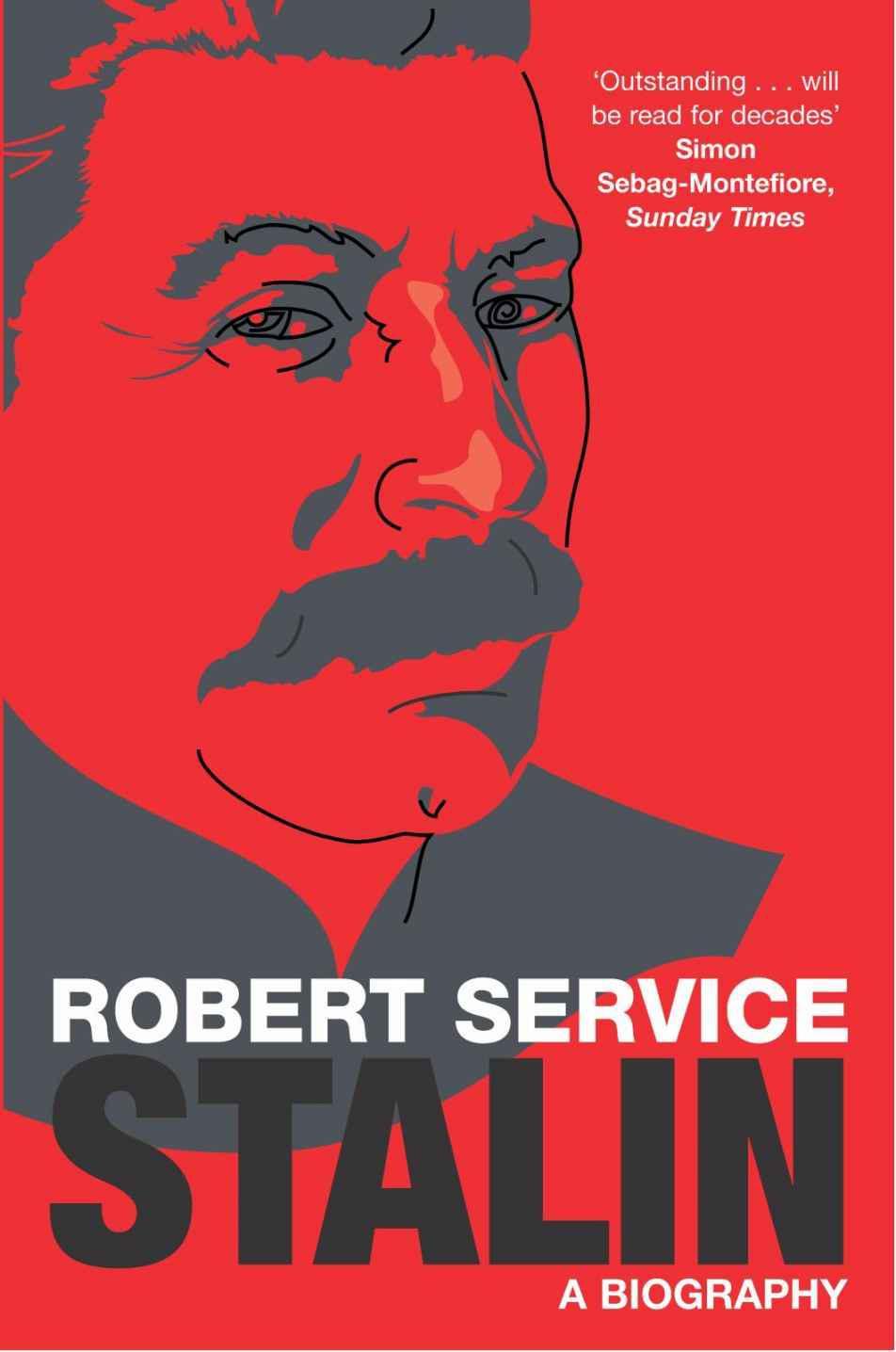
Overthrowing the conventional image of Stalin as an uneducated political administrator inexplicably transformed into a pathological killer, Robert Service reveals a more complex and fascinating story behind this notorious twentieth-century figure. Drawing on unexplored archives and personal testimonies gathered from across Russia and Georgia, this is the first full-scale biography of the Soviet dictator in twenty years. Service describes in unprecedented detail the first half of Stalin’s life—his childhood in Georgia as the son of a violent, drunkard father and a devoted mother; his education and religious training; and his political activity as a young revolutionary. No mere messenger for Lenin, Stalin was a prominent activist long before the Russian Revolution. Equally compelling is the depiction of Stalin as Soviet leader. Service recasts the image of Stalin as unimpeded despot; his control was not limitless. And his conviction that enemies surrounded him was not entirely unfounded. Stalin was not just a vengeful dictator but also a man fascinated by ideas and a voracious reader of Marxist doctrine and Russian and Georgian literature as well as an internationalist committed to seeing Russia assume a powerful role on the world stage. In examining the multidimensional legacy of Stalin, Service helps explain why later would-be reformers—such as Khrushchev and Gorbachev—found the Stalinist legacy surprisingly hard to dislodge. Rather than diminishing the horrors of Stalinism, this is an account all the more disturbing for presenting a believable human portrait. Service’s lifetime engagement with Soviet Russia has resulted in the most comprehensive and compelling portrayal of Stalin to date.
|