
Manhunt. Volume 6, Number 4, June, 1958
 fb2 fb2
|
|
Manhunt. Volume 6, Number 4, June, 1958
fb2
|
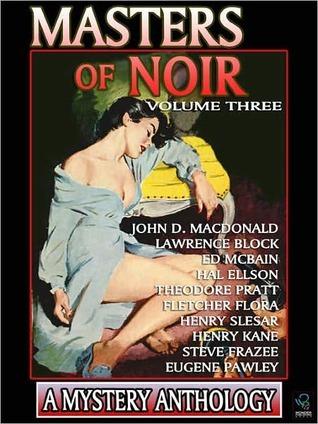
Masters of Noir: Volume 3
fb2
This anthology features some of the most famous authors writing at the peak of their careers!
|
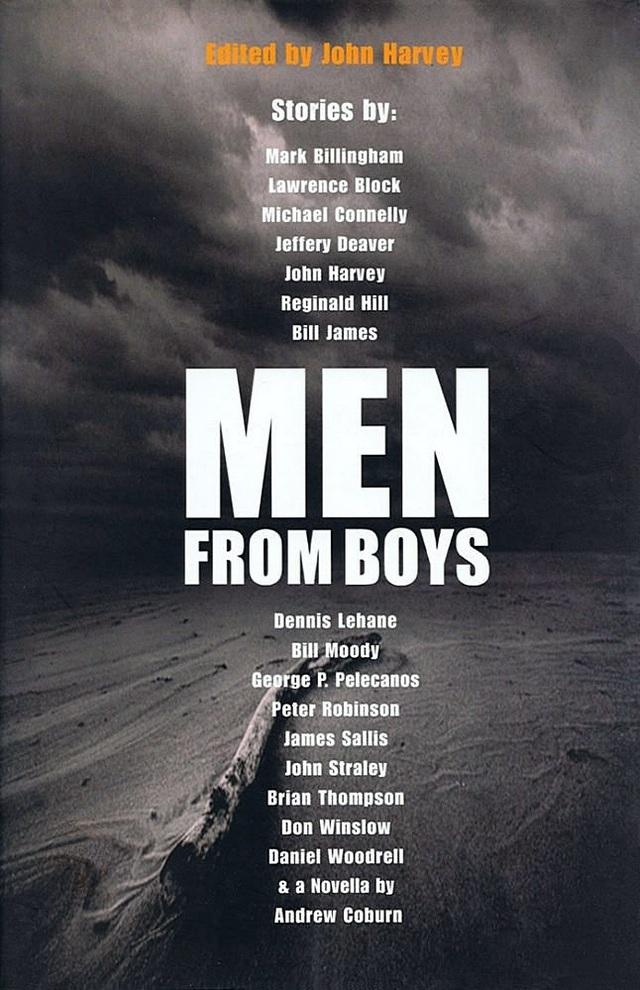
Men from Boys [collection]
fb2
What does it mean to be a father? What does it mean to be a son? What does it mean to be a man? In Men From Boys seventeen masters of crime fiction answer these questions in a multitude of ways. Here are worlds that are instantly recognisable and believable, yet set widely apart. From a deprived London housing estate to the trenches of the First World War, from the claustrophobic confines of a late-night back room poker game to a rundown jazz joint in Manhattan, the writers address just what it means to be a man. The characters who inhabit these stories strive to determine what is right, what will give them dignity, what will earn them self-respect. Some succeed, some fail: little is perfect. Gathered together in this anthology are some of the very best names in contemporary crime writing, introduced and edited by John Harvey. |
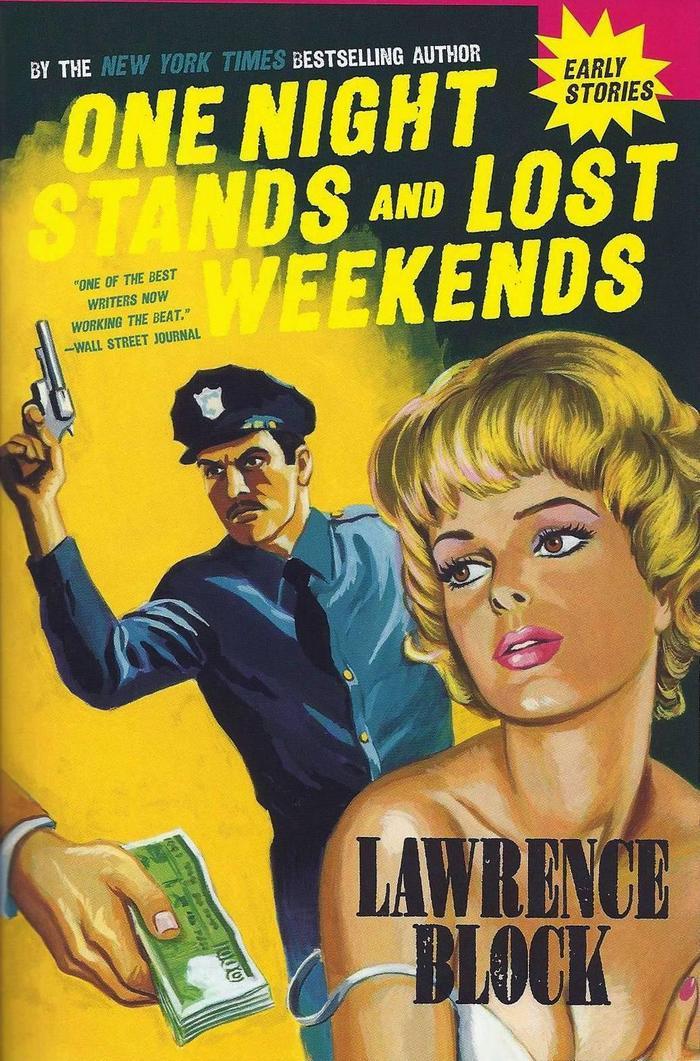
One Night Stands and Lost Weekends
fb2
In the era before he created moody private investigator Matthew Scudder, burglar Bernie Rhodenbarr, sleepless spy Evan Tanner, and the amiable hit man Keller — and years before his first Edgar Award — a young writer named Lawrence Block submitted a story titled “You Can’t Lose” to Manhunt magazine. It was published, and the rest is history. One Night Stands and Lost Weekends is a sterling collection of short crime fiction and suspense novelettes penned between 1958 and 1962 by a budding young master and soon-to-be Grand Master — an essential slice of genre history, and more fun than a high-speed police chase following a bank job gone bad. |
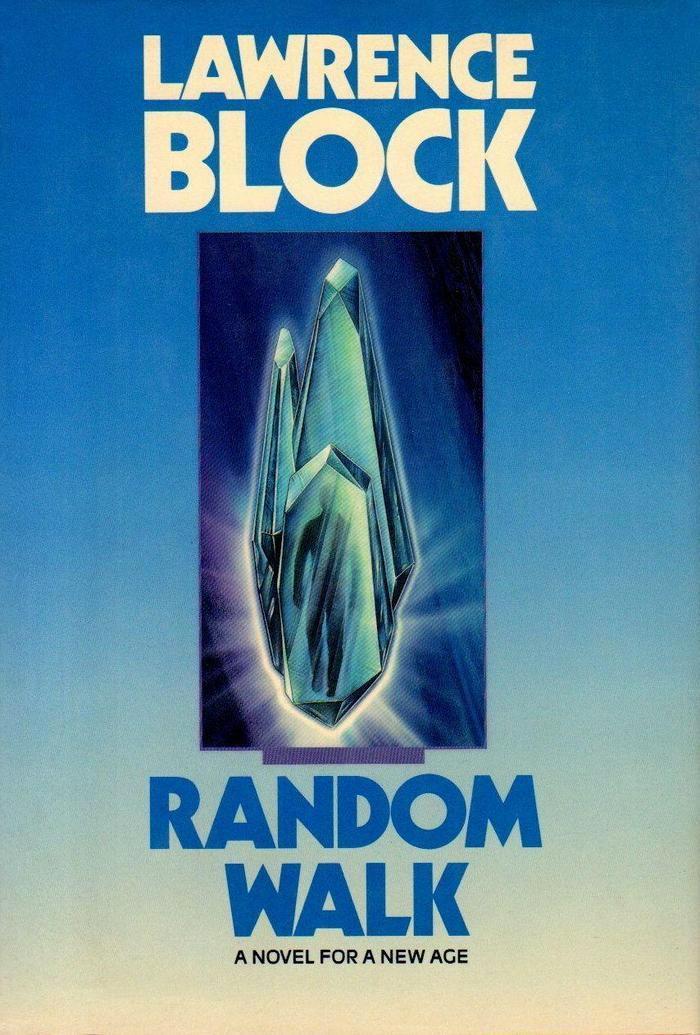
Random Walk: A Novel for a New Age
fb2
It begins in the Pacific Northwest, in Oregon. Guthrie looks around and decides to take a walk. He doesn't know how far he's going, he doesn't know where he's going. He doesn't take much with him, just a small backpack. A journey of any length begins with a single step and Guthrie takes it, facing east. Wonderful things happen as he walks: Sleeping in the open in the chilled air, Guthrie discovers that he is not cold. Tired, he finds he always has a place to sleep. And he begins to draw people to him: Jody, a young man who doesn't understand what is happening, but knows he must walk. Sara and her son Thom. She's blind, but sees better than the sighted. Mame, crippled by arthritis, leaves her walker by the roadside. The group grows and walks and heals. Also walking, but on another path, is Mark. Murderous Mark. When he joins the people, he discovers his role… and his punishment. The random walk: It never ends, it just changes; it is not the destination which matters, but the journey. |
The Best American Mystery Stories 1998
fb2
In this volume, guest editor Sue Grafton and series editor Otto Penzler offer up their choices for the best suspense, crime, and mystery stories of the year. Included in these thrilling tales is Scott Bartels’s dark and violent “Swear Not by the Moon,” in which a drug-addicted Creole is caught between good intentions and bad decisions. In Janice Law’s haunting “Secrets,” an Irish immigrant mother and daughter are faced with unexpected cruelties as they try to make a new life for themselves. And in Lawrence Block’s clever Edgar Award-winning story “Keller on the Spot,” a contract killer uncharacteristically saves a life and finds his assignment becoming increasingly complicated. The diverse styles and themes employed in this collection showcase an impressive array of talent certain to further the popularity of the genre. Already a bestseller in its first year, The Best American Mystery Stories, as evidenced by this year’s edition, promises to keep readers intrigued and coming back for more. |
The Best American Mystery Stories 2001
fb2
The best-selling mystery writer Lawrence Block proves his point with the twenty outstanding stories he has chosen for this volume. For fans of the traditional mystery, there’s T. Jefferson Parker’s “Easy Street,” in which a brother’s visit uncovers family secrets. In Jeremiah Healy’s “A Book of Kells,” a detective draws on his Irish heritage to solve a crime. And in Clark Howard’s “Under Suspicion,” a detective’s investigation of the murder of his best friend’s daughter hits too close to home. However, many of the stories are concerned more with the personalities and motives surrounding the crime than with the crime itself. In Joyce Carol Oates’s “The Girl with the Blackened Eye,” we see a crime from the young victim’s point of view. Jennifer Anderson’s “Things That Make Your Heart Beat Faster” examines the hardships one rookie cop endures while solving her first crime. And in Thomas Lynch’s “Blood Sport,” a young mortician faces the gruesome job of preparing a murdered friend for her funeral. As Block says: “Three things struck me about the stories in this year’s collection — their range, their variety, and their exceptionally high quality. Crime fiction has always been a broad and inclusive field, but these stories epitomize its breadth, running from the literary to the retro-pulp. The field has always showcased new talent, and a full two thirds of this year’s winners are by writers previously unknown to me. I’ve been reading short crime for half a century, and writing it for almost that long, and I’m still blown away by how very fine these stories are.” |