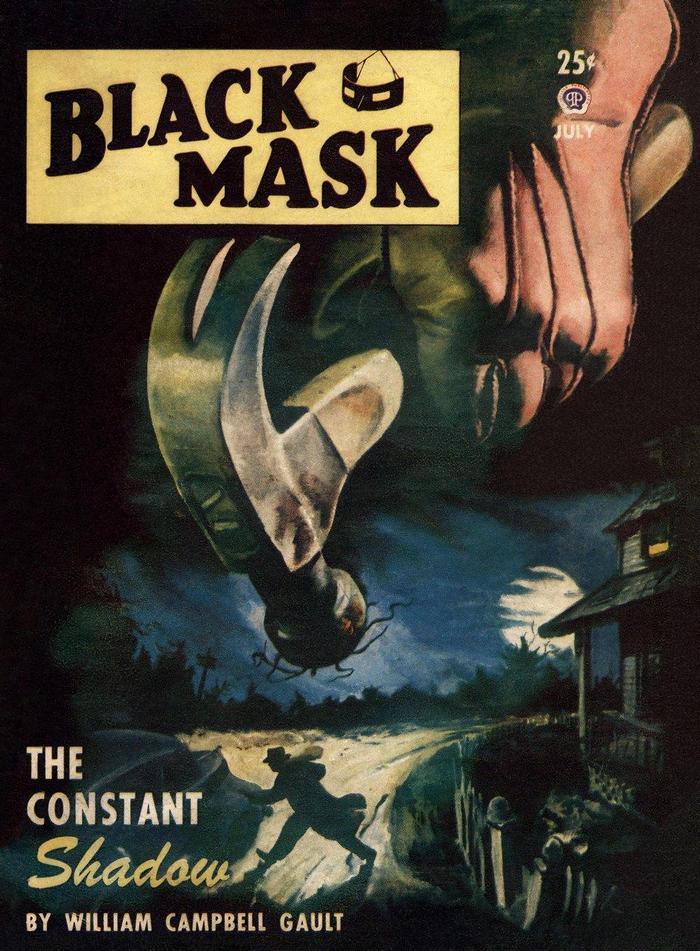
Black Mask Magazine (Vol. 30, No. 2 — July 1947)
 fb2 fb2
|
|
Black Mask Magazine (Vol. 30, No. 2 — July 1947)
fb2
|
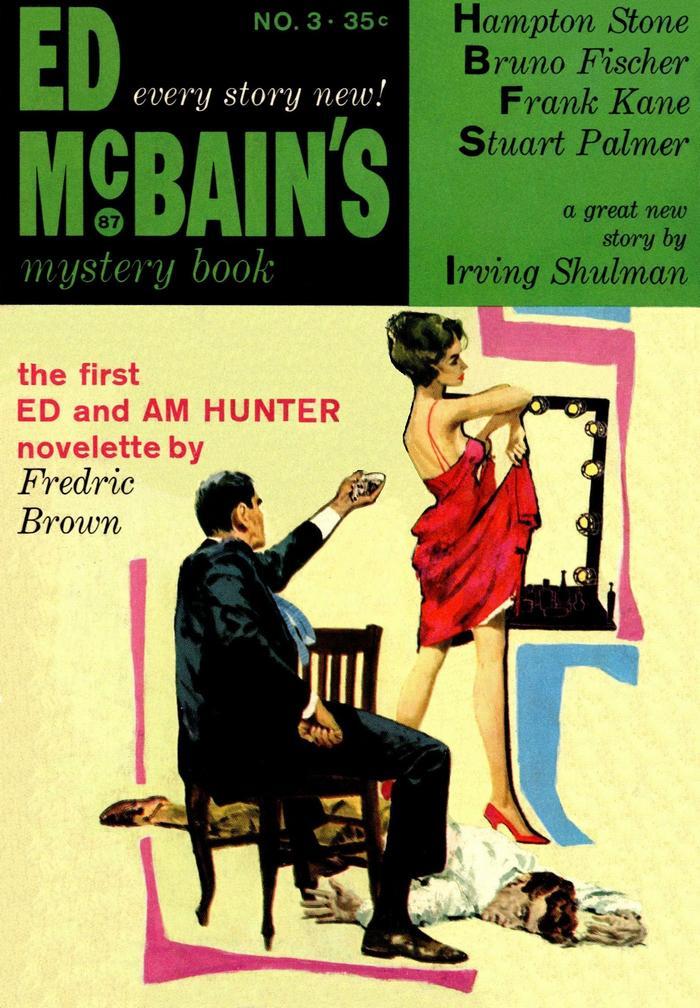
Ed McBain’s Mystery Book, No. 3,1961
fb2
|
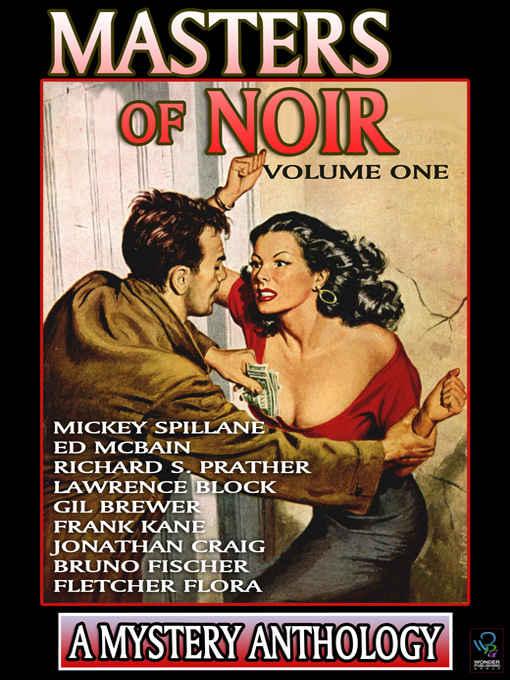
Masters of Noir: Volume 1
fb2
A walk on the wild side! In this series of collections of gritty Noir and Hardboiled stories, you’ll find some of the best writers of the craft writing in their prime.
|
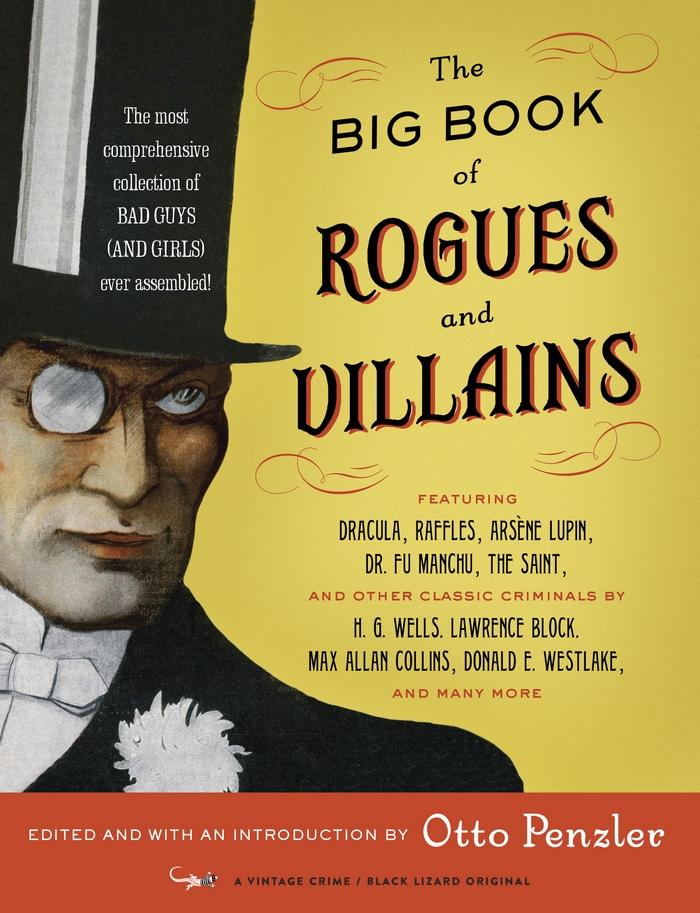
The Big Book of Rogues and Villains
fb2
Otto Penzler rounds up the most cunning, ruthless, criminals in mystery fiction.The best mysteries — whether detective, historical, police procedural, cozy, or comedy-have one thing in common: a memorable culprit. For all the heroes in earnest pursuit, there are malefactors on the loose, determined to outfox their efforts and sow trouble in their wake. These are the rogues and villains who haunt our imaginations, but they often have more in common with their heroic counterparts than we might expect (and, as we shall see, some even moonlight as detectives or do-gooders themselves). The seventy-two handpicked stories in this collection introduce us to the miscreants who have schemed and slashed their way through the mystery canon over the past hundred and fifty years, captivating and confounding readers in the process.MEET DELINQUENT PSYCHES OF ALL STRIPES, INCLUDINGgentleman thieves, calculating crooks, fearsome body snatchers, masters of disguise, morally-challenged lawyers, deceitful doctors, heinous hit men. charismatic con men, amoral adventurers, supernatural suspects, deviant detectives, vile villainesses, and cold-blooded killersIN UNFORGETTABLE TALES BYRobert Louis Stevenson, Bram Stoker, Washington Irving, Jack London, L. T. Meade, 0. Henry, Sinclair Lewis, Edgar Wallace, Leslie Charteris, Erle Stanley Gardner, Edward 0. Hoch, David Morrell, Loren D. Estleman, and countless others.
|
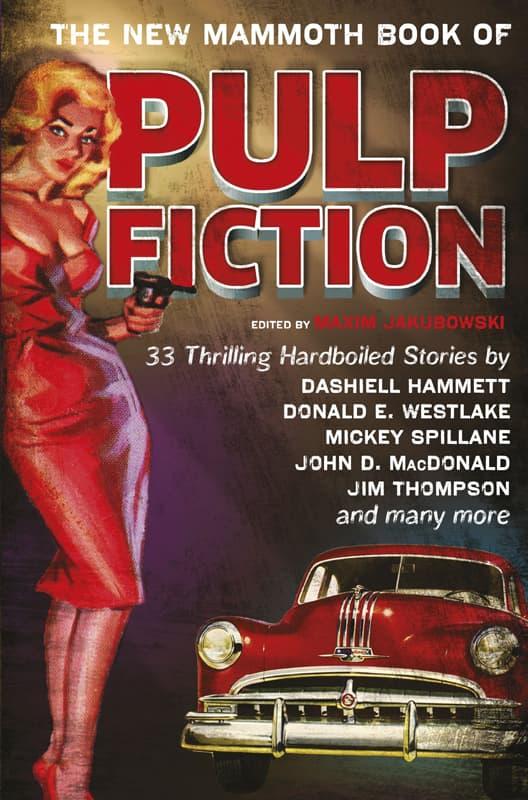
The New Mammoth Book of Pulp Fiction
fb2
Pulp fiction has been looked down on as a guilty pleasure, but it offers the perfect form of entertainment: the very best storytelling filled with action, surprises, sound and fury. In short, all the exhiliration of a roller-coaster ride. The 1920s in America saw the proliferation of hundreds of dubiously named but thrillingly entertaining pulp magazines in America: Black Mask, Amazing, Astounding, Spicy Stories, Ace-High, Detective Magazine, Dare-Devil Aces. It was in these luridly-coloured publications, printed on the cheapest pulp paper, that the first gems began to appear. The one golden rule for writers of pulp fiction was to adhere to the art of storytelling. Each story had to have a beginning, an end, economically-etched characters, but plenty going on, both in terms of action and emotions. Pulp magazines were the TV of their day, plucking readers from drab lives and planting them firmly in thrilling make-believe, successors...
|