 fb2
fb2
Ci sono utopie della speranza e utopie tecnologiche, utopie della ragione e utopie organizzative, ma qui c’è per l’umanità un mondo felice e perfettamente funzionante con mezzi che non sono solo senza precedenti ma positivamente spaventosi. La cosa che fa venire i brividi di questo nuovo concetto politico presentato qui da Orson Scott Card (uno dei più grossi talenti emersi negli ultimi anni in America) è che potrebbe funzionare sul serio.

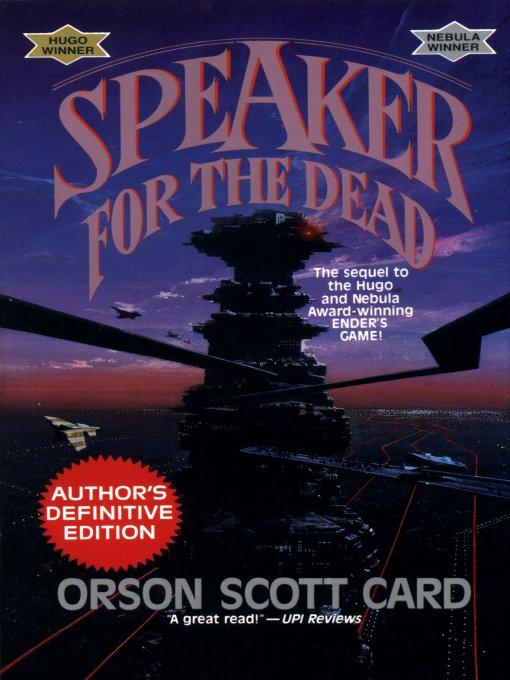
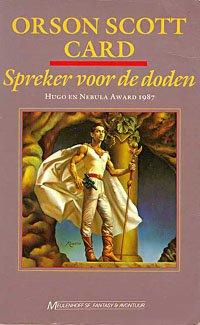
Voor het eerst sinds de infame Ender — het Monster — Xenocide pleegde door het enige andere ras van intelligente anderlingen uit te roeien, ontdekt men weer een verstandelijk begaafde soort, ergens in het heelal. Technologisch zijn ze nog nergens, maar ze begrijpen alles. ‘God geeft ons een nieuwe kans,’ oordeelte de aartskardinaal van de planeet Baía, ‘Nu kunnen wij boete doen voor de Xenocide.’
De gemeenschap van bewoonde planeten kent talrijke goden, of gelooft in geen enkele daarvan, maar iedereen was het hartgrondig eens met de aartskardinaal. De nieuwe planeet Lusitania zou dan ook gekoloniseerd worden vanaf Baia, want zo was de traditie. Maar er werden strenge regels opgesteld. De kolonie zou zich nimmer mogen uitbreiden buiten een omheind, klein gebied, en het bevolkingsaantal zou een bepaalde limiet nooit mogen overschrijden. En één enkele wet was heilig: de anderlingen moesten met rust worden gelaten. Xenosociologisch onderzoek was toegestaan — amper — maar de anderlingen moesten zich zonder inmenging ontwikkelen, helemaal op eigen kracht; ze mochten niets van de mens leren. Zo diep zat de schrik voor een tweede volkerenmoord erin.
Verheven idealen, en alles in het belang van de anderlingen — maar wat dachten die er zelf van? Daar vroeg niemand naar… tot het te laat was…
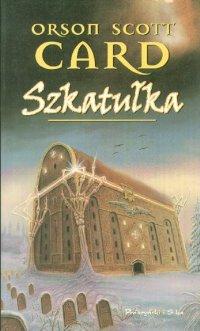
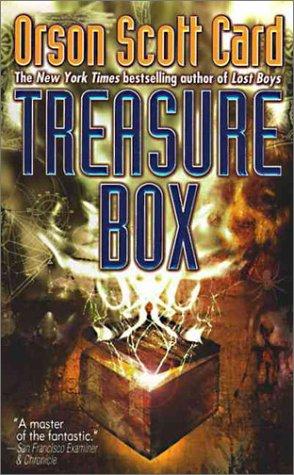
Quentin Fears, młody amerykański milioner doświadcza przeżyć, które sprawiają, że mimo bardzo racjonalnego stosunku do życia, musi uwierzyć w to, co niemożliwe. W jego najbliższym otoczeniu pojawiają się osoby tylko pozornie egzystujące w realnym świecie. Za sprawą owych demonów zła mimowolnie staje się bohaterem horroru — tak bowiem zmieniają jego życie.
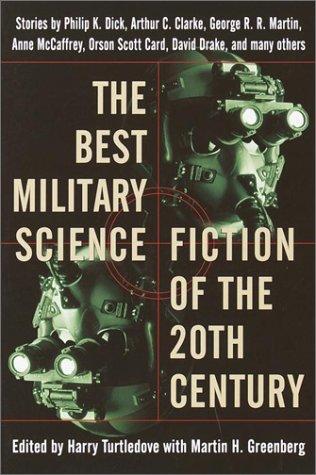
Explosive and provocative battles fought across the boundaries of time and space—and on the frontiers of the human mind.
Science fiction's finest have yielded this definitive collection featuring stories of warfare, victory, conquest, heroism, and overwhelming odds. These are scenarios few have ever dared to contemplate, and they include:
-"Superiority": Arthur C. Clarke presents an intergalactic war in which one side's own advanced weaponry may actually lead to its ultimate defeat.
-"Dragonrider": A tale of Anne McCaffrey's Dragonriders of Pern, in which magic tips the scales of survival.
-"Second Variety": Philip K. Dick, author of the short story that became the movie Blade Runner, reaches new heights of terror with his post apocalyptic vision of the future.
-"The Night of the Vampyres": A chilling ultimatum of atomic proportions begins a countdown to disaster in George R. R. Martin's gripping drama.
-"Hero": Joe Haldeman's short story that led to his classic of interstellar combat, The Forever War.
-"Ender's Game": The short story that gave birth to Orson Scott Card's masterpiece of military science fiction.
. . . as well as stories from Poul Anderson, Gregory Benford, C. J. Cherryh, David Drake, Cordwainer Smith, Harry Turtledove and Walter John Williams.
Guaranteed to spark the imagination and thrill the soul, these thirteen science fiction gems cast a stark light on our dreams and our darkest fears—truly among the finest tales of the 20th century.
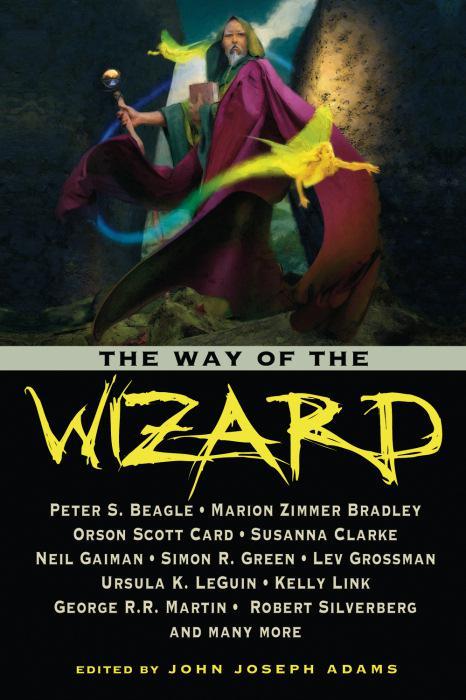
Power. We all want it, they've got it — witches, warlocks, sorcerers, necromancers, those who peer beneath the veil of mundane reality and put their hands on the levers that move the universe. They see the future in a sheet of glass, summon fantastic beasts, and transform lead into gold… or you into a frog. From Gandalf to Harry Potter to the Last Airbender, wizardry has never been more exciting and popular. Enter a world where anything is possible, where imagination becomes reality. Experience the thrill of power, the way of the wizard. Now acclaimed editor John Joseph Adams (The Living Dead) brings you thirty-two of the most spellbinding tales ever written, by some of today's most magical talents, including Neil Gaiman, Simon R. Green, and George R. R. Martin.

IT’S THE END OF THE WORLD AS WE KNOW IT…
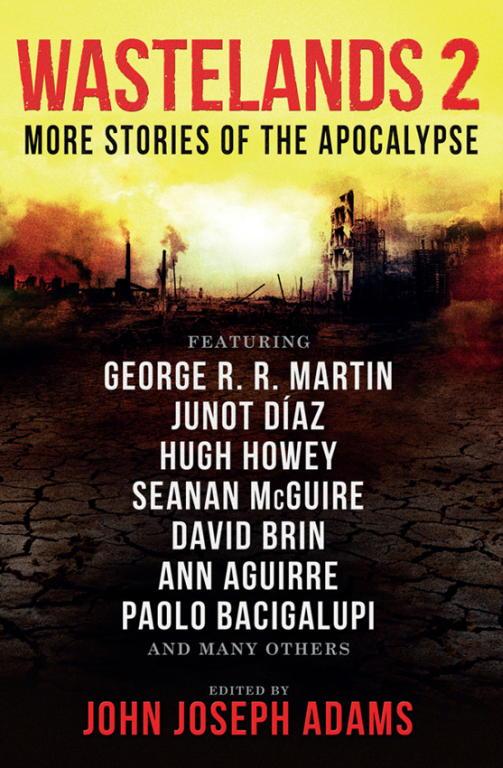
For decades, the apocalypse and its aftermath have yielded some of the most exciting short stories of all time. From David Brin’s seminal “The Postman” to Hugh Howey’s “Deep Blood Kettle” and Tananarive Due’s prescient “Patient Zero,” the end of the world continues to thrill.
This companion volume to the critically acclaimed WASTELANDS offers thirty of the finest examples of post-apocalyptic short fiction, with works by:
Ann Aguirre
Megan Arkenberg
Paolo Bacigalupi
Christopher Barzak
Lauren Beukes
David Brin
Orson Scott Card
Junot Díaz
Cory Doctorow
Tananarive Due
Toiya Kristen Finley
Milo James Fowler
Maria Dahvana Headley
Hugh Howey
Keffy R. M. Kehrli
Jake Kerr
Nancy Kress
Joe R. Lansdale
George R. R. Martin
Jack McDevitt
Seanan McGuire
Maureen F. McHugh
D. Thomas Minton
Rudy Rucker & Bruce Sterling
Ramsey Shehadeh
Robert Silverberg
Rachel Swirsky
Genevieve Valentine
James Van Pelt
Christie Yant
Award-winning editor John Joseph Adams has once again assembled a who’s who of short fiction, and the result is nothing short of mind-blowing.
Famine, Death, War, and Pestilence: The Four Horsemen of the Apocalypse, the harbingers of Armageddon — these are our guides through the Wastelands…
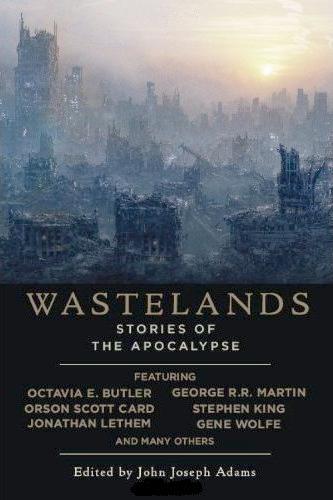
From the Book of Revelation to The Road Warrior; from A Canticle for Leibowitz to The Road, storytellers have long imagined the end of the world, weaving eschatological tales of catastrophe, chaos, and calamity. In doing so, these visionary authors have addressed one of the most challenging and enduring themes of imaginative fiction: the nature of life in the aftermath of total societal collapse.
Gathering together the best post-apocalyptic literature of the last two decades from many of today’s most renowned authors of speculative fiction — including George R.R. Martin, Gene Wolfe, Orson Scott Card, Carol Emshwiller, Jonathan Lethem, Octavia E. Butler, and Stephen King — Wastelands explores the scientific, psychological, and philosophical questions of what it means to remain human in the wake of Armageddon. Whether the end of the world comes through nuclear war, ecological disaster, or cosmological cataclysm, these are tales of survivors, in some cases struggling to rebuild the society that was, in others, merely surviving, scrounging for food in depopulated ruins and defending themselves against monsters, mutants, and marauders.
Complete with introductions and an indispensable appendix of recommendations for further reading, Wastelands delves into this bleak landscape, uncovering the raw human emotion and heart-pounding thrills at the genre’s core.
John Joseph Adams is the assistant editor of The Magazine of Fantasy & Science Fiction and a freelance writer. His website is www.johnjosephadams.com.
Wastelands: Stories of the Apocalypse is available now. Look for it wherever books are sold, or order online from Amazon.com, Barnes & Noble, Books-a-Million, Powell’s Books, or directly from the publisher, Night Shade Books.