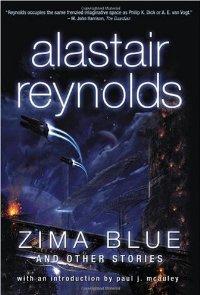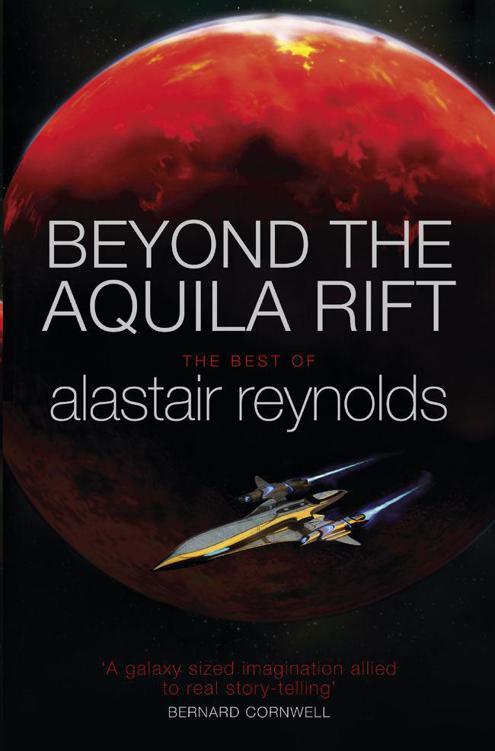
 fb2
fb2This is an amazing collection of some of the best short fiction ever written in the SF genre, by an author acclaimed as ‘the mastersinger of space opera’ (THE TIMES).
Alastair Reynolds has won the Sidewise Award and been nominated for The Hugo Awards for his short fiction. One of the most thought-provoking and accomplished short-fiction writers of our time, this collection is a delight for all SF readers.
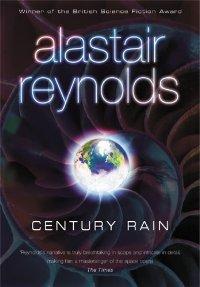
Three hundred years in the future, Verity Auger is a specialist in the archaeological exploration of Earth, rendered uninhabitable after the technological catastrophe known as the Nanocaust. After a field-trip to goes badly wrong, Verity is forced to redeem herself by participating in a dangerous mission, for which her expertise is invaluable. Using a backdoor into an unstable alien transit system, Auger’s faction has discovered something astonishing at the far end of a wormhole: mid twentieth-century Earth, preserved like a fly in amber. Is it a window into the past, a simulation, or something else entirely? Century Rain is not just a time-travel story, nor a tale of alternate history. Part hard SF thriller, part interstellar adventure, part noir romance, Century Rain is something altogether stranger.
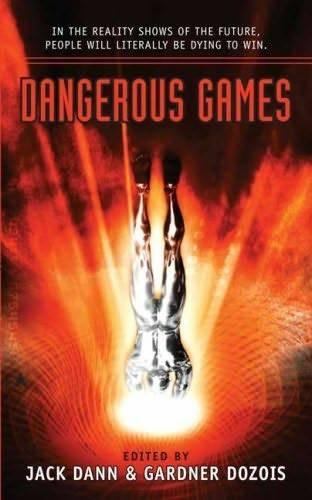
An anthology of stories
Extreme sports. Extreme future. Extreme collection.
Science fiction's most expert dreamers envision the computerized, high-risk games of the future in this winning collection. Features Robert Sheckley, Cory Doctorow, Kate Wilhelm, Alastair Reynolds, Vernor Vinge, Jonathan Letham, Gwyneth Jones, William Browning Spencer, Allen Steele, Terry Dowling, and Jason Stoddard.
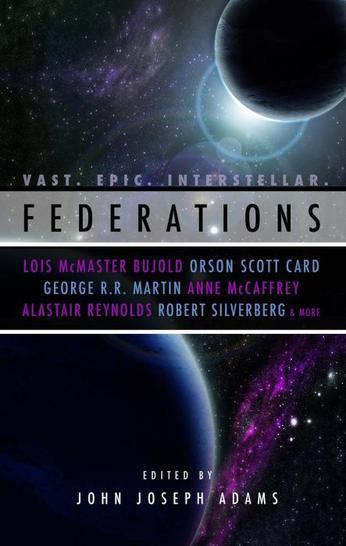
From Star Trek to Star Wars, from Dune to Foundation, science fiction has a rich history of exploring the idea of vast intergalactic societies, and the challenges facing those living in or trying to manage such societies. The stories in Federations will continue that tradition. What are the social/religious/environmental/technological implications of living in such a vast society? What happens when expansionist tendencies on a galactic scale come into conflict with the indigenous peoples of other planets, of other races? And what of the issue of communicating across such distances, or the problems caused by relativistic travel? These are just some of the questions and issues that the stories in Federations will take on.
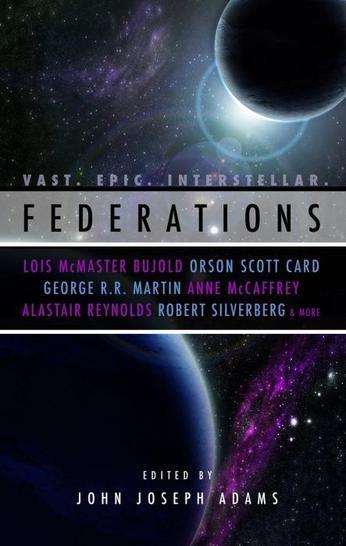
From Star Trek to Star Wars, from Dune to Foundation, science fiction has a rich history of exploring the idea of vast intergalactic societies, and the challenges facing those living in or trying to manage such societies. The stories in Federations will continue that tradition. What are the social/religious/environmental/technological implications of living in such a vast society? What happens when expansionist tendencies on a galactic scale come into conflict with the indigenous peoples of other planets, of other races? And what of the issue of communicating across such distances, or the problems caused by relativistic travel? These are just some of the questions and issues that the stories in Federations will take on.
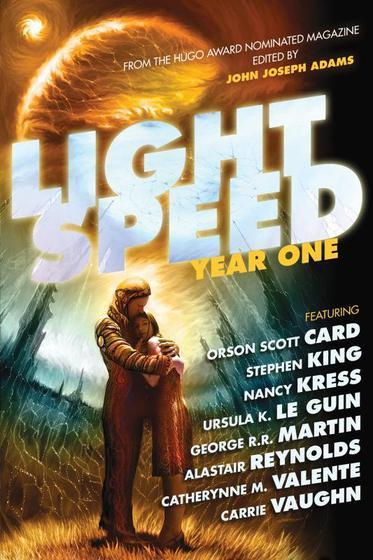
Lightspeed (www.lightspeedmagazine.com) is the critically-acclaimed, online science fiction magazine edited by bestselling anthologist John Joseph Adams. Lightspeed publishes all types of science fiction, from near-future, sociological soft sf, to far-future, star-spanning hard sf, and anything and everything in between. Each month, Lightspeed features a mix of originals and reprints, from a variety of authors—from the bestsellers and award-winners you already know to the best new voices you haven't heard of yet. Now, in Lightspeed: Year One, you will find all of the fiction published in Lightspeed's first year, from new stories such as Nebula Award finalists, Vylar Kaftan’s “I’m Alive, I Love You, I’ll See You in Reno” and “Arvies” by Adam-Troy Castro, and Carrie Vaughn’s Hugo Award-nominee “Amaryllis,” to classic reprints by Stephen King, Ursula K. Le Guin, George R. R. Martin, and more.
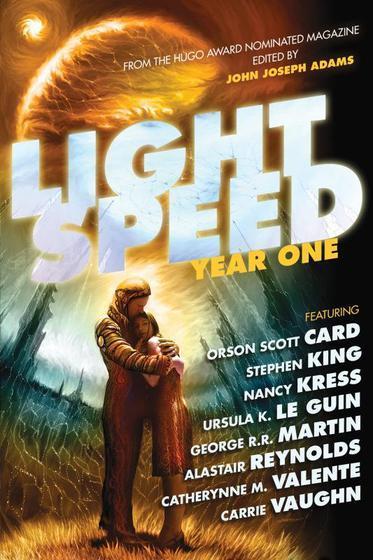
Lightspeed (www.lightspeedmagazine.com) is the critically-acclaimed, online science fiction magazine edited by bestselling anthologist John Joseph Adams. Lightspeed publishes all types of science fiction, from near-future, sociological soft sf, to far-future, star-spanning hard sf, and anything and everything in between. Each month, Lightspeed features a mix of originals and reprints, from a variety of authors - from the bestsellers and award-winners you already know to the best new voices you haven''t heard of yet. Now, in Lightspeed: Year One, you will find all of the fiction published in Lightspeed''s first year, from new stories such as Nebula Award finalists, Vylar Kaftan''s "I''m Alive, I Love You, I''ll See You in Reno" and "Arvies" by Adam-Troy Castro, and Carrie Vaughn''s Hugo Award-nominee "Amaryllis," to classic reprints by Stephen King, Ursula K. Le Guin, George R. R. Martin, and more.
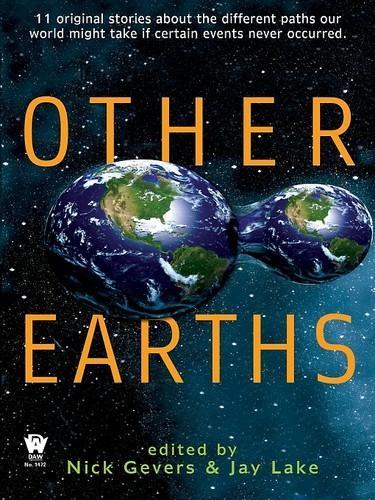
one world among many…eleven stories about them all
What if Lincoln never became president, and the Civil War never took place? What if Columbus never discovered America, and the Inca developed a massive, technologicallyadvanced empire? What if magic was real and a half-faerie queen ruled England? What if an author discovered a book written by an alternate version of himself?
These are just some of the possible pathways that readers can take to explore the Other Earths that may be waiting just one page away.
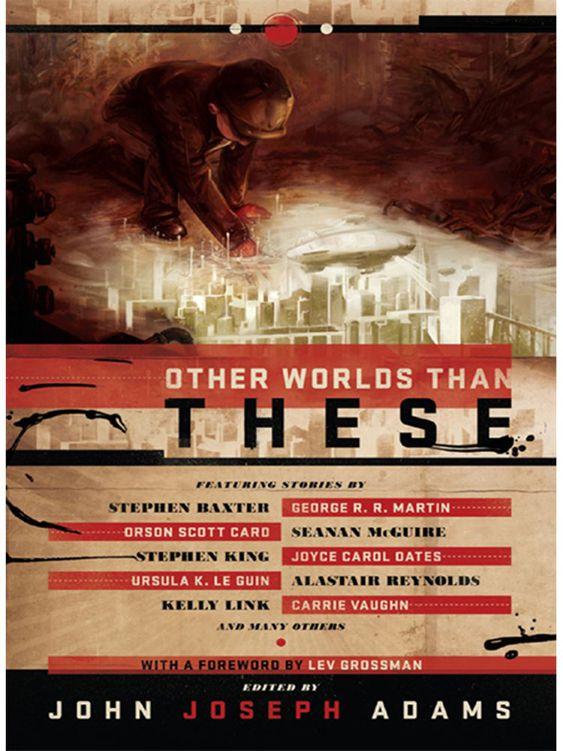
What if you could not only travel any location in the world, but to any possible world?
We can all imagine such “other worlds”—be they worlds just slightly different than our own or worlds full of magic and wonder—but it is only in fiction that we can travel to them. From The Wizard of Oz to The Dark Tower, from Philip Pullman’s The Golden Compass to C. S. Lewis’s The Chronicles of Narnia, there is a rich tradition of this kind of fiction, but never before have the best parallel world stories and portal fantasies been collected in a single volume—until now.
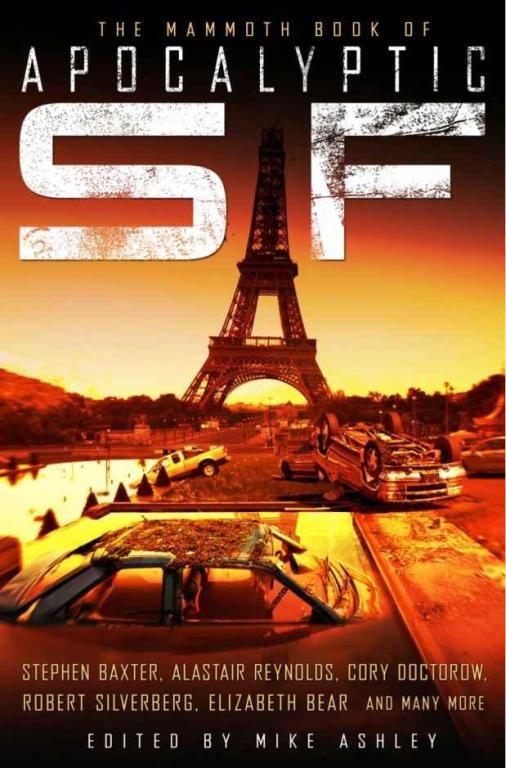
Stories of the fall of civilisation, the destruction of the Earth and the end of the Universe itself
The last sixty years have been full of stories of one or other possible Armageddon, whether by nuclear war, plague, cosmic catastrophe or, more recently, global warming, terrorism, genetic engineering, AIDS and other pandemics. These stories, both pre- and post-apocalyptic, describe the fall of civilization, the destruction of the entire Earth, or the end of the Universe itself. Many of the stories reflect on humankind’s infinite capacity for self-destruction, but the stories are by no means all downbeat or depressing — one key theme explores what the aftermath of a cataclysm might be and how humans strive to survive.
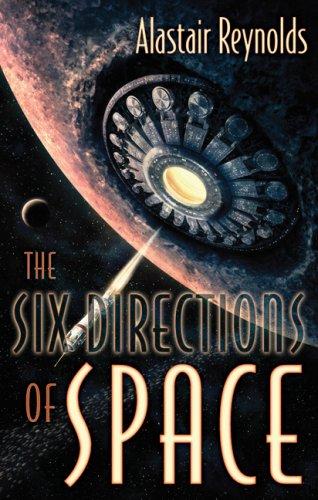
What if Genghis Khan got his wish, and brought the entire planet under the control of the Mongols? Where would he have gone next?
A thousand years after Khan’s death, Yellow Dog is the codename of a female spy working for a vast Mongol-dominated galactic empire. When she learns of anomalous events happening on the edge of civilised space—phantom ships appearing in the faster-than-light transit system which binds the empire together—Yellow Dog puts herself forward for the most hazardous assignment of her career. In deep cover, she must penetrate the autonomous zone where the anomalies are most frequent, and determine whether the empire is really under attack, and if so by who or what. Yellow Dog’s problems, however, are only just beginning. For the autonomous zone is under the heel of Qilian, a thuggish local tyrant with no love for central government and a reputation for extreme brutality. Qilian already knows more about the anomalies than Yellow Dog does. If she is going to learn more, she will have to earn his confidence—even if that means working for him, rather than against him.
So begins a deadly game of subterfuge and double-cross—while the anomalies increase…