 fb2
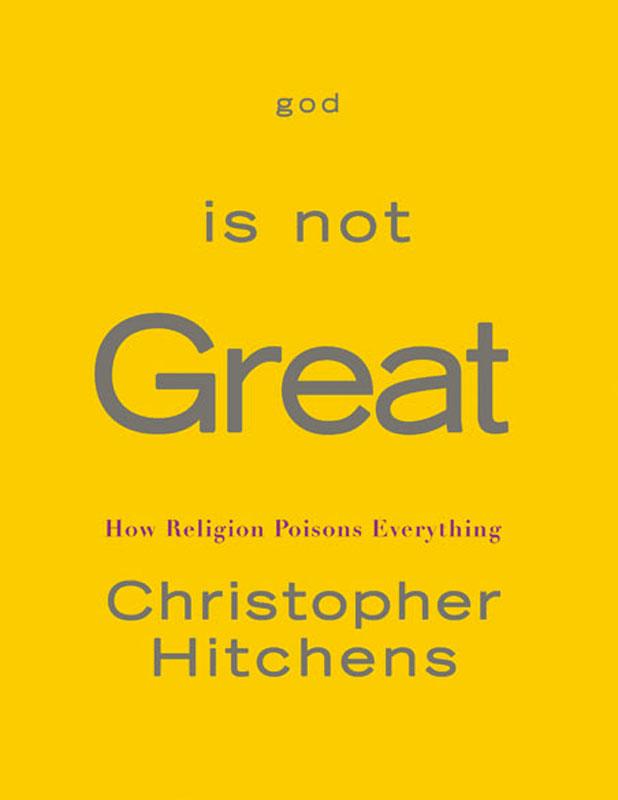
fb2In the tradition of Bertrand Russell’s Why I Am Not a Christian and Sam Harris’s recent bestseller, The End of Faith, Christopher Hitchens makes the ultimate case against religion. With a close and erudite reading of the major religious texts, he documents the ways in which religion is a man-made wish, a cause of dangerous sexual repression, and a distortion of our origins in the cosmos. With eloquent clarity, Hitchens frames the argument for a more secular life based on science and reason, in which hell is replaced by the Hubble Telescope’s awesome view of the universe, and Moses and the burning bush give way to the beauty and symmetry of the double helix.
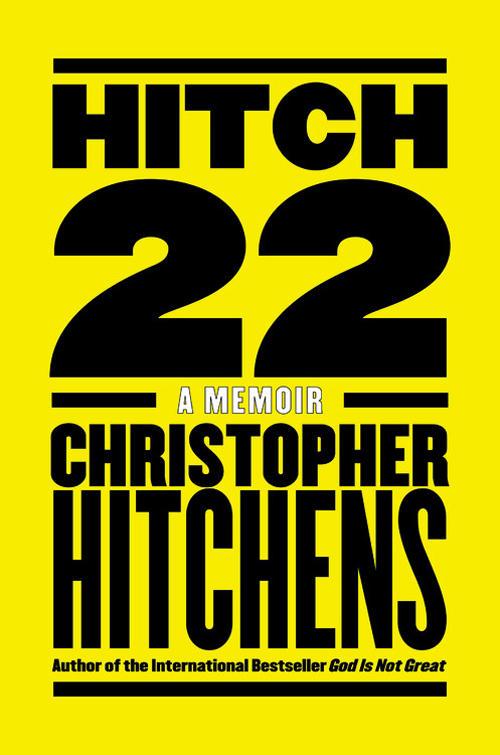
Over the course of his 60 years, Christopher Hitchens has been a citizen of both the United States and the United Kingdom. He has been both a socialist opposed to the war in Vietnam and a supporter of the U.S. war against Islamic extremism in Iraq. He has been both a foreign correspondent in some of the world's most dangerous places and a legendary bon vivant with an unquenchable thirst for alcohol and literature. He is a fervent atheist, raised as a Christian, by a mother whose Jewish heritage was not revealed to him until her suicide.
In other words, Christopher Hitchens contains multitudes. He sees all sides of an argument. And he believes the personal is political.
This is the story of his life, lived large.
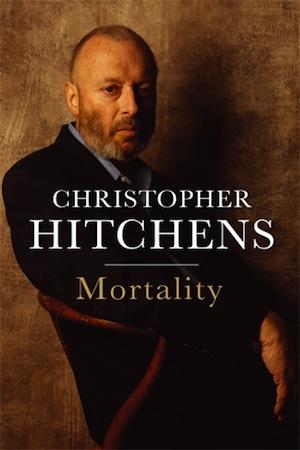
On June 8, 2010, while on a book tour for his bestselling memoir, Hitch-22, Christopher Hitchens was stricken in his New York hotel room with excruciating pain in his chest and thorax. As he would later write in the first of a series of award-winning columns for Vanity Fair, he suddenly found himself being deported “from the country of the well across the stark frontier that marks off the land of malady.” Over the next eighteen months, until his death in Houston on December 15, 2011, he wrote constantly and brilliantly on politics and culture, astonishing readers with his capacity for superior work even in extremis.
Throughout the course of his ordeal battling esophageal cancer, Hitchens adamantly and bravely refused the solace of religion, preferring to confront death with both eyes open. In this riveting account of his affliction, Hitchens poignantly describes the torments of illness, discusses its taboos, and explores how disease transforms experience and changes our relationship to the world around us. By turns personal and philosophical, Hitchens embraces the full panoply of human emotions as cancer invades his body and compels him to grapple with the enigma of death.
MORTALITY is the exemplary story of one man’s refusal to cower in the face of the unknown, as well as a searching look at the human predicament. Crisp and vivid, veined throughout with penetrating intelligence, Hitchens’s testament is a courageous and lucid work of literature, an affirmation of the dignity and worth of man.
Amazon Best Books of the Month, September 2012:
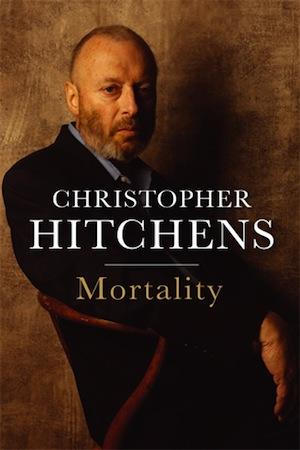
On June 8, 2010, while on a book tour for his bestselling memoir, Hitch-22, Christopher Hitchens was stricken in his New York hotel room with excruciating pain in his chest and thorax. As he would later write in the first of a series of award-winning columns for Vanity Fair, he suddenly found himself being deported “from the country of the well across the stark frontier that marks off the land of malady.” Over the next eighteen months, until his death in Houston on December 15, 2011, he wrote constantly and brilliantly on politics and culture, astonishing readers with his capacity for superior work even in extremis.
Throughout the course of his ordeal battling esophageal cancer, Hitchens adamantly and bravely refused the solace of religion, preferring to confront death with both eyes open. In this riveting account of his affliction, Hitchens poignantly describes the torments of illness, discusses its taboos, and explores how disease transforms experience and changes our relationship to the world around us. By turns personal and philosophical, Hitchens embraces the full panoply of human emotions as cancer invades his body and compels him to grapple with the enigma of death.
MORTALITY is the exemplary story of one man’s refusal to cower in the face of the unknown, as well as a searching look at the human predicament. Crisp and vivid, veined throughout with penetrating intelligence, Hitchens’s testament is a courageous and lucid work of literature, an affirmation of the dignity and worth of man.
Amazon Best Books of the Month, September 2012:
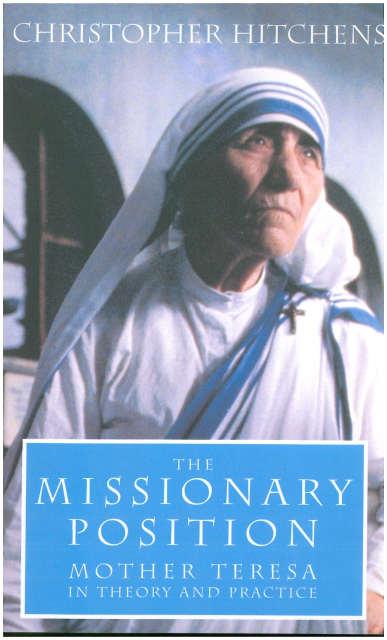
In a frank expose of the Teresa cult, Hitchens details the nature and limits of one woman’s mission to the world’s poor. He probes the source of the heroic status bestowed upon an Albanian nun whose only declared wish is to serve God. He asks whether Mother Teresa’s good works answer any higher purpose than the need of the world’s privileged to see someone, somewhere, doing something for the Third World. He unmasks pseudo-miracles, questions Mother Teresa’s fitness to adjudicate on matters of sex and reproduction, and reports on a version of saintly ubiquity which affords genial relations with dictators, corrupt tycoons and convicted frauds.
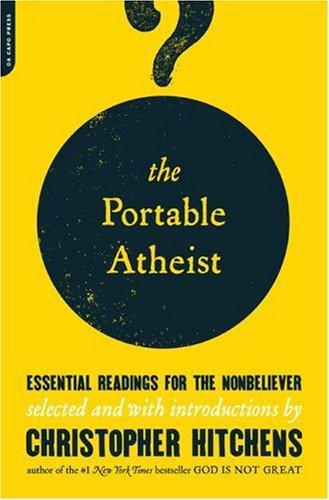
From the #1 New York Times best-selling author of God Is Not Great, a provocative and entertaining guided tour of atheist and agnostic thought through the ages—with never-before-published pieces by Salman Rushdie, Ian McEwan, and Ayaan Hirsi Ali.
Christopher Hitchens continues to make the case for a splendidly godless universe in this first-ever gathering of the influential voices—past and present—that have shaped his side of the current (and raging) God/no-god debate. With Hitchens as your erudite and witty guide, you'll be led through a wealth of philosophy, literature, and scientific inquiry, including generous portions of the words of Lucretius, Benedict de Spinoza, Charles Darwin, Karl Marx, Mark Twain, George Eliot, Bertrand Russell, Emma Goldman, H. L. Mencken, Albert Einstein, Daniel Dennett, Sam Harris, Richard Dawkins, and many others well-known and lesser known. And they’re all set in context and commented upon as only Christopher Hitchens—“political and literary journalist extraordinaire” (Los Angeles Times).
Atheist? Believer? Uncertain? No matter: The Portable Atheist will speak to you and engage you every step of the way.