 fb2
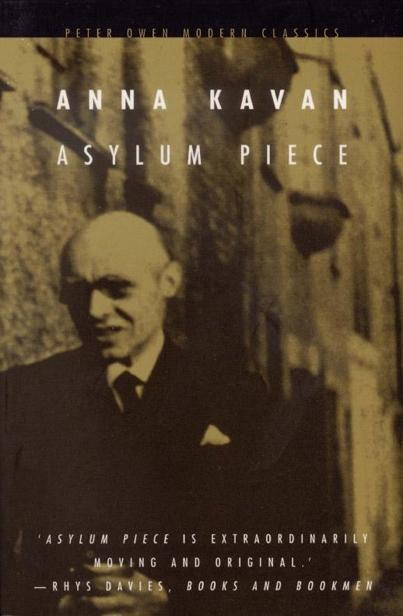
fb2This collection of stories, mostly interlinked and largely autobiographical, chart the descent of the narrator from the onset of neurosis to final incarceration in a Swiss clinic. The sense of paranoia, of persecution by a foe or force that is never given a name, evokes The Trial by Kafka, a writer with whom Kavan is often compared, although her deeply personal, restrained, and almost foreign —accented style has no true model. The same characters who recur throughout — the protagonist's unhelpful "adviser," the friend and lover who abandons her at the clinic, and an assortment of deluded companions — are sketched without a trace of the rage, self-pity, or sentiment that have marked more recent accounts of mental instability.
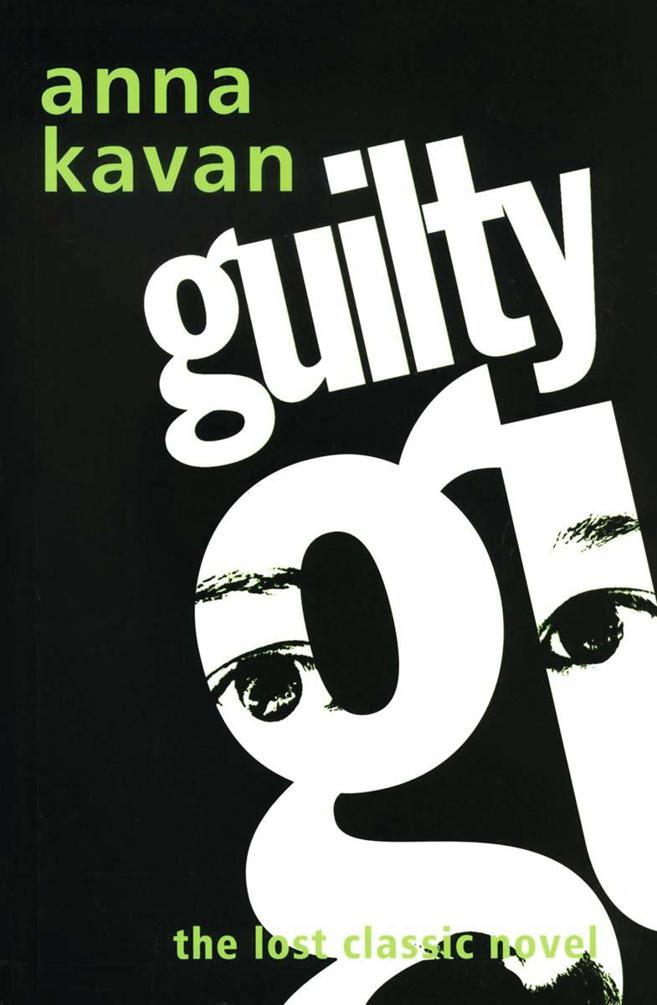
Set in an unspecified but eerily familiar time and landscape, this is the story of Mark, a protagonist who struggles against the machinations of a hostile society and bureaucracy. Suffering at first from the persecution of his father as a conscientious objector, his life quickly comes under the control of the Machiavellian Mr. Spector, an influential government minister who arranges Mark's education, later employment, and even accommodation. It is when Mark tries to break free from Spector's influence that his life begins to unravel.
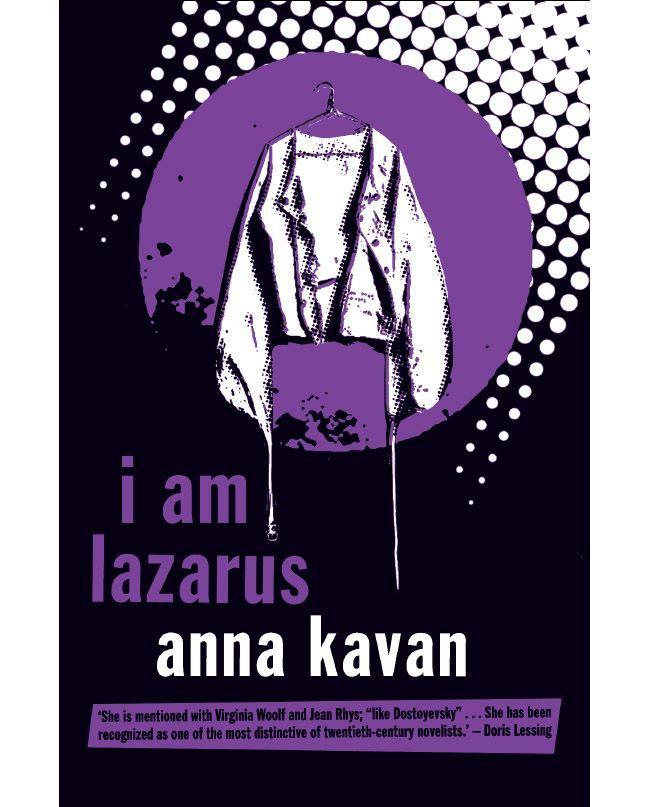
Short stories addressing the surreal realities of mental illness, from a British modernist writer often compared to Franz Kafka and Virginia Woolf — The tortured life of Anna Kavan yielded much in the way of writing material. Her drug addiction bore fruit in the Julia and the Bazooka collection of stories, while this volume recalls her asylum experiences, continuing in the vein of Asylum Piece, her first book published under the name Anna Kavan. These are powerful, haunting works which can be harrowing but are also full of sympathy.
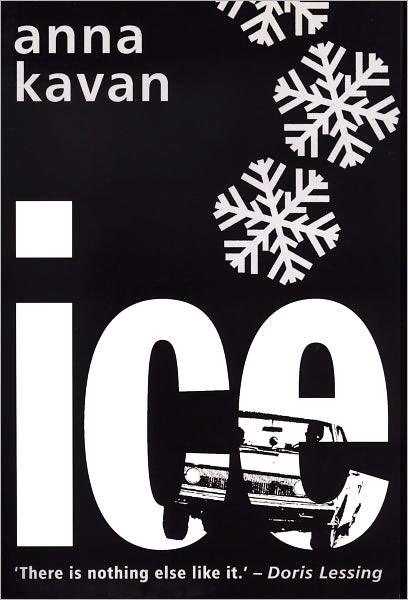
A science fiction metaphysical thriller by a writer who has been garnering cult status
Ice was chosen by Brian Aldiss as the best science fiction work of 1967.
A brilliant and memorable novel, the narrator and a man known as the warden search for an elusive girl in a surreal landscape of ice and snow, the result of a nuclear disaster. The country has been invaded; it is being run by a secret government and is under imminent threat of total nuclear destruction. With the narrator, the reader is swept into a hallucinatory quest through the interminable and encroaching walls of ice.
Written while Kavan was addicted to heroin, it was the last of her novels to be published before she died in 1968.
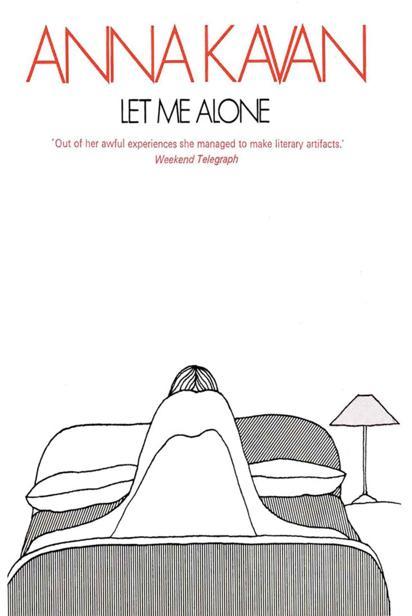
Anna Kavan's reputation is escalating internationally, and translations of her books are appearing in many languages. This early novel is therefore of especial interest, as an account of personal stresses which she was later to use and develop in more subjective and experimental ways. Indeed, it was the name of the central character of Let Me Alone that the author chose when she changed her name as a writer (and her personal identity) from Helen Ferguson to Anna Kavan.
Sharp characterization combines with fine descriptive writing, especially of the Burmese countryside. In addition to is literary interest, the book, originally published in 1930, evokes life in England and is colonies from the early years of the century through the period following the First World War.
A classic later novel by Anna Kavan.
A largely autobiographical account of an unhappy childhood, this daring synthesis of memoir and surrealist experimentation chronicles the subject's gradual withdrawal from the daylight world of received reality. Brief flashes of daily experience from childhood, adolescence, and youth are described in what is defined as "nighttime language" — a heightened, decorative prose that frees these events from their gloomy associations.
The novel suggests we have all spoken this dialect in childhood and in our dreams, but these thoughts can only be sharpened or decoded by contemplation in the dark. Revealing that side of life which is never seen by the waking eye but which dreams and drugs can suddenly emphasize, this startling discovery illustrates how these nighttime illuminations reveal the narrator's joy for the living world.
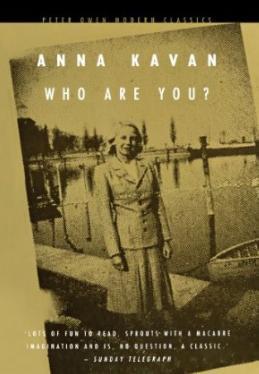
Depicting the hopeless, emotional polarity of a young couple, this novel follows their doomed marriage spent in a remote, tropical hell. She—described only as “the girl”—is young, sophisticated and sensitive. He, “Mr. Dog-Head,” is an unreconstructed thug and heavy drinker who rapes his wife, otherwise passing his time bludgeoning rats with a tennis racket. Together with a visiting stranger, “Suede Boots”—who urges the woman to escape until he is banished by her husband—these characters live through the same situations twice. Their identities are equally real—or unreal—in each case. With slight variation in the background and the novel’s atmosphere, neither the outcome nor the characters themselves are quite the same the second time. The constant question of the jungle “brain-lever” bird remains unanswered: who are you?