 fb2
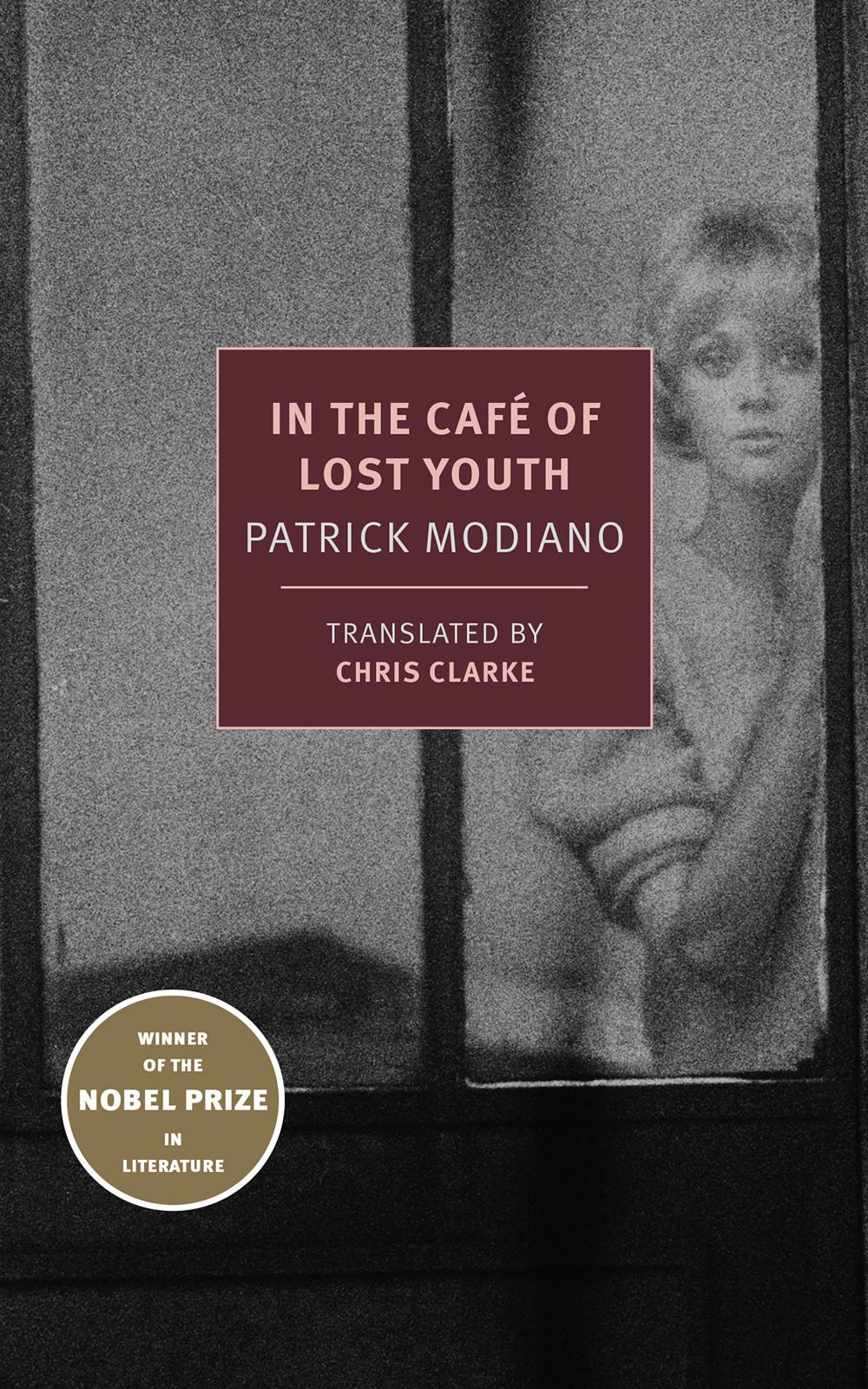
fb2In the Café of Lost Youth is vintage Patrick Modiano, an absorbing evocation of a particular Paris of the 1950s, shadowy and shady, a secret world of writers, criminals, drinkers, and drifters. The novel, inspired in part by the circle (depicted in the photographs of Ed van der Elsken) of the notorious and charismatic Guy Debord, centers on the enigmatic, waiflike figure of Louki, who catches everyone’s attention even as she eludes possession or comprehension. Through the eyes of four very different narrators, including Louki herself, we contemplate her character and her fate, while Modiano explores the themes of identity, memory, time, and forgetting that are at the heart of his spellbinding and deeply moving art.
A mesmerizing novel by Nobel Laureate Patrick Modiano, now superbly translated for English-language readers.
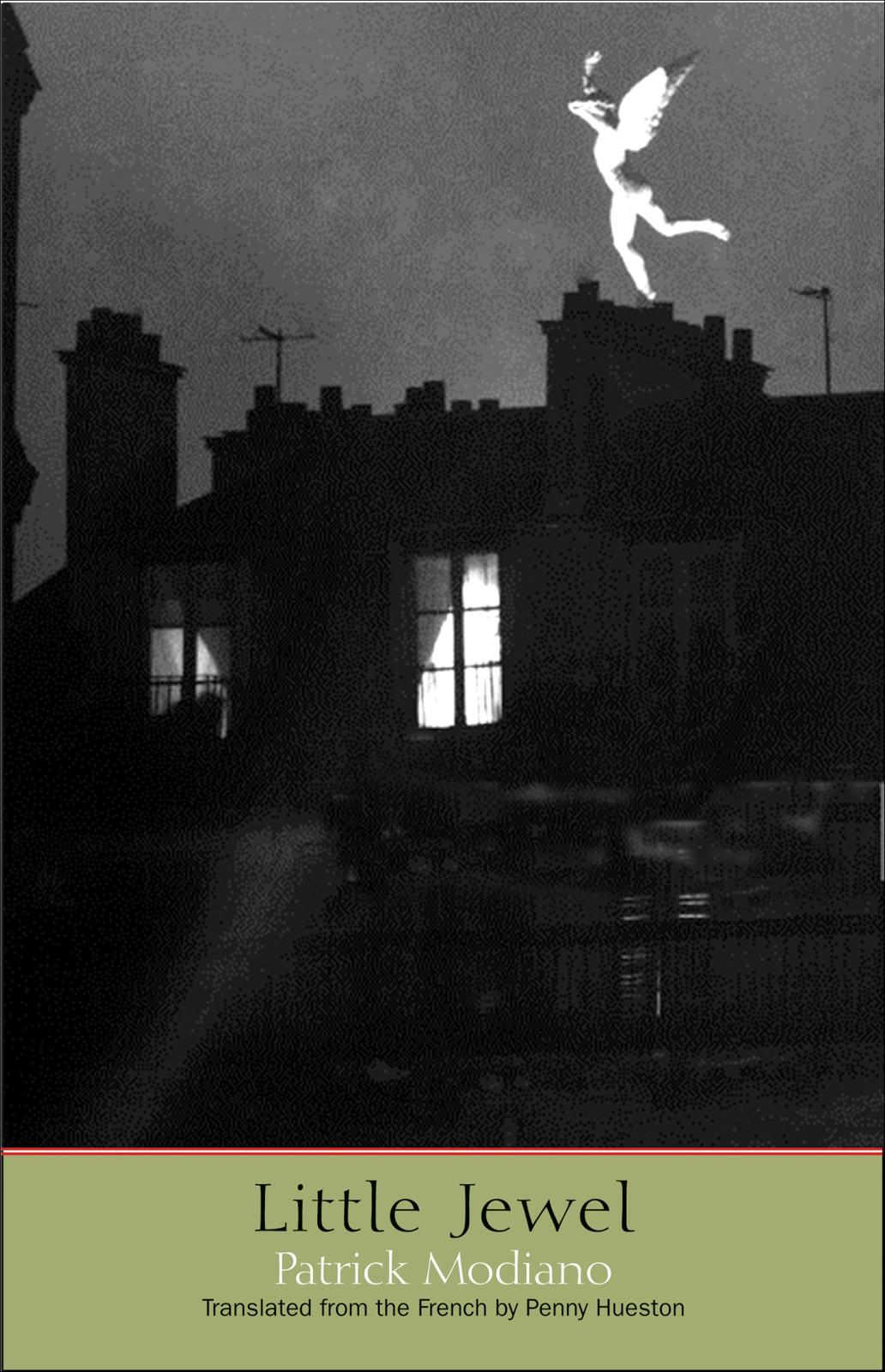
For long standing admirers of Modiano’s luminous writing as well as those readers encountering his work for the first time, Little Jewel will be an exciting discovery. Uniquely told by a young female narrator, Little Jewel is the story of a young woman adrift in Paris, imprisoned in an imperfectly remembered past. The city itself is a major character in Modiano’s work, and timeless moral ambiguities of the post-Occupation years remain hauntingly unresolved.
One day in the corridors of the metro, nineteen-year-old Thérèse glimpses a woman in a yellow coat. Could this be the mother who long ago abandoned her? Is she still alive? Desperate for answers to questions that have tormented her since childhood, Thérèse pursues the mysterious figure on a quest through the streets of Paris. In classic Modiano style, this book explores the elusive nature of memory, the unyielding power of the past, and the deep human need for identity and connection.
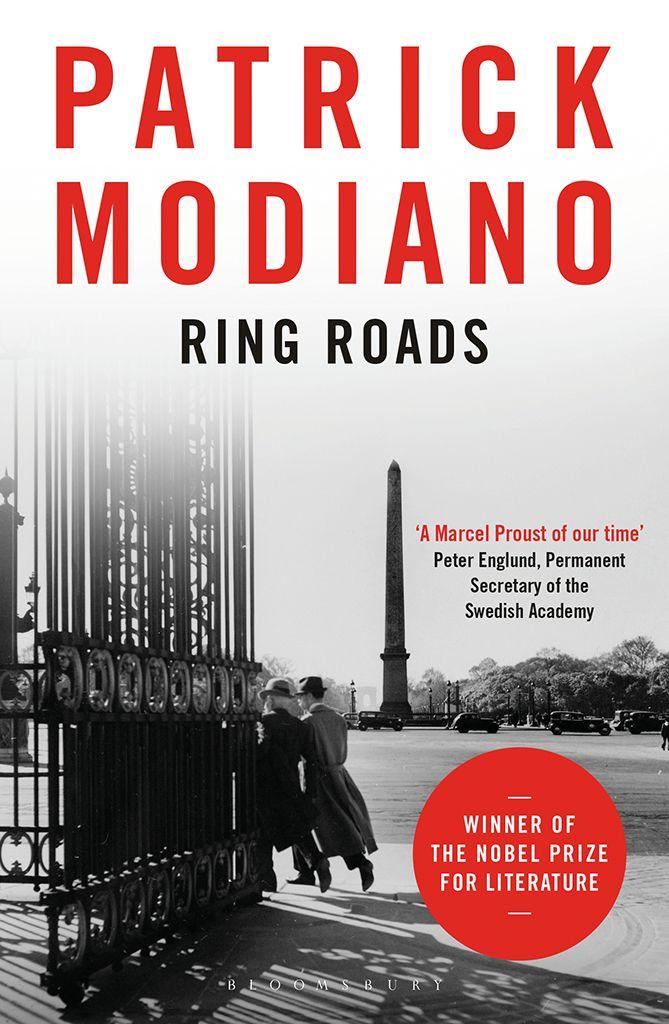
Ring Roads, for which Modiano was awarded the French Academy's Grand Prix du Roman (1972), is the story of a young Jew, Serge, in search of his father, Chalva, who disappeared from his life ten years earlier. He finds him trying to survive the war years in the unlikely company of black marketeers, anti-Semites and prostitutes, putting his meagre and not entirely orthodox business skills at the service of those who have no interest in him or his survival.
Ring Roads is a brilliant, almost hallucinatory evocation of the uneasy, corrupt years of the Occupation and like The Night Watch is both cruel and tender †“ savage in its depiction of the anti-Semitic newspaper editor, the bullying ex-Foreign Legionnaire and the former prostitute, who treat Chalva with ever more threatening contempt; tender in its attempt to understand and identify with the Jew who cannot see the danger he courts.
A haunting novel of suspense from the winner of the 2014 Nobel Prize in Literature.
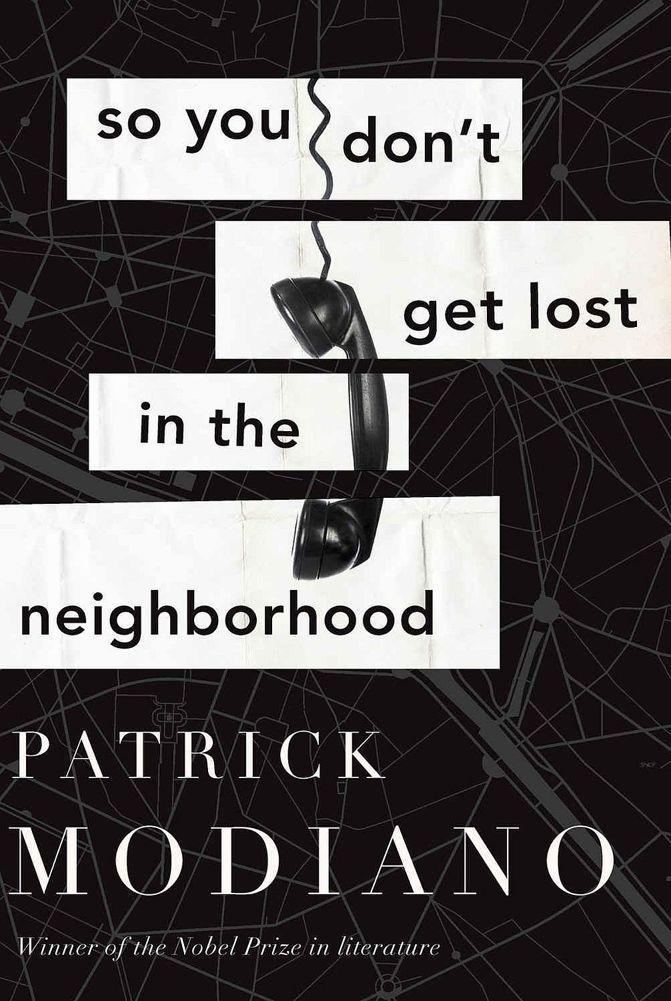
In the stillness of his Paris apartment, Jean Daragane has built a life of total solitude. Then a surprising phone call shatters the silence of an unusually hot September, and the threatening voice on the other end of the line leaves Daragane wary but irresistibly curious. Almost at once, he finds himself entangled with a shady gambler and a beautiful, fragile young woman, who draw Daragane into the mystery of a decades-old murder. The investigation will force him to confront the memory of a trauma he had all but buried. With So You Don’t Get Lost in the Neighborhood Patrick Modiano adds a new chapter to a body of work whose supreme psychological insight and subtle, atmospheric writing have earned him worldwide renown — including the Nobel Prize in Literature. This masterly novel, now translated into twenty languages, penetrates the deepest enigmas of identity and compels us to ask whether we ever know who we truly are.
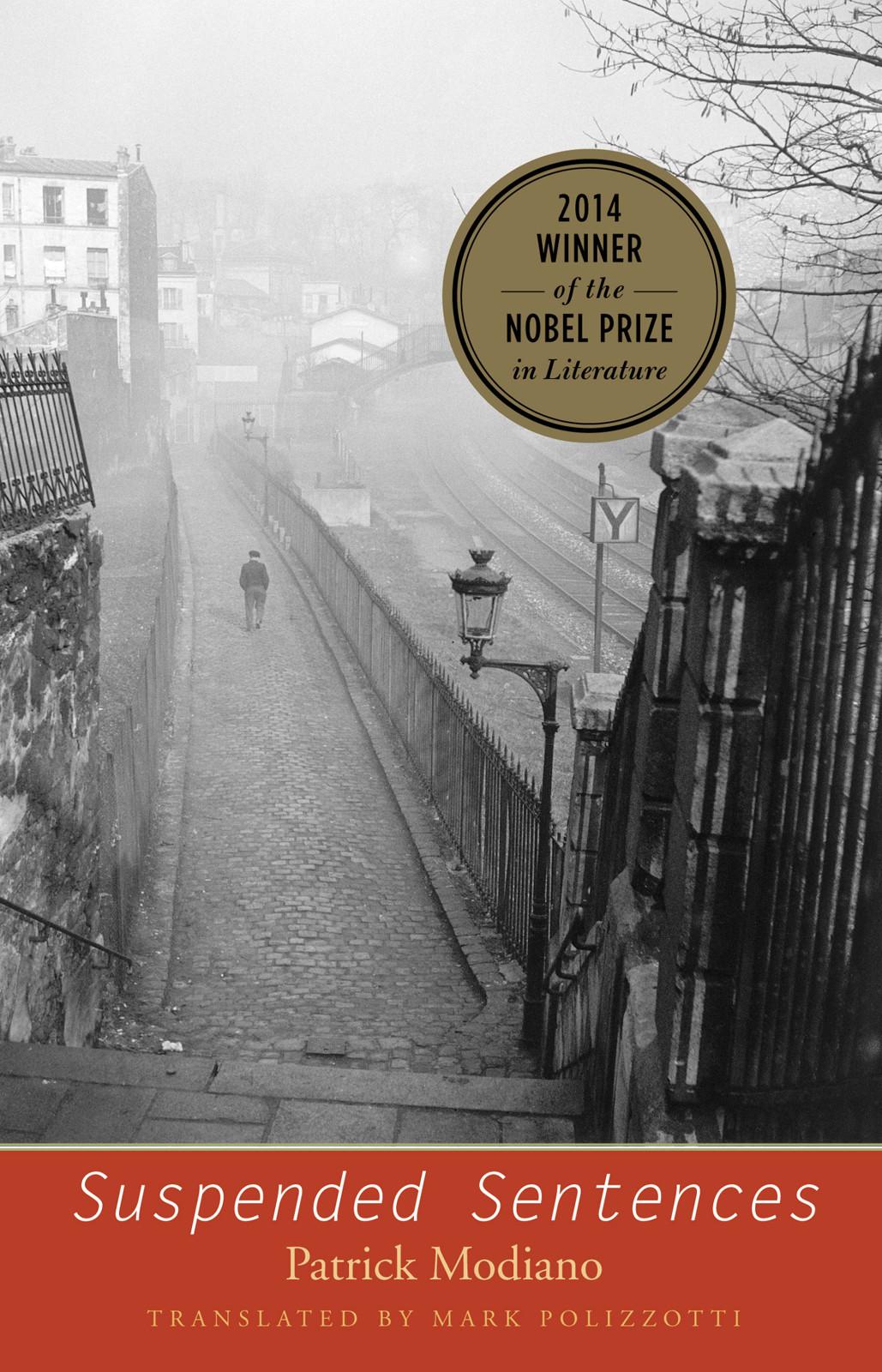
Although originally published separately, Patrick Modiano’s three novellas form a single, compelling whole, haunted by the same gauzy sense of place and characters. Modiano draws on his own experiences, blended with the real or invented stories of others, to present a dreamlike autobiography that is also the biography of a place. Orphaned children, mysterious parents, forgotten friends, enigmatic strangers — each appears in this three-part love song to a Paris that no longer exists. In this superb English-language translation of Afterimage, Suspended Sentences, and Flowers of Ruin, Mark Polizzotti captures not only Modiano’s distinctive narrative voice but also the matchless grace and spare beauty of his prose.
Shadowed by the dark period of the Nazi Occupation, these novellas reveal Modiano’s fascination with the lost, obscure, or mysterious: a young person’s confusion over adult behavior; the repercussions of a chance encounter; the search for a missing father; the aftershock of a fatal affair. To read Modiano’s trilogy is to enter his world of uncertainties and the almost accidental way in which people find their fates.
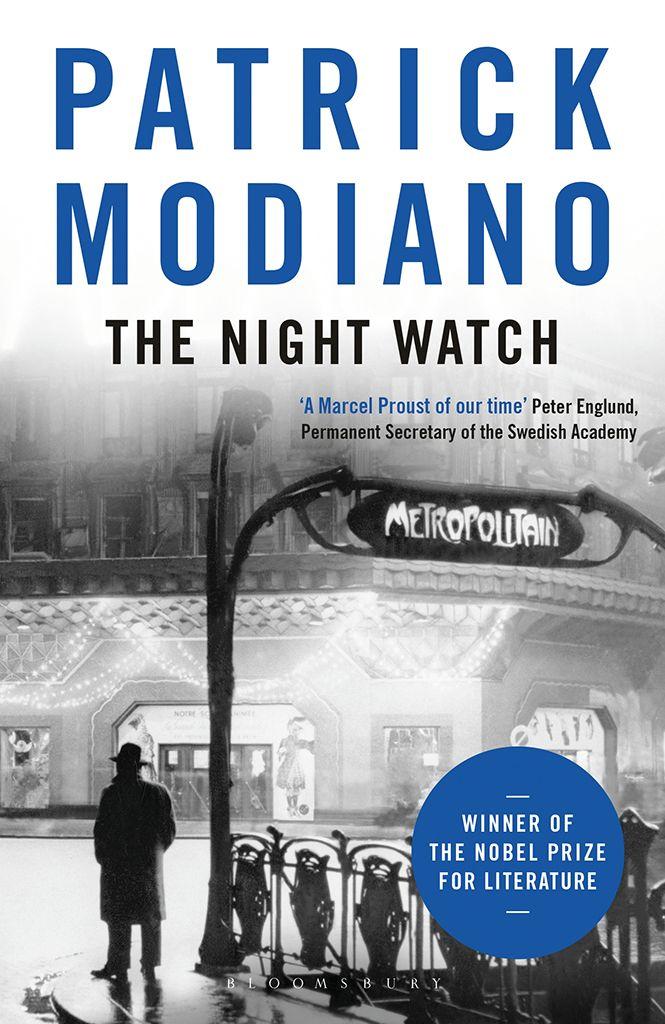
When Patrick Modiano was awarded the 2014 Nobel Prize for LIterature he was praised for using the 'art of memory' to bring to life the Occupation of Paris during the Second World War. The Night Watch is his second novel and tells the story of a young man of limited means, caught between his work for the French Gestapo informing on the Resistance, and his work for a Resistance cell informing on the police and the black market dealers whose seedy milieu of nightclubs, prostitutes and spivs he shares. Under pressure from both sides to inform and bring things to a crisis, he finds himself driven towards an act of self-sacrifice as the only way to escape an impossible situation and the question that haunts him — how to be a traitor without being a traitor. In this astonishing, cruel and tender book, Modiano attempts to exorcise the past by leading his characters out on a fantasmagoric patrol during one fatal night of the Occupation.
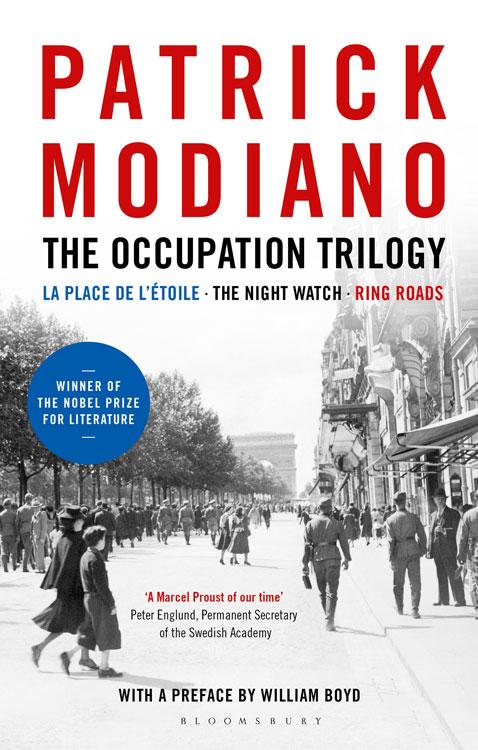
When Patrick Modiano was awarded the 2014 Nobel Prize for Literature he was praised for using the 'art of memory' to bring to life the Occupation of Paris during the Second World War. Born just after the war, Modiano was an angry young man in his twenties when these three brilliant, angry novels burst onto the Parisian literary scene and caused a storm.
The epigraph to his ambitious first novel, among the first to seriously question both wartime collaboration in France and the myths of the Gaullist era, reads: 'In June 1942 a German officer goes up to a young man and says: 'Excuse me, monsieur, where is La Place de l'Étoile?' The young man points to the star on his chest.' The Night Watch tells the story of a young man, caught between his work for the French Gestapo, his work for a Resistance cell informing on the police and the black market dealers whose seedy milieu he shares. Ring Roads recounts Serge's search for his father, who disappeared from his life ten years earlier. He finds him trying to survive the war years in the unlikely company of spivs, anti-Semites and prostitutes, putting his meagre business skills at the service of those who have no interest in him or his survival.
These brilliant, almost hallucinatory evocations of the Occupation, attempt to exorcise the past by exploring the morally ambiguous worlds of collaboration and resistance.
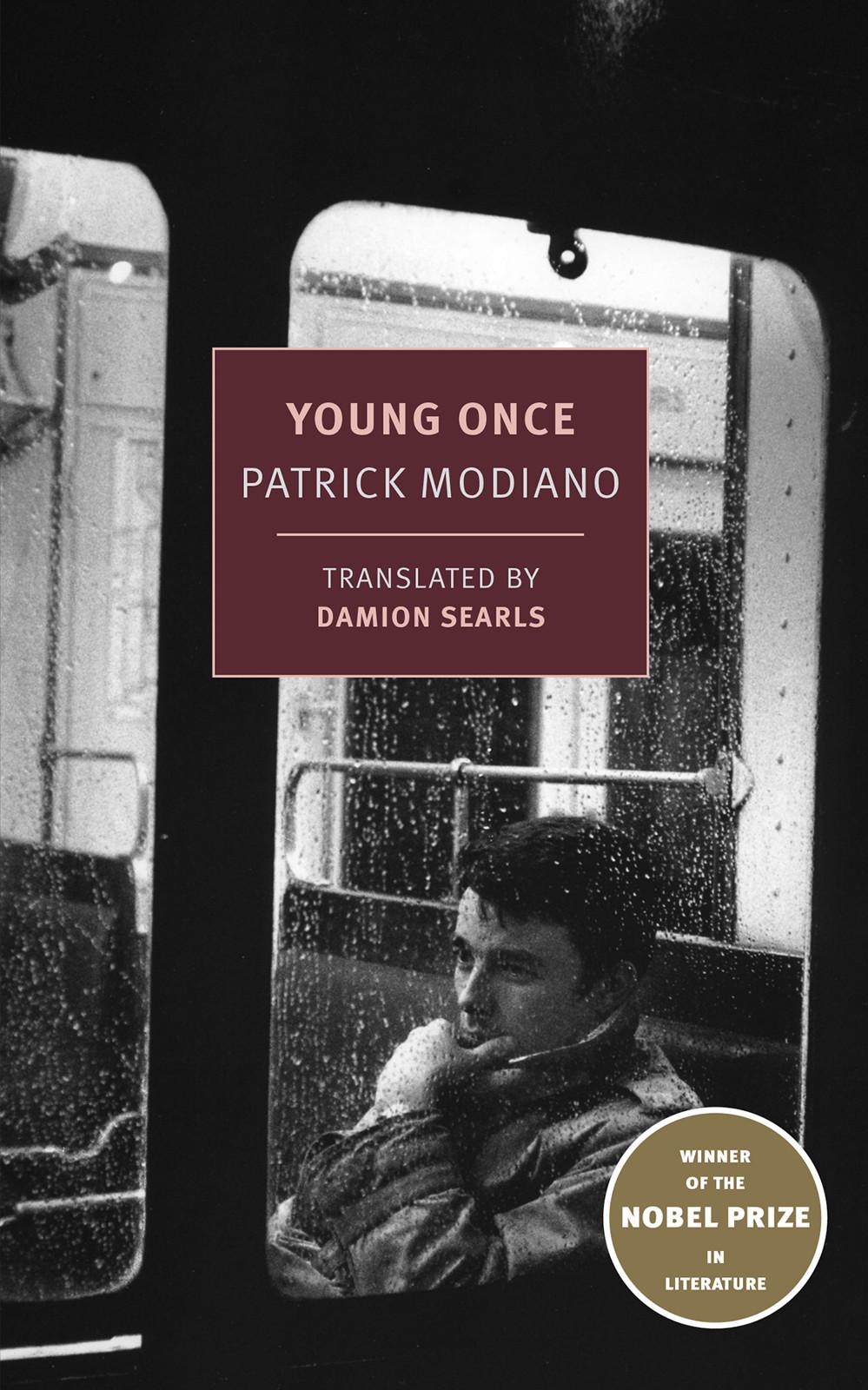
Young Once is a crucial book in the career of Nobel laureate Patrick Modiano. It was his breakthrough novel, in which he stripped away the difficulties of his earlier work and found a clear, mysteriously moving voice for his haunting stories of love, nostalgia, and grief. It has also been called “the most gripping Modiano book of all” (Der Spiegel).
Odile and Louis are leading a happy, bucolic life with their two children in the French countryside near the Swiss mountains. It is Odile’s thirty-fifth birthday, and Louis’s thirty-fifth birthday is a few weeks away. Then the story shifts back to their early years: Louis, just freed from his military service and at loose ends, taken up by a shady character who brings him to Paris to do some work for a friend who manages a garage; Odile, an aspiring singer, at the mercy of the kindness and unkindness of strangers. They move through a Paris saturated with the crimes and secrets of the past but breathing hopes for the future; they find each other and struggle together to create what, looking back, will have been their youth.