
 fb2
fb2

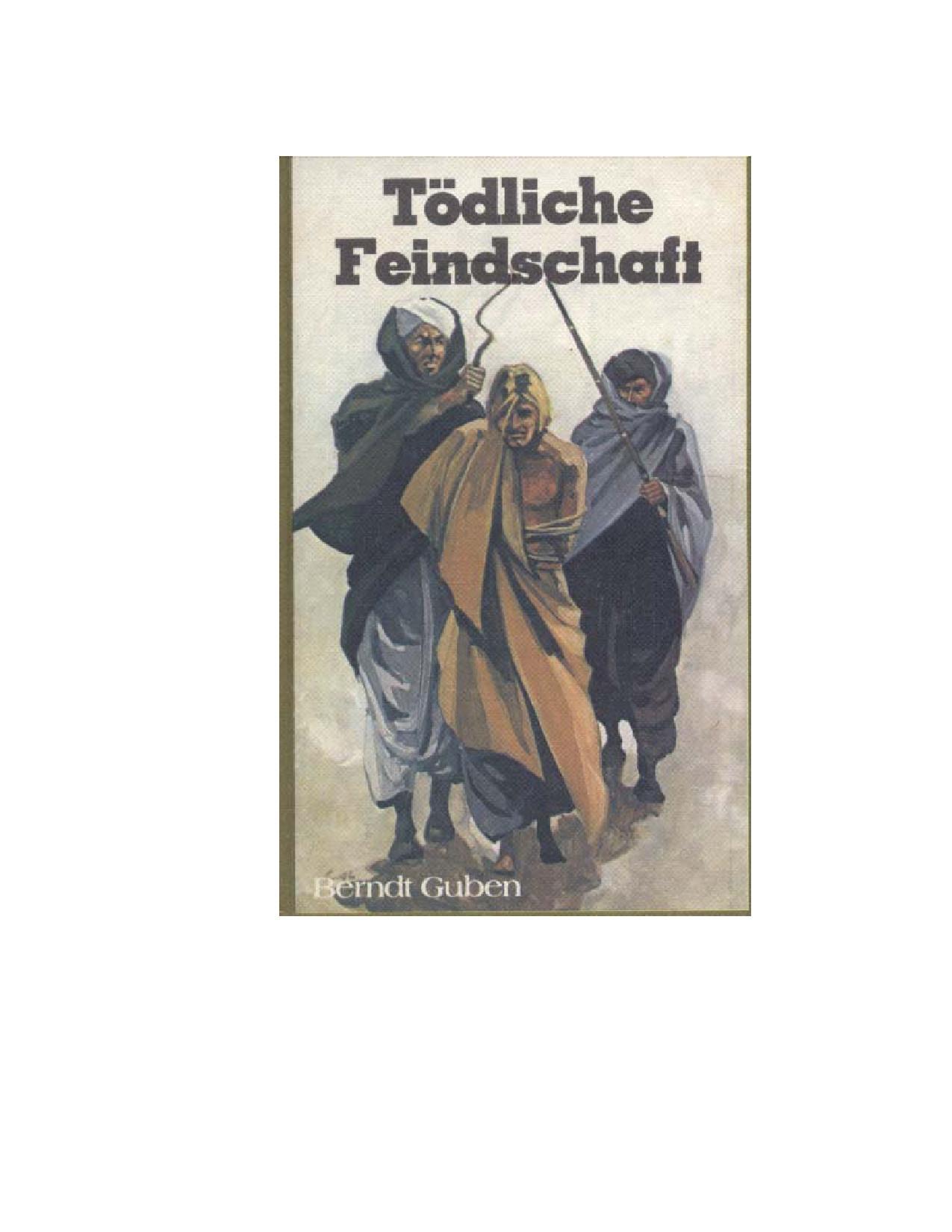
Bei den Dschaggas am Fuß des Kilimandscharo finden der Pfeifer und seine Gefährten Erholung von den Strapazen eines langen Ritts durch den Urwald. Sklavenjäger aber tragen Unruhe in das friedliche Land, und wieder einmal muß der Pfeifer unschuldigen Menschen in ihrem Kampf um die Freiheit helfen. Auf dem Schiff des Kapitäns Dieuxdonné kehrt er schließlich nach zehnjähriger Irrfahrt um die halbe Welt wieder nach Deutschland zurück. In seiner Heimat hat sich nicht viel verändert, so daß die Sehnsucht nach der Freiheit, nach den Vereinigten Staaten von Amerika lebendig bleibt.









Two decades have passed since the famous swordsmen triumphed over Cardinal Richelieu and Milady in The Three Musketeers. Time has weakened their resolve, and dispersed their loyalties. But treasons and strategems still cry out for justice: civil war endangers the throne of France, while in England, Cromwell threatens to send Charles I to the scaffold. Dumas brings his immortal quartet out of retirement to cross swords with time, the malevolence of men, and the forces of history. But their greatest test is the titanic struggle with the son of Milady who wears the face of evil.
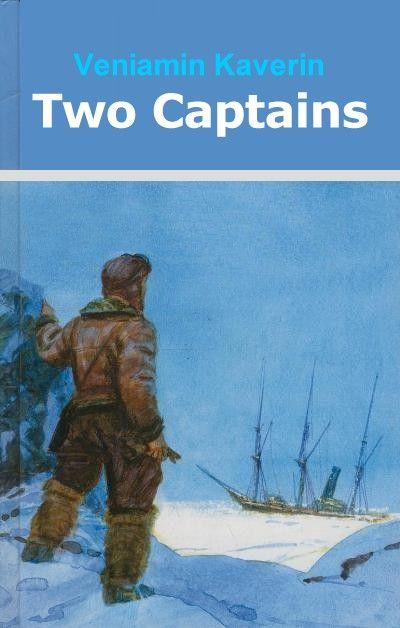
Two Captains is one of the most renowned novel of the Russian writer Veniamin Kaverin. The plot spans from 1912 to 1944. The real prototype for Captain Tatarinov was Lieutenant Georgii Brusilov, who in 1912 organized a privately funded expedition seeking a west-to-east Northern sea route. The steamship "St. Anna," specially built for the expedition, left Petersburg on 28 July 1912. Near the shores of Yamal peninsula it was seized by ice and carried in the ice drift to the north of the Kara Sea. The expedition survived two hard winters. Of the 14 people who left the stranded steamship in 1914, only two made it to one of the islands of Frants-Joseph Land and were spotted and taken aboard "St. Foka", the ship of the expedition of G.Y.Sedov. The ship log they had kept with them contained the most important of the scientific data, after the study of which Sedov's expedition found the previously unknown island in the Kara Sea, Vize Island. The ultimate fate of "St.Anna" and its remaining crew is still unknown. In 1946 his novel Two Captains became the winner of the USSR State Literature Award.

Sigrija Unsete
Ūlavs Euduna dēls
Ievērojamā norvēģu rakstniece (romāni «Jennija», «Pavasaris», «Kristīne Lavransa meita» u c.) vēsta par Ūlava un Ingunas dzīvi un mīlestību no bērnības līdz pat Ingunas nāvei, risina goda un nodevības, mīlestības un naida, uzticības un atriebības tēmu.
Sakām paldies Ziemeļvalstu informācijas biroja vadītājam Rikardam Peruha kungam par sniegto konsultāciju.
Tulkojusi Zenta Mauriņa Egila Garkeviča mākslinieciskais noformējums
Darbs sagatavots pēc izdevniecības «Grāmatu draugs» klajā laistā izdevuma
Izdevniecība Avots 1992
Noskanējis grāmatu un failu izveidojis Imants Ločmelis
ISDN B—401—00816—3

In 1809, working undercover for the Admiralty's Secret Department, Captain Nathaniel Drinkwater goes ashore and mingles with the dregs of London's dockland. Disguised as a Merchant Marine shipmaster of low character, he encounters a known French agent in a brothel and advertises his plans to carry military cargo to Russia.
Intended to drive a wedge between Napoleon and his new ally, Czar Alexander, Drinkwater's mission is disrupted by tempestuous weather and a lost escort — a gun-brig commanded by his friend and protege. Reaching the British-occupied island of Helgoland, Drinkwater takes great personal risk by resolving on a bold course of action that is not endorsed by the Admiralty.

Aleksandrs Grīns
Valodīgais mājgars
Noskannējis grāmatu un FB2 failu izveidojis Imants Ločmelis
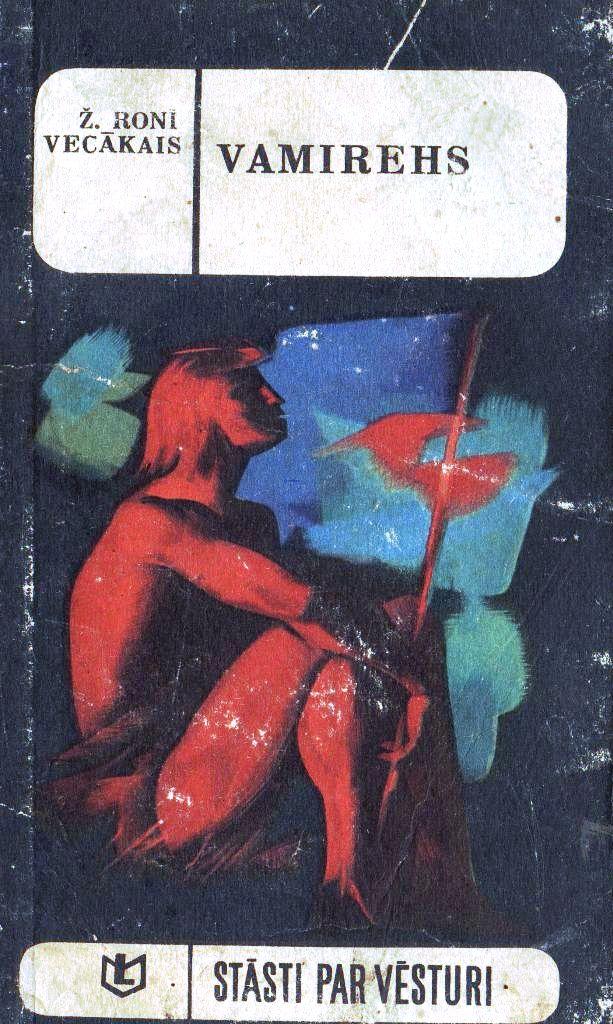
Žozefs Ronī(vecākais)
Vamirehs - Akmenslaikmeta cilvēks
Stāsti par vēsturi
Eiropas līdzenumos mamuti jau sāka izmirt, lielie plēsīgie zvēri jau bija aizklejojuši uz siltākām zemēm, bet ziemeļbriedis — uz saltajiem apgabaliem, mežos un stepēs ganījās sumbru, pirmvēršu tauru un lielragu briežu bari. Bija jau aizritējuši gadu simteņi kopš tā laika, kad izmira milzu lāči, kas mitinājās dziļās alās.
Tajos laikos slaidi, gargalvaini cilvēki apdzīvoja visu Eiropu no Baltijas jūras līdz Vidusjūrai un no austrumiem līdz rietumiem. Viņi mitinājās alās un klejoja no vienas vietas uz otru. Šie klejotāji jau pieprata dažu amatu un tiecās pēc mākslas. Ar trauslu akmens asmeni viņi darināja zīmējumus, kuros bija jūtama tieksme atveidot dabu.
Tulkojusi Laima Jansone ilustrējis A. Orlovs vāku zīmējis A. Stankevičs
Noskanējis grāmatu un FB2 failu izveidojis I.Ločmelis
Izdevniecība «Liesma» Rīgā - 1961