 fb2
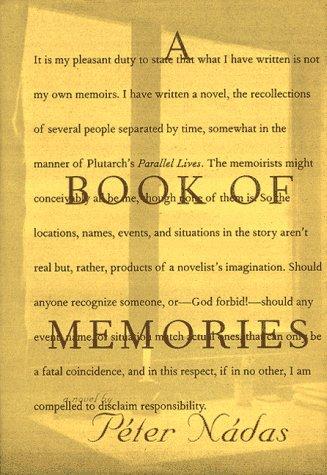
fb2This extraordinary magnum opus seems at first to be a confessional autobiographical novel in the grand manner, claiming and extending the legacy of Proust and Mann. But it is more: Peter Nadas has given us a superb contemporary psychological novel that comes to terms with the ghosts, corpses, and repressed nightmares of Europe's recent past. "A Book of Memories" is made up of three first-person narratives: the first that of a young Hungarian writer and his fated love for a German poet; we also learn of the narrator's adolescence in Budapest, when he experiences the downfall of his once-upper-class but now pro-Communist family and of his beloved but repudiated father, a state prosecutor who commits suicide after the 1956 uprising. A second memoir, alternating with the first, is a novel the narrator is composing about a refined Belle Epoque aesthete, whose anti-bourgeois transgressions seem like emotionally overcharged versions of the narrator's own experiences. A third voice is that of a childhood friend who, after the narrator's return to his homeland, offers an apparently more objective account of their friendship. Together these brilliantly colored lives are integrated in a powerful work of tragic intensity.
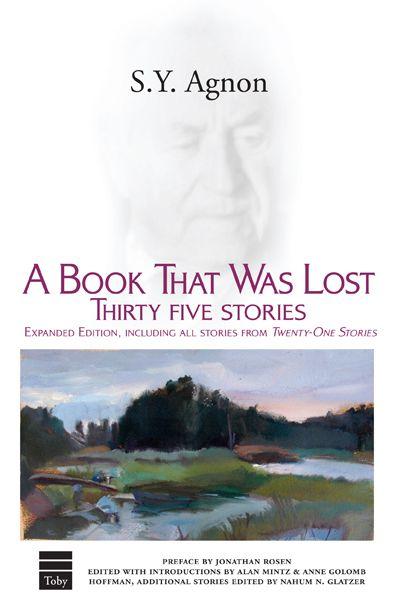
Nobel Laureate S.Y. Agnon is considered the towering figure of modern Hebrew literature. With this collection of stories, reissued in paperback and expanded to include additional Agnon classics, the English-speaking audience has, at long last, access to the rich and brilliantly multifaceted fictional world of one of the greatest writers of the last century. This broad selection of Agnon's fiction introduces the full sweep of the writer's panoramic vision as chonicler of the lost world of Eastern European Jewry and the emerging society of modern Israel. New Reader's Preface by Jonathan Rosen.
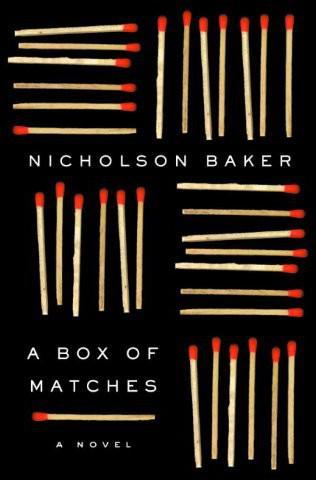
Emmett has a wife and two children, a cat, and a duck, and he wants to know what life is about. Every day he gets up before dawn, makes a cup of coffee in the dark, lights a fire with one wooden match, and thinks.
What Emmett thinks about is the subject of this wise and closely observed novel, which covers vast distances while moving no farther than Emmett’s hearth and home. Nicholson Baker’s extraordinary ability to describe and celebrate life in all its rich ordinariness has never been so beautifully achieved.
Baker won the National Book Critics Circle Award for Double Fold: Libraries and the Assault on Paper. He now returns to fiction with this lovely book, reminiscent of the early novels—Room Temperature and The Mezzanine—that established his reputation.

From the acclaimed Giller Prize Finalist and Governor General’s Award Winner: a delightfully funny and charming second novel about Canada’s smallest town.
Life in Winnipeg didn’t go as planned for Knute and her daughter. But living back in Algren with her parents and working for the longtime mayor, Hosea Funk, has its own challenges: Knute finds herself mixed up with Hosea’s attempts to achieve his dream of meeting the Prime Minister — even if that
means keeping the town’s population at an even 1500. Bringing to life small-town Canada and all its larger-than-life characters, A Boy of Good Breeding is a big-hearted, hilarious novel about finding out where you belong.
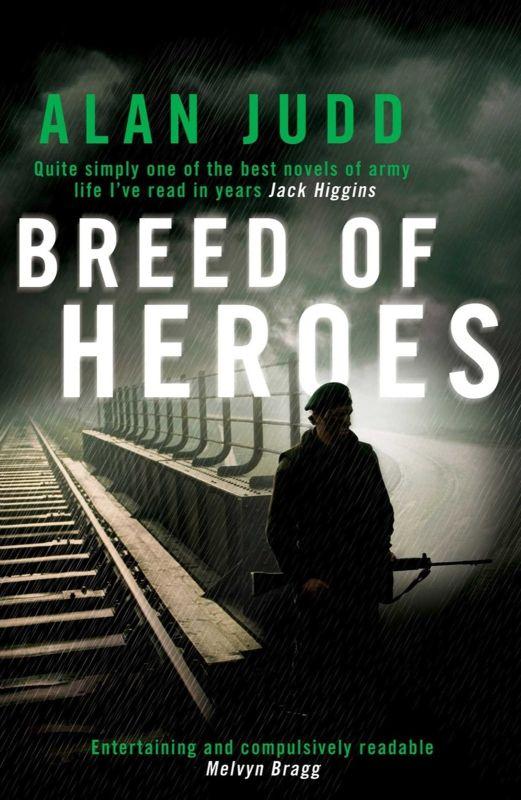
After university and Sandhurst, Charles Thoroughgood has now joined the Assault Commados and is on a four-month tour of duty in Armagh and Belfast. The thankless task facing him and his men — to patrol the tension-filled streets through weeks of boredom punctuated by bursts of horror — takes them through times of tragedy, madness, laughter and terror.
Alan Judd tells Thoroughgood’s tale with verve, compassion and humour. The result is an exceptionally fine novel which blends bitter human incident with army farce.

An author (a version of Vila-Matas himself) presents a short history of a secret society, the Shandies, who are obsessed with the concept of portable literature. The society is entirely imagined, but in this rollicking, intellectually playful book, its members include writers and artists like Marcel Duchamp, Aleister Crowley, Witold Gombrowicz, Federico Garcia Lorca, Man Ray, and Georgia O Keefe. The Shandies meet secretly in apartments, hotels, and cafes all over Europe to discuss what great literature really is: brief, not too serious, penetrating the depths of the mysterious. We witness the Shandies having adventures in stationary submarines, underground caverns, African backwaters, and the cultural capitals of Europe."
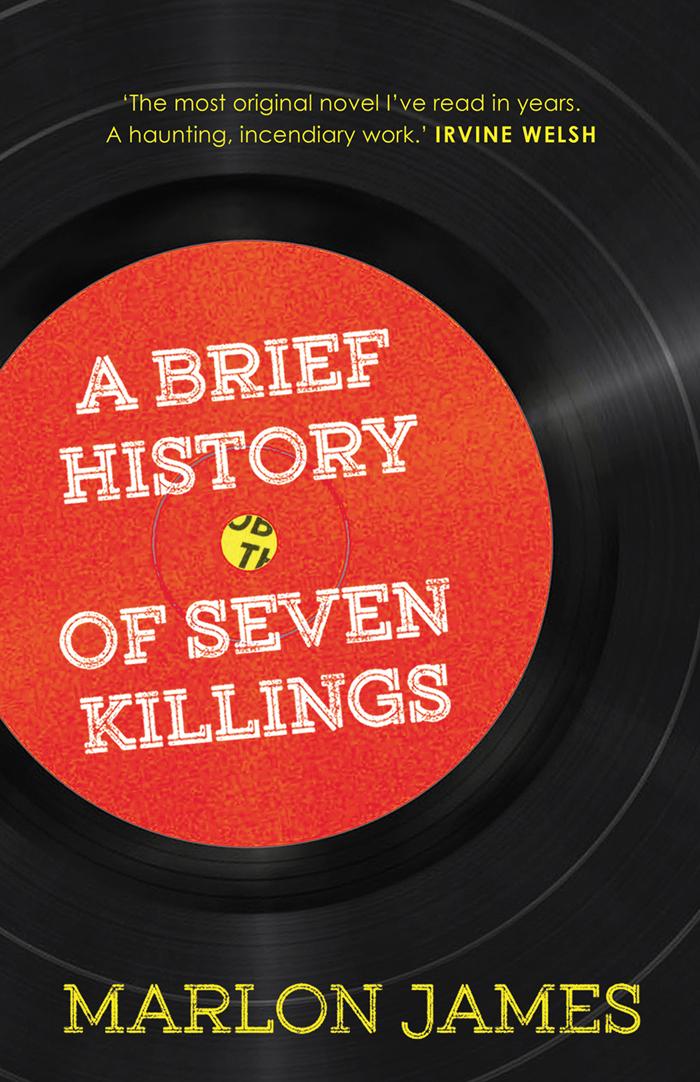
On 3 December 1976, just weeks before the general election and two days before Bob Marley was to play the Smile Jamaica Concert to ease political tensions, seven gunmen from West Kingston stormed his house with machine guns blazing. Marley survived and went on to perform at the free concert, but the next day he left the country, and didn’t return for two years. Not a lot was recorded about the fate of the seven gunmen, but much has been said, whispered and sung about in the streets of West Kingston, with information surfacing at odd times, only to sink into rumour and misinformation.
Inspired by this near-mythic event, A Brief History of Seven Killings takes the form of an imagined oral biography, told by ghosts, witnesses, killers, members of parliament, drug dealers, conmen, beauty queens, FBI and CIA agents, reporters, journalists, and even Keith Richards' drug dealer. Marlon James’s bold undertaking traverses strange landscapes and shady characters, as motivations are examined — and questions asked — in this compelling novel of monumental scope and ambition.
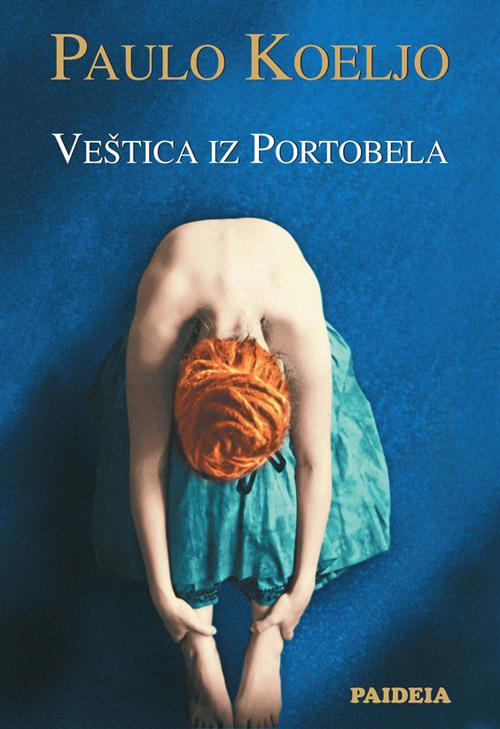
Uma reflexão sobre a espiritualidade, a moral e as relações familiares. Narra 21 anos na vida de Athena, uma jovem originária da Transilvânia adotada por libaneses, que parte em busca de sua verdadeira mãe e de suas raízes. Nessa jornada, ela enfrentará a intolerância religiosa dos tempos da Inquisição.

Anthony Powell's universally acclaimed epic A Dance to the Music of Time offers a matchless panorama of twentieth-century London. Now, for the first time in decades, readers in the United States can read the books of Dance as they were originally published-as twelve individual novels-but with a twenty-first-century twist: they're available only as e-books. The second volume, A Buyer's Market (1952), finds young Nick Jenkins struggling to establish himself in London. Amid the fever of the 1920s, he attends formal dinners and wild parties; makes his first tentative forays into the worlds of art, culture, and bohemian life; and suffers his first disappointments in love. Old friends come and go, but the paths they once shared are rapidly diverging: Stringham is settling into a life of debauchery and drink, Templer is plunging into the world of business, and Widmerpool, though still a figure of out-of-place grotesquerie, remains unbowed, confident in his own importance and eventual success. A Buyer's Market is a striking portrait of the pleasures and anxieties of early adulthood, set against a backdrop of London life and culture at one of its most effervescent moments.
Sabina Murray’s first book since she won the PEN/Faulkner Award for The Caprices seduces with its dark delight in her taboo subject.
When we meet Katherine, the winning—and rather disturbing—twenty-three-year-old narrator, she has just left Italy and arrived in New York City, but what has propelled her there is a mystery. She soon strikes up an affair with a middle-aged Russian émigré novelist she meets on the subway, and almost immediately moves into his apartment. Katherine’s occasional allusions to a frighteningly eccentric mother and tyrannical father suggest a somberness at the center of her otherwise flippant and sardonic demeanor. Soon restless, she begins journeying from literary New York to rural Maine and Mexico City, trailed, everywhere she goes, by a string of murders. As the ritualistic killings begin to pile up, Katherine takes to meditating on cannibalism in literature, art, and history, and examining subjects as diverse as the Donner Party, the fall of Dante’s Count Ugolino, and the true story behind Géricault’s “The Raft of the Medusa.” The story races toward a hair-raising conclusion, while Katherine and the reader close in on the reasons for both her and her mother’s fascination with aberrant, violent behavior.
This is a novel of ideas and a brilliantly subtle commentary on twenty-first-century consumerism and Western culture’s obsession with new frontiers. Told in highly intelligent prose “with echoes of both Poe and Patrick McGrath” (Book Forum), A Carnivore’s Inquiry is a sly, unsettling exploration of the questionable appetites that lurk beneath the veneer of North American civilization.
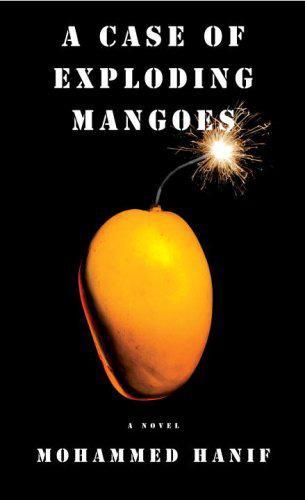
Intrigue and subterfuge combine with bad luck and good in this darkly comic debut about love, betrayal, tyranny, family, and a conspiracy trying its damnedest to happen.
Ali Shigri, Pakistan Air Force pilot and Silent Drill Commander of the Fury Squadron, is on a mission to avenge his father's suspicious death, which the government calls a suicide. Ali's target is none other than General Zia ul-Haq, dictator of Pakistan. Enlisting a rag-tag group of conspirators, including his cologne-bathed roommate, a hash-smoking American lieutenant, and a mango-besotted crow, Ali sets his elaborate plan in motion. There's only one problem: the line of would-be Zia assassins is longer than he could have possibly known.
“A Chance to Get Even” is a story about a poker game. A friendly game-or at least that's how it starts out. I played in a friendly game for years, and still take a hand now and then, but the evenings I spent at the card table never turned out like this.
And that's probably just as well.
Tammas is 20, a loner and a compulsive gambler. Unable to hold a job for long, his life revolves around Glasgow bars, living with his sister and brother-in-law, betting shops, and casinos. Sometimes Tammas wins, more often he loses. But gambling gives him as good a chance as any of discovering what he seeks from life since society offers no prospect of a more fulfilling alternative.
Four people, each in search of some real value in life, drive from Mexico City to Veracruz for Semana Santa — Holy Week.


In Anthony Burgess’s A Clockwork Orange, Burgess creates a gloomy future full of violence, rape and destruction. In this dystopian novel, Burgess does a fantastic job of constantly changing the readers’ allegiance toward the books narrator and main character, Alex. Writing in a foreign language, Burgess makes the reader feel like an outsider. As the novel begins, the reader has no emotional connection to Alex. This non-emotional state comes to a sudden halt when Alex and his droogs begin a series of merciless acts of violence. The reader rapidly begins to form what seems to be an irreversible hatred toward the books narrator. However, as time progresses, Burgess cleverly changes the tone of his novel. Once wishing only the harshest punishments be bestowed upon him, it is these same punishments that begin to change how the reader feels. In fact, by the end of the book, one almost begins to have pity for Alex. The same character that was once hated soon emerges as one of many victims taken throughout the course of the book. Throughout Alex’s narration, Burgess manages to change the readers’ allegiance toward a once seemingly evil character.
Alex is the type of character one loves to hate; he makes it all too easy to dislike him. He is a brutal, violent, teenage criminal with no place in society. His one and only role is to create chaos, which he does too well. Alex’s violent nature is first witnessed during the first chapter, and is soon seen again when Alex and his gang chose to brutally beat an innocent drunkard. This beating off the homeless man serves no purpose other then to amuse Alex’s gang. The acts committed were not performed for revenge, the one reason given was that Alex did not enjoy seeing a homeless drunk, “I could never stand to see a moodge all filthy and rolling and burping and drunk, whatever his age might be, but more especially when he was real starry like this one was”. Alex continues to explain his reason for dislike, “his platties were a disgrace, all creased and untidy and covered in cal”, from this explanation one realizes his reasons for nearly killing a man are simply based on pleasure, desire, and a dislike toward the untidy. By the end of the second chapter Burgess’s inventive usage of a different language to keep the reader alienated from forming opinions about Alex ceases to work. At this point in time Alex’s true nature is revealed, and not even his unfamiliar Nadsat language can save him from being strongly disliked by the reader.
The more the reader learns of Alex, the more and more he is disliked; Alex’s relationship with his parents only builds on ones already negative opinions toward Alex. Coming from a normal family and a sturdy household free of domestic violence, there is no excuse for Alex’s violent nature. In fact, Alex’s loving parents are just as baffled by his immoral personality as the reader, although because of their naivete, they know much less of what he does. This leaves the reader uninformed and wondering: why is Alex the way he is? Fortunately, just as one begins to question Alex’s motives, Alex gives an answer, “badness is of the self, the one…is not our modern history, my brothers the story of brave malenky selves fighting these big machines? I am serious with you, brothers, over this. But what I do I do because I like to do”. He could not have explained it more clearly. While from one point of view Alex visions himself as a revolutionary, even simpler then that, he is basically admitting he commits violent acts because he enjoys doing so. Later in the book Alex offers another solution for his violent nature, “Being young is like being one of these malenky machines…and so it would itty on to like the end of the world”. These malenky machines he is referring to are very similar to the clockwork orange Burgess talks to in his introduction. Whatever reasons he gives, none of them are valid enough to prevent the reader from hating Alex.
In spite of all the hatred aimed toward Alex at this point, seemingly it is not enough to prevent the pity one begins to feel when Alex is abandoned by his “droogs”. Knowing he is the leader of his group, Alex constantly gives orders to his gang. Unfortunately it is due to his tendency to need leadership that a quarrel begins with his gang. After settling the original dispute that arises, Alex and his “droogs” are not so successful at ending their second squabble. Framed by his friends, Alex is arrested while they run away. Furthermore, he is beaten by the police, and sentenced to fourteen years of jail. It only takes two of them for the reader to realize the difficulties that Alex is living through. Throughout the first part of the book, there is in fact only one sign that Alex is not utterly evil, that being his music. Along with his abandonment from friends, it is the music that Burgess uses to help change the readers opinion, and eventually to have pity toward his young antagonist.
As the reader continues to pry deeper into Alex’s life it is shocking to learn of the music he listens to, it is because of this music and the actions taken against him that one truly begins to feel sorry for Burgess’s little Alex. The music that Alex chooses to listen is very ironic. While it causes him to do evil things, the fact remains that he listens to normal music, one of the first things he is not disliked for, “lying there on my bed with glazzies tight shut and rookers behind my gulliver, I broke and spattered and cried aaaaaaah with the bliss of it". His particular interest in Ludwig Van arises during one of his sessions while undergoing Ludivico’s Technique. Upon hearing what he perceives to be heavenly music Alex cry’s out about the injustice in the procedure, “I don’t mind about the ultra-violence and all that cal. I can put up with that. But it’s not fair on the music”. It is during this same treatment that the reader really begins to feel sympathy toward him. Striped of his ability to choose right from wrong, and now the same clockwork orange that F. Alexander earlier told him about, Alex becomes one of the governments’ machines. Forced to do exactly what they want him to, become their “true Christian”, Alex poses the question to his doctors, “How about me? Where do I come into all this? Am I like just some animal or dog…am I to be just like a clockwork orange?” Alex is all alone in the world, no longer capable of performing cruel deeds, he is denied by all whom he once knew. The same character one used to wish the harshest punishment upon received it, and when he got it, it becomes strikingly evident that it was much more then even the worst person would ever deserve.
Burgess does a magical job at making the reader quickly forget the horrible deeds Alex once committed. Instead by making powerful moral statements, Burgess goes so far that the reader not only turns the other cheek toward Alex’s crimes, but also feels genuinely sorry for him. Alex may not be completely cured, but that is not the issue at hand. Through means of pity and by playing with the readers’ emotions throughout the book, during A Clockwork Orange, Burgess is constantly playing with the reader’s allegiances.
A beautifully modulated novel that shows Edward St. Aubyn at his sparkling best.
Charlie Fairburn, successful screenwriter, ex-husband, and absent father, has been given six months to live. He resolves to stake half his fortune on a couple of turns of the roulette wheel and, to his agent's disgust, to write a novel-about death. In the casino he meets his muse. Charlie grows as addicted to writing fiction as she is to gambling.
His novel is set on a train and involves a group of characters (familiar to readers of St. Aubyn's earlier work) who are locked in a debate about the nature of consciousness. As this train gets stuck at Didcot, and Charlie gets more passionately entangled with the dangerous Angelique, A Clue to the Exit comes to its startling climax. Exquisitely crafted, witty, and thoughtful, Edward St. Aubyn's dazzling novel probes the very heart of being.
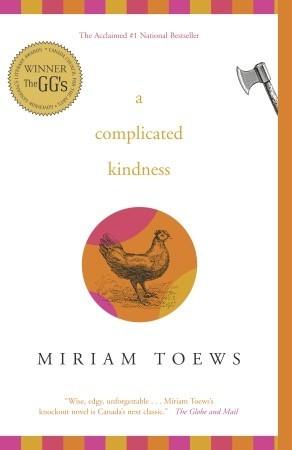
Sixteen-year-old Nomi Nickel longs to hang out with Lou Reed and Marianne Faithfull in New York City’s East Village. Instead she’s trapped in East Village, Manitoba, a small town whose population is Mennonite: “the most embarrassing sub-sect of people to belong to if you’re a teenager.” East Village is a town with no train and no bar whose job prospects consist of slaughtering chickens at the Happy Family Farms abattoir or churning butter for tourists at the pioneer village. Ministered with an iron fist by Nomi’s uncle Hans, a.k.a. The Mouth of Darkness, East Village is a town that’s tall on rules and short on fun: no dancing, drinking, rock ’n’ roll, recreational sex, swimming, make-up, jewellery, playing pool, going to cities or staying up past nine o’clock.
As the novel begins, Nomi struggles to cope with the back-to-back departures three years earlier of Tash, her beautiful and mouthy sister, and Trudie, her warm and spirited mother. She lives with her father, Ray, a sweet yet hapless schoolteacher whose love is unconditional but whose parenting skills amount to benign neglect. Father and daughter deal with their losses in very different ways. Ray, a committed elder of the church, seeks to create an artificial sense of order by reorganizing the city dump late at night. Nomi, on the other hand, favours chaos as she tries to blunt her pain through “drugs and imagination.” Together they live in a limbo of unanswered questions.
Nomi’s first person narrative shifts effortlessly between the present and the past. Within the present, Nomi goes through the motions of finishing high school while flagrantly rebelling against Mennonite tradition. She hangs out on Suicide Hill, hooks up with a boy named Travis, goes on the Pill, wanders around town, skips class and cranks Led Zeppelin. But the past is never far from her mind as she remembers happy times with her mother and sister — as well as the painful events that led them to flee town. Throughout, in a voice both defiant and vulnerable, she offers hilarious and heartbreaking reflections on life, death, family, faith and love.
Eventually Nomi’s grief — and a growing sense of hypocrisy — cause her to spiral ever downward to a climax that seems at once startling and inevitable. But even when one more loss is heaped on her piles of losses, Nomi maintains hope and finds the imagination and willingness to envision what lies beyond.
Few novels in recent years have generated as much excitement as A Complicated Kindness. Winner of the Governor General’s Award and a Giller Prize Finalist, Miriam Toews’s third novel has earned both critical acclaim and a long and steady position on our national bestseller lists. In the Globe and Mail, author Bill Richardson writes the following: “There is so much that’s accomplished and fine. The momentum of the narrative, the quality of the storytelling, the startling images, the brilliant rendering of a time and place, the observant, cataloguing eye of the writer, her great grace. But if I had to name Miriam Toews’s crowning achievement, it would be the creation of Nomi Nickel, who deserves to take her place beside Daisy Goodwill Flett, Pi Patel and Hagar Shipley as a brilliantly realized character for whom the reader comes to care, okay, comes to love.”
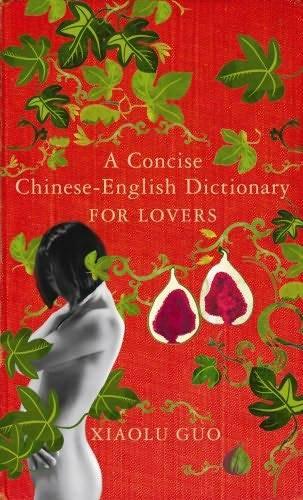
When a young Chinese woman, newly arrived in London, moves in with her English boyfriend, she decides it's time to write a Chinese-English dictionary for lovers. Xiaolu's first novel in English is an utterly original journey of self-discovery.
***
“By turns hilarious and poignant. Xiaolu Guo has given us a fresh and bittersweet addition to the literature of cultural displacement.” – The Oregonian
“Funny and charming…more than a love story; its psychology is politically acute, and things noted lightly in it linger in the mind.” – The Guardian (London)
“Xiaolu Guo has written an inventive, often humorous and poignant story of a woman’s journey over cultural and emotional borders.” – Gail Tsukiyama, Ms. Magazine
“Xiaolu Guo’s novel, her first in English, is smartly absorbing. Grade: A” – Entertainment Weekly
“A Concise Chinese-English Dictionary for Lovers cleverly courts our assumptions about the chasm between Chinese and Western cultures, only to upend them. It is an utterly captivating, and disorientating, journey both through language and through love.” – The Independent (London)
“As absorbing as a peek into a diary.” – The San Diego Union-Tribune
“It is impossible not to be charmed by Xiaolu Guo’s matter-of-factness… It is equally hard not to be impressed by Guo’s vivacious talent.” – The Sunday Times (London)
“A Concise Chinese-English Dictionary for Lovers is original, humorous, and wise. Within imperfect language one can find many perfect truths of the human condition. The misunderstandings are really the understandings of the differences of the heart between men and women.” – Amy Tan, author of The Joy Luck Club
“Xiaolu Guo is a fabulous writer, fresh, witty, and intelligent. She handles language in an astonishing way. I don’t think I have enjoyed a book as much in the last twelve months.” – Joanne Harris, author of Chocolat
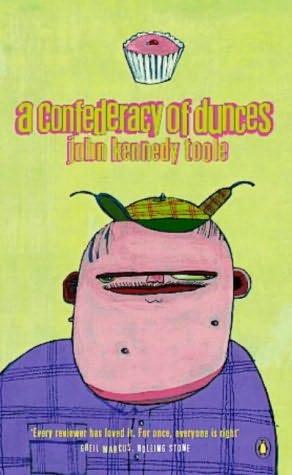
A monument to sloth, rant and contempt, and suspicious of anything modern - this is Ignatius J. Reilly of New Orleans, crusader against dunces. In revolt against the 20th century, Ignatius propels his bulk among the flesh-pots of a fallen city, documenting life on his Big Chief tablets as he goes, until his mother decrees that Ignatius must work.