 fb2
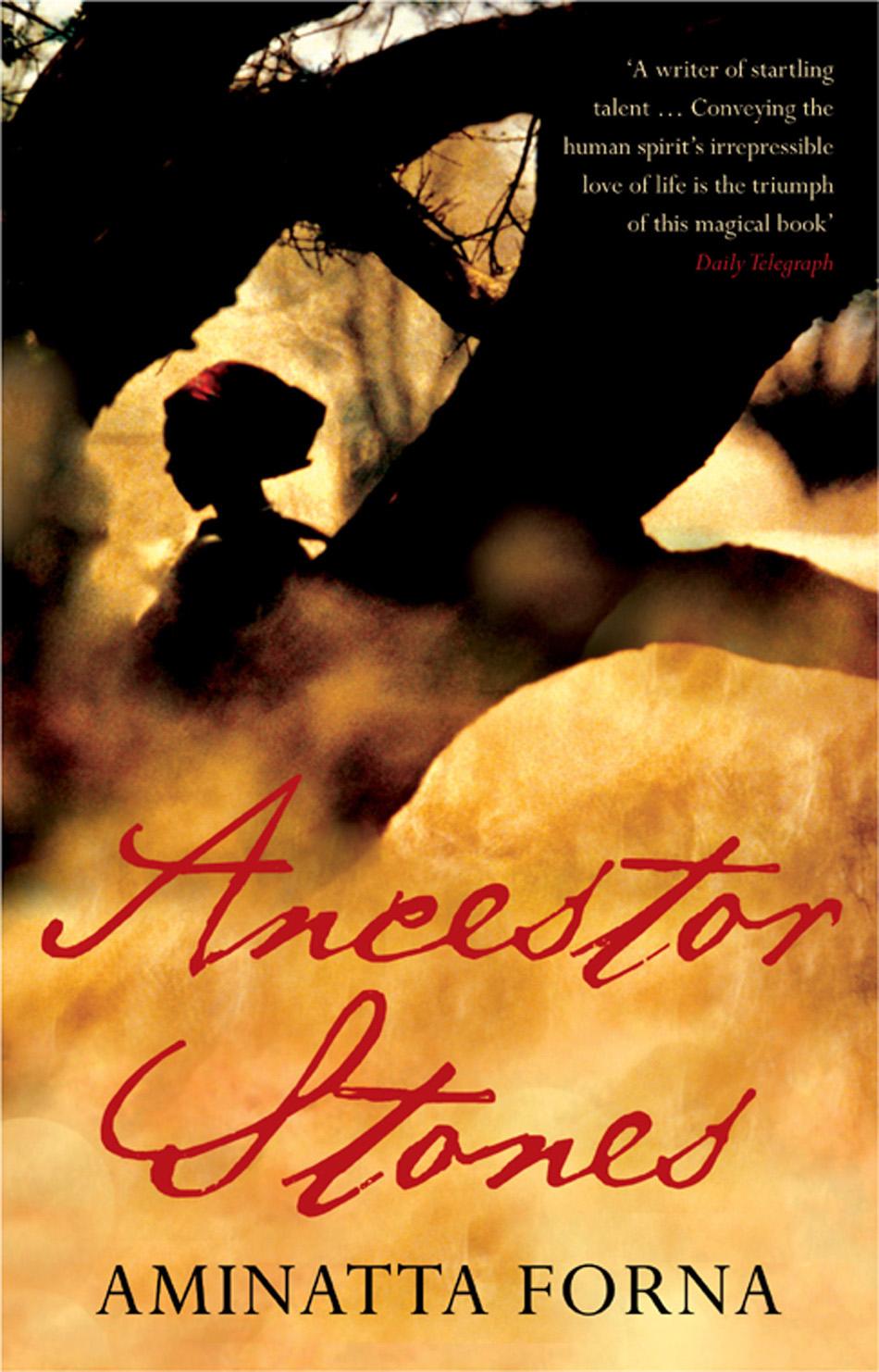
fb2Abie follows the arc of a letter from London back to Africa to a coffee plantation that now could be hers if she wants it. Standing among the ruined groves she strains to hear the sound of the past, but the layers of years are too many. Thus begins the gathering of her family's history through the tales of her aunts — four women born to four different wives of a wealthy plantation owner, her grandfather. Asana, Mariama, Hawa and Serah: theirs is the story of a nation, a family and four women's attempts to alter the course of her own destiny.
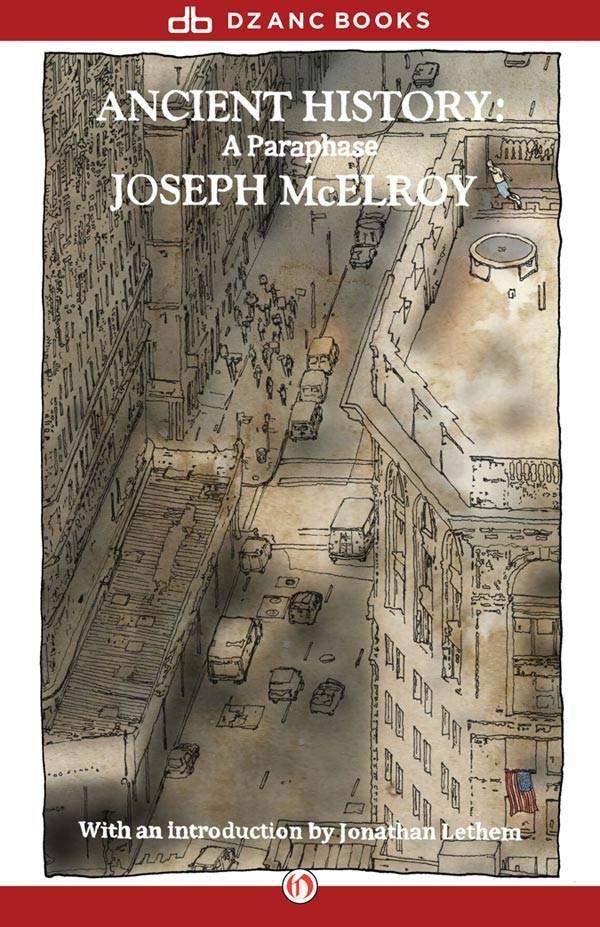
An uninvited guest, entering the empty New York apartment of a man known to intimates as “Dom,” proceeds to write for his absent host a curious confession. Its close accounts of friendship since boyhood with two men surely unknown to Dom and certainly to each other is interleaved with the story of Dom himself.

The Man Booker Prize-winning author of The Sea gives us a brilliant, profoundly moving new novel about an actor in the twilight of his life and his career: a meditation on love and loss, and on the inscrutable immediacy of the past in our present lives.Is there any difference between memory and invention? That is the question that fuels this stunning novel, written with the depth of character, the clarifying lyricism, and the heart-wrenching humor that have marked all of John Banville’s extraordinary works. And it is the question that haunts Alexander Cleave as he plumbs the memories of his first—and perhaps only—love (he, just fifteen, the woman more than twice his age, the mother of his best friend; the situation impossible, thrilling, devouring, and finally devastating)… and of his daughter, lost to a kind of madness of mind and heart that Cleave can only fail to understand. When his stunted acting career is suddenly, inexplicably revived with a movie role portraying a man who may not be who he says he is, his young leading lady—famous and fragile—unwittingly gives him the opportunity to see with aching clarity the “chasm that yawns between the doing of a thing and the recollection of what was done.”
http://www.youtube.com/watch?v=Tq-oMYIS44o

The boys howled. In their pockets, eye droppers of gin. They skipped to their car with eyes wide open and sped into the night, down gray county roads, grieving over nothing they could name, beating the dashboard with their fists. Near dawn they broke into a cemetery and pissed on the first angel they could find.
Leah's little brother, Jacob, disappeared when the pair were younger, a tragedy that haunts her still. When a grown man arrives at the non-profit Leah directs claiming to be Jacob, she is wrenched back to her childhood, an iridescent tableau of family joy and strife, swimming at the lake, sneaking candy, late-night fears, and the stories told to quell them.
Ancient Oceans of Central Kentucky is a wrecking-ball of a novel that attempts to give meaning and poetry to everything that comprises small-town life in central Kentucky. Listen: they are the ghost stories that children tell one another, the litter that skirts the gulley, the lines at department stores.
Ancient Oceans of Central Kentucky reads as though Anne Carson and Maggie Nelson wrote a more focused Antwerp and based it in central Kentucky. A gorgeous, haunting, prismatic jewel of a book.

'I felt the powerful strength of my family overrunning me like a heavy rush of water'
For André, a young man growing up on a farm in Brazil, life consists of 'the earth, the wheat, the bread, our table and our family'. He loves the land, fears his austere, pious father who preaches from the head of the table as if it is a pulpit, and loathes himself, as he starts to harbour shameful feelings for his sister Ana. Lyrical and sensual, told with biblical intensity, this classic Brazilian coming-of-age novel follows André's psychological and sexual awakening, as he must choose between body and soul, duty and freedom.
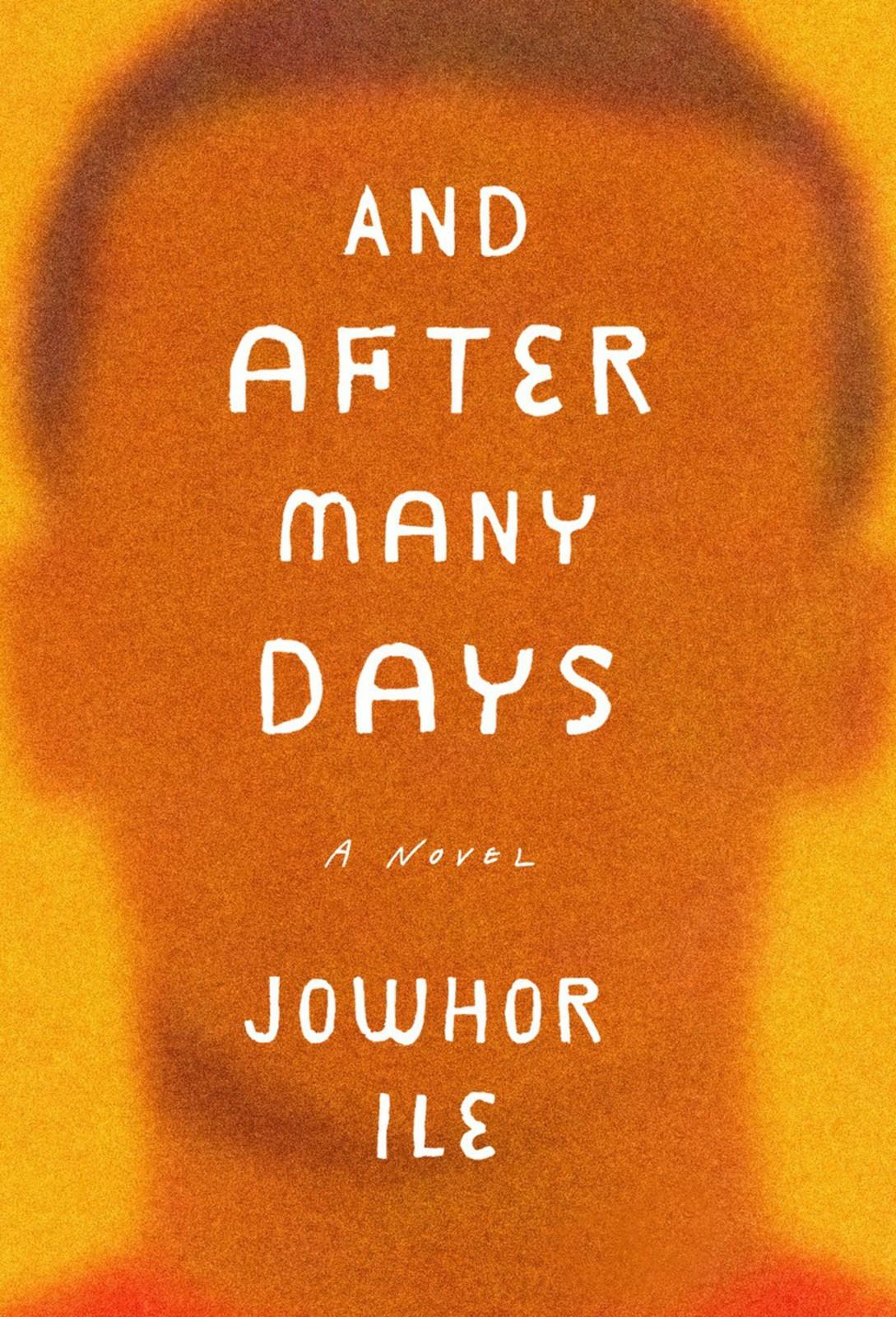
An unforgettable debut novel about a boy who goes missing, a family that is torn apart, and a nation on the brink.
During the rainy season of 1995, in the bustling town of Port Harcourt, Nigeria, one family's life is disrupted by the sudden disappearance of seventeen-year-old Paul Utu, beloved brother and son. As they grapple with the sudden loss of their darling boy, they embark on a painful and moving journey of immense power which changes their lives forever and shatters the fragile ecosystem of their once ordered family. Ajie, the youngest sibling, is burdened with the guilt of having seen Paul last and convinced that his vanished brother was betrayed long ago. But his search for the truth uncovers hidden family secrets and reawakens old, long forgotten ghosts as rumours of police brutality, oil shortages, and frenzied student protests serve as a backdrop to his pursuit.
In a tale that moves seamlessly back and forth through time, Ajie relives a trip to the family's ancestral village where, together, he and his family listen to the myths of how their people settled there, while the villagers argue over the mysterious Company, who found oil on their land and will do anything to guarantee support. As the story builds towards its stunning conclusion, it becomes clear that only once past and present come to a crossroads will Ajie and his family finally find the answers they have been searching for.
And After Many Days introduces Ile's spellbinding ability to tightly weave together personal and political loss until, inevitably, the two threads become nearly indistinguishable. It is a masterful story of childhood, of the delicate, complex balance between the powerful and the powerless, and a searing portrait of a community as the old order gives way to the new.

Lana Spiggs is fed up with everyone telling her what to do. If it isn’t her mother nagging and shouting, it’s her teachers nagging and shouting. What Lana wants is to be grown-up. She wants her own flat, her own husband and her own children – and then no one will be able to boss her around any more. When Lana meets Les on her fifteenth birthday, she knows he is The One. And when she gets pregnant without even trying, she knows it’s her ticket to freedom – even though everyone else calls it a prison sentence. But can her dream of Happy Families stand up to reality?
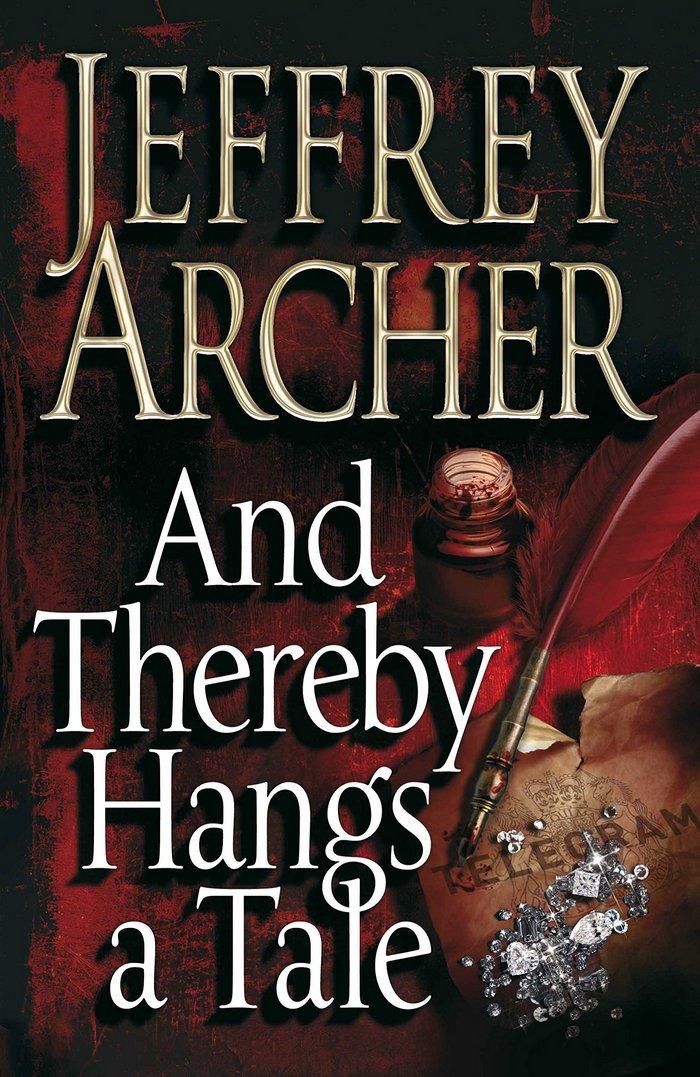
Jamwal and Nisha fall in love while waiting for a traffic light to turn green in Delhi... thus begins one of the 15 short stories Jeffrey Archer has gathered from around the globe during the past five years in this, his sixth collection, of enthralling short stories.
From Germany comes A Good Eye, the tale of a priceless oil painting that has remained in the same family for over 200 years, until...
To the Channel Islands, and Members Only, where a golf ball falls out of a Christmas cracker and a young man’s life will never be the same again...
To Italy, where a young man trying to book a hotel room ends up in bed with the receptionist, unaware that she...
To England, where, in High Heels, a woman explains to her husband why a pair of designer shoes couldn’t have gone up in flames because...
Some of these stories will make you laugh. Others will bring you to tears. And once again, every one of them will keep you spellbound.
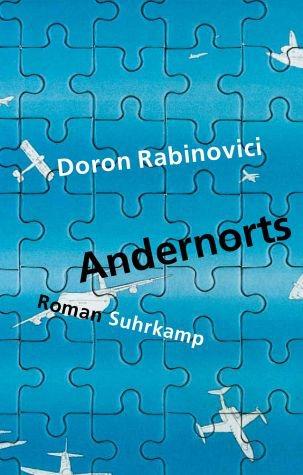
Weshalb polemisiert der israelische Kulturwissenschaftler Ethan Rosen gegen einen Artikel, den er selbst verfaßt hat? Erkennt er seinen eigenen Text nicht wieder? Oder ist er seinem Kollegen Klausinger in die Falle gegangen, mit dem er um eine Professur an der Wiener Universität konkurriert? Ethan Rosen und Rudi Klausinger: Beide sind sie Koryphäen auf demselben Forschungsgebiet, und doch könnten sie unterschiedlicher nicht sein: Rosen ist überall zu Hause und nirgends daheim. Selbst der Frau, die er liebt, stellt er sich unter falschem Namen vor. Klausinger wiederum ist Liebkind und Bastard zugleich. Er weiß sich jedem Ort anzupassen und ist trotzdem ruhelos: Was ihn treibt, ist die Suche nach seinem leiblichen Vater; sie führt ihn schließlich nach Israel und zu Ethan Rosen. Dessen Vater, ein alter Wiener Jude, der Auschwitz überlebte, braucht dringend eine neue Niere. Bald wird die Suche nach einem geeigneten Spenderorgan für die Angehörigen zur Obsession. Und selbst der obskure Rabbiner Berkowitsch hat plötzliches Interesse an den Rosens. Herkunft, Identität, Zugehörigkeit — um und um wirbelt Doron Rabinovici in seinem neuen Roman "Andernorts" die Verhältnisse in einer jüdischen Familie, deckt ihre alten Geheimnisse auf und beobachtet sie bei neuen Heimlichkeiten. Am Ende dieser packend erzählten Geschichte sind alle Gewißheiten beseitigt. Nur eines scheint sicher: Heimat ist jener Ort, wo einem am fremdesten zumute ist.»Rabinovici gelingt das Kunststück, seine Prosa unterhaltsam, elegant und leicht, zugleich aber auch ausgesprochen artifiziell, genial und mehrdeutig darzubieten. «Tages-Anzeiger

This brilliant new novel by an American master, the author of Ragtime, The Book of Daniel, Billy Bathgate, and The March, takes us on a radical trip into the mind of a man who, more than once in his life, has been an inadvertent agent of disaster.
Speaking from an unknown place and to an unknown interlocutor, Andrew is thinking, Andrew is talking, Andrew is telling the story of his life, his loves, and the tragedies that have led him to this place and point in time. And as he confesses, peeling back the layers of his strange story, we are led to question what we know about truth and memory, brain and mind, personality and fate, about one another and ourselves.

Žmonės visur giriasi savo ankstyvosios vaikystės bėdomis arba verkšlena dėl jų, bet niekas negali prilygti airiškai versijai: skurdas, tingus ir plepus alkoholikas tėvas, dievobaiminga mušama motina, aimanuojanti prie židinio, pasipūtę kunigai, baimę varantys mokytojai, anglai ir jų baisus elgesys su mumis ilgus aštuonis šimtus metų. Frankas McCourtas gimė 1930 metais Niujorke, Amerikos airių šeimoje. Būdamas ketverių, su tėvais grįžo į Airiją, kur augo skurde iki devyniolikos metų, tuomet vėl išvyko į JAV. Ten baigė Niujorko universitetą ir ilgus metus dėstė literatūrą mokyklose. Parašė tris atsiminimų knygas – „Andželos pelenai“ (Angela‘s Ashes, 1996), ̉Tis (1999) ir Teacher Man (2005). „Andželos pelenai“ – pirmoji ir garsiausia McCourto knyga, apdovanota prestižiškiausiomis Pulitzerio premija ir National Book Award. 1999 metais pagal ją pastatytas filmas. Knygoje pasakojama apie McCourto vaikystės ir paauglystė metus, iš pradžių Niujorke, paskui Limerike. Alkoholiko tėvo ir užguitos motinos šeimoje auga septyni vaikai, trys iš jų miršta visai mažiukai. Likusiems nuolat gresia badas, ligos, pažeminimas ir diskriminacija. Tai graudi istorija, bet McCourtas ją pasakoja su tokia meile ir humoru, kad juoktis ir verkti skaitant tenka beveik po lygiai.
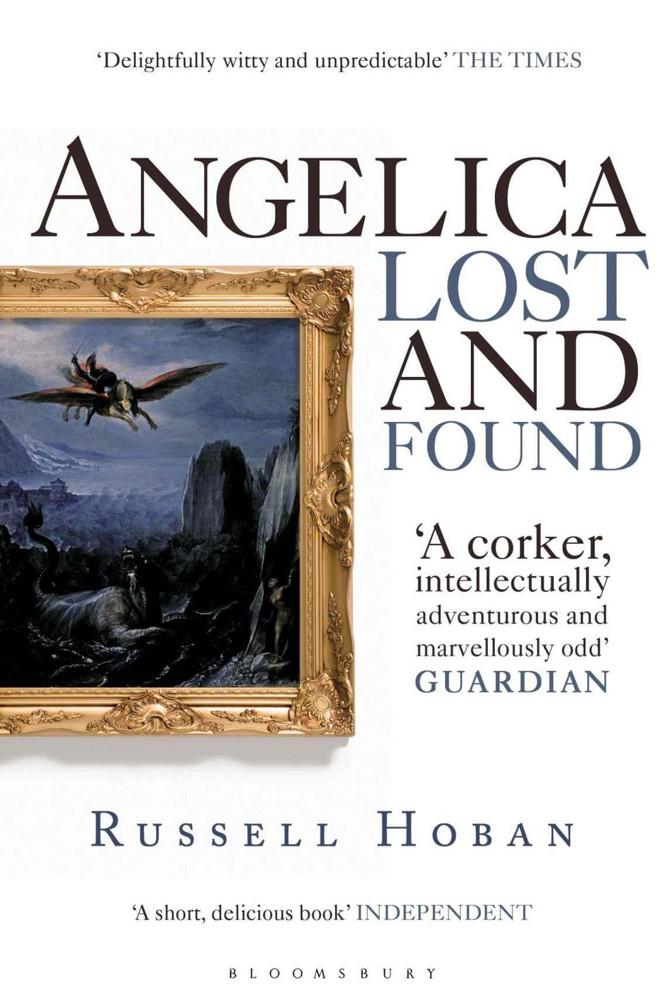
In Ariosto's epic 16th-century poem Orlando Furioso, the beautiful Angelica, chained, naked, to a rock and menaced by a sea monster is rescued by the valiant Ruggiero, riding a 'hippogriff', the offspring of a griffin and a mare — an entirely imaginary winged creature (as readers of Harry Potter know). Volatore, as this hippogriff calls himself, has escaped the poem in which he has been confined for centuries and is determined to find his Angelica, even if it takes him to the 21st century and involves some shape-shifting. He lands in contemporary San Francisco and the first person he sets eyes on is Angelica Greenberg, the Jewish owner of a San Franciscan art gallery, who has just dumped her fiance. Volatore rises to her window and they hit it off big-time. But no sooner have they met and fallen in love than events conspire to separate the two so that Volatore must not only seek Angelica but also find the perfect form in which to consummate his undying love. The first is too masculine, the second not enough so, but will the third be just right, and how will Angelica reconcile the imaginary and the real in the perfect lover?
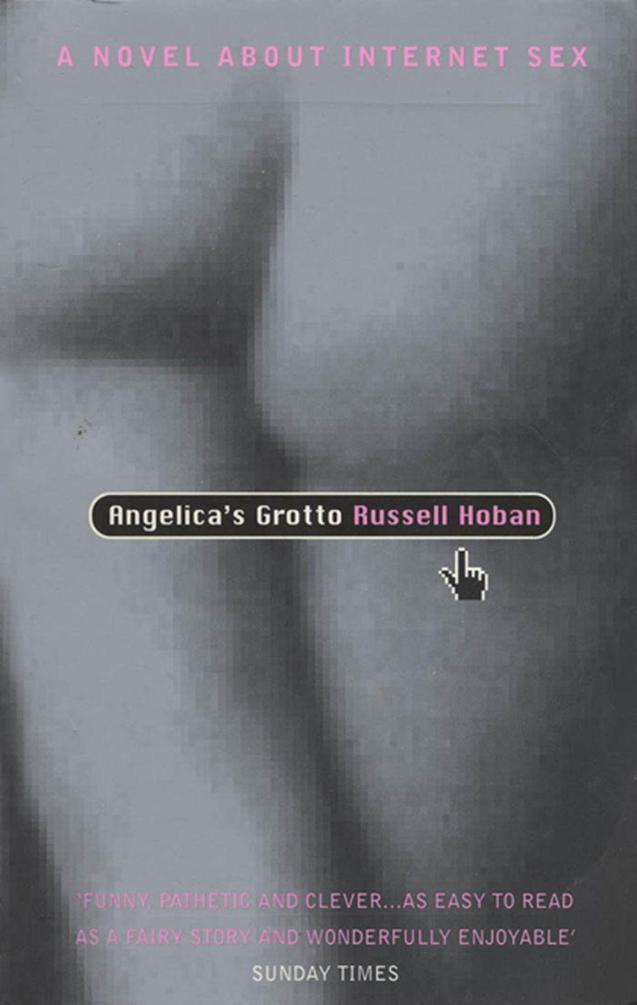
Angelica's Grotto is a pornographic website into which 72-year-old art historian Harold Klein wanders one evening. Klein, a walking catalogue of infirmities, may not be up to much physically but there's a lot of sex going on in his head. His odyssey takes him through erogenous zones and into various corners of the London art world.

The most critically acclaimed, and first, of Denis Johnson's novels, Angels puts Jamie Mays — a runaway wife toting along two kids — and Bill Houston — ex-Navy man, ex-husband, ex-con — on a Greyhound Bus for a dark, wild ride cross country. Driven by restless souls, bad booze, and desperate needs, Jamie and Bill bounce from bus stations to cheap hotels as they ply the strange, fascinating, and dangerous fringe of American life. Their tickets may say Phoenix, but their inescapable destination is a last stop marked by stunning violence and mind-shattering surprise.
Denis Johnson, known for his portraits of America's dispossessed, sets off literary pyrotechnics on this highway odyssey, lighting the trek with wit and a personal metaphysics that defiantly takes on the world.

Once an example of American industrial might, Detroit has gone bankrupt, its streets dark, its storefronts vacant. Miles of city blocks lie empty, saplings growing through the cracked foundations of abandoned buildings.
In razor-sharp, beguiling prose, Angels of Detroit draws us into the lives of multiple characters struggling to define their futures in this desolate landscape: a scrappy group of activists trying to save the city with placards and protests; a curious child who knows the blighted city as her own personal playground; an elderly great-grandmother eking out a community garden in an oil-soaked patch of dirt; a carpenter with an explosive idea of how to give the city a new start; a confused idealist who has stumbled into debt to a human trafficker; a weary corporate executive who believes she is doing right by the city she remembers at its prime-each of their desires is distinct, and their visions for a better city are on a collision course.
In this propulsive, masterfully plotted epic, an urban wasteland whose history is plagued with riots and unrest is reimagined as an ambiguous new frontier-a site of tenacity and possible hope. Driven by struggle and suspense, and shot through with a startling empathy, Christopher Hebert's magnificent second novel unspools an American story for our time.

Širlė, Gudnesė ir Mersė – trys nenuoramos su didžiausiu džiaugsmu griebiasi vykdyti joms Žemėje paskirtų užduočių. Per Kalėdas Mersei pavesta suteikti dvasios ramybę senučiukui... ir jis randa netikėtą atsaką į savo maldas. Gudnesė siunčiama prižiūrėti jaunos moters, nedrįstančios antrą kartą rizikuoti dėl meilės. O Širlė gavo užduotį įgyvendinti pačią nerealiausią mažo berniuko svajonę. Žaviosios išdykėlės neretai papuola į bėdą, bet galiausiai viskas baigiasi gerai – juk Kalėdos!
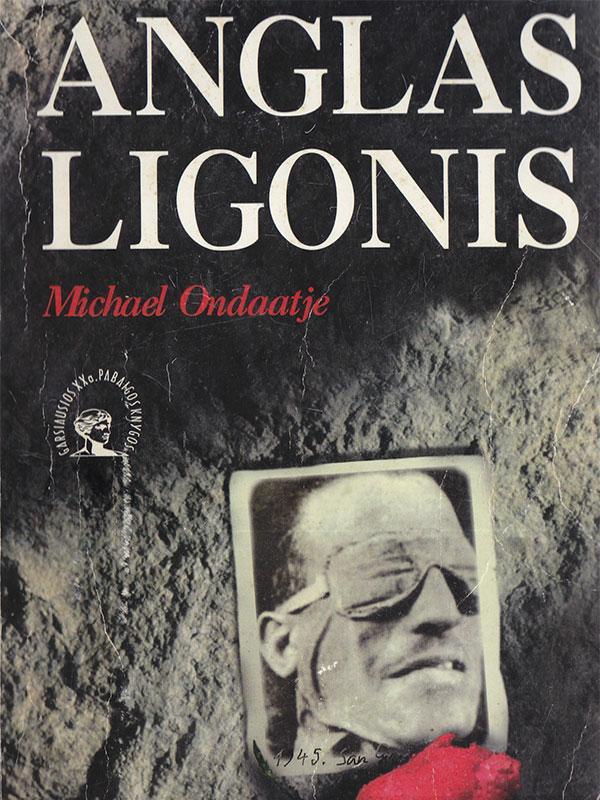
„Anglas ligonis“ – kupinas poetinio įkvėpimo kūrinys, alsuojantis meile gyvenimui, žmonių jausmams, baugiai puoselėjamiems ir saugomiems širdies gilumoje ir tik svaigulio (savaiminio ar morfijui veikiant) akimirkomis išsiveržiantiems į paviršių. Šiaurės Italijos kalvose, netoli Toskanos, karo ligonine paverstoje viduramžių viloje, jauna gailestingoji seselė Hana slaugo vienintelį ligonį – anglų lakūną, baisiai apdegusį, jo lėktuvui nukritus Sacharoje. Anglas ligonis – pats mįslingiausias romano personažas – apdujęs nuo morfijaus, kamuojamas dykumos ilgesio, tolydžio klejojantis apie pragarišką aistrą moteriai, sutiktai Kaire karo išvakarėse. Kas jis iš tikrųjų? Mokslininkas? Nuotykių ieškotojas? Vokiečių šnipas?..
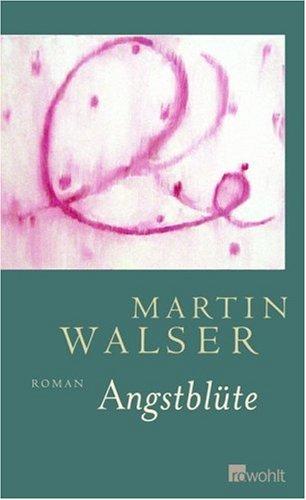
Angstblüte nennt sich, was die Natur bedrohten Gewächsen mitgegeben hat. Naht der Tod, steigen noch einmal die Lebenssäfte, der schönste Schein wird produziert. Metaphorisch durchaus auch auf das Personal in Walsers jüngstem Werk anwendbar. Angst vor Vergänglichkeit, Bedeutungslosigkeit, Alter und Untergang beflügelt Machtmenschen wie den Kunsthändler Diego Trautmann, der in seinem „Bonsai-Neuschwanstein“ an der Seite der ätherisch schönen Talkshow-Gastgeberin Gundi seine berühmten Empfänge zelebriert. Tiefsitzende Angst beherrscht auch den erfolgreichen Anlageberater Karl von Kahn, „siebzig-plus“ und Walsers Hauptakteur. Verbrauch ist trivial, Geldvermehrung hingegen bedeutet Vergeistigung. Zahlenwerk als höchste Kunstform. Karls Credo und Religion.
Weg vom Bodensee, mitten im prallsten Münchner Großbürgertum entfaltet Martin Walser sein Mysterienspiel vom Evangelium des Geldes. Walser-Leser kennen das Faible des Autors fürs Pekuniäre; es geht also hinauf in die dünne Luft des Aktienhandels, der Portfolios und virtuellen Geldströme. Exkurse, die — wortbrilliant zwar — allzu quälend ausufernd geraten. Atemberaubend dagegen, der tosende Lebensstrudel, der Karl von Kahn erfasst. Sein Weltbild gerät ins Wanken, als Diego, der Freund, mit einem raffinierten Finanzdeal Karl böse übervorteilt. Dann setzt Karls erfolgloser Künstlerbruder Erewein, der mit „Frau Lotte“ resigniert in einer Wohnhöhle verharrt, seinem Leben ein Ende. Was bleibt, ist ein geradezu lebensspendender Abschiedsbrief. Schließlich tritt Joni Jetter auf den Plan. Die Angstblüte setzt ein!
Mit Joni, Darstellerin in einem Film, der durch eine Finanzspritze Karls zustande kommt, findet Walser zur Hauptsache. Das hoffnungslos verliebte Finanzgenie sieht sich mit Alter, Sexualität, Liebe, Betrug und all den Lügen und Verdrängungen, die damit einhergehen, konfrontiert. Bereits in Der Augenblick der Liebe hat Walser die „Sexualität-im-Alter-Thematik“ als persönliches Reizthema aufgegriffen. Erneut staunt man: Der früher in sexuellen Dingen eher zurückhaltend bis prüde Walser wird in seinem Spätwerk sprachlich drastisch deutlich. Pure Walser-Ironie, alle klugen Theorien von Karls Ehefrau Helen, einer hingebungsvollen Paartherapeutin, werden vom tobenden Leben selbst zunichte gemacht. Am Ende hält Karl von Kahn eine immense Verlustrechnung in Händen. Sein Erkenntnisgewinn: Sehnsucht darf bleiben. Aufhörenkönnen muss gelernt werden.
Apropos Aufhörenkönnen. Vermittels einer eingeschobenen Episode über Jonis Vater, einen Ex-Polizeireporter, der aufgrund mangelnder politischer Opportunität von seinem Alt 68er-Chef förmlich in den Untergang getrieben wird, leckt Walser offenbar noch immer die Wunden der letzten Jahre. -Ravi Unger

Amélie jako mała dziewczynka mieszkała w Japonii. Teraz, gdy jest dorosła, postanawia odwiedzić kraj Kwitnącej Wiśni. Udzielając Japończykom korepetycji z francuskiego, chce przyswoić ich język. Choć w czasie pierwszych lekcji z Rinrim, studentem romanistyki, rozmowę zakłócają ciągłe lapsusy i niezrozumiała wymowa, Belgijka i Japończyk zaprzyjaźniają się. Amélie poznając fascynujący i egzotyczny świat, zakochuje się w Rinrim. Obserwuje, jak we współczesnej Japonii nowoczesność miesza się z tradycyjną kulturą. Zauroczona odmiennością przyjaciela i jego kraju, delektuje się pobytem do czasu, aż chłopak poprosi ją o rękę.
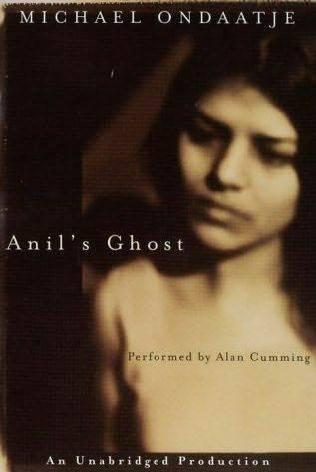
Halfway into Michael Ondaatje's new novel, Anil's Ghost, there is a scene so quietly devastating that it alone makes the novel worth reading. It is the mid-1980s, and a civil war is raging on the tiny island nation of Sri Lanka. Each day, fresh corpses inundate emergency medical clinics-many of them so mutilated that they are unidentifiable and can only be classified as "disappearances." Anil Tissera, a 33-year-old forensic anthropologist born in Sri Lanka and educated abroad, returns to the island as part of a United Nations human rights campaign to prove that mass murders are taking place. In the hope of identifying the corpses, she takes the unusual step of hiring a local "face painter" named Ananda, who, with mud, soot, paint, and sheer instinct, reconstructs the ghostly visage of one suspiciously disinterred body. Anil then shows the image around the local villages, hoping that it will be recognized. This grisly mask becomes Anil's Ghost, and she raises it high to reveal to the world, and the government of Sri Lanka, that she knows what has been going on.
In addition to being his best story yet, Ondaatje's tale is a similarly brave and grisly act of reanimation: It conjures a dark period in Sri Lankan history and reveals how the atrocities directly affect the three main characters. The novel begins with Anil's arrival on the island and builds outward from there. Forty-nine-year-old archaeologist Sarath Diaysena is assigned by the Sri Lankan government to be Anil's official guide, but in spite of his expertise, he never really warms to the role. Sarath wants nothing to do with stirring up trouble. Since his wife's suicide, he has withdrawn into his work, attempting to buffer himself against the horrors being perpetrated all around him. His brother Gamini, a doctor who works in the field clinics, cannot afford the luxury of denial; the grim casualties of war are wheeled into his clinic by the hour. Unlike Sarath, he knows that one day soon he will recognize one of the victims.
When Sarath and Anil leave the city for the remote villages where Ministry of Health officials rarely, if ever, go, it becomes all but impossible for Sarath to remain uninvolved. Severed heads are staked out along the roads as a warning to anyone thinking of joining the resistance. Even the reticent Sarath admits that small guerrilla groups can hardly be the cause of such widespread brutality. Gamini, meanwhile, is so overwhelmed with triage and autopsies that he turns to his own supply of pharmaceuticals in order to stay awake. Despite the obvious signs of mass murder, Sarath begs Anil not to continue her investigation. He knows how the government will respond to an outsider who tries to exhume its dirty secrets. But Anil knows that it is this very fear that must be overcome if the murders are to be stopped. When she and Sarath find a person who can help them confirm the age of a body interred in a government-controlled cave, there is no turning back.
The remainder of the novel chronicles Anil and Sarath's quest to learn the origins of this body and its identity. Even in the last 20 pages, the novel's crucial questions remain artfully suspended: How much safety is Sarath willing to sacrifice in order to bring these atrocities to light? Will the body be recognized? Will Sarath ever open up to Anil? Will either of them back down when their snooping comes to light? Anil's Ghost is the closest Ondaatje is likely to come to writing a page-turner; many readers will likely devour it in one sitting.
But what makes this more than just a thrilling tale, and invites rereadings, is the way Ondaatje textures his characters' interior lives. And this is where we get vintage Ondaatje. Using flashbacks and brilliant set pieces, Ondaatje spreads out their histories before us like a cartographer, and through this careful mapping we feel his characters' pain and disillusionment. There is Anil's growing guilt over having left Sri Lanka before the disappearances began, and her attempt to expiate that guilt by working to bring these events to light. There is Gamini's struggle to keep hope alive after so many bodies have died in his arms. And finally, there is Sarath's judicious approach to each new atrocity, an attitude that mirrors his technique of keeping a close lid on his heart.
In Ondaatje's literary universe, it is through loving that we define ourselves, and his characters reveal their essential natures by how they do and do not love. Anil has recently run out on her boyfriend after stabbing him in the arm with a small knife. The face painter Ananda's own wife is numbered among the disappearances. When reconstructing the faces of the missing, he gives each of them a serene portrayal, in the hope that his wife, too, will find peace. Sarath's wife, who killed herself at the height of the disappearances, is a more indirect casualty. At the nexus of these three characters is Gamini. Like Anil, he is living on the edge-giving his life to the cause of helping others-but unlike Sarath, he is willing to risk his heart by trying to find true love.
In Ondaatje's previous books, his characters transcended their war-ravaged condition through sexual connection. Here, however, sex is the ground upon which the political battles raging around the characters turn personal, where people learn their fates. Ultimately, what brings home the crushing truth of the atrocities is the extent to which each character gives up on romantic love. Yet in the midst of such emotional decimation, Anil never abandons her struggle to bring the murders to light. Matters of the heart are defined by what we sacrifice. And by risking everything for truth, Anil delivers her most profound expression of love to her reclaimed country.
– John Freeman