 fb2
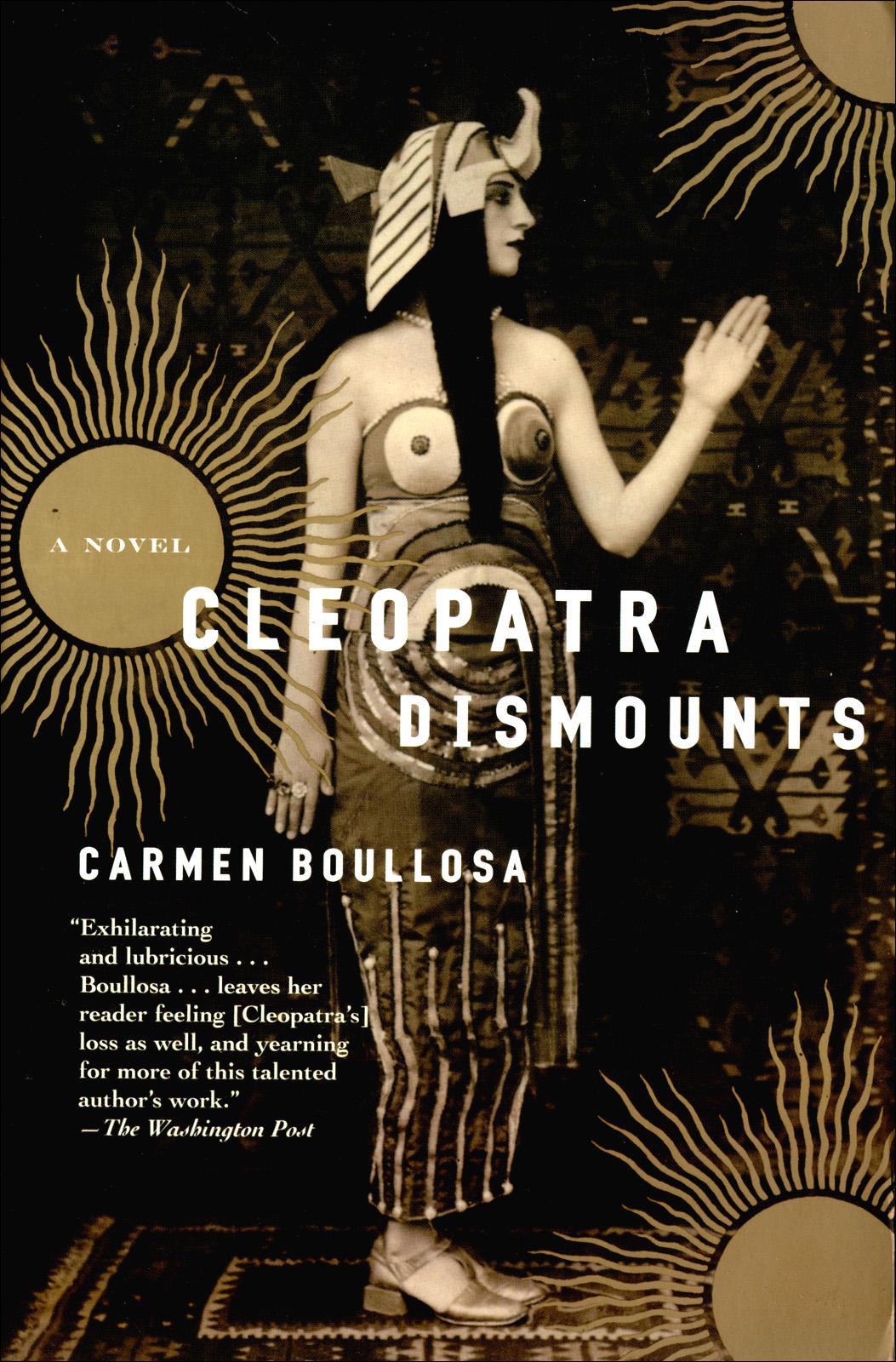
fb2Carmen Boullosa is one of Latin America’s most original voices, and in Cleopatra Dismounts she has written a remarkable imaginary life of one of history's most legendary women. Dying in Marc Antony’s arms, Cleopatra bewails the end of her political career throughout ancient Egypt, Greece, and the Mediterranean. But is this weak woman the true Cleopatra?
Through the intervention of Cleopatra's scribe and informer Diomedes, Boullosa creates two deliriously wild other lives for the young monarch — a girl escaping the intrigues of royal society to disguise herself and take up residence with a band of pirates; and the young queen who is carried across the sea on the back of a magical bull, to live among the Amazons.
Magical, multifaceted, and rippling with luminous imagination, Cleopatra Dismounts is a work that recalls Jeanette Winterson’s Sexing the Cherry and confirms Carmen Boullosa as an important international voice.
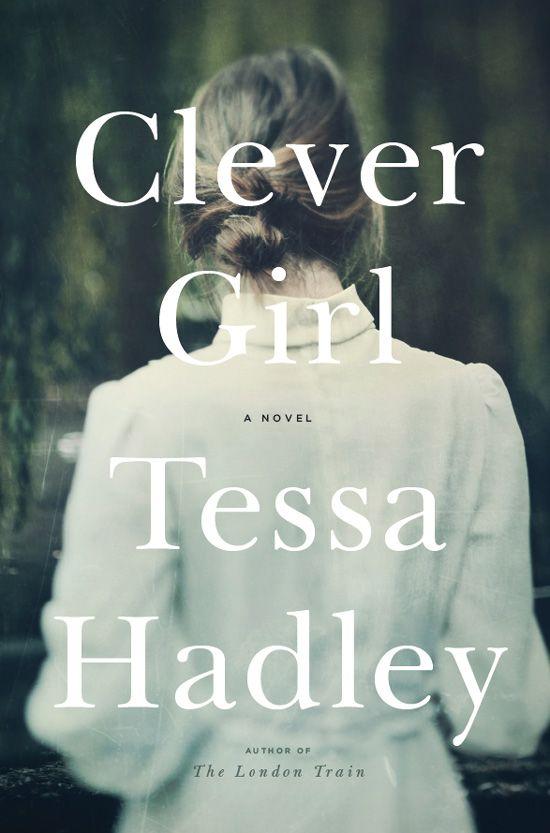
Clever Girl is an indelible story of one woman’s life, unfolded in a series of beautifully sculpted episodes that illuminate an era, moving from the 1960s to today, from one of Britain’s leading literary lights — Tessa Hadley — the author of the New York Times Notable Books Married Love and The London Train.
Like Alice Munro and Colm Tóibin, Tessa Hadley brilliantly captures the beauty, innocence, and irony of ordinary lives — an ability to transform the mundane into the sublime that elevates domestic fiction to literary art.
Written with the celebrated precision, intensity, and complexity that have marked her previous works, Clever Girl is a powerful exploration of family relationships and class in modern life, witnessed through the experiences of an English woman named Stella. Unfolding in a series of snapshots, Tessa Hadley’s moving novel follows Stella from the shallows of childhood, growing up with a single mother in a Bristol bedsit in the 1960s, into the murky waters of middle age.
Clever Girl is a story vivid in its immediacy and rich in drama — violent deaths, failed affairs, broken dreams, missed chances. Yet it is Hadley’s observations of everyday life, her keen skill at capturing the ways men and women think and feel and relate to one another, that dazzles.

In Joseph Heller's two best novels, Catch 22 and Something Happened, the narrative circles obsessively around a repressed memory that it is the stories' business finally to confront. We feel the tremors of its eventual eruption in each book even as the narrator frantically distracts us with slapstick improvisation. In his newest novel, Closing Time, Heller brings back the (anti-) hero of Catch 22, John Yossarian, and once again something horrific is building beneath his life and those of his generation and their century as they all draw to a close.
But this time it is not a brute fact lodged in memory, the something that draws its power simply from having happened. It is instead something that is going to happen-we're going to die-and it draws its power from-well-how we feel about that. The problem is that we may not all feel the same way about our approaching death, as we cannot fail to do about Howie Snowden bleeding to death on the floor of the bomber in Catch 22. We cannot really imagine our death. On the other hand, try as we might, we cannot help imagining Snowden. It comes down to a question of authority, the authority of an author's claim on our imagination. There is less of it in Closing Time.
It reaches for such authority by reading into the passing of the World War II generation a paranoid apocalypse in the manner of Thomas Pynchon and Don DeLillo. Yossarian's life goes into and out of a kind of virtual reality involving a Dantesque underworld entered through the false back of a basement tool locker in the New York Port Authority Bus Terminal. Beneath this underworld runs an underground railroad meant to provide indefinite protection for the elite of the military/industrial/political complex chosen by triage to survive the coming nuclear holocaust. As catalyst for that holocaust we are given a mentally challenged president known to us only by his affectionate nickname, the Little Prick, who is enthralled by the video games that fill a room just off the Oval Office, especially the game called Triage which enables him eventually to trip the wire on the conclusive Big Bang.
Heller's underworld has some fetching attributes. It is managed by George C. Tilyou, the Coney Island entrepreneur who ran the Steeplechase amusement park before World War 1. Tilyou died before any of the novel's protagonists was born, but the remembered stories about him and his slowly sinking house with the family name on the front step qualify him as a jolly major domo of hell, a man whose love for his fellows sincerely expressed itself in fleecing them. Now, below the sub-sub-basement of the bus terminal, he rejoices in having taken it with him, for his house and eventually his whole amusement park sank down around him. Rockefeller and Morgan come by and panhandle miserably for his wealth, having learned too late that their more conventional philanthropy could not sanctify their plunder or secure their grasp on it.
Other aspects of Heller's grand scheme are less successful. Two characters from Catch 22, Milo Minderbinder and ex-Pfc. Wintergreen, are strawmen representatives of the military-industrial complex, peddling a nonexistent clone of the Stealth bomber to a succession of big-brass boobies with names like Colonel Pickering and Major Bowes. Much of this is the sort of thing that killed vaudeville and is now killing "Saturday Night Live."
Against these gathering forces of death, Yossarian asserts his allegiance to life in a way that is by now a reflex of the Norman Mailer generation: he has an affair with and impregnates a younger woman, a nurse whom he meets in a hospitalization of doubtful purpose at the opening of the novel. Thank heavens, I thought as I read, that I belong to the only sex capable of such late and surprising assertions. But, as the euphoria ebbed, I had to admit that Yossarian's amatory exertions were more than faintly repulsive.
So the novel is disappointing where it hurts the most, in its central organizing idea. Why, after all, does Yossarian's generation get to take the whole world down with it? Well, it doesn't, really, and yet the veterans of World War II do have a special claim on us as they pass from our sight. This claim is more convincingly urged by the long first-person narratives of two characters who, we learn, moved invisibly on the periphery of events in Catch-22.
Lew Rabinowitz and Sammy Singer are non-neurotics whose stories reveal their limitations and, at the same time, allow us to see around and beyond them. This is harder to do with normal people, and Heller brings it off beautifully. Rabinowitz is an aggressive giant, the son of a Coney Island junk dealer, an instinctively successful businessman who lacked the patience for the college education offered him by the G.I. Bill, and who never comprehended as we do his own delicacy of feeling. Singer, a writer of promotional and ad copy for Times, is, by his own account, a bit of a pedant given to correcting Rabinowitz's grammar. Heller sometimes allows Singer's prose style to stiffen in a way that is entirely in character and that gives an unexpected dignity and pathos to passages like those that describe his wife's last illness.
Rabinowitz and Singer basically get more respect from their author than Yossarian and the characters who figure in his story. The two new characters tell us stories embued with an unforced humor and with the sort of gravity that attends good people as they come to terms with their mortality. And this goes for their wives as well, for both men make good and entirely credible marriages that last a lifetime. Yossarian should have been so lucky.
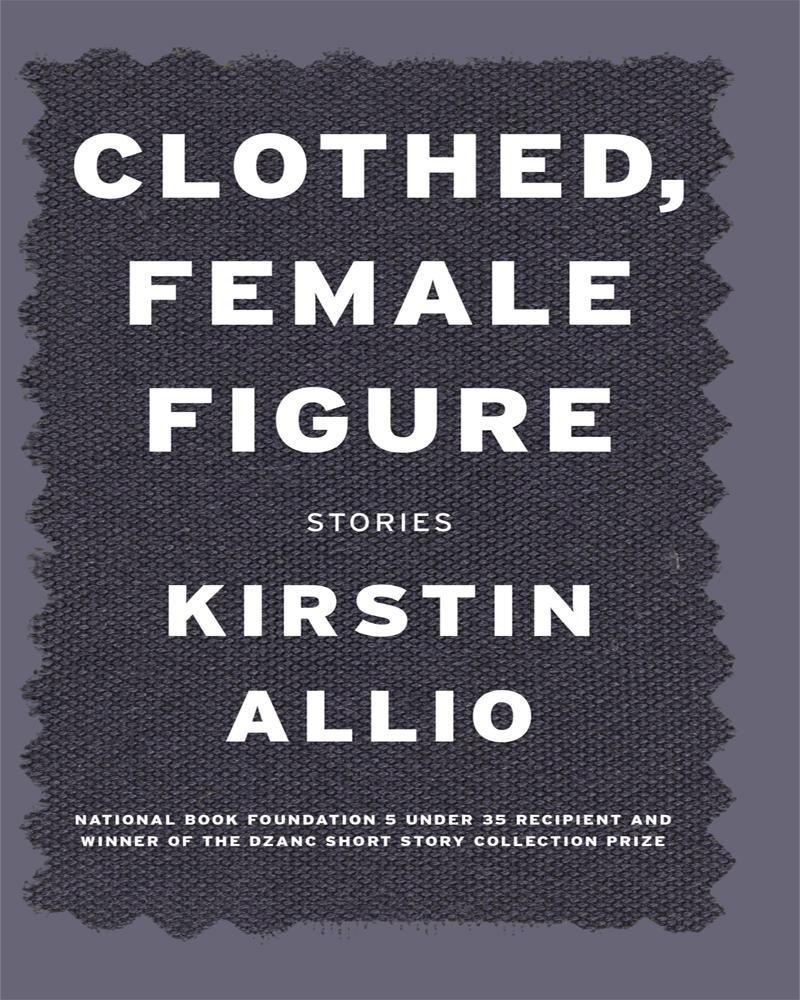
Clothed, Female Figure opens a singular investigation of women: mothers, daughters, gardeners, housecleaners, employers, aunts, nannies, friends. There are dispatches from haloed single-girl apartments in New York, from the horsetail scrubland behind the beach club, from the house behind the linden tree where the first baby was born. An overgrown back garden becomes the shrouded stage for a reunion. A Russian nanny guards a secret. A new wife subverts housekeeping to outflank her mother-in-law. An alcoholic daughter is haunted by her mother’s disappearance.
Through ten independent but thematically linked stories, Allio conjures women in conflict and on the edge, who embrace, battle, and transcend their domestic dimensions.
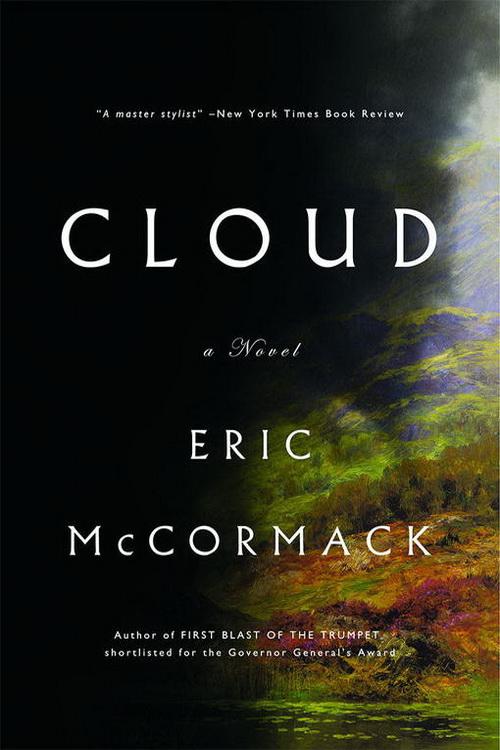
“Why, when we take such care to disguise our true selves from others, would we expect them to be an open book to us?”
Harry Steen, a businessman travelling in Mexico, ducks into an old bookstore to escape a frightening deluge. Inside, he makes a serendipitous discovery: a mid-nineteenth-century account of a sinister storm cloud that plagued an isolated Scottish village and caused many gruesome and unexplainable deaths. Harry knows the village well; he travelled there as a young man to take up a teaching post following the death of his parents. It was there that he met the woman whose love and betrayal have haunted him every day since. Presented with this astonishing record, Harry resolves to seek out the ghosts of his past and return to the very place where he encountered the fathomless depths of his own heart. With Cloud, critically acclaimed Canadian author Eric McCormack has written a masterpiece of literary Gothicism, an intimate and perplexing study of how the past haunts us, and how we remain mysterious to others, and even ourselves.
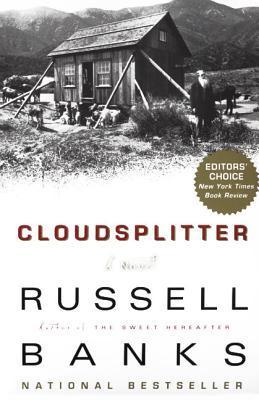
A triumph of the imagination and a masterpiece of modern storytelling, Cloudsplitter is narrated by the enigmatic Owen Brown, last surviving son of America's most famous and still controversial political terrorist and martyr, John Brown. Deeply researched, brilliantly plotted, and peopled with a cast of unforgettable characters both historical and wholly invented, Cloudsplitter is dazzling in its re-creation of the political and social landscape of our history during the years before the Civil War, when slavery was tearing the country apart. But within this broader scope, Russell Banks has given us a riveting, suspenseful, heartbreaking narrative filled with intimate scenes of domestic life, of violence and action in battle, of romance and familial life and death that make the reader feel in astonishing ways what it is like to be alive in that time.
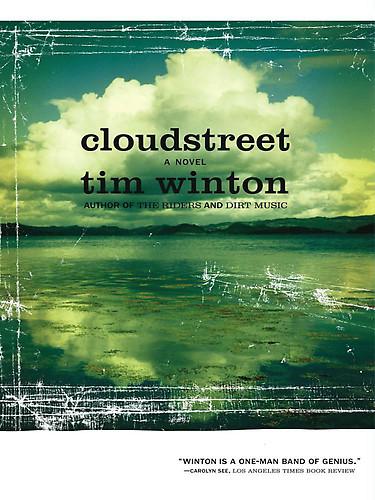
Hailed as a classic, Tim Winton's masterful family saga is both a paean to working-class Australians and an unflinching examination of the human heart's capacity for sorrow, joy, and endless gradations in between. An award-winning work, Cloudstreet exemplifies the brilliant ability of fiction to captivate and inspire.
Struggling to rebuild their lives after being touched by disaster, the Pickle family, who've inherited a big house called Cloudstreet in a suburb of Perth, take in the God-fearing Lambs as tenants. The Lambs have suffered their own catastrophes, and determined to survive, they open up a grocery on the ground floor. From 1944 to 1964, the shared experiences of the two overpopulated clans — running the gamut from drunkenness, adultery, and death to resurrection, marriage, and birth — bond them to each other and to the bustling, haunted house in ways no one could have anticipated.
There’s something wrong with Estrella Del Mar, the lazy, sun-drenched retirement haven on Spain’s Costa Del Sol. Lately this sleepy hamlet, home to hordes of well-heeled, well-fattened British and French expatriates, has come alive with activity and culture; the previously passive, isolated residents have begun staging boat races, tennis competitions, revivals of Harold Pinter plays, and lavish parties. At night the once vacant streets are now teeming with activity, bars and cafes packed with revelers, the sidewalks crowded with people en route from one event to the next.
Outward appearances suggest the wholesale adoption of a new ethos of high-spirited, well-controlled collective exuberance. But there’s the matter of the fire: The house and household of an aged, wealthy industrialist has gone up in flames, claiming five lives, while virtually the entire town stood and watched. There’s the matter of the petty crime, the burglaries, muggings, and auto thefts which have begun to nibble away at the edges of Estrella Del Mar’s security despite the guardhouses and surveillance cameras. There’s the matter of the new, flourishing trade in drugs and pornography. And there’s the matter of Frank Prentice, who sits in Marbella jail awaiting trial for arson and five counts of murder, and who, despite being clearly innocent, has happily confessed.
It is up to Charles Prentice, Frank’s brother, to peel away the onionlike layers of denial and deceit which hide the rather ugly truth about this seaside idyll, its residents, and the horrific crime which brought him here. But as is usually the case in a J.G. Ballard book, the truth comes with a price tag attached, and likely without any easing of discomfort for his principal characters.
Cocaine Nights marks a partial return on Ballard’s part to the provocative, highly-successful mid-career methodology employed in novels such as Crash and High Rise: after establishing himself as a science fiction guru in the 1960s, Ballard stylistically shifted gears towards an unnerving, futuristic variant on social realism in the 1970s. Both Crash and High Rise were what-if novels, posing questions as to what the likely results would be if our collective fascination with such things as speed, violence, status, power, and sex were carried just a little bit further: How insane, how brutal could our world become if we really cut loose?
Cocaine Nights asks a question better suited to the ’90s, the age of gated communities and infrared home security systems: Does absolute security guarantee isolation and cultural death? Conversely, is a measure of crime an essential ingredient in a vibrant, living, properly functioning social system? Is it true, as a character asserts, that “Crime and creativity go together, always have done,” and that “total security is a disease of deprivation”? Suffice to say that the answers presented in Nights will be anathema to moral absolutists; the world of Ballard’s fiction, like life in the hyperkinetic, relativistic 1990s, abounds with uncomfortable grey areas.
On the surface, Cocaine Nights is a whodunit and a race against time, but as it proceeds – and as preconceived conceptions of good and evil begin to dissolve – it evolves into a thoughtful, faintly frightening look at under-examined aspects of 1990s western society. As is his wont, Ballard confronts his readers with some faintly outlandish hypotheses unlikely to be embraced by many, but which nonetheless serve to provoke both thought and a bit of paranoia; it’s a method that Ballard has developed and refined on his own, and as usual, it propels his novel along marvellously.
Cocaine Nights doesn’t have either the broad sweep or brute impact of the landmark Crash, but it retains enough social relevance and low-key creepiness to more than satisfy Ballardphiles. As is often the case in Ballard’s alternate reality, it’s a given that his most appealing, human characters turn out to be the most twisted, and that even the most normal of events turn out to be governed by a perverse, malformed logic; that this logic turns out to be grounded in sound sociological and psychological principles is its most horrific feature.
David B. Livingstone
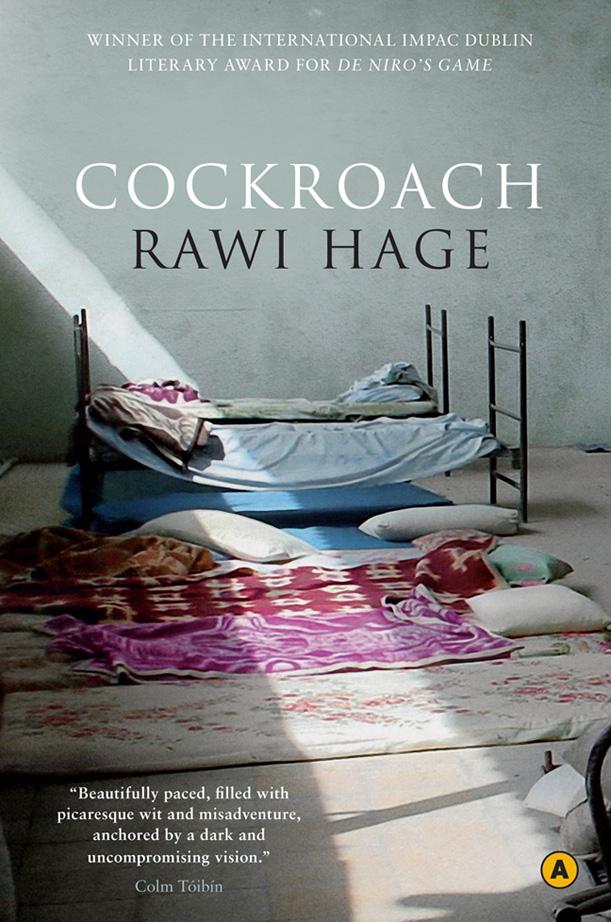
Cockroach is as urgent, unsettling, and brilliant as Rawi Hage's bestselling and critically acclaimed first book, De Niro's Game.
The novel takes place during one month of a bitterly cold winter in Montreal's restless immigrant community, where a self-described thief has just tried but failed to commit suicide. Rescued against his will, the narrator is obliged to attend sessions with a well-intentioned but naive therapist. This sets the story in motion, leading us back to the narrator's violent childhood in a war-torn country, forward into his current life in the smoky emigre cafes where everyone has a tale, and out into the frozen night-time streets of Montreal, where the thief survives on the edge, imagining himself to be a cockroach invading the lives of the privileged, but wilfully blind, citizens who surround him.
In 2008, Cockroach was a finalist for the Scotiabank Giller Prize, the Governor General's Literary Award, and the Rogers Writers' Trust Fiction Prize. It won the Paragraphe Hugh MacLennan Prize for Fiction, presented by the Quebec Writers' Federation.
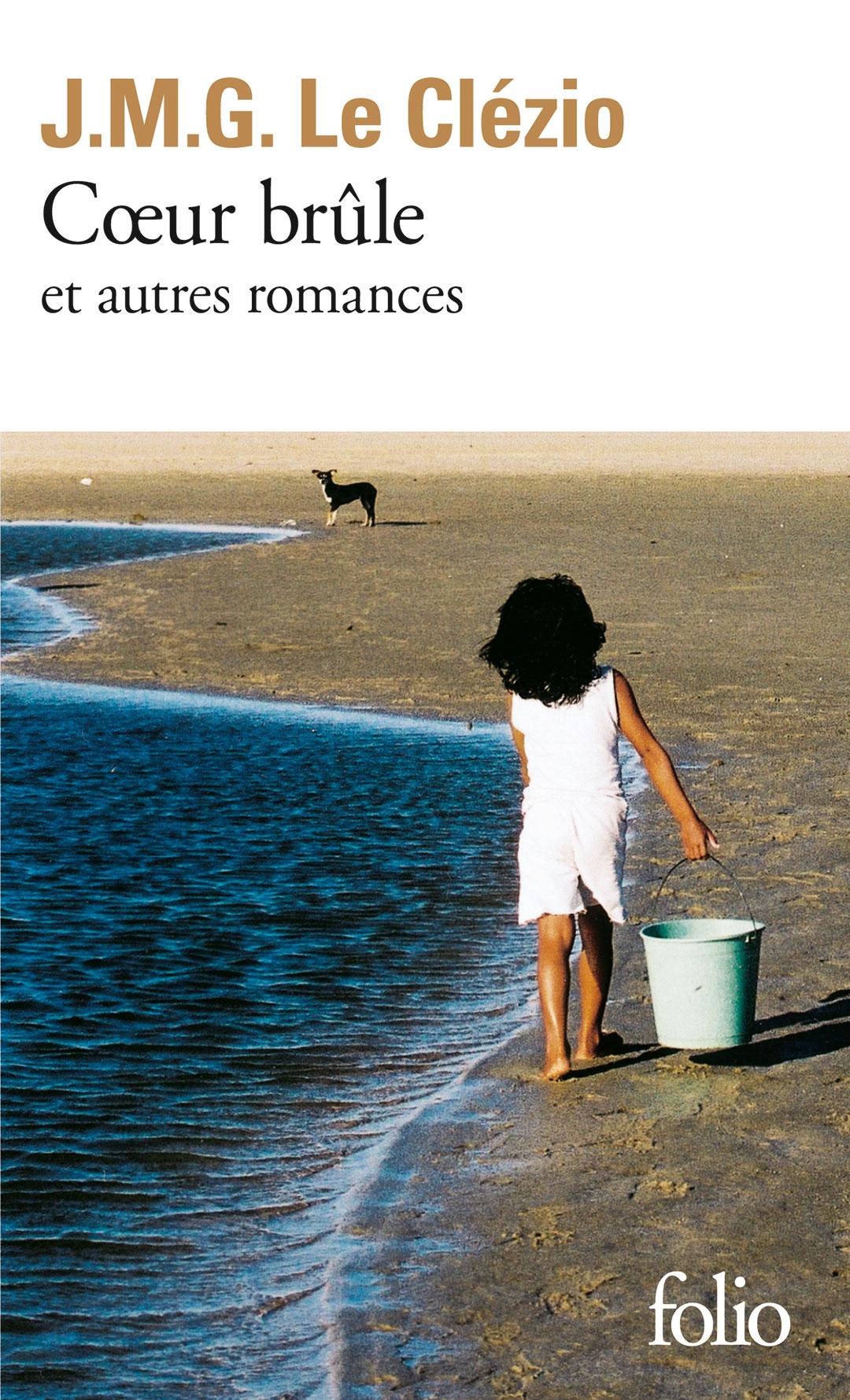
« Il avait fait chaud cet été-là en Provence, une chaleur tyrannique, menaçante. Vers juillet, Pervenche est partie. Elle ne s'était même pas présentée au bac, à quoi bon ? Elle n'avait rien fait, elle savait bien qu'elle ne pouvait pas réussir. Toute l'année, elle avait traîné, surtout avec “Red” Laurent, dans les bistros, les boîtes, les fêtes, ou simplement dans la rue. Elle buvait des bières, elle fumait. L'après-midi, elle retrouvait Laurent devant le garage abandonné, au pied de la colline. Laurent soulevait le rideau de tôle, et ils se glissaient à l'intérieur. Ça sentait le cambouis, et une autre odeur plus piquante, comme de la paille, ou de l'herbe qui fermente. Ils faisaient l'amour par terre, sur une couverture. »
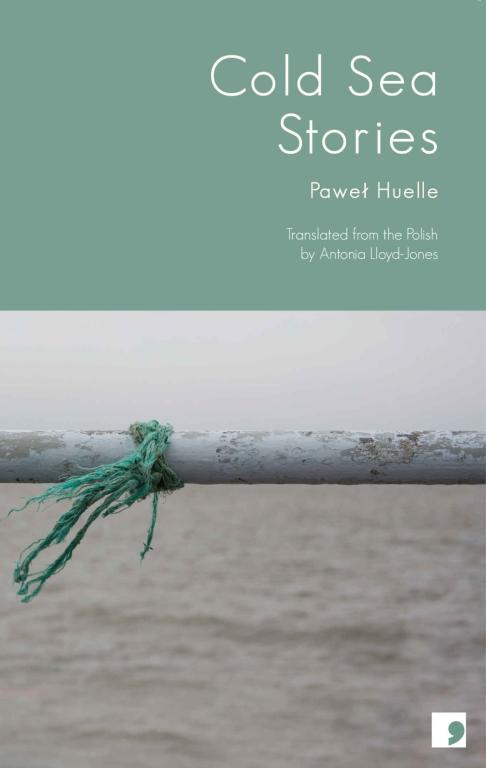
A student pedals an old Ukraina bicycle between striking factories, delivering bulletins, in the tumultuous first days of the Solidarity movement…
A shepherd watches, unseen, as a strange figure disembarks from a pirate ship anchored in the cove below, to bury a chest on the beach that later proves empty…
A prisoner in a Berber dungeon recounts his life’s story – the failed pursuit of the world’s very first language – by scrawling in the sand on his cell floor…
The characters in Paweł Huelle’s mesmerising stories find themselves, willingly or not, at the heart of epic narratives; legends and histories that stretch far beyond the limits of their own lives. Against the backdrop of the Baltic coast, mythology and meteorology mix with the inexorable tide of political change: Kashubian folklore, Chinese mysticism and mediaeval scholarship butt up against the war in Chechnya, 9-11, and the struggle for Polish independence.
Central to Huelle’s imagery is the vision of the refugee – be it the Chechen woman carrying her newborn child across the Polish border (her face emblazoned on every TV screen), the survivor of the Gulag re-appearing on his friends’ doorstep, years after being presumed dead, or the stranger who befriends the sole resident of a ghostly Mennonite village in the final days of the Second World War. Each refugee carries a clue, it seems, or is in possession or pursuit of some mysterious text or book, knowing that only it – like the Chinese ‘Book of Changes’ – can decode their story. What we do with this text, this clue, Huelle seems to say, is up to us.
Independent Foreign Fiction Prize Nominee for Longlist (2013)

In literary America, to utter the name “Gordon Lish” in a conversation is like adding hot sauce to a meal. You either enjoy the zesty experience, one that pushes your limits — or you prefer to stay away. It’s Lish who, first as fiction editor at Esquire magazine (where he earned the nickname “Captain Fiction”) and then at the publisher Alfred A. Knopf, shaped the work of many of the country’s foremost writers, from Raymond Carver and Barry Hannah to Amy Hempel and Lily Tuck.
As a writer himself, Lish’s stripped-down, brutally spare style earns accolades in increasing numbers. His oeuvre is coming to be recognized as among the most significant of the period that spans the transition between the 20th and 21st centuries. Kirkus Reviews wrote of his last collection that “Lish…is still our Joyce, our Beckett, our most true modernist.”
This definitive collection of Lish’s short work includes a new foreword by the author and 106 stories, many of which Lish has revised exclusively for this edition. His observations are in turn achingly sad and wryly funny as they spark recognition of our common, clumsy humanity. There are no heroes here, except, perhaps, for all of us, as we muddle our way through life: they are stories of unfaithful husbands, inadequate fathers, restless children and writing teachers, men lost in their middle age: more often than not first-person tales narrated by one “Gordon Lish.” The take on life is bemused, satirical, and relentlessly accurate; the language unadorned: the result is a model of modernist prose and a volume of enduring literary craftsmanship.
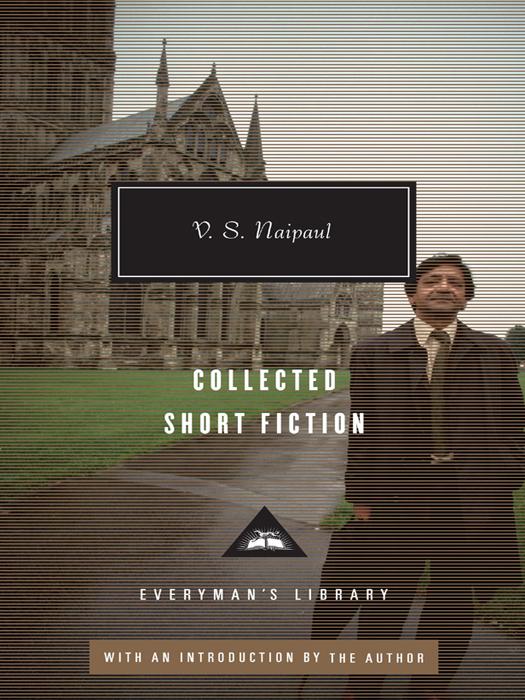
For the first time: the Nobel Prize winner’s stunning short fiction collected in one volume, with an introduction by the author.
Over the course of his distinguished career, V. S. Naipaul has written a remarkable array of short fiction that moves from Trinidad to London to Africa. Here are the stories from his Somerset Maugham Award — winning Miguel Street, in which he takes us into a derelict corner of Trinidad’s capital to meet, among others, Man-Man, who goes from running for public office to staging his own crucifixion. The tales in A Flag on the Island, meanwhile, roam from a Chinese bakery in Trinidad to a rooming house in London. And in the celebrated title story from the Booker Prize— winning In a Free State, an English couple traveling in an unnamed African country discover, under a veneer of civilization, a landscape of squalor and ethnic bloodletting.
No writer has rendered our postcolonial world more acutely or prophetically than V. S. Naipaul, or given its upheavals such a hauntingly human face.

Over the course of the last 12 years, Hanif Kureishi has written short fiction. The stories are, by turns, provocative, erotic, tender, funny and charming as they deal with the complexities of relationships as well as the joys of children.This collection contains his controversial story Weddings and Beheadings, a well as his prophetic My Son the Fanatic, which exposes the religious tensions within the muslim family unit. As with his novels and screenplays, Kureishi has his finger on the pulse of the political tensions in society and how they affect people's everyday lives.
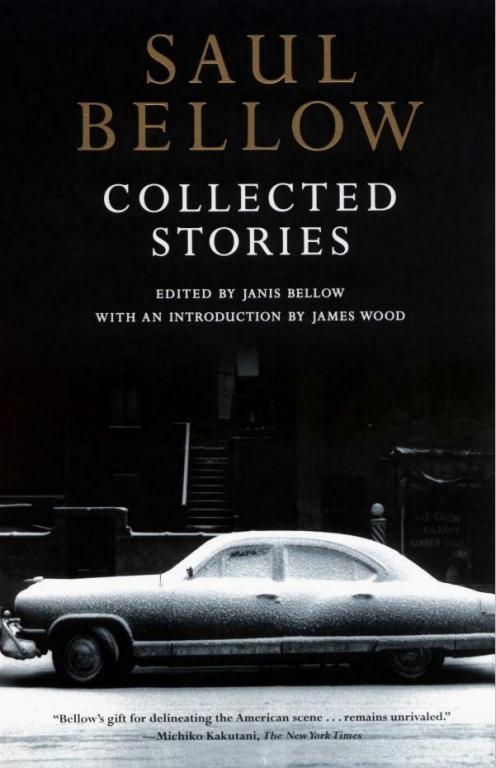
Saul Bellow’s Collected Stories, handpicked by the author, display the depth of character and acumen of the Nobel laureate’s narrative powers. While he has garnered acclaim as a novelist, Bellow’s shorter works prove equally strong. Primarily set in a sepia-toned Chicago, characters (mostly men) deal with family issues, desires, memories, and failings—often arriving at humorous if not comic situations. In the process, these quirky and wholly real characters examine human nature.
The narrative is straightforward, with deftly handled shifts in time, and the prose is concise, sometimes pithy, with equal parts humor and grace. In “Looking for Mr. Green,” Bellow describes a relief worker sized up by tenants: “They must have realized that he was not a college boy employed afternoons by a bill collector, trying foxily to pass for a relief clerk, recognized that he was an older man who knew himself what need was, who had more than an average seasoning in hardship. It was evident enough if you looked at the marks under his eyes and at the sides of his mouth.” This collection should appeal both to those familiar with Bellow’s work and to those seeking an introduction.
—Michael Ferch
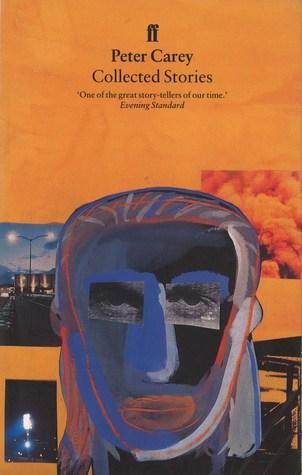
A volume containing the stories in The Fat Man in History and War Crimes, together with three other stories not previously published in book form. The author won the 1988 Booker Prize for Oscar and Lucinda.

Tsukuru Tazaki had four best friends at school. By chance all of their names contained a colour. The two boys were called Akamatsu, meaning “red pine”, and Oumi, “blue sea”, while the girls’ names were Shirane, “white root”, and Kurono, “black field”. Tazaki was the only last name with no colour in it.
One day Tsukuru Tazaki’s friends announced that they didn’t want to see him, or talk to him, ever again.
Since that day Tsukuru has been floating through life, unable to form intimate connections with anyone. But then he meets Sara, who tells him that the time has come to find out what happened all those years ago.
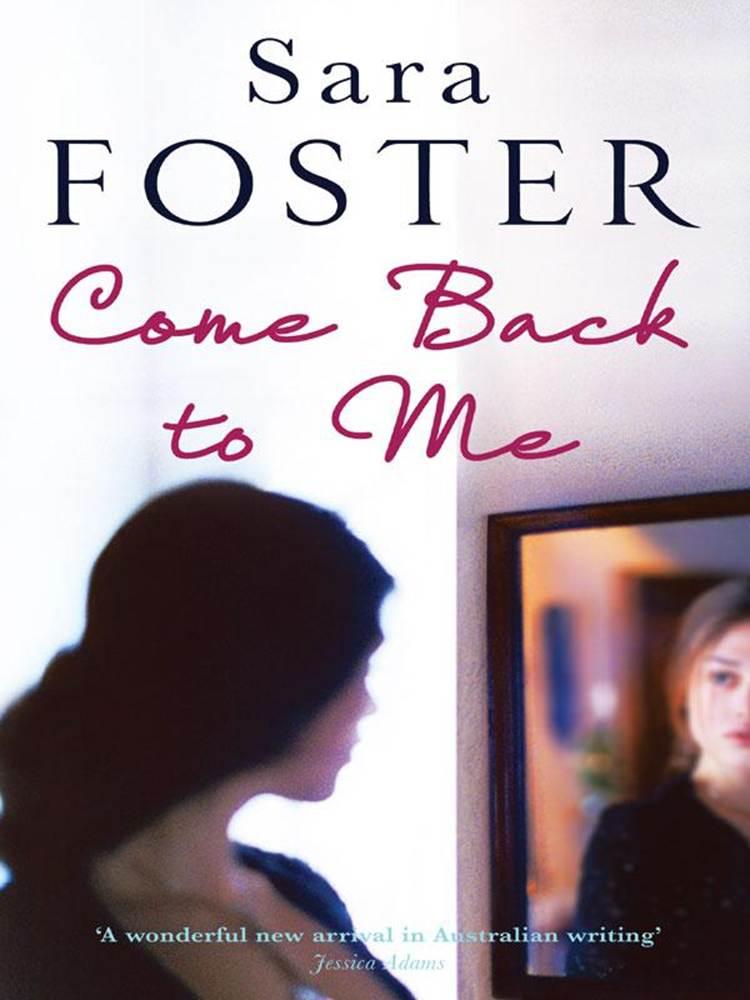
Do you have to honour a promise you made in the past if it means losing all you have now?
When Mark introduces his date, Julia, to Chloe and her husband at a London restaurant, it's obvious that something is very, very wrong. Alex and Julia pretend not to know one another, but the shocked expressions on their faces tell another story.
As the mystery of Julia's identity unravels, a terrible tragedy from ten years ago gradually comes to light. While Chloe struggles with a secret of her own, Alex has to decide whether he should take Julia back to Australia to try to lay the past to rest, when doing so will risk all he has with the wife he loves.
And Julia must decide whether to finally confront Alex with the whole truth about what happened back then.
Set in London and Perth, Come Back to Me is a taut psychological drama that will keep you enthralled until the very last page
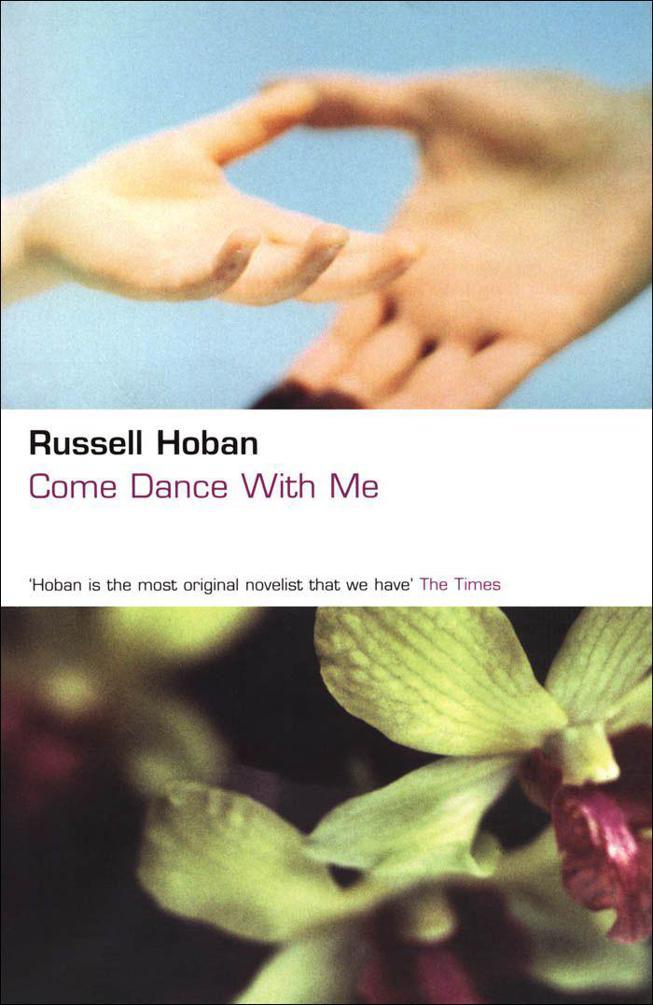
"There is a strangeness about Christabel Alderton. Elias Newman can see it right away, as well he might.
"When Christabel was 13 she was walking by the River Lea and some people in a cabin cruiser waved to her. The scene before her seemed to freeze like a photograph and she felt weird. A little later the boat blew up and killed everyone on board. Since then she's been troubled by a sort of second sight that works sometimes, but not always. Now, years later, she sings with a band called Mobile Mortuary who make their onstage entrance climbing out of body drawers. Death is much on her mind because the men in her life tend to die before their time and she's come to think she's bad luck. Elias Newman is a diabetologist who meets Christabel at a Royal Academy of Arts exhibition. Fascinated, he's keen to know her better. She's attracted to him but afraid of what might happen if she lets herself fall in love. Christabel and Elias are complicated people. Via Symbolist paintings and German ballads the narrative flows from the River Lea via a haunted woodland bog out to the crash of the Pacific surf on Kahakuloa Head in the Hawaiian Islands. And only in a Hoban novel could such an intensely involving love story embrace the redemptive power of ketchup bottles.