 fb2
fb2An ambitious and powerful story about idealism, passion, and sacrifice, Eat the Document shifts between the underground movement of the 1970s and the echoes and consequences of that movement in the 1990s. A National Book Award finalist, Eat the Document is a riveting portrait of two eras and one of the most provocative and compelling novels of recent years.
[b]Ecce homo: Рассказы[/b] / Анатолий Ливри. — М.: Гелеос, 2007. — 336 с. — Содерж.: Сон; Ecce homo; Он; Благодать; Выздоравливающий; Схватка; Сердце земли; Весна; Ждите меня; Римская поступь; Сказка; Минута молчания; Шутка Пилата; Пробуждение; Собирание ангела, или Русский лес-2007: аристократические идеи и социалистические метафоры (статья). — 3000 экз.

Po powrocie do Norwegii Roza razem z małą córeczką wprowadza się do domu Mattiasa. Pragną żyć razem, ale pastor odmawia im udzielenia ślubu – wszak wobec prawa Roza wciąż jest mężatką. Osada aż huczy od złych plotek. Sytuacja zmienia się dopiero wtedy, gdy rybacy nieoczekiwanie wyławiają z fiordu szczątki mężczyzny. Mieszkańcy osady uznają, że odnaleziono Pedera, pierwszego męża Rozy, który zaginął przed laty. Wszystko zdaje się na to wskazywać i tylko Roza wie, że to nie może być prawda.
A novel about love, death and guilt; in particular the consequences of legalised assisted dying.
Haunted by a mysterious and half remembered event from her early childhood, Marianne’s life evolves from her upbringing in Vermont, to her literary studies in England and Russia. She is uninhibited in her zest for life, but when certain choices – including an entanglement with an American diplomat (or spy?) – lead to disastrous consequences, the familiar feelings of guilt return.
Pursuing a successful life back in England, Marianne is unprepared when further tragedy strikes. As she and her husband try to come to terms with their new situation their marriage begins to crumble and is dealt a further blow when events from her time in Russia are resurrected. Visiting her sick father in Vermont she finally learns the explanation for the dream which has always haunted her and by the time she reaches old age, she is consumed by the need to atone for her mistakes and to make amends to those she loves most.
Partly set some years into the future, Britain has legalised assisted dying, and for Marianne this is perhaps the route she must take to provide the redemption she requires. Disclosing her plans to family and friends, Marianne observes their varied reactions, as those who seem half-hearted in their objections are challenged by the passion of two young women who lead the final charge to save Marianne from herself.
With this latest novel, John Banville—who has forged a brilliant international reputation with such works as The Book of Evidence and The Untouchable—applies piercing reality to a ghost story to create a profoundly moving tale of a man confronting a life gone awry.
The renowned actor Alexander Cleave has had a breakdown on stage. To recover, he retreats to his boyhood home. Haunted when he lived there as a youth, the house still shelters spirits, and now there are two new lodgers in residence. Overcome by resonant memories that seem to rise up out of the house itself, Cleave is compelled to consider his ruined career, his failing marriage, and his poignant relationship with an estranged daughter destined for doom. Breathtaking, even hypnotic, Eclipse is a virtuoso performance by a writer in a league with Nabokov and DeLillo.
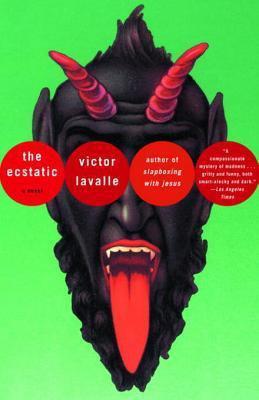
Anthony James weighs 315 pounds, is possibly schizophrenic, and he’s just been kicked out of college. He’s rescued by his mother, sister, and grandmother, but they may not be altogether sane themselves. Living in the basement of their home in Queens, New York, Anthony is armed with nothing but wicked sarcasm and a few well-cut suits. He intends to make horror movies but takes the jobs he can handle, cleaning homes and factories, and keeps crossing paths with a Japanese political prisoner, a mysterious loan shark named Ishkabibble, and packs of feral dogs. When his invincible 13-year old sister enters yet another beauty pageant — this one for virgins — the combustible Jameses pile into their car and head South for the competition.
Will Anthony’s family stick together or explode? With electrifying prose, LaValle ushers us into four troubled but very funny lives.
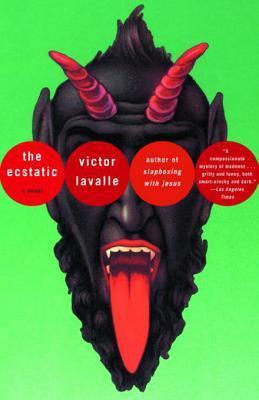
Anthony James weighs 315 pounds, is possibly schizophrenic, and he’s just been kicked out of college. He’s rescued by his mother, sister, and grandmother, but they may not be altogether sane themselves. Living in the basement of their home in Queens, New York, Anthony is armed with nothing but wicked sarcasm and a few well-cut suits. He intends to make horror movies but takes the jobs he can handle, cleaning homes and factories, and keeps crossing paths with a Japanese political prisoner, a mysterious loan shark named Ishkabibble, and packs of feral dogs. When his invincible 13-year old sister enters yet another beauty pageant — this one for virgins — the combustible Jameses pile into their car and head South for the competition.
Will Anthony’s family stick together or explode? With electrifying prose, LaValle ushers us into four troubled but very funny lives.
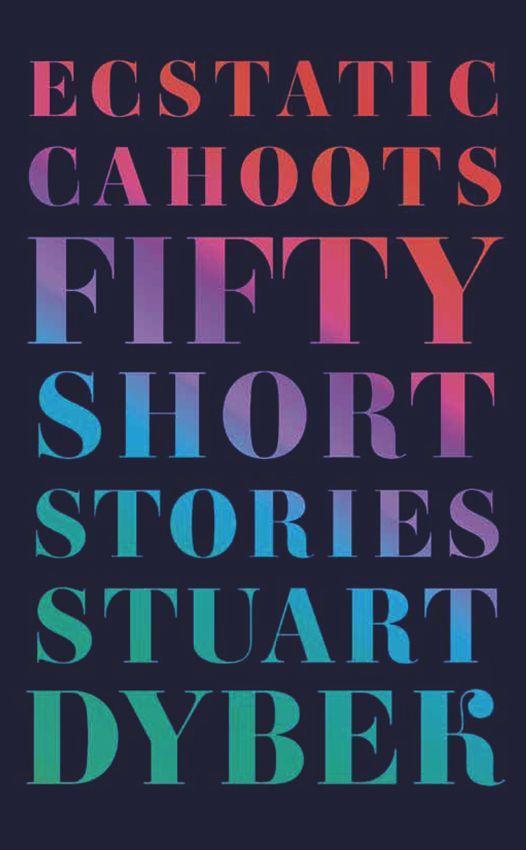
In this remarkable collection of bite-size stories, Stuart Dybek, one of our most prodigious writers, explores the human appetite for rapture and for trust. With fervent intensity and sly wit, he gives each tale his signature mix of characters — some almost ghostly, others vividly real — who live in worlds tinged with surreal potential. There are crazed nuns hijacking streetcars, eerie adventures across frozen ponds, and a boy who is visited by a miniature bride and groom every night in his uncle’s doomsday compound. Whether they are about a simple transaction, a brave inquiry, a difficult negotiation, or shared bliss, the stories in Ecstatic Cahoots target the friction between our need for ecstatic self-transcendence and our passionate longing for trust between lovers, friends, family, and even strangers.
Call it micro-fiction or mini-fiction, flash fiction or short shorts. Whatever the label, the marvelous encounters here are marked by puzzlement, anguish, and conspiratorial high spirits. In this thrilling collection, Stuart Dybek has once again re-envisioned the possibilities of fiction, creating myriad human situations that fold endlessly upon each other, his crackling prose drawing out the strange, the intimate, and the mysterious elements in each.
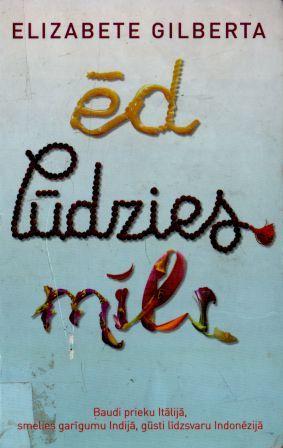
Elizabete Gilberta
ēd, lūdzies, mīli
“Ēd, lūdzies, mīli” ir skaists un filozofisks stāsts par dzīvi, mīlestību un cilvēka alkām pēc laimes.
Ir salts novembris, apmēram trīs nakti, vīrs viens pats guļ laulības gultā, bet sieva jau nez kuro nakti slēpjas vannas istabā un raud. Elizabete vairs negrib būt precēta. Viņai ir trīsdesmit viens gads, grezna savrupmāja, un būtu pienācis laiks arī bērnam, bet… Elizabete neko no tā visa nevēlas.
Dzīvot kā līdz šim vairs nav iespējams. Seko skumja šķiršanās, lai — vētraina mīlas dēka. Taču jaunā sieviete joprojām jūtas apmulsusi un saprot, ka jāsāk meklēt to, kā pietrūkst visvairāk: prieku, garīgumu un līdzsvaru.
Elizabete dodas ceļojumā uz Itāliju, Indiju un Indonēziju. Un palēnām viņā ieplūst laime…
Elizabetes Gilbertas (Elizabeth Gilbert, 1969) autobiogrāfiskais romāns "Ēd, lūdzies, mīli" ir tulkots vairāk nekā trīsdesmit valodās, publicēts vairāk nekā 7 miljonos eksemplāru un ieguvis kulta romāna statusu visā pasaulē. 2008. gadā pēc romāna "Ēd, lūdzies, mīli" iznākšanas laikraksts TimeMagazine Elizabeti Gilbertu ierindoja 100 pasaules ietekmīgāko cilvēku skaitā.
No angļu valodas tulkojusi Ina Strautniece 2009
Noskanējis grāmatu un failu izveidojis Imants Ločmelis imantslochmelis@inbox.lv
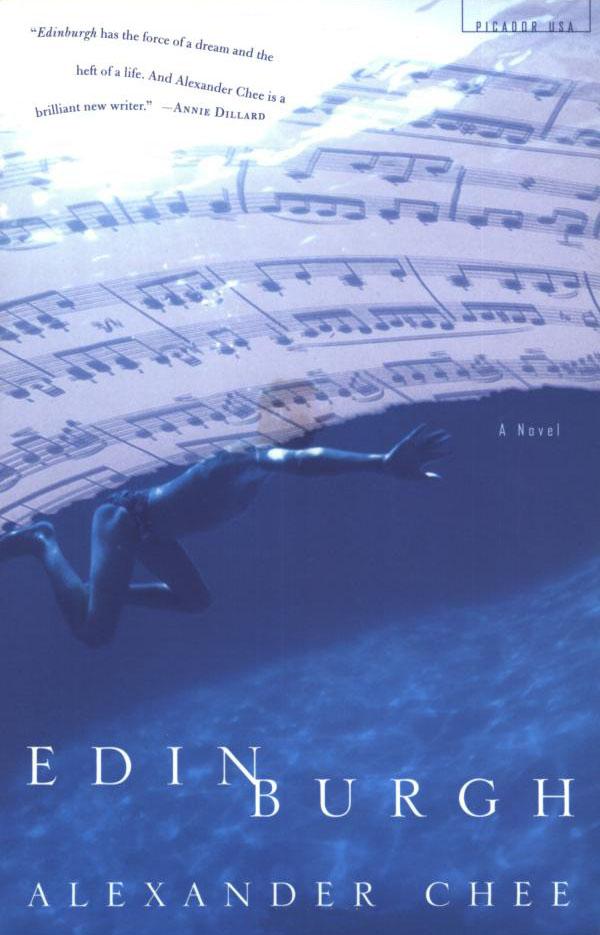
Twelve-year-old Fee is a gifted Korean-American soprano in a boys' choir in Maine whose choir director reveals himself to be a serial pedophile. Fee and his friends are forced to bear grief, shame, and pain that endure long after the director is imprisoned. Fee survives even as his friends do not, but a deep-seated horror and dread accompany him through his self-destructive college days and after, until the day he meets a beautiful young student named Warden and is forced to confront the demons of his brutal past.
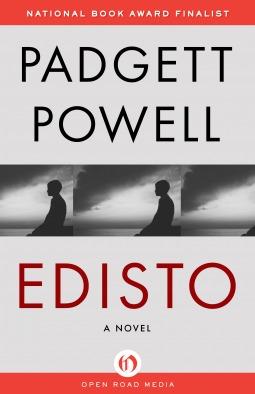
Finalist for the National Book Award: Through the eyes of a precocious twelve-year-old in a seaside South Carolina town, the world of love, sex, friendship, and betrayal blossoms.
Simons Everson Manigault is not a typical twelve-year-old boy in tiny Edisto, South Carolina, in the late 1960s. At the insistence of his challenging mother (known to local blacks as “the Duchess”), who believes her son to possess a capacity for genius, Simons immerses himself in great literature and becomes as literate and literary as any English professor.
When Taurus, a soft-spoken African-American stranger, moves into the cabin recently vacated by the Manigaults’ longtime maid, a friendship forms. The lonely, excitable Simons and the quiet, thoughtful Taurus, who has appointed himself Simons’s guide in the ways of the grown-up world, bond over the course of a hot Southern summer.
But Taurus may be playing a larger role in the Manigaults’ life than he is willing to let on — a suspicion that is confirmed when Simons’s absent father suddenly returns to the family fold. An evocative, thoughtful novel about growing up, written in language that sparkles and soars, Padgett Powell’s Edisto is the first novel of one of the most important Southern writers of the last quarter century.

In the sequel to Powell’s acclaimed debut, Edisto, Simons Manigault is older — if not particularly wiser — and searching for the cure to his restlessness in memory, travel, and forbidden love.
Fourteen years after we first met Simons Manigault, our protagonist is newly graduated from Clemson University, bored, unfocused, and idling his summer away at his mother’s home in Edisto, South Carolina. Not yet ready to fully embrace adulthood, Simons finds himself surrendering to cynicism, as well as to the temptations of his “turned-out-well” first cousin, Patricia.
To avoid sinking further into his rut, Simons embarks on a road trip through the South. After a disastrous stint as a Corpus Christi fisherman, he exits the Lone Star State, doubling back to the Louisiana bayou to spend some quality time with his former friend and mentor — and his mother’s ex-lover — Taurus. But as even Taurus’s once sought-after wisdom wears thin, Simons begins to suspect that the grass is not greener on the other side — it may be burnt, brown, and dead wherever he goes.
Padgett Powell’s literary return to Edisto is as outrageous, witty, and bitingly sharp as its predecessor. Readers who adored their first meeting with Simons Manigault will relish a second helping of his ennui and bad behavior. Newcomers will likewise be heartily glad they made the trip.
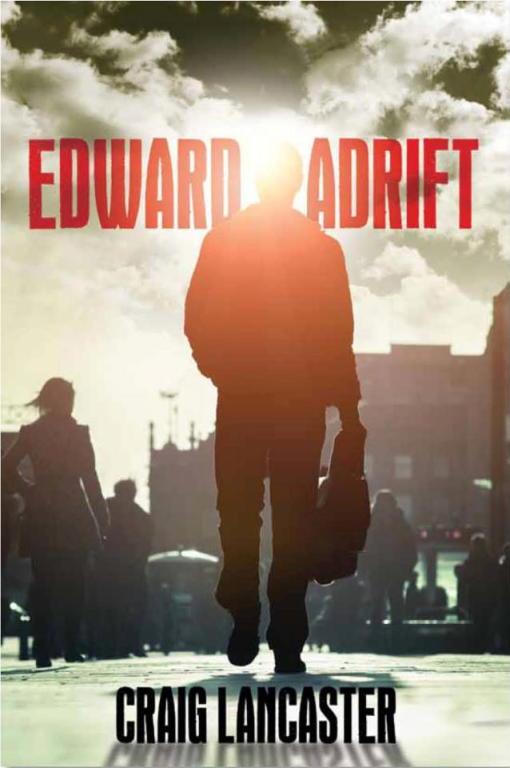
It’s been a year of upheaval for Edward Stanton, a forty-two-year-old with Asperger’s syndrome. He’s lost his job. His trusted therapist has retired. His best friends have moved away. And even his nightly ritual of watching Dragnet reruns has been disrupted. All of this change has left Edward, who lives his life on a rigid schedule, completely flummoxed.
But when his friend Donna calls with news that her son Kyle is in trouble, Edward leaves his comfort zone in Billings, Montana, and drives to visit them in Boise, where he discovers Kyle has morphed from a sweet kid into a sullen adolescent. Inspired by dreams of the past, Edward goes against his routine and decides to drive to a small town in Colorado where he once spent a summer with his father—bringing Kyle along as his road trip companion. The two argue about football and music along the way, and amid their misadventures, they meet an eccentric motel owner who just might be the love of Edward’s sheltered life—if only he can let her.
Endearing and laugh-out-loud funny, Edward Adrift is author Craig Lancaster’s sequel to 600 Hours of Edward.
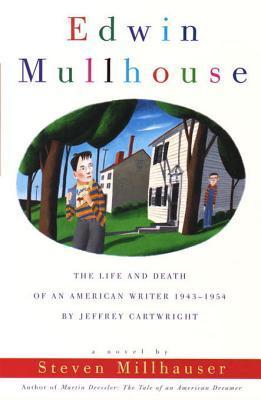
Edwin Mullhouse, a novelist at 10, is mysteriously dead at 11. As a memorial, Edwin's bestfriend, Jeffrey Cartwright, decides that the life of this great American writer must be told. He follows Edwin's development from his preverbal first noises through his love for comic books to the fulfillment of his literary genius in the remarkable novel, Cartoons.
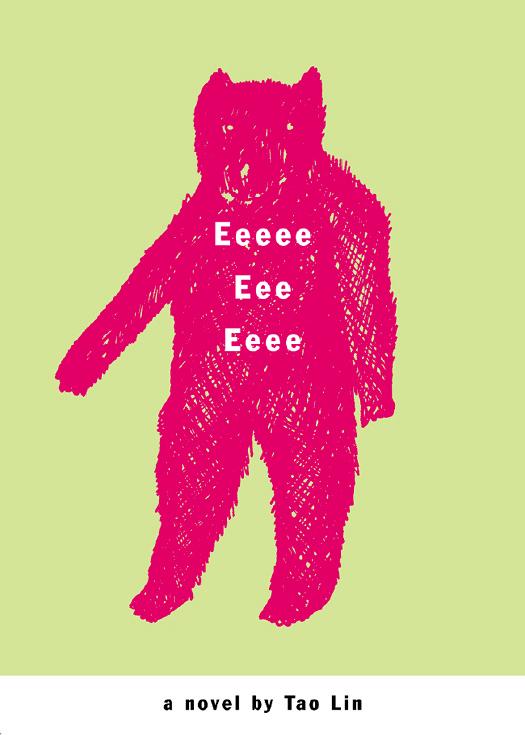
Confused yet intelligent animals attempt to interact with confused yet intelligent humans, resulting in the death of Elijah Wood, Salman Rushdie, and Wong Kar-Wai; the destruction of a Domino's Pizza delivery car in Orlando; and a vegan dinner at a sushi restaurant in Manhattan attended by a dolphin, a bear, a moose, an alien, three humans, and the President of the United States of America, who lectures on the arbitrary nature of consciousness, truth, and the universe before getting drunk and playing poker.
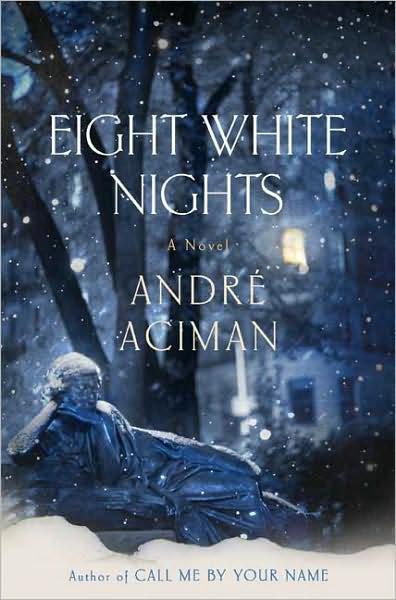
A LUSHLY ROMANTIC NOVEL FROM THE AUTHOR OF CALL ME BY YOUR NAME.
Eight White Nights is an unforgettable journey through that enchanted terrain where passion and fear and the sheer craving to ask for love and to show love can forever alter who we are. A man in his late twenties goes to a large Christmas party in Manhattan where a woman introduces herself with three words: "I am Clara." Over the following seven days, they meet every evening at the same cinema. Overwhelmed yet cautious, he treads softly and won’t hazard a move. The tension between them builds gradually, marked by ambivalence, hope, and distrust. As André Aciman explores their emotions with uncompromising accuracy and sensuous prose, they move both closer together and farther apart, culminating on New Year's Eve in a final scene charged with magic and the promise of renewal. Call Me by Your Name, Aciman's debut novel, established him as one of the finest writers of our time, an expert at the most sultry depictions of longing and desire. As The Washington Post Book World wrote, "The beauty of Aciman’s writing and the purity of his passions should place this extraordinary first novel within the canon of great romantic love stories for everyone." Aciman’s piercing and romantic new novel is a brilliant performance from a master prose stylist.
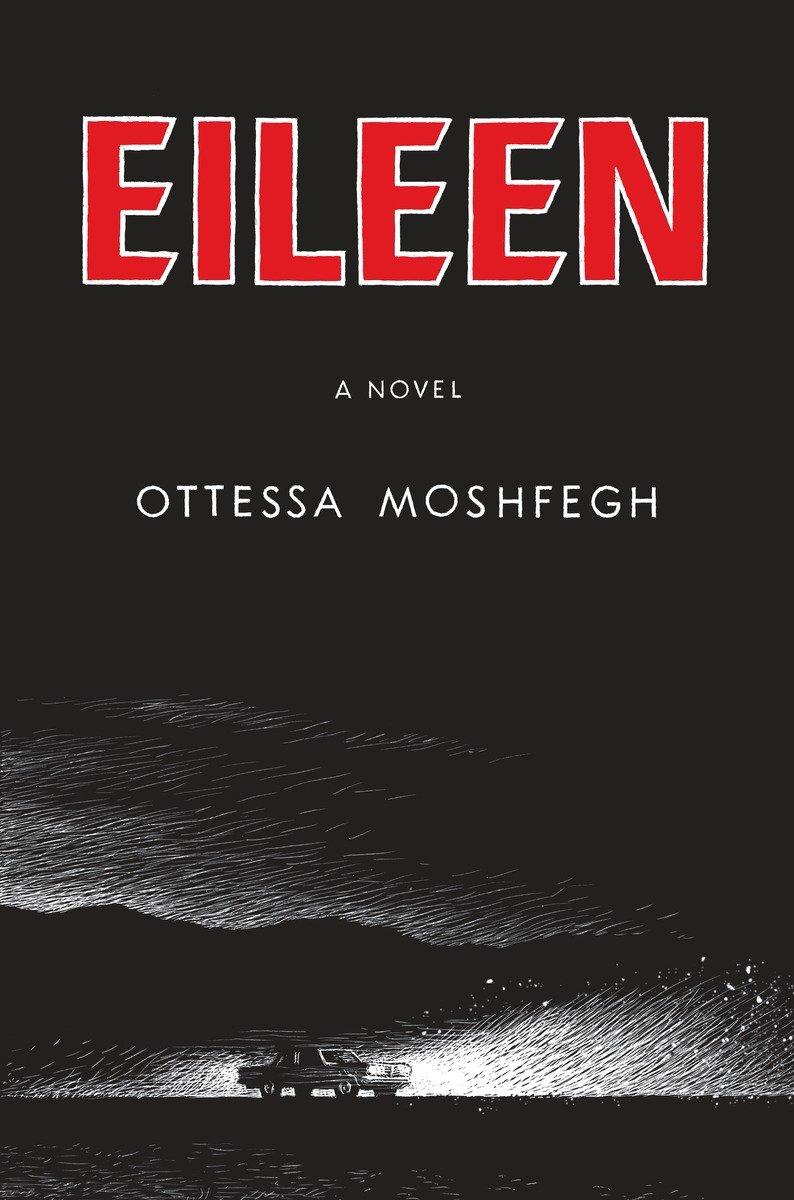
A lonely young woman working in a boys’ prison outside Boston in the early 60s is pulled into a very strange crime, in a mordant, harrowing story of obsession and suspense, by one of the brightest new voices in fiction.
So here we are. My name was Eileen Dunlop. Now you know me. I was twenty-four years old then, and had a job that paid fifty-seven dollars a week as a kind of secretary at a private juvenile correctional facility for teenage boys. I think of it now as what it really was for all intents and purposes — a prison for boys. I will call it Moorehead. Delvin Moorehead was a terrible landlord I had years later, and so to use his name for such a place feels appropriate. In a week, I would run away from home and never go back.
This is the story of how I disappeared.
The Christmas season offers little cheer for Eileen Dunlop, an unassuming yet disturbed young woman trapped between her role as her alcoholic father’s caretaker in a home whose squalor is the talk of the neighborhood and a day job as a secretary at the boys’ prison, filled with its own quotidian horrors. Consumed by resentment and self-loathing, Eileen tempers her dreary days with perverse fantasies and dreams of escaping to the big city. In the meantime, she fills her nights and weekends with shoplifting, stalking a buff prison guard named Randy, and cleaning up her increasingly deranged father’s messes. When the bright, beautiful, and cheery Rebecca Saint John arrives on the scene as the new counselor at Moorehead, Eileen is enchanted and proves unable to resist what appears at first to be a miraculously budding friendship. In a Hitchcockian twist, her affection for Rebecca ultimately pulls her into complicity in a crime that surpasses her wildest imaginings.
Played out against the snowy landscape of coastal New England in the days leading up to Christmas, young Eileen’s story is told from the gimlet-eyed perspective of the now much older narrator. Creepy, mesmerizing, and sublimely funny, in the tradition of Shirley Jackson and early Vladimir Nabokov, this powerful debut novel enthralls and shocks, and introduces one of the most original new voices in contemporary literature.

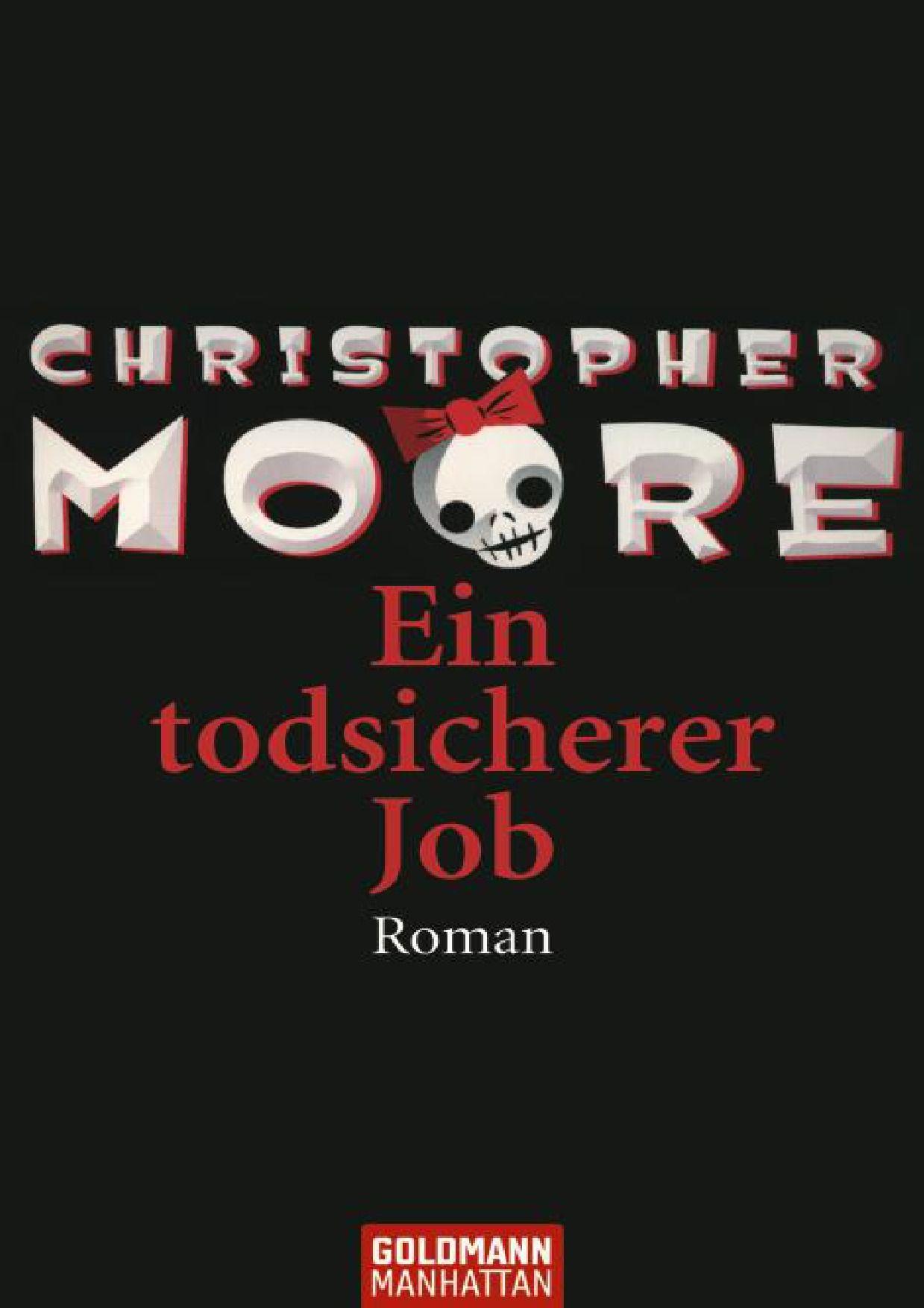
Zum Brüllen komisch und absolut hinreißend – eine liebenswerte Komödie der besonderen Art.
Charlie Ashers Welt ist perfekt, bis seine Frau Rachel bei der Geburt ihres ersten Kindes stirbt. Über Nacht ist Charlie nicht nur Vater, sondern auch Witwer. Und darüber scheint er den Verstand zu verlieren – anders kann er sich das Wesen in Minzgrün nicht erklären, das ihm immer wieder erscheint. Dann fallen auch noch wildfremde Menschen tot vor ihm um, und es stellt sich heraus, dass Charlie von ganz oben eine neue Aufgabe zugewiesen bekommen hat: Seelen einzufangen und sicher ins Jenseits zu befördern. Ein todsicherer Job, aber trotzdem nichts für Charlie …
MARTIN AMIS hates nuclear weapons, and he doesn't care who knows it. In fact, he wants everyone to know it. At mid-career, he has virtually ceased to be a writer of fiction-from 1974 to 1984, he published five comic novels, including the hugely successful Money-and has metamorphosed instead into a kind of anti-nuclear polemicist. Einstein's Monsters, his most recent work, is a collection of stories based on the theme of nuclear holocaust. Lest anyone think this is a chance engagement, Amis has followed up Einstein's Monsters with an article in the October Esquire railing against the insanity of American nuclear planning. The article, a rehash of the Introduction to the present volume, is most notable not for its politics but for the warning it includes to those of us waiting for the return of a depoliticized Martin Amis: "When nuclear weapons become real to you,' he tells us, "hardly an hour passes without some throb or flash, some heavy pulse of imagined super-catastrophe.' The hydrogen bomb has claimed its first English target, and it is the career of Martin Amis.
In his new role, Amis runs around like the sheriff in Jaws, as if he's the only person who knows there's a shark in town and everyone else is trying to keep the beaches open. The Esquire article gives a good sense of the fundamental cheesiness of his political thinking. The members of the Washington nuclear establishment, he says, don't mind talking about "X-ray lasers and hard-kill capabilities,' but they "go green' when the author tries to light up a cigarette. When the author interviews an attache from the Soviet embassy, on the other hand, things go differently; the two "drink a lot of coffee and smoke up a storm.' "Sergi and I got along fine,' Amis tells us. "He didn't want to kill me. I didn't want to kill him.' Amis has invented the Marlboro Peace Plan.
Einstein's Monsters is only a touch more subtle. It consists of five stories, along with both an "Author's Note' and an Introduction. In his Note, Amis vacillates upon the question of whether the stories are polemical. "If they arouse political feelings,' he tells us, "that is all to to the good,' but really, they "were written with the usual purpose in mind: that is to say, with no purpose at all-except, I suppose, to give pleasure, various kinds of complicated pleasure.'
If there is any confusion in the reader's mind, however, it is cleared up by the first story, "Bujak and the Strong Force.' Reading it, one is reminded of the experience of sitting in a college fiction workshop, the excited author right there next to you, enthusiastically explaining the intricacies of his story's symbolic order.
Bujak, the title character, is a hugely powerful Eastern European living in a bad neighborhood in London. A survivor of the Nazi occupation of Poland, he spends a great deal of time arguing with the (American) narrator over the value of revenge. The narrator is anti, Bujak is pro. Bujak polices his block, rounds up petty criminals, makes the streets safe for young ladies at night. "He was our deterrent,' the narrator says. At the end of the story, when Bujak returns to his home to find his mother, daughter, and granddaughter brutally rape-murdered, the drunken perpetrators lying asleep on the floor, we expect him to exact some terrible revenge. But he doesn't. "Why?' the narrator asks. "No court on earth would have sent you down.' (Is this how Americans speak, by the way?) "When I had their heads in my hands,' Bujak replies, "I thought how incredibly easy to grind their faces together. But no… I had no wish to add to what I found.' It's… unilateral disarmament!
Throughout Einstein's Monsters Amis the author is at war with Amis the nuclear theoretician. "Insight at Flame Lake,' for example, would have been a fine schizophrenic-breakdown story, except that Amis the theoretician felt compelled to tack on an anti-nuclear subtext. "Thinkability,' the long introduction to Einstein's Monsters, has its flashes of brilliant writing (the generations of unborn babies who would be aborted by a nuclear war are described as "queueing up in spectral relays until the end of time'), but it is marred by the same sort of simplistic reasoning that plagues the Esquire piece. Amis wants to pin all our problems on the existence of nuclear weapons. In the face of these missiles, no merely personal atrocity matters: "What vulgar outrage or moronic barbarity can compare with the black dream of nuclear exchange?' It's like asking a meter maid, "How dare you give me a ticket when there are Russian tanks illegally parked on the streets of Kabul?' But Amis the satirist knows that it takes a lot more than nuclear weaponry to explain the spiritual malaise of our century, just as Amis the writer knows (or ought to know) that there is always more than one explanation for any human phenomenon. One suspects, in fact, that Amis's opposition to the Strategic Defense Initiative is derived not from the fear of a perilous escalation in the arms race, but from a (perhaps unconscious) perception that, with nuclear weapons gone, the novelist would have to face the fact of unexcused human weakness again.