
 fb2
fb2In Googled, esteemed media writer and critic Ken Auletta uses the story of Google’s rise to explore the inner workings of the company and the future of the media at large. Although Google has often been secretive, this book is based on the most extensive cooperation ever granted a journalist, including access to closed-door meetings and interviews with founders Larry Page and Sergey Brin, CEO Eric Schmidt, and some 150 present and former employees.
Inside the Google campus, Auletta finds a culture driven by brilliant engineers in which even the most basic ways of doing things are questioned. His reporting shines light on how Google has been so hugely successful-and why it could slip. On one hand, Auletta reveals how the company has innovated, from Gmail, Google Maps, and Google Earth to YouTube, search, and other seminal programs. On the other, he charts its conflicts: the tension between massive growth and its mandate of “Don’t be evil”; the limitations of a belief that mathematical algorithms always provide correct answers; and the collisions of Google engineers who want more data with citizens worried about privacy.
More than a comprehensive study of media’s most powerful digital company, Googled is also a lesson in new media truths. Pairing Auletta’s unmatched analysis with vivid details and rich anecdotes, it shows how the Google wave grew, how it threatens to drown media institutions once considered impregnable-and where it is now taking us all.

" Le safari, commencé dans la joie et le plaisir, se transforma en une gigantesque partie de cache-cache, passionnante, irritante, puis insupportable.
Insidieusement, la résolution de tuer M'Bumba l'éléphant s'installa. C'était lui ou nous. Alors s'amorça une lente descente vers l'horreur et l'irréel: la nature explosait d'une beauté violente, la nuit se faisait cataclysme, des milliers de crocodiles devenus déments massacraient les hommes. Nous étions partis pour la mort. perdus au milieu de quelque chose que je ne comprenais pas, qui n'existait pas, quelque chose qui nous tuait les uns après les autres ".
Fièvres, roman fort, envoûtant, sensuel, nous confirme le grand talent de conteur de Cizia Zykë, révélé dans sa trilogie autobiographique: Oro, Sahara et Parodie.

„Hier kommt die Welt zu Ihnen, wie sie noch nie zu Ihnen gekommen ist.“ Elmar Krekeler, DIE WELT.Amal und Hammoudi sind jung, schön und privilegiert, und sie glauben an die Revolution in ihrem Land. Doch plötzlich verlieren sie alles und müssen ums Überleben kämpfen. Sie fliehen. Ein erschütterndes, direktes und unvergessliches Buch.„Amal schaut den Frauen auf der Straße nach. Plötzlich wird ihr bewusst, dass sie nicht mehr dazugehört. Niemand beachtet sie mehr. Wo ist ihr Haus? Ihre Karriere? Und ihre Straße, die immer nach Jasmin roch? Wo sind ihre Bücher und Schallplatten? Wo die Freunde und Verwandten? Die Partys und der Sommer vor dem Pool?Die Welt hat eine neue Rasse erfunden, die der Flüchtlinge, Refugees, Muslime oder Newcomer. Die Herablassung ist in jedem Atemzug spürbar.“Als die syrische Revolution ausbricht, feiert Amal ihre ersten Erfolge als Schauspielerin und träumt von kommendem Ruhm. Zwei Jahre später wird sie im Ozean treiben, weil das Frachtschiff, auf dem sie nach Europa geschmuggelt werden sollte, untergegangen ist. Sie wird ein Baby retten, das sie fortan ihr Eigen nennen wird. Hammoudi hat gerade sein Medizinstudium beendet und eine Stelle im besten Krankenhaus von Paris bekommen. Er fährt nach Damaskus, um die letzten Formalitäten zu erledigen. Noch weiß er nicht, dass er seine Verlobte Claire niemals wiedersehen wird. Dass er mit hundert Wildfremden auf einem winzigen Schlauchboot hocken und darauf hoffen wird, lebend auf Lesbos anzukommen. In Berlin werden sich Amal und Hammoudi wiederbegegnen: zwei Menschen, die alles verloren haben und nun von vorn anfangen müssen.Olga Grjasnowas Romane erinnern uns immer wieder daran, dass es nicht nur diese eine Welt vor unserer Haustür gibt, sondern sehr viele Welten, und dass es sich lohnt, sie kennenzulernen. Ihr neues Buch ist ein erschütterndes Dokument unserer Zeit.
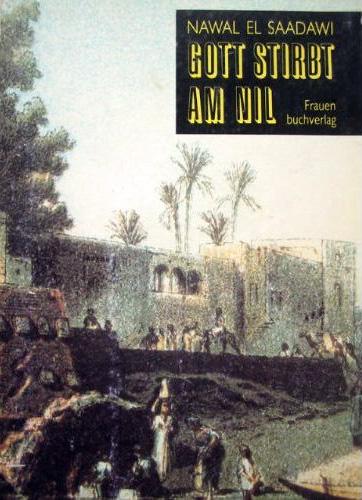
Wie alle armen Bauern in diesem Dorf nimmt Zakeya das harte und entbehrungsreiche Leben als von Allah bestimmt klaglos hin. Das erfahrene Leid, der frühe Tod der meisten ihrer Kinder, die auszehrende Arbeit, der Hunger — alles scheint gottgewollt und unabwendbar. Erst als der Bürgermeister ihre beiden jungen Nichten als Dienstmädchen in sein Haus zwingt und sexuell mißbraucht, fängt Zakeya an, Zusammenhänge zu verstehen. Aber da ist es bereits zu spät, ihre Familie ist zerstört, Bruder und Sohn sind im Gefängnis, die beiden Mädchen aus dem Dorf vertrieben. Für Zakeya ist Gott gestorben, sie rächt sich, das ist ihre einzige Möglichkeit des Widerstandes.
Die ägyptische Ärztin und Schriftstellerin Nawal El Saadawi, in der BRD bekannt durch die Erzählung "Ich spucke auf euch" — "Bericht einer Frau am Punkt Null" betrachtet "Gott stirbt am Nil" als ihren wichtigsten Roman. Die Frauen, von denen sie erzählt und auf deren Seite sie steht, sind in dem Netz klassenspezifischer Ausbeutung und Unterdrückung genau so gefangen wie in patriarchalischen Familienstrukturen. In einer eindrucksvollen und schnörkellosen Erzählweise beschreibt sie das Leben in einem kleinen Dorf am Nilufer, zeigt die Mechanismen von Macht und Abhängigkeit, die Verknüpfung staatlicher und religiöser Macht im Islam genauso wie die Solidarität der Frauen untereinander, wie die Sehnsucht der Menschen nach einem anderen Leben.
Nawal El Saadawi wurde in Kafr Tahla, einem Dorf am Ufer des Nils geboren. Sie arbeitete zunächst als Hebamme, später als Ärztin und war von 1965-72 Direktorin des Gesundheitsamts. Während dieser Zeit eröffnete sie eine Klinik und arbeitete dort drei Jahre lang. Nach der Veröffentlichung ihres ersten Buchs "Woman and Sex" wurde sie ihres Amtes enthoben und ihre Schriften wurden in Ägypten auf den Index gesetzt. Nawal El Saadawi arbeitet heute als Schriftstellerin, sie lebt in Kairo. Nawal El Saadawi erzählt in diesem Roman die Geschichte von Zakeya, einer armen, ungebildeten Bäuerin, deren Verwandte von dem Bürgermeister des Dorfes und seinen Helfershelfern zynisch ausgebeutet und gequält werden.

Believing they were being taken to a better camp, Belgrade's Jews would climb into the truck with a sense of relief. Mainly women, children and the elderly, they expected a long and uncomfortable trip but, after crossing the border, their journey would come to an abrupt end. Here the drivers would get out and attach a hose from the exhaust to the back of the truck-Over the course of a few months in 1942 the Nazis systematically exterminated the majority of Serbia's Jews using carbon monoxide and specially designed trucks. The only information the narrator of this bleakly comic novel can find about the summer when his relatives disappeared is the names of the truck drivers: Götz and Meyer. During his research he becomes fascinated by the unknowable characters and daily lives of these men. But his imagination proves a dangerous force, and his obsession with the past threatens to overwhelm him.
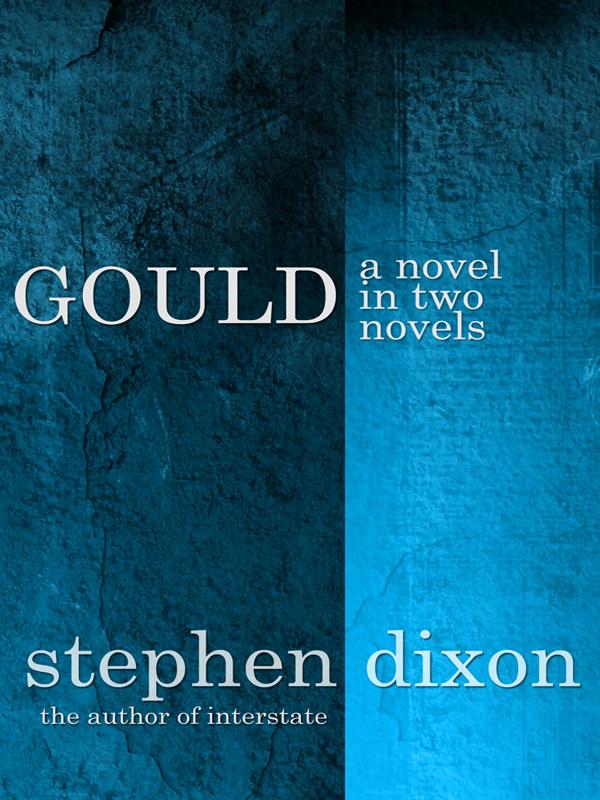
Gould Bookbinder, the protagonist of Stephen Dixon's novel, Gould: A Novel in Two Novels is not a nice man. When we first meet him, he is an opportunistic college freshman in the process of seducing a girl whom he later impregnates. This is just the first of several pregnancies for which Gould accepts no responsibility. He grows older in the first part of the novel-aptly titled "Abortions"-but wisdom is slow to catch up. Not until near the end of the first section, when Gould is in his 40s, does his attitude change. Then he finds himself trying (unsuccessfully) to convince a pregnant girlfriend to have the child. The second part of Gould, entitled "Evangeline," is a flashback to the long affair between Gould and Evangeline-a relationship that lasts as long as it does mainly because of Gould's affection for Evangeline's son.
With no paragraphs, no page breaks, and precious little attribution of dialogue, Gould is not an easy book to read. The eye tires of words running unrelieved by white space across the page, and Dixon's idiosyncratic prose style can be irritating. Despite it all, Gould is ultimately a remarkable and rewarding read as Stephen Dixon transforms his creepy antihero into someone who, while perhaps not likeable, is at least sympathetic.
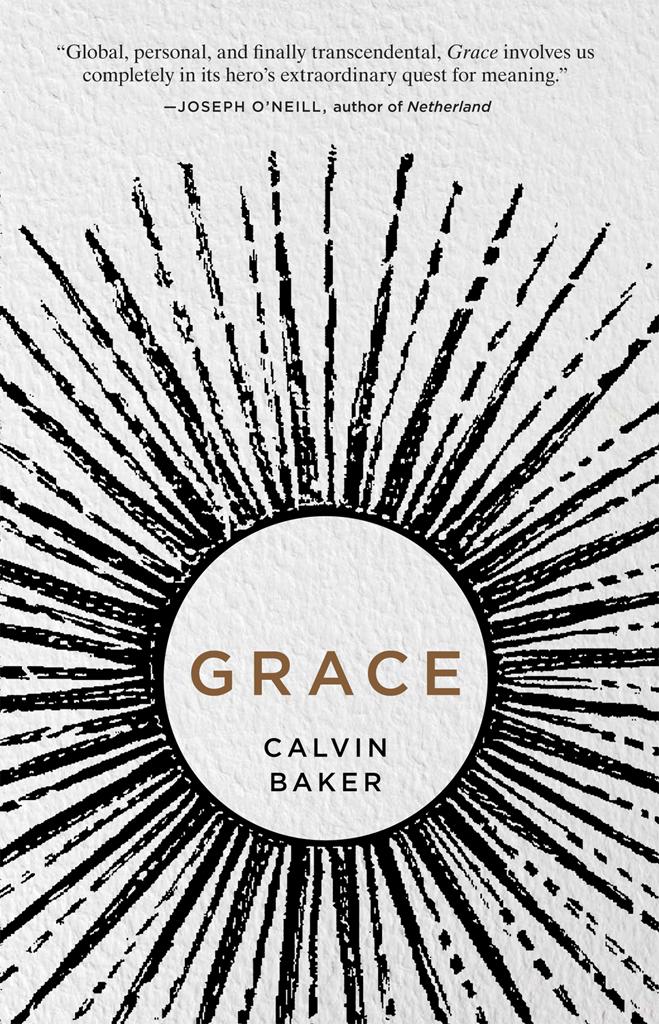
Harper Roland has abandoned his job as a war correspondent, and returned home a weary, jaded 37-year-old. Uncertain of the future but determined to move forward with his life, he begins a search for enduring love-hoping he will also regain the ability to see the beauty of the world.
Along the way, he meets an intellectually gifted but emotionally absent doctor, a beautiful Parisian artist who burns too hot to the touch, and a human rights lawyer who has left New York in search of a more centered life.
The novel's sweeping tale encompasses four continents-where prior assumptions are constantly tested, and men who cling too passionately to certainty unleash destruction-and ultimately leads Harper back to the chaos he was trying to escape. The result is a startlingly fresh view of the contemporary world, in which place and history are mere starting points for the deeper journey into the geography of the human heart.
Calvin Baker is the author of the brilliantly-acclaimed novels Naming the New World, Once Two Heroes and Dominion, which was a finalist for the Hurston-Wright Award, a New York Magazine Critics’ Pick and New York Daily News Best Book of the Year. He has taught at Columbia University, in the Graduate School of the Arts, and at the University of Leipzig, Germany as Picador Professor of American Studies. He grew up in Chicago and currently lives in New York.
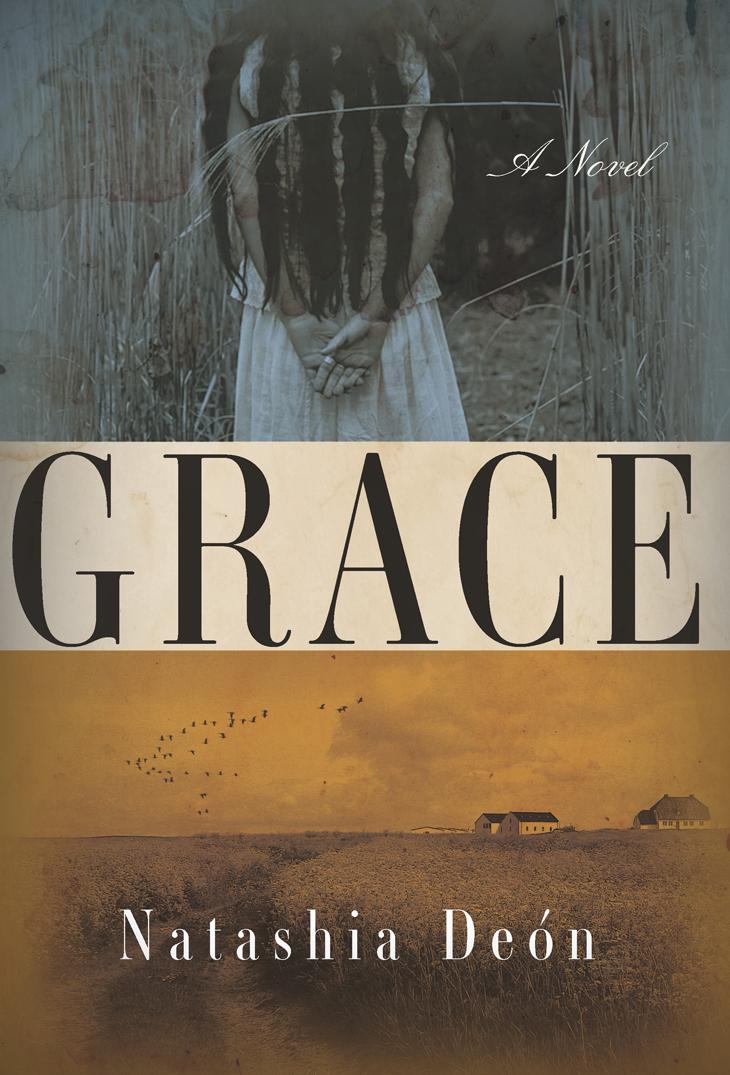
For a runaway slave in the 1840s south, life on the run can be just as dangerous as life under a sadistic Massa. That’s what fifteen-year-old Naomi learns after she escapes the brutal confines of life on an Alabama plantation. Striking out on her own, she must leave behind her beloved Momma and sister Hazel and take refuge in a Georgia brothel run by a freewheeling, gun-toting Jewish madam named Cynthia. There, amidst a revolving door of gamblers, prostitutes, and drunks, Naomi falls into a star-crossed love affair with a smooth-talking white man named Jeremy who frequents the brothel’s dice tables all too often.
The product of Naomi and Jeremy’s union is Josey, whose white skin and blonde hair mark her as different from the other slave children on the plantation. Having been taken in as an infant by a free slave named Charles, Josey has never known her mother, who was murdered at her birth. Josey soon becomes caught in the tide of history when news of the Emancipation Proclamation reaches the declining estate and a day of supposed freedom quickly turns into a day of unfathomable violence that will define Josey — and her lost mother — for years to come.
Deftly weaving together the stories of Josey and Naomi — who narrates the entire novel unable to leave her daughter alone in the land of the living—Grace is a sweeping, intergenerational saga featuring a group of outcast women during one of the most compelling eras in American history. It is a universal story of freedom, love, and motherhood, told in a dazzling and original voice set against a rich and transporting historical backdrop.
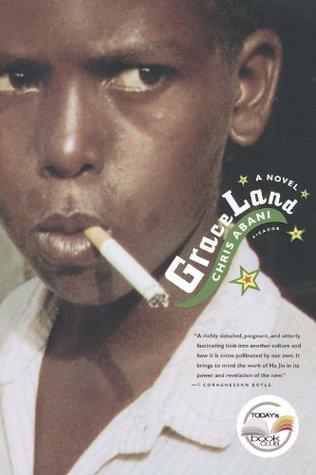
This novel is set in Maroko, a sprawling, swampy, crazy and colorful ghetto of Lagos, Nigeria, and unfolds against a backdrop of lush reggae and highlife music, American movies and a harsh urban existence. Elvis Oke, a teenage Elvis impersonator spurred on by the triumphs of heroes in the American movies and books he devours, pursues his chosen vocation with ardent single-mindedness. He suffers through hours of practice set to the tinny tunes emanating from the radio in the filthy shack he shares with his alcoholic father, his stepmother and his stepsiblings. He applies thick makeup that turns his black skin white, to make his performances more convincing for American tourists and hopefully net him dollars. But still he finds himself constantly broke. Beset by hopelessness and daunted by the squalor and violence of his daily life, he must finally abandon his dream.
With job prospects few and far between. Elvis is tempted to a life of crime by the easy money his friend Redemption tells him is to be had in Lago's underworld. But the King of the Beggars, Elvis's enigmatic yet faithful adviser, intercedes. And so, torn by the frustration of unrealizable dreams and accompanied by an eclectic chorus of voices, Elvis must find a way to a Graceland of his own making.
Graceland is the story of a son and his father, and an examination of postcolonial Nigeria, where the trappings of American culture reign supreme.
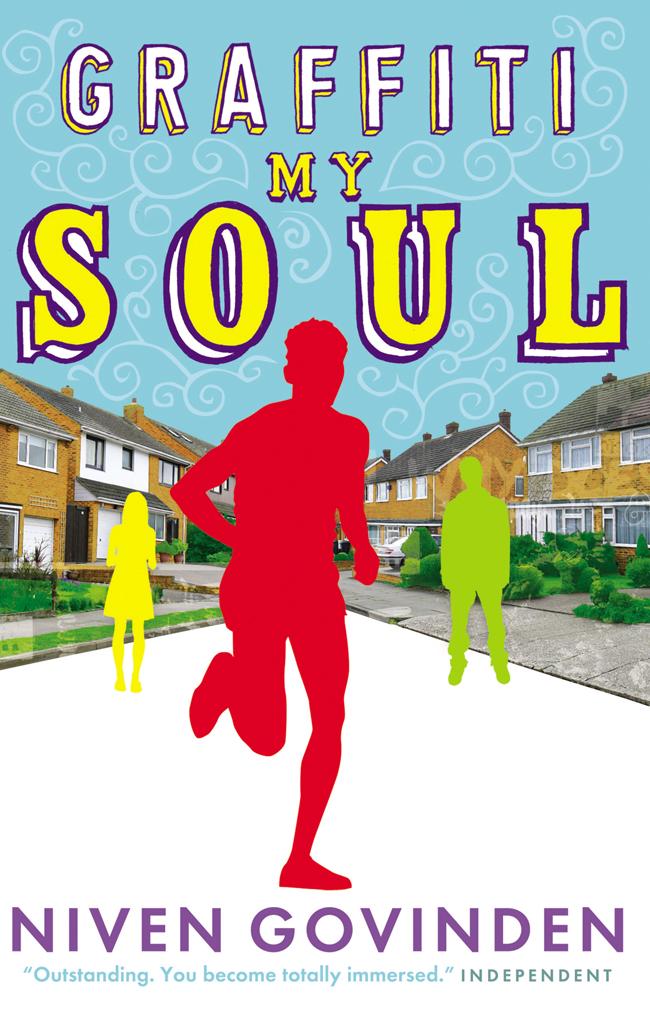
This is Surrey, where nothing bad ever happens. Except somehow, 15-year-old Veerapen, half-Tamil, half-Jew and the fastest runner in the school, has just helped bury Moon Suzuki, the girl he loved. His dad has run off with an optician and his mum’s going off the rails. Since when did growing up in the suburbs get this complicated?As the knots of Moon and Veerapen’s tragic romance unravel, Niven Govinden brings to life a misfit hero of the school yard, bristling with tenderness, venom and vigour.
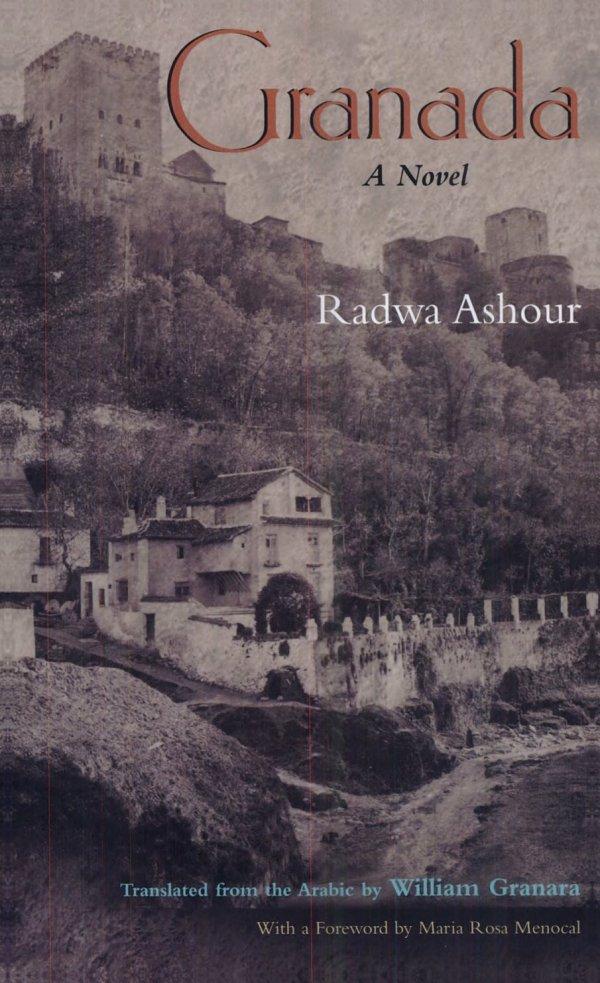
A novel of life in the mixed culture that existed in Southern Spain before the expulsion of Arabs and Jews, following the life of Abu Jaafar, the bookbinder, and his family as they witness Christopher Columbus’ triumphant parade through the streets.
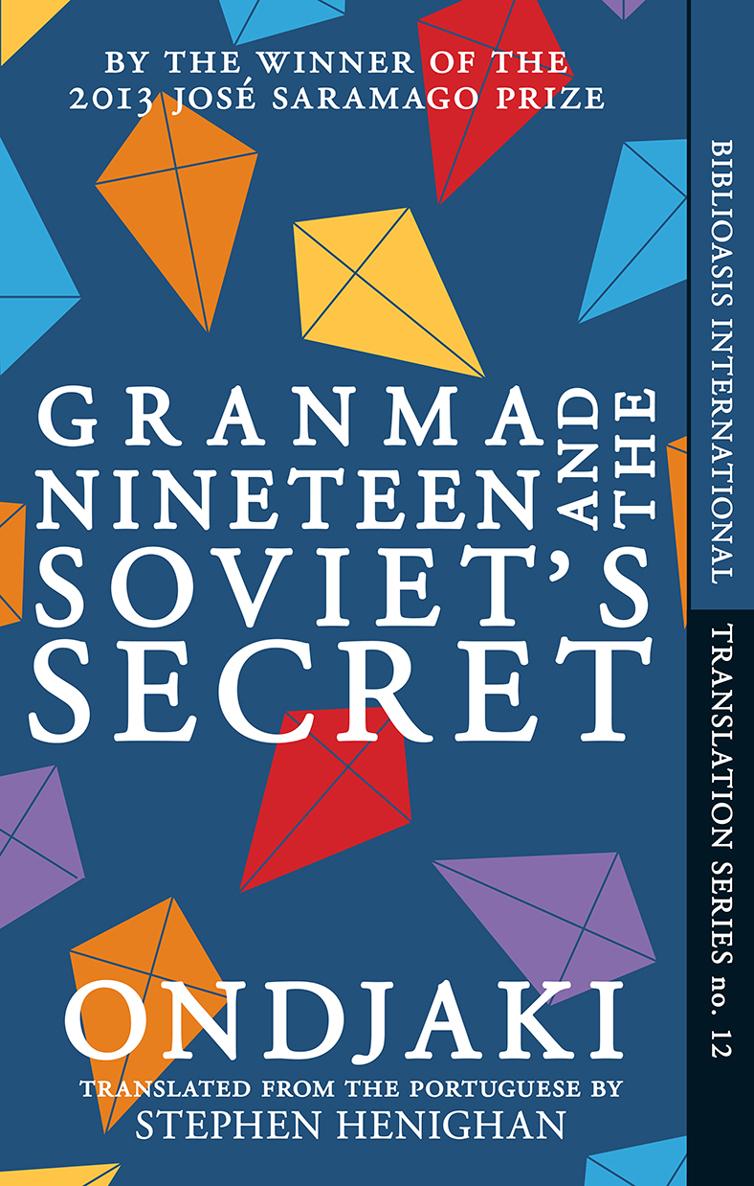
BY THE WINNER OF THE 2013 JOSÉ SARAMAGO PRIZE
AN AFRICA39/UNESCO CITY OF LITERATURE 2014 TOP AFRICAN WRITER UNDER 40
A GUARDIAN TOP FIVE AFRICAN WRITER, 2012
WINNER OF THE GRINZANE PRIZE FOR BEST YOUNG WRITER, 2010
By the beaches of Luanda, the Soviets are building a grand mausoleum in honour of the Comrade President. Granmas are whispering: houses, they say, will be dexploded, and everyone will have to leave. With the help of his friends Charlita and Pi (whom everyone calls 3.14), and with assistance from Dr. Rafael KnockKnock, the Comrade Gas Jockey, the amorous Gudafterov, crazy Sea Foam, and a ghost, our young hero must decide exactly how much trouble he’s willing to face to keep his Granma safe in Bishop’s Beach.
Energetic and colourful, impish and playful, Granma Nineteen and the Soviet’s Secret is a charming coming-of-age story from the next rising star in African literature.
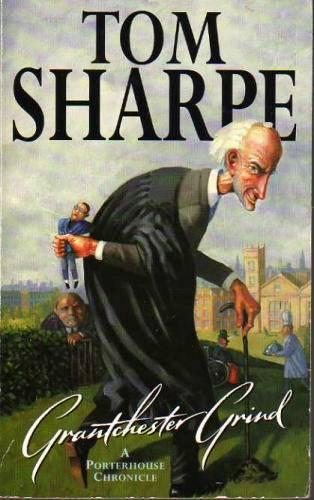
The sequel to "Porterhouse Blue". With a new master, Scullion, now in charge and doubts still surrounding the death of the late Master, more unspeakably awful goings-on are inevitable at Cambridge's most disreputable college.
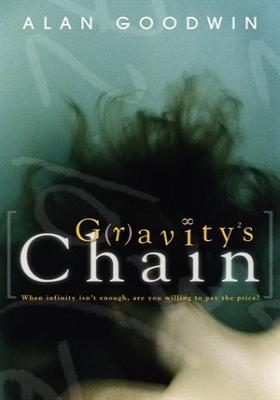
A contemporary novel about what happens when a brilliant young New Zealand scientist manages to solve the scientific disparity between the previously incompatible theories of Relativity and Quantum, creating the new Superforce Theory, with significant lucrative commercial applications.
His discovery occurs the same night his wife commits suicide, and the book describes his battle with guilt, the trappings of sudden worldwide fame, alcohol and drugs as his theory is taken over by the multi-nationals and he finds himself suddenly cast as an ‘every-move-PR-managed international showman’ selling science as entertainment.
While he is being groomed for a Nobel Prize, a rival theory emerges and in the tense months leading up to the Nobel announcement his personal life falls apart, when old relationships remerge and someone who knows him very well starts sending him anonymous letters that stir up painful memories.
A scathing, clever and very well-written contemporary novel from an exciting new writer.
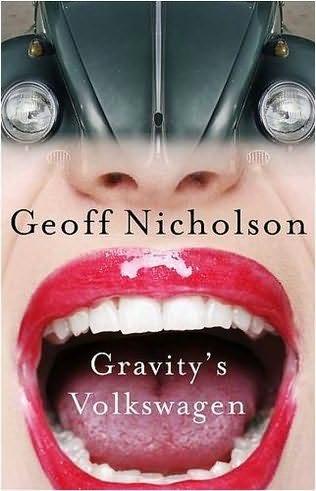
Ian Blackwater was surprised when film rights to his novel Volkswagens and Velociraptors were sold. And more surprised to find himself on location in California, particularly as the novel was set in London. However Ian knows better than to interfere with the creative process and he wants to see how the director Josh Martin goes about transforming the novel into film.
Ian gets to see not just the movie making but also Motorhead's Phil's Famous Automotive Freak Show — an assortment of petrol heads and vagabonds rehearsing their own brand of culture fest on the neighbouring lot. Relations between the two — filmmakers and Automotive Freaks — are less than cordial and before long Ian finds himself far more involved with both than he intended.
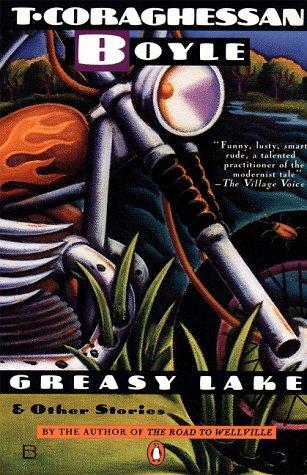
Mythic and realistic, farcical and tragic, The Washington Post Book World says these masterful stories mark T. Coraghessan Boyle's development from "a prodigy's audacity to something that packs even more of a wallop: mature artistry." They cover everything, from a terrifying encounter between a bunch of suburban adolescents and a murderous, drug-dealing biker, to a touching though doomed love affair between Eisenhower and Nina Khruschev.

The narrator of this novel is Bucky Wunderlick, a Dylan-Jagger amalgam who finds he's gone as far as he knows how. Mid tour he leaves his rock band and holes up in a dingy East Village apartment, in Great Jones Street. The plot revolves around his retreat and a drug designed to silence dissidents.
Philip Roth says the novel is dead, but it would be more accurate to say the audience is dead – we're all just too polite to mention it. What is killing the novel is people's growing dependence on feel-good fiction, fantasy and non-fiction. With this comes an inability or unwillingness to tolerate any irregularities of form, a prissy quibbling over capital letters, punctiliousness about punctuation. They act like we're still at school! Real writing is not about rules. It's about electrifying prose, it's about play.
For anyone who wants to write or read daredevil, risk-taking prose, therefore, it was tremendously encouraging that Elfriede Jelinek won the Nobel prize for literature in 2004. But most British readers hadn't heard of her, despite four novels being available from Serpent's Tail (Lust, Wonderful, Wonderful Times, Women as Lovers, and The Piano Teacher), all of them full of her uniquely sneering tone and tireless fury with the human race. Jelinek seized the novel by its bootstraps and shook it upside down. Was she looking for coins or keys, or just trying to prevent fiction swallowing any more insincerity? Her dynamic writing gives a sense of civilisation surviving against the odds.
Jelinek's work is brave, adventurous, witty, antagonistic and devastatingly right about the sorriness of human existence, and her contempt is expressed with surprising chirpiness: it's a wild ride. She has also developed a form of cubism, whereby she can approach any subject from any angle, sometimes within the same sentence, homing in with sudden tenacity on some detail such as dirndls or murderers' female pen-pals. Recreating the way the brain lurches along, spreads out, reels itself in or goes on strike, her metaphors and puns run amok, beauteousness sacrificed to a kaleidoscopic inventiveness. Wrongly accused here of writing porn, in America she has been criticised, absurdly, for living with her mother, having a website, and not going along with the war in Iraq. They treat her like some kind of moral philosopher. You can't blame a novelist for being provocative and voicing dissent – that's her job! Without novelists, who's to guide us? Scientists? Priests? Politicians?
The innovation in Greed is that Jelinek intrudes more than ever before, rushing in and out of her own book like someone with tummy trouble. She likes to present herself as the bumbling author: "It's a frequent reproach, that I stand around looking stupid and drop my characters, before I even have them, because to be honest I pretty quickly find them dull." She admits to many mistakes: "Oh dear, that doesn't work, and it's also a repetition. Forgive me, I often can't keep up with myself." She hates naming her characters – "It sounds so silly." She identifies a needy piano teacher as a portrait of herself, then proceeds to ridicule and finally destroy her.
What it amounts to is a dismantling of the novel before our eyes. Greed lacks the focus of Jelinek's previous books, and is nearly incoherent at times. It is a cry of despair – despair about herself as a writer as much as about the characters she invents: "What is so wretched about me, that I can only be used for writing?" These are the exasperated outpourings of a great writer suffering from a lack of recognition (the book was written before Jelinek won the Nobel). There's a bewildered, lonely quality to it, as well as a few too many references to current affairs, and some lazy passages that suggest she no longer believes she has any readers at all – and despite that, some wonderful, defiant mischief-making. She can't go on, she will go on.
The plot, involving the semi-accidental murder of a teenage girl and the dumping of her body in an ominous lake, is minimal and haphazard, its main function to flesh out the divisions between men and women. They are on completely different wavelengths, the women in love with a "country policeman", and he latently in love with men, and blatantly with property. There are other greeds, too, that of banks, naturally, and phone companies, "hot for our voices", and the church. Describing a fancy crucifix, Jelinek writes: "the prominent victim is so full of pride at his stiff price that he's almost bursting out of the screws with which he's fastened to his instrument".
But the country policeman's greed surpasses all. He has prostituted himself to every woman in the vicinity and beyond, in the hope that they will hand over their houses to him, or at least leave him something in their wills. He thinks of female genitalia in the same way, all these doors permanently flung open for him. Jelinek circles round him, disgustedly observing that he "completely lacks a whole dimension, that is… that there are other people apart from himself". "We should all hate corporeal life, but only this country policeman… really does hate it. One just doesn't notice at first, because he sometimes jokes and laughs and sings songs to the accordion."
She is equally scathing about women and their repellent eagerness to be loved. Sex is furtive, violent, base – "you give each other a good licking" – and love merely a common foible which, for women at least, always involves a dangerous loss of selfhood. Jelinek gives us a startling glimpse here of what women are, as well as answering Freud's question, "What do women want?" It's neither gentle nor sweet nor safe nor reasonable – just true.
Carole Angier
***
Greed was published in German in 2000, and thus made part of the oeuvre for which Elfriede Jelinek was awarded the Nobel Prize in 2004. Its plot is soon told. Kurt Janisch, an Austrian country policeman, preys on women. He murders a very young one and drives an elderly one to suicide. This is a long novel, but few of its many pages actually advance the plot. Only now and then, as a sort of concession, will a sentence or two tell us what happens next. Greed might be variously described, but not, I think (pace the blurb), as a thriller.
Mostly, Greed consists of digression, commentary and repetition. A reader interested in story will feel consistently thwarted; perhaps also that such an interest is inappropriate. Serious fiction, you might begin to feel, shouldn't pander to readers wanting to know what happens next.
In German (but not in this translation) the novel has a sub-title: Ein Unterhaltungsroman; that is, light reading, or a novel you might read for fun. This term is at least Jelinek's own, a part of her project and the first note of her characteristic tone of voice, which is sardonic. There are many voices in Greed – the women, Janisch, others in their community – but all sound much the same, infected by the sardonic facetiousness of the author herself; so that, despite its variety of perspective, the tone of the whole is remarkably homogeneous. That tone is a slant expression of outrage, sign of Jelinek's moral seriousness. Her plot and its characters are a canker within the canker of Austria, which may itself be an exemplar of things in general.
Janisch is indeed a nasty piece of work. He has brutal sex with women, hates, fears and despises them; but his greed is really for property. Most readers would, I guess, have been able to develop out of Janisch's character and deeds a critique of the most rapacious and murderous tendencies in modern capitalism; Jelinek does it for them. She is a ranter, and there is much to rant about: polluted lakes, mined-out mountains, tourism, sport, old people's homes, the Nazi past, the fascistic present, the traffic… In the ranting, she resembles her compatriot Thomas Bernhard; but he is, blackly speaking, funnier.
Bernhard's sentences give pleasure. Jelinek seems to want to match the ugliness of her subject with a language that, if not always downright ugly, is never attractive. The sentences are made unshapely by the expanding bulk of ridiculed material. Her book steadfastly prohibits what literary language engenders naturally: pleasure. Her translator aids and abets her in this.
All the author's inventiveness goes into the book's lateral expansion. Her procedures are baroque: a heaping up of instances; frequent allegorising; bizarre conceits. You might even call her whimsical. She devises far-fetched ways of saying a thing, to shock us into awareness with a grisly whimsy.
Greed has considerable energy and force. Its moral urgency is beyond doubt. But, reading it, you enter a swirling fog of rage, outrage and sardonic contempt that envelops everything, victims and villain alike, the women in their way being as bad as he is: so foolish, so greedy for affection, gobbling him up, no wonder he is fearful. Throughout it all, insistently, comes the author's own voice, sardonic towards herself, doubting her right and ability do what she is doing. This is the stuff of secondary literature: fiction's failure in the face of life. But a persuasive fiction, one in which the author and readers believe, is more powerful, and can do more good, than Jelinek allows herself to suppose.
David Constantine

«Green Card» – воістину чоловічий роман, книга про протистояння долі, становлення характеру, подолання жорстких обставин і неабияких випробувань. Читача чекає яскраво й динамічно написана історія перетворення юного лузера на суворого і досвідченого воїна-спецпризначенця, а поштовхом до цього стає випадково виграна у лотерею картка, що надає право на проживання в Сполучених Штатах.

Green Girl is The Bell Jar for today — an existential novel about Ruth, a young American in London, kin to Jean Seberg gamines and contemporary celebutantes. Ruth works a string of meaningless jobs: perfume spritzer at a department store she calls Horrids, clothes-folder, and a shopgirl at a sex shop. Ruth is looked at constantly — something she craves and abhors. She is followed by a mysterious narrator, the voice equally violent and maternal. Ruth and her toxic friend, Agnes, are obsessed with cosmetics and fashion and film, with boys, with themselves, and with each other. Green Girl is about that important and frightening and exhilarating period of being adrift and screwing up, a time when drunken hook-ups and infatuations, nervous breakdowns, and ecstatic epiphanies are the order of the day.