 fb2
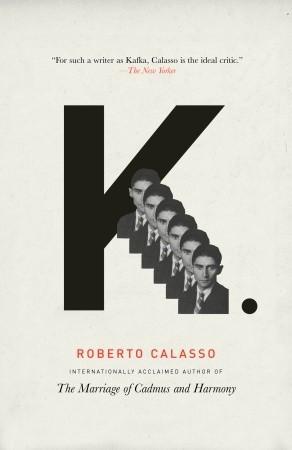
fb2From the internationally acclaimed author of The Marriage of Cadmus and Harmony comes one of the most significant books in recent years on a writer of perennial interest — a virtuoso interpretation of the work of Franz Kafka.
What are Kafka’s fictions about? Are they dreams? Allegories? Symbols? Countless answers have been offered, but the essential mystery remains intact. Setting out on his own exploration, Roberto Calasso enters the flow, the tortuous movement, the physiology of Kafka’s work to discover why K. and Josef K. — the protagonists of The Castle and The Trial—are so radically different from any other character in the history of the novel, and to determine who, in the end, is K. The culmination of Calasso’s lifelong fascination with Kafka’s work, K. is also an unprecedented consideration of the mystery of Kafka himself.
"A giddy invasion of stories-brilliant, enigmatic, troubling, outrageous, erotic, beautiful." — The New York Times Book Review
"So brilliant that you can't look at it anymore-and you can't look at anything else. . No one will read it without reward."
— The Boston Globe
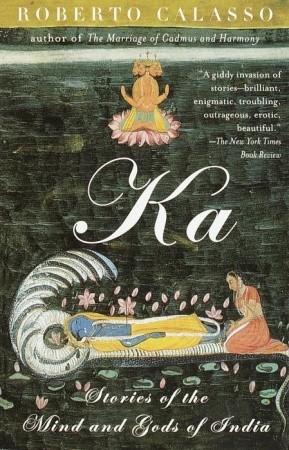
With the same narrative fecundity and imaginative sympathy he brought to his acclaimed retelling of the Greek myths, Roberto Calasso plunges Western readers into the mind of ancient India. He begins with a mystery: Why is the most important god in the Rg Veda, the oldest of India's sacred texts, known by a secret name-"Ka," or Who?
What ensues is not an explanation, but an unveiling. Here are the stories of the creation of mind and matter; of the origin of Death, of the first sexual union and the first parricide. We learn why Siva must carry his father's skull, why snakes have forked tongues, and why, as part of a certain sacrifice, the king's wife must copulate with a dead horse. A tour de force of scholarship and seduction, Ka is irresistible.
"Passage[s] of such ecstatic insight and cross-cultural synthesis-simply, of such beauty." — The New York Review of Books
"All is spectacle and delight, and tiny mirrors reflecting human foibles are set into the weave,turning this retelling into the stuff of literature." — The New Yorker
The first word in this mesmerizing novel by the winner of the Nobel Prize for Literature is “No.” It is how the novel’s narrator, a middle-aged Hungarian-Jewish writer, answers an acquaintance who asks him if he has a child. It is the answer he gave his wife (now ex-wife) years earlier when she told him that she wanted one. The loss, longing and regret that haunt the years between those two “no”s give rise to one of the most eloquent meditations ever written on the Holocaust.
As Kertész’s narrator addresses the child he couldn’t bear to bring into the world he ushers readers into the labyrinth of his consciousness, dramatizing the paradoxes attendant on surviving the catastrophe of Auschwitz. Kaddish for the Unborn Child is a work of staggering power, lit by flashes of perverse wit and fueled by the energy of its wholly original voice.
From the Trade Paperback edition.

Amazon.com
The opening pages of a Haruki Murakami novel can be like the view out an airplane window onto tarmac. But at some point between page three and fifteen-it's page thirteen in Kafka On The Shore-the deceptively placid narrative lifts off, and you find yourself breaking through clouds at a tilt, no longer certain where the plane is headed or if the laws of flight even apply.
Joining the rich literature of runaways, Kafka On The Shore follows the solitary, self-disciplined schoolboy Kafka Tamura as he hops a bus from Tokyo to the randomly chosen town of Takamatsu, reminding himself at each step that he has to be "the world¹s toughest fifteen-year-old." He finds a secluded private library in which to spend his days-continuing his impressive self-education-and is befriended by a clerk and the mysteriously remote head librarian, Miss Saeki, whom he fantasizes may be his long-lost mother. Meanwhile, in a second, wilder narrative spiral, an elderly Tokyo man named Nakata veers from his calm routine by murdering a stranger. An unforgettable character, beautifully delineated by Murakami, Nakata can speak with cats but cannot read or write, nor explain the forces drawing him toward Takamatsu and the other characters.
To say that the fantastic elements of Kafka On The Shore are complicated and never fully resolved is not to suggest that the novel fails. Although it may not live up to Murakami's masterful The Wind-Up Bird Chronicle, Nakata and Kafka's fates keep the reader enthralled to the final pages, and few will complain about the loose threads at the end.
From Publishers Weekly
Starred Review. Previous books such as The Wind-Up Bird Chronicle and Norwegian Wood have established Murakami as a true original, a fearless writer possessed of a wildly uninhibited imagination and a legion of fiercely devoted fans. In this latest addition to the author's incomparable oeuvre, 15-year-old Kafka Tamura runs away from home, both to escape his father's oedipal prophecy and to find his long-lost mother and sister. As Kafka flees, so too does Nakata, an elderly simpleton whose quiet life has been upset by a gruesome murder. (A wonderfully endearing character, Nakata has never recovered from the effects of a mysterious World War II incident that left him unable to read or comprehend much, but did give him the power to speak with cats.) What follows is a kind of double odyssey, as Kafka and Nakata are drawn inexorably along their separate but somehow linked paths, groping to understand the roles fate has in store for them. Murakami likes to blur the boundary between the real and the surreal-we are treated to such oddities as fish raining from the sky; a forest-dwelling pair of Imperial Army soldiers who haven't aged since WWII; and a hilarious cameo by fried chicken king Colonel Sanders-but he also writes touchingly about love, loneliness and friendship. Occasionally, the writing drifts too far into metaphysical musings-mind-bending talk of parallel worlds, events occurring outside of time-and things swirl a bit at the end as the author tries, perhaps too hard, to make sense of things. But by this point, his readers, like his characters, will go just about anywhere Murakami wants them to, whether they "get" it or not.
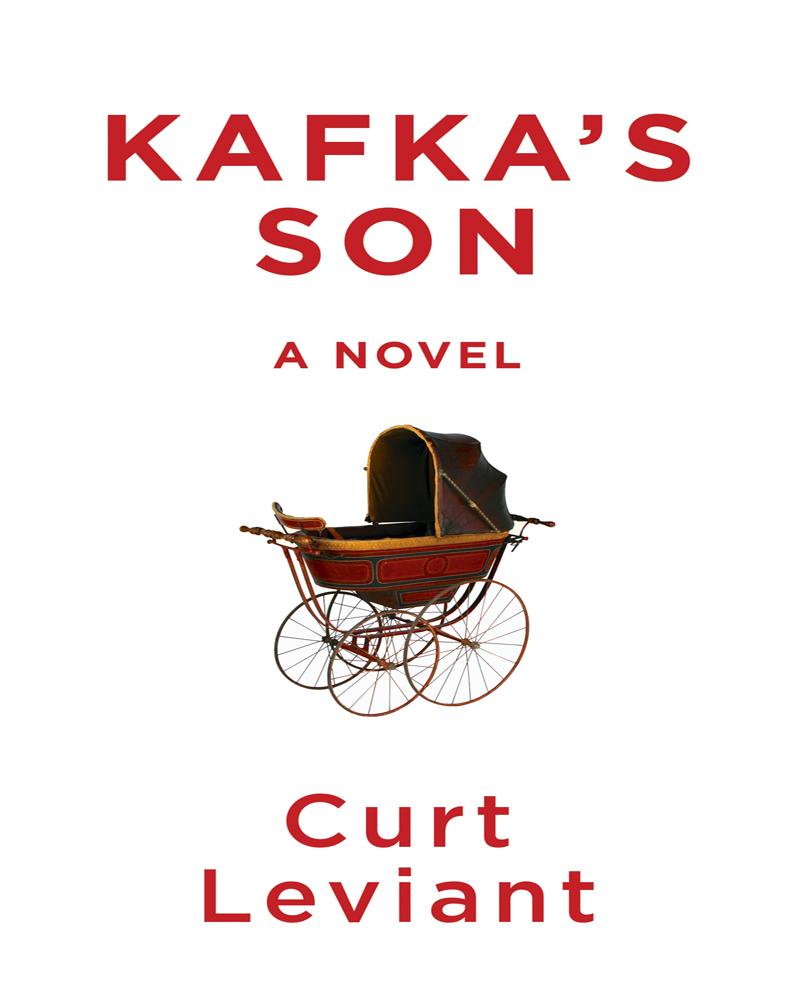
Set in New York City and Prague in 1992, Kafka’s Son follows a first-person narrator who is a documentary filmmaker. In a New York synagogue, he meets an elderly Czech Jew named Jiri, once the head of the famous Jewish Museum in Prague, with whom he discovers a shared love of Kafka. Inspired by this friendship, the narrator travels to Prague to make a film about Jewish life in the city and its Kafka connections.
In his search for answers, he crosses paths with the beadle of the famous 900-year-old Altneushul synagogue, the rumored home to a legendary golem hidden away in a secret attic — which may or may not exist; a mysterious man who may or may not be Kafka’s son — and who may or may not exist; Mr. Klein, who although several years younger than Jiri may or may not be his father; and an enigmatic young woman in a blue beret — who is almost certainly real.
Maybe.
As Prague itself becomes as perplexing and unpredictable as its transient inhabitants, Curt Leviant unfolds a labyrinthine tale that is both detective novel and love story, captivating maze and realistic fantasy, and a one hundred percent stunning tribute to Kafka and his city.
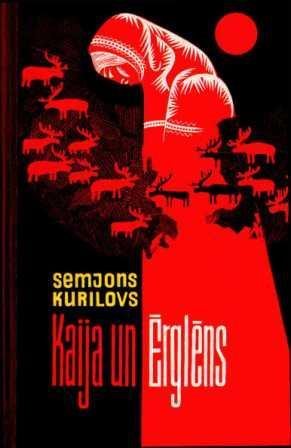
Semjons Kurilovs
Kaija un Ērglēns
Romāns
Romāna darbība sākas 19tā gs. beigās un turpinās līdz 1915 gadam. Divu jukagiras jauniešu - Kaijas (Halerhas) un Ērglēna (Hanido) likteņa gaitas, kas savijas ar tālās ziemeļu tautas - jukagiru likteni. Lielu pārmaiņu gaidas - tāds ir romāna galvenais patoss.
izdevniecība «Liesma» Rīga 1973
Семен Николаевич Курилов ХАНИДО И ХАЛЕРХА Роман
Роман-газета, 1969, № 22—23 Издательство «Художественная литература» Москва
Издательство «Лиесма» Рига 1973 На латышском языке Перевод с русского Л. Бнбере Художник Р. Музис
No krievu valodas tulkojusi Ligita Bībere Mākslinieks Roberts Muzis
Noskanējis grāmatu un failu izveidojis Imants Ločmelis imantslochmelis@inbox.lv
©Tulkojums latviešu valodā,
«Liesma», 1973


Ji priklausoma nuo kavos, alergiška sportui, savikritiška ir skeptiška rašytoja. Prisidėkite prie Isabelės Losados ir kartu ieškokite savęs: gilinkitės į savo pojūčius, sielą ir gyvenimą. Pasiskaitykite apie linksmas nevykusių fengšui konsultantų pastangas bei puikiai nusisekusią ajahuaskos gėrimo ceremoniją.
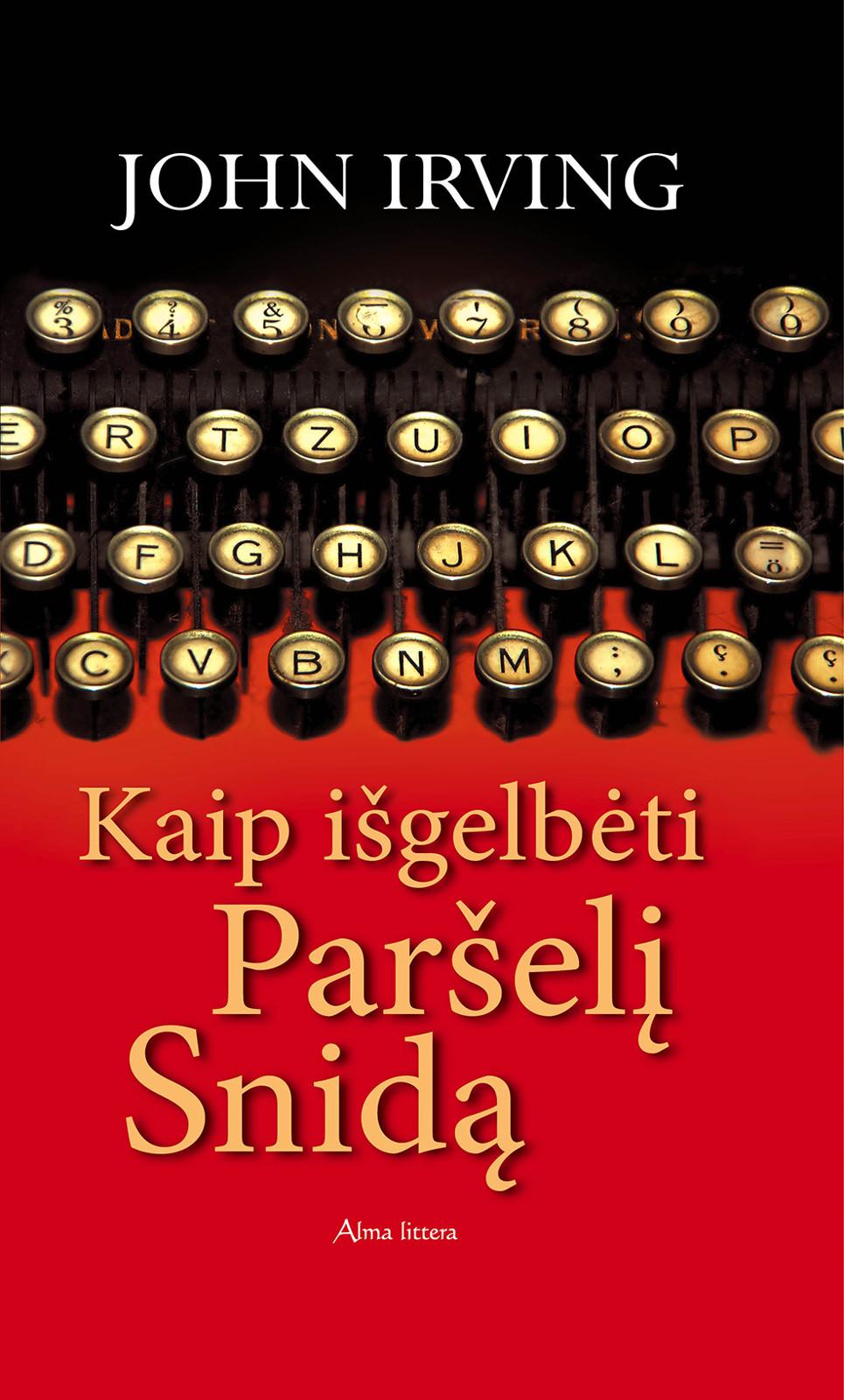
Tai pirma tokia Johno Irvingo (Džono Irvingo) knyga: atsiminimų, smulkiosios prozos ir esė rinktinė. Apsakyme, kurio pavadinimas duotas visai knygai, pasakojama, kaip miestelio šiukšliavežio mirtis įžiebė paaugliui Johnui Irvingui troškimą rašyti. Sodriai, nuostabiai ir įvairiapusiškai skleidžiasi vieno išradingiausių ir aistringiausių amerikiečių prozininkų kūrybinė mintis. Johnas Irvingas vėl įrodė turįs tiek vaizduotės, kad pakaktų dešimčiai rašytojų. (The Denver Post)
Max Glickman, a Jewish cartoonist whose seminal work is a comic history titled "Five Thousand Years of Bitterness," recalls his childhood in a British suburb in the 1950s. Growing up, Max is surrounded by Jews, each with an entirely different and outspoken view on what it means to be Jewish. His mother, incessantly preoccupied with a card game called Kalooki, only begrudgingly puts the deck away on the High Holy Days. Max's father, a failed boxer prone to spontaneous nosebleeds, is a self-proclaimed atheist and communist, unable to accept the God who has betrayed him so unequivocally in recent years.But it is through his friend and neighbor Manny Washinsky that Max begins to understand the indelible effects of the Holocaust and to explore the intrinsic and paradoxical questions of a postwar Jewish identity. Manny, obsessed with the Holocaust and haunted by the allure of its legacy, commits a crime of nightmare proportion against his family and his faith. Years later, after his friend's release from prison, Max is inexorably drawn to uncover the motive behind the catastrophic act — the discovery of which leads to a startling revelation and a profound truth about religion and faith that exists where the sacred meets the profane.
Spanning the decades between World War II and the present day, acclaimed author Howard Jacobson seamlessly weaves together a breath-takingly complex narrative of love, tragedy, redemption, and above all, remarkable humor. Deeply empathetic and audaciously funny, "Kalooki Nights" is a luminous story torn violently between the hope of restoring and rebuilding Jewish life, and the painful burden of memory and loss.
"Challenging, beautifully written "-Library Journal
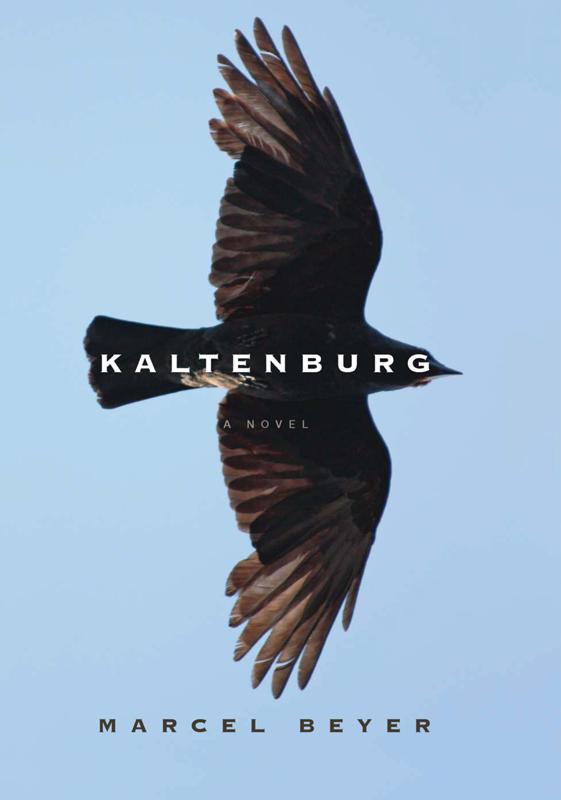
Hailed by The New Yorker as one of the best young novelists and recipient of Germany’s most prestigious literary awards, Marcel Beyer returns with a brilliantly wrought novel that brings to life both an individual and a whole world: the zoologist Ludwig Kaltenburg, loosely based on Nobel Prize — winner Konrad Lorenz, and his institute for research into animal behavior.
Hermann Funk first meets Kaltenburg when still a child in Posen in the 1930s. Hermann’s father, a botanist, and Kaltenburg are close friends, but a rift occurs. In 1945, fleeing the war, the Funks perish in the Dresden bombing, and Hermann finds his way to Kaltenburg’s newly established institute. He becomes Kaltenburg’s protégé, embracing the Institute’s unconventional methods. Yet parts of Kaltenburg’s past life remain unclear. Was he a member of the Nazi Party? Does he believe his discoveries about aggression in animals also apply to humans? Why has he erased the years in Posen from his official biography?
Through layers of memory and experience Hermann struggles to reconcile affection and doubt, to make sense of his childhood, even as he meets a woman with family secrets of her own.
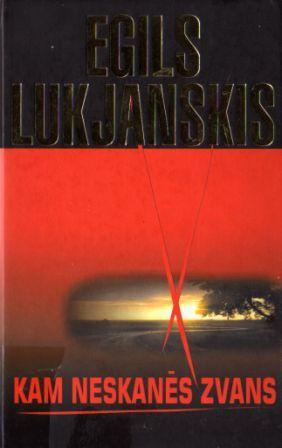
Egils Lukjanskis
Kam neskanēs zvans
Rīgas Apgabaltiesas tiesnesis Edmunds Naginskis, iegādājies jaunu dzīvokli skaistā jūgendstila namā, remonta laikā zem grīdas dēļiem atrod kāda cilvēka piezīmes, kurā aprakstītās autora gaitas aptver teju vai visu mūsu tautas vēsturi, sākot ar nepatiku un cīņu pret vācu baroniem, cauri 1905. gadam, strēlnieku cīņām Pirmajā pasaules karā un pilsoņu karā Krievijā, fīdz Latvijas pirmās republikas laikam un čekas trakošanai pēc Otrā pasaules kara. Kas bijis šis cilvēks? Un, kad viņa rēgs naktīs sāk Edmundu apciemot, rodas nākamais jautājums - kas viņi ir viens otram?
Lasiet arī Egila Lukjanska romānu "Cilvēks, kurš negribēja mirt"!
Mākslinieks Aigars Truhins
Egils Lukjanskis KAM NESKANĒS ZVANS
Redaktore Zaiga Lasenberga
Apgāds Zvaigzne ABC, SIA. K. Valdemāra ielā 6, Rīgā, LV-1010. Red. nr. L-2050. A/s Preses nams
© Egils Lukjanskis © Apgāds Zvaigzne ABC
Noskannējis grāmatu un FB2 failu izveidojis Imants Ločmelis
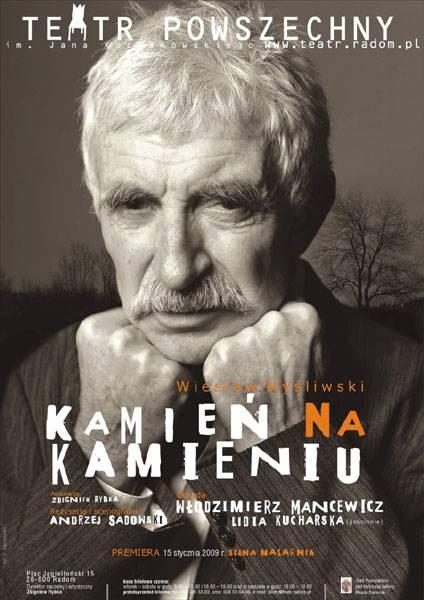
Książkę dwukrotnego laureata Literackiej Nagrody Nike opublikowano po raz pierwszy w 1984 r. To opowieść o życiu chłopskiego bohatera i jego rodziny. Okazją do wspomnień jest pomysł zbudowania grobu rodzinnego. Wiesław Myśliwski nadał tej powieści ton rzeczowości i chłopskiego realizmu, a nie poetyzowania czy brutalności. Życie Szymona Pietruszki, opowiedziane przez niego samego, układa się w symboliczny zarys chłopskich dziejów. Na oczach głównego bohatera tradycyjna wieś przestaje istnieć. W zapomnienie odchodzą dawne obyczaje, więzi sąsiedzkie i ludzkie. Rodzina ulega dezintegracji, a krewni z miasta najpewniej nie zechcą skorzystać z gotowego grobowca…
Wiesław Myśliwski (ur. 1932) debiutował w 1967 r. powieścią „Nagi sad”. Jego utwory poświęcone są polskiej wsi, charakteryzuje je głęboka refleksja nad losem człowieka, jego związkiem z czasem i z przyrodą, a także szczególna uroda stylu, raz poetyckiego (jak w powieści „Pałac”), a kiedy indziej jędrnego i soczystego.
Każda nowa powieść Myśliwskiego – jak „Widnokrąg” czy „Traktat o łuskaniu fasoli” – natychmiast staje się wydarzeniem literackim.

Co jeszcze może przytrafić się facetowi przed czterdziestką, który właśnie rozwodzi się z żoną domagającą się specjalnych alimentów dla…swoich kotów? Czy coś jeszcze czeka dziewczynę w gorszej połowie trzydziestki, która pogodziła się już z kłamstwami byłego męża i z samotnym macierzyństwem? Zjazd absolwentów liceum zmieni w życiu Daszy i Marcina więcej, niżby się spodziewali. Odnaleziona na nowo miłość da im nie tylko nadzieję na szczęście, ale także siłę, by wspólnie walczyć z czymś znacznie trudniejszym niż zawiść "życzliwych": ciężką chorobą Poli, córki Daszy. I by zaakceptować to, czego zmienić się nie da. Dramatyzm wydarzeń, a także starannie odtworzone realia, celne obserwacje obyczajowe, znakomicie nakreślone sylwetki bohaterów sprawiają, że Kamień w sercu to poruszająca, choć niepozbawiona humoru opowieść o spóźnionej miłości, o sile potrzebnej, by odeprzeć nieoczekiwane ciosy, a przede wszystkim o odwadze, by kochać.
Życie to podróż, czasami do miejsc, w których wcale nie chcieliśmy się znaleźć. Katarzyna Leżeńska zabiera nas w taką podróż i przekonuje, że tak naprawdę gonimy w życiu tylko za jednym: za miłością.
Janusz Leon Wisniewski, grudzien 2007, Frankfurt Mm main
Gdy on i ona spotykają się w odpowiednim czasie we właściwym miejscu, coś musi z tego wynikać. A jeśli obydwoje marzą o miłości, miłość jest nieunikniona. Zwłaszcza w powieściach. Ale czy nie dlatego lubimy je czytać?
Hanna Samson
To książka o godzeniu się z nieodwracalną zmianą, kiedy los odbiera to, co najcenniejsze. Pokazuje, jak ciężka choroba zmienia relacje między najbliższymi sobie ludźmi, mówi o współodczuwaniu, miłości, odpowiedzialności, nadziei, zmęczeniu, pragnieniu życia i kochania.
Ewa Błaszczyk
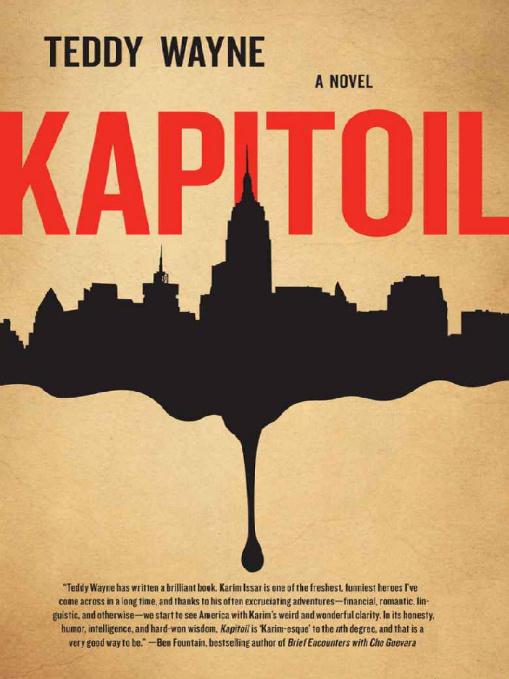
“Sometimes you do not truly observe something until you study it in reverse,” writes Karim Issar upon arrival to New York City from Qatar in 1999. Fluent in numbers, logic, and business jargon yet often baffled by human connection, the young financial wizard soon creates a computer program named Kapitoil that predicts oil futures and reaps record profits for his company.
At first an introspective loner adrift in New York’s social scenes, he anchors himself to his legendary boss Derek Schrub and Rebecca, a sensitive, disillusioned colleague who may understand him better than he does himself. Her influence, and his father’s disapproval of Karim’s Americanization, cause him to question the moral implications of Kapitoil, moving him toward a decision that will determine his future, his firm’s, and to whom — and where — his loyalties lie.
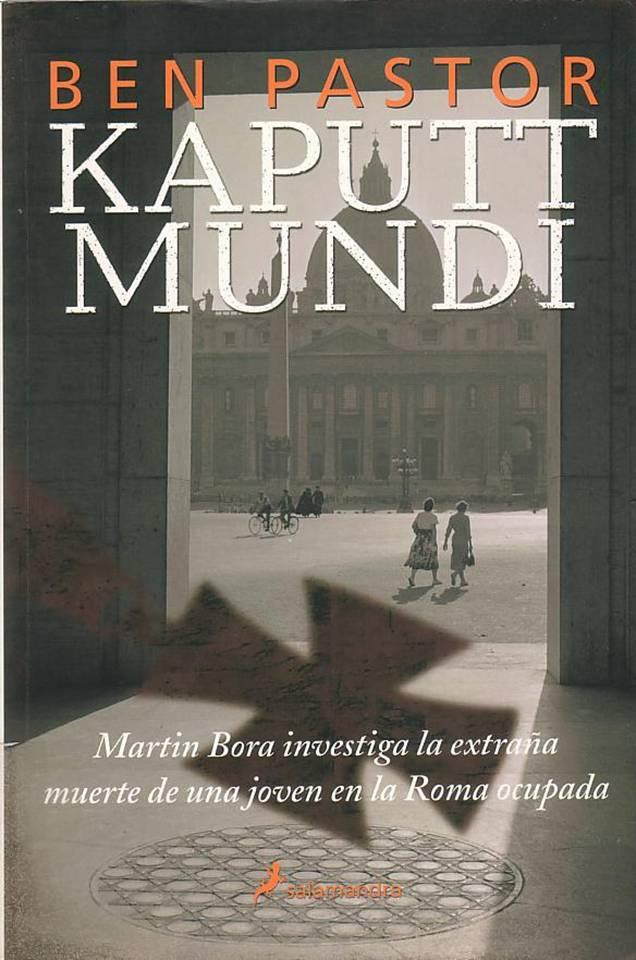
Aristocrático y cosmopolita, melancólico y contradictorio, Martin Bora es mucho más que un simple oficial de la Wehrmacht. Desde su rango de militar privilegiado en la Roma invadida por las tropas alemanas, donde las atrocidades de la guerra conviven de modo asombroso con un mundo de lujo y exuberancia, Bora ejerce de investigador de casos criminales, dispuesto a jugarse la vida en una lucha contrarreloj por salvar a inocentes.
En este primer caso publicado en castellano, Bora debe aclarar los puntos oscuros del supuesto suicidio de una joven y algo casquivana secretaria de la embajada del Reich. Con la ayuda del inspector de policía Sandro Guidi, Bora se adentrará en una intrincada maraña de odios, traiciones y alianzas secretas donde la curia vaticana desempeña un ambiguo y a veces peligroso papel. Tras una investigación obstaculizada tanto por amigos como por enemigos, las respuestas que aguardan a Martin Bora y al inspector Guidi sacudirán para siempre sus vidas y sus conciencias, uniéndolos, a pesar de sus diferencias, en una lucha contra la barbarie, mientras la bellísima y desolada Roma, con sus gentes, sus invasores y sus cobardes gobernantes, vive los últimos días de un mundo en decadencia.
Ben Pastor conduce con mano maestra el pulso de esta historia, en la que personajes históricos como Dollmann, Kesselring o Caruso se alternan en una trama detectivesca que constituye una impresionante y fidedigna reconstrucción de los últimos días de ocupación nazi. Roma, Caput Mundi, cabeza del mundo, es también escenario de un mundo en destrucción.
«Una originalísima autora de novela negra […]. Una vez más, se demuestra la extraordinaria capacidad para evocar e involucrar al lector que tiene una trama de misterio cuando está en manos expertas.» – La Repubblica
«Mucho más que una simple historia de delincuentes […]. Novela tras novela, Ben Pastor va componiendo uno de los frescos más vigorosos, emocionantes e inteligentes sobre la historia "criminal" del siglo XX. Y Martin Bora es un personaje sencillamente extraordinario.» – Tuttolibri
«Con Ben Pastor la novela negra da un salto de calidad y se impone, más allá de las etiquetas, como literatura a secas, que logra entretener, emocionar y hacer reflexionar.» – Sergio Zavoli
«[Una novela] que se lee con devoción y admiración, y que aumenta el ambiguo encanto de un personaje redondo como Martin Bora.» – La Stampa

The first book in English by an acclaimed Danish writer: “beautiful, faceted, haunting stories. . [from] a rising star” (Junot Díaz)
Karate Chop, Dorthe Nors’s acclaimed story collection, is the debut book in the collaboration between Graywolf Press and A Public Space. These fifteen compact stories are meticulously observed glimpses of everyday life that expose the ominous lurking under the ordinary. While his wife sleeps, a husband prowls the Internet, obsessed with female serial killers; a bureaucrat tries to reinvent himself, exposing goodness as artifice when he converts to Buddhism in search of power; a woman sits on the edge of the bed where her lover lies, attempting to locate a motive for his violence within her own self-doubt. Shifting between moments of violence (real and imagined) and mundane contemporary life, these stories encompass the complexity of human emotions, our capacity for cruelty as well as compassion. Not so much minimalist as stealthy, Karate Chop delivers its blows with an understatement that shows a master at work.
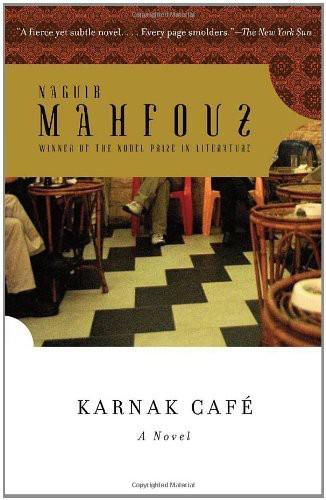
In this gripping and suspenseful novella from the Egyptian Nobel Prize-winner, three young friends survive interrogation by the secret police, only to find their lives poisoned by suspicion, fear, and betrayal. At a Cairo café in the 1960s, a legendary former belly dancer lovingly presides over a boisterous family of regulars, including a group of idealistic university students. One day, amid reports of a wave of arrests, three of the students disappear: the excitable Hilmi, his friend Ismail, and Ismail's beautiful girlfriend Zaynab. When they return months later, they are apparently unharmed and yet subtly and profoundly changed. It is only years later, after their lives have been further shattered, that the narrator pieces together the young people's horrific stories and learns how the government used them against one another. In a riveting final chapter, their torturer himself enters the Café and sits among his former victims, claiming a right to join their society of the disillusioned. Now translated into English for the first time, Naguib Mahfouz's tale of the insidious effects of government-sanctioned torture and the suspension of rights and freedoms in a time of crisis is shockingly contemporary.
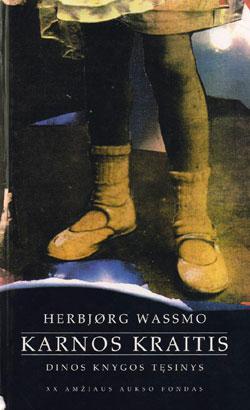
Lietuvoje pamėgta norvegų rašytoja H. Wassmo „Karnos kraičiu“ užbaigia garsiąją Dinos trilogiją. Pagrindiniu kūrinio personažu šįkart tampa Karna, Benjamino dukra ir Dinos anūkė. Gyvenimas ir mirtis, negandos ir sielvartas, trumparegystė ir blogis, silpnumas ir stiprybė, nutylėjimas ir veidmainystė, gandai ir apkalbos - daug reikia išmokti suprasti nuomariu sergančiai mergaitei. „Karnos kraitis“ - romanas apie vaikystės „vaiduoklius“, pragaištingą pavydo jėgą ir mirtį įveikiančią meilę, žmogaus ir giminės ryšį, slegiantį šeimos palikimą, kuriuo turi pasidalyti, kad galėtum pakelti.
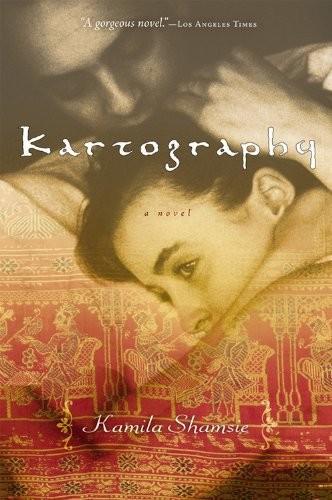
Raheen and her best friend, Karim, share an idyllic childhood in upper-class Karachi. Their parents were even once engaged to each others' partners until they rematched in what they call "the fiancée swap." But as adolescence distances the friends, Karim takes refuge in maps while Raheen searches for the secret behind her parents' exchange. What she uncovers reveals not just a family's but a country's turbulent history-and a grown-up Raheen and Karim are caught between strained friendship and fated love.
A love story with a family mystery at its heart, Kartography is a dazzling novel by a young writer of astonishing maturity and exhilarating style. Shamsie transports us to a world we have not often seen in fiction-vibrant, dangerous, sensuous Pakistan. But even as she takes us far from the familiar, her story of passion and family secrets rings universally true.