
 fb2
fb2On a tiny, desolate, windswept island off the coast of Southern California, two families, one in the 1880s and one in the 1930s, come to start new lives and pursue dreams of self-reliance and freedom. Their extraordinary stories, full of struggle and hope, are the subject of T. C. Boyle’s haunting new novel.
Thirty-eight-year-old Marantha Waters arrives on San Miguel on New Year’s Day 1888 to restore her failing health. Joined by her husband, a stubborn, driven Civil War veteran who will take over the operation of the sheep ranch on the island, Marantha strives to persevere in the face of the hardships, some anticipated and some not, of living in such brutal isolation. Two years later their adopted teenage daughter, Edith, an aspiring actress, will exploit every opportunity to escape the captivity her father has imposed on her. Time closes in on them all and as the new century approaches, the ranch stands untenanted.
And then in March 1930, Elise Lester, a librarian from New York City, settles on San Miguel with her husband, Herbie, a World War I veteran full of manic energy. As the years go on they find a measure of fulfillment and serenity; Elise gives birth to two daughters, and the family even achieves a celebrity of sorts. But will the peace and beauty of the island see them through the impending war as it had seen them through the Depression? Rendered in Boyle’s accomplished, assured voice, with great period detail and utterly memorable characters, this is a moving and dramatic work from one of America’s most talented and inventive storytellers.

Sanaaq is an intimate story of an Inuit family negotiating the changes brought into their community by the coming of the qallunaat, the white people, in the mid-nineteenth century. Composed in 48 episodes, it recounts the daily life of Sanaaq, a strong and outspoken young widow, her daughter Qumaq, and their small semi-nomadic community in northern Quebec. Here they live their lives hunting seal, repairing their kayak, and gathering mussels under blue sea ice before the tide comes in. These are ordinary extraordinary lives: marriages are made and unmade, children are born and named, violence appears in the form of a fearful husband or a hungry polar bear. Here the spirit world is alive and relations with non-humans are never taken lightly. And under it all, the growing intrusion of the qallunaat and the battle for souls between the Catholic and Anglican missionaries threatens to forever change the way of life of Sanaaq and her young family.

"Er aß und trank, bürstete seine Kleider ab, leerte den Sand aus seinen Taschen und überprüfte noch einmal die Innentasche des Blazers. Er wusch sich unter dem Tisch die Hände mit ein wenig Trinkwasser, goß den Rest über seine geplagten Füße und schaute die Straße entlang. Sandfarbene Kinder spielten mit einem sandfarbenen Fußball zwischen sandfarbenen Hütten. Dreck und zerlumpte Gestalten, und ihm fiel ein, wie gefährlich es im Grunde war, eine weiße, blonde, ortsunkundige Frau in einem Auto hierherzubestellen."
Während in München Palästinenser des "Schwarzen September" das Olympische Dorf überfallen, geschehen in der Sahara mysteriöse Dinge. In einer Hippie-Kommune werden vier Menschen ermordet, ein Geldkoffer verschwindet, und ein unterbelichteter Kommissar versucht sich an der Aufklärung des Falles. Ein verwirrter Atomspion, eine platinblonde Amerikanerin, ein Mann ohne Gedächtnis — Nordafrika 1972.
Ein mitreißender Agententhriller — und noch viel mehr: ein literarisches Abenteuer, ein außerordentlicher Roman. (rowohlt)

This powerful novel by Mo Yan—one of contemporary China’s most famous and prolific writers—is both a stirring love story and an unsparing critique of political corruption during the final years of the Qing Dynasty, China’s last imperial epoch.
Sandalwood Death is set during the Boxer Rebellion (1898–1901)—an anti-imperialist struggle waged by North China’s farmers and craftsmen in opposition to Western influence. Against a broad historical canvas, the novel centers on the interplay between its female protagonist, Sun Meiniang, and the three paternal figures in her life. One of these men is her biological father, Sun Bing, an opera virtuoso and a leader of the Boxer Rebellion. As the bitter events surrounding the revolt unfold, we watch Sun Bing march toward his cruel fate, the gruesome “sandalwood punishment,” whose purpose, as in crucifixions, is to keep the condemned individual alive in mind-numbing pain as long as possible.
Filled with the sensual imagery and lacerating expressions for which Mo Yan is so celebrated, Sandalwood Death brilliantly exhibits a range of artistic styles, from stylized arias and poetry to the antiquated idiom of late Imperial China to contemporary prose. Its starkly beautiful language is here masterfully rendered into English by renowned translator Howard Goldblatt.

Stalingrado era el golpe al dictador rojo, la prueba de que ningún obstáculo podía oponerse al victorioso Ejército alemán. Más de 300.000 hombres se adentraron entre las ruinas de la gran ciudad sembrada de fábricas. 300.000 hombres dispuestos a ocupar Stalingrado y a atravesar el río que se encuentra a espaldas de la villa.
El Volga.
A sus orillas se luchó como nunca se había peleado en Rusia, mil veces más feroz que la Batalla de Moscú, más intensa que la Batalla de Sebastopol, Stalingrado significó, sencillamente, la cúspide del avance germano en la URSS.
Cayeron los hombres en la ciudad mártir, alemanes y rusos, por cientos, por millares, por cientos de millares…
Y la sangre de tantos hombres corrió por las calles para, en densos torrentes, verterse en las aguas tranquilas del río.

Diosa, reina, señora, madre, benefactora, árbitro de la moda y modelo nacional de comportamiento. Santa Evita para unos y para otros una analfabeta resentida, trepadora, loca y ordinaria, presidenta de una dictadura de mendigos.
El protagonista de esta novela es el cuerpo de Eva Duarte de Perón, una belleza en vida y una hermosura etérea de 1,25 m después del trabajo del embalsamador español Pedro Ara. Un cuerpo del que se hicieron varias copias y que, en su enloquecedor viaje por el mundo durante veintiséis años, trastorna a cuantos se le acercan y se confunde con un pueblo a la deriva que no ha perdido la esperanza de su regreso.
Dice Tomás Eloy: `El cadáver de Evita es el primer desaparecido de la historia argentina. Durante 15 años nadie supo en dónde estaba. El drama fue tan grande que su madre (Juana Ibarguren) clamaba de despacho en despacho pidiendo que se lo devolvieran. Y murió en 1970 sin poder averiguar nada. No sabía -nadie o casi nadie lo sabía- si la habían incinerado, si lo habían fondeado en el fondo del Río de la Plata. Si la habían enterrado en Europa… A diferencia de los cadáveres desaparecidos durante la última dictadura, que ruegan por ser enterrados, el cadáver de Evita plde ser ofrecido a la veneración. De algún modo, en `Santa Evita` hay una especie de conversión del cuerpo muerto en un cuerpo político.
Agrega Tomás Eloy: `la necrofilia argentina es tan vieja como el ser nacional. Comienza ya cuando Ulrico Schmidl, el primero de los cronistas de Indias que llegan hasta el Río de La Plata, narra cómo Don Pedro de Mendoza pretendía curarse de la sífilis que padecía aplicándose en sus llagas la sangre de los hombres que él mismo había ordenado ahorcar. Todos recuerdan la odisea del cadáver de Juan Lavalle, que se iba pudriendo a medida que los soldados trataban de preservarlo de los enemigos llevándolo por la Quebrada de Humahuaca. En 1841, un cierto capitán García cuenta el martirio de Marco Manuel de Avellaneda, el padre de Nicolás Avellaneda, un personaje importante de la Liga Federal, antirrosista y gobernador de Tucumán, asesinado por las fuerzas de Oribe. El relato de la muerte de Avellaneda es de un notable regocijo necrofílico. Cuenta que esa muerte tarda, que los ojos se le revuelven, que cortada la cabeza ésta se agita durante varios minutos en el suelo, que el cuerpo se desgarra con sus uñas ya decapitado. Una matrona llamada Fortunata García de García recuperó esa cabeza y la lavó con perfume y supuestamente la depositó en un nicho del convento de San Francisco. Yo investigué profundamente el tema y descubrí después que en realidad a la muerte de Fortunata García de García, encontraron en su cama, perfumada y acicalada la cabeza del mártir Marco Manuel de Avellaneda, con la cual había dormido a lo largo de treinta años`.
Apunta el autor: `el proceso de necrofilia se extiende a lo largo del siglo XIX y también se da en el siglo XX de infinitas maneras. Por un lado en el culto a Rosas y en la repatriación de sus restos y, por otro lado, en la Recoleta. Ese cementerio es una exposición de ese tipo de situaciones. Resulta notable esa especie de reivindicación de la necrofilia en los últimos años. Así, fue profanada la tumba de Fray Mamerto Esquiú, se robaron el cuerpo del padre de Martinez de Hoz (todo entre 1978 y 1988). Poco más tarde, en 1991, cuando se volvia riesgosa la elección de Palito Ortega, el presidente Menem se presentó en Tucumán con los restos de Juan Bautista Alberdi, y los ofrendó a la provincia. De ese modo garantizó la elección de Palito. Y Juan Bautista Alberdi es un muerto.`
Sigue el escritor: `Yo lo conocí personalmente a Perón, él me contó sus memorias. Lo que me desencantó sobre todo fue la conciencla de la manipulación del interlocutor. Perón decía lo que el interlocutor quería escuchar. Sin embargo, había una laguna en aquellos diálogos: Evita. Perón no me hablaba de Evita. Mejor dicho, López Rega, que siempre estaba presente durante las entrevistas, no se lo permitía. Cuando yo invocaba el nombre de Evita, López comenzaba a hablar de Isabel. Al fin yo le propuse a Perón que nos encontráramos una mañana a solas. Perón asintió.
Me recibió a las ocho en Puerta de Hierro. Empezábamos a hablar y de pronto irrumpió López Rega. Y volvió a desviar la conversación. Fue muy grosero. Dijo dirigiéndose a Perón: `Aqui viene mucha gente, General, y todos quieren sacarle a usted cosas, y a lo mejor después van y lo venden en Buenos Aires, y vaya a saber lo que hacen con todo eso.` Entonces, yo me puse muy mal y le dije a Perón: `Mire, General, usted me prometió que acá ibamos a hablar a solas. Y eso significa que yo no debo padecer la humillación de su servidumbre`. Perón estuvo de acuerdo. Miró a su secretario y le dijo: `López, el señor tiene razón, la señora Isabel me ha dicho que hay unas lechugas buenísimas en el mercado, ¿por qué no va y la acompaña a elegir unas lechugas?` Y allí me empezó a hablar de Evita. Me la describió como a una fanática, y me dijo que sin duda Eva hubiera armado y largado a la calle a los obreros el 16 de setiembre de 1955, porque no toleraba nada que no fuera peronista.`
La conclusión: `parece que en la Argentina -dice Tomás Eloy- hubiera como una especie de instinto fatal de destrucción, de devoración de las propias entrañas. Una veneración de la muerte. La muerte no signiflca el pasado. Es el pasado congelado, no significa una resurrección de la memoria, representa sólo la veneración del cuerpo del muerto. La veneración de ese residuo es una especie de ancla. Y por eso los argentinos somos incapaces de construirnos un futuro, puesto que estamos anclados en un cuerpo. La memoria es leve, no pesa. Pero el cuerpo sí.
La Argentina es un cuerpo de mujer que está embalsamado`.

Sarah Court. Meet the resident.
The haunted father of a washed-up stuntman. A disgraced surgeon and his son, a broken-down boxer. A father set on permanent self-destruct, and his daughter, a reluctant powerlifter. A fireworks-maker and his daughter. A very peculiar boy and his equally peculiar adopted family.
Five houses. Five families. One block.
Ask yourself: How well do you know your neighbours? How well do you know your own family? Ultimately, how well do you know yourself? How deeply do the threads of your own life entwine with those around you? Do you ever really know how tightly those threads are knotted? Do you want to know?
I know, and can show you. Please, let me show you.
Welcome to Sarah Court: make yourself at home.
Davidson (The Fighter) delivers a dark, dense, and often funny collection of intertwined tales that are rewarding enough to overcome their flaws. The five families in the squirrel-infested homes on the titular street are made up of broken and dysfunctional characters. Patience shoplifts for a hobby; daredevil Colin has no sense of fear; hit man Jeffrey was raised in a foster home and might have Asperger's, synesthesia, or some entirely different neurological weirdness; Nick still rankles from the years his father forced him to try his hand at boxing; and Donald is trying to sell a strange box that he says contains a demon. Davidson delivers his story at a leisurely pace with only a hint of gonzo gore, aiming for readers who appreciate nonlinear narrative structure, flawed characters often unsure of their own motivations, and an evocative sense of place.
Copyright © Reed Business Information, a division of Reed Elsevier Inc. All rights reserved.
Lives of the people who live in five houses in one block on Sarah Court, just north of Niagara Falls, intertwine in these five chapters of tightly packed prose. River man Wesley Hill, who picks up the “plungers,” can’t dissuade his daredevil son, Colin, from going over the falls. Patience Nanavatti, whose basement was blown up by Clara Russell’s pyromaniac foster child, finds a preemie in a Walmart toilet. Competitive neighbors Fletcher Burger and Frank Saberhagen pit their children, pending power-lifter Abby Burger and amateur boxer Nick Saberhagen, against each other athletically. And there’s much more, as Davidson loops back and forth, playing with chronology to finish stories. There is a strong emphasis on fatherhood here, with wives and mothers largely absent, and the masculine bent is particularly obvious in a stupid bet — a finger for a Cadillac — over a dog’s trick. Given that a handful of characters suffer significant brain damage, caused as often by intent as by accident, the introduction of a mysterious alien being seems superfluous. In Davidson’s vividly portrayed, testosterone-fueled world, humans cause enough pain all by themselves.
—Michele Leber


Paris, July 1942: Sarah, a ten year-old girl, is brutally arrested with her family by the French police in the Vel' d'Hiv' roundup, but not before she locks her younger brother in a cupboard in the family's apartment, thinking that she will be back within a few hours.
Paris, May 2002: On Vel' d'Hiv's 60th anniversary, journalist Julia Jarmond is asked to write an article about this black day in France 's past. Through her contemporary investigation, she stumbles onto a trail of long-hidden family secrets that connect her to Sarah. Julia finds herself compelled to retrace the girl's ordeal, from that terrible term in the Vel d'Hiv', to the camps, and beyond. As she probes into Sarah's past, she begins to question her own place in France, and to reevaluate her marriage and her life.
Tatiana de Rosnay offers us a brilliantly subtle, compelling portrait of France under occupation and reveals the taboos and silence that surround this painful episode.

Miljenko Jergovic’s remarkable début collection of stories, Sarajevo Marlboro — winner of the Erich Maria Remarque Peace Prize — earned him wide acclaim throughout Europe. Croatian by birth, Jergovic? spent his childhood in Sarajevo and chose to remain there throughout most of the war. A dazzling storyteller, he brings a profoundly human, razor-sharp understanding of the fate of the city’s young Muslims, Croats, and Serbs with a subterranean humor and profoundly personal vision. Their offbeat lives and daily dramas in the foreground, the killing zone in the background.
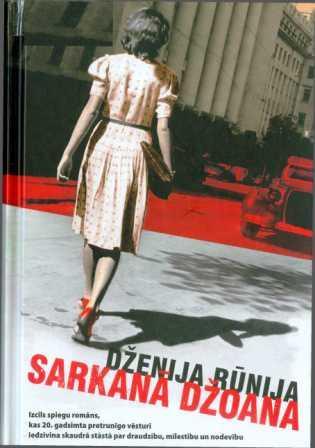

Egils Lukjanskis
Sarkanā luktura ēnā
"Slepens sakars. Vīrietis, tāpat kā tavs vīrs, lemj cilvēku likteņus. Bet kas tad tas?! Jā… Tu esi stāvoklī. Tas būs puika. Viņš būs spēcīgs, enerģisks, ļoti gudrs, bet reti nežēlīgs. Zēns piedzims ar ugunszīmi. Viņš nebūs tāds kā pārējie. Ar savu domu spēku un skatienu vien spēs hipnotizēt… Varētu teikt - no attāluma paralizēt vai pat nonāvēt jebkuru cilvēku…" To jaunajai talantīgajai aktrisei Baibai Radzinskai pavēsta gaišreģe. Vai pareģojums piepildās, un kas vēl būs ar to saistīts?
Advokāta Filipa Radzinska jaunā sieva Drāmas teātra strauji uzlecošā zvaigzne Baiba Radzinska piecēlās, ātri aizgāja līdz skatuvei, nedaudz pavēra lielā priekškara maliņu un ložā pamanīja gara auguma tumšmatainu vīrieti, kas stipri līdzinājās miljoniem sieviešu mīlulim - slavenajam franču kinoaktierim Alenam Delonam. Nepazīstamais vīrietis jau otro sezonu tur sēdēja katras pirmizrādes laikā, pēc tam kāpa uz skatuves, noskūpstīja viņai roku un vienmēr pasniedza milzīgu sarkanu rožu klēpi. Pēc izrādes viss notika kā parasti - Baiba savā priekšā ieraudzīja arī noslēpumaino pielūdzēju. Viņš kā parasti vispirms noskūpstīja roku, tad pasniedza lielu sarkanu rožu pušķi, taču šoreiz iztika bez jebkādiem komplimentiem, tikai klusi pateica: - Es jūs lūdzu… Uzreiz vēl nebrauciet uz mājām!
Es jūs gaidīšu pie personāla izejas durvīm.
LATA ROMĀNS 12 (102) Abonēšanas indekss 2150
"Lauku Avīze", 2007
Noskannējis grāmatu un FB2 failu izveidojis Imants Ločmelis

Egils Lukjanskis
Stāsti un noveles izlase
Sarkanas rozes mazliet nogurušai lēdijai
Saturs:
Rindā pēc laimes ; Pirms manis un pēc tevis ; Nekas sevišķs ; Par vēlu ; Nekad nebeigsies ; Pēdējā lappuse ; Kareivis un meitene ; Melnais krekls ; Rūgtais dzēriens ; Pēdējā cigarete ; Tukšums ; Jāuzraksta stāsts ; Vistālākā zvaigzne ; Viss, ko mēs zinām ; Bronzas sieviete ; Puisis sarkanā svīterī ; Zaglis ; Cena ; Neliešu banda ; Kliedziens tukšumā ; Skumja melodija saksofonam ; Trīskrāsainā pasaule
- Ienāciet iekšā, - Vanda pasmaidīja, vēlreiz dziļi ieskatīdamās Alberta tumšajās acīs. - Uzcienāšu ar glāzi konjaka, un jums kļūs siltāk.
- Paldies! No tā es labprāt neatteiktos, - Alberts nodrebinājās un vērīgi noskatīja sievieti no galvas līdz kājām. Blondi mati, zilas acis un slaids augums. Garas kājas un droši vien vēl stingras krūtis. Ovāla, ļoti izteiksmīga seja. Viņa tomēr ir skaista.
Noklaudzēja durvis, un iela kļuva tukša.
"Es nezinu, kāpēc cilvēki nāk viens pie otra. Nezinu, kāpēc viens otru aicina pie sevis. Nezinu, kāpēc nevar nenākt un nevar neaicināt. Ceram atrast siltumu, glāzīti konjaka? Varbūt ejam, lai dzirdētu vēl nekad nedzirdētus vārdus? Varbūt ejam vienkārši tāpat - kā cilvēks pie cilvēka? Ejam pēc draudzības, mīlestības, tuvības? Man gan arvien vairāk rodas aizdomas, ka visbiežāk mēs tomēr ejam, lai agrāk vai vēlāk tiktu padzīti."
AS "Lauku Avize", 2006
Noskannējis grāmatu un FB2 failu izveidojis Imants Ločmelis

A brilliant and utterly engaging novel—Emma set in modern Asia — about a young woman’s rise in the glitzy, moneyed city of Singapore, where old traditions clash with heady modern materialism.
On the edge of twenty-seven, Jazzy hatches a plan for her and her best girlfriends: Sher, Imo, and Fann. Before the year is out, these Sarong Party Girls will all have spectacular weddings to rich ang moh — Western expat — husbands, with Chanel babies (the cutest status symbols of all) quickly to follow. Razor-sharp, spunky, and vulgarly brand-obsessed, Jazzy is a determined woman who doesn't lose.
As she fervently pursues her quest to find a white husband, this bombastic yet tenderly vulnerable gold-digger reveals the contentious gender politics and class tensions thrumming beneath the shiny exterior of Singapore’s glamorous nightclubs and busy streets, its grubby wet markets and seedy hawker centers. Moving through her colorful, stratified world, she realizes she cannot ignore the troubling incongruity of new money and old-world attitudes which threaten to crush her dreams. Desperate to move up in Asia’s financial and international capital, will Jazzy and her friends succeed?
Vividly told in Singlish — colorful Singaporean English with its distinctive cadence and slang — Sarong Party Girls brilliantly captures the unique voice of this young, striving woman caught between worlds. With remarkable vibrancy and empathy, Cheryl Tan brings not only Jazzy, but her city of Singapore, to dazzling, dizzying life.

At long last, twenty-five years after the Hungarian genius László Krasznahorkai burst onto the scene with his first novel, Satantango dances into English in a beautiful translation by George Szirtes.
Already famous as the inspiration for the filmmaker Béla Tarr’s six-hour masterpiece, Satantango is proof, as the spellbinding, bleak, and hauntingly beautiful book has it, that “the devil has all the good times.”
The story of Satantango, spread over a couple of days of endless rain, focuses on the dozen remaining inhabitants of an unnamed isolated hamlet: failures stuck in the middle of nowhere. Schemes, crimes, infidelities, hopes of escape, and above all trust and its constant betrayal are Krasznahorkai’s meat. “At the center of Satantango,” George Szirtes has said, “is the eponymous drunken dance, referred to here sometimes as a tango and sometimes as a csardas. It takes place at the local inn where everyone is drunk. . Their world is rough and ready, lost somewhere between the comic and tragic, in one small insignificant corner of the cosmos. Theirs is the dance of death.”
“You know,” Mrs. Schmidt, a pivotal character, tipsily confides, “dance is my one weakness.”

From the author of Remainder (the major feature-film adaption of which will be released in 2015) and C (short-listed for the Booker Prize), and winner of the Windham Campbell Prize, a novel that promises to give us the first and last word on the world-modern, postmodern, whatever world you think you are living in.
When we first meet U., our narrator, he is waiting out a delay in the Turin airport. Clicking through corridors of trivia on his laptop he stumbles on information about the Shroud of Turin-and is struck by the degree to which our access to the truth is always mediated by a set of veils or screens, with any world built on those truths inherently unstable. A "corporate ethnographer," U. is tasked with writing the "Great Report," an ell-encompassing document that would sum up our era. Yet at every turn, he feels himself overwhelmed by the ubiquity of data, lost in buffer zones, wandering through crowds of apparitions. Madison, the woman he is seeing, is increasingly elusive, much like the particulars in the case of the recent parachutist's death with which U. is obsessed. Add to that his longstanding obsession with South Pacific cargo cults and his developing, inexplicable interest in oil spills. As he begins to wonder if the Great Report might remain a shapeless, oozing plasma, his senses are startled awake by a dream of an apocalyptic cityscape. In Satin Island, Tom McCarthy captures-as only he can- the way we experience our world, our efforts to find meaning (or just to stay awake) and discern the narratives we think of as our lives.

Five Oaks, Michigan is not exactly where Saul and Patsy meant to end up. Both from the East Coast, they met in college, fell in love, and settled down to married life in the Midwest. Saul is Jewish and a compulsively inventive worrier; Patsy is gentile and cheerfully pragmatic. On Saul s initiative (and to his continual dismay) they have moved to this small town a place so devoid of irony as to be virtually a museum of earlier American feelings where he has taken a job teaching high school.
Soon this brainy and guiltily happy couple will find children have become a part of their lives, first their own baby daughter and then an unloved, unlovable boy named Gordy Himmelman. It is Gordy who will throw Saul and Patsy s lives into disarray with an inscrutable act of violence. As timely as a news flash yet informed by an immemorial understanding of human character, Saul and Patsy is a genuine miracle."
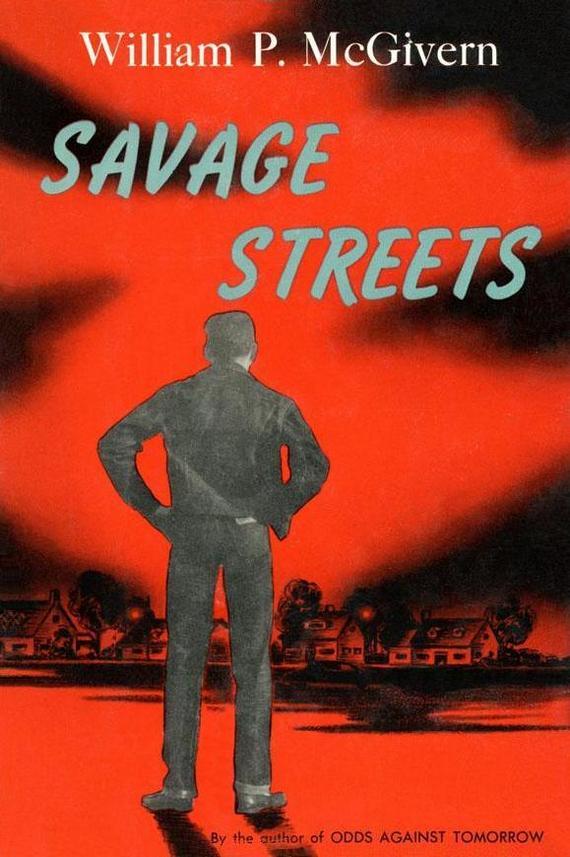
Every man, and every community, has its breaking point. This is the arresting and powerful idea which is examined by William P. McGivern in his new novel, Savage Streets.
The suburban development of Faircrest had seemed a model of contemporary values, pleasures and problems, its young home owners sane and intelligent — until the unexpected happened. Then John Farrell’s son began to steal, the Wards’ boy lied in terror about a fight he had been in at school and a German Luger disappeared from the Detweillers’ home. It became apparent that an ugly and mysterious influence was operating within the peaceful blocks of Faircrest.
The adults recognized the danger signals. It was obvious their children’s values and safety were being threatened. This was a time for calmness, for issues to be clearly defined. But the parents failed to realize that their own values were also put to test in this explosive situation. A conviction of righteousness swept through the community like a grass fire, and with it an impatience with the law and a disregard for the rights of anyone beyond the threatened portals of Faircrest. What man, what individual life is ever strong enough to survive such a spell of riot?
Here, in a tense and unusual book, is a sobering picture of what could happen in any modern American community.
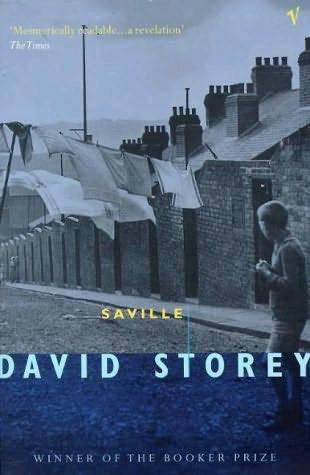
Awards
The Man Booker Prize
Set in South Yorkshire, this is the story of Colin's struggle to come to terms with his family – his mercurial, ambitious father, his deep-feeling, long-suffering mother – and to escape the stifling heritage of the raw mining community into which he was born. This book won the 1976 Booker Prize.

Winner of the Whitbread Prize for Best First Novel.
Agnes Day is mildly discontent. As a child, she never wanted to be an Agnes — she wanted to be a pleasing Grace. Alas, she remained the terminally middle class, hopelessly romantic Agnes. Now she's living with her two best friends in London and working at a trade magazine. Life and love seem to go on without her. Not only does she not know how to get back into the game, she isn't even sure what the game is. But she gives a good performance — until she learns that her roommates and her boyfriend are keeping secrets from her, and that her boss is quitting and leaving her in charge. In great despair, she decides to make it her business to set things straight. Saving Agnes is a perceptive, fresh, and honest novel that has delighted readers and critics on both sides of the Atlantic.