 fb2
fb2A collection of short stories, most of them set in Indiana, focuses on the meddling of fact and fiction and includes a dozen satiric-but also sympathetic-tales written in the persona of Indiana's famous son, Dan Quayle.
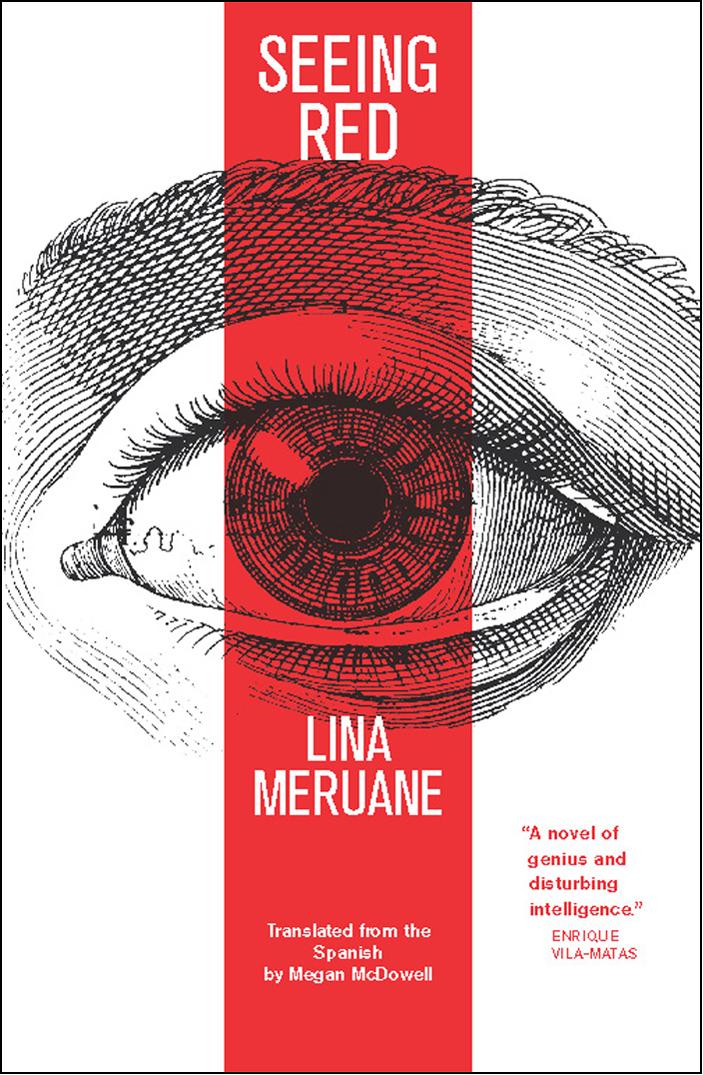
"Meruane's prose has great literary force: it emerges from the hammer blows of conscience, but also from the ungraspable, and from pain." — Roberto Bolaño
This powerful, profound autobiographical novel describes a young Chilean writer recently relocated to New York for doctoral work who suffers a stroke, leaving her blind and increasingly dependent on those closest to her. Fiction and autobiography intertwine in an intense, visceral, and caustic novel about the relation between the body, illness, science, and human relationships.
Lina Meruane (b. 1970), considered the best woman author of Chile today, has won numerous prestigious international prizes, and lives in New York, where she teaches at NYU.

Como su nombre indica, Sefarad no es una novela, sino una multitud de novelas cuyos hilos se cruzan y entrelazan sin cesar. Una serie de vidas (muchas de ellas reales) que nos saltan al paso a lo largo de los diecisiete capítulos en que está dividido el libro para contarnos su historia de desarraigo, de persecución o exilio.
Muchas de esas historias tienen una raíz común: el éxodo. Desde los menos traumáticos: de una ciudad a otra por causa del trabajo, hasta los provocados por los conflictos bélicos o por las persecuciones generadas en ellos. Pero todas están marcadas por el desarraigo que sufren sus protagonistas. Es un sentimiento de extrañeza bien hacia el nuevo lugar que habitan, bien hacia una situación que les convierte en algo distinto que les aparta de la sociedad. En el primer caso están las historias de los emigrantes de poblaciones pequeñas a otras más grandes y que mantienen vivas las tradiciones de sus lugares de origen en sus nuevos ambientes, buscando cualquier pretexto (la fiesta del pueblo, las vacaciones, etc.) para regresar y revivir por unos días el tiempo irrecuperable de la nostalgia. En el segundo caso los acontecimientos están fuera del control del personaje y se presentan con la fuerza arrolladora de lo impensable: una persona sana se convierte en una persona a punto de morir tras una visita al médico, un servidor fiel del régimen soviético se convierte en un traidor de la noche a la mañana, una persona amante de su país se convierte en un enemigo del mismo por el simple hecho de pertenecer a una familia judía, etc. También hay historias de los que, mucho tiempo más tarde, volvieron al lugar de donde escaparon para encontrar que nunca más podrán sentirme cómodos entre los vecinos que, tal vez incluso, les denunciaron, de aquellos que fueron a visitar los campos de concentración en los que murieron la mayoría de sus familiares, de aquellos que, de repente y sin motivo aparente, en un lugar cualquiera se sienten intrusos y fuera de lugar.
Es una novela individual y colectiva a un tiempo, un viaje de destierro que usa el tren como lugar mágico o terrible en el que todo puede pasar: desde el encuentro apasionado de dos desconocidos que marcará el resto de la vida del que, vez tras vez, narra la historia a cada nuevo amigo, hasta el viaje hacia la muerte cierta que les aguarda en el campo de exterminio a los viajeros hacinados en sus vagones. Un tren en el que los viajeros son los perseguidores de un sueño imposible y los perseguidos por una pesadilla abominable.
Primo Levi, Kafka, Milena Jesenska, Heinz y Margaret Neumann, Victor Klemperer, Jean Améry, Nadiezhda Mandelstam, Evgenia Ginzburg, Willi Münzenberg, Walter Benjamin, son algunos de los personajes de carne y hueso que aparecen en esta novela, muchos de ellos víctimas del fascismo hitleriano, del totalitarismo soviético y de la dictadura franquista. Sus historias se mezclan con las de otros menos conocidos y con las inventadas por Muñoz Molina, quien, al final del libro, ofrece una “Nota de lecturas” para aquellos que quieran profundizar en esas vidas desgarradas por los acontecimientos.
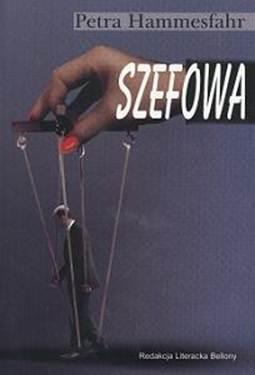
Betty Theissen kieruje firmą budowlaną swojego teścia, od kiedy uległ on wypadkowi i znalazł się na wózku inwalidzkim. Młoda synowa z zaangażowaniem oddaje się pracy. Na drodze do szczęścia staje jednak jej własny mąż, Herbert Theissen, nadmiernie lubiący wesołe życie, drogie sportowe samochody, alkohol, młode śliczne dziewczęta i hazard.

The latest novel from “the contemporary Hungarian master of the apocalypse” (Susan Sontag)
Seiobo — a Japanese goddess — has a peach tree in her garden that blossoms once every three thousand years: its fruit brings immortality. In Seiobo There Below, we see her returning again and again to mortal realms, searching for a glimpse of perfection. Beauty, in Krasznahorkai’s new novel, reflects, however fleetingly, the sacred — even if we are mostly unable to bear it. Seiobo shows us an ancient Buddha being restored; Perugino managing his workshop; a Japanese Noh actor rehearsing; a fanatic of Baroque music lecturing a handful of old villagers; tourists intruding into the rituals of Japan’s most sacred shrine; a heron hunting.… Over these scenes and more — structured by the Fibonacci sequence — Seiobo hovers, watching it all.
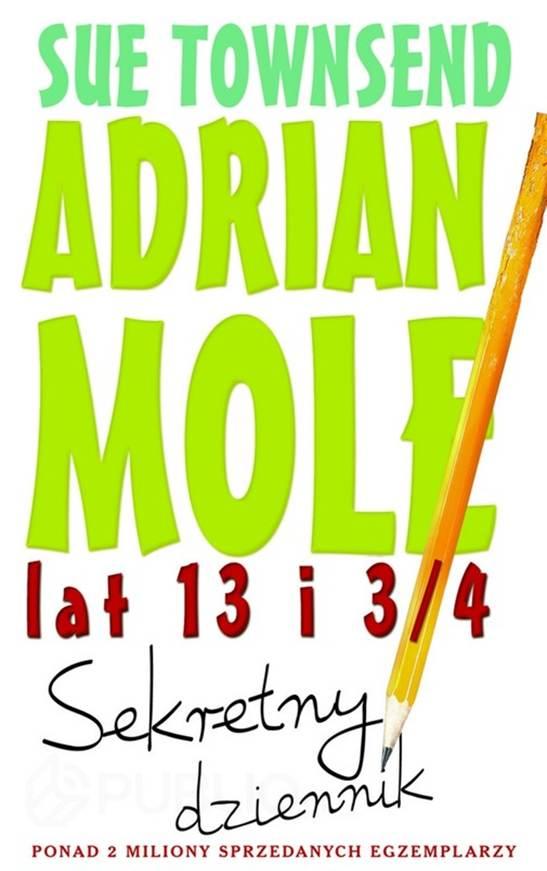
Powieść otwierająca zabawny i zarazem ironiczny cykl o fajtłapowatym brytyjskim nastolatku Adrianie Mole’u. Dlaczego nikt oprócz samego ciamajdy zdaje się nie dostrzegać jego geniuszu?
Męki dojrzewania nigdy jeszcze nie były tak bolesne – i tak zabawne – jak w słynnym sekretnym dzienniku Adriana Mole’a. Uporczywe pryszcze i kryzys małżeński rodziców, porażki na polu literatury i drwiny kumpli ze szkoły – gdyby nie kłody rzucane pod nogi przez okrutny los, geniusz Adriana, niedocenianego intelektualisty i poety, z pewnością rozbłysnąłby pełnym blaskiem. Może dostrzeże go chociaż Pandora?
„Adrian Mole lat 13 i ¾. Sekretny dziennik”, wydany po raz pierwszy w 1982 r., to pierwsza część cyklu o największym fajtłapie wszech czasów, który błyskawicznie podbił serca czytelników w Wielkiej Brytanii, a potem na całym świecie. Z równie gorącym przyjęciem spotkały się kolejne tomy opisujące perypetie sympatycznego nieudacznika, np. „Bolesne dojrzewanie Adriana Mole’a” i „Adrian Mole. Szczere wyznania”.

Возможно, когда-то было время, когда бы я позволил тебе уйти, Я бы даже не пытался, но я думаю, ты могла бы спасти мою жизнь… Просто не бросай меня, я не подведу тебя. Нет, я не подведу тебя… Просто не переставай верить, я все утрясу. Пожалуйста, не сдавайся! Я не подведу тебя… Whataya Want From Me (с) Adam Lambert

"Clarice Lispector was a born writer….she writes with sensuous verve, bringing her earliest passions into adult life intact, along with a child's undiminished capacity for wonder." — The New York Times Book Review
"In 1967, Brazil's leading newspaper asked the avant-garde writer Lispector to write a weekly column on any topic she wished. For almost seven years, Lispector showed Brazilian readers just how vast and passionate her interests were. This beautifully translated collection of selected columns, or crônicas, is just as immediately stimulating today and ably reinforces her reputation as one of Brazil's greatest writers. Indeed, these columns should establish her as being among the era's most brilliant essayists. She is masterful, even reminiscent of Montaigne, in her ability to spin the mundane events of life into moments of clarity that reveal greater truths." — Publishers Weekly
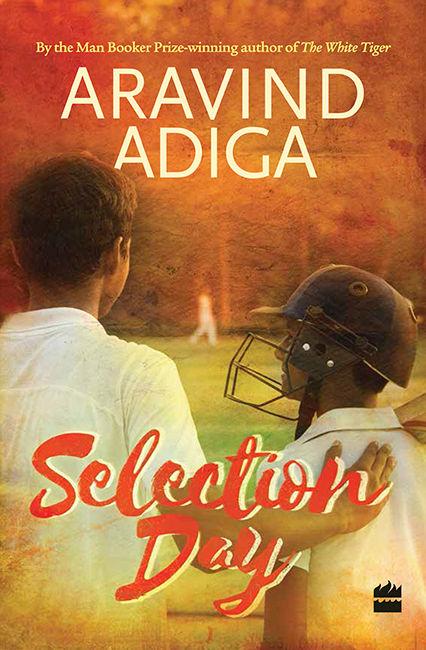
Manju is fourteen. He knows he is good at cricket — if not as good as his elder brother Radha. He knows that he fears and resents his domineering and cricket-obsessed father, admires his brilliantly talented brother and is fascinated by CSI and curious and interesting scientific facts. But there are many things, about himself and about the world, that he doesn't know. . Everyone around him, it seems, has a clear idea of who Manju should be, except Manju himself.
But when Manju begins to get to know Radha's great rival, a boy as privileged and confident as Manju is not, everything in Manju's world begins to change and he is faced by decisions that will challenge both his sense of self and of the world around him.
As sensitively observed as The White Tiger — Winner of the Man Booker Prize 2008 — was brilliantly furious, Selection Day reveals another facet of Aravind Adiga's remarkable talent.
In Self-Portrait Abroad, our narrator — a Belgian author much like Toussaint himself — travels the globe, finding the mundane blended everywhere with the exotic: With his usual poker face, he keeps up on Corsican gossip in Tokyo and has a battle of nerves in a butcher shop in Berlin; he wins a boules tournament in Cap Corse, takes in a strip club in Japan’s historic Nara, gets pulled through Hanoi on a cycle rickshaw, and has a chance encounter on the road from Tunis to Sfax. Tales of a cosmopolitan at home in a strangely familiar world, Self-Portrait Abroad casts the entire globe in a cool but playful light, reminding us that, wherever we go,we take our own eyes with us…
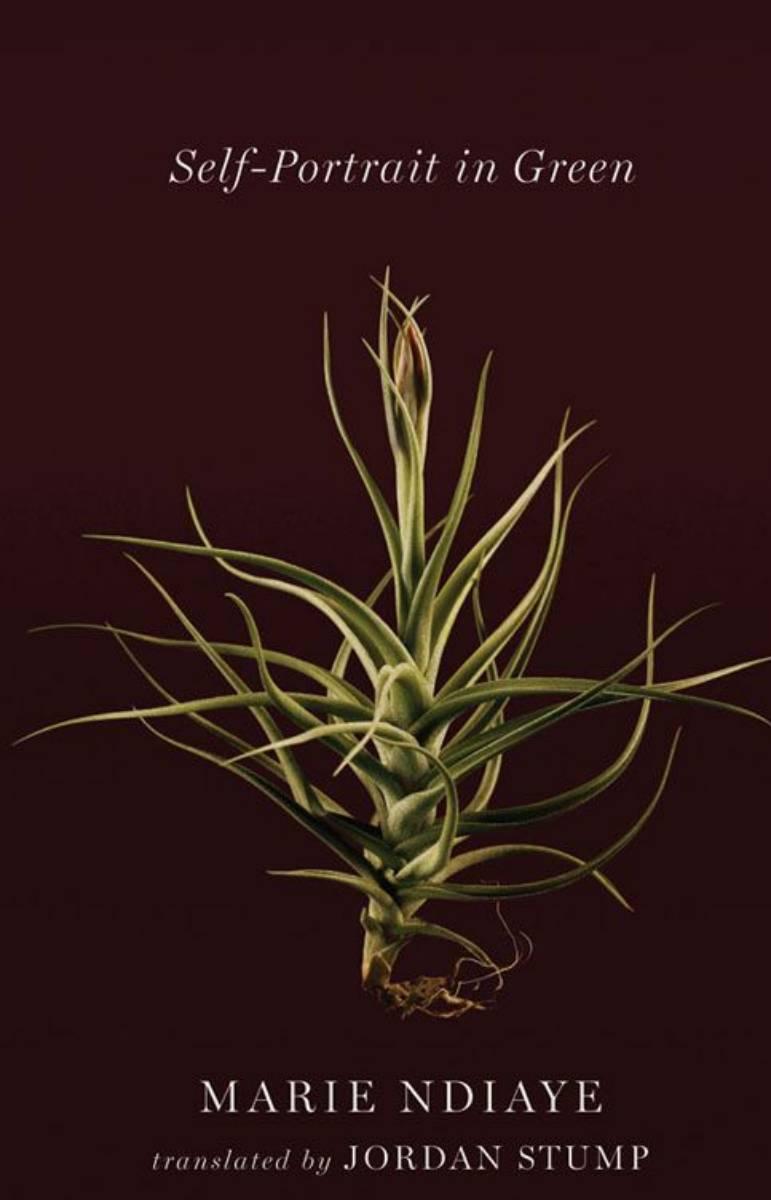
It seems there is no genre of writing Marie NDiaye will not make her own. Asked to write a memoir, she turned in this paranoid fantasia of rising floodwaters, walking corpses, eerie depictions of her very own parents, and the incessant reappearance of women in green. Just who are these green women? They are powerful (one was NDiaye’s disciplinarian grade-school teacher). They are mysterious (one haunts a house like a ghost and may be visible only to the author). They are seductive (one stole a friend’s husband). And they are unbearably personal (one is NDiaye’s own mother). They are all, in their way, aspects of their creator, at once frightening, menacing, and revealing of everything submerged within the consciousness of this singular literary talent. A courageous, strikingly honest, and unabashedly innovative self-portrait, NDiaye’s kaleidoscopic look at the women in green is a revelation to us all — about how we form our identities, how we discover those things we repress, and how our obsessions become us.
Sixty-eight years old; a smoker of Sweet Aftons, a dedicated drinker of Aviateur cocktails, and the owner of a charismatic cat named Turbo, Gerhard Self is an unconventional private detective. When Self is summoned by his long-time friend and rival Korten to investigate several incidents of computer-hacking at a chemicals company, he finds himself dealing with an unfamiliar kind of crime that throws up many challenges. But in his search for the hacker, Self stumbles upon something far more sinister. His investigation eventually unearths dark secrets that have been hidden for decades, and forces Self to confront his own demons.
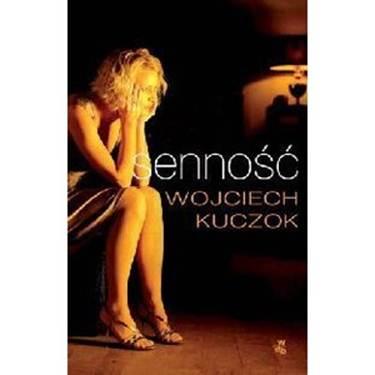
Senność, nowa powieść Wojciecha Kuczoka to książka filmowa. Jej pierwszym szkicem był scenariusz pod tym samym tytułem, napisany na zamówienie reżyserki Magdaleny Piekorz. Adam jest młodym lekarzem naznaczonym piętnem tradycyjnego, prowincjonalnego wychowania. Rodzice lokują w nim wszystkie ambicje, jednak on, skrywający swój homoseksualizm i dręczony poczuciem winy, wie, że nigdy ich nie zadowoli. Robert to rozgoryczony autor jednej wybitnej książki. Pozostając pod dozorem żony i jej koszmarnej rodziny, od lat nie napisał ani słowa. Jego pracownia coraz bardziej staje się dla niego więzieniem. Róża była niegdyś wspaniałą i sławną aktorką teatralną, ale odkąd została żoną despotycznego karierowicza a aPana mężaa, cierpi na narkolepsję i całe dnie spędza w domowej samotni. zbieg okoliczności sprawia, że drogi bohaterów Senności, udręczonych własna niemocą, przecinają się. Czy te spotkania zmienią coś w ich życiua Czy uda im się przebudzić z długiego snua Przejmująca i brawurowo napisana powieść.Wojciech Kuczok obdarzony jest słuchem absolutnym do polszczyzny. Jego niezwykła inwencja językowa ma soczystość śląskiej gwary i swing wielkiej polskiej literatury. Czytanie Senności niesie radość obcowania ze słowem pisanym.
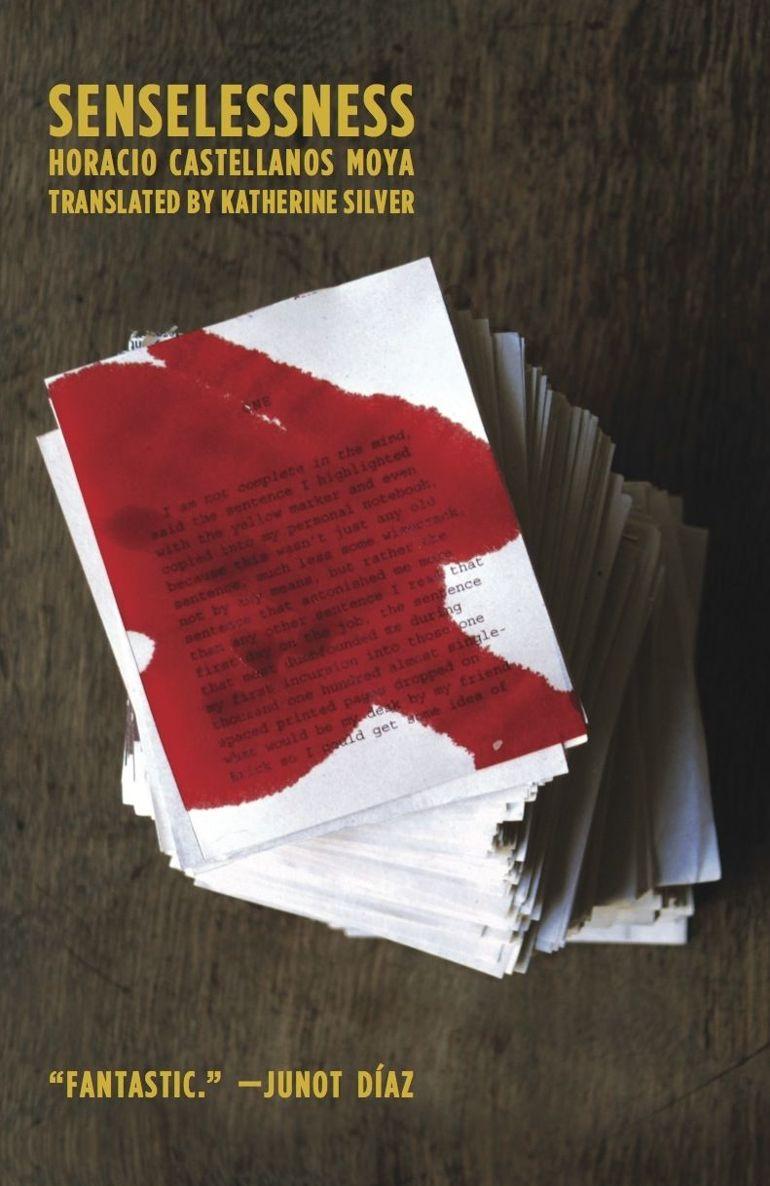
A boozing, sex-obsessed writer finds himself employed by the Catholic Church (an institution he loathes) to proofread a 1,100 page report on the army's massacre and torture of thousands of indigenous villagers a decade earlier, including the testimonies of the survivors. The writer's job is to tidy it up: he rants, "that was what my work was all about, cleaning up and giving a manicure to the Catholic hands that were piously getting ready to squeeze the balls of the military tiger." Mesmerized by the strange Vallejo-like poetry of the Indians' phrases ("the houses they were sad because no people were inside them"), the increasingly agitated and frightened writer is endangered twice over: by the spell the strangely beautiful heart-rending voices exert over his tenuous sanity, and by real danger — after all, the murderers are the very generals who still run this unnamed Latin American country.
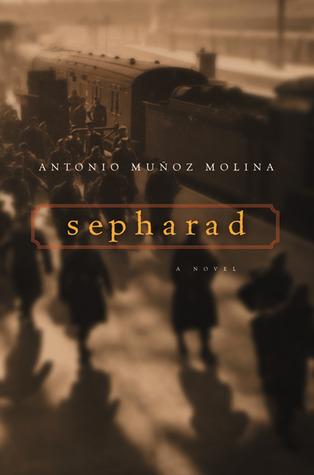
From one of Spain's most celebrated writers, an extraordinary, inspired book-at once fiction, history, and memoir-that draws on the Sephardic diaspora, the Holocaust, and Stalin's purges to tell a twentieth-century story.
Shifting seamlessly from the past to the present and following the routes of escape across countries and continents, Muñoz Molina evokes people real and imagined who come together in a richly allusive pattern-from Eugenia Ginsburg to Grete Buber-Neumann, the one on a train to the gulag, the other to a Nazi concentration camp; from a shoemaker and a nun who become lovers in a small town in Spain to Primo Levi bound for Auschwitz. And others-some well known, others unknown-all voices of separation, nostalgia, love, and endless waiting.
Written with clarity of vision and passion, in a style both lyrical and accessible, Sepharad makes the experience our own.
A brilliant achievement.
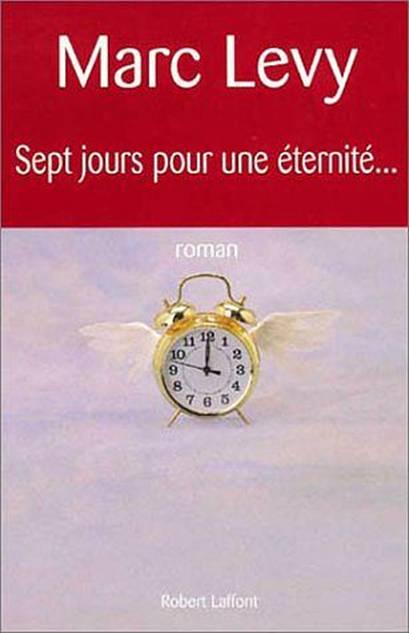
Marc Levy, roi du best-seller depuis Et si c'était vrai…, est de retour avec Sept jours pour une éternité! San Francisco aujourd'hui. Lucas est le genre beau brun ténébreux un peu vénéneux sur les bords; Zofia est une belle plante ingénue à qui on donnerait le Bon Dieu sans confession. À qui s'en remettre pour que ces deux-là se rencontrent? Au destin, forcément, qui s'en charge aux alentours de la quarantième page. Tous deux sont envoyés du ciel: Lucas est le délégué sur terre du diable, ici nommé le Président, et Zofia l'émissaire de Monsieur, c'est-à-dire Dieu en personne. Lucas et Zofia vont jouer sur le plan singulier la partie que le diable et Dieu jouent à l'échelle universelle. Le diable a plus d'un tour dans son sac et Dieu sait tout, par définition. Le seul impondérable c'est ce fichu Destin qui pousse page après page Lucas dans les bras de Zofia et fait croître entre eux un attachement très spécifique aux humains: l'amour.
Sur fond de péripéties policières et d'une intrigue pas tout à fait nécessaire mettant en scène des promoteurs immobiliers véreux (l'auteur était architecte avant d'être romancier à succès, peut-être y a-t-il ici un règlement de comptes par la bande), Marc Levy signe une fable moderne, bien troussée, sur l'amour. Joueur, il multiplie à loisir les métaphores et les situations cocasses entre les anges et les démons. Les droits de Et si c'était vrai… ont été achetés par Spielberg pour une adaptation hollywoodienne. Nous ne serions pas étonné que Sept jours pour une éternité trouve également preneur!
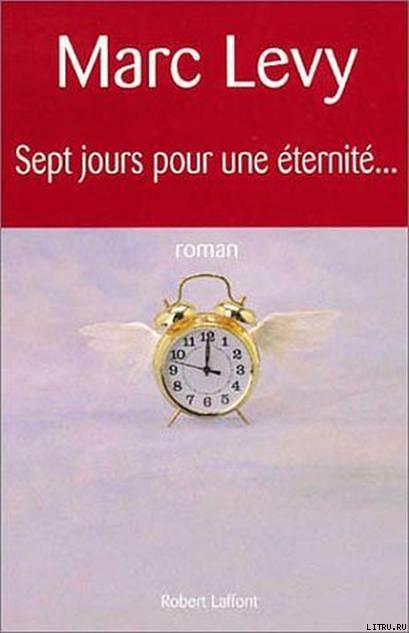
Marc Levy, roi du best-seller depuis Et si c'était vrai…, est de retour avec Sept jours pour une éternité! San Francisco aujourd'hui. Lucas est le genre beau brun ténébreux un peu vénéneux sur les bords; Zofia est une belle plante ingénue à qui on donnerait le Bon Dieu sans confession. À qui s'en remettre pour que ces deux-là se rencontrent? Au destin, forcément, qui s'en charge aux alentours de la quarantième page. Tous deux sont envoyés du ciel: Lucas est le délégué sur terre du diable, ici nommé le Président, et Zofia l'émissaire de Monsieur, c'est-à-dire Dieu en personne. Lucas et Zofia vont jouer sur le plan singulier la partie que le diable et Dieu jouent à l'échelle universelle. Le diable a plus d'un tour dans son sac et Dieu sait tout, par définition. Le seul impondérable c'est ce fichu Destin qui pousse page après page Lucas dans les bras de Zofia et fait croître entre eux un attachement très spécifique aux humains: l'amour.
Sur fond de péripéties policières et d'une intrigue pas tout à fait nécessaire mettant en scène des promoteurs immobiliers véreux (l'auteur était architecte avant d'être romancier à succès, peut-être y a-t-il ici un règlement de comptes par la bande), Marc Levy signe une fable moderne, bien troussée, sur l'amour. Joueur, il multiplie à loisir les métaphores et les situations cocasses entre les anges et les démons. Les droits de Et si c'était vrai… ont été achetés par Spielberg pour une adaptation hollywoodienne. Nous ne serions pas étonné que Sept jours pour une éternité trouve également preneur!
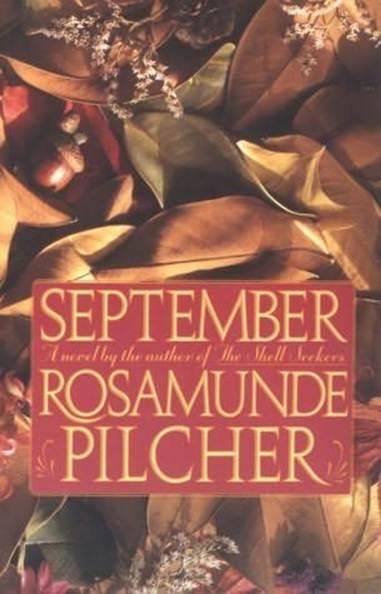
For a small group of people, the dance that takes place in Perthshire in September will be a turning point in their lives. A group of people tied to each other by links of family and friendship are brought together.
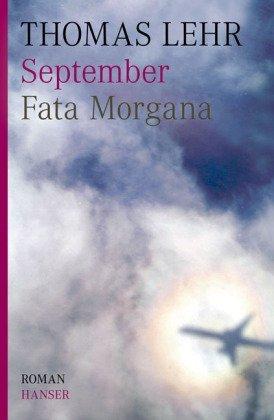
Zwei Väter und zwei Töchter, zwei parallele Lebensgeschichten in den USA und im Irak. Ihre Schauplätze sind weit entfernt, und doch verbinden sie zwei politische Ereignisse: Sabrina stirbt am 11. September 2001 im New Yorker World Trade Center, während Muna 2004 in Bagdad bei einem Bombenattentat ums Leben kommt. "September" erzählt vom Islam, von Öl, Terror und Krieg und von zwei Frauen, die stellvertretend für die Opfer dieses Konflikts stehen.
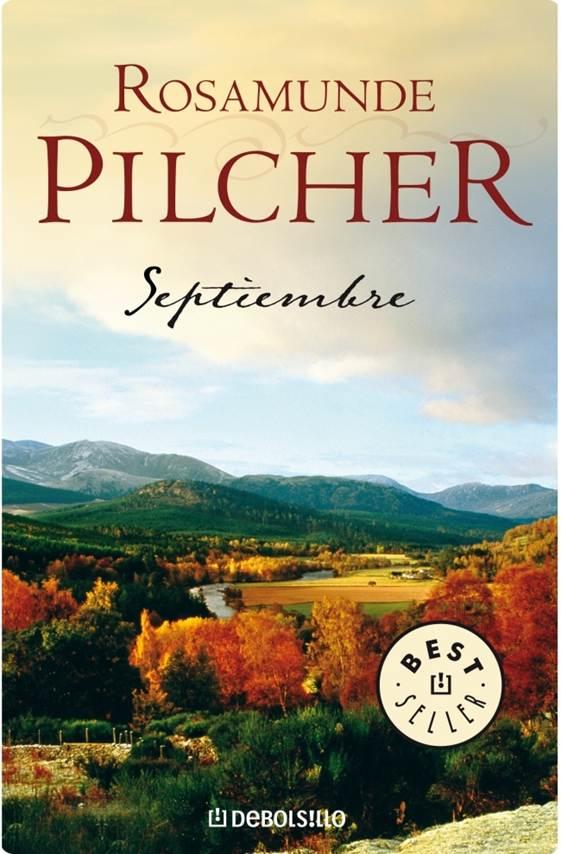
Con motivo de una fiesta de cumpleaños, una serie de personajes procedentes de Londres, Nueva York, Escocia y España coinciden el el pequeño pueblo de Strachroy. Estamos en septiembre, mes durante el cual en Escocia se prodigan celebraciones, cacerías y bailes. Sin embargo, al compás de este ambiente festivo, el destino arrastrará a los protagonistas a situaciones tan dramáticas como sorprendentes, y les obligará a tomar decisiones y afrontar situaciones que marcarán profundamente sus vidas…