 fb2
fb2The Book of Evidence is a 1989 novel by the Irish author John Banville. The book is narrated by Freddie Montgomery, a 38 year old scientist, who murders a servant girl during an attempt to steal a painting from a neighbor. Freddie is an aimless drifter, and though he is a perceptive observer of himself and his surroundings, he is largely amoral. The end of the novel makes it unclear whether anything Freddie has said is true. When asked by the inspector how much of it is true, Freddie responds, "True, Inspector? All of it. None of it. Only the shame." The Book of Evidence won Ireland 's Guinness Peat Aviation Award in 1989, and was short-listed for Britain 's Booker Prize. In reviewing the book, Publishers Weekly compared Banville's writing to that of Albert Camus and Fyodor Dostoevsky. The writing style continues Banville's attempt to give his prose "the kind of denseness and thickness that poetry has".
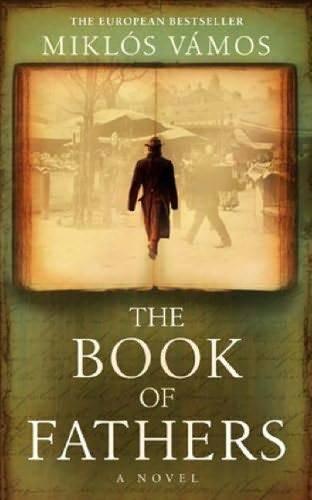
Twelve men – running in direct line line from father to eldest son, who in turn becomes a father – are the heroes of this wonderful family saga which runs over 300 years' panorama of Hungarian life and history. Each man also passes to his son certain unusual gifts: the ability to see the past, and in some cases to see the future too. The fathers also pass on a book in which they have left a personal record ('The Book of Fathers'). The reader is swept along by the narrative brilliance of Vamos' story. Some of his heroes are lucky, live long and are good at their trade; some are unlucky failures and their lives are cut short. Some are happily married, some have unhappy marriages – and the ability to see into the future is often a poisoned chalice. An extraordinary and brilliant generational saga, THE BOOK OF FATHERS is set to become a European classic.
Having become free, you will see fetters of others. Trying to remove these fetters, you will create hatred. Fetters can be broken only by those realized them.
Truly free is reasonable, yet not clever.
Truly free is innocent, yet not a child.
Truly free is capable to trust, but himself.
Truly free has no dreams.
Truly free is free to aid sleeping ones awake.
Such is the truly free one.
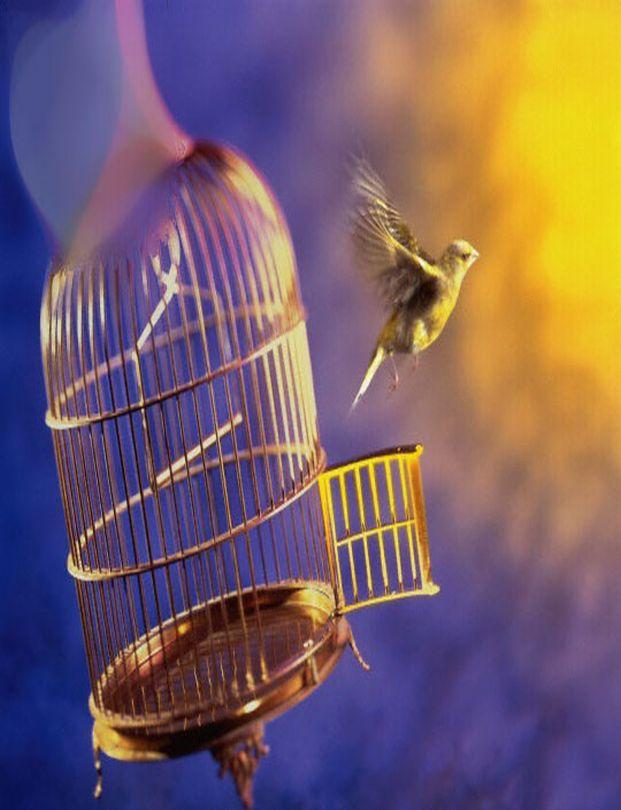
Having become free, you will see fetters of others. Trying to remove these fetters, you will create hatred. Fetters can be broken only by those realized them.
Truly free is reasonable, yet not clever.
Truly free is innocent, yet not a child.
Truly free is capable to trust, but himself.
Truly free has no dreams.
Truly free is free to aid sleeping ones awake.
Such is the truly free one.
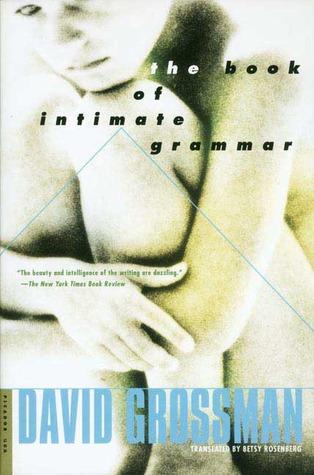
Aron Kelinfeld is the ringleader among the boys in his Jerusalem neighborhood, but as his 12-year-old friends begin to mature, Aaron remains imprisoned in the body of a child for three long years. While Israel inches toward the Six-Day War, and his friends cross the boundary between childhood and adolescence, Aron remains in his child’s body, spying on the changes that adulthood wreaks as, like his hero Houdini, he struggles to escape the trap of growing up.
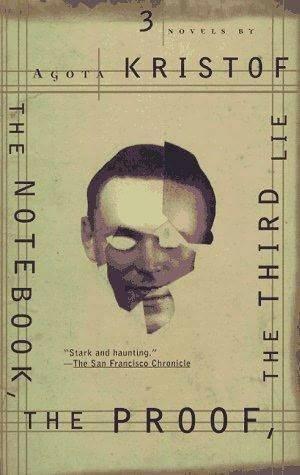
An omnibus of novels: The Notebook – The Proof – The Third Lie
These three internationally acclaimed novels have confirmed Agota Kristof's reputation as one of the most provocative exponents of new-wave European fiction. With all the stark simplicity of a fractured fairy tale, the trilogy tells the story of twin brothers, Claus and Lucas, locked in an agonizing bond that becomes a gripping allegory of the forces that have divided "brothers" in much of Europe since World War II. Kristof's postmodern saga begins with The Notebook, in which the brothers are children, lost in a country torn apart by conflict, who must learn every trick of evil and cruelty merely to survive. In The Proof, Lucas is challenging to prove his own identity and the existence of his missing brother, a defector to the "other side." The Third Lie, which closes the trilogy, is a biting parable of Eastern and Western Europe today and a deep exploration into the nature of identity, storytelling, and the truths and untruths that lie at the heart of them all. "Stark and haunting." – The San Francisco Chronicle; "A vision of considerable depth and complexity, a powerful portrait of the nobility and perversity of the human heart." – The Christian Science Monitor.
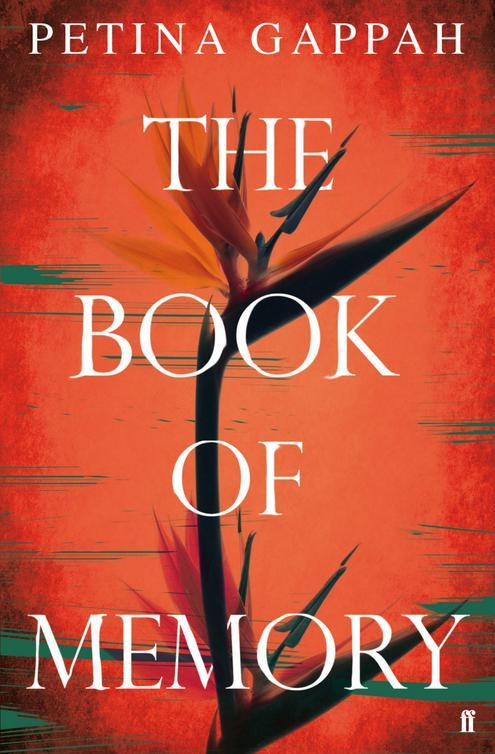
The story you have asked me to tell begins not with the ignominious ugliness of Lloyd's death but on a long-ago day in April when the sun seared my blistered face and I was nine years old and my father and mother sold me to a strange man. I say my father and my mother, but really it was just my mother.
Memory, the narrator of The Book of Memory, is an albino woman languishing in Chikurubi Maximum Security Prison in Harare, Zimbabwe, where she has been convicted of murder. As part of her appeal her lawyer insists that she write down what happened as she remembers it. The death penalty is a mandatory sentence for murder, and Memory is, both literally and metaphorically, writing for her life. As her story unfolds, Memory reveals that she has been tried and convicted for the murder of Lloyd Hendricks, her adopted father.
But who was Lloyd Hendricks? Why does Memory feel no remorse for his death? And did everything happen exactly as she remembers? Moving between the townships of the poor and the suburbs of the rich, and between the past and the present, Memory weaves a compelling tale of love, obsession, the relentlessness of fate and the treachery of memory.
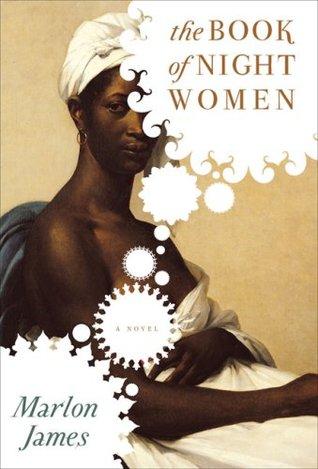
The Book of Night Women is a sweeping, startling novel, a true tour de force of both voice and storytelling. It is the story of Lilith, born into slavery on a Jamaican sugar plantation at the end of the eighteenth century. Even at her birth, the slave women around her recognize a dark power that they and she will come to both revere and fear.
The Night Women, as they call themselves, have long been plotting a slave revolt, and as Lilith comes of age and reveals the extent of her power, they see her as the key to their plans. But when she begins to understand her own feelings and desires and identity, Lilith starts to push at the edges of what is imaginable for the life of a slave woman in Jamaica, and risks becoming the conspiracy's weak link.
Lilith's story overflows with high drama and heartbreak, and life on the plantation is rife with dangerous secrets, unspoken jealousies, inhuman violence, and very human emotion between slave and master, between slave and overseer, and among the slaves themselves. Lilith finds herself at the heart of it all. And all of it told in one of the boldest literary voices to grace the page recently-and the secret of that voice is one of the book's most intriguing mysteries.
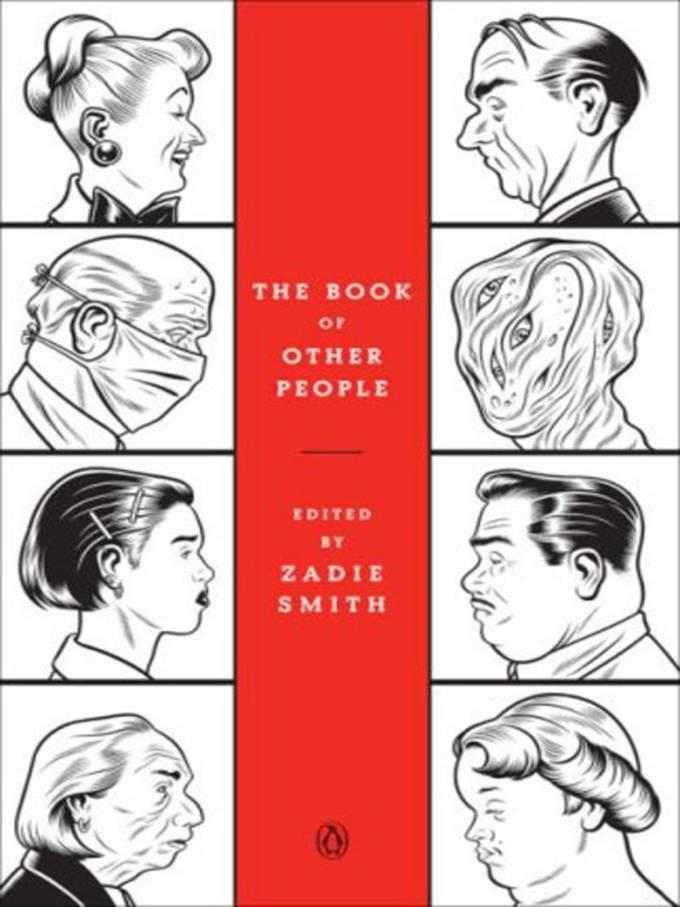
An anthology of stories edited by Zadie Smith
A stellar host of writers explore the cornerstone of fiction writing: character
The Book of Other People is about character. Twenty-five or so outstanding writers have been asked by Zadie Smith to make up a fictional character. By any measure, creating character is at the heart of the fictional enterprise, and this book concentrates on writers who share a talent for making something recognizably human out of words (and, in the case of the graphic novelists, pictures). But the purpose of the book is variety: straight "realism"-if such a thing exists-is not the point. There are as many ways to create character as there are writers, and this anthology features a rich assortment of exceptional examples.
The writers featured in The Book of Other People include:
Aleksandar Hemon
Nick Hornby
Hari Kunzru
Toby Litt
David Mitchell
George Saunders
Colm Tóibín
Chris Ware, and more.
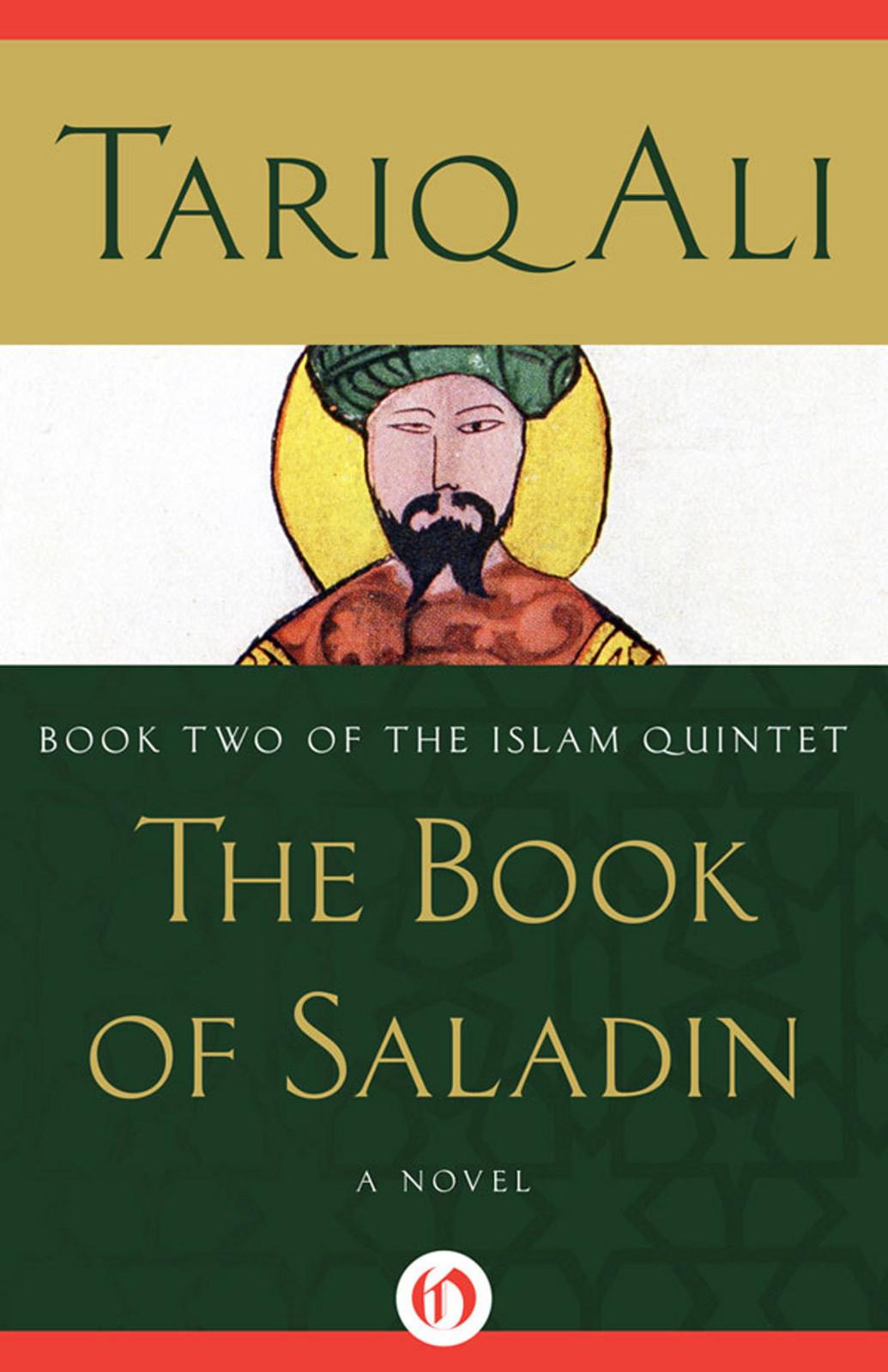
Tariq Ali has been a British national treasure for almost five decades. Revolutionary, writer, broadcaster, filmmaker, polemicist-fighter in the street-and general all-round trouble-maker (in the nicest possible sense), he's been them all, and usually at the same time. Since 1990 Ali has also worked in fiction, firstly with Redemption, and now with a planned quartet of historical novels, of which The Book of Saladin is the second. (The first was the award-winning Shadows of the Pomegranate Tree.)
Ali's passion for life, and his humor, are found all over this latest work, which is set in the 12th century-with eerily prescient echoes of modern times. It shows us the conflict between Christian and Islamic civilizations set to a sometimes bawdy, sometimes brutal background where all of life is in flux. As in his previous novel, Ali shows the depth and breadth of his learning and humanity on every page. Like his central character, Saladin, or Salah-al-Din (the Kurdish liberator of Jerusalem), he has been a fighter of many causes, a maker of alliances, who has made an impact on the world around him. Unlike his hero, Tariq Ali has never been a Sultan, or a warrior, except a class one, of course. But between them-Ali and his warrior king-readers can discover much of both history and contemporary life in the melting pot of world religion. -Robin Hunt, Amazon.co.uk
In a snowbound village in the German mountains, a young woman discovers an extraordinary secret. Before she can reveal it, she disappears. All that survives is a picture of a mysterious medieval playing card that has perplexed scholars for centuries. Nick Ash does research for the FBI in New York. Six months ago his girlfriend Gillian walked out and broke his heart. Now he's the only person who can save her – if it's not too late. Within hours of getting her message, Nick finds himself on the run, delving deep into the past before it catches up with him. Hunted across Europe, Nick follows Gillian's trail into the heart of a five-hundred-year-old mystery. But across the centuries, powerful forces are closing around him. There are men who have devoted their lives to keeping the secret, and they will stop at nothing to protect it.
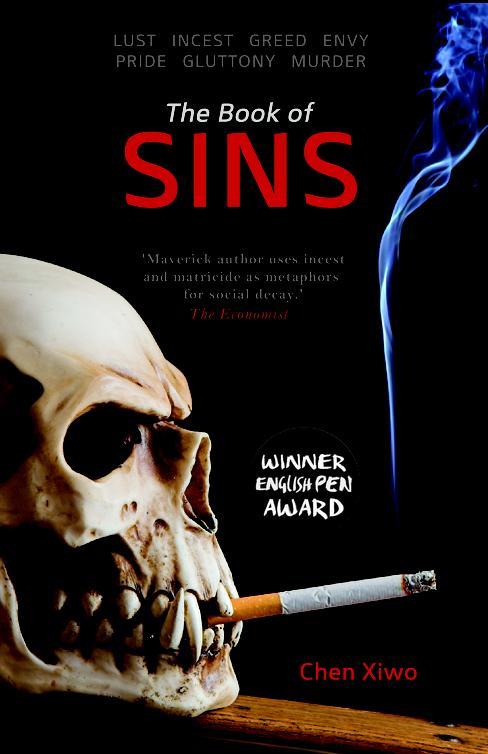
The book's seven linked novellas offer readers a disturbingly brilliant take on topics like rape, incest, S&M, impotence, and voyeurism, and explore links between sexual and political deviance. In I Love My Mum, a disabled man who is in an incestuous relationship with his mother, at her demand and using a whip she provides, beats her to death. In Bin Laden's Kidney, a resident of an exclusive gated community indulges in voyeuristic fantasies about the sex life of his neighbours. In Going To Heaven, the young son of a village undertaker tries to convince his friend to enter a suicide pact. At the top of the banned list in China, The Book of Sins is an unforgettable journey to the dark side of the human psyche.
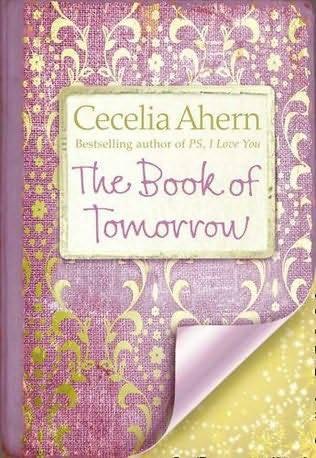
Tamara Goodwin has always got everything she’s ever wanted. Born into a family of wealth, she grew up in a mansion with its own private beach, a wardrobe full of designer clothes, and a large four poster bed complete with a luxurious bathroom en suite. She’s always lived in the here and now, never giving a second thought to tomorrow.
But then suddenly her dad is gone and life for Tamara and her mother changes forever. Left with a mountain of debt, they have no choice but to sell everything they own and move to the country to live with Tamara’s Uncle and Aunt. Nestled next to Kilsaney Castle, their gate house is a world away from Tamara’s childhood. With her Mother shut away with grief, and her Aunt busy tending to her, Tamara is lonely and bored and longs to return to Dublin.
When a travelling library passes through Kilsaney Demesne, Tamara is intrigued. She needs a distraction. Her eyes rest on a mysterious large leather bound tome locked with a gold clasp and padlock. With some help, Tamara finally manages to open the book. What she discovers within the pages takes her breath away and shakes her world to its core…
‘Honestly and intelligently written… offers lessons to those who choose to heed it on the folly of trying to make simple diagnoses or to apply simple remedies in Afghanistan’ Isabel Hilton, Daily Telegraph
‘A colourful portrait of people struggling to survive in the most brutal circumstances… bears witness to the power of literature to withstand even the most repressive regime’ Michael Arditti, Daily Mail
‘A compelling picture of a country which tragically continues to tear itself apart’ Sunday Telegraph
‘A triumph. From the terrors and complexities of courtship through the perilous cross-country pilgrimage by a guilt-addled son to the agonising fate of a thieving carpenter, these are compelling little dramas, mined from the resource of “every day life”… and peopled by characters who bristle with life and emotion and individuality…while their stories delight with the freshness of something foreign, they are both universal and intimately personal… [the] work’s outward simplicity is matched by a subtle and complex understanding: the quality of truth’ Scotsman
‘Magnificent… Beautifully written, it dares to bestride incompatible worlds. It is the best outsider tale I have read from within the bounds of Islamic life since Sarah Hobson’s Through Persia in Disguise, published twenty-nine years ago’ Scotland on Sunday
‘A unique insight into another world’ Daily Mirror
‘Moving and utterly gripping’ Big Issue in the North
‘A closely observed, affecting account… an admirable, revealing portrait of daily life in a country that Washington claims to have liberated but does not begin to understand’ Washington Post
‘Astounding… an international bestseller, it will likely stand as one of the best books of reportage of Afghan life after the fall of the Taliban’ Publishers Weekly
***
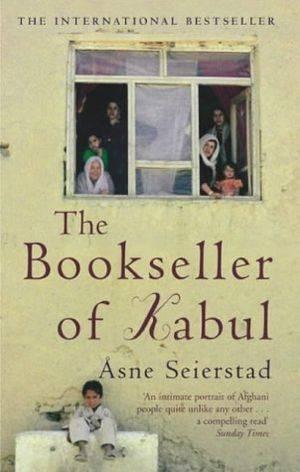
"In The Bookseller of Kabul, Asne Seierstad tries to answer the question: What kind of lives do Afghani men, women and children lead after the fall of the Taliban? She does this through a case study of one family. Economically, the Khans are not a typical Afghani family. The head, Sultan, owns bookstores in the country's capitol, and he is modestly wealthy. When the author, Asne Seierstad, first meets him, she is impressed by his seemingly liberal way of thinking, especially with respect to women. Seierstad thinks she might have struck a cultural anomaly in the male-dominated Afghan society and arranges to live with Sultan and his family to develop her story on life in Afghanistan.
During her four month stay with the Khans, Seierstad interviewed dozens of family members, went on a religious pilgrimage, and attended weddings. Through her interviews and experiences, she found that her first impression of Sultan was somewhat incorrect. While Sultan generally supposed women's rights, capitolism and other social liberties in his conversations with outsiders, he still keeps a firm, patriarchial grip on his family. Despite being wealthier that most Afghanis, Sultan refuses to send his sons to school, and instead forces them to work at his bookstore. He marries a second wife and exiled his
first wife to Pakistan where she had to live alone and keep his second house. Sultan's ruling arm also extended over his youngest sister, Lelia, whom he keeps in his home as a servant.
Each chapter of The Bookseller of Kabul focuses on a different member of the Khan family or a different event in the family's collective life. Through these individual stories, Seierstad creates her collage of what it is like to be a man, woman or child in Kabul, Afghanistan."
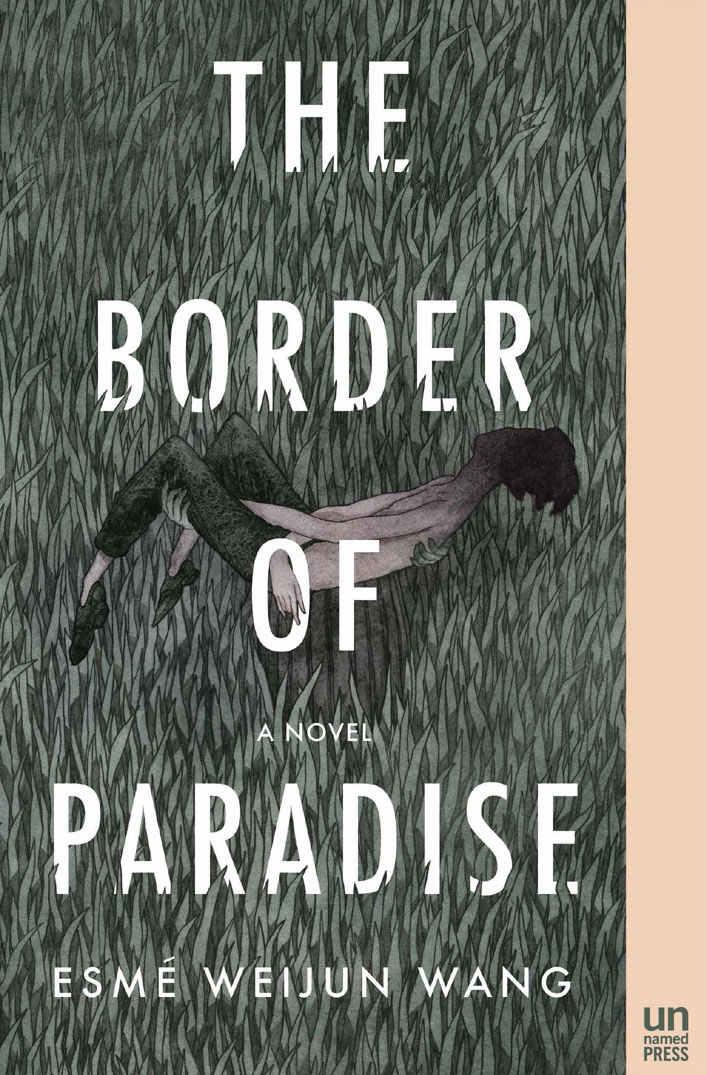
A remarkable multigenerational novel, The Border of Paradise transports readers into the world of an iconoclastic midcentury family.
In booming postwar Brooklyn, the Nowak Piano Company is an American success story. There is just one problem: the Nowak’s only son, David. A handsome kid and shy like his mother, David struggles with neuroses. If not for his only friend, Marianne, David’s life would be intolerable. When David inherits the piano company at just 18 and Marianne breaks things off, David sells the company and travels around the world. In Taiwan, his life changes when he meets the daughter of a local madame — beautiful, sharp-tongued Daisy. Returning to the United States, the couple (and newborn son) buy an isolated country house in Northern California’s Polk Valley.
As David's mental health deteriorates, he has a brief affair with Marianne, producing a daughter. When Marianne appears at their doorstep, the couple's fateful decision to take the child as their own determines a tragic course of events for the entire family. Told from multiple perspectives, The Border of Paradise culminates in heartrending fashion, as the young heirs to the Nowak fortune must confront their past and the tragic reality of their future.
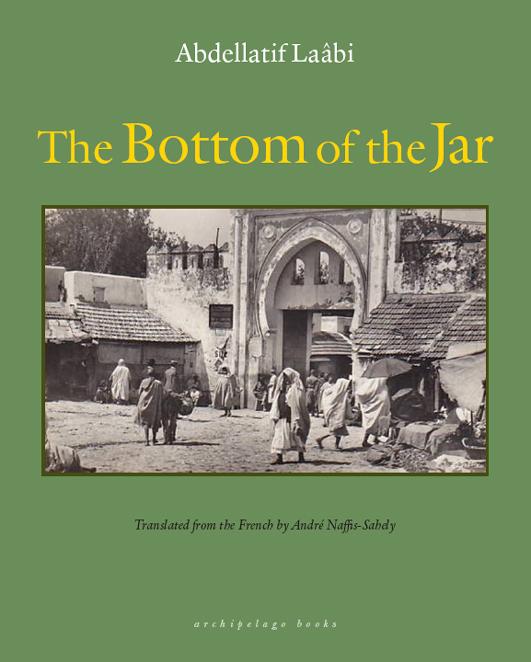
The Bottom of the Jar is the journey of a boy finding his footing in the heart of Fez during the 1950s, as Morocco began freeing itself from the grip of the French colonial occupation. The narrator vividly recalls his first encounters with the ebullient city, family dramas, and the joys and turbulence of his childhood. He recalls a renegade, hashish-loving uncle, who at nightfall transforms into a beloved Homer, his salt-of-the-earth mother¢s impassioned pleas to a Divine ear, and his father¢s enduring generosity. Told in the spirit of a late-night ramble among friends where hilarious anecdotes and poignant recollections flow in equal parts, Laâbi¢s autobiographical novel offers us a generous glimpse into the formative experiences of a great poet, whose integrity and commitment to social justice earned him an eight-and-a-half year prison sentence during Morocco¢s "year of lead" in The 1970s.
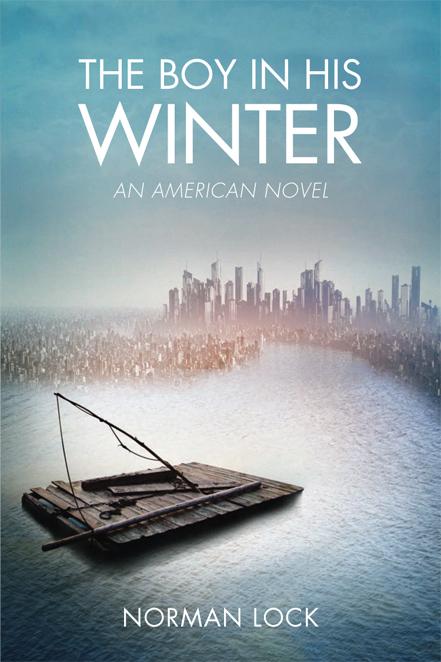
Launched into existence by Mark Twain, Huck Finn and Jim have now been transported by Norman Lock through three vital, violent, and transformative centuries of American history. As time unfurls on the river’s banks, they witness decisive battles of the Civil War, the betrayal of Reconstruction’s promises to the freed slaves, the crushing of Native American nations, and the electrification of a continent. Huck, who finally comes of age when he’s washed up on shore during Hurricane Katrina, narrates the story as an older and wiser man in 2077, revealing our nation’s past, present, and future as Mark Twain could never have dreamed it.
The Boy in His Winter is a tour-de-force work of imagination, beauty, and courage that re-envisions a great American literary classic for our time.
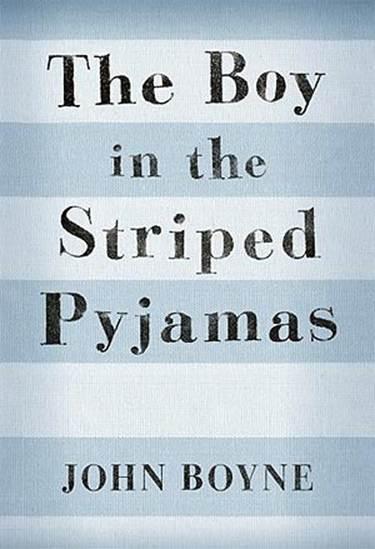
Berlin 1942 – when Bruno returns home from school one day, he discovers that his belongings are being packed in crates. His father has received a promotion and the family must move from their home to a new house far far away, where there is no one to play with and nothing to do. A tall fence running alongside stretches as far as the eye can see and cuts him off from the strange people he can see in the distance. But Bruno longs to be an explorer and decides that there must be more to this desolate new place than meets the eye. While exploring his new environment, he meets another boy whose life and circumstances are very different to his own, and their meeting results in a friendship that has devastating consequences.
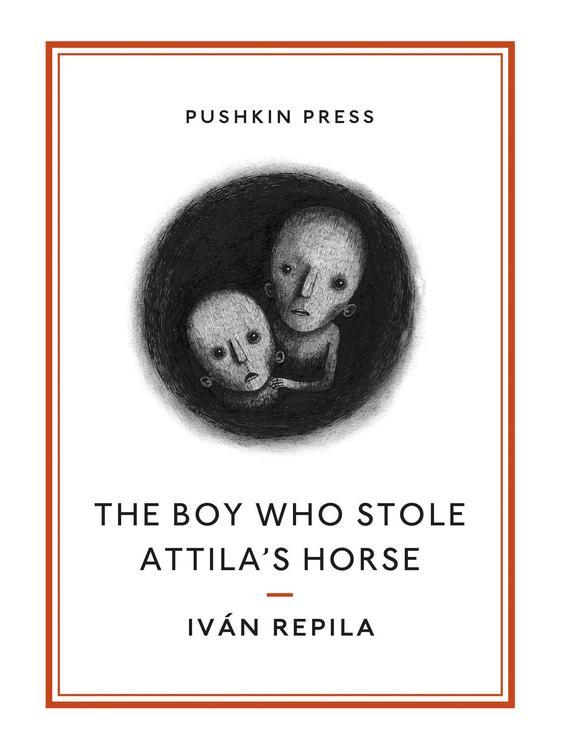
'It looks impossible to get out,' he says. And also: 'But we'll get out.'
Two brothers, Big and Small, are trapped at the bottom of a well. They have no food and little chance of rescue. Only the tempting spectre of insanity offers a way out. As Small's wits fail, Big formulates a desperate plan.
With the authority of the darkest fables, and the horrifying inevitability of all-too-real life, Repila's unique allegory explores the depths of human desperation and, ultimately, our almost unending capacity for hope.

A powerful Catalan author gives us a penetrating story of meaningless deaths and personal isolation, set in the heart of one of Spain’s most beautiful, vibrant places.
In the once-bucolic village of Vidreres, already decimated by a harsh recession, two young men have just died in a horrible car crash. As the town attends the funeral, a banker named Ernest heads to the tree where the boys died to try and make sense of what happened. There he meets a brutish trucker who has taken a liking to Iona, the fiancée of one of the dead boys. But Iona is already, only the day after the accident, being pursued by a failed, perhaps psychotic, artist. These four characters, their lives and voices intertwined, grapple with their own guilt over the unfathomable loss of the boys, and perhaps their whole town.
Long known as one of Spain’s most powerful Catalan authors, Toni Sala is at his mischievous best in The Boys, delivering a sinister, fast-moving tale laced with intricate meditations on everything from Internet hookups to Spain’s economic collapse to the incomprehensibility of death. Sala offers us a startlingly honest vision of how alone we are in an age of unparalleled connectivity.