 fb2
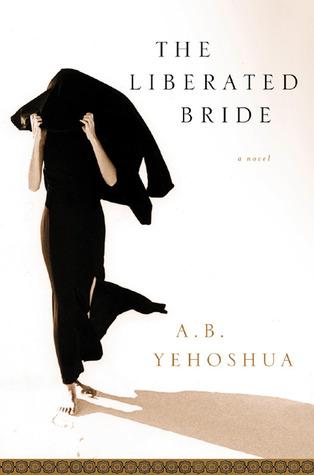
fb2Yohanan Rivlin, a professor at Haifa University, is a man of boundless and often naïve curiosity. His wife, Hagit, a district judge, is tolerant of almost everything but her husband's faults and prevarications. Frequent arguments aside, they are a well-adjusted couple with two grown sons.
When one of Rivlin's students-a young Arab bride from a village in the Galilee-is assigned to help with his research in recent Algerian history, a two-pronged mystery develops. As they probe the causes of the bloody Algerian civil war, Rivlin also becomes obsessed with his son's failed marriage.
Rivlin's search leads to a number of improbable escapades. In this comedy of manners, at once deeply serious and highly entertaining, Yehoshua brilliantly portrays characters from disparate sectors of Israeli life, united above all by a very human desire for, and fear of, the truth in politics and life.
If Ryu Murakami had written War and Peace
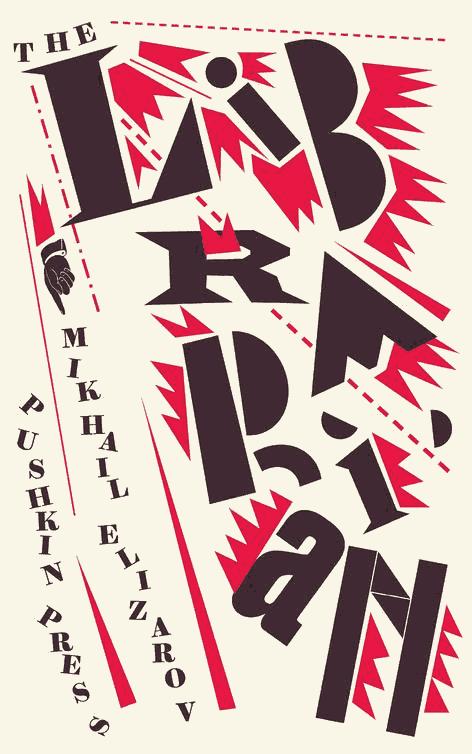
As the introduction to this book will tell you, the books by Gromov, obscure and long forgotten propaganda author of the Soviet era, have such an effect on their readers that they suddenly enjoy supernatural powers. Understandably, their readers need to keep accessing these books at all cost and gather into groups around book-bearers, or, as they're called, librarians. Alexei, until now a loser, comes to collect an uncle's inheritance and unexpectedly becomes a librarian. He tells his extraordinary, unbelievable story.
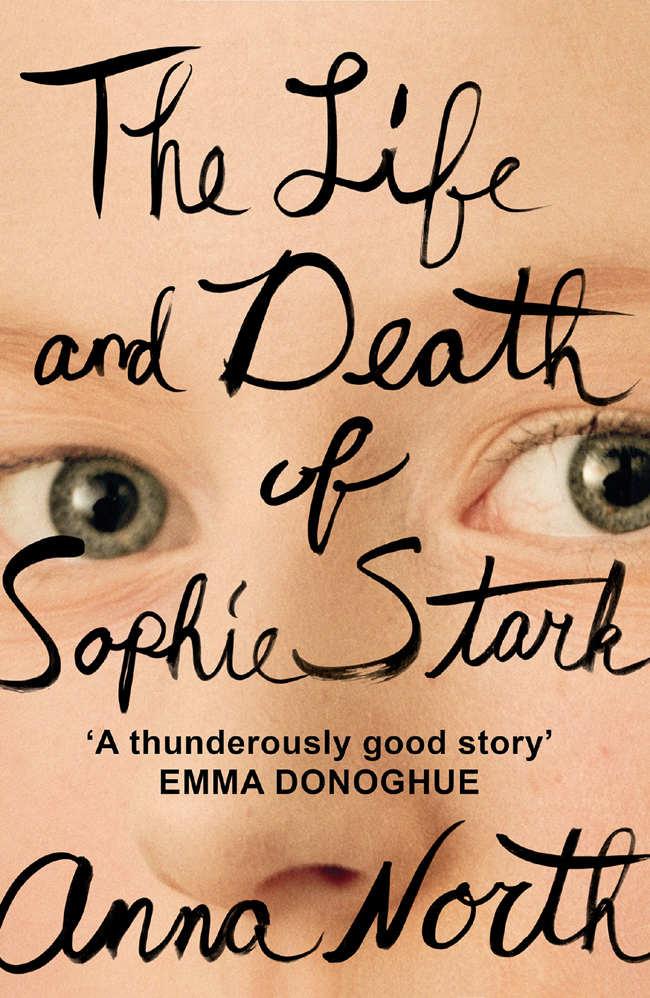
Gripping and provocative, The Life and Death of Sophie Stark tells a story of fame, love, and legacy through the propulsive rise of an iconoclastic artist.
“It’s hard for me to talk about love. I think movies are the way I do that,” says Sophie Stark, a visionary and unapologetic filmmaker. She uses stories from the lives of those around her — her obsession, her girlfriend, and her husband — to create movies that bring her critical recognition and acclaim. But as her career explodes, Sophie’s unwavering dedication to her art leads to the shattering betrayal of the people she loves most.
Told in a chorus of voices belonging to those who knew her best, The Life and Death of Sophie Stark is an intimate portrait of an elusive woman whose monumental talent and relentless pursuit of truth reveal the cost of producing great art, both for the artist and for the people around her.
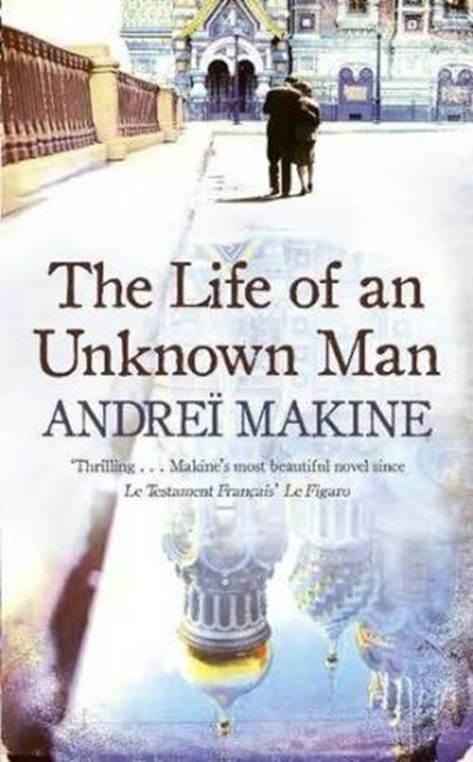
An extraordinary story of love and endurance during the Siege of Leningrad lies at the heart of a magnificent novel about Russia past and present, and the human condition.
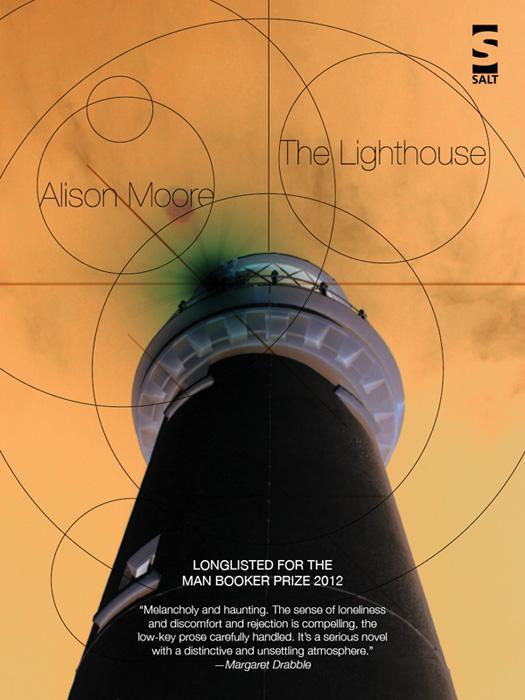
Shortlisted for the Man Booker Prize 2012 Shortlisted for New Writer of the Year in the 2012 Specsavers National Book Awards On the outer deck of a North Sea ferry stands Futh, a middle-aged and newly separated man, on his way to Germany for a restorative walking holiday. After an inexplicably hostile encounter with a hotel landlord, Futh sets out along the Rhine. As he contemplates an earlier trip to Germany and the things he has done in his life, he does not foresee the potentially devastating consequences of things not done. "The Lighthouse," Alison Moore's first novel, tells the tense, gripping story of a man trying to find himself, but becoming lost.
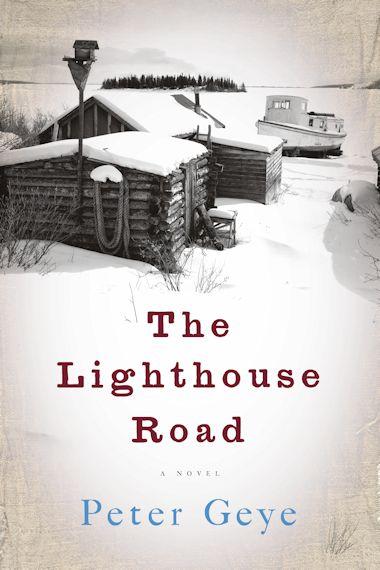
Against the wilds of sea and wood, a young immigrant woman settles into life outside Duluth in the 1890s, still shocked at finding herself alone in a new country, abandoned and adrift; in the early 1920s, her orphan son, now grown, falls in love with the one woman he shouldn’t and uses his best skills to build them their own small ark to escape. But their pasts travel with them, threatening to capsize even their fragile hope. In this triumphant new novel, Peter Geye has crafted another deeply moving tale of a misbegotten family shaped by the rough landscape in which they live-often at the mercy of wildlife and weather-and by the rough edges of their own breaking hearts.
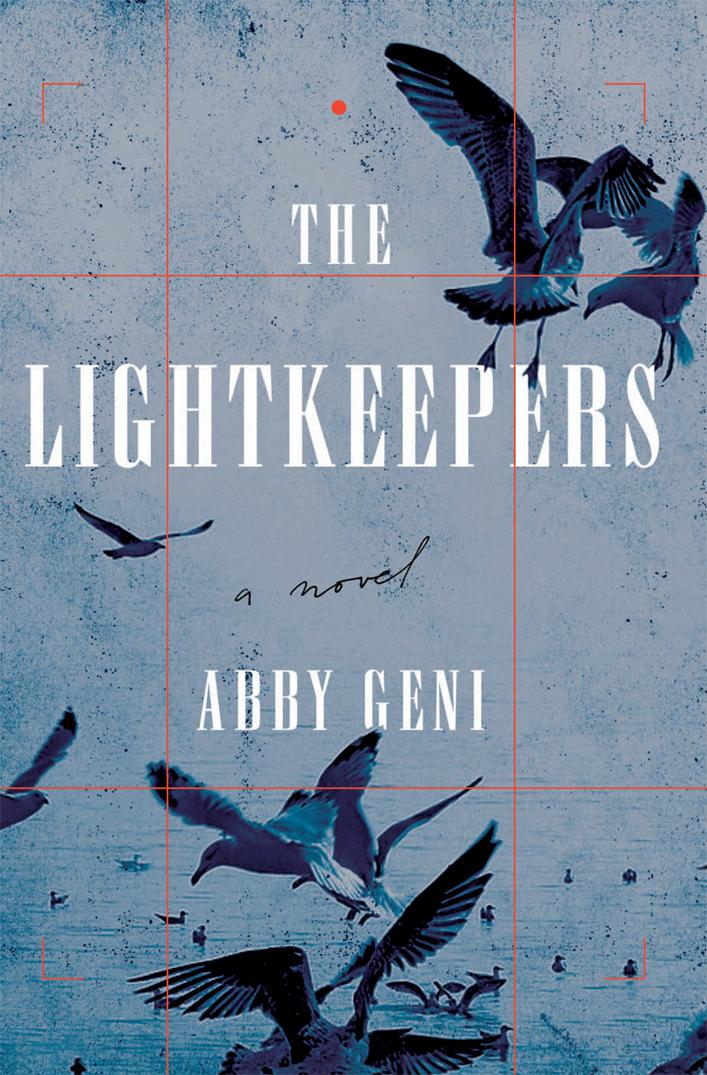
In The Lightkeepers, we follow Miranda, a nature photographer who travels to the Farallon Islands, an exotic and dangerous archipelago off the coast of California, for a one-year residency capturing the landscape. Her only companions are the scientists studying there, odd and quirky refugees from the mainland living in rustic conditions; they document the fish populations around the island, the bold trio of sharks called the Sisters that hunt the surrounding waters, and the overwhelming bird population who, at times, create the need to wear hard hats as protection from their attacks.
Shortly after her arrival, Miranda is assaulted by one of the inhabitants of the islands. A few days later, her assailant is found dead, perhaps the result of an accident. As the novel unfolds, Miranda gives witness to the natural wonders of this special place as she grapples with what has happened to her and deepens her connection (and her suspicions) to her companions, while falling under the thrall of the legends of the place nicknamed “the Islands of the Dead.” And when more violence occurs, each member of this strange community falls under suspicion.
The Lightkeepers upends the traditional structure of a mystery novel — an isolated environment, a limited group of characters who might not be trustworthy, a death that may or may not have been accidental, a balance of discovery and action — while also exploring wider themes of the natural world, the power of loss, and the nature of recovery. It is a luminous debut novel from a talented and provocative new writer.
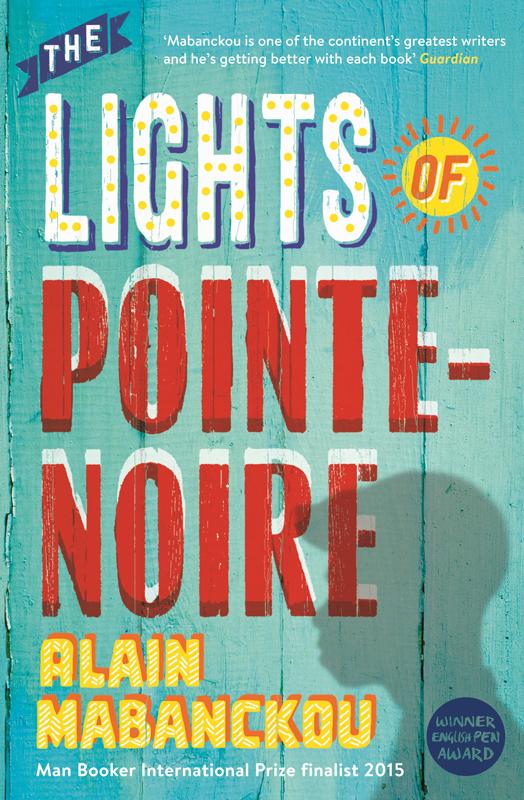
A moving meditation on home, home-coming and belonging from Francophone Africa's most important writer
Finalist for the Man Booker International Prize 2015
Alain Mabanckou left Congo in 1989, at the age of twenty-two, not to return until a quarter of a century later. When at last he returns home to Pointe-Noire, a bustling port town on Congo's south-eastern coast, he finds a country that in some ways has changed beyond recognition: the cinema where, as a child, Mabanckou gorged on glamorous American culture has become a Pentecostal temple, and his secondary school has been re-named in honour of a previously despised colonial ruler.But many things remain unchanged, not least the swirling mythology of Congolese culture which still informs everyday life in Pointe-Noire. Mabanckou though, now a decorated French-Congolese writer and esteemed professor at UCLA, finds he can only look on as an outsider at the place where he grew up. As Mabanckou delves into his childhood, into the life of his departed mother and into the strange mix of belonging and absence that informs his return to Congo, he slowly builds a stirring exploration of the way home never leaves us, however long ago we left home.
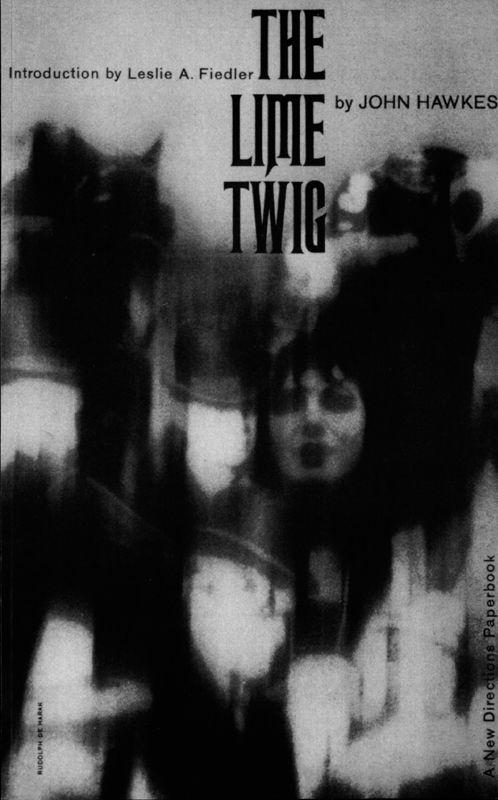
An English horse race, the Golden Bowl at Aldington, provides the background for John Hawkes' exciting novel, The Lime Twig, which tells of an ingenious plot to steal and race a horse under a false name. But it would be unfair to the reader to reveal what happens when a gang of professional crooks gets wind of the scheme and moves to muscle in on this bettors' dream of a long-odds situation.
Worked out with all the meticulous detail, terror, and suspense of a nightmare, the tale is, on one level, comparable to a Graham Greene thriller; on another, it explores a group of people, their relationships, fears, and loves. For as Leslie A.Fiedler says in his introduction, "John Hawkes. . makes terror rather than love the center of his work, knowing all the while, of course, that there can be no terror without the hope for love and love's defeat. . " "The 'Lime Twig' is one of the most perfect novels of the 60's, a masterwork of the bizarre, made like a poem so that every word resonates mystery and meaning forward and backward as the story moves".
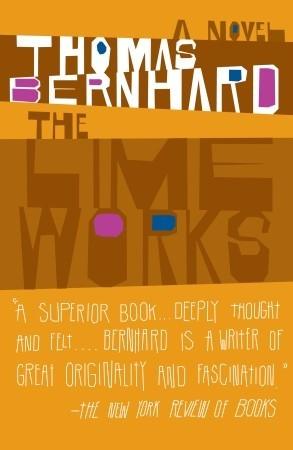
For five years, Konrad has imprisoned himself and his crippled wife in an abandoned lime works where he’s conducted odd auditory experiments and prepared to write his masterwork, The Sense of Hearing. As the story begins, he’s just blown the head off his wife with the Mannlicher carbine she kept strapped to her wheelchair. The murder and the bizarre life that led to it are the subject of a mass of hearsay related by an unnamed life-insurance salesman in a narrative as mazy, byzantine, and mysterious as the lime works — Konrad’s sanctuary and tomb.
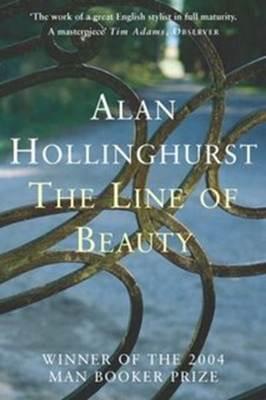
A New York Times Bestseller
A Los Angeles Times Bestseller
A Book Sense National Bestseller
A Northern California Bestseller
A Sunday Times Bestseller
A New York Times Notable Book of the Year
And chosen as one of the best books of 2004 by:
Entertainment Weekly • Washington Post • San Francisco Chronicle • Newsday • Seattle Times • Salon.com • Boston Globe • New York Sun • Miami Herald • Dallas Morning News • San Jose Mercury News • Publishers Weekly
"In this saga about the Thatcher years Alan Hollinghurst writes harsh but deeply informed social satire from within, just as Proust did. Hollinghurst is never mocking or caricatural but subtly observant and completely participant. He writes the best prose we have today. He brings the eloquence of a George Eliot together with the sexiness and visual acuity of a Nabokov."-Edmund White
"An affecting work of art."-Michiko Kakutani, New York Times
"Hollinghurst's prose is a genuine achievement-lavish, poised, sinuously alert… The Line of Beauty is an ample and sophisticated delight, charged with hundreds of delicate impressions and insights, and scores of vital and lovely sentences. It is at once domestic and political, psychological and historical. It is funny, moving, and finally despairing."-New Republic
"His finest novel to date."-Geoff Dyer
"Line for line, Hollinghurst's novel about London during the 1980s is the most exquisitely written book I've read in years. Witty observations about politics, society, and family open like little revelations on every page."-Christian Science Monitor
"A rueful, snapshot-accurate portrait of this era."-Seattle Times
"An intoxicating read…each sentence in this book rings as perfect and true as a Schubert sonata."-Hartford Courant
"[A] masterpiece with a skillfully rendered social panorama, a Proustian alertness to social nuance and a stylistic precision that recalls [James]."-Newsday
"The Line of Beauty is itself a thing of beauty-an elegant and seductive novel…readers will hang on every bracing word. The Line of Beauty may perhaps be the author's most mature and accomplished work to date. It might also be his best."-Philadelphia City Paper
"A deliciously snarky portrait of Thatcherite Britain, but Hollinghurst also makes you believe in his characters, and nobody produced better prose this year."-San Jose Mercury News
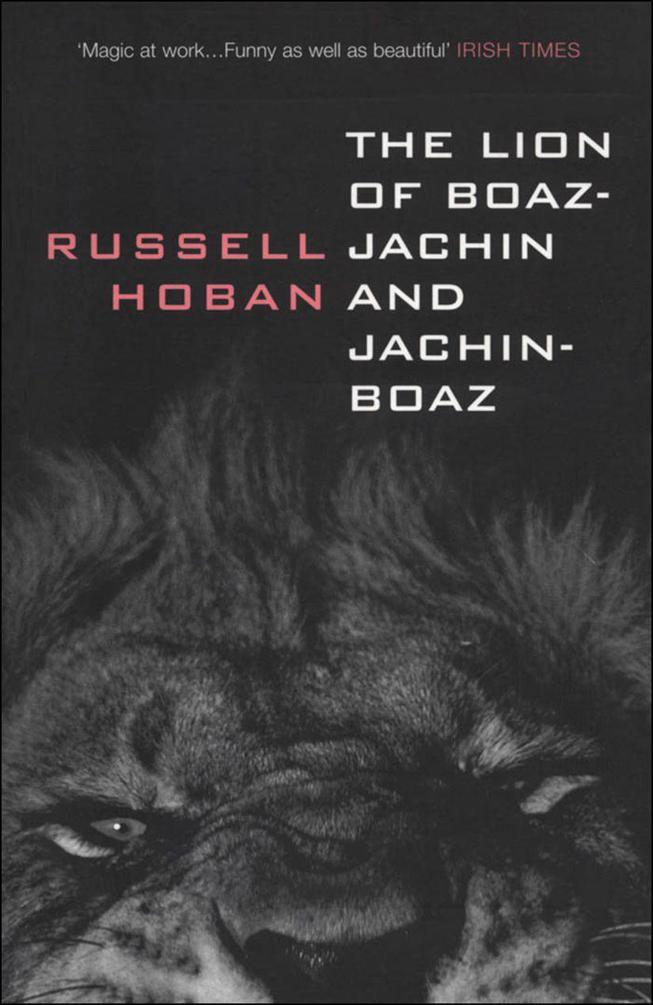
In a not-so-distant future when lions are extinct Jachin-Boaz, a middle-aged mapmaker, leaves home with the wonderful map that was to tell his son where to find everything. In the ruins of a palace at Nineveh his son Boaz-Jachin finds the wall-carving of a great lion dying on the spear of an ancient king. In a series of rituals he evokes the long-dead lion and sends him out to stalk his father. Then he follows on the lion's track.

César is a translator who’s fallen on very hard times due to the global economic downturn; he is also an author, and a mad scientist hell-bent on world domination. On a visit to the beach he intuitively solves an ancient riddle, finds a pirate’s treasure, and becomes a very wealthy man. Even so, César’s bid for world domination comes first and so he attends a literary conference to be near the man whose clone he hopes will lead an army to victory: the world-renowned Mexican author, Carlos Fuentes. A comic science fiction fantasy of the first order, The Literary Conference is the perfect vehicle for César Aira’s take over of literature in the 21st century.
March, 1984. Britain’s miners face political opposition. Soon, the State will confront them, violent forces will be unleashed and the country will change forever.
The Newmans have enough on their plate without a strike to contend with. Arthur hates working at the pit, his unhappy wife, Shell, doesn’t know what she wants and their lonely son Lawrence has no say in anything◦– especially a late night mission to Threndle House, home of disgraced politician Clive Swarsby and his two mysterious children. When Lawrence and Arthur take an abandoned rug from the house, their family is plunged into crisis. Then there is the small matter of the pickets…
Taking in controversial events such as the Battle of Orgreave, The Litten Path is an exceptional debut set against the sunless landscapes of a country now lost in time. Grimly honest and tender, tough and lyrical, comic and painful, it is about class friction, the clash between the urban and the rural. It is about what happens when a decision is made, when one cannot turn back.
The setting is Alexandria, Mississippi, where one Mother’s Day a little boy named Robin Cleve Dufresnes was found hanging from a tree in his parents’ yard. Twelve years later Robin’s murder is still unsolved and his family remains devastated. So it is that Robin’s sister Harriet - unnervingly bright, insufferably determined, and unduly influenced by the fiction of Kipling and Robert Louis Stevenson--sets out to unmask his killer. Aided only by her worshipful friend Hely, Harriet crosses her town’s rigid lines of race and caste and burrows deep into her family’s history of loss.
A group of gangsters takes a complete control of a little town in the sticks. Defending his daughter the protagonist accidentally shoots their chief and walks away in full view of the crowd. He hides in the forest living with the Saami deer-breeders and is completely transformed from a nonentity to a people's avenger, killing the corrupt mayor and the chief of police. The townsfolk are first overjoyed, but when a prize is offered for his head they compete to turn him in to the police. In the end, his murders are put down to the local factory owner who needs to be removed and the town returns to its normal life controlled by new gangsters.
This action-packed novel that echoes Crime and Punishment shows how people would rather withstand the known evil than fight for change.
From Russian press reviews: «live dialogues, vivid imagery, striking metaphors», «colorful ethnographic details», «merciless and beautiful prose, pithy and precise, leaves no one unmoved»; «a frightening vision of Russia by a young and talented author — this is how the young generation see their country.»
'Ma, I feel exhausted with consuming, with taking and grabbing and using. I am so bloated that I feel I cannot breathe any more. I am leaving to find some air, some place where I shall be able to purge myself, push back against the life given me and make my own. I feel I live in a borrowed house. It's time to find my own. Forgive me.'
Calcutta, 1967. Unnoticed by his family, Supratik has become dangerously involved in extremist political activism. Compelled by an idealistic desire to change his life and the world around him, all he leaves behind before disappearing is this note.
The ageing patriarch and matriarch of his family, the Ghoshes, preside over their large household, unaware that beneath the barely ruffled surface of their lives the sands are shifting. More than poisonous rivalries among sisters-in-law, destructive secrets, and the implosion of the family business, this is a family unravelling as the society around it fractures. For this is a moment of turbulence, of inevitable and unstoppable change: the chasm between the generations, and between those who have and those who have not, has never been wider.
Ambitious, rich and compassionate The Lives of Others anatomises the soul of a nation as it unfolds a family history. A novel about many things, including the limits of empathy and the nature of political action, it asks: how do we imagine our place amongst others in the world? Can that be reimagined? And at what cost? This is a novel of unflinching power and emotional force.
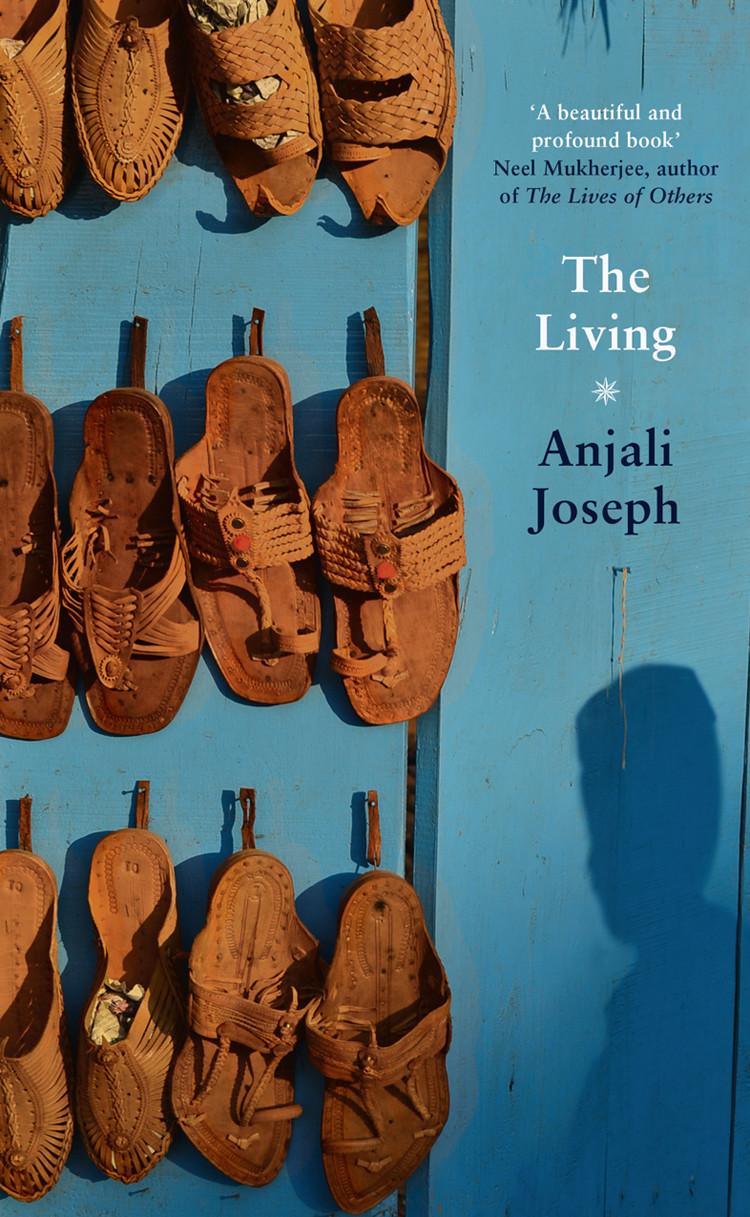
There is a certain number of breaths each of us has to take, and no amount of care or carelessness can alter that.
This is the story of two lives. Claire is a young single mother working in one of England’s last surviving shoe factories, her adult life formed by a teenage relationship. Is she ready to move on from memory and the routine of her days? Arun, an older man in a western Indian town, makes hand-sewn chappals at home. A recovered alcoholic, now a grandfather, he negotiates the newfound indignities of old age while returning in thought to the extramarital affair he had years earlier.
These lives are woven through with the ongoing discipline of work and the responsibility and tedium of family life. Lives laced with the joys of old friendship, the pleasure of sex, and the redemptive kindness of one’s own children. This is the story of the living.
Killed during a senseless holdup, kindhearted Ellerbee finds himself on a whirlwind tour of a distressingly familiar theme park Heaven and inner-city Hell, where he learns the truth about God's love and wrath. Reprint. NYT.
The story of a dramatic period in the life of a nation, told through the experiences of one unforgettable family.
“The year was 4214 after Tangun of Korea, and 1881 after Jesus of Judea.” So begins The Living Reed, Pearl S. Buck’s epic historical novel about four generations of one aristocratic family in Korea. Through the story of the Kims, Buck traces the country’s journey from the late nineteenth century through the end of the Second World War. The chronicle begins as the Kims live comfortably as advisors to the Korean royal family. That world is torn apart with the Japanese invasion, when the queen is killed and the Kims are thrust into hiding. Regarded by Buck as “the best among my Asian books,” The Living Reed is a gripping account of a nation’s fight for survival, and a detailed portrait of one family’s entanglement in the ebb and flow of history.