 fb2
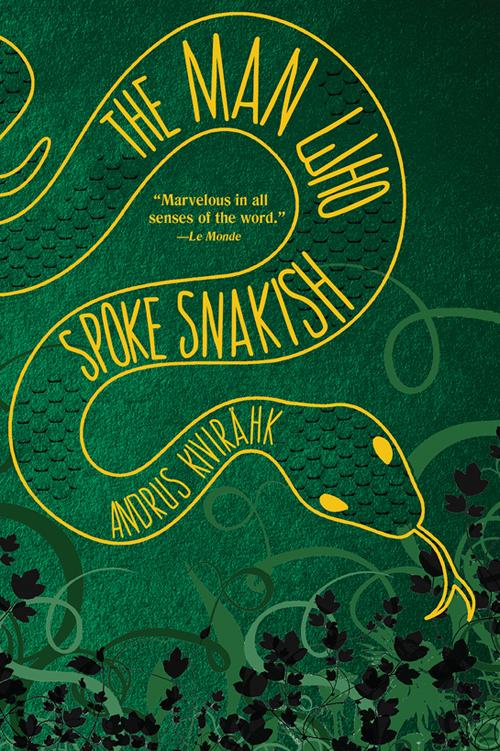
fb2A bestseller in the author’s native country of Estonia, where the book is so well known that a popular board game has been created based on it, The Man Who Spoke Snakish is the imaginative and moving story of a boy who is tasked with preserving ancient traditions in the face of modernity.
Set in a fantastical version of medieval Estonia, The Man Who Spoke Snakish follows a young boy, Leemet, who lives with his hunter-gatherer family in the forest and is the last speaker of the ancient tongue of snakish, a language that allows its speakers to command all animals. But the forest is gradually emptying as more and more people leave to settle in villages, where they break their backs tilling the land to grow wheat for their “bread” (which Leemet has been told tastes horrible) and where they pray to a god very different from the spirits worshipped in the forest’s sacred grove. With lothario bears who wordlessly seduce women, a giant louse with a penchant for swimming, a legendary flying frog, and a young charismatic viper named Ints, The Man Who Spoke Snakish is a totally inventive novel for readers of David Mitchell, Sjón, and Terry Pratchett.
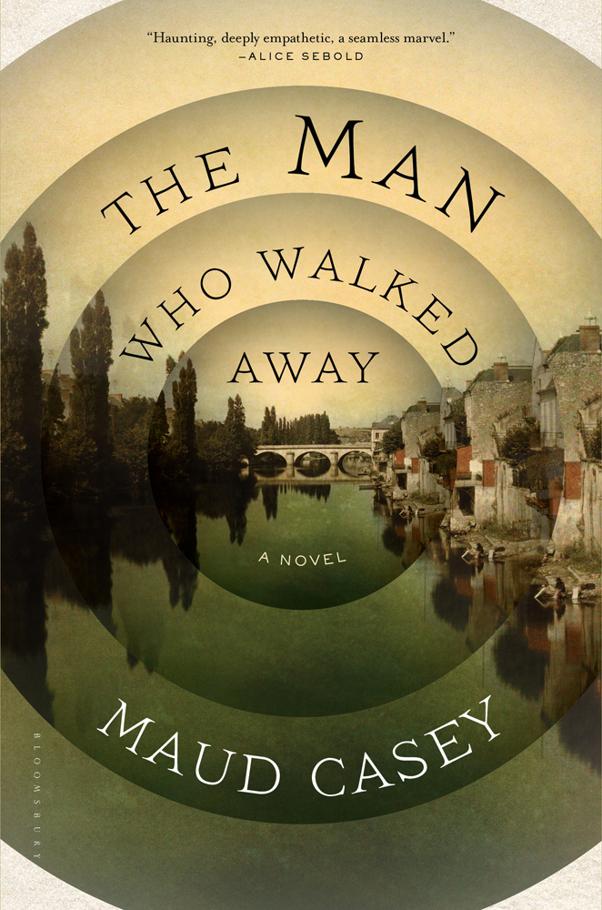
In a trance-like state, Albert walks — from Bordeaux to Poitiers, from Chaumont to Macon, and farther afield to Turkey, Austria, Russia — all over Europe. When he walks, he is called a vagrant, a mad man. He is chased out of towns and villages, ridiculed and imprisoned. When the reverie of his walking ends, he’s left wondering where he is, with no memory of how he got there. His past exists only in fleeting images.
Loosely based on the case history of Albert Dadas, a psychiatric patient in the hospital of St. André in Bordeaux in the nineteenth century, The Man Who Walked Away imagines Albert’s wanderings and the anguish that caused him to seek treatment with a doctor who would create a diagnosis for him, a narrative for his pain.
In a time when mental health diagnosis is still as much art as science, Maud Casey takes us back to its tentative beginnings and offers us an intimate relationship between one doctor and his patient as, together, they attempt to reassemble a lost life. Through Albert she gives us a portrait of a man untethered from place and time who, in spite of himself, kept setting out, again and again, in search of wonder and astonishment.
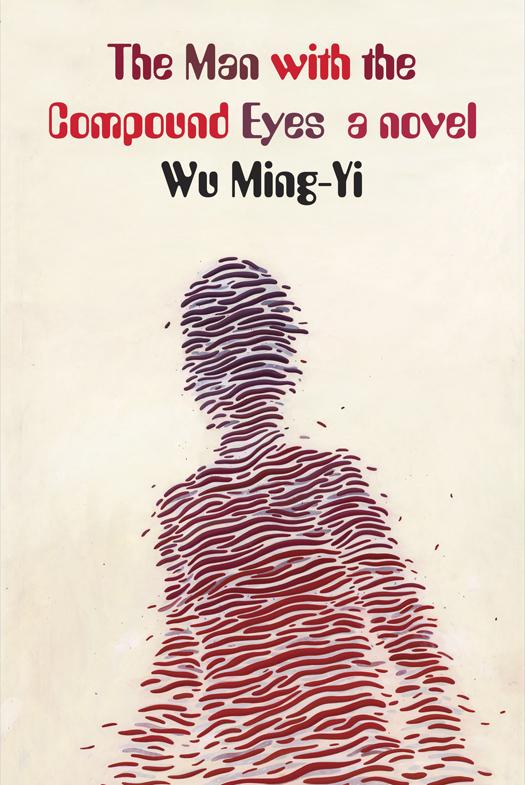
The English-language debut of an exciting new award-winning voice from Taiwan — a stunning novel that is at once fantasy, reality, and dystopian environmental saga, in which the lives of two people from very different worlds intertwine under the shadow of a man-made catastrophe.
On the mythical island of Wayo-Wayo, young Atile’i has just seen his 180th full moon and, following the tradition of his people, is sent out alone into the vast Pacific as a sacrifice to the Sea God. Just when it seems that all hope is lost, he happens upon a new home — a vast island made of trash. Meanwhile, in Taiwan, Alice, a professor of literature, is preparing to commit suicide following the disappearance of her husband and son. But her plans are put on hold when the trash island collides with the Taiwan coast where Alice lives. Her home is destroyed, but meeting Atile’i gives her life new meaning as they set out to solve the mystery of her lost family. Drawing in the narratives of others impacted by the disaster — Alice’s friends and neighbors, environmentalists from abroad, the mysterious man with compound eyes — the novel tells an enthralling, surreal story of the known — and unknown — world around us.
National Book Award for Fiction
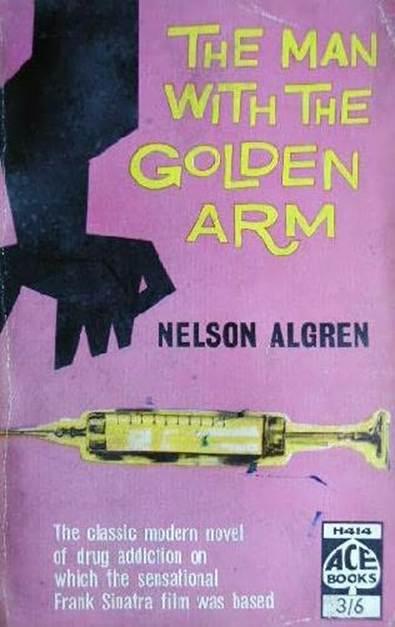
Seven Stories Press is proud to release the first critical edition of Nelson Algren's masterpiece on the 50th anniversary of its publication in November 1949. Considered Algren's finest work, The Man with the Golden Arm recounts one man's self-destruction in Chicago's Polish ghetto. The novel's protagonist, Frankie Machine, remains a tragic American hero half a century after Algren created this gritty and relentlessly dark tale of modern urban society.
***
‘Powerful, grisly, antic, horrifying, poetic, compassionate… [there is] virtually nothing more that one could ask.’ – New York Times Book Review
‘A thriller that packs more of a punch than Pulp Fiction and more grittiness than either Raymond Chandler or Dashiell Hammett, The Man with the Golden Arm is incredibly lyrical, as poetic as it is dramatic, combining the brutal dialogue of guys and broads with dreamlike images, and puncturing the harrowing narrative with revelations that flesh out every tragic figure into a fully-realised, complex character.’ – The Scotsman
‘Algren is an artist whose sympathy is as large as Victor Hugo’s, an artist who ranks, with this novel, among our best American authors.’ – Chicago Sun Times
‘A stirring hard-boiled read.’ – Maxim
‘An extraordinary piece of fiction… If the Bridget Jones brigade somehow drifted Nelson Algren’s way the world would undoubtedly be a better place and Rebel Inc’s bottom line invisible without a telescope. Keep my dream alive and buy this book.’ – The Crack
‘A true novelists triumph.’ – Time
‘This is a man writing and you should not read it if you cannot take a punch… Mr Algren can hit with both hands and move around and he will kill you if you are not awfully careful… Mr Algren, boy, you are good.’ – Ernest Hemingway
‘The finest American novel published since the war.’ – Washington Post Book World
‘I was going to write a war novel. But it turned out to be this Golden Arm thing. I mean, the war kind of slipped away, and those people with the hypos came crawling along and that was it.’ – Nelson Algren
‘Profound and richly atmospheric.’- The Guardian
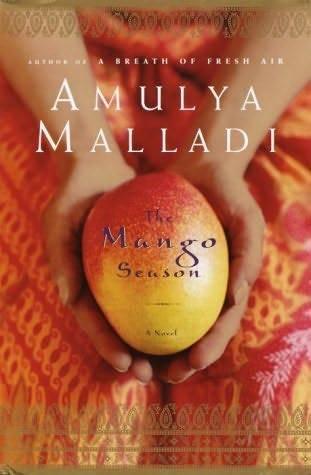
From the acclaimed author of A Breath of Fresh Air, this beautiful novel takes us to modern India during the height of the summer's mango season. Heat, passion, and controversy explode as a woman is forced to decide between romance and tradition.
Every young Indian leaving the homeland for the United States is given the following orders by their parents: Don't eat any cow (It's still sacred!), don't go out too much, save (and save, and save) your money, and most important, do not marry a foreigner. Priya Rao left India when she was twenty to study in the U.S., and she's never been back. Now, seven years later, she's out of excuses. She has to return and give her family the news: She's engaged to Nick Collins, a kind, loving American man. It's going to break their hearts.
Returning to India is an overwhelming experience for Priya. When she was growing up, summer was all about mangoes-ripe, sweet mangoes, bursting with juices that dripped down your chin, hands, and neck. But after years away, she sweats as if she's never been through an Indian summer before. Everything looks dirtier than she remembered. And things that used to seem natural (a buffalo strolling down a newly laid asphalt road, for example) now feel totally chaotic.
But Priya's relatives remain the same. Her mother and father insist that it's time they arranged her marriage to a “nice Indian boy.” Her extended family talks of nothing but marriage-particularly the marriage of her uncle Anand, which still has them reeling. Not only did Anand marry a woman from another Indian state, but he also married for love. Happiness and love are not the point of her grandparents' or her parents' union. In her family's rule book, duty is at the top of the list.
Just as Priya begins to feel she can't possibly tell her family that she's engaged to an American, a secret is revealed that leaves her stunned and off-balance. Now she is forced to choose between the love of her family and Nick, the love of her life.
As sharp and intoxicating as sugarcane juice bought fresh from a market cart, The Mango Season is a delightful trip into the heart and soul of both contemporary India and a woman on the edge of a profound life change.
On the surface, his move to the isolated village on the coast makes perfect sense. But the experience is an increasingly unsettling one for Timothy Bucchanan. A dead man no one will discuss. Wasted fish hauled from a contaminated sea. The dream of faceless men. Questions that lead to further questions. What truth are the villagers withholding? What fuels their interest and animosity towards him? And what pushes Timothy to dig deeper?
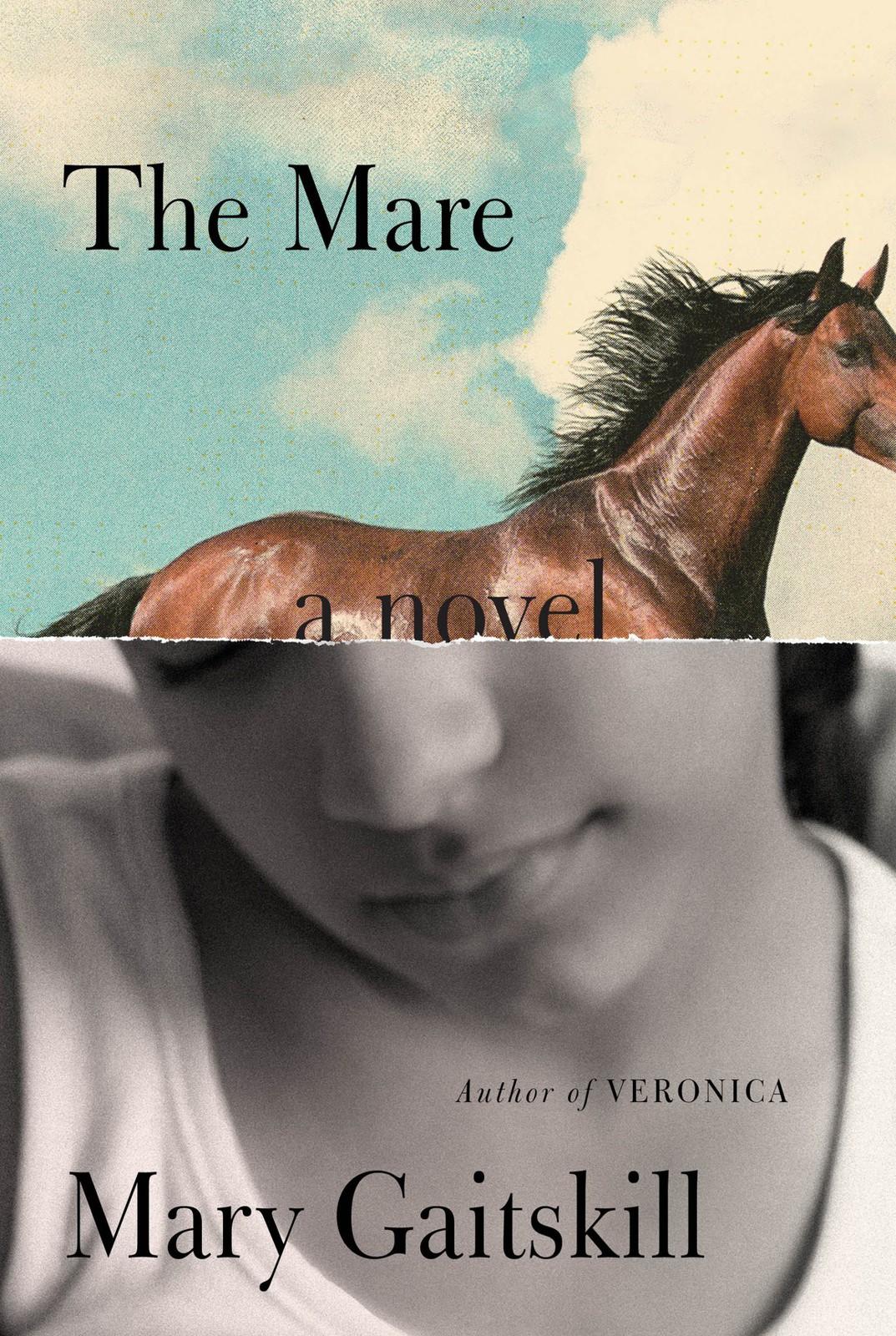
The story of a Dominican girl, the white woman who introduces her to riding, and the horse who changes everything for her.
Velveteen Vargas is eleven years old, a Fresh Air Fund kid from Brooklyn. Her host family is a couple in upstate New York: Ginger, a failed artist on the fringe of Alcoholics Anonymous, and Paul, an academic who wonders what it will mean to “make a difference” in such a contrived situation. The Mare illuminates the couple’s changing relationship with Velvet over the course of several years, as well as Velvet’s powerful encounter with the horses at the stable down the road, as Gaitskill weaves together Velvet’s vital inner-city community and the privileged country world of Ginger and Paul.
Claude is a Frenchman who lives in Dublin. His birthplace is famed as the city of lovers, but so far love has always eluded him. Instead his life revolves around the investment bank where he works. And then one day he realizes he is being followed around, by a pale, scrawny man. The man's name is Paul Murray.
Paul claims to want to write a novel about Claude and Claude's heart sings. Finally, a chance to escape the drudgery of his everyday office life, to be involved in writing, in art! But Paul himself seems more interested in where the bank keeps its money than in Claude-and soon Claude realizes that Paul is not all he appears to be…
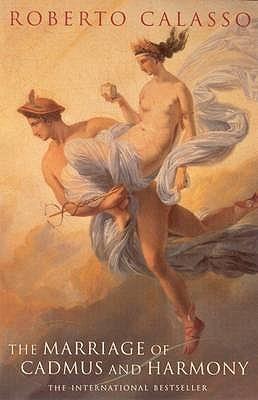
"The Marriage of Cadmus and Harmony" is a book without any modern parallel. Forming an active link in a chain that reaches back through Ovid's METAMORPHOSES directly to Homer, Roberto Calasso's re-exploration of the fantastic fables and mysteries we may only think we know explodes the entire world of Greek mythology, pieces it back together, and presents it to us in a new, and astonishing, and utterly contempory way.
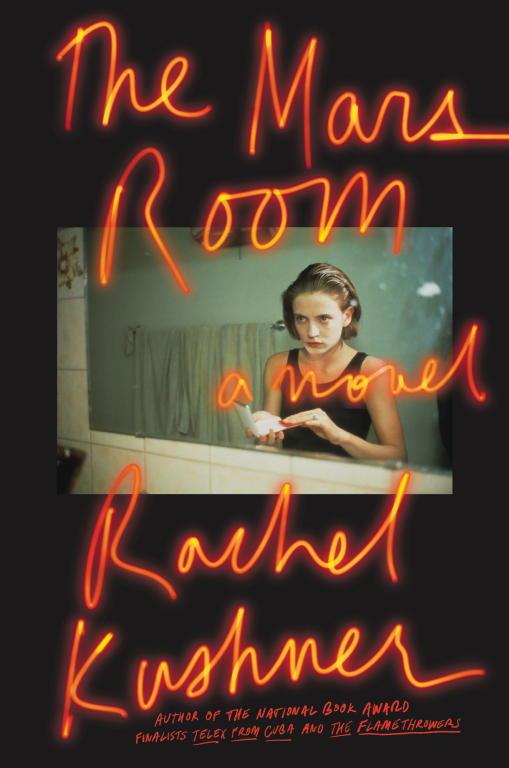
From twice National Book Award–nominated Rachel Kushner, whose Flamethrowers was called “the best, most brazen, most interesting book of the year” (Kathryn Schulz, New York magazine), comes a spectacularly compelling, heart-stopping novel about a life gone off the rails in contemporary America.
It’s 2003 and Romy Hall is at the start of two consecutive life sentences at Stanville Women’s Correctional Facility, deep in California’s Central Valley. Outside is the world from which she has been severed: the San Francisco of her youth and her young son, Jackson. Inside is a new reality: thousands of women hustling for the bare essentials needed to survive; the bluffing and pageantry and casual acts of violence by guards and prisoners alike; and the deadpan absurdities of institutional living, which Kushner evokes with great humor and precision.
Stunning and unsentimental, The Mars Room demonstrates new levels of mastery and depth in Kushner’s work. It is audacious and tragic, propulsive and yet beautifully refined. As James Wood said in The New Yorker, her fiction “succeeds because it is so full of vibrantly different stories and histories, all of them particular, all of them brilliantly alive.”
Ingrid Winter is desperately trying to hold it all together. A neurotic Norwegian mother of three small children and an overworked literature professor with an overactive imagination, Ingrid feels like her life’s always on the brink of chaos.
Her overzealous attempt to secure her dream house has strained her marriage. She’s repeatedly reprimanded for eye rolling in faculty meetings. Petulant PTA parents want to drag her into a war over teaching children to tie their shoes. And an alarmingly persistent salesman keeps warning her of the potential dangers of home intrusion.
Clearly she needs to get away. But Russia? Forced to join an academic mission to Saint Petersburg to promote international cooperation, Ingrid finds herself at a crossroads while drinking too much cough syrup. Will this trip push her into a Siberian sinkhole of existential dread or finally give her life some balance and direction?
It's a bold writer indeed who dares to put himself inside the mind of novelist Henry James, but that is what Tóibín, highly talented Irish author of The Heather Blazing and The Blackwater Lightship, has ventured here, with a remarkable degree of success. The book is a fictionalized study, based on many biographical materials and family accounts, of the novelist's interior life from the moment in London in 1895 when James's hope to succeed in the theater rather than on the printed page was eclipsed by the towering success of his younger contemporary Oscar Wilde. Thereafter the book ranges seamlessly back and forth over James's life, from his memories of his prominent Brahmin family in the States-including the suicide of his father and the tragic early death of his troubled sister Alice-to his settling in England, in a cherished house of his own choosing in Rye. Along the way it offers hints, no more, of James's troubled sexual identity, including his fascination with a young English manservant, his (apparently platonic) night in bed with Oliver Wendell Holmes and his curious obsession with a dashing Scandinavian sculptor of little talent but huge charisma. Another recurrent motif is James's absorption in the lives of spirited, highly intelligent but unhappy young women who die prematurely, which helped to inform some of his strongest fiction. The subtlety and empathy with which Tóibín inhabits James's psyche and captures the fleeting emotional nuances of his world are beyond praise, and even the echoes of the master's style ring true. Far more than a stunt, this is a riveting, if inevitably somewhat evasive, portrait of the creative life.
From The Washington Post
Say, with due reverence, "the Master" and any serious novel-reader instantly knows you are referring to Henry James (1843-1916). No one else in American or English literature comes close to matching James in his austere dedication to the writer's life. From the time of his first story – about adultery, published in 1865 – he elected to follow a path of essential loneliness. James mingled with society, dined with the great and the good on two continents, and listened and observed with guarded intensity. He made himself into the most sensitive possible register of social nuance, unspoken yearnings, hidden liaisons. But he remained apart from the fray, looking on the tumultuous, sorrowful human comedy with a pity tempered by compassionate understanding for our failings, sins and wounding misjudgments. Tout comprendre, c'est tout pardonner might almost be James's artistic motto. All his own joys were, to the eyes of the world, muted, perhaps nonexistent. In one of his novels a character proclaims: "Live life. Live all you can. It's a mistake not to," and yet the Master himself seems never to have heeded this liberating affirmation and instead funneled all his animal vitality into the making of such masterpieces as The Portrait of a Lady, "The Turn of the Screw," "The Aspern Papers," The Ambassadors, and that greatest of all accounts of a missed life, "The Beast in the Jungle."
Colm Toibin alludes to each of these novels, novellas and stories (and several others) in this moving portrait of the artist in late middle age. Here the Irish novelist – hitherto best known for The Blackwater Lightship, which was short-listed for the Booker Prize – builds on the research and speculations of numerous scholars to construct a novel about James's interior life. This requires the utmost delicacy. In one sense, The Master might almost be viewed as an extreme example of what the French call the vie romancée, a highly embellished form of biography that goes beyond austere scholarship to adopt the exuberance and methods of fiction. Henri Troyat's Tolstoy, for instance, was faulted for being too exciting, too artful, too much like a Tolstoy novel. Similar charges have been leveled at the work of Peter Ackroyd on Dickens and Edmund Morris on Ronald Reagan. Readers tend to grow uneasy when they start to wonder where the facts stop and the artistic license begins.
But Toibin's impersonation of James works beautifully. The prose is appropriately grave and wistful, the sentences stately without being ponderous, the descriptions at once precise and evocative. The action, such as it is, moves smoothly from a time of temporary desolation to memories of horrible physical and mental suffering to angst-filled comedy (James dithering about how to deal with two drunken servants, James uncertain about how to dispose of the dresses of a dead woman). Toibin focuses on his subject in the years between 1895, when James's play "Guy Domville" was hooted on its opening night, and 1899, when his elder brother William came to visit at Lamb House, his beloved residence in Rye. But in between Toibin recreates scenes from James's childhood, offers a subtle interpretation of the apparent back injury – the so-called great "vastation" – that kept him out of the Civil War and helped make him an artist, and systematically introduces many of the people important in the writer's life. Most of these are women: his protective mother; his bitterly witty invalid sister Alice; the life-enhancing Minny Temple, adored by all the young men at Harvard, including Oliver Wendell Holmes Jr., and – most heartbreaking of all – the novelist Constance Fenimore Woolson, who quietly fell in love with James and then killed herself when it seemed he had abandoned her. All these figure as agents who help him determine his artistic destiny or as temptations to relinquish it for a more human existence. Toibin does suggest that James's fundamental nature was homosexual, if largely unexpressed: He is notably fine in evoking the erotic tension between the novelist and a servant named Hammond (presumably fictional) and the "bewitched confusion" James feels for the sculptor Hendrik Andersen, portrayed here as muscular, ambitious, rather stupid and blindly selfish. One never knows where love will strike.
Toibin's masterly prose excels particularly in an easy-going command of the style indirect libre, which conveys a character's mental processes in the third person: "He wished that he was halfway through a book, with no need to finish until the spring when serialization would begin. He wished he could work quietly in his study with the haunting gray morning light of the London winter filtered through the windows. He wished for solitude and for the comfort of knowing that his life depended not on the multitude but on remaining himself." James himself specialized in this technique – he preferred to avoid dialogue as much as possible – because it allowed for the gradual unspooling of a thought, the patient dissection of an emotion or a motive. In The Master, Toibin uses it not only to enter James's mind but also as a means of giving us his reflections on his vocation. Though a novel, The Master is almost a breviary of the religion of art. Consider these three different, but equally striking, passages:
"Once it became more solid, the emerging story and all its ramifications and possibilities lifted him out of the gloom of his failure. He grew determined that he would become more hardworking now. He took up his pen again – the pen of all his unforgettable efforts and sacred struggles. It was now, he believed, that he would do the work of his life. He was ready to begin again, to return to the old high art of fiction with ambitions now too deep and pure for any utterance."
"And in one of those letters [to John Gray] she had written the words which… Henry thought now maybe meant more to him than any others, including all the words he had written himself, or anyone else had written. Her words haunted him so that saying them now, whispering them in the silence of the night brought her exacting presence close to him. The words constituted one sentence. Minny had written: 'You must tell me something that you are sure is true.' That, he thought, was what she wanted when she was alive and happy, as much as when she was dying… The words came to him in her sweet voice, and as he sat on his terrace in the darkness he wondered how he would have answered her if she had written the sentence to him."
"As an artist, he recognized, Andersen might know, or at least fathom the possibility, that each book he had written, each scene described or character created, had become an aspect of him, had entered into his driven spirit and lay there much as the years themselves had done. His relationship with Constance would be hard to explain; Andersen was perhaps too young to know how memory and regret can mingle, how much sorrow can be held within, and how nothing seems to have any shape or meaning until it is well past and lost and, even then, how much, under the weight of pure determination, can be forgotten and left aside only to return in the night as piercing pain." There are many other wise, if often rather doleful, observations in The Master, for the book seeks, in part, to show how a novelist transmutes his own experiences into something rich and strange and true: So, Minny Temple and Alice James are reimagined, in part, as Isabel Archer or Daisy Miller. Sometimes one feels a little too strongly that Toibin is plumping down the "real" events and figures behind the better known fictive ones. Sometimes it seems that he veers close to the besetting fault of so much historical fiction, that of having the hero mention or meet virtually every famous figure of the time. For instance, in the final pages of the book, in a single conversation, he presents William James outlining the lectures that will become The Varieties of Religious Experience, Henry James describing his current projects – clearly "The Beast in the Jungle" and The Ambassadors – and their visitor Edmund Gosse announcing that he's been mulling over a book about his childhood, one that will obviously become the only thing people still read by him, the wonderful Father and Son. Excessive? Perhaps. But such great works are the final justification for lives spent thinking and writing about the nature of human experience.
The Master is hardly a typical summer book, but it is convincing and enthralling. Those of an investigative bent might read it with an occasional glance through some of the biographical scholarship that Toibin cites in his acknowledgments. Others, new to James, might go on to look at the Master's actual work, starting perhaps with John Auchard's recently revised Portable Henry James (Penguin), an exceptional work of selection and distillation. But you don't need to do either of these. Colm Toibin has written a superb novel about a great artist, and done it in just the right way. It is worth reading just for itself – and for insights like this one: At Harvard, we are told, the young Henry James suddenly understood "the idea of style itself, of thinking as a kind of style, and the writing of essays not as a conclusive call to duty or an earnest effort at self-location, but as play, as the wielding of tone." That is something I am sure is true.
Copyright 2004, The Washington Post Co. All Rights Reserved.

Kate Flynn has always been a clever girl, brought up to believe in herself as something special. Now Kate is forty-three and has given up her university career in London to come home and look after her mother at Firenze, their big house by a lake in Cardiff. When Kate meets David Roberts, a friend from the old days, she begins to obsess about him: she knows it's because she's bored and hasn't got anything else to do, but she can't stop.
Adapting to a new way of life, the connections Kate forges in her new home are to have painful consequences, as the past begins to cast its long shadow over the present…
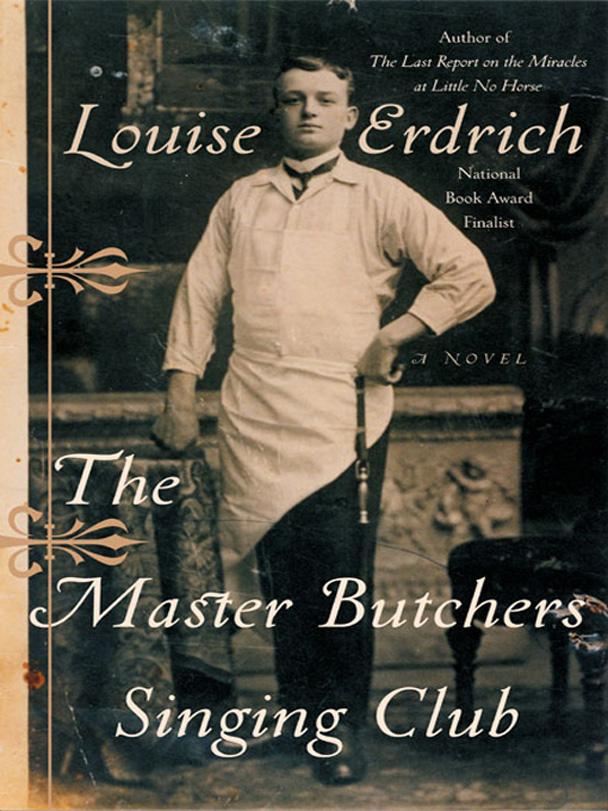
What happens when a trained killer discovers that his true vocation is love? Having survived the killing fields of World War I, Fidelis Waldvogel returns home to his quiet German village and marries the pregnant widow of his best friend who was killed in action.
With a suitcase full of sausages and a master butcher's precious set of knives, Fidelis sets out for America, getting as far as North Dakota, where he builds a business, a home for his family — which includes Eva and four sons — and a singing club consisting of the best voices in town.
When the Old World meets the New — in the person of Del-phine Watzka — the great adventure of Fidelis's life begins. Delphine meets Eva and is enchanted; she meets Fidelis, and the ground trembles. These momentous encounters will determine the course of Delphine's life — and the trajectory of this brilliant new novel by Louise Erdrich.
From Publishers Weekly
South African novelist Coetzee takes Fyodor Dostoyevski as his protagonist in a novel set amidst the political ferment of 19th-century Russia.
From Library Journal
St. Petersburg is poised for revolution as Fyodor Dostoevsky returns from Germany to claim his deceased stepson's papers. Although the police rule Pavel's death a suicide, the famous writer is drawn into a group of shady characters, including the anarchist Nechaev, who is possibly Pavel's killer. Plagued by seizures and tormented by a torrid affair with his stepson's landlady, Dostoevsky struggles to ascertain once and for all a writer's responsibility to his family and society. The strength of South African writer Coetzee (Age of Iron, LJ 8/90) lies in his ability to draw characters and scenes evoking the dark mood of the master's novels. Unfortunately, this story of action and ideas lapses into monotonous debate in its final chapters, but there is much to enjoy despite the flagging plot. Recommended for literary collections.
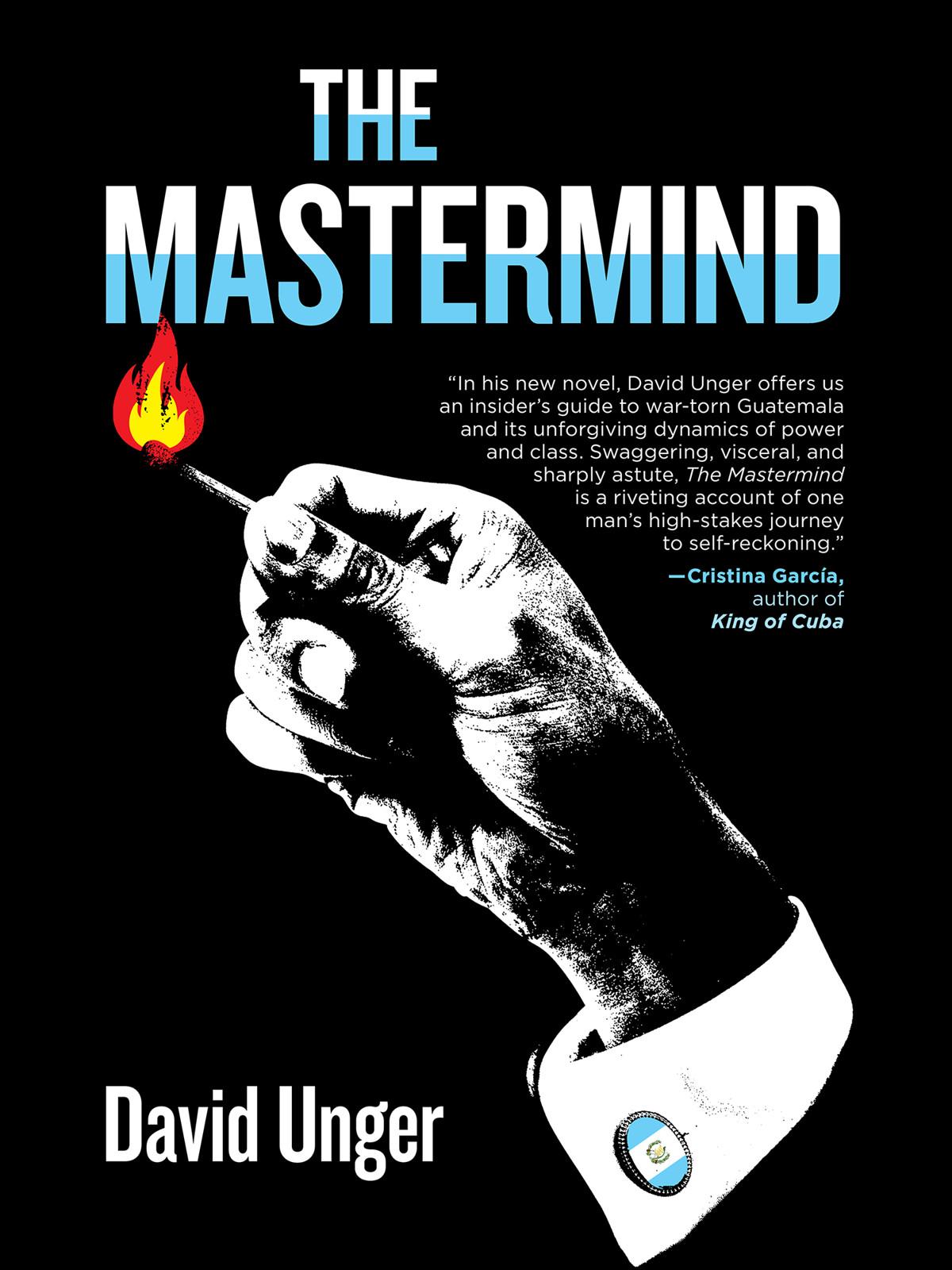
"In The Mastermind, David Unger’s compelling antihero reminds us of the effects of privilege and corruption, and how that deadly combo can spill from the public to the private sphere. Unger’s Guillermo Rosensweig is on a hallucinatory journey in which everything seems to go right until it goes terribly, terribly wrong. I couldn’t put this down."
— Achy Obejas, author of Ruins
"Swaggering, visceral, and sharply astute, The Mastermind is a riveting account of one man’s high-stakes journey to self-reckoning."
— Cristina García, author of King of Cuba
"David Unger has taken one of the strangest, most sinister affairs in Guatemalan history and, through the power of his imagination and mastery of his art, made it even stranger, richer, disturbingly more human and universal."
— Francisco Goldman, author of The Interior Circuit
"The Mastermind is a merciless analysis of the dark web of a country, perhaps of a whole continent, and, finally, of all forms of organized power. The novel raises fascinating questions regarding the literary tensions between real-life events and their fictionalization, between Guatemala’s incredible Rosenberg case and Rosensweig, Unger’s imagined alter ego — the way these two characters blur, argue, and battle in the reader’s mind make this an engrossing read.”
— Andrés Neuman, author of The Things We Don’t Do
By all appearances, Guillermo Rosensweig is the epitome of success. He is a member of the Guatemalan elite, runs a successful law practice, has a wife and kids and a string of gorgeous lovers. Then one day he crosses paths with Maryam, a Lebanese beauty with whom he falls desperately in love…to the point that when he loses her, he sees no other option than to orchestrate his own death.
The Mastermind is based on the bizarre real-life story of Rodrigo Rosenberg, a Guatemalan attorney who, in 2009, planned his own assassination after leaving behind a video accusing Guatemalan president Álvaro Colom of his murder. (In April 2011, the New Yorker published an article by David Grann about Rosenberg which has been optioned by Matt Damon for his directorial debut.) This is a fascinating depiction of modern-day Guatemala and the corrupt, criminal, and threatening reality that permeates its society.
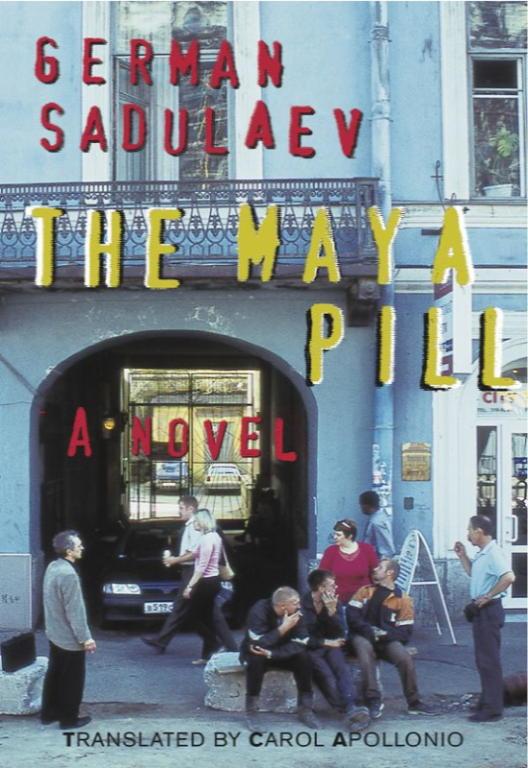
In the traditions of Victor Pelevin and Vladimir Sorokin, German Sadulaev’s follow-up to his acclaimed I am a Chechen! is set in a twenty-first century Russia, phantasmagorical and violent.
A bitingly funny twenty-first century satire, The Maya Pill tells the story of a mid-level manager at a frozen-food import company who comes upon a box of psychotropic pills that’s accidentally been slipped into a shipment. He takes one, and disappears down the rabbit hole: entering the mind of a Chinese colleague; dreaming that he is one of the rulers of an ancient kingdom; even beleiving he is in negotiations with the devil.
A mind-expanding companion to the great Russian classics, The Maya Pill is strange, savage, bizarre, and uproarious.
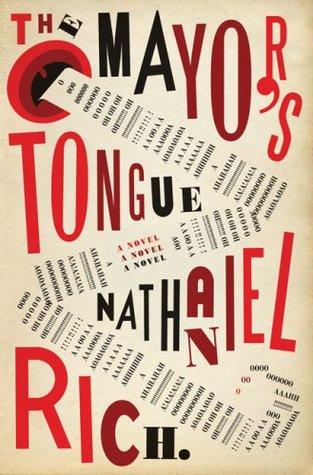
A stunningly original novel of literary obsession and imagination that is sure to be one of the most highly anticipated debuts of the year.
From a precociously talented young writer already widely admired in the literary world, The Mayor’s Tongue is a bold, vertiginous debut novel that unfolds in two complementary narratives, one following a young man and the other an old man. The young man is Eugene Brentani, aflame with a passion for literature and language, and a devotee of the reclusive author and adventurer Constance Eakins, now living in Italy. The old man is Mr. Schmitz, whose wife is dying, and, confused and terrified, he longs to confide in his dear friend Rutherford. But Rutherford has disappeared, and his letters, postmarked from Italy, become more and more ominous as the weeks pass.
In separate but resonating story lines, both men’s adventures take them from New York City to the mountainous borderlands of northern Italy, where the line between reality and imagination begins to blur and stories take on a life of their own. Here, we are immersed in Rich’s vivid, enchanting world full of captivating characters— the despairing Enzo, who wanders looking for a nameless love; the tiny, doll-like guide, Lang; and the grotesque Eakins. Over this strange, spectral landscape looms the Mayor, a mythic and monstrous figure considered a “beautiful creator” by his townspeople, whose pull ultimately becomes irresistible.
From a young writer of exceptional promise, this refreshingly original novel is a meditation on the frustrations of love, the madness of mayors, the failings of language, and the transformative powers of storytelling.
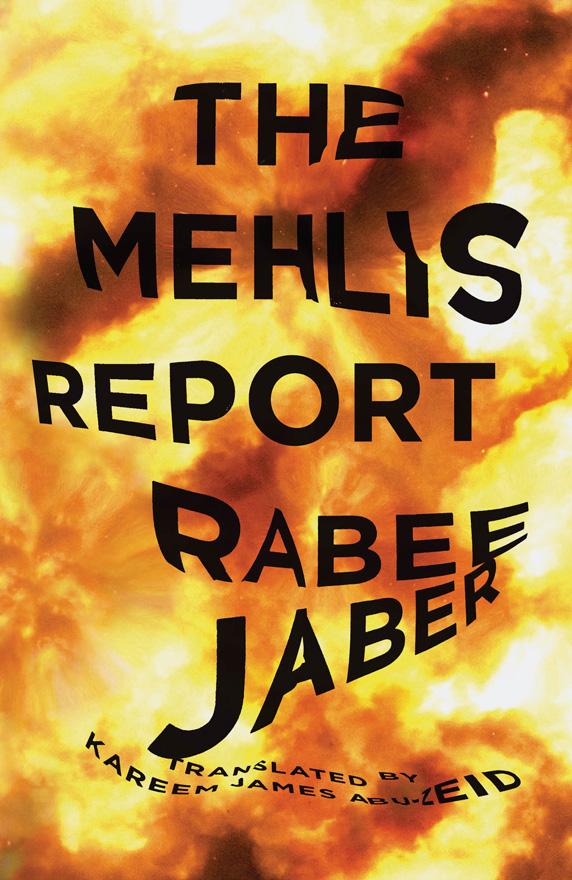
The English-language debut of 2012’sInternational Arabic Fiction Prize winner
A complex thriller, The Mehlis Report introduces English readers to a highly talented Arabic writer. When former Lebanese prime minister Rafiq Hariri is killed by a massive bomb blast, the U.N. appoints German judge Detlev Mehlisto conduct an investigation of the attack — while explosions continue to rock Beirut. Mehlis’s report is eagerly awaited by the entire Lebanese population.
First we meet Saman Yarid, a middle-aged architect who wanders the tense streets of Beirut and, like everyone else in the city, can’t stop thinking about the pending report. Saman’s sister Josephine, who was kidnapped in 1983, narrates the second part of The Mehlis Report:
Josephine is dead, yet exists in a bizarre underworld in the bowels of Beirut where the dead are busy writing their memoirs. Then the ghost of Hariri himself appears…
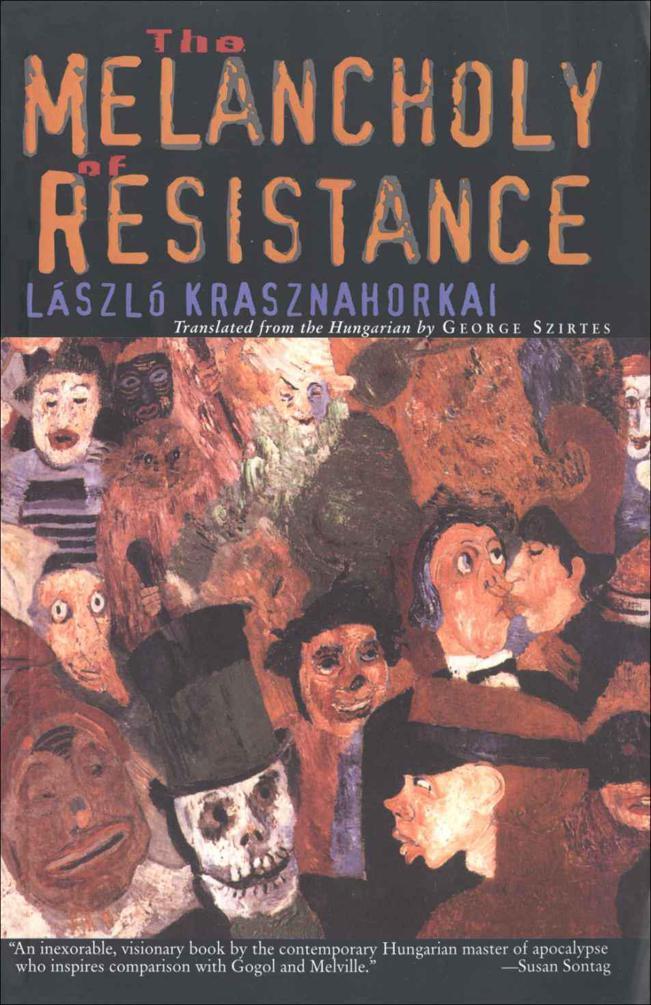
A powerful, surreal novel, in the tradition of Gogol, about the chaotic events surrounding the arrival of a circus in a small Hungarian town. The Melancholy of Resistance, László Krasznahorkai's magisterial, surreal novel, depicts a chain of mysterious events in a small Hungarian town. A circus, promising to display the stuffed body of the largest whale in the world, arrives in the dead of winter, prompting bizarre rumors. Word spreads that the circus folk have a sinister purpose in mind, and the frightened citizens cling to any manifestation of order they can find music, cosmology, fascism. The novel's characters are unforgettable: the evil Mrs. Eszter, plotting her takeover of the town; her weakling husband; and Valuska, our hapless hero with his head in the clouds, who is the tender center of the book, the only pure and noble soul to be found. Compact, powerful and intense, The Melancholy of Resistance, as its enormously gifted translator George Szirtes puts it, "is a slow lava flow of narrative, a vast black river of type." And yet, miraculously, the novel, in the words of The Guardian, "lifts the reader along in lunar leaps and bounds."