 fb2
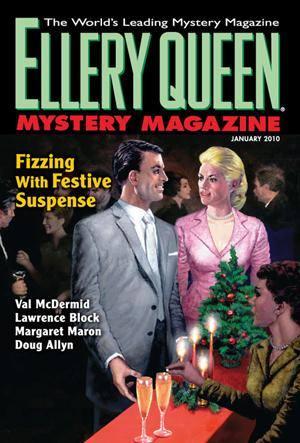
fb2“Who Knows Where It Goes” is an uncollected short story that appeared in Ellery Queen in January 2010. It was inspired, of course, by the cratering of the world economy two years earlier. It's a story of hard times, and how a resourceful man can adapt to them. It's a story, too, about how such a man might explore his own capabilities, and find out if what he once did is something he still can do.
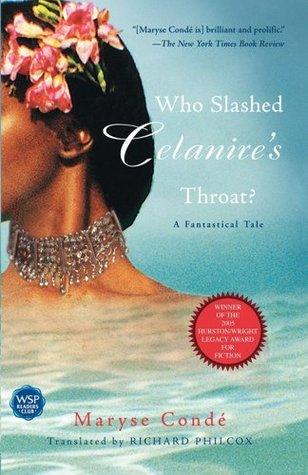
On one hand, beautiful Celanire — a woman mutilated at birth and left for dead — appears today to be a saint; she is a tireless worker who has turned numerous neglected institutions into vibrant schools for motherless children. But she is also a woman apprehended by demons, as death and misfortune seem to follow in her wake. Traveling from Guadeloupe to West Africa to Peru, the mysterious, seductive, and disarming Celanire is driven to uncover the truth of her past at any cost and avenge the crimes committed against her.
With her characteristic blend of magical realism and fantasy, and inspired by a true story, Maryse Conde hauntingly imagines Celanire in an unforgettable novel — a most dazzling addition to the deeply prolific and widely celebrated author's brilliant body of work.
Berie Carr, an American woman visiting Paris with her husband, summons up for us a summer in 1972 when she was fifteen, living in upstate New York and working as a ticket taker at Storyland, an amusement park where her beautiful best friend, Sils, was Cinderella in a papier-mache pumpkin coach. We see these two girls together — Berie and Sils — intense, brash, set apart by adolescence and an appetite for danger. Driven by their own provincial restlessness and making their own (loose) rules, they embark on a summer that both shatters and intensifies the bond between them.
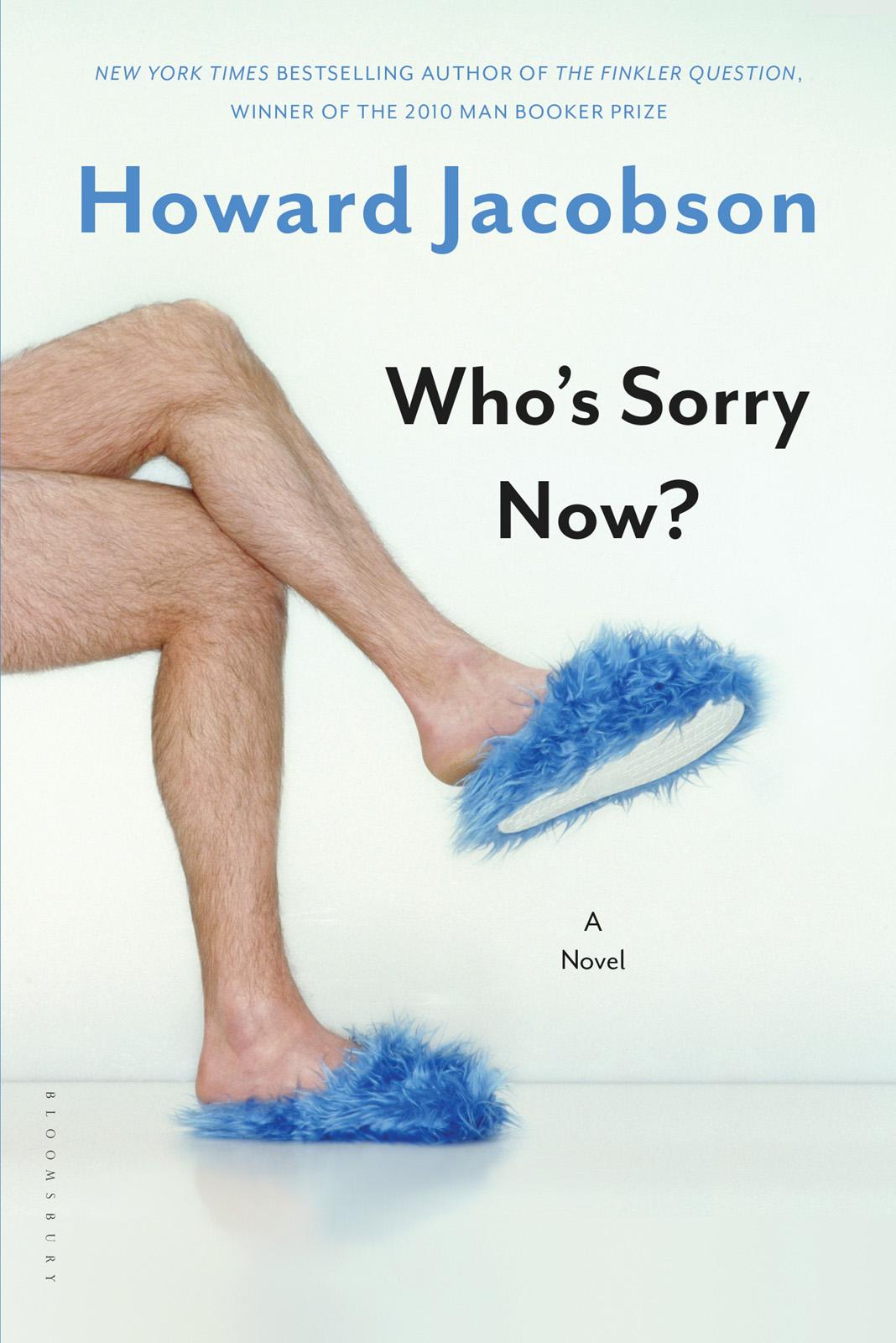
Marvin Kreitman, the luggage baron of South London, lives for sex. Or at least he lives for women. At present he loves four women-his mother, his wife Hazel, and his two daughters-and is in love with five more. Charlie Merriweather, on the other hand, nice Charlie, loves just the one woman, also called Charlie, the wife with whom he has been writing children's books and having nice sex for twenty years. Once a week the two friends meet for lunch, contriving never quite to have the conversation they would like to have-about fidelity and womanizing, and which makes you happier. Until today. It is Charlie who takes the dangerous step of asking for a piece of Marvin's disordered life, but what follows embroils them all, the wives no less than the husbands. And none of them will ever be the same again.
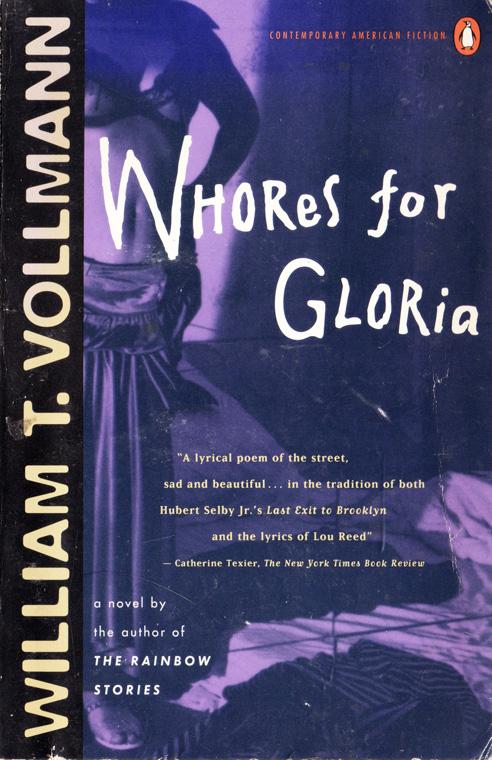
From the acclaimed author of The Rainbow Stories, The Ice Shirt, and Fathers and Crows comes this fever dream of a novel about an alcoholic Vietnam veteran, Jimmy, who devotes his government check and his waking hours to the search for a beautiful and majestic street whore, a woman who may or may not exist save in Jimmy's rambling dreams. Gloria's image seems distilled from memory and fantasy and the fragments of whatever Jimmy can buy from the other whores: their sex, their stories-all the unavailing dreams of love and salvation among the drinkers and addicts who haunt San Francisco's Tenderloin District.
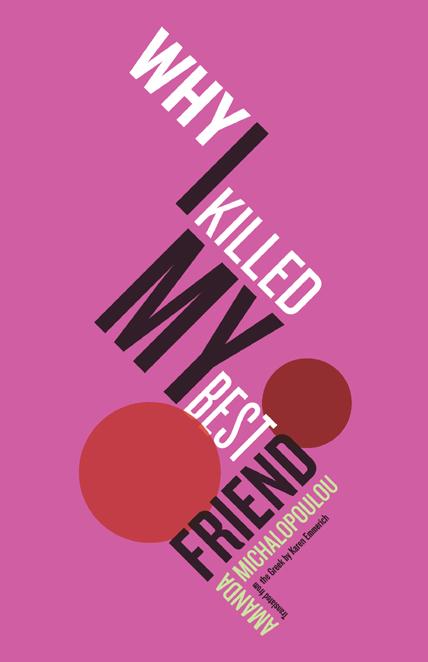
In Amanda Michalopoulou's Why I Killed My Best Friend, a young girl named Maria is lifted from her beloved Africa and relocated to her native Greece. She struggles with the transition, hating everything about Athens: the food, the air, the school, her classmates, the language. Just as she resigns herself to misery, Anna arrives. Though Anna's refined, Parisian upbringing is the exact opposite of Maria's, the two girls instantly bond over their common foreignness, becoming inseperable in their relationship as each other's best friend, but also as each other's fiercest competition-be it in relation to boys, talents, future aspirations, or political beliefs.
From Maria and Anna's gradeschool days in 70s, post-dictatorship Greece, to their adult lives in the present, Michalopoulou charts the ups, downs, and fallings-out of the powerful self-destructive bond only true best friends can have. Simply and beautifully written, Why I Killed My Best Friend is a novel that ultimately compares and explores friendship as a political system of totalitarianism and democracy.
"Flawlessly translated, Amanda Michalopolou's WIKMBF uses the backdrop of Greek politics, radical protests, and the art world to explore the dangers and joys that come with BFFs. Or, as the narrator puts it, 'odiodsamato,' which translates roughly as 'frienemies.'"-Gary Shteyngart
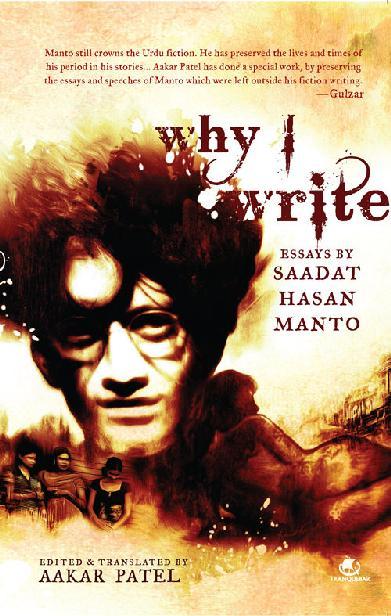
One of the greatest raconteurs of the 20th century, Saadat Hasan Manto declares that he was forced to write when his wife routinely demanded that he put bread on the table for the family. He doesn’t attribute any genius to his skills as a writer and convinces his readers that the stories flowed even as he minded his daughters or tossed a salad. Equally, Manto treats his tryst with Bollywood with disdain and unmasks the cardboard lives of tinsel town when a horse is painted to double up for a zebra or multiple fans rotate to create a deluge. Two of Manto’s favourite and recurring themes — Women and Partition — find special mention.
For the first time ever, this unique collection of non-fiction writing from the subcontinent’s greatest writer, translated by well known author and journalist, Aakar Patel showcases Saadat Hasan Manto’s brilliance while dealing with life’s most mundane things — graveyards, bumming
cigarettes, a film crew with motley characters from mythology — and a sharp dissection of what ails the subcontinent even after 6 decades — Hindi or Urdu, vile politicians and the hopelessness of living under the shadow of fear.
In this unique homage to an American icon, journalist and award-winning author Pete Hamill evokes the essence of Sinatra-examining his art and his legend from the inside, as only a friend of many years could do. Shaped by Prohibition, the Depression, and war, Francis Albert Sinatra became the troubadour of urban loneliness. With his songs, he enabled millions of others to tell their own stories, providing an entire generation with a sense of tradition and pride belonging distinctly to them.
From Publishers Weekly
Like a musical Elements of Style, Hamill’s slim meditation on Frank Sinatra is confident, smart and seamless. Since (and immediately before) Sinatra’s death in May 1998, countless tributes have been made to the singer; Hamill (A Drinking Life) seems to be writing to set the record straight, for he knew Sinatra and, before that, knew the singer’s music. But Hamill doesn’t fawn over Sinatra the way other, younger writers have recently done. Rather, he elegantly tells the Sinatra story, dwelling on the singer’s best recordings, dismissing “the Rat Pack, the swagger, the arrogance, the growing fortune, the courtiers,” because in the end, he writes, they are “of little relevance.” What matters, according to Hamill, is the music, chiefly that of Sinatra’s early mature years, when the singer released his celebrated albums on the Capitol label. Where a starry-eyed author might vaguely praise these albums for their pathos and vulnerability, Hamill points out that, before the singer’s Capitol comeback years, Sinatra’s fans were almost exclusively young women. The stubborn, post-Ava Gardner heartache of Sinatra’s later records, however, with their lack of self-pity, gained Sinatra a chiefly male audience. Of this, perhaps the singer’s greatest musical period, Hamill writes that Sinatra “perfected the role of the Tender Tough Guy… Before him, that archetype did not exist in American popular culture.” That may be true, but Hamill sets his book apart from the many others about Old Blue Eyes by tempering intelligent superlatives with the retelling of touching, revelatory moments the two men shared. Hamill’s is a definitive introduction to Sinatra’s work.
Copyright 1998 Reed Business Information, Inc.
From Library Journal
The barrage of recent Frank Sinatra books has resulted in his being the most written-about celebrity in the world after Monroe and Presley. Hamill’s slim essay is distinguished from other recent works by its objective focus on the components of the late singer’s enduring musical legacy. Veteran writer Hamill (e.g., A Drinking Life, LJ 1/94) is comfortable in the New York City milieu of late nights, saloons, and prizefighters, and he has captured the essence of Sinatra, who created something that was not there before he arrived: an urban American voice. The book’s strength is its insight into and evocation of the Italian American immigrant experience that had such a strong influence on Sinatra. Minor weaknesses are an oversimplified examination of prejudice and an underdeveloped 1974 vignette about Ava Gardner that fails to make its point. Recommended for public and academic libraries.?Bruce Henson, Georgia Inst. of Technology, Atlanta
Copyright 1998 Reed Business Information, Inc.
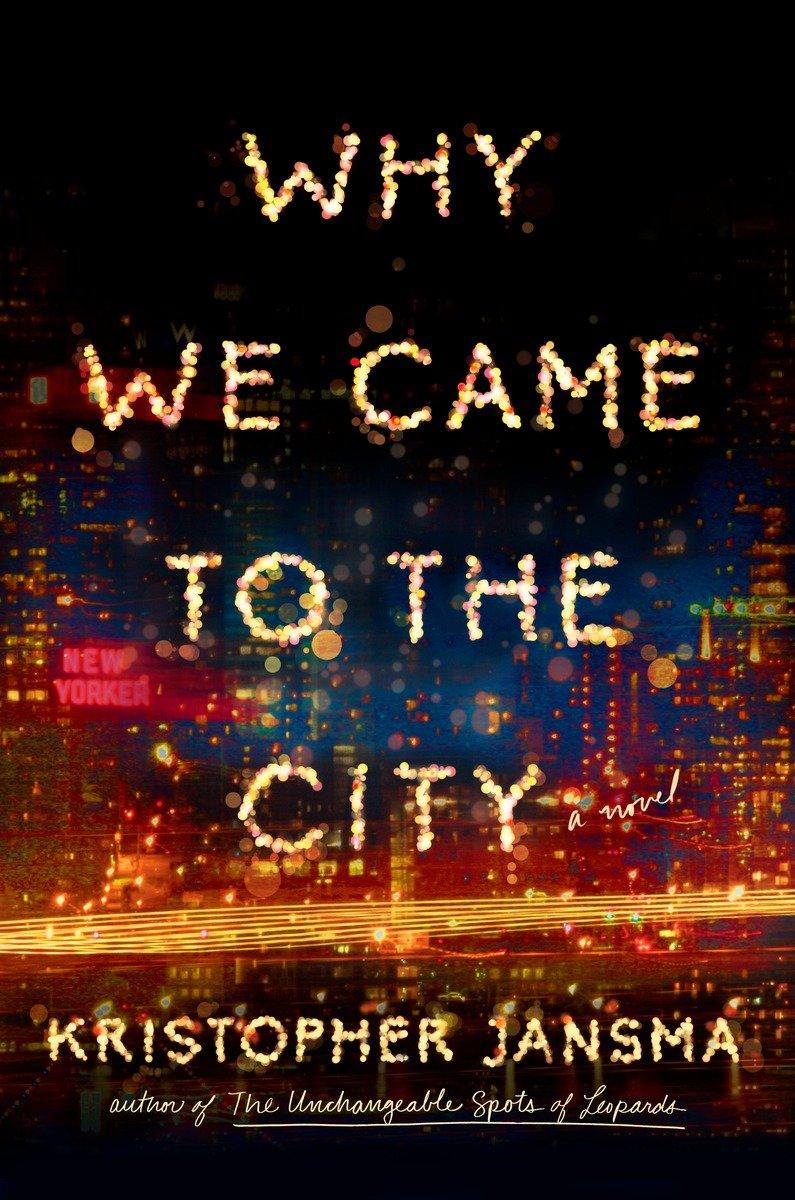
A warm, funny, and heartfelt novel about a tight-knit group of twentysomethings in New York whose lives are upended by tragedy — from the widely acclaimed author of The Unchangeable Spots of Leopards.
December, 2008. A heavy snowstorm is blowing through Manhattan and the economy is on the brink of collapse, but none of that matters to a handful of guests at a posh holiday party. Five years after their college graduation, the fiercely devoted friends at the heart of this richly absorbing novel remain as inseparable as ever: editor and social butterfly Sara Sherman, her troubled astronomer boyfriend George Murphy, loudmouth poet Jacob Blaumann, classics major turned investment banker William Cho, and Irene Richmond, an enchanting artist with an inscrutable past.
Amid cheerful revelry and free-flowing champagne, the friends toast themselves and the new year ahead — a year that holds many surprises in store. They must navigate ever-shifting relationships with the city and with one another, determined to push onward in pursuit of their precarious dreams. And when a devastating blow brings their momentum to a halt, the group is forced to reexamine their aspirations and chart new paths through unexpected losses.
Kristopher Jansma’s award-winning debut novel, The Unchangeable Spots of Leopards, was praised for its “wry humor” and “charmingly unreliable narrator” in The New Yorker and hailed as “F. Scott Fitzgerald meets Wes Anderson” by The Village Voice. In Why We Came to the City, Jansma offers an unforgettable exploration of friendships forged in the fires of ambition, passion, hope, and love. This glittering story of a generation coming of age is a sweeping, poignant triumph.
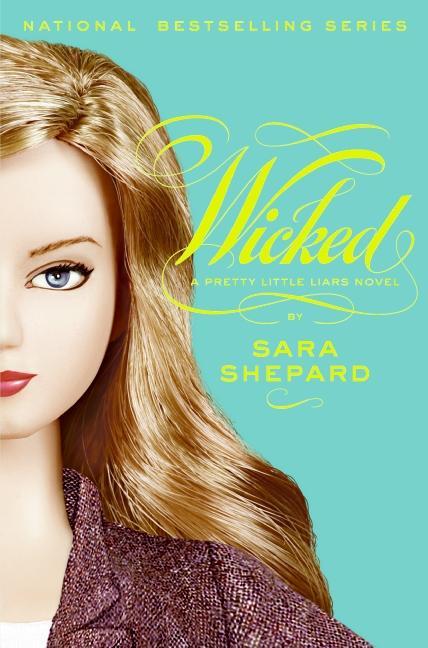
In idyllic Rosewood, Pennsylvania, four very pretty girls just can't help but be bad. . . .
Hanna will do anything to be Rosewood's queen bee. Spencer's digging up her family's secrets. Emily can't stop thinking about her new boyfriend. And Aria approves a little too strongly of her mom's taste in men.
Now that Ali's killer is finally behind bars, the girls think they're safe. But those who forget the past are condemned to repeat it. And they should know by now that I'm always watching. . . .
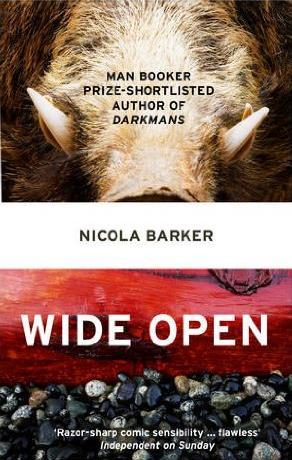
Winner of IMPAC Dublin Literary Award in 2000, Wide Open is the first of Nicola Barker's Thames Gateway novels. Poking out of the River Thames estuary, the strange Isle of Sheppey is home to a nudist beach, a nature reserve, a wild boar farm and not much else. The landscape is bleak, but the people are interesting. There's Luke, who specialises in join-the-dots pornography and lippy, outraged Lily. They are joined by Jim, the 8-year-old Nathan and the mysterious, dark-eyed Ronnie. Each one floats adrift in turbulent currents, fighting the rip tide of a past that swims with secrets. Only if they see through the lies and prejudice will they gain redemption. Wide Open is about coming to terms with the past, and the fantasies people construct in order to protect their fragile inner selves.

Als der Bürgerkrieg in den 90er Jahren Bosnien heimsucht, flieht der junge Aleksandar mit seinen Eltern in den Westen. Rastlos neugierig erobert er sich das fremde Deutschland und erzählt mit unbändiger Lust die irrwitzigen Geschichten von damals, von der großen Familie und den kuriosen Begebenheiten im kleinen Visegrad. Aleksandar fabuliert sich die Angst weg und "die Zeit, als alles gut war" wieder herbei.Aleksandar wächst in der kleinen bosnischen Stadt Visegrad auf. Sein größtes Talent ist das Erfinden von Geschichten: Er denkt gar nicht daran, sich an die Themen der Schulaufsätze zu halten, viel zu verrückt sind die Erntefeste bei seinen Urgroßeltern, viel zu packend die Amokläufe betrogener Ehemänner und viel zu unglaublich die Geständnisse des Flusses Drina. Als der Krieg mit grausamer Wucht über Visegrad hereinbricht, hält die Welt, wie Aleksandar sie kannte, der Gewalt nicht stand, und die Familie muss fliehen. In der Fremde eines westlichen Landes erweist sich Aleksandars Fabulierlust als lebenswichtig: Denn so gelingt es ihm, sich an diesem merkwürdigen Ort namens Deutschland zurechtzufinden und sich eine Heimat zu erzählen. Seinen Opa konnte er damals nicht wieder lebendig zaubern, jetzt hat er einen Zauberstab, der tatsächlich funktioniert: seine Phantasie holt das Verlorene wieder zurück. Als der erwachsene Aleksandar in die Stadt seiner Kindheit zurückkehrt, muss sich allerdings erst zeigen, ob seine Fabulierkunst auch der Nachkriegsrealität Bosniens standhält.Mit "Wie der Soldat das Grammofon repariert" hat Sasa Stanisic einen überbordenden, verschwenderischen, burlesken und tragikomischen Roman über eine außergewöhnliche Kindheit unter außergewöhnlichen Umständen geschrieben, über den brutalen Verlust des Vertrauten und über das unzerstörbare Vertrauen in das Erzählen.

Sarah Bakewells Buch ist ein Geniestreich: Auf höchst elegante und unterhaltsame Weise erzählt sie das Leben Montaignes und beantwortet zugleich unsere Fragen nach einem guten Leben. Authentischer und aktueller wurde noch nie über den großen Philosophen und Essayisten geschrieben. Das Buch wurde in den USA mit dem „National Book Critics Circle Award for Biography“ und in Großbritannien mit dem „Duff Cooper Prize for Non-Fiction“ ausgezeichnet und stand auf den Shortlists des „Costa Biographie Award“ und des „Marsh Biography Award“.
Lies viel, vergiss das meiste wieder, und sei schwer von Begriff! — Habe ein Hinterzimmer in deinem Geschäft! — Tu etwas, was noch nie zuvor jemand getan hat! — Mach deinen Job gut, aber nicht zu gut! — Philosophiere nur zufällig! — Bedenke alles, bereue nichts! — Mit diesen und anderen Antworten auf die eine Frage „Wie soll ich leben?“ führt Sarah Bakewell durch das ungewöhnliche Leben des Weingutbesitzers, Liebhabers, Essayisten, Bürgermeisters und Reisenden Michel de Montaigne. Dabei gelingt ihr das Kunststück, ihn ganz im 16. Jahrhundert, im Zeitalter der Religionskriege, zu verorten und gerade dadurch für unsere Zeit verständlich zu machen. Wie soll man Montaigne lesen? Nicht wie ein Kind, um sich zu amüsieren, und nicht wie die Ehrgeizigen, um sich zu belehren. „Nein. Lesen sie ihn, um zu leben!“, empfahl der große Flaubert.
„Eine bezaubernde Einführung in Leben und Denken Montaignes und ein großes Lesevergnügen. Hier ist eine Autorin, deren Liebe zu ihrem Gegenstand ansteckend ist.“ Mark Lilla, The New York Review of Books
„Eine Mischung aus Biographie und Alain-de-Bottonesker Lebensphilosophie, … die erfreulichste Einführung in Montaigne in englischer Sprache, … eine überzeugende Verbindung von Literatur und Leben.“ Timothy Chesters, The Times Literary Supplement
„Montaigne hat hier die Biographie, die er verdient, und hätte seine Freude an ihrem unkonventionellen Aufbau.“ Michael Bywater, The Independent
„Eine wunderbar souveräne und klare Einführung … Man kann Sarah Bakewell nur dazu gratulieren, dass sie den Lesern einen so reizvollen Zugang zu Montaigne eröffnet.“ David Sexton, Evening Standard
„Glänzend konzipiert und vorzüglich geschrieben. … Sarah Bakewell bringt eine neue Generation dazu, sich in Montaigne zu verlieben …, enorm fesselnd …, rühmenswert.“ James McConnachie, Sunday Times
„Das Buch schöpft gekonnt eine Lebenskunst aus dem breiten Strom der Montaigne'schen Prosa. … Eine überragende, begnadete Einführung in den Meister!“ Adam Thorpe, Guardian
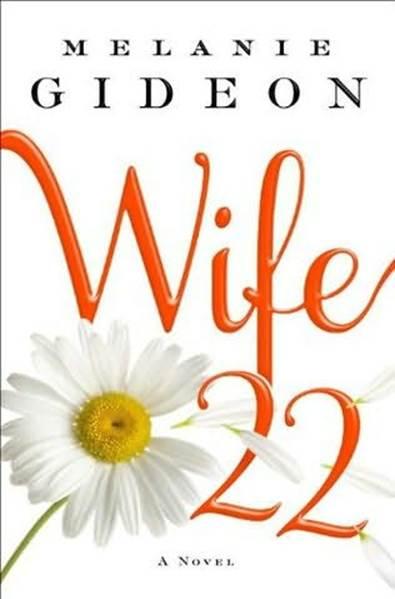
Maybe it was my droopy eyelids. Maybe it was because I was about to turn the same age my mother was when I lost her. Maybe it was because after almost twenty years of marriage my husband and I seemed to be running out of things to say to each other.
But when the anonymous online study called 'Marriage in the 21st Century' showed up in my inbox, I had no idea how profoundly it would change my life. It wasn't long before I was assigned both a pseudonym (Wife 22) and a caseworker (Researcher 101).
And, just like that, I found myself answering questions.
7. Sometimes I tell him he's snoring when he's not snoring so he'll sleep in the guest room and I can have the bed all to myself.
61. Chet Baker on the tape player. He was cutting peppers for the salad. I looked at those hands and thought, I am going to have this man's children.
67. To not want what you don't have. What you can't have. What you shouldn't have.
32. That if we weren't careful, it was possible to forget one another.
Before the study, my life was an endless blur of school lunches and doctor's appointments, family dinners, budgets, and trying to discern the fastest-moving line at the grocery store. I was Alice Buckle: spouse of William and mother to Zoe and Peter, drama teacher and Facebook chatter, downloader of memories and Googler of solutions.
But these days, I'm also Wife 22. And somehow, my anonymous correspondence with Researcher 101 has taken an unexpectedly personal turn. Soon, I'll have to make a decision – one that will affect my family, my marriage, my whole life. But at the moment, I'm too busy answering questions.
As it turns out, confession can be a very powerful aphrodisiac.
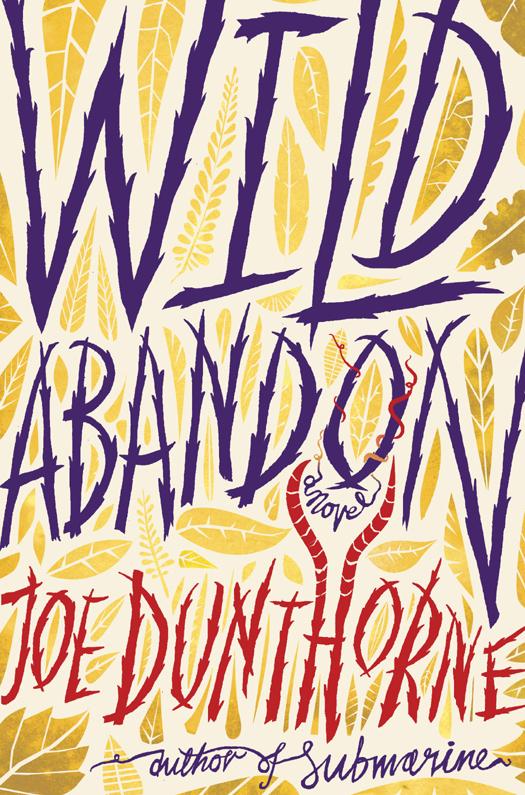
At a once vibrant communal-living property in the British countryside, back-to-basics fervor has given way to a vague discontent. A place that once buzzed with activity, from the polytunnels to the pottery shed, now functions with a skeleton crew. Founder Don Riley surveys his domain with the grim focus of someone who knows what’s best for everyone — and isn’t afraid to let them know. Especially when those people are related to him.
Don’s wife, Freya, can’t quite decide whether not liking someone anymore is enough reason to end a twenty-year marriage. So she decamps to a mud yurt in the woods to mull it over. Their seventeen-year-old daughter, Kate, enrolls in school for the first time in her life: the exotic new world of fellow teenagers and surprisingly tasty cafeteria food beckons, and she is quickly lured into the arms of a “meathead” classmate. In his sister’s absence, eleven-year-old Albert falls under the spell of an outlandish new visitor to the community who fills his head with strange notions of the impending end of the world.
Faced with the task of rescuing his son from apocalyptic fantasies, his daughter from the clutches of suburbia, and his wife from her increasingly apparent desire to leave him, Don convinces himself that the only way to save the world he’s created is. . to throw the biggest party of his life. Will anyone show up?
From the acclaimed young author of Submarine, Wild Abandon is a strange and wonderful look at love — familial and romantic, returned and rebuffed — and the people and places we choose to call home.
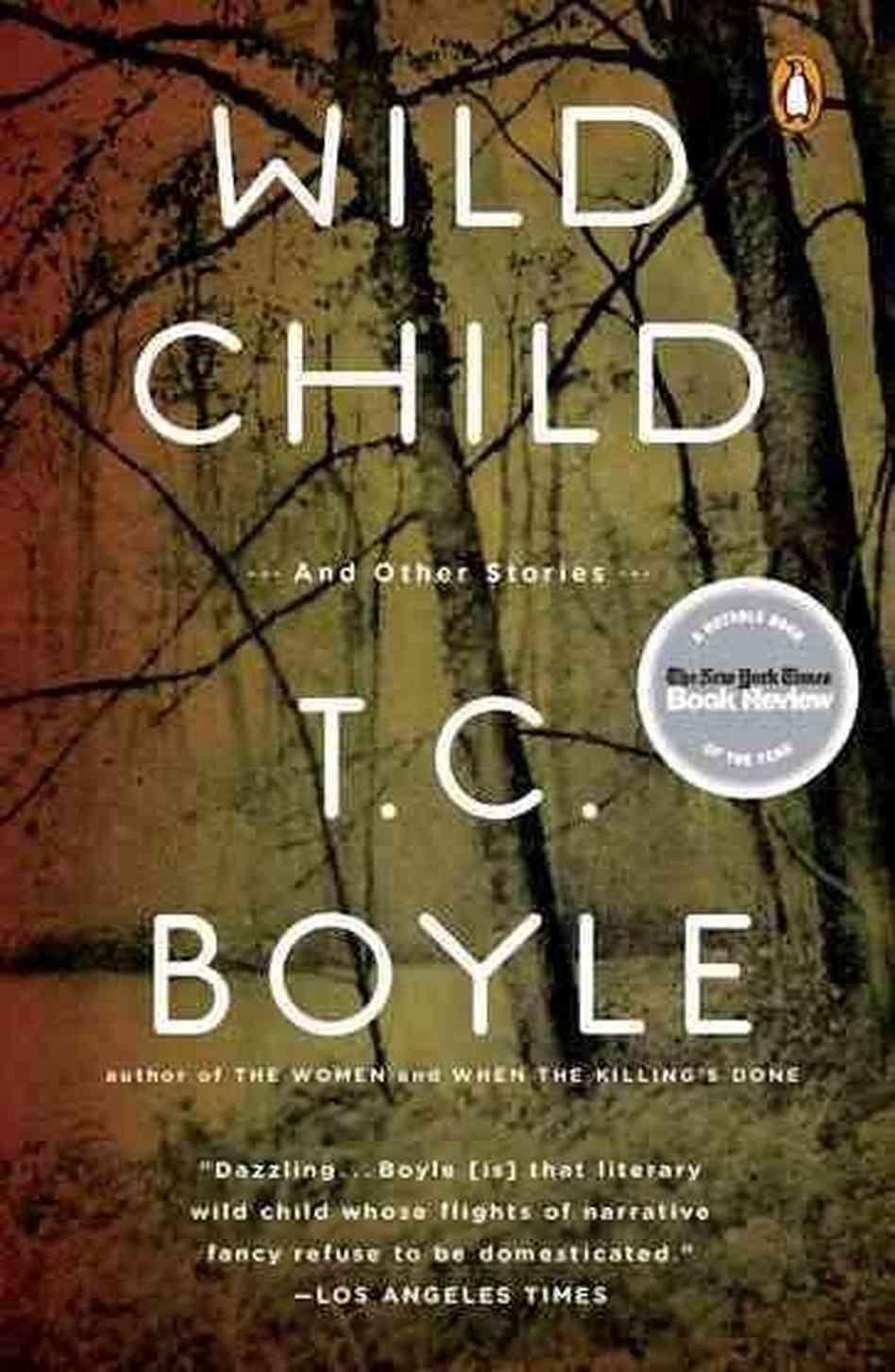
A superb new collection from "a writer who can take you anywhere" (The New York Times)
In the title story of this rich new collection, T.C. Boyle has created so vivid and original a retelling of the story of Victor, the feral boy who was captured running naked through the forests of Napoleonic France, that it becomes not just new but definitive: yes, this is how it must have been. The tale is by turns magical and moving, a powerful investigation of what it means to be human.
There is perhaps no one better than T.C. Boyle at engaging, shocking, and ultimately gratifying his readers while at the same time testing his characters' emotional and physical endurance. The fourteen stories gathered here display both Boyle's astonishing range and his imaginative muscle. Nature is the dominant player in many of these stories, whether in the form of the catastrophic mudslide that allows a cynic to reclaim his own humanity ("La Conchita") or the wind-driven fires that howl through a high California canyon ("Ash Monday"). Other tales range from the drama of a man who spins Homeric lies in order to stop going to work, to that of a young woman who must babysit for a $250,000 cloned Afghan and the sad comedy of a child born to Mexican street vendors who is unable to feel pain.
Brilliant, incisive, and always entertaining, Boyle's short stories showcase the mischievous humor and socially conscious sensibility that have made him one of the most acclaimed writers of our time.
Tofu casseroles, communes, clothing-optional kindergarten, antiwar proteststhese are just a few of the hallmarks of a counterculture childhood. What became of kids who had been denied meat, exposed to free love, and given nouns for names? In Wild Child, daughters of the hippie generation speak about the legacy of their childhoods. The writers present a rearview mirror to contemporary culture; with an eye on the past they remind us that there is more than one path through the present. Contributors include Lisa Michaels (Split) and Ariel Gore (Hip Mama).
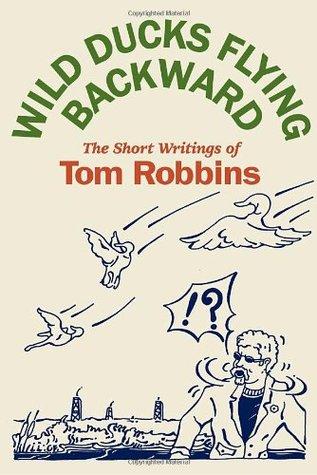
Known for his meaty seriocomic novels — expansive works that are simultaneously lowbrow and highbrow — Tom Robbins has also published over the years a number of short pieces, predominantly nonfiction. His travel articles, essays, and tributes to actors, musicians, sex kittens, and thinkers have appeared in publications ranging from Esquire to Harper’s, from Playboy to the New York Times, High Times, and Life. A generous sampling, collected here for the first time and including works as diverse as scholarly art criticism and some decidedly untypical country-music lyrics, Wild Ducks Flying Backward offers a rare sweeping overview of the eclectic sensibility of an American original.
Whether he is rocking with the Doors, depoliticizing Picasso’s Guernica, lamenting the angst-ridden state of contemporary literature, or drooling over tomato sandwiches and a species of womanhood he calls “the genius waitress,” Robbins’s briefer writings often exhibit the same five traits that perhaps best characterize his novels: an imaginative wit, a cheerfully brash disregard for convention, a sweetly nasty eroticism, a mystical but keenly observant eye, and an irrepressible love of language.
Embedded in this primarily journalistic compilation are a couple of short stories, a sheaf of largely unpublished poems, and an off-beat assessment of our divided nation. And wherever we open Wild Ducks Flying Backward, we’re apt to encounter examples of the intently serious playfulness that percolates from the mind of a self-described “romantic Zen hedonist” and “stray dog in the banquet halls of culture.”
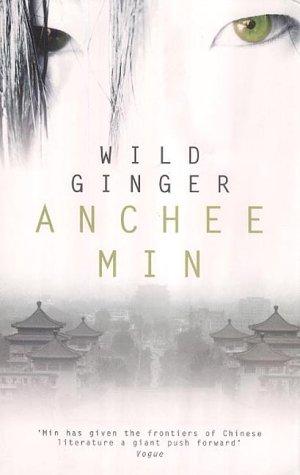
At once a coming-of-age tale and a heart-rending love story, Wild Ginger explores the devastating experience of the Cultural Revolution, which defined Anchee Min"s youth. The beautiful, iron-willed Wild Ginger is only in elementary school when she is singled out by the Red Guards for her "foreign-colored eyes." Her classmate Maple is also a target of persecution. The novel chronicles the two girls" maturing in Shanghai in the late 1960s and early 1970s, when Chairman Mao ruled absolutely and his followers took up arms in his name. Wild Ginger grows up to become a model Maoist, but her love for a man soon places her in an untenable position – and ultimately in mortal danger. This slim and powerful novel "examines the fragile sensibilities and emotions of an entire generation of Chinese youth" (Washington Post) and brilliantly delineates the psychological and sexual perversion of those times.