
 fb2
fb2Эстер Войджицки, или, как ее обычно называют, Woj, – человек-легенда. Она стала знаменитой благодаря трем обстоятельствам. Преподаванию в школе Пало-Альто, которая изменила жизнь тысяч детей. Тем, что она вдохновила таких мегазвезд Силиконовой долины, как Стив Джобс, и работала консультантом по образованию в Google. А также воспитала трех дочерей, каждая из которых стала суперуспешной: Сьюзен – генеральный директор YouTube, Джанет – профессор педиатрии, а Энн – глава инновационной компании генетического тестирования 23andMe. Свой новаторский педагогический подход она назвала 5С: Самодоверие, Самоуважение, Самостоятельность, Сотрудничество, Сердечность. Это не просто книга о том, как нацелить детей на успех, она о том, как научить их быть самостоятельными, не бояться трудностей, ошибок и при этом оставаться по-настоящему добрыми людьми. Но главное отличие книги Эстер в том, что ее опыт на 100 % подтвержден жизнью. А успех и человеческие качества ее детей и учеников – лучшее тому доказательство.
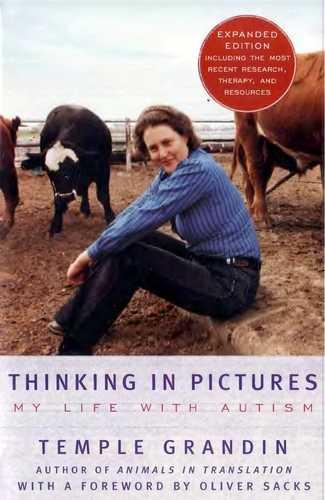
Temple Grandin, Ph.D., is a gifted animal scientist who has designed one third of all the livestock-handling facilities in the United States. She also lectures widely on autism because she is autistic, a woman who thinks, feels, and experiences the world in ways that are incomprehensible to the rest of us. In this unprecedented book, Grandin writes from the dual perspectives of a scientist and an autistic person. She tells us how she managed to breach the boundaries of autism to function in the outside world. What emerges is the document of an extraordinary human being, one who gracefully bridges the gulf between her condition and our own while shedding light on our common identity.
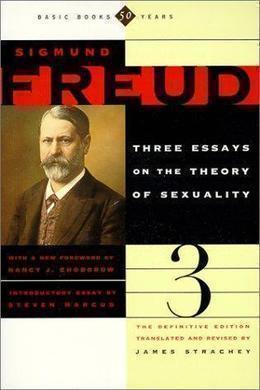
This is an excellent work for Freud enthusiasts. The work discusses the theoretical underpinnings for behavioral characteristics popularized by Freud. For instance, the proclivity to forget is related to a personal motivation to suppress unpleasant memories. Dreams tend to depict unfulfilled wishes. Pain and disgust are more frequent aspects of dreams than pure pleasure. The author explains how childhood experiences both good and bad may resurface in our dreams. Our memory can be challenged to recall things long dormant. Night hallucinations can be due to perceived rejected sexual impulses. Freud explains how seemingly contradictory thoughts can coexist side by side. The concept of psychological tension may be related to a displeasure or aversion. Freud discussed sexuality. For instance, he noted that bisexual tendencies could be interpreted within the context of a female brain in a male body. The book brings out many aspects of human behavior that we rarely dwell on consciously. It is perfect for a class project in science, psychology or medicine. Freuds theories tend to be very complex. This work reduces some of the deepest complexities to simple English. Finally, the book helps us to understand the dynamics of why we behave as we do. This book explains important strategies to the classic flight/fight phenomena and accomodative strategies aimed at reducing behavioral tensions/conflicts.

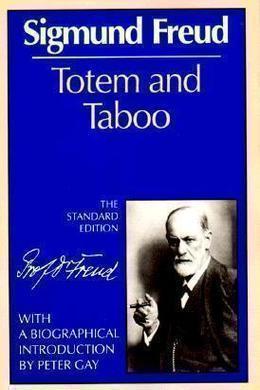
Widely acknowledged to be one of Freud’s greatest works, when first published in 1913, this book caused outrage. It remains the fullest exploration of Freud’s most famous themes. Family, society, religion - they’re all put on the couch.
The New York Times–bestselling author of The Compass of Pleasure examines how our sense of touch is interconnected with our emotions
Dual-function receptors in our skin make mint feel cool and chili peppers hot. Without the brain’s dedicated centers for emotional touch, an orgasm would feel more like a sneeze—convulsive, but not especially nice. From skin to nerves to brain, the organization of our body’s touch circuits is a complex and often counterintuitive system that affects everything from our social interactions to our general health and development.
In Touch, neuroscientist and bestselling author David J. Linden explores this critical interface between our bodies and the outside world, between ourselves and others. Along the way, he answers such questions as: Why do women have more refined detection with their fingertips than men? Is there a biological basis for the use of acupuncture to relieve pain? How do drugs like Ecstasy heighten and motivate sensual touch? Why can’t we tickle ourselves? Linking biology and behavioral science, Touch offers an entertaining and enlightening answer to how we feel in every sense of the word.

What is a trance state? How do you access a previous trance state? What is pattern interruption? Stacked realities? Generative change? Reframing? And how in the world do you use all this stuff to do anything productive? Better yet, how do you keep from using all this stuff to be unproductive? Well, this will give a you a taste of what lies in store for you in this book. It's the best book to learn about real hypnosis, the structure of hypnosis. There are many books that can teach you to hypnotize people, but few that can teach you to break through the consensual trance that you are already in. This book can get you on the road to doing that. "Hypnosis is a word that usually gets strong responses from people" - positive or negative. Often, people associate trance states with mysticism or magic, which has not helped the reputation of hypnosis. We encourage skeptics to suspend their beliefs or assumptions about hypnosis long enough to read this book. NLP cofounders Bandler and Grinder studied the famous therapist Milton Erickson to determine the structure of hypnosis. This book turns the "magic" into specific understandable procedures, some of which are useful in everyday conversation. In addition to the hows of hypnosis (basic and advanced), the authors describe numerous important uses for this science. A great introduction to the subject - and an important reference book for hypnosis practitioners.
Ubersleep, или сверх-сон — сокращение времени сна до 2-х часов в сутки.

Asexuality can be defined as an enduring lack of sexual attraction. Thus, asexual individuals do not find (and perhaps never have) others sexually appealing. Some consider “asexuality” as a fourth category of sexual orientation, distinct from heterosexuality, homosexuality, or bisexuality. However, there is also recent evidence that the label “asexual” may be used in a broader way than merely as “a lack of sexual attraction.” People who say they have sexual attraction to others, but indicate little or no desire for sexual activity are also self-identifying as asexual. Distinct from celibacy, which refers to sexual abstinence by choice where sexual attraction and desire may still be present, asexuality is experienced by those having a lack or sexual attraction or a lack of sexual desire.
More and more, those who identify as asexual are “coming out,” joining up, and forging a common identity. The time is right for a better understanding of this sexual orientation, written by an expert in the field who has conducted studies on asexuality and who has provided important contributions to understanding asexuality. This timely resource will be one of the first books written on the topic for general readers, and the first to look at the historical, biological, and social aspects of asexuality. It includes first-hand accounts throughout from people who identify as asexual. The study of asexuality, as it contrasts so clearly with sexuality, also holds up a lens and reveals clues to the mystery of sexuality.

Asexuality can be defined as an enduring lack of sexual attraction. Thus, asexual individuals do not find (and perhaps never have) others sexually appealing. Some consider “asexuality” as a fourth category of sexual orientation, distinct from heterosexuality, homosexuality, or bisexuality. However, there is also recent evidence that the label “asexual” may be used in a broader way than merely as “a lack of sexual attraction.” People who say they have sexual attraction to others, but indicate little or no desire for sexual activity are also self-identifying as asexual. Distinct from celibacy, which refers to sexual abstinence by choice where sexual attraction and desire may still be present, asexuality is experienced by those having a lack or sexual attraction or a lack of sexual desire.
More and more, those who identify as asexual are “coming out,” joining up, and forging a common identity. The time is right for a better understanding of this sexual orientation, written by an expert in the field who has conducted studies on asexuality and who has provided important contributions to understanding asexuality. This timely resource will be one of the first books written on the topic for general readers, and the first to look at the historical, biological, and social aspects of asexuality. It includes first-hand accounts throughout from people who identify as asexual. The study of asexuality, as it contrasts so clearly with sexuality, also holds up a lens and reveals clues to the mystery of sexuality.

Эта книга взорвала мир англоязычной non-fiction литературы. За рекордно короткий срок UNFU*K YOURSELF попала в топ-20 самых покупаемых нехудожественных книг США и вот уже 26 недель не собирается его покидать. Ее автор предлагает своим читателям максимально простой подход к достижению счастья – управление внутренним монологом. Гэри Джон Бишоп, эксперт по саморазвитию мирового класса, утверждает: каждый человек разговаривает с собой, и от того, как он это делает, зависят его карьера, уровень дохода, семейная жизнь и другие маркеры личного успеха. UNFU*K YOURSELF – это максимально практичное руководство по улучшению своей жизни. Оно помогает раз и навсегда избавиться от подсознательных ограничений, бесконечного самобичевания по разным поводам, разорвать порочный круг неудач, научиться фокусироваться на цели и жить в удовольствие.

«UPGRADE по-римски» – книга-провокация, продолжение бизнес-бестселлера «Как управлять рабами» кембриджского профессора-античника Джерри Тонера. Однако если «Как управлять рабами» – справочник римского «специалиста по кадрам», то «UPGRADE по-римски» – это пособие по самосовершенствованию.
Изложить воззрения римлян на то, как достичь успеха, автор доверяет рабовладельцу-аристократу Марку Сидонию Фалксу. Именно он разъясняет читателю, как управлять поместьем и слугами, контролировать эмоции и сохранять твердость в любой ситуации, побеждать врагов и двигаться по социальной лестнице, выбирать жену, да и в целом получать от жизни удовольствие.
Иные советы могут показаться чрезмерно жестокими и даже шокировать нашего современника, но все они отличались безусловной эффективностью. Во многих своих поступках жители Древнего Рима удивительно похожи на нас, хотя и ценили качества, весьма далекие от тех, что описываются в популярных руководствах по личностному росту. Читателю лишь остается решить, хотелось ли бы ему жить по изложенным в книге правилам.
Bandler is an innovator and an original thinker in the field of psychology. This book is a transcript of Bandler live in front of an audience, cutting up and cracking jokes as he is prone to do, talking about some of his unique and often practical views on how you can change your feelings, thoughts and behavior. Change is often easier than you think if you use the right method.

Deivids R. Hamiltons
Vai dzīve ir iepriekš izplānota? Kā pārvaldīt likteni un brīvo gribu
Vai esat prātojuši, kādēļ viss jūsu dzīvē norit tieši šādi? Vai nākotne ir kā iecirsta akmenī? Bet varbūt jūs to radāt paši ar saviem lēmumiem? Vai cilvēka brīvā griba spēj ietekmēt likteni? Kur rūpju pārpilnā ikdienā smelties enerģiju un mieru? Šos un daudzus citus jautājumus cilvēki ir uzdevuši jau gadsimtiem ilgi.
Savā jaunākajā grāmatā Deivids R. Hamiltons aplūko zinātniskus pierādījumus, kas palīdzēs rast uz tiem atbildes. Autors grāmatā ne vien izskaidro jaunākos zinātniskos pētījumus par laiku, hronobioloģiju, kvantu biolaukiem, epiģenētiku, dabas cikliem un daudziem citiem fenomeniem, bet arī atklāj, kā tie ietekmē mūsu ikdienu. Grāmatā sniegti lieliski padomi, kā stiprināt savu brīvo gribu, pārstāt cīnīties ar likteni un sākt pārvaldīt to. Autors sniedz padomus, kā radīt savas dzīves apstākļus un notikumus un izmantot likteņa spēkus savā labā.
No angļu valodas tulkojusi Dace Saule
Noskannējis grāmatu un failu izveidojis Imants Ločmelis
LIETUSDĀRZS
Grāmatas autors Deivids R. Hamiltons ir ieguvis doktora grādu ķīmijā un strādājis zinātnisku darbu farmācijas nozarē. Viņš sarakstījis grāmatas, kas lasītājus iepazīstina ar cilvēka iekšējo spēku iespējām un māca pārvaldīt savu dzīvi. Tās tulkotas vairākās valodās un guvušas lielu atzinību. Arī latviešu lasītājs jau iepazinis Deivida R. Hamiltona darbu "Domā vesels!".
Grāmata sniedz ne vien pārsteidzošas zināšanas par brīvās gribas un likteņa mijiedarbību, bet arī daudzus praktiskus vingrinājumus, kas palīdzēs izvirzīt mērķus, vizualizēt un sasniegt tos. Tā ļaus saprast, kā būt noteicējiem pār savu dzīvi!
ISBN 978-9984-869-38-4
Redaktors ELV1SS OZOLS
MARA GARJANA makets un vāka di/.ains
© Dāvid Hamilton, 2012 © Dace Saule, tulkojums no angļu valodas, 2013 © Apgāds "Lietusdārzs", 2013
ISBN 978-9984-869-38-4
Elizabetei pateicībā par realitātes dabai veltītajām sarunām
"Jūs runājat par likteni, it ka tas būtu reāls." Fll.lPS Pui.MANS, "Ziemeļblāzma"

Ваби-саби – это стиль жизни, вдохновленный многовековой японской мудростью. Хотя жители Страны восходящего солнца редко говорят о нем вслух, именно ваби-саби пронизана вся жизнь японца.
Ваби-саби – альтернатива современному ритму жизни и ценностям, основанным на потреблении и стремлении к идеалу. Видеть красоту в несовершенстве, ценить простоту и радость момента, ощущать связь с природой и принимать мимолетность жизни, отбросить лишнее и сосредоточиться на важном – основные принципы этой вневременной концепции.
Эта книга – предложение расслабиться и ощутить красоту собственного бытия в каждом моменте, избавить его от всего напускного и открыть то, что внутри. Впустите ваби-саби в свою жизнь и найдите счастье прямо там, где вы находитесь.
В формате PDF А4 сохранен издательский дизайн.

How do you convince men to charge across heavily mined beaches into deadly machine-gun fire? Do you appeal to their bonds with their fellow soldiers, their patriotism, their desire to end tyranny and mass murder? Certainly—but if you’re the US Army in 1944, you also try another tack: you dangle the lure of beautiful French women, waiting just on the other side of the wire, ready to reward their liberators in oh so many ways.
That’s not the picture of the Greatest Generation that we’ve been given, but it’s the one Mary Louise Roberts paints to devastating effect in What Soldiers Do. Drawing on an incredible range of sources, including news reports, propaganda and training materials, official planning documents, wartime diaries, and memoirs, Roberts tells the fascinating and troubling story of how the US military command systematically spread—and then exploited—the myth of French women as sexually experienced and available. The resulting chaos—ranging from flagrant public sex with prostitutes to outright rape and rampant venereal disease—horrified the war-weary and demoralized French population. The sexual predation, and the blithe response of the American military leadership, also caused serious friction between the two nations just as they were attempting to settle questions of long-term control over the liberated territories and the restoration of French sovereignty.
While never denying the achievement of D-Day, or the bravery of the soldiers who took part, What Soldiers Do reminds us that history is always more useful—and more interesting—when it is most honest, and when it goes beyond the burnished beauty of nostalgia to grapple with the real lives and real mistakes of the people who lived it.

Gladwel’'s fourth book comprises various contributions to the New Yorker and makes for an intriguing and often hilarious look at the hidden extraordinary. He wonders what… hair dye tell[s] us about twentieth century history, and observes firsthand dog whisperer Cesar Millan's uncanny ability to understand and be understood by his pack. Gladwell pulls double duty as author and narrator; while his delivery isn't the most dramatic or commanding, the material is frequently astonishing, and his reading is clear, heartfelt, and makes for genuinely pleasurable listening.

Gladwell's fourth book comprises various contributions to the New Yorker and makes for an intriguing and often hilarious look at the hidden extraordinary. He wonders what… hair dye tell[s] us about twentieth century history, and observes firsthand dog whisperer Cesar Millan's uncanny ability to understand and be understood by his pack. Gladwell pulls double duty as author and narrator; while his delivery isn't the most dramatic or commanding, the material is frequently astonishing, and his reading is clear, heartfelt, and makes for genuinely pleasurable listening.
Written during the last few months of Philip Gould’s life, this is a hugely inspiring and ultimately uplifting look at his “lessons from the death zone”
On 29 January 2008 Philip Gould was told he had cancer. He was stoical, and set about his treatment, determined to fight his illness. In the face of difficult decisions he sought always to understand the disease and the various medical options open to him, supported by his wife Gail and their two daughters, Georgia and Grace.
In 2010, after two hard years of chemotherapy and surgery, the tests came up clear - Philip appeared to have won the battle. But his work as a key strategist for the Labour party took its toll, and feeling ill six months later, he insisted on one extra, precautionary test, which told him that the cancer had returned.
Thus began Philip’s long, painful but ultimately optimistic journey towards death, during which time he began to appreciate and make sense of his life, his work and his relationships in a way he had never thought possible. He realized something that he had never heard articulated before: death need not be only negative or painful, it can be life-affirming and revelatory. Written during the last few months of his life, When I Die describes the journey Philip took with his illness, leaving to us what he called his lessons from the death zone.
This courageous, profoundly moving and inspiring work is as valuable a legacy to the world as anyone could wish to bestow - hugely uplifting, beautifully written, with extraordinary insight.

“Why is Sex Fun? is the best book on the subject I've read. This lively exploration of our sexual heritage offers fascinating reading for anyone curious about why lovers do what they do.”
— Diane Ackerman, author of A Natural History of the Senses
“I am so jealous of Jared Diamond, for he writes with such an elegant simplicity! Here, he takes a loot at the endlessly fascinating topic of human sexuality His convincing arguments should persuade xm that there are very special reasons why we evolved to use sex for recreation as well as for procreatim whereas most other mammals are denied that pleasure…. It is a great little book, by one of the worlds foremost biological philosophers.”
— Roger Shohl, Professor of Physiology Monash University Australia
“Once again Jared Diamond provides us with answers to questions we may never have stopped to ask, but wish we had. In this long essay Diamond explains that recreational sex, while not unique to humans, is a rare behavior in the animal world. Above all, we learn, sexual activity divorced fron procreation is not only part of what it is to be human, but the very crux of our evolutionary success.”
— Bettyaxn Kevles, author of Naked to the Bonn Medical Imaging in the Twentieth Century