 fb2
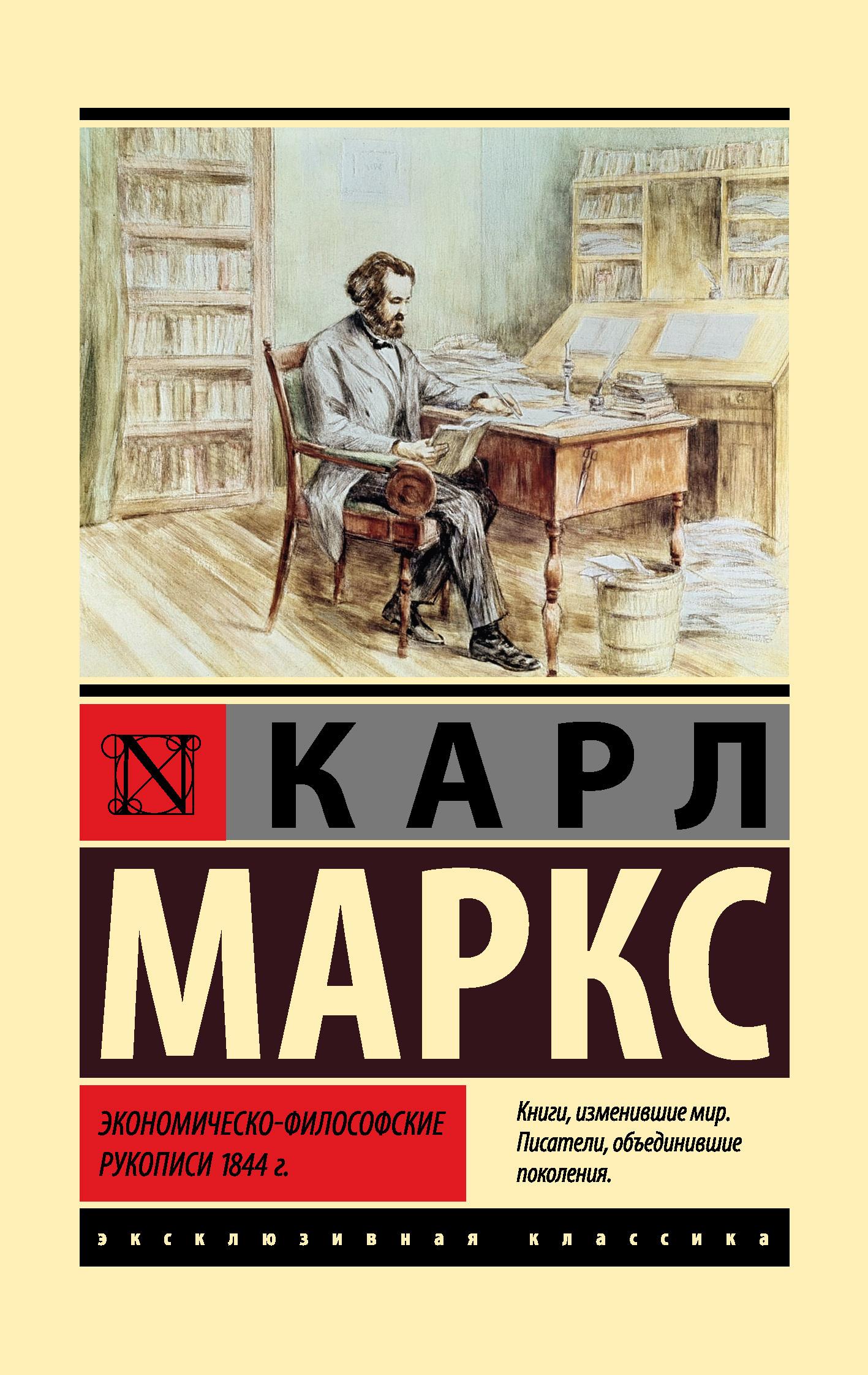
fb2«Экономическо-философские рукописи 1844 г.» – одна из самых ранних и одновременно одна из самых цитируемых работ Карла Маркса, в которой он впервые попытался обобщить и систематизировать результаты своих экономических исследований с философской точки зрения. Есть мнение, будто Маркс не оставил философской системы и главным его наследием является монументальный «Капитал», однако в действительности все основные философские постулаты 25-летний Маркс сформулировал в этой небольшой, но очень емкой по охвату главных проблем и противоречий социального и экономического неравенства работе. Все сказанное Марксом в «Экономическо-философских рукописях 1844 г.» – вдумайтесь! 178 лет назад! – остается актуальным и по сей день, и именно сегодня, как никогда раньше, выходит на первый план именно философское осмысление движущих сил истории, сущности и исторического характера частной собственности и отчужденного труда.
В формате PDF A4 сохранен издательский макет книги.
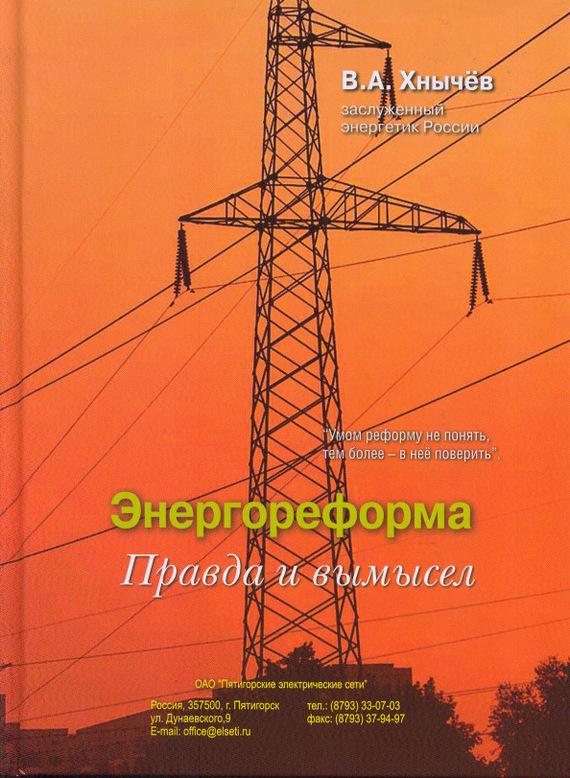
Пожалуй, первым, кто профессионально и веско высказал своё мнение по поводу несостоятельной реформы, оказался генеральный директор ОАО «Пятигорские электрические сети» Валерий Хнычев. В то время, как высшее руководство энергохолдинга прилагало максимум сил и средств, чтобы исключить критику в СМИ, Валерий Альбертович писал книгу «Энергореформа. Правда и вымысел», которая вышла в 2008 году.
Автор книги, доктор экономических наук, в форме занимательных рассказов рисует живые портреты крупнейших предшественников Маркса в политической экономии. Перед читателем проходит целая плеяда ученых прошлого — Буагильбер, Петти, Кенэ, Смит, Рикардо, Сен-Симон, Фурье, Оуэн и ряд других выдающихся мыслителей, труды которых сыграли важную роль в становлении марксизма. Идеи их раскрываются в тесной связи с особенностями эпох, когда они жили и творили. Автор показывает, что некоторые мысли этих ученых сохранили свое значение вплоть до наших дней. Во второе издание введен значительный новый материал.
Книга рассчитана на широкий круг читателей, интересующихся политической экономией и её историей.
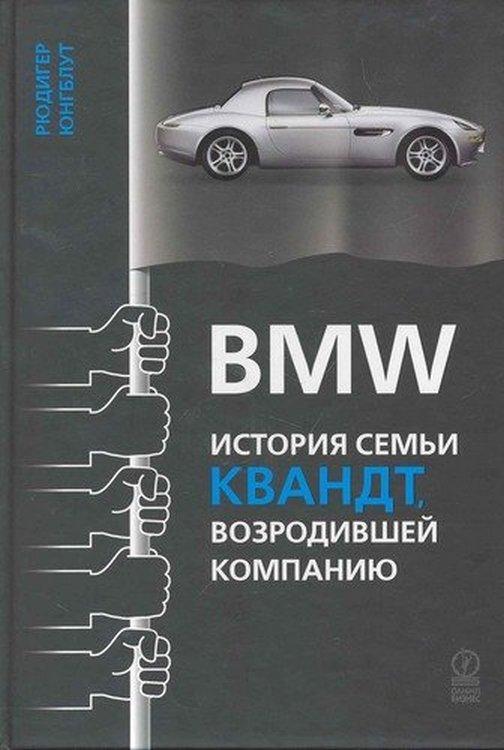
«BMW» и «Varta» являются символами, представляющими мощь немецкой экономики в мире. Но вряд ли кто-нибудь знает, что нити этих фирм сходятся в руках одной единственной семьи: крупнейшей промышленной династии Германии. Опираясь на предпринимательский талант и политическое чутье, четыре ее поколения создали настоящую империю, и их успех является наглядным примером сочетания семейных традиций, экономики и власти в Германии. При этом они сумели остаться незаметными. Рюдигер Юнгблут впервые публикует захватывающую историю семьи Квандт.

С тех пор, как COVID-19 вышел на мировую арену, он резко разрушил существующий сценарий управления странами, жизни с другими и участия в мировой экономике. Написано основателем Всемирного экономического форума Клаусом Швабом и автором Ежемесячного барометра Тьерри Маллере, «COVID-19: The Great Reset» рассматривает его далеко идущие и драматические последствия для завтрашнего мира.
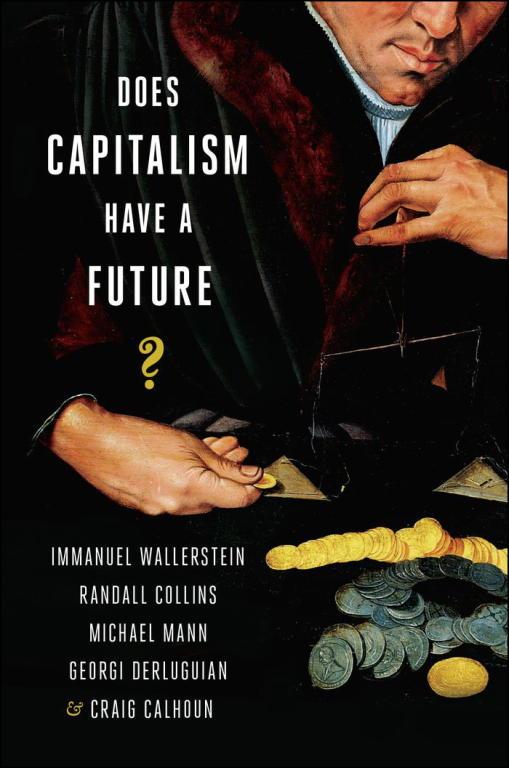
In Does Capitalism Have a Future?, a global quintet of distinguished scholars cut their way through to the question of whether our capitalist system can survive in the medium run. Despite the current gloom, conventional wisdom still assumes that there is no real alternative to capitalism. The authors argue that this generalization is a mistaken outgrowth of the optimistic nineteenth-century claim that human history ascends through stages to an enlightened equilibrium of liberal capitalism. All major historical systems have broken down in the end, and in the modern epoch several cataclysmic events-notably the French revolution, World War I, and the collapse of the Soviet bloc-came to pass when contemporary political elites failed to calculate the consequences of the processes they presumed to govern. At present, none of our governing elites and very few intellectuals can fathom a systemic collapse in the coming decades.
While the book’s contributors arrive at different conclusions, they are in constant dialogue with one another, and they construct a relatively seamless-if open-ended-whole. Written by five of world’s most respected scholars of global historical trends, this ambitious book asks the most important of questions: are we on the cusp of a radical world historical shift?
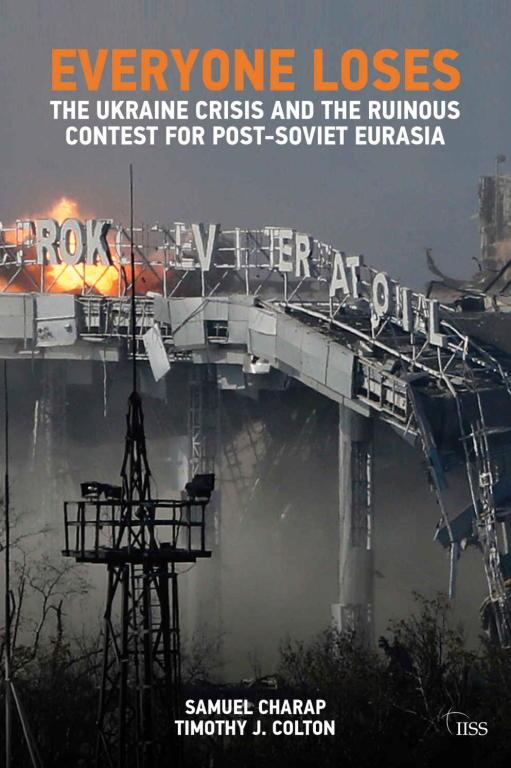
Disorder erupted in Ukraine in 2014, involving the overthrow of a sitting government, the Russian annexation of the Crimean peninsula, and a violent insurrection, supported by Moscow, in the east of the country.
This Adelphi book argues that the crisis has yielded a ruinous outcome, in which all the parties are worse off and international security has deteriorated. This negative-sum scenario resulted from years of zero-sum behaviour on the part of Russia and the West in post-Soviet Eurasia, which the authors rigorously analyse. The rivalry was manageable in the early period after the Cold War, only to become entrenched and bitter a decade later. The upshot has been systematic losses for Russia, the West and the countries caught in between.
All the governments involved must recognise that long-standing policies aimed at achieving one-sided advantage have reached a dead end, Samuel Charap and Timothy J. Colton argue, and commit to finding mutually acceptable alternatives through patient negotiation.
Samuel Charap is Senior Fellow for Russia and Eurasia at the International Institute for Strategic Studies.
Timothy J. Colton is Morris and Anna Feldberg Professor of Government and Russian Studies, Harvard University.
Eric Schlosser has visited the state of the art labs where scientists recreate the flavours and smells of everything from cooked chicken to fresh strawberries in the test tube and he has spoken to workers at meatpacking plants with some of the worst safety records in the world. He explores the links between Hollywood and the fast food trade, and the tactics used to target ever younger consumers. In a meticulously researched and powerfully argued account, Fast Food Nation reveals the full price of our appetite for instant gratification.
In the aftermath of the financial collapse of August 1998, it looked as if Russia’s day as a superpower had come and gone. That it should recover and reassert itself after less than a decade is nothing short of an economic and political miracle.
Based on extensive research, including several interviews with Vladimir Putin, this revealing book chronicles Russia’s dramatic reemergence on the world stage, illuminating the key reason for its rebirth: the use of its ever-expanding energy wealth to reassert its traditional great power ambitions. In his deft, informative narrative, Marshall Goldman traces how this has come to be, and how Russia is using its oil-based power as a lever in world politics. The book provides an informative overview of oil in Russia, traces Vladimir Putin’s determined effort to reign in the upstart oil oligarchs who had risen to power in the post-Soviet era, and describes Putin’s efforts to renationalize and refashion Russia’s industries into state companies and his vaunted “national champions” corporations like Gazprom, largely owned by the state, who do the bidding of the state. Goldman shows how Russia paid off its international debt and has gone on to accumulate the world’s third largest holdings of foreign currency reserves—all by becoming the world’s largest producer of petroleum and the world’s second largest exporter. Today, Vladimir Putin and his cohort have stabilized the Russian economy and recentralized power in Moscow, and fossil fuels (oil and natural gas) have made it all possible.
The story of oil and gas in Russia is a tale of discovery, intrigue, corruption, wealth, misguidance, greed, patronage, nepotism, and power. Marshall Goldman tells this story with panache, as only one of the world’s leading authorities on Russia could.
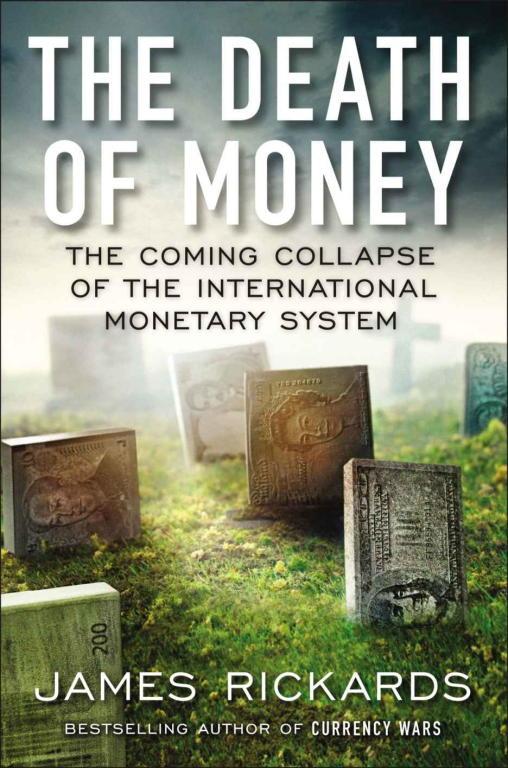
The international monetary system has collapsed three times in the past hundred years. Each collapse was followed by a period of war, civil unrest, or damage to the stability of the global economy. Now James Rickards explains why another collapse is rapidly approaching.
The US dollar has been the global reserve currency since the end of the Second World War. If the dollar fails the entire international monetary system will fail with it. But Washington is gridlocked, and America’s biggest competitors—China, Russia, and the Middle East—are doing everything possible to end US monetary hegemony.
The potential results: Financial warfare. Deflation. Hyperinflation. Market collapse. Chaos.
James Rickards offers a bracing analysis of the fundamental problem: money and wealth have become ever more detached. Money is transitory and ephemeral; wealth is permanent and tangible. While wealth has real value worldwide, money may soon be worthless. The world’s big players—governments, banks, institutions—will muddle through by making up new rules, and the real victims of the next crisis will be small investors.
Fortunately, it is not too late to prepare for the coming death of money. In this riveting book, James Rickards shows us how.
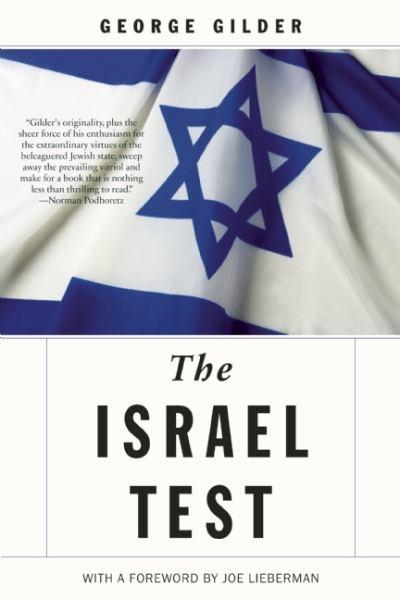
In this book, George Gilder asserts that widespread antagonism toward the current state of Israel springs from, like anti-Semitism everywhere, envy of superior accomplishment. Israel’s sudden rise as a world capitalist and technological power, he argues, stems in part from the Jewish “culture of mind” and in part from Judaism itself, which, “perhaps more than any other religion, favors capitalist activity and provides a rigorous moral framework for it.” Critics of Israel—in the U.S., in the surrounding countries of the Middle East and in Western European nations that are facing socialist decline—have failed the “Israel Test” because they seek to tear down this country’s success rather than emulate it. America’s ability and desire to defend Israel will define our future survival as a nation: “If Israel is destroyed,” he says, “capitalist Europe will likely die as well, and America, as the epitome of productive and creative capitalism spurred by Jews, will be in jeopardy.”