 fb2
fb2Что такое чтение? В чем его суть? И как цифровые технологии меняют наши представления о нем?
Без чтения и грамотности современное общество не могло бы существовать. Наша правовая система, демократия, образование, наука — без печатного слова все эти достижения были бы немыслимы. Но чем детальнее мы пытаемся рассмотреть этот сложный феномен, тем неуловимее он оказывается.
«Человек читающий» — попытка описать актуальные изменения в самом процессе чтения. Авторы рассказывают историю происхождения литературы, исследуют современные читательские стратегии и демонстрируют влияние вдумчивого чтения на формирование критического мышления, столь необходимого для жизни в современном обществе.
Книга стэнфордского профессора Мэтью Джексона посвящена человеческим сетям. Положение, которое человек занимает в обществе, определяет его поведение, вкусы, привычки. Люди связаны между собой. Эта связь может проявляться на самых неочевидных уровнях. Человеческие сети влияют на то, какое образование мы получаем, как выбираем место работы, захотим ли переехать в новый квартал, и на многое другое. Привлекая самый разнообразный материал, от современных социологических исследований до истории семьи Медичи, Джексон раскрывает природу человеческих сетей, механизмы их действия и причины их невероятного могущества.
В формате PDF A4 сохранен издательский макет книги.
«Эта книга посвящена захватывающей и важной для любого человека теме – осознанию себя как части общества и рассмотрению самого феномена общества под лупой эволюционных процессов в животном мире. Марк Моффетт сравнивает человеческое общество с социальными образованиями общественных насекомых, и эти сравнения вполне уместны. И его последующий интерес к устройству социальных систем у широкого круга позвоночных, от рыб до человекообразных обезьян, не случаен. Как эволюциониста, его интересы связаны с выявлением причин и факторов, влияющих на трансформации социального поведения у разных таксонов, роли экологии в усложнении общественных связей, с поиском связей между морфологическими и психологическими преобразованиями, в конечном итоге приведших к возникновению нашего вида. Человека разумного, уникального в своем развитии речи, культуры, техники и искусства. Уникального в стремлении к познанию тайн бескрайней вселенной… Но продолжающего оставаться беззащитным в мире конфликтов и насилия, порожденном им же самим». (М. Л. Бутовская)
«Несмотря на то что человечество перешло от небольших обществ к огромным, мы сохранили сверхъестественную способность понимать, кто им соответствует, а кто – нет. Хорошо это или плохо, но по причинам, которые я надеюсь прояснить, отличительные признаки остаются, наряду с такими же явными и зачастую разрушительными различиями, существующими внутри самих обществ. То, как мы подходим к рассмотрению сходств и отличий, определяет природу и будущее обществ». (Марк Моффетт)
В формате PDF A4 сохранён издательский дизайн.
За одно только последнее десятилетие человечество пережило ряд тяжелейших катастроф, потрясений и катаклизмов, не укладывающихся в рамки самых фантастических предсказаний. Выпускник Сорбонны и нью-йоркский финансовый гуру Нассим Талеб называет такие непрогнозируемые события Черными лебедями. Он убежден: именно они дают толчок как истории в целом, так и существованию каждого отдельного человека.
И чтобы преуспеть, надо быть к ним готовыми. Сразу после выхода “Черного лебедя” автор блестяще продемонстрировал свою “не-теорию” на практике: на фоне финансового кризиса компания Талеба заработала (а не потеряла!) для инвесторов полмиллиарда долларов. Но его труд – не учебник по экономике. Это размышления незаурядного человека о жизни и о том, как найти в ней свое место.В формате a4.pdf сохранен издательский макет.
«Чертоги разума. Убей в себе идиота!» – книга о том, как заставить наш мозг работать и достигать поставленных целей.
От автора бестселлера «Красная Таблетка. Посмотри правде в глаза!»
Вам понравится эта книга, если…
[ul]вы хотите научиться эффективно мыслить и решать сложные задачи;
вы хотите быть в курсе самых современных нейробиологических знаний, рассказанных системно, но простым и понятным языком;
вам важно самим влиять на то, что происходит в вашей жизни.[/ul]
Важные факты
«Чертоги разума» – научно-популярная книга Андрея Курпатова, полностью посвященная работе мозга и эффективным практикам улучшения качества жизни.
Ещё до публикации книга стала лидером по предзаказам.
Благодаря умению автора ясно, доступно и с пользой рассказывать о научных исследованиях, его книги уже проданы совокупным тиражом более 5 миллионов экземпляров и переведены на 8 иностранных языков.
«Чертоги разума» превращает научные знания по нейробиологии в увлекательное интеллектуальное путешествие и эффективный практикум.
Все технологии, представленные в книге, прошли апробацию в рамках проекта «Академия смысла».
«Чертоги разума»:
[ul]с научной точки зрения объясняет механизмы информационной и цифровой зависимости и рассказывает, что делать, чтобы не оказаться под ударом «информационной псевдодебильности»;
последовательно раскрывает сложную структуру мышления, а каждый этап иллюстрируется важнейшими научными экспериментами;
в книге вы найдете эффективные практические упражнения, которые позволят осознанно подходить к решению задач;
из книги вы узнаете, почему мы не понимаем мыслей и чувств других людей, как избавиться от чувства одиночества и наладить отношения;
в качестве отдельного научно-популярного издания по нейробиологии продолжает тему бестселлера «Красная Таблетка. Посмотри правде в глаза!»[/ul]
На страницах предлагаемого сборника отразились многие животрепещущие идеи наших дней, связанные с развитием духовной культуры общества.
Проблемы экологии, вопросы хозяйствования органично сочетаются здесь с проблемами философии, литературы, театра, архитектуры. Среди авторов сборника — крупнейший современный философ А. Лосев, писатели В. Белов, В. Распутин, А. Адамович, Ю. Лощиц, известные публицисты В. Песков и А. Стреляный, советские ученые Ф. Шипунов, И. Толстой, Ю. Бородай, П. В. Флоренский и другие.
В книге публикуются неизвестные материалы, принадлежащие великому русскому ученому В. И. Вернадскому и его ученику Р. С. Ильину, трагически погибшему в годы необоснованных репрессий.
Как звучало прошлое? Каким был мир без автомобилей, самолетов и электричества? Что слышал человек, гуляющий по улицам средневекового города, или даже в эпоху первых цивилизаций, когда на Земле было еще так малолюдно? – Историк, журналист и музыкант Кай-Ове Кесслер знакомит нас с самыми разными источниками шума, как природными, так и связанными с прогрессом и развитием технологий, и представляет историю человечества в необычном и захватывающем ракурсе.
«Изучение истории шума сопряжено с одной проблемой. Шумы и звуки мимолетны и исчезают без следа. Только в конце XIX века появилась возможность их сохранения и воспроизведения. Чтобы описать звучание предшествующих эпох, мы должны искать другие источники: дневники, рассказы путешественников, репортажи, судовые журналы, а также картины, рисунки, скульптуры, рельефы, результаты измерений, архитектурные планы, механические конструкции, чертежи, данные психоакустики, анатомические исследования и даже археологические находки… А теперь – в путь! Позвольте провести вас по страницам этой многозвучной истории». (Кай-Ове Кесслер)
Раскрывается логика развития экономической социологии как специальной теории с присущими ей объектом, предметом и системой категорий, «работающих» в русле основных социально-экономических законов. Содержится обширный исторический раздел, посвященный этапам развития экономической социологии, включая актуальные проблемы и тенденции развития экономической социологии в XXI в. В теоретико-методологическом разделе рассмотрены основные социально-экономические законы разделения и перемены труда, закон конкуренции, а также взаимодействие этих законов в процессе глобальных изменений в мире. Впервые представлены детально разработанные методы социологических исследований: социологический анализ, социологическое моделирование, социологическая экспертиза.
Для студентов, аспирантов, преподавателей и исследователей в области социальных и экономических наук.
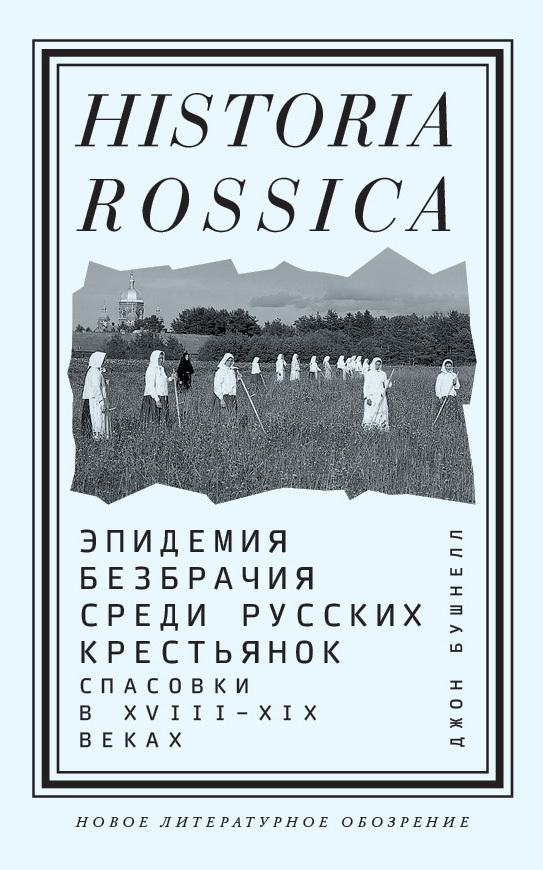
Исследование Джона Бушнелла о брачных практиках крестьян-старообрядцев Спасова согласия в Ярославской, Владимирской и Костромской губерниях меняет наши представления о социальной истории крестьянства в России XVIII–XIX веков. Количество спасовцев в середине XIX века, по мнению автора, достигало как минимум миллиона человек, и жили они в основном вдоль Волги — от Ярославля до Астрахани. Поэтому их брачное поведение оказывало существенное влияние на жизнь деревни всего этого большого региона. Влияние это, как показывает автор, было иногда разрушительным для экономики и демографии. Автор также связывает широкое распространение безбрачия среди спасовок с началом вмешательства дворян в брачное поведение своих крепостных, что обогащает наши знания о развитии крепостного права.
Джон Бушнелл — профессор Северо-западного университета в США (Northwestern University).
Историю политических процессов в Российской империи, формирование советской государственности, ее последующий распад, события, происходящие в современной России, трудно рассматривать в отрыве от интересов различных национальных и этнических сообществ, из которых состояло государство в разные периоды своего существования.
Книга Эмиля Паина посвящена проблемам этнополитологии и обобщает более чем сорокалетние исследования и наблюдения ее автора.
Первая часть («Теория») посвящена дискуссионным вопросам о сущности этнических и национальных явлений в их связи с политическими факторами. Автор предлагает свою интерпретацию известных подходов к изучению этничности и нации, а также свои теоретические концепции, в частности такую, как «имперский синдром».
Во второй части книги («История») представлен анализ радикальных колебаний этнонациональной политики в СССР и в современной России с позиций авторской теории «этнополитического маятника».
В третьей части («Практика») проанализированы ключевые концепции этнополитического управления в полиэтнических обществах и предложены некоторые корректировки современной российской национальной политики в свете парадигмы управления культурным разнообразием.
Эмиль Абрамович Паин — доктор политических наук, профессор НИУ ВШЭ и бывший советник Президента России по национальной политике (1996–1999).
The unprecedented mainstreaming of the global pornography industry is transforming the sexual politics of intimate and public life, popularizing new forms of hardcore misogyny, and strongly contributing to the sexualization of children. Yet, challenges to the industry continue to be dismissed as uncool, antisex, and moral panic. Unmasking the lies behind the selling of porn as entertainment, this book reveals the shocking truths of an industry that trades in violence, crime, and degradation while discussing topics such as racism in gay male porn, the use of animals in porn, child pornography, and BDSM (bondage, dominance, sadism, and masochism). Fearless and controversial, this examination will challenge the current view of pornography.
[Best viewed with CoolReader.]

Ten years in the making and a masterpiece of reportage, “Columbine” is an award-winning journalist’s definitive account of one of the most shocking massacres in American history.
It is driven by two questions: what drove these killers, and what did they do to this town?
On April 20, 1999, two boys left an indelible stamp on the American psyche. Their goal was simple: to blow up their school, Oklahoma-City style, and to leave “a lasting impression on the world.” Their bombs failed, but the ensuing shooting defined a new era of school violence—irrevocably branding every subsequent shooting “another Columbine.”
When we think of Columbine, we think of the Trench Coat Mafia; we think of Cassie Bernall, the girl we thought professed her faith before she was shot; and we think of the boy pulling himself out of a school window—the whole world was watching him. Now, in a riveting piece of journalism nearly ten years in the making, comes the story none of us knew. In this revelatory book, Dave Cullen has delivered a profile of teenage killers that goes to the heart of psychopathology. He lays bare the callous brutality of mastermind Eric Harris, and the quavering, suicidal Dylan Klebold, who went to prom three days earlier and obsessed about love in his journal. The result is an astonishing account of two good students with lots of friends, who came to stockpile a basement cache of weapons, to record their raging hatred, and to manipulate every adult who got in their way. They left signs everywhere, described by Cullen with a keen investigative eye and psychological acumen.
Drawing on hundreds of interviews, thousands of pages of police files, FBI psychologists, and the boy’s tapes and diaries, he gives the first complete account of the Columbine tragedy. In the tradition of HELTER SKELTER and IN COLD BLOOD, COLUMBINE is destined to be a classic. A close-up portrait of hatred, a community rendered helpless, and the police blunders and cover-ups, it is a compelling and utterly human portrait of two killers-an unforgettable cautionary tale for our times.
https://www.youtube.com/watch?v=EA22SKaQ5hU
In this brilliant exploration of the post-9/11 world, leading Lebanese novelist and intellectual Amin Maalouf sets out to understand how we have arrived at such disorder. He explores three different but related aspects of disorder: intellectual (manifested in an unleashing of statements on identity that allow no possibility of peaceful co-existence or debate), economic and financial (that is exhausting the earth’s resources), and climatic (the result of turning a blind eye to the consequences of rampant industrialization). Instead of seeing the current disorder of the post-9/11 world as ‘a clash of civilisations’ Maalouf sees it as the ‘exhaustion of two civilisations’, a period in which humanity has reached its threshold of ‘moral incompetence’. Islam and the West have theoretical coherence, he says, but in practice each betrays its true ideals: the West is unfaithful to its own enlightenment values, which has discredited it in the eyes of the people to whom it has introduced democracy by force; while Islam finds itself condemned to a headlong rush into radicalism. These symmetrical disorders are only some of the elements in a global disorder that requires humanity as a whole to take responsibility for its future and face up to the urgent tasks such as climate change and the global financial crisis that threaten us all.
Disordered World is a plea by one of the major writers of the last twenty years for intelligence, tolerance and a sense of urgency in order that we develop an adult vision of our patrimony, our beliefs, our differences and the future of the planet which is our common home.
Grave Desire is an analysis of the occasions of necrophilia throughout history, literature and the arts. It is an examination of the breaking of taboos and the metastasizing of fetishes in individuals and cultures using the works of Richard von Krafft-Ebing, Sigmund Freud, Georges Bataille, Jacques Lacan, Michel Foucault, Gilles Deleuze, Slavoj Žižek and others to explore the biographies of known necrophiles such as Carl von Cosel, Karen Greenlee and Ed Gein, and to analyze the cultures of Ancient Egypt, Greece, Troy, Victorian England and the first to eighth century CE civilization of the Moche people in northern Peru who used necrophilia as a means of religious time travel.
Throughout the book, examples from the works of Herodotus, the Metaphysical poets, the Marquis de Sade, Cormac McCarthy, Poppie Z. Brite, Jorg Buttgereit and more are used for illustration.
Why do some children succeed while others fail?
The story we usually tell about childhood and success is the one about intelligence: success comes to those who score highest on tests, from preschool admissions to SATs.
But in How Children Succeed, Paul Tough argues that the qualities that matter most have more to do with character: skills like perseverance, curiosity, conscientiousness, optimism, and self-control.
How Children Succeed introduces us to a new generation of researchers and educators who, for the first time, are using the tools of science to peel back the mysteries of character. Through their stories—and the stories of the children they are trying to help—Tough traces the links between childhood stress and life success. He uncovers the surprising ways in which parents do—and do not—prepare their children for adulthood. And he provides us with new insights into how to help children growing up in poverty.
Early adversity, scientists have come to understand, can not only affect the conditions of children’s lives, it can alter the physical development of their brains as well. But now educators and doctors around the country are using that knowledge to develop innovative interventions that allow children to overcome the constraints of poverty. And with the help of these new strategies, as Tough’s extraordinary reporting makes clear, children who grow up in the most painful circumstances can go on to achieve amazing things.
This provocative and profoundly hopeful book has the potential to change how we raise our children, how we run our schools, and how we construct our social safety net. It will not only inspire and engage readers, it will also change our understanding of childhood itself.
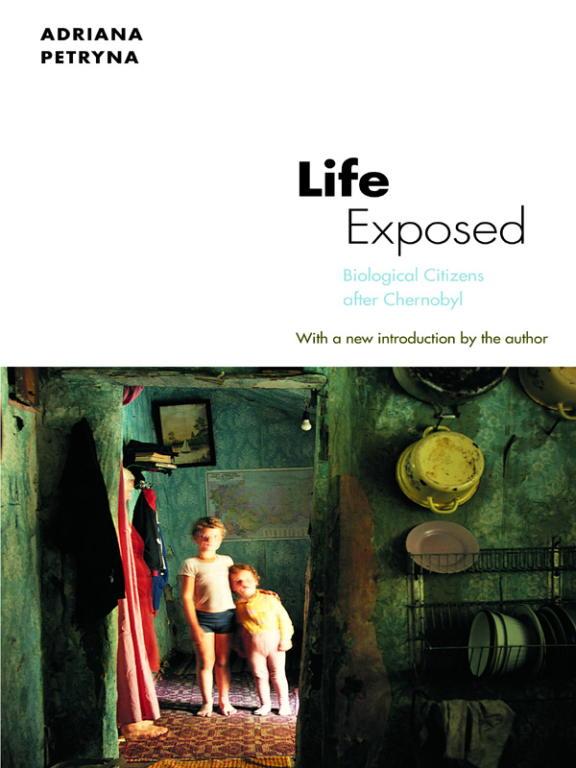
On April 26, 1986, Unit Four of the Chernobyl nuclear reactor exploded in then Soviet Ukraine. More than 3.5 million people in Ukraine alone, not to mention many citizens of surrounding countries, are still suffering the effects. Life Exposed is the first book to comprehensively examine the vexed political, scientific, and social circumstances that followed the disaster. Tracing the story from an initial lack of disclosure to post-Soviet democratizing attempts to compensate sufferers, Adriana Petryna uses anthropological tools to take us into a world whose social realities are far more immediate and stark than those described by policymakers and scientists. She asks: What happens to politics when state officials fail to inform their fellow citizens of real threats to life? What are the moral and political consequences of remedies available in the wake of technological disasters?
Through extensive research in state institutions, clinics, laboratories, and with affected families and workers of the so-called Zone, Petryna illustrates how the event and its aftermath have not only shaped the course of an independent nation but have made health a negotiated realm of entitlement. She tracks the emergence of a “biological citizenship” in which assaults on health become the coinage through which sufferers stake claims for biomedical resources, social equity, and human rights. Life Exposed provides an anthropological framework for understanding the politics of emergent democracies, the nature of citizenship claims, and everyday forms of survival as they are interwoven with the profound changes that accompanied the collapse of the Soviet Union.
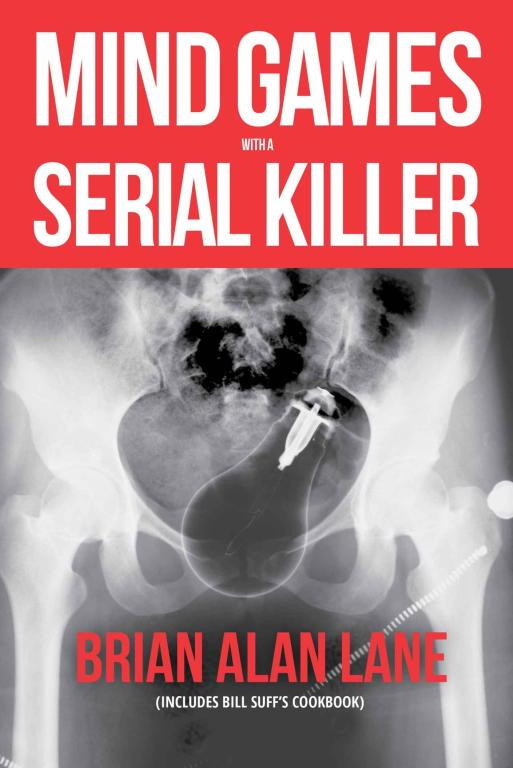
Updated and Revised 2015 Edition of the Best-Selling Creative Non-Fiction Crime Story “Cat and Mouse – Mind Games with a Serial Killer”.
As seen recently on British TV Show “Born to Kill”
In this startling, twisting, turning story of murder, mayhem, and self-discovery, convicted mass murderer and baby killer Bill Suff “The Riverside Prostitute Killer” is your guide to exploring your personal demons.
This is a unique book containing everything that was heretofore known and suspected but meticulously kept “off the record”, as well as details that that only the killer knew until now. There are interviews with principals; transcripts of the illegal police interrogation of Bill; excerpts from the cookbook, poetry, and writings of Bill; a step-by-step reconstruction of the mental chess game between Bill and Brian; and appreciation for how “friendship” with this serial killer led to death for some but salvation for others.
For seven years—1985 to 1992—Bill hid in plain sight while terrorizing three Southern California counties, murdering two dozen prostitutes, mutilating and then posing them in elaborate artistic scenarios in public places—he’d placed a lightbulb in the womb of one, dressed others in men’s clothes, left one woman naked with her head bent forward and buried in the ground like an ostrich; he’d surgically removed the right breasts of some victims, and cut peepholes in the navels of others.
When the newspapers said that the killer only slayed whites and hispanics, Bill ran right out and raped, torutred and killed a pregnant black woman. When a film company came to town to make a fictional movie about the then-uncaught killer, Bill left a corpse on their set. And, as the massive multi-jurisdictional police task force fruitlessly hunted the unknown killer, Bill personally served them bowls of his “special” chili at the annual Riverside County Employees’ Picnic and Cook-off.
William Lester “Bill” Suff. He says he’s innocent, says he’s been framed, says he’s the most wronged man in America, maybe the world. He’s easygoing, genial, soft-spoken, loves to read, write, draw, play music and chat endlessly. He describes himself as a lovable nerd and a hope-less romantic, and he fancies himself a novelist and poet.
Brian first connected with Bill on the basis of writer to writer, and that’s when the mind games began. Even in jail, Bill was the master manipulator, the seducer who somehow always got way. But Brian was determined to lose himself in Bill’s mind, in Bill’s fantasies, to get at the truth of who and what Bill Suff is. Only then would he know the truth of how close we are all to being just like Bill.
Some readers wrote that the book was “personally important and life-changing”, others that it was “the only serial killer book with a sense of humor”, and others that they wished the author dead or worse. The son of one of Suff’s victims held on to the book as life-preserving testimony to the goodness of his fatally flawed mother and the possibility that his own redemption would eventually be in his own hands.
Meanwhile, TV series and movies continuously derive episodes and plots from the unique details of the murders and the spiraling psyches of the characters as laid out in the book.
When it was first released, Brian Alan Lane’s genre-bending bestseller “Mind Games With a Serial Killer” was simultaneously hailed and reviled.
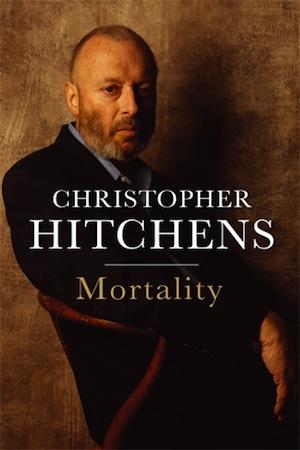
On June 8, 2010, while on a book tour for his bestselling memoir, Hitch-22, Christopher Hitchens was stricken in his New York hotel room with excruciating pain in his chest and thorax. As he would later write in the first of a series of award-winning columns for Vanity Fair, he suddenly found himself being deported “from the country of the well across the stark frontier that marks off the land of malady.” Over the next eighteen months, until his death in Houston on December 15, 2011, he wrote constantly and brilliantly on politics and culture, astonishing readers with his capacity for superior work even in extremis.
Throughout the course of his ordeal battling esophageal cancer, Hitchens adamantly and bravely refused the solace of religion, preferring to confront death with both eyes open. In this riveting account of his affliction, Hitchens poignantly describes the torments of illness, discusses its taboos, and explores how disease transforms experience and changes our relationship to the world around us. By turns personal and philosophical, Hitchens embraces the full panoply of human emotions as cancer invades his body and compels him to grapple with the enigma of death.
MORTALITY is the exemplary story of one man’s refusal to cower in the face of the unknown, as well as a searching look at the human predicament. Crisp and vivid, veined throughout with penetrating intelligence, Hitchens’s testament is a courageous and lucid work of literature, an affirmation of the dignity and worth of man.
Amazon Best Books of the Month, September 2012:
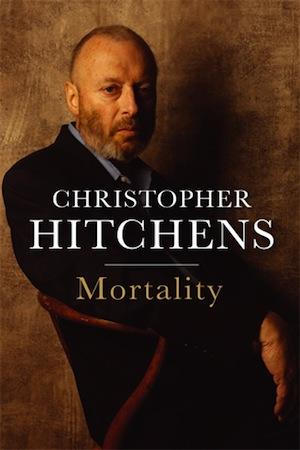
On June 8, 2010, while on a book tour for his bestselling memoir, Hitch-22, Christopher Hitchens was stricken in his New York hotel room with excruciating pain in his chest and thorax. As he would later write in the first of a series of award-winning columns for Vanity Fair, he suddenly found himself being deported “from the country of the well across the stark frontier that marks off the land of malady.” Over the next eighteen months, until his death in Houston on December 15, 2011, he wrote constantly and brilliantly on politics and culture, astonishing readers with his capacity for superior work even in extremis.
Throughout the course of his ordeal battling esophageal cancer, Hitchens adamantly and bravely refused the solace of religion, preferring to confront death with both eyes open. In this riveting account of his affliction, Hitchens poignantly describes the torments of illness, discusses its taboos, and explores how disease transforms experience and changes our relationship to the world around us. By turns personal and philosophical, Hitchens embraces the full panoply of human emotions as cancer invades his body and compels him to grapple with the enigma of death.
MORTALITY is the exemplary story of one man’s refusal to cower in the face of the unknown, as well as a searching look at the human predicament. Crisp and vivid, veined throughout with penetrating intelligence, Hitchens’s testament is a courageous and lucid work of literature, an affirmation of the dignity and worth of man.
Amazon Best Books of the Month, September 2012:
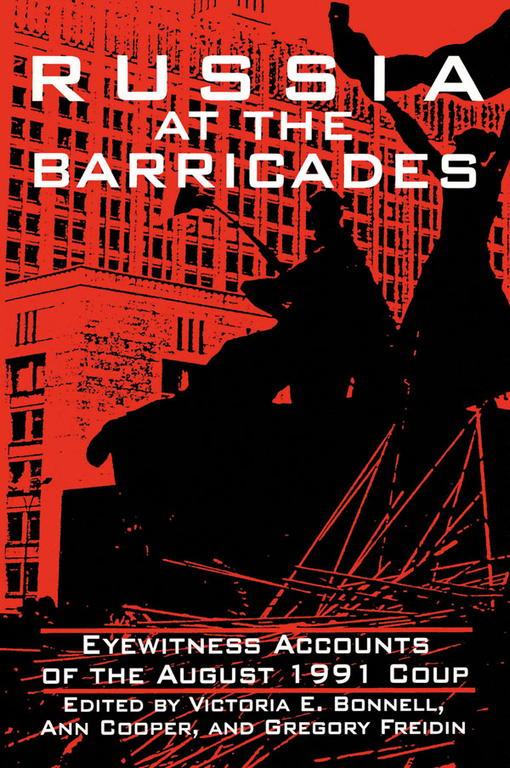
On August 19, 1991, eight high-ranking Soviet officials took over the government of the USSR and proclaimed themselves its new rulers. Less than seventy-two hours later, their coup had collapsed, but it would change the course of history in a way that no one—certainly not the plotters themselves—could have foreseen.
The editor of this volume, who witnessed these momentous events, have assembled firsthand accounts of the attempted coup. They include testimonies from “junta” members and military officers, resistance leaders and ordinary citizens, Muscovites and residents of other locales, Russian and foreign journalists, foreign visitors and returning émigrés, as well as Mikhail Gorbachev and Boris Yeltsin. Key documents and photographs complement the individual accounts.
The provocative introduction to the volume places the August events in the larger context—from the early days of perestroika and glasnost to the second confrontation at the White House, in October 1993.