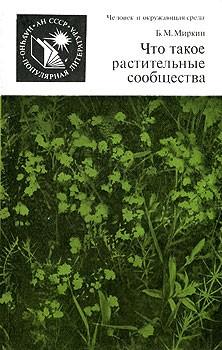
 fb2
fb2Лес, луг, болото, поле пшеницы или яблоневый сад — все это растительные сообщества, окружающие нас. О том, как они организованы и как развивалась изучающая их наука — фитоценология, рассказано в этой книге. Фитоценология — основа современной экологически обоснованной системы использования растительности и со охраны. Читатель узнает много нового и интересного о поведении растений в сообществах, о причинах того, почему в одном случае вместе растут десятки видов, а в другом — не могут ужиться даже несколько.
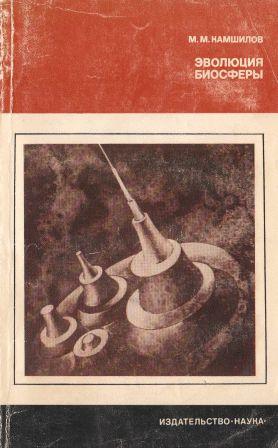
Книга доктора биологических наук М. М. Камшилова посвящена проблеме эволюции биосферы. В ней рассматриваются такие вопросы, как происхождение биосферы, ее организация, факторы и закономерности эволюции. Особое внимание уделено влиянию человека на атмосферу. Приведены обширные фактические данные по палеонтологии, биоценологии, генетике и молекулярной биологии.
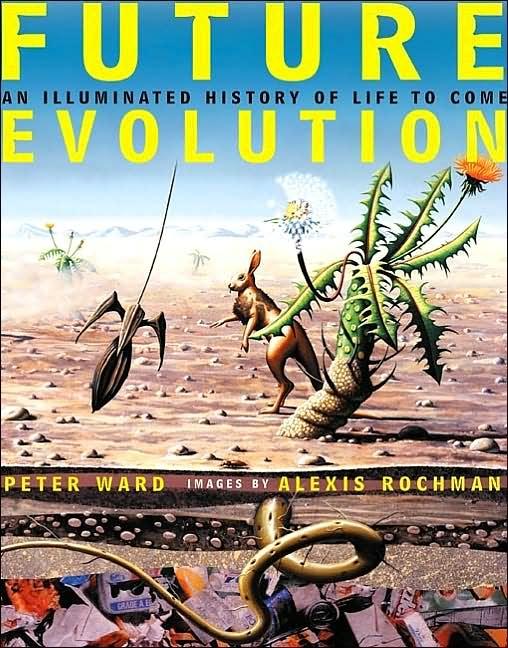
Книга известного американского палеонтолога, в которой в популярной и доступной для восприятия форме рассматриваются различные проблемы, связанные с эволюцией, которые могут иметь далеко идущие последствия в будущем. В отличие от Дугала Диксона, автор не рисует уже готовые картины будущего, а делает попытку заглянуть в будущее, анализируя эволюционные процессы прошлого и настоящего. В книге практически нет описаний фантастических животных грядущих эпох. Вместо этого П. Уорд анализирует изменения, происходящие в эволюционных процессах под влиянием человека: характер вымирания, протекающего в наши дни, изменения местообитаний, новые условия, создаваемые человеком, влияние генной инженерии. Часть книги посвящена вопросам эволюции человека в будущем, а также анализу возможных причин вымирания человека.
Вас беспокоит изменение климата и его глобальное влияние на нашу окружающую среду? Хотите помочь, но не знаете с чего начать? Новое руководство Натали Фи по «зеленой жизни» поможет вам внести небольшие изменения во все ключевые сферы жизни, от еды до выборов, которые будут иметь большое значение для планеты.
Полезные и доступные советы для всех – как новичков, так и уже осознанных потребителей. Давайте спасать мир вместе!
#HowToSaveTheWorldForFree
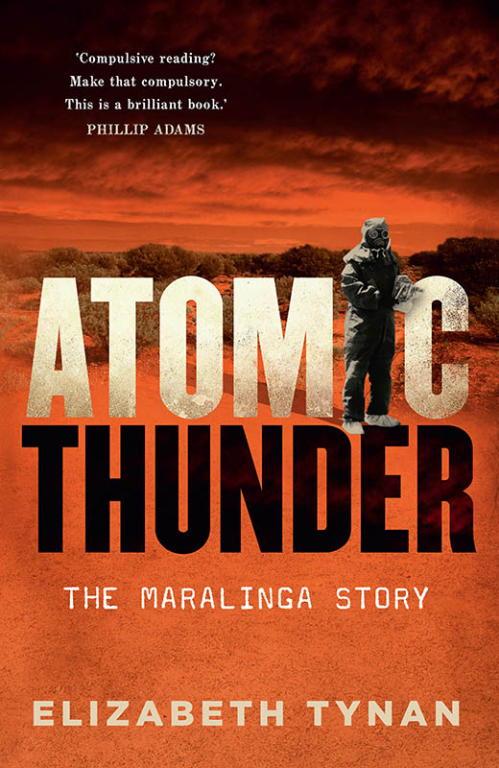
In September 2016 it will be 60 years since the first British mushroom cloud rose above the plain at Maralinga in South Australia. The atomic weapons test series wreaked havoc on Indigenous communities and turned the land into a radioactive wasteland.
In 1950 Australian prime minister Robert Menzies blithely agreed to atomic tests that offered no benefit to Australia and relinquished control over them – and left the public completely in the dark. This book reveals the devastating consequences of that decision. After earlier tests at Monte Bello and Emu Field, in 1956 Australia dutifully provided 3200 square kilometres of South Australian desert to the British Government, along with logistics and personnel.
How could a democracy such as Australia host another country’s nuclear program in the midst of the Cold War? In this meticulously researched and shocking work, journalist and academic Elizabeth Tynan reveals how Australia allowed itself to be duped. Maralinga was born in secret atomic business, and has continued to be shrouded in mystery decades after the atomic thunder stopped rolling across the South Australian test site. This book is the most comprehensive account of the whole saga, from the time that the explosive potential of splitting uranium atoms was discovered, to the uncovering of the extensive secrecy around the British tests in Australia many years after the British had departed, leaving an unholy mess behind.
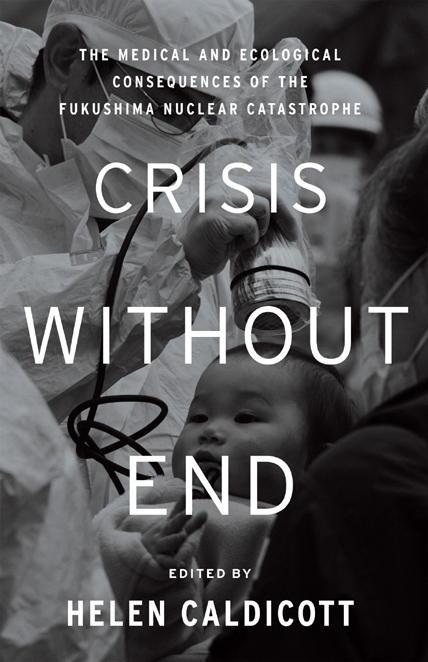
On the second anniversary of the Fukushima disaster, an international panel of leading medical and biological scientists, nuclear engineers, and policy experts assembled at the prestigious New York Academy of Medicine. A project of the Helen Caldicott Foundation and co-sponsored by Physicians for Social Responsibility, this gathering was a response to widespread concerns that the media and policy makers had been far too eager to move past what are clearly deep and lasting impacts for the Japanese people and for the world. This was the first comprehensive attempt to address the health and environmental damage done by one of the worst nuclear accidents of our times.
The only document of its kind, Crisis Without End represents an unprecedented look into the profound aftereffects of Fukushima. In accessible terms, leading experts from Japan, the United States, Russia, and other nations weigh in on the current state of knowledge of radiation-related health risks in Japan, impacts on the world’s oceans, the question of low-dosage radiation risks, crucial comparisons with Chernobyl, health and environmental impacts on the United States (including on food and newborns), and the unavoidable implications for the U.S. nuclear energy industry.
Crisis Without End is both essential reading and a major corrective to the public record on Fukushima.
"There are two problems for our species' survival—nuclear war and environmental catastrophe," says Noam Chomsky in this new book on the two existential threats of our time and their points of intersection since World War II.
While a nuclear strike would require action, environmental catastrophe is partially defined by willful inaction in response to human-induced climate change. Denial of the facts is only half the equation. Other contributing factors include extreme techniques for the extraction of remaining carbon deposits, the elimination of agricultural land for bio-fuel, the construction of dams, and the destruction of forests that are crucial for carbon sequestration.
On the subject of current nuclear tensions, Chomsky revisits the long-established option of a nuclear-weapon-free zone (NWFZ) in the Middle East, a proposal set in motion through a joint Egyptian Iranian General Assembly resolution in 1974.
Intended as a warning, Nuclear War and Environmental Catastrophe is also a reminder that talking about the unspeakable can still be done with humor, with wit and indomitable spirit.
First published by Houghton Mifflin in 1962, Silent Spring alerted a large audience to the environmental and human dangers of indiscriminate use of pesticides, spurring revolutionary changes in the laws affecting our air, land, and water.
This fortieth anniversary edition celebrates Rachel Carson’s watershed book with a new introduction by the author and activist Terry Tempest Williams and a new afterword by the acclaimed Rachel Carson biographer Linda Lear, who tells the story of Carson’s courageous defense of her truths in the face of ruthless assault from the chemical industry in the year following the publication of Silent Spring and before her untimely death in 1964.
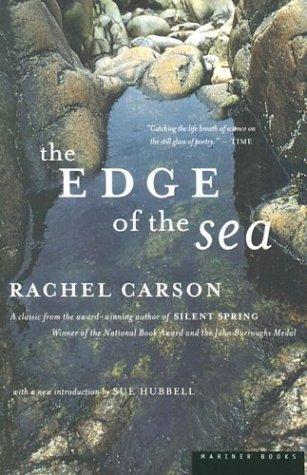
“The edge of the sea is a strange and beautiful place.”
A book to be read for pleasure as well as a practical identification guide, The Edge of the Sea introduces a world of teeming life where the sea meets the land. A new generation of readers is discovering why Rachel Carson’s books have become cornerstones of the environmental and conservation movements. New introduction by Sue Hubbell.
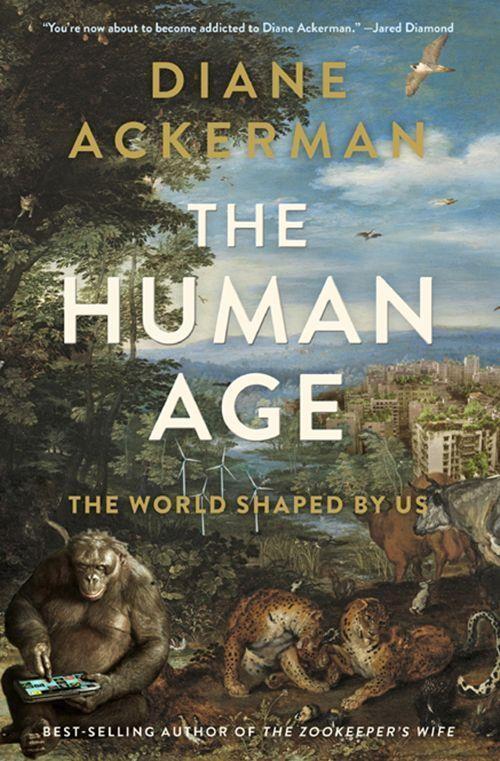
As Diane Ackerman writes in her brilliant new book, The Human Age, “our relationship with nature has changed… radically, irreversibly, but by no means all for the bad. Our new epoch is laced with invention. Our mistakes are legion, but our talent is immeasurable.”
Ackerman is justly celebrated for her unique insight into the natural world and our place in it. In this landmark book, she confronts the unprecedented reality that one prodigiously intelligent and meddlesome creature, Homo sapiens, is now the dominant force shaping the future of planet Earth.
Humans have “subdued 75 percent of the land surface, concocted a wizardry of industrial and medical marvels, strung lights all across the darkness.” We tinker with nature at every opportunity; we garden the planet with our preferred species of plants and animals, many of them invasive; and we have even altered the climate, threatening our own extinction. Yet we reckon with our own destructive capabilities in extraordinary acts of hope-filled creativity: we collect the DNA of vanishing species in a “frozen ark,” equip orangutans with iPads, and create wearable technologies and synthetic species that might one day outsmart us. With her distinctive gift for making scientific discovery intelligible to the layperson, Ackerman takes us on an exhilarating journey through our new reality, introducing us to many of the people and ideas now creating—perhaps saving—our future and that of our fellow creatures.
A beguiling, optimistic engagement with the changes affecting every part of our lives, The Human Age is a wise and beautiful book that will astound, delight, and inform intelligent life for a long time to come.
Rachel Carson’s National Book Award–winning classic effortlessly mingles detailed fieldwork and inspiring prose to reveal a deep understanding of the earth’s most precious, mysterious resource—the ocean.
With more than one million copies sold, Rachel Carson’s The Sea Around Us became a cultural phenomenon when first published in 1951 and cemented Carson’s status as the preeminent natural history writer of her time. Her inspiring, intimate writing plumbs the depths of an enigmatic world—a place of hidden lands, islands newly risen from the earth’s crust, fish that pour through the water, and the unyielding, epic battle for survival.
Firmly based in the scientific discoveries of the time, The Sea Around Us masterfully presents Carson’s commitment to a healthy planet and a fully realized sense of wonder.
This ebook features an illustrated biography of Rachel Carson including rare photos and never-before-seen documents from the Beinecke Rare Book and Manuscript Library at Yale University.
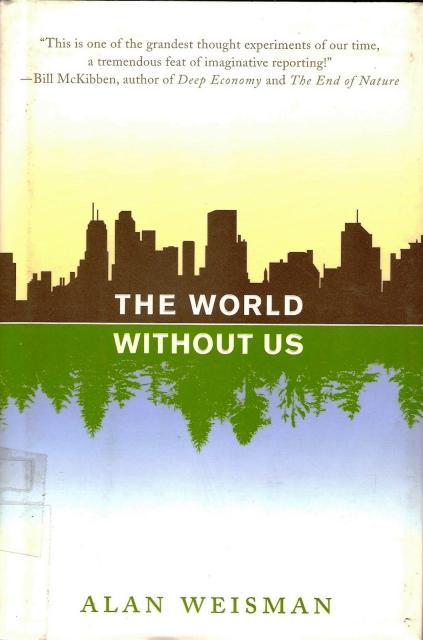
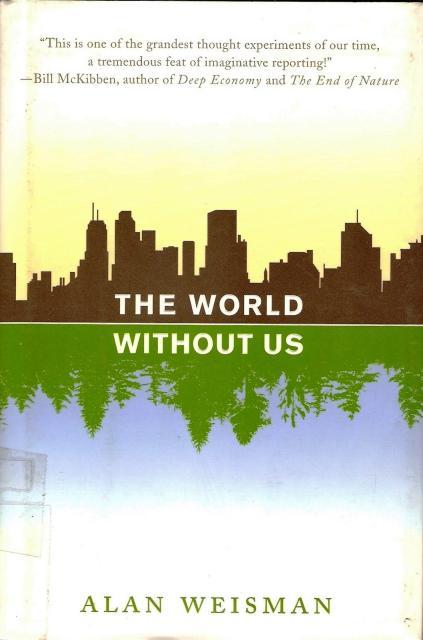
If human beings disappeared instantaneously from the Earth, what would happen? How would the planet reclaim its surface? What creatures would emerge from the dark and swarm? How would our treasured structures—our tunnels, our bridges, our homes, our monuments—survive the unmitigated impact of a planet without our intervention? In his revelatory, bestselling account, Alan Weisman draws on every field of science to present an environmental assessment like no other, the most affecting portrait yet of humankind’s place on this planet.
EDITORIAL REVIEW:
Time #1 Nonfiction Book of 2007
Entertainment Weekly #1 Nonfiction Book of 2007
Finalist for the 2007 National Book Critics Circle Award
Salon Book Awards 2007
Amazon Top 100 Editors’ Picks of 2007 (#4)
Barnes and Noble 10 Best of 2007: Politics and Current Affairs
Kansas City Star’s Top 100 Books of the Year 2007
Mother Jones’ Favorite Books of 2007
South Florida Sun-Sentinel Best Books of the Year 2007
Hudson’s Best Books of 2007
St. Louis Post-Dispatch Best Books of 2007
St. Paul Pioneer Press Best Books of 2007
Time #1 Nonfiction Book of 2007
Entertainment Weekly #1 Nonfiction Book of 2007
Finalist for the 2007 National Book Critics Circle Award
Salon Book Awards 2007
Amazon Top 100 Editors’ Picks of 2007 (#4)
Barnes and Noble 10 Best of 2007: Politics and Current Affairs
Kansas City Star’s Top 100 Books of the Year 2007
Mother Jones’ Favorite Books of 2007
South Florida Sun-Sentinel Best Books of the Year 2007
Hudson’s Best Books of 2007
St. Louis Post-Dispatch Best Books of 2007
St. Paul Pioneer Press Best Books of 2007
If human beings disappeared instantaneously from the Earth, what would happen? How would the planet reclaim its surface? What creatures would emerge from the dark and swarm? How would our treasured structures—our tunnels, our bridges, our homes, our monuments—survive the unmitigated impact of a planet without our intervention? In his revelatory, bestselling account, Alan Weisman draws on every field of science to present an environmental assessment like no other, the most affecting portrait yet of humankind's place on this planet.
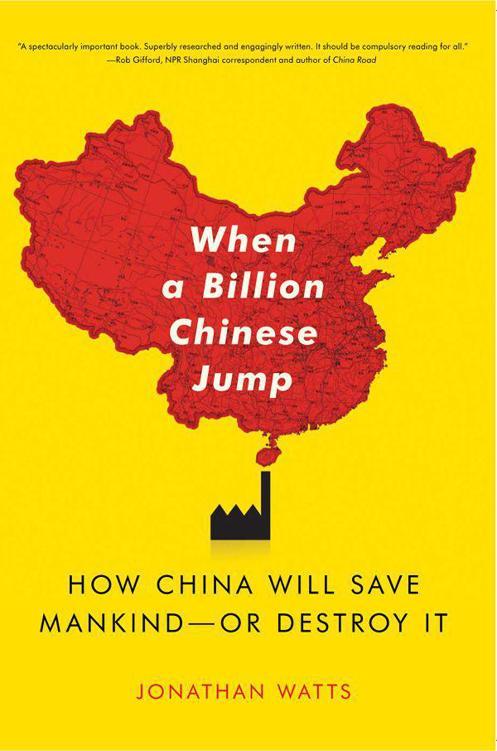
When a Billion Chinese Jump is a road journey into the future of our species. Traveling from the mountains of Tibet to the deserts of Inner Mongolia via the Silk Road, tiger farms, cancer villages, weather-modifying bases, and eco-cities, Watts chronicles the environmental impact of economic growth with a series of gripping stories from the country on the front line of global development. He talks to nomads and philosophers, entrepreneurs and scientists, rural farmers and urban consumers, examining how individuals are trying to adapt to one of the most spectacular bursts of change in human history, then poses a question that will affect all of our lives: Can China find a new way forward or is this giant nation doomed to magnify the mistakes that have already taken humanity to the brink of disaster?
Asian environmental correspondent for the Guardian, Watts travels to the four corners of China, from the southwest Himalayan region, rebranded as “Shangri-la” to attract tourists, to Xanadu (Shangdu) in Inner Mongolia, exploring how Beijing is balancing economic growth with sustainability and whether China will “emerge as the world’s first green superpower” or tip our species “over the environmental precipice.” What he finds is both hopeful and disturbing. Wildlife refuges, rather than focusing on biodiversity, breed animals for meat and traditional remedies like black bear bile. The city of Ordos plans to build a huge wind farm and solar plant, but these benefits are offset by its coal-liquification mine, “an environmentalist's worst nightmare” of greenhouse gases and water exploitation. The Chinese dictatorship, envied by other nations for its ability to enact environmental changes without the slow democratic process, turns out to be ineffective, with power lying with developers and local bureaucracies. Readers interested in global warming will appreciate the firsthand information about China, and Watts’s travels are so extensive and China is changing so fast, some material is likely to be fresh and new even for Sinologists.
Starred Review
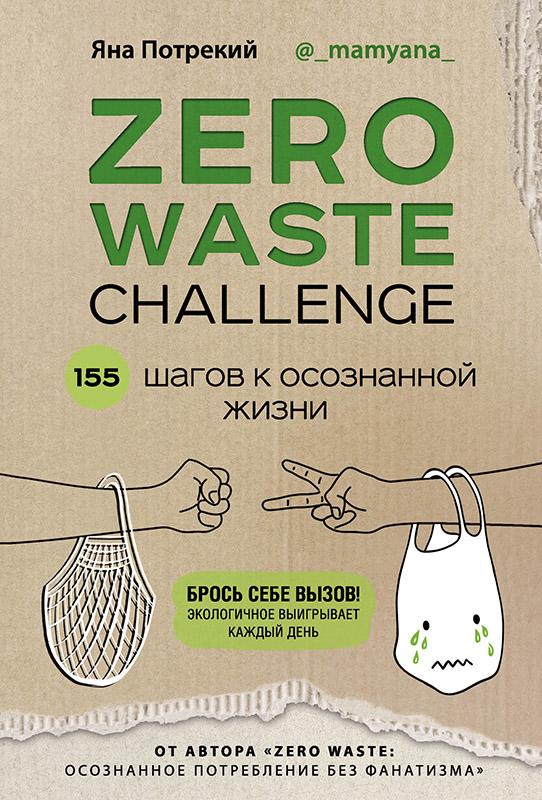
Хотите помочь планете и снизить свой экологический след? Тогда концепция Zero Waste («быт без отходов») поможет вам прийти к этому!
Яна Потрекий @_mamyana_, экоблогер и автор популярной книги «Zero Waste: осознанное потребление без фанатизма», составила самый настоящий гид-челленджер по переходу к более осознанной и ответственной жизни во всех сферах жизни человека: от одежды и еды, до путешествий и гигиены!
Живите экологично и радостно!
В формате PDF A4 сохранен издательский макет.